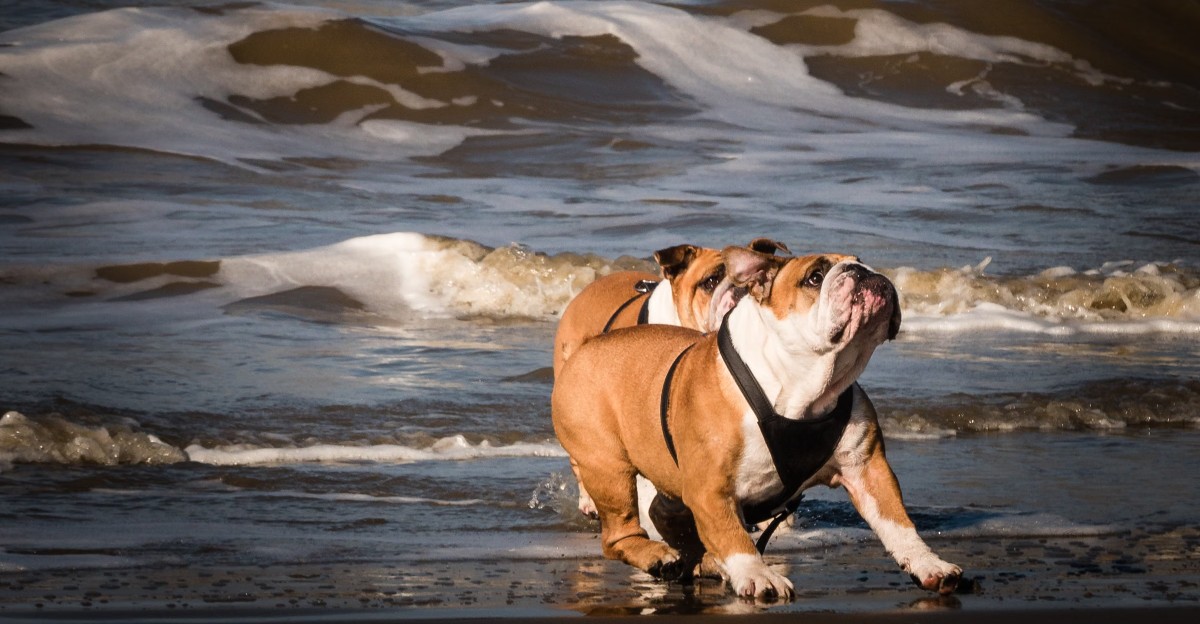
Many people think every dog is born knowing how to paddle, but that simply is not true. Some breeds have heavy bodies, short legs, or flat faces that make water a real danger.
Knowing which dogs struggle can help you keep your furry friend safe at the beach, lake, or backyard pool. Here are the breeds that need extra care around water.
Bulldog
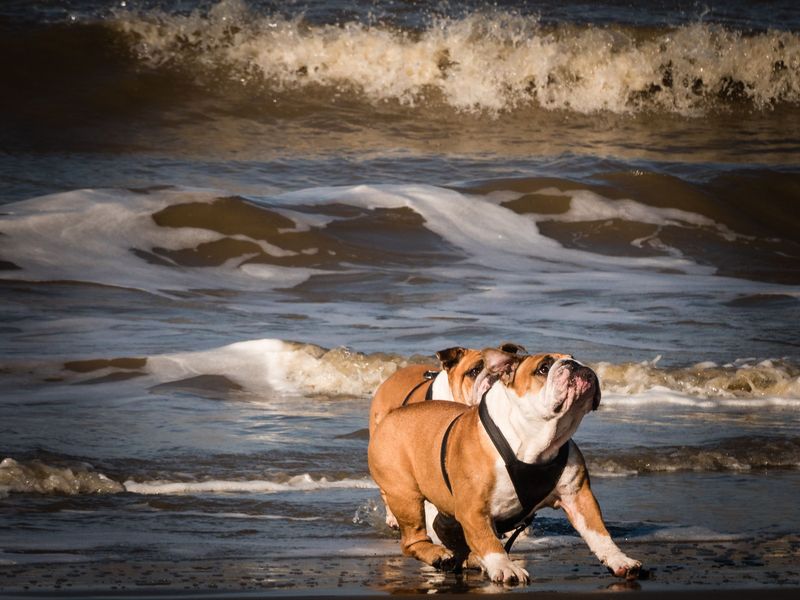
Picture a bowling ball with legs, and you have a pretty good idea of how a Bulldog handles water. Their heavy chest and big head pull the front of the body down fast.
Short snouts also make breathing hard when they work to stay afloat. Even a calm pool can turn scary in seconds.
If your Bulldog loves splashing, buy a snug life jacket and never leave the pup alone near water.
Pug
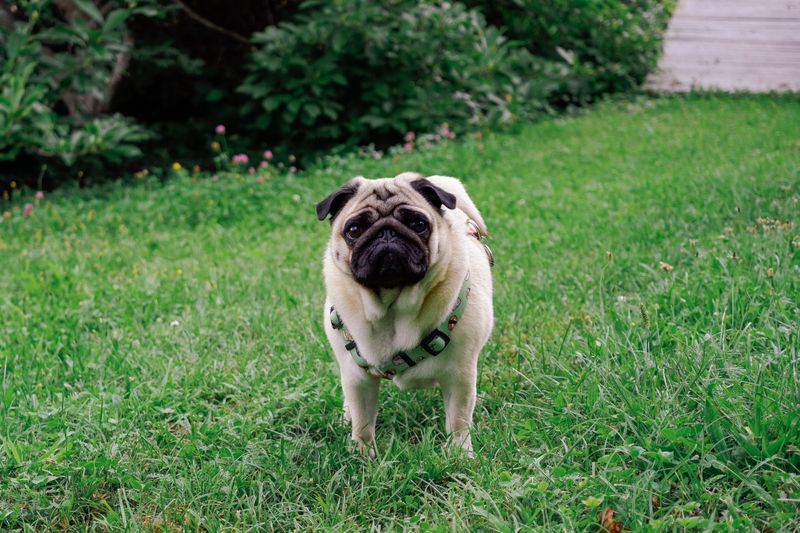
Pugs are comedians on land, but water is no joke for them. Their squished faces mean they tire quickly and can take in water through the nose.
Fun fact: Pugs were bred as lap dogs for Chinese emperors, not as swimmers or hunters.
Keep swim time short and shallow. A kiddie pool with a few inches of cool water gives them a fun splash without the danger.
Dachshund
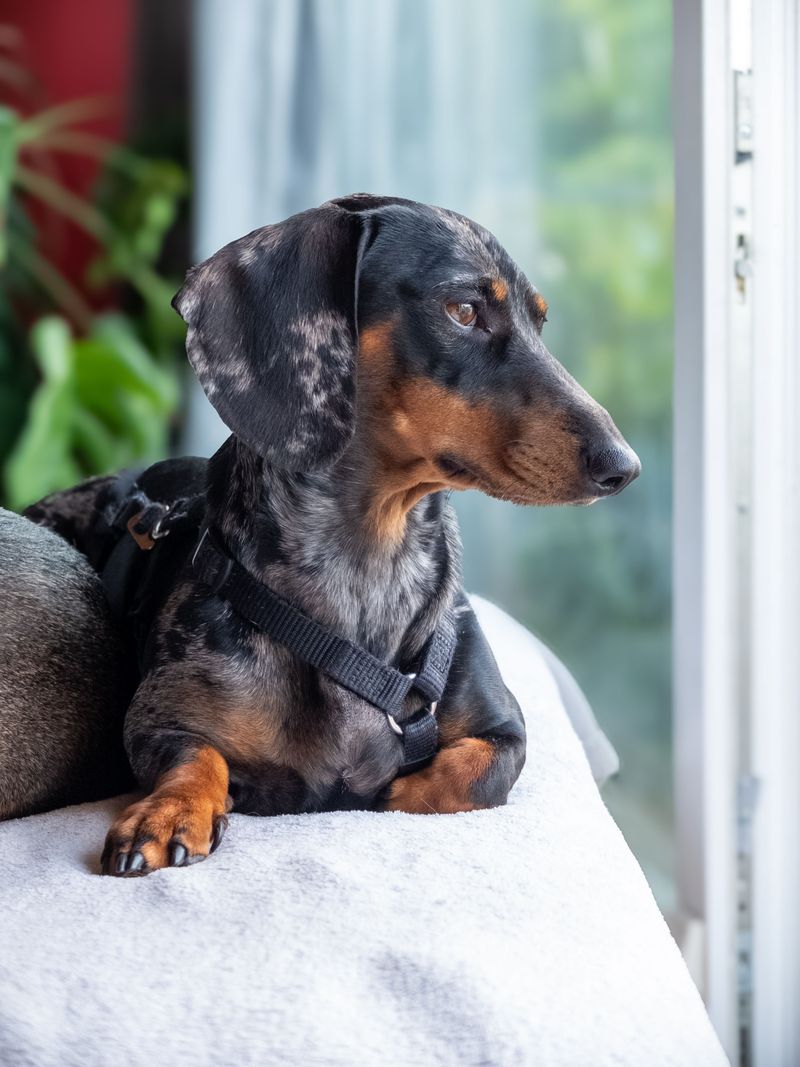
Ever tried paddling with legs the size of fish sticks? That is life for a Dachshund.
Those little limbs cannot push a long body forward very well.
Some Doxies enjoy a dip, yet they wear out much faster than you might expect.
Stick to shallow spots where their paws touch the ground. Watch for signs like heavy panting, and lift your wiener dog out before exhaustion kicks in.
Basset Hound
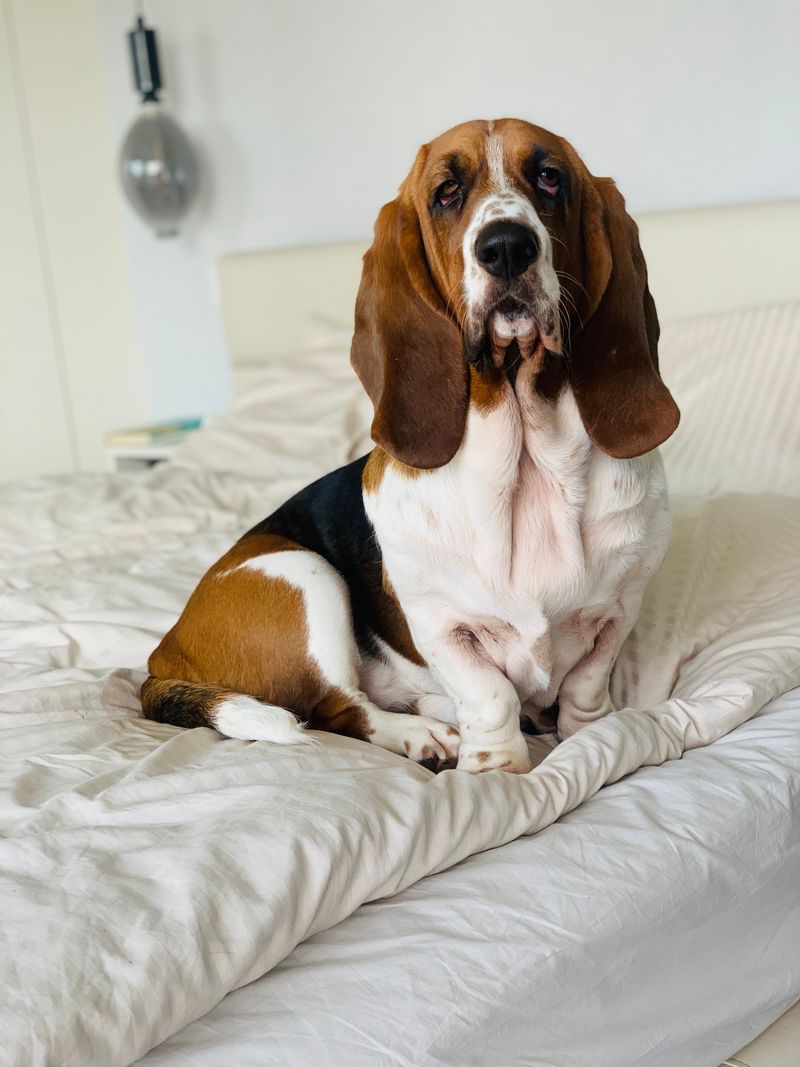
About 70 percent of a Basset Hound’s weight sits in the front half of its body. That makes floating level nearly impossible.
Add short legs and dense bones, and this sweet sniffer sinks more than it swims. Those long ears can also trap water and cause infections.
Fence off ponds and pools at home. After any splash, dry the ears gently with a soft towel to keep them healthy.
Boxer
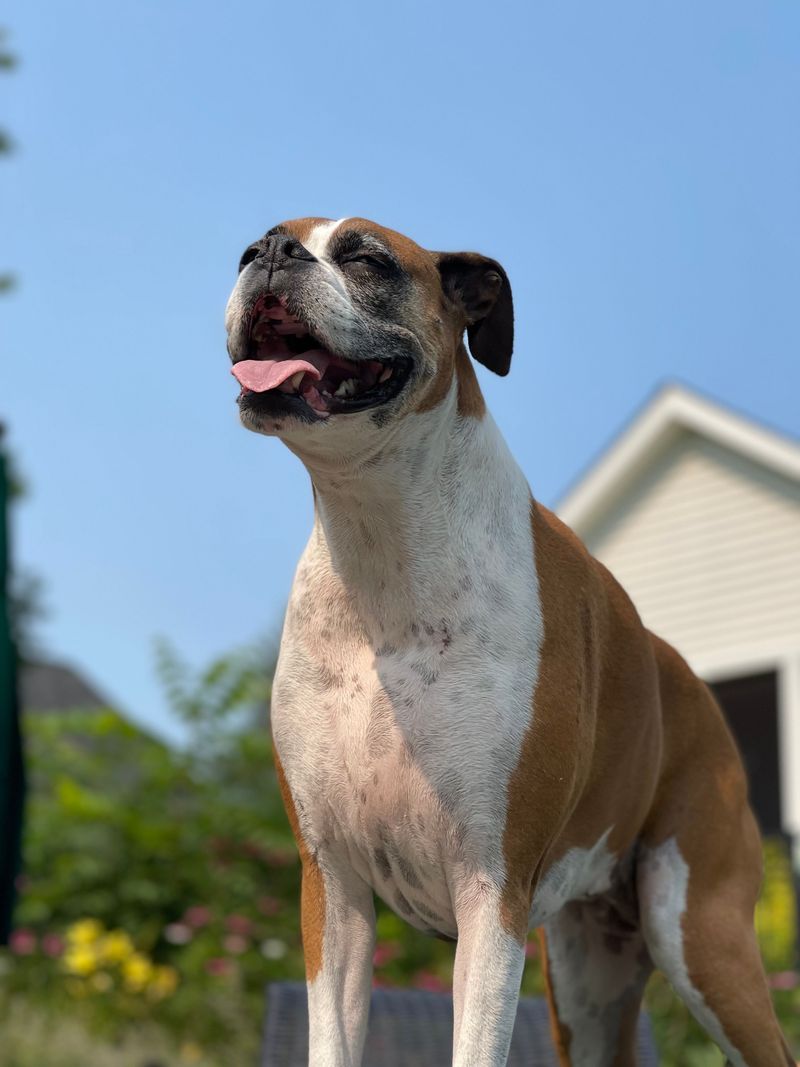
Strong, bouncy, and full of energy, Boxers seem like natural athletes. Surprise!
Their short muzzle and deep chest work against them in the water.
A Boxer may jump in boldly, then struggle to keep its nose above the surface. They also overheat quickly on hot days.
Teach yours slowly with a vest on, show it where the steps are, and offer plenty of shade and fresh water afterward.
Corgi
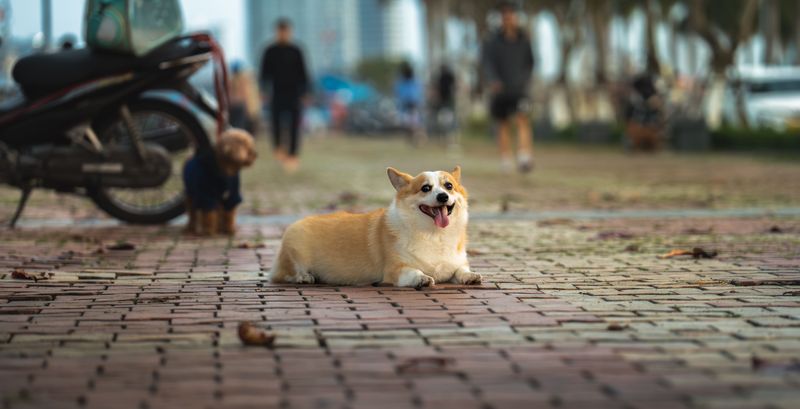
Corgis herded cattle in Wales, nipping at heels with their low, sturdy frames. Great for farms, not so great for lakes.
Their long backs and stubby legs mean lots of kicking for little movement. Many Corgis love water anyway, which is exactly why owners must stay alert.
A flotation vest with a top handle helps you scoop your pup out fast. Keep sessions short and celebrate every wobbly paddle.
Shih Tzu
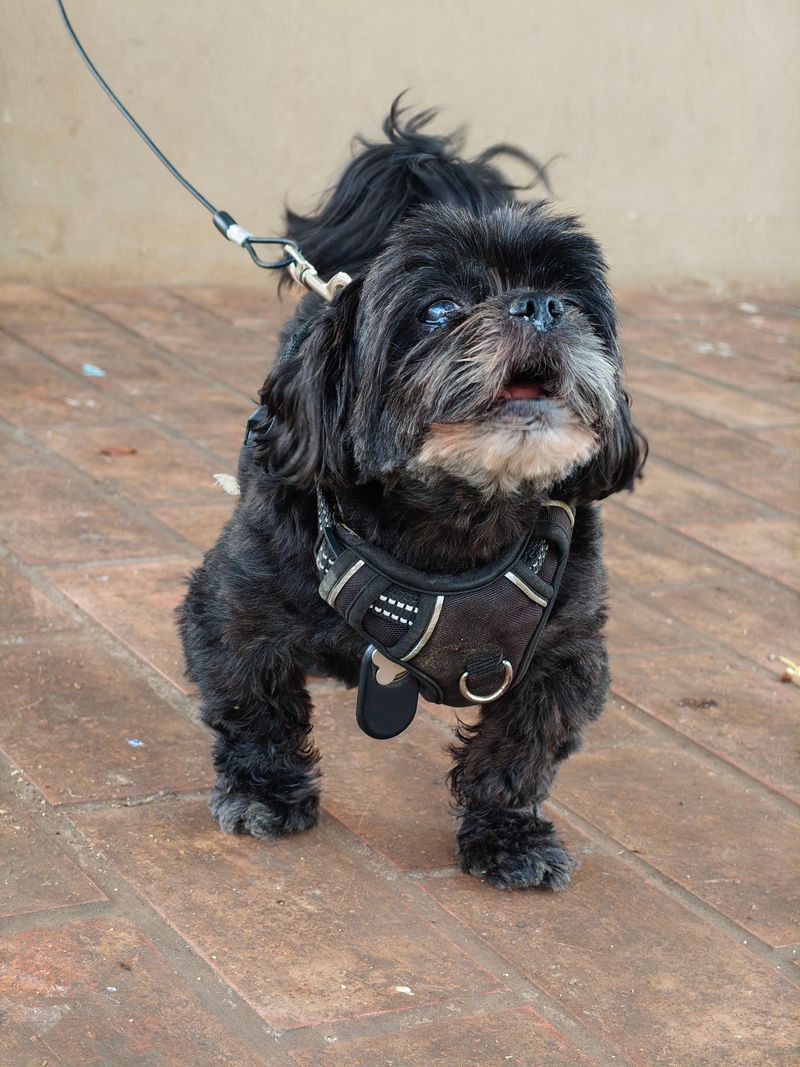
Royal lap warmers from ancient China, Shih Tzus were made for silk pillows, not swimming holes. Small size, flat faces, and thick coats add up to trouble.
That long fur soaks up water like a sponge, making the little dog heavy and cold.
If your Shih Tzu ends up wet, dry it fully and brush out tangles. A warm bath is honestly all the swimming this pampered pup needs.
French Bulldog
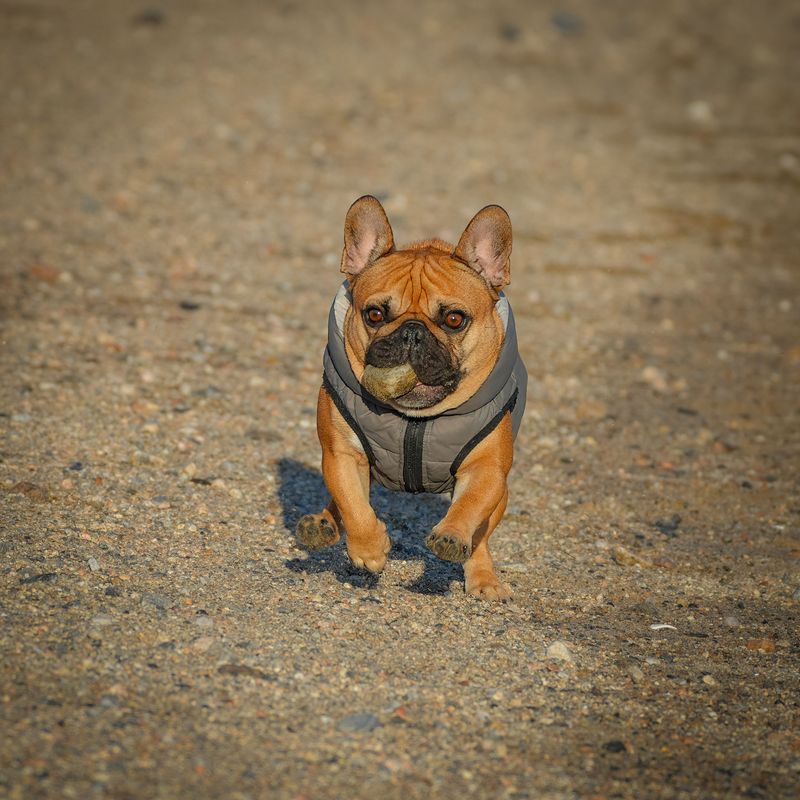
Frenchies are one of the most popular dogs in America, and sadly, pool accidents with them are common. Their compact, top-heavy bodies sink quickly.
Breathing through that tiny snout gets even harder during panic.
Here is a smart move: install a pool fence or ramp, and practice exits with your dog. Never toss a Frenchie into water to test it.
Let those adorable bat ears stay dry instead.
Pekingese
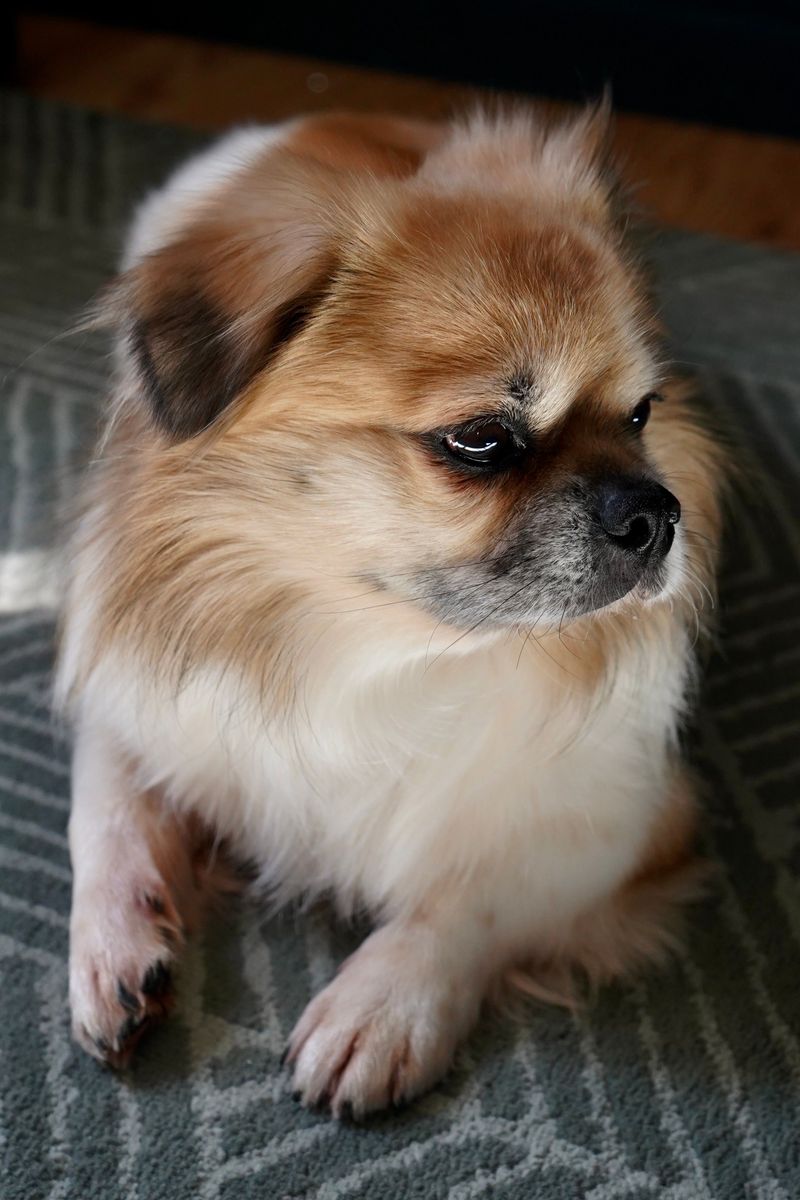
Legend says the Pekingese came from a lion who fell in love with a monkey. Whatever the story, this proud little dog was never meant for water.
A flat face, short legs, and a heavy mane make swimming exhausting.
Many Pekes simply refuse to go near water, and that is fine. Respect their choice, keep pool gates shut, and let them supervise summer fun from a shady towel.
Bull Terrier
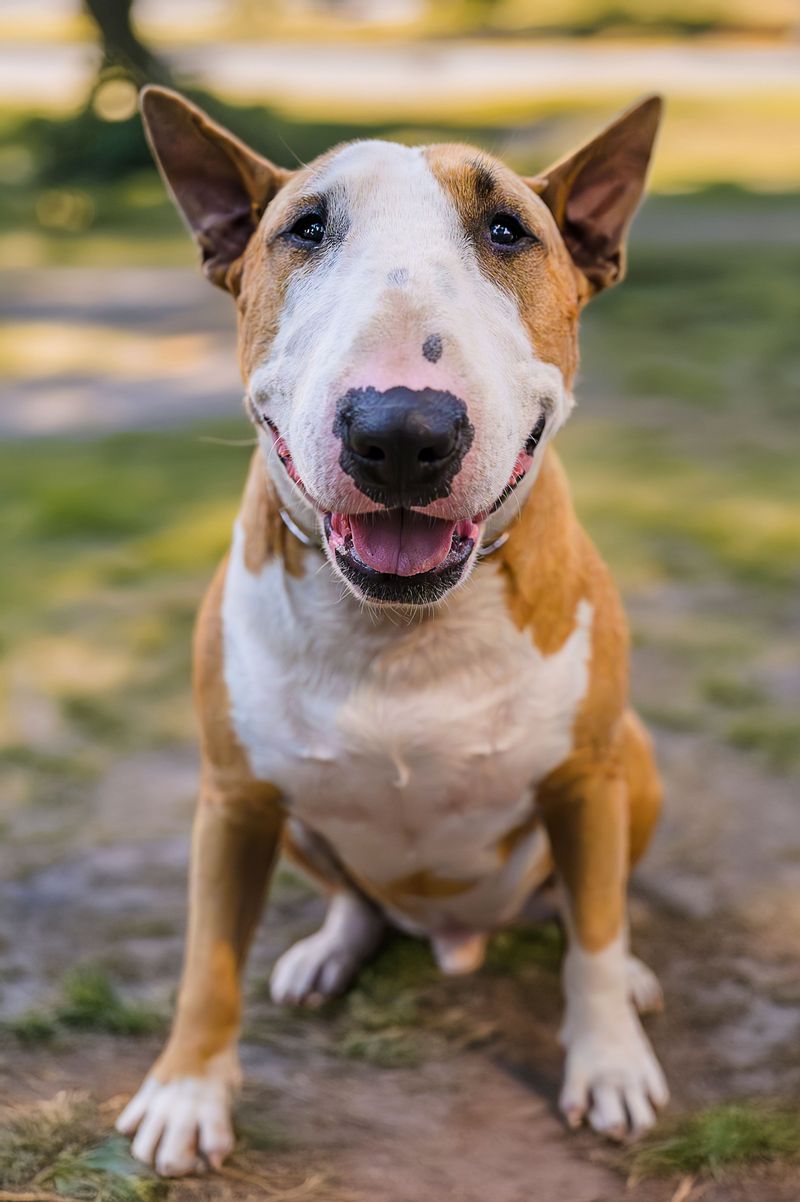
With an egg-shaped head and muscles packed tight, the Bull Terrier is a funny-looking powerhouse. Unfortunately, all that muscle is dense, and dense things sink.
These playful clowns often charge into water without thinking twice.
Start in shallow areas and use a long leash at rivers or lakes. Strong currents can tire even tough dogs quickly.
A bright life jacket also makes your pup easy to spot.
Chow Chow
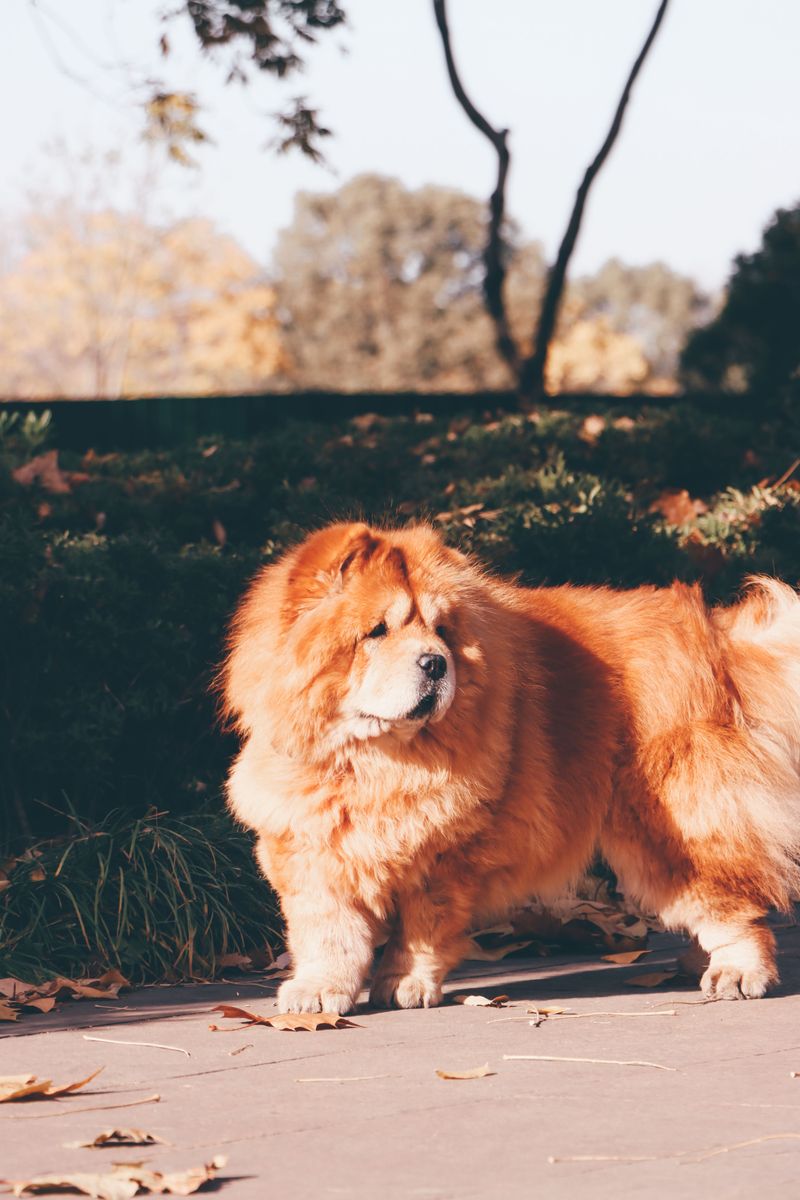
Think of wearing a heavy winter coat into a swimming pool. That is what water feels like for a Chow Chow.
Its thick double coat soaks up water and drags the dog down, while a short muzzle limits easy breathing.
Chows also tend to be independent and may not like being rescued. Keep them away from deep water, and towel them off well so their coats do not stay damp and itchy.