
Moving with a dog can feel exciting and a little nerve racking, especially when you want them to feel safe right away. The good news is that small, consistent steps create calm faster than big, dramatic changes.
With a few simple routines and a focus on comfort, your dog can settle into the new space smoothly. Let’s make this transition easier for both of you, starting today.
Create a consistent daily routine
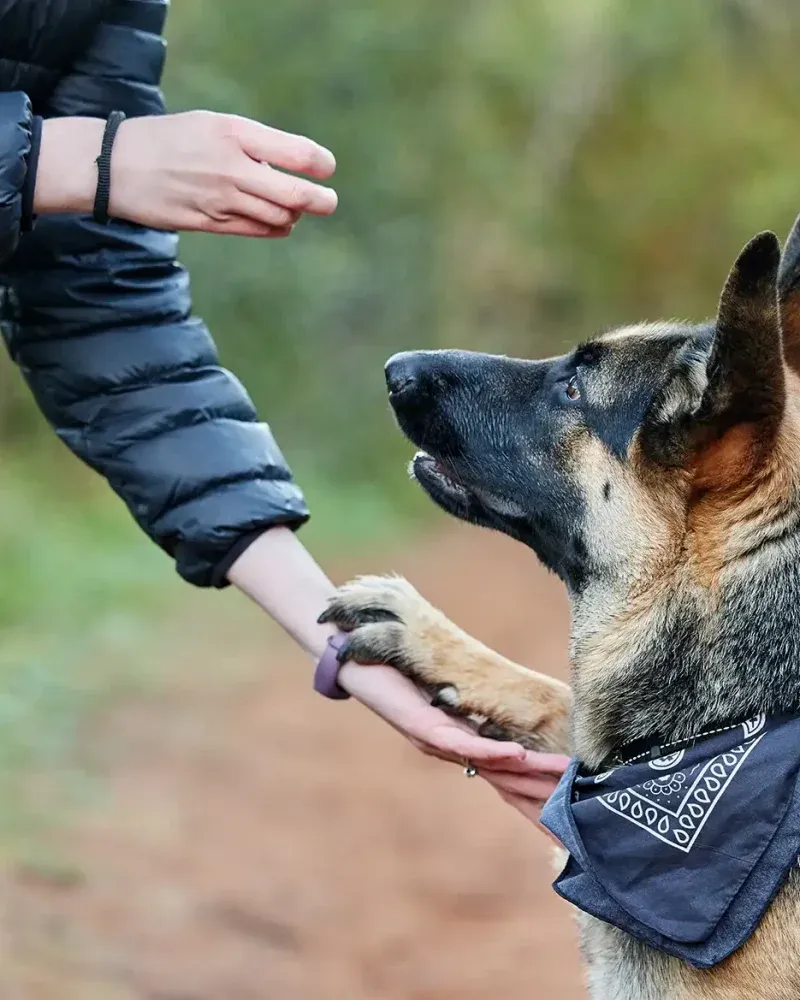
Routines are comforting for dogs because they remove guesswork and reduce stress. When meals, walks, and rest happen at predictable times, your dog can relax faster in a new place.
Start small by anchoring the day around morning potty, breakfast, midday enrichment, and evening wind down.
Use simple cues so your pup learns the flow. Lights on, coffee, leash by the door, then out the same route helps everything click.
Keep training sessions short and placed in the same window daily. If life gets messy, aim for consistent order even when exact minutes shift, so confidence keeps building.
Track routines in a simple note, and adjust gently based on your dog’s energy. Consistency beats perfection every single time.
Stay steady.
Set up a quiet, safe space

Your dog needs a retreat where nothing surprising happens. Choose a low traffic corner with a comfy bed, water nearby, and chew options.
If crates are familiar, cover three sides to create a denlike feel and leave the door open so choice stays with them.
Place it away from street noise and slamming cabinets. Add a worn T shirt or blanket that smells like home to smooth the transition.
Teach kids and guests that this zone is do not disturb. Reward calm time there with quiet praise, scatter feeding, or a lick mat, never pressure.
Let them choose to rest without constant petting, so the space earns trust. Soft lighting and predictable airflow help sensitive ears and noses settle faster.
Introduce new areas gradually
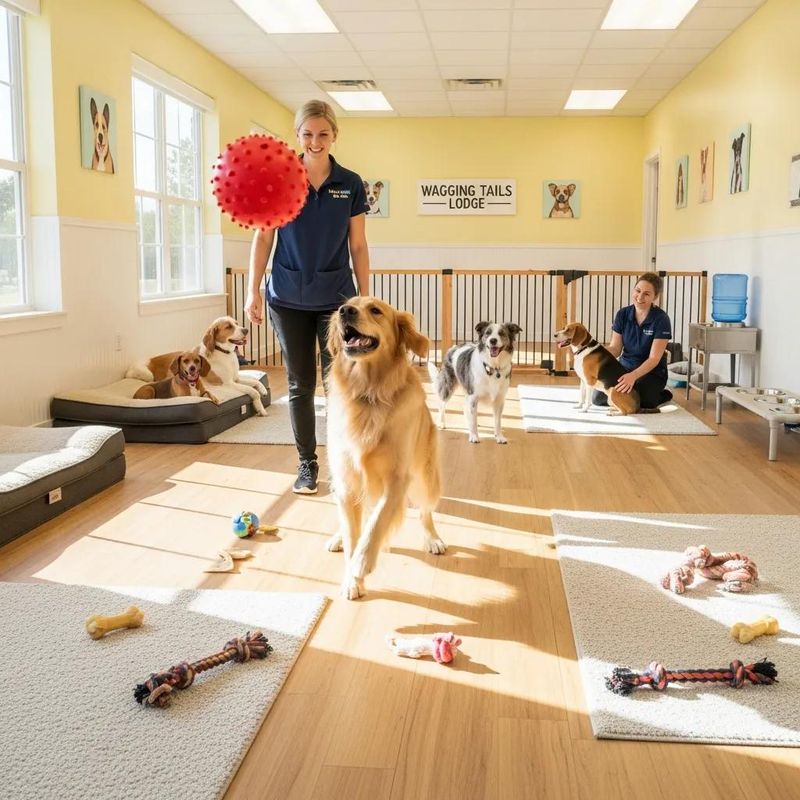
Big spaces can feel overwhelming at first. Start with one or two rooms where supervision is easy and hazards are limited.
Close doors or use baby gates, then expand territory only after calm behavior becomes the default.
Sniffing is how dogs read the news, so allow time to investigate edges, corners, and furniture legs. Pair each expansion with treats, play, or a nap to prevent overarousal.
If you notice pacing, whining, or zoomies, shrink the space and try again later. Progress feels slow, but comfort compounds.
Map milestones like access to the hallway, then the bedroom, then the yard. Celebrate calm choices with a jackpot of tiny treats, and keep sessions short to finish on success every single day consistently.
Keep feeding times consistent
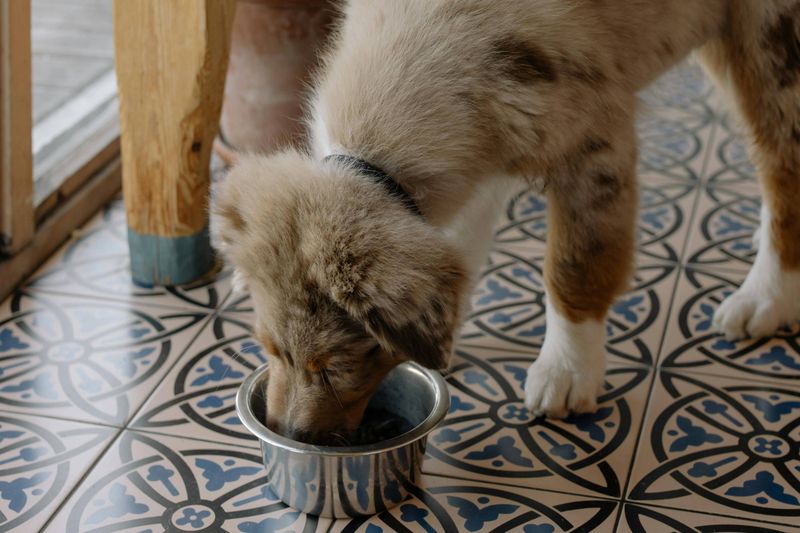
Food schedules anchor the day and stabilize digestion. Pick feeding windows you can actually meet, morning and evening, and stick to them.
Offer the bowl, give ten quiet minutes, then remove leftovers to avoid grazing that unsettles tummies.
Changes in food brands can upset stools, so transition over a week by mixing gradually. Pair meals with calm, predictable rituals like sit, wait, then release.
If mealtime anxiety shows up, feed in the quiet zone and use puzzle bowls to slow gulping. Consistency reduces begging, scavenging, and kitchen hovering.
Measure portions, log reactions, and adjust for age, activity, and vet guidance. Water stays available at all times, refreshed often, especially after play.
Avoid table scraps that confuse boundaries and spike excitement.
Use familiar toys or bedding
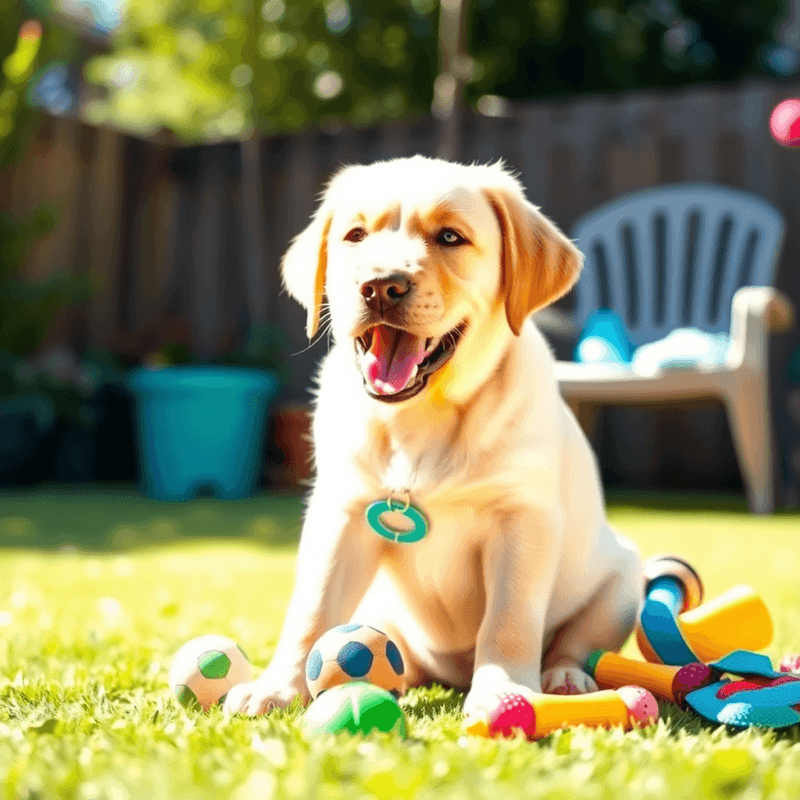
Scent is the fastest path to safety for dogs. Pack a blanket, toys, and a used collar or harness that carry the old home smell.
Place them in the safe zone first, then spread items into new rooms as confidence grows.
Rotate toys to keep novelty controlled and reduce frantic play. If stuffing gets torn, trade for a treat, then remove quietly to prevent resource guarding.
Refresh bedding weekly but keep one unwashed piece as the anchor scent. Split comfort items between crate, living area, and car to smooth every transition.
A favorite chew can bridge stressful gaps during moves, storms, or first nights. Keep a travel duplicate in your bag so support never gets misplaced.
That backup matters greatly.
Avoid overwhelming visitors early on
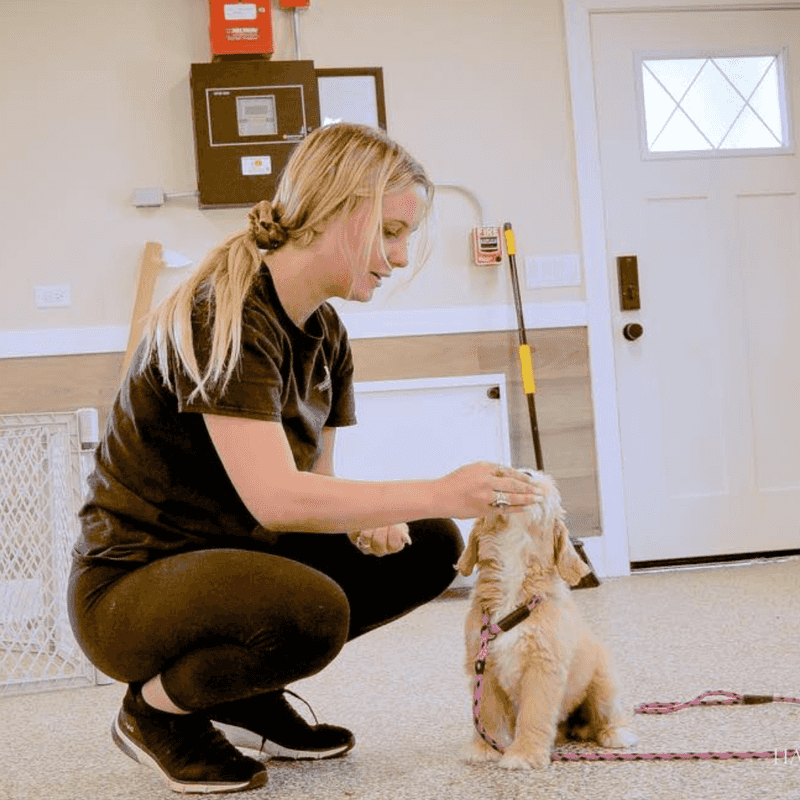
Your dog is learning the map of this new life. Too many people too soon can flood their senses and trigger barking or shutdown.
Limit guests for the first week, and set clear rules before anyone walks inside.
Ask visitors to ignore at first, avoid leaning, and offer treats on the floor rather than from hands. Keep greetings short, end on calm, and provide an exit to the safe space.
If your dog chooses distance, honor it. Confidence grows when choice is respected consistently.
For sensitive dogs, use a visual marker like a mat to signal greeting time. Play white noise, clip a note to the door with instructions, and schedule visits after exercise.
Lower voices and slow movements please.
Spend calm, quality time together
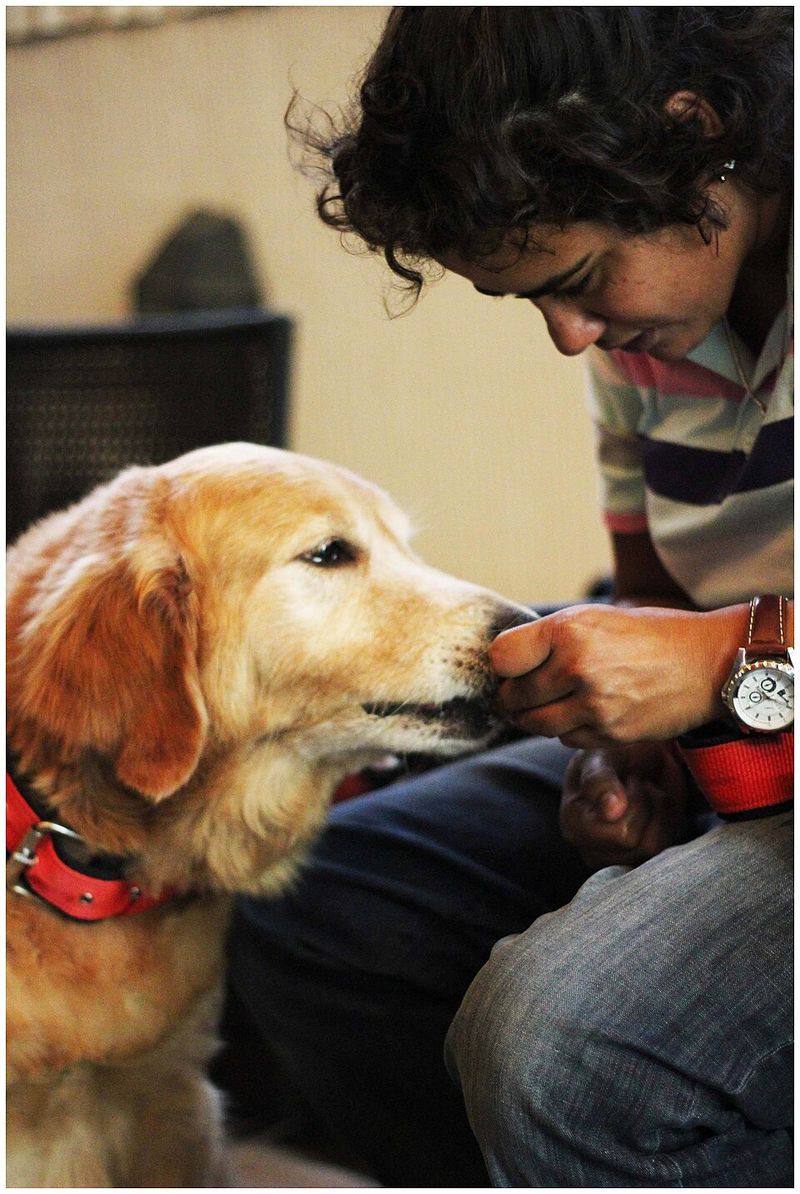
Amid boxes and to do lists, your dog needs your quiet presence. Sit on the floor, breathe slowly, and let them initiate contact.
Gentle massage, slow ear strokes, and soft words build trust faster than any grand gesture.
Balance affection with space. Try a relax on mat session while you read or stream, rewarding stillness every few breaths.
Short decompression walks count as quality time too. When you stay grounded, your dog mirrors that energy and learns the home is safe.
Set tiny rituals like evening tea, candle, then cuddle, repeating nightly. Predictability beats length, so even ten minutes matter.
Keep phones away and let the room go quiet enough for soft sighs. That calm anchors tomorrow’s confidence for you.
Reinforce positive behavior
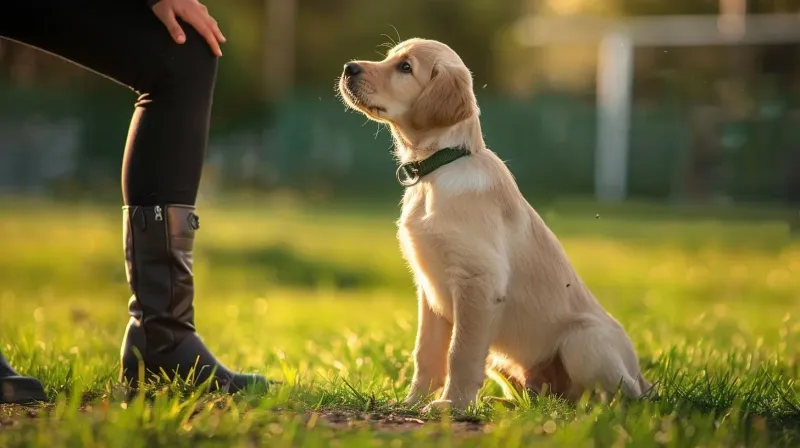
Catch good choices and pay them fast. Mark with a cheerful yes or a click, then deliver a tiny treat.
Rewarding sits, quiet looks, and relaxed downs teaches your dog exactly what unlocks good stuff in this house.
Keep treats handy in jars placed where behavior happens, like by doors and beds. Layer life rewards too, such as access to the yard, a toy, or sniffing time.
Avoid scolding spirals. Redirect, cue an easy win, then pay generously to end on success.
Consistency across family members matters, so agree on cues and criteria. Track wins in a simple log to spot patterns.
The more good you reinforce, the less room problems have to grow. Progress multiplies with patience and clarity.
Be patient with accidents or mistakes

New places scramble bathroom habits and house rules. If an accident happens, interrupt calmly, guide outside, then reward for finishing in the right spot.
Clean thoroughly with enzymatic cleaner to remove smells that invite repeats.
Skip punishment. It confuses your dog, damages trust, and usually pushes accidents underground.
Instead, increase supervision, close doors, use tethers, and reset the potty schedule after naps, play, meals, and waking. Small wins beat frustration every time.
If mistakes repeat in the same spot, block access and place a bed there to change the association. Track timing and water intake to find patterns.
When in doubt, go outside early and often, then throw a quiet praise party. Progress will come with kind consistency and time.
Maintain short, regular walks
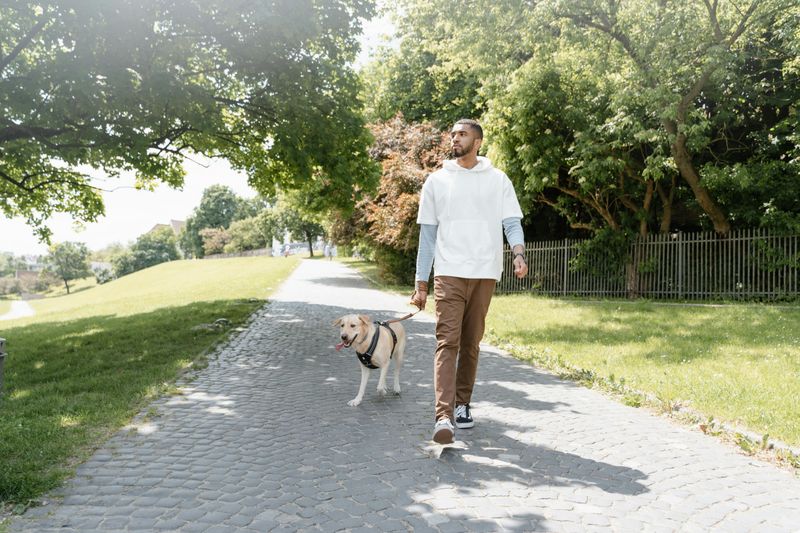
Steady, predictable walks soothe nerves and burn off edge without overdoing it. Keep early routes short, quiet, and similar each day so landmarks become familiar.
Choose times with lighter foot traffic to avoid sudden surprises.
Let sniffing lead rather than speed. Sniffing lowers pulse and helps processing, which matters during life changes.
Use a comfortable harness, a standard leash, and pockets of distance from triggers. End the walk with a simple decompression game in the yard.
As confidence grows, vary one element at a time, like route length or time of day. Bring treats to reward check ins and loose leash moments.
Finish on calm, then offer water and rest. Short consistency now prevents reactivity spirals later for most dogs.
Give your dog time to explore at their pace
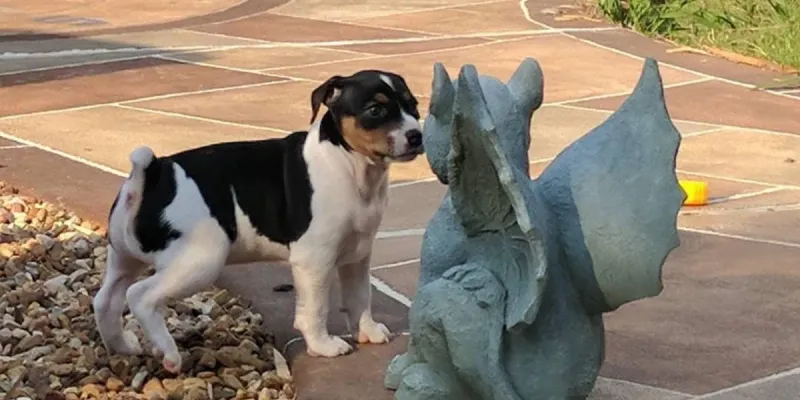
Curiosity builds courage when you let exploration unfold slowly. Follow with a loose leash and soft encouragement, but skip tugging or cheerleading.
Let the nose choose the route, pause often, and watch body language for green lights.
Green light signals include waggy hips, gentle tail sweeps, soft eyes, and a loose mouth. Yellow lights include freezing, tucked tail, yawns, or side glances.
At yellow, reduce intensity and add space. Celebrate curiosity with tiny treats and time, not pressure.
End sessions before energy crashes so curiosity stays linked with comfort. Keep new textures, sounds, and heights bite sized.
Over days, those small wins stitch together into a confident explorer who trusts you and the environment. Progress blooms with gentle repetition daily.