
Rottweilers grow into legends, but those early weeks can feel like a crash course in patience. If you know what tests are coming, you can steer the chaos into confidence.
These habits show up fast, and they do not wait for you to be ready. Here is how to spot them early and turn them into strengths.
Testing boundaries early
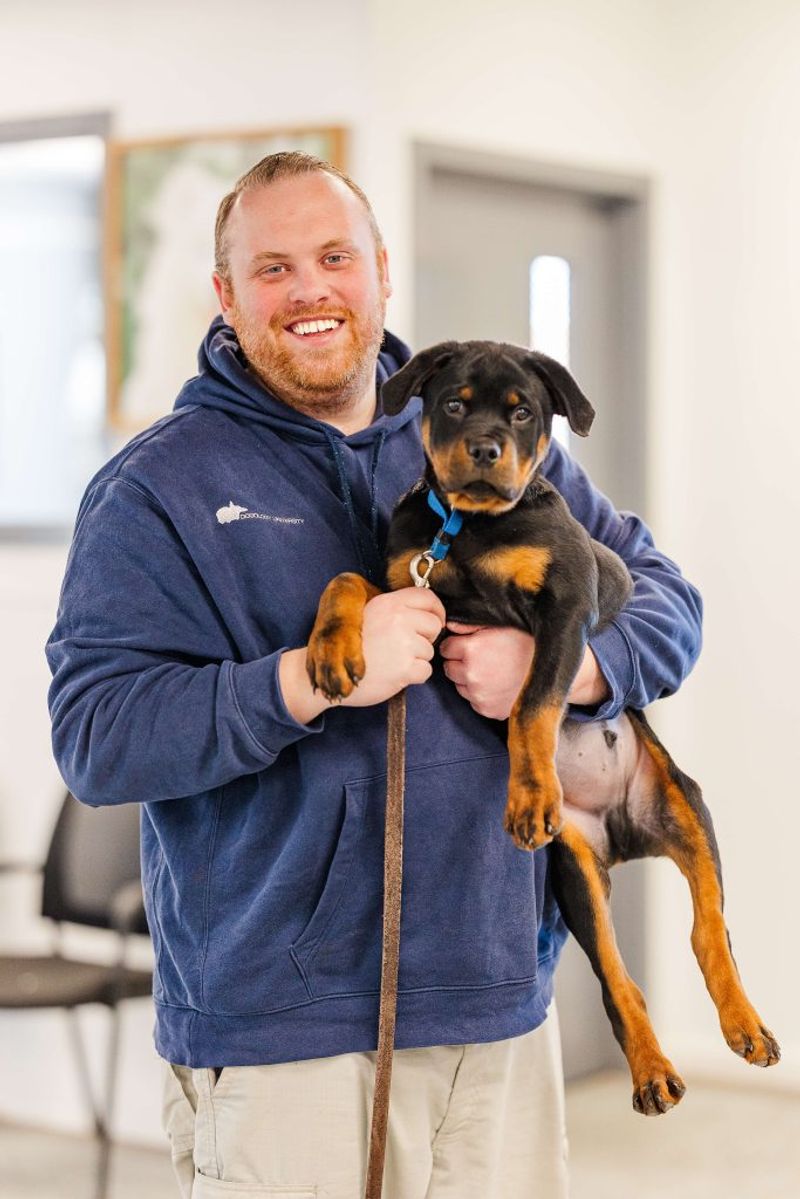
Rottweilers are brilliant, so they test limits the moment you bring them home. That playful paw on the coffee table is actually a question about your rules.
If you let small things slide now, bigger challenges follow quickly. Curiosity is not defiance, but it becomes habit if unanswered.
You set the tone.
Set clear boundaries from day one with calm, consistent follow through. Reward what you want, interrupt what you do not, and keep criteria simple.
Short, frequent sessions beat long lectures every time. When you are consistent, your Rottie relaxes because the world finally makes sense.
Use leashes, gates, and crates to guide choices while skills grow. Consistency across family members prevents mixed messages.
Pulling strongly on leash
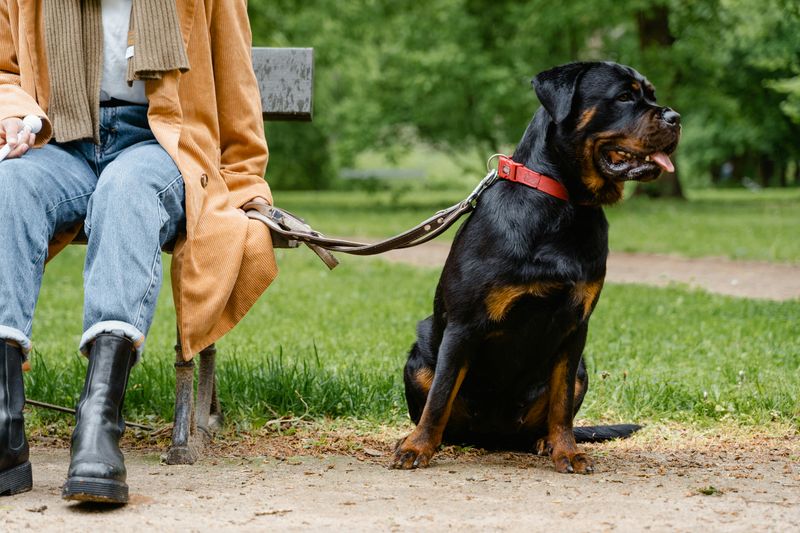
A powerful Rottweiler can drag you to the mailbox if leash manners are not taught early. Pulling gets them places faster, so the behavior rewards itself.
Every step your dog takes while pulling tells them pulling works. Your shoulders will thank you later if you address it now.
Switch the game. Stand still when the leash tightens, then move only when it softens.
Reward position by your hip with treats, toys, or permission to sniff. A front clip harness helps manage physics while training progresses.
Ten mindful minutes daily beats a chaotic mile. Reward frequently at first, then fade to real life reinforcers like moving forward.
Keep sessions short to protect focus. Practice in boring places first.
Guarding food or toys

Resource guarding can appear as stiff posture, a freeze, or a hard stare near bowls and toys. It is natural dog behavior, but unsafe in a busy home.
Punishing growls risks removing warnings without removing the worry. Many owners miss the early whispers before a snap happens.
Teach trust. Trade up calmly with higher value treats, mark relaxation, and return the original item often.
Feed in peace, use gates, and avoid crowding a new dog. Build positive associations by approaching, dropping food, then leaving.
Over time, your Rottie learns people coming near means better things. If needed, work with a trainer who uses science based methods and safety plans.
Management protects progress. Go slow always.
Becoming overly protective
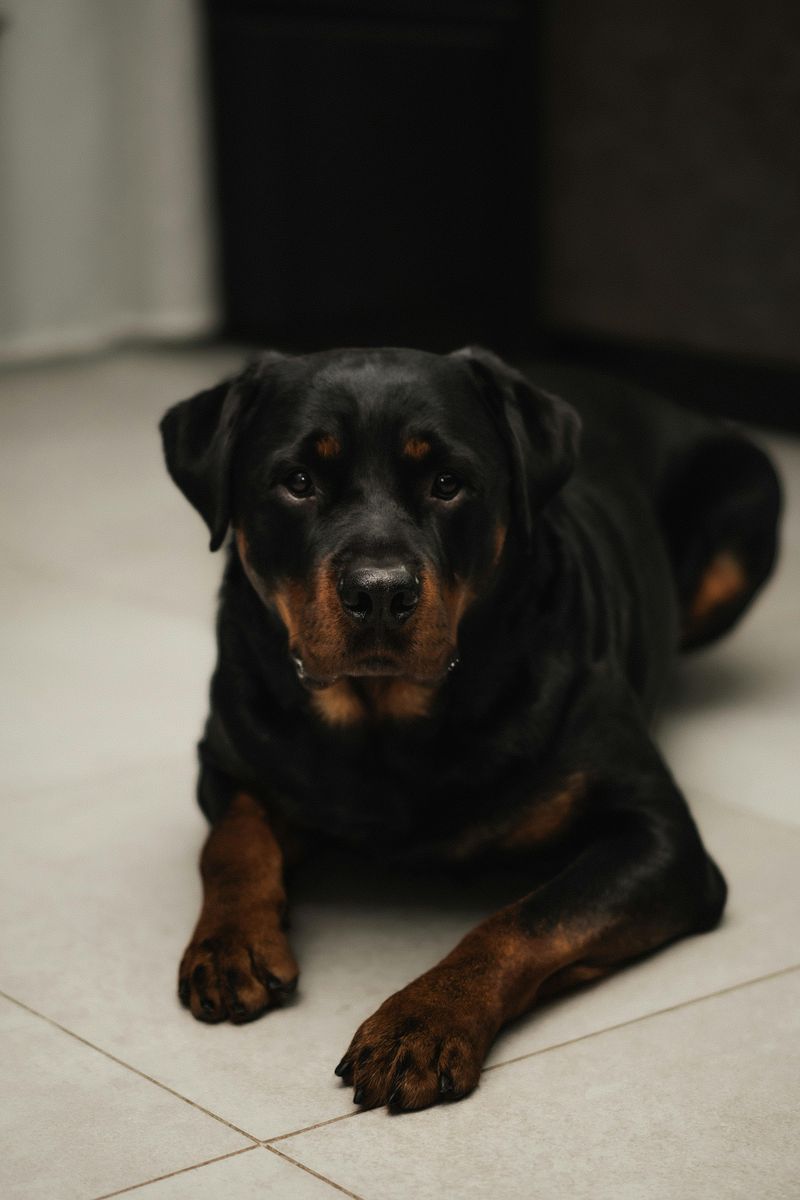
Rottweilers bond deeply, so they may mistake normal life for threats you never intended. Standing between you and guests can feel heroic to them.
If you praise that posture, even accidentally, you reinforce a job they will guard zealously. They are not plotting, they are guessing based on patterns.
Teach an incompatible behavior like go to mat when the doorbell rings. Reward calm, neutral watching on walks while you handle conversations.
Expose your dog to controlled, non eventful greetings so nothing exciting happens. Your confidence plus clear cues tells them you have the lead.
Protection fades when leadership feels reliable. Practice with friends in staged sessions before the real world tests you.
Keep distance where your dog can still think.
Ignoring weak commands
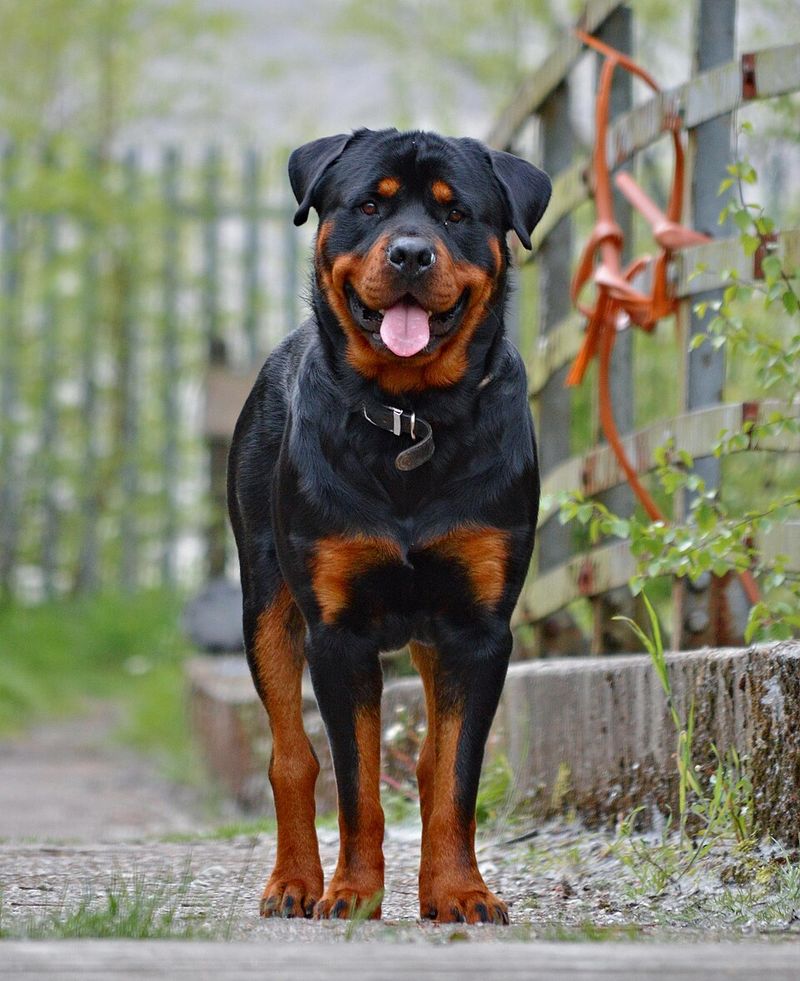
Your Rottie hears you, but unclear cues sound like static on a radio. Repeating sit five times just teaches sit means maybe later.
Volume does not equal authority, and shouting can create resistance instead of clarity. Dogs listen best when consequences are immediate and fair.
Pick a single word, say it once, then help the dog succeed. Lure the position, mark yes, and pay generously at first.
Gradually reduce hand help as your dog predicts the pattern. Short, upbeat sessions build muscle memory for both of you.
When you speak less and mean more, cooperation skyrockets. Consistent criteria beat inconsistency every single day.
Use quiet body language that points the way. Then celebrate success loudly.
Jumping from excitement
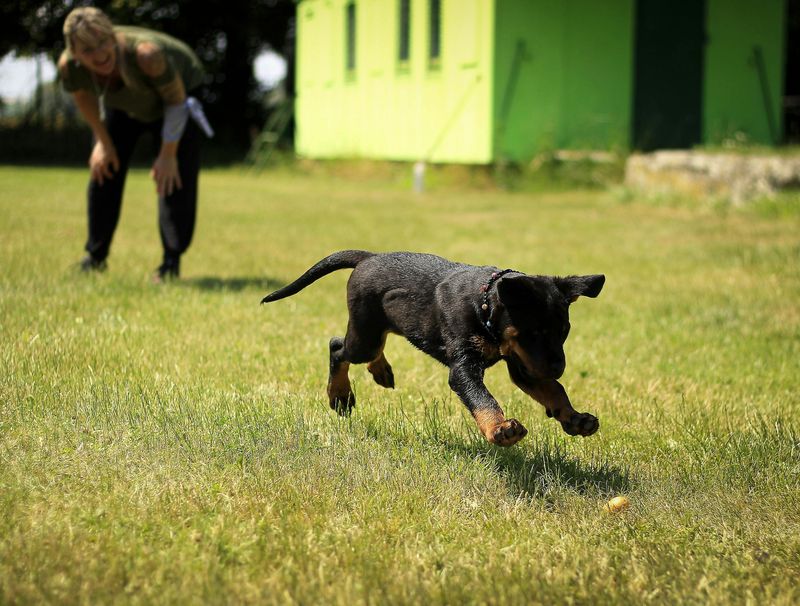
Big paws hitting chests might feel cute once, then dangerous fast. Jumping often happens because attention arrives the moment feet leave the floor.
If greetings are chaotic, your Rottie will practice chaos every day. Jumping is self reinforcing when faces are reachable and hands start petting.
Pre plan arrivals. Step on the leash for safety, scatter treats on the ground, and reward four paws anchored.
Ask for sit or hand target instead, and pay heavily for calm. Coach visitors to ignore bouncing and praise stillness.
Over several weeks, rehearsals turn manners into muscle memory. Consistency at doors, gates, and couches keeps rules predictable everywhere.
Practice after play too, when arousal runs high. Use calm voices.
Needing firm structure
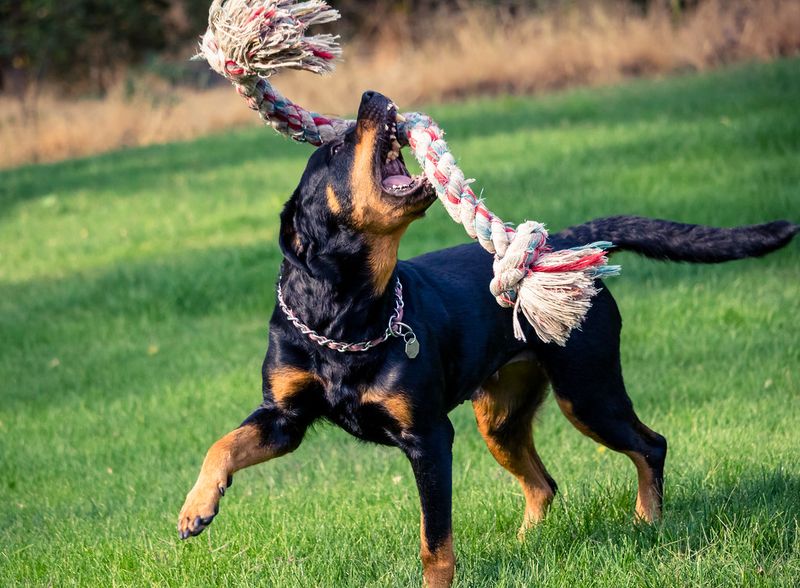
A confident Rottweiler thrives when the day has rhythm. Predictable meals, potty breaks, training reps, and downtime prevent restless freelancing.
Without structure, your dog will invent plans you dislike. Clarity beats freedom without guidance every single time.
You can relax more when expectations are simple and consistent.
Create a daily schedule and stick to it more often than not. Rotate activities so brain and body both get thoughtful work.
Use crates, tethers, and place training to create on and off switches. Clear windows of freedom teach responsibility.
Over time, routines become comforting walls that reduce conflict and boost trust. Family agreements prevent loopholes your clever buddy will find.
Morning rituals set momentum. Evenings cue rest.
Showing stubborn independence
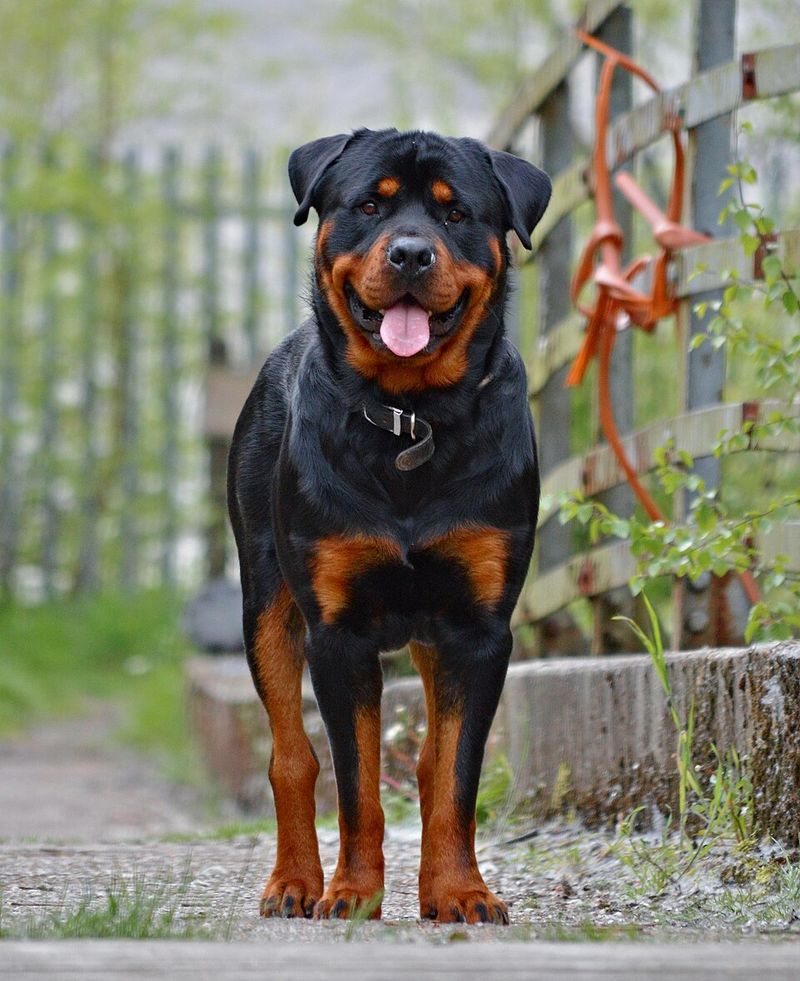
Rottweilers often think before acting, which some people label stubborn. Independence is useful when channeled, frustrating when unmanaged.
If cues feel optional, your dog will choose the environment over you. They are not being spiteful, they are prioritizing rewards.
Make the right choice easier than the wrong one.
Make cooperation pay. Use games like chase me, find it, and tug with rules to make yourself the fun center.
Train with choice, not force, so your Rottie opts in. Reinforce tries, not just perfection, and watch momentum build.
The more your dog wins with you, the less stubbornness appears. Keep sessions sparkly and short to protect motivation and clarity.
End games while enthusiasm stays high. Always.
Demanding daily exercise
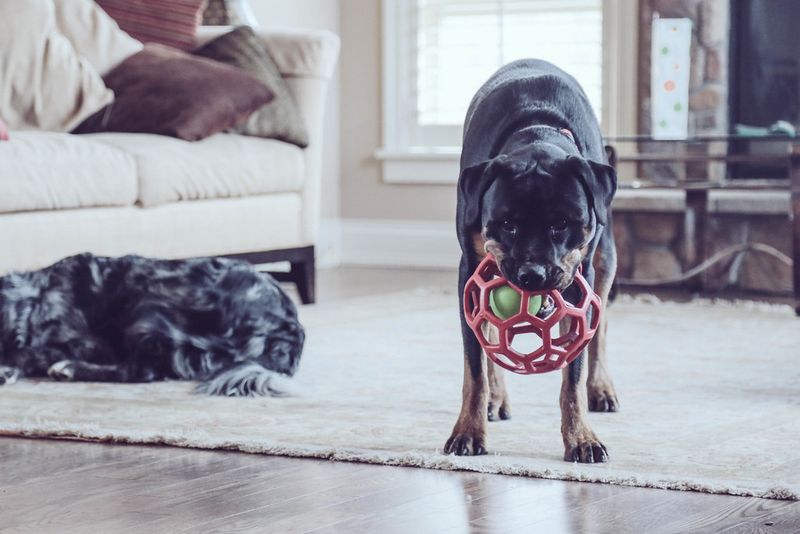
A bored Rottie is a creative Rottie, and not in ways you like. Physical outlets keep joints healthy and tempers balanced.
Skipping movement invites frustration that spills into pulling, barking, and pestering. Energy must go somewhere, so decide where it goes.
Schedule it like meals and guard the calendar.
Aim for brisk walks, purposeful sniffing, and varied terrain. Mix in hill climbs, fetch with rules, and short training sprints.
Quality beats marathon pounding on young bodies. Pair movement with recovery time and hydration.
When exercise becomes a ritual, problem behaviors shrink because needs are met proactively each day. Use weather friendly options like indoor scent games and treadmill training introduced slowly.
Consistency builds resilience daily.
Reacting to strangers without socialization
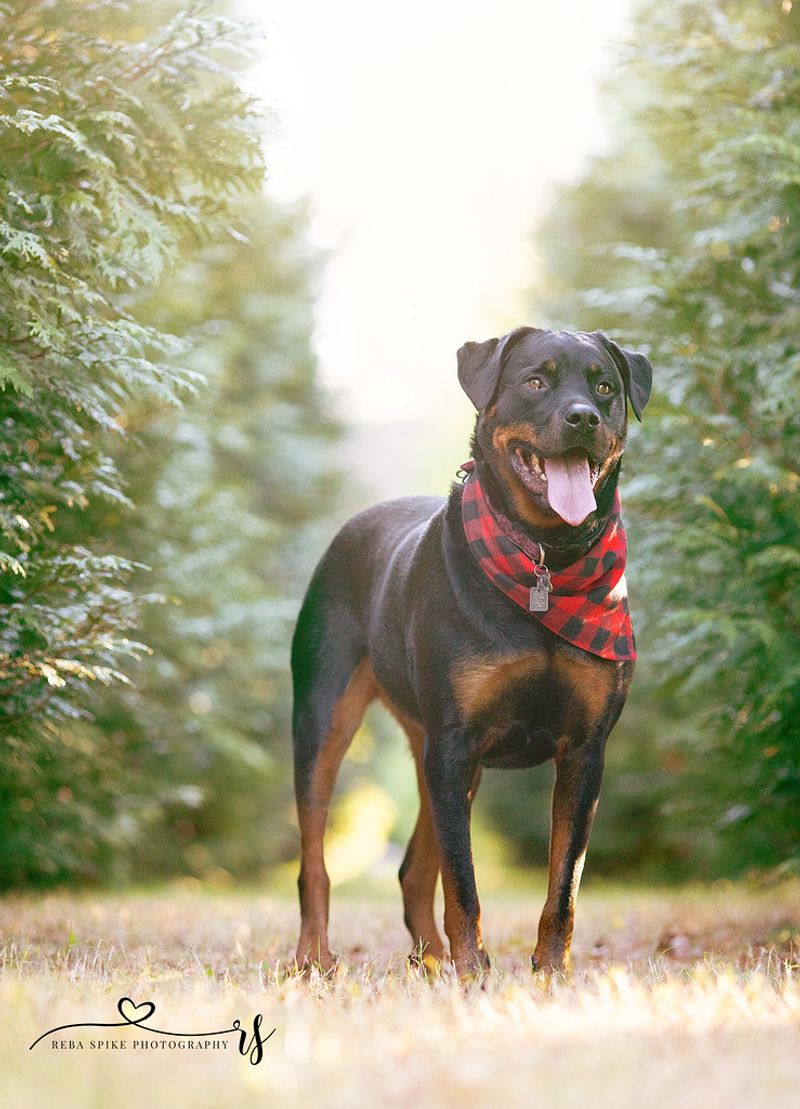
Without early, positive exposures, a Rottweiler may label strangers as suspicious by default. Barking or lunging can become a strategy to make scary things leave.
Avoidance feels like success to your dog, so the habit strengthens. You do not need crowds, you need quality repetitions that feel safe.
Read body language early.
Flip the script with careful socialization at your dog’s pace. Pair distance with food, play, and choice to disengage.
Let the world predict good stuff while you protect space. Seek calm, neutral people and dogs rather than chaos.
Progress looks like curiosity replacing concern, step by thoughtful step. If your dog is overwhelmed, increase distance and lower intensity immediately.
End on success today.
Becoming bored without mental work

Smart dogs crave puzzles, and Rottweilers are very smart. Without brain games, they invent mischief to fill the silence.
Chewed remotes and garden projects often start as unmet curiosity. Mental fatigue is your secret training tool.
Five minutes twice daily beats none at all.
Feed from puzzle toys, scatter kibble in snuffle mats, and teach novel tricks. Rotate enrichment so it stays interesting.
Short scent games indoors tire minds faster than long jogs. Add shaping sessions where your dog experiments and earns.
Mental work creates peaceful naps and fewer naughty ideas appearing on your to do list. Pair thinking tasks with calm music to lower arousal.
Keep difficulty rising slowly to prevent frustration. Reward generously.