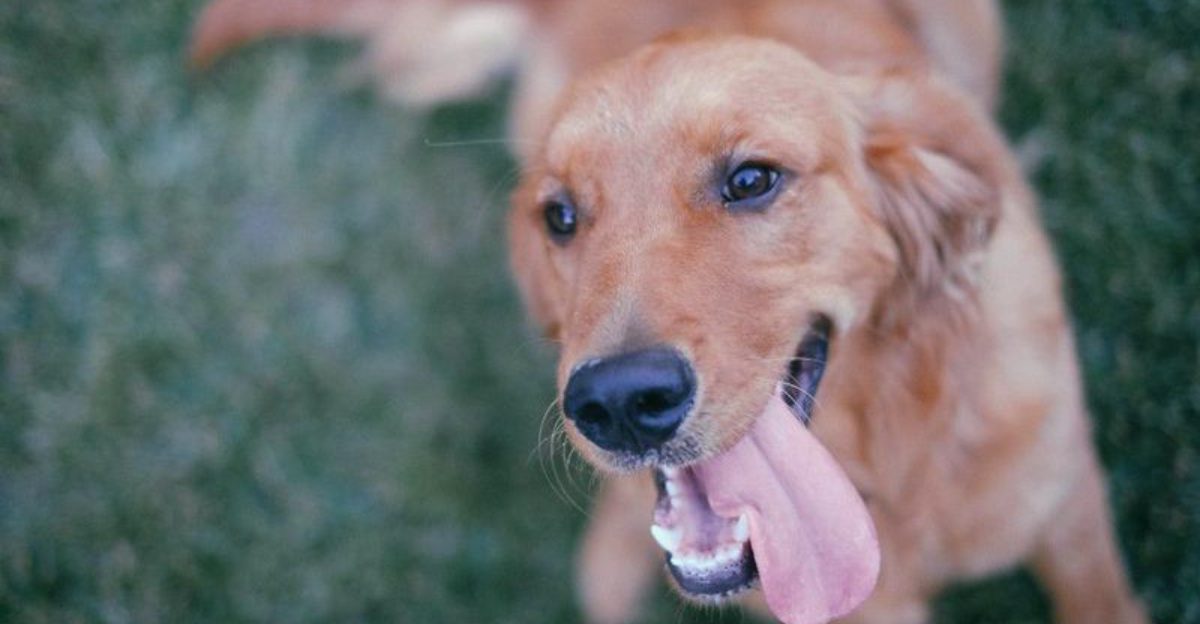
Getting your first dog should feel exciting, not overwhelming. The right breed can make training easier, daily life smoother, and bonding faster.
Qualities like patience, good manners, and flexible energy levels help new owners learn the ropes. Here are friendly, reliable choices that often fit first-time homes well.
Golden Retriever
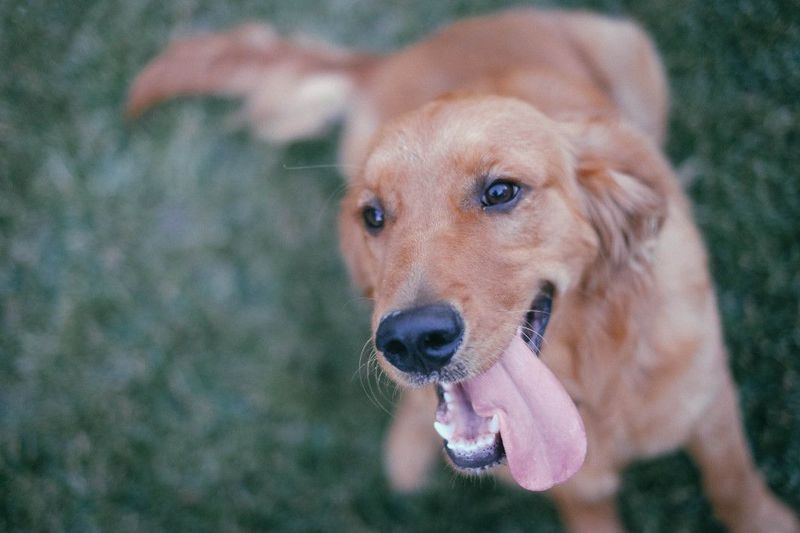
With a smile that seems to speak, the Golden Retriever often feels like a teammate from day one. Most are eager to learn, love praise, and respond well to simple, consistent routines.
First-time owners appreciate their patience with beginners.
Daily fetch and short training sessions go a long way. Keep meals measured and walks steady to manage energy.
A fun fact: many Goldens excel in therapy work because they read people so well.
Bichon Frise
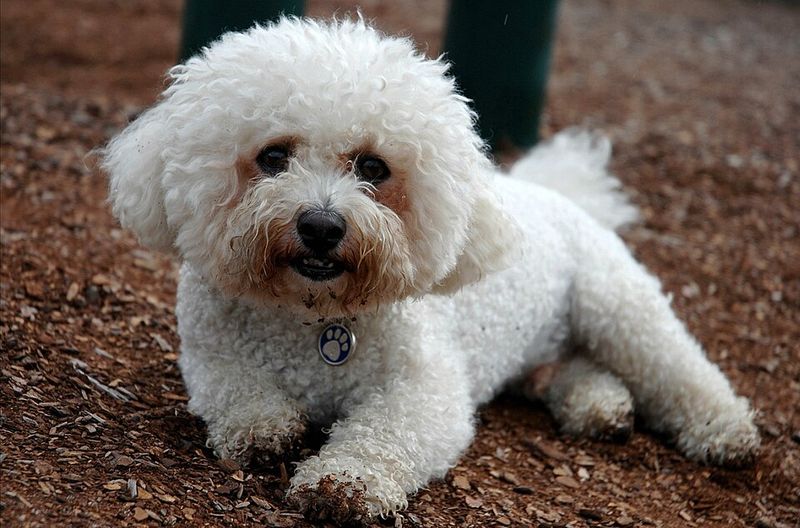
Like a tiny cloud with pep, the Bichon Frise brings spark without chaos. Many new owners enjoy their playful spirit and happy attitude.
Their coat does not shed much, so cleaning is simpler, though regular grooming is needed.
Short walks and quick games keep them content. Gentle, positive training works best.
They thrive on company, so plan for daily attention. Origin tidbit: this breed once charmed sailors and nobles across the Mediterranean.
Papillon
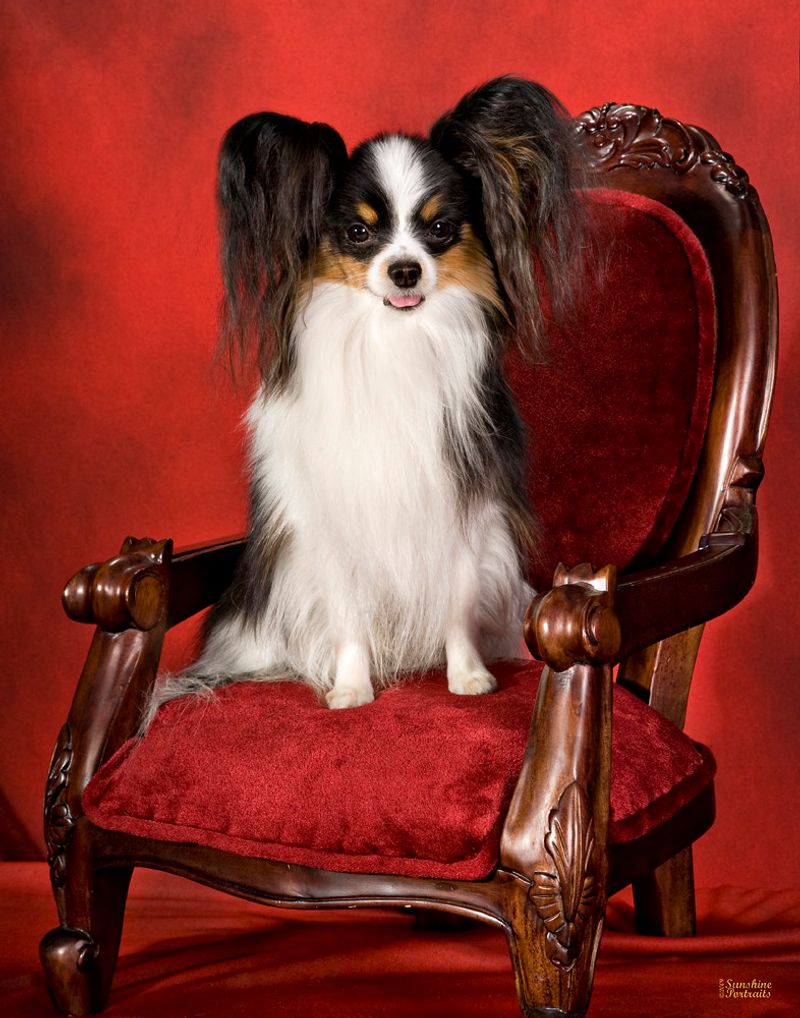
Those butterfly ears are not just cute, they signal alertness and charm. Papillons are small, smart, and usually pick up training quickly.
Many first-time homes enjoy their tidy size and cheerful energy indoors.
Mental games, like hide-the-treat, keep them happy. Short, brisk walks fit well, especially in apartments.
Socialize early to grow confidence around bigger dogs. History note: Papillons have been painted alongside royals for centuries, proving tiny dogs can have big presence.
Boston Terrier
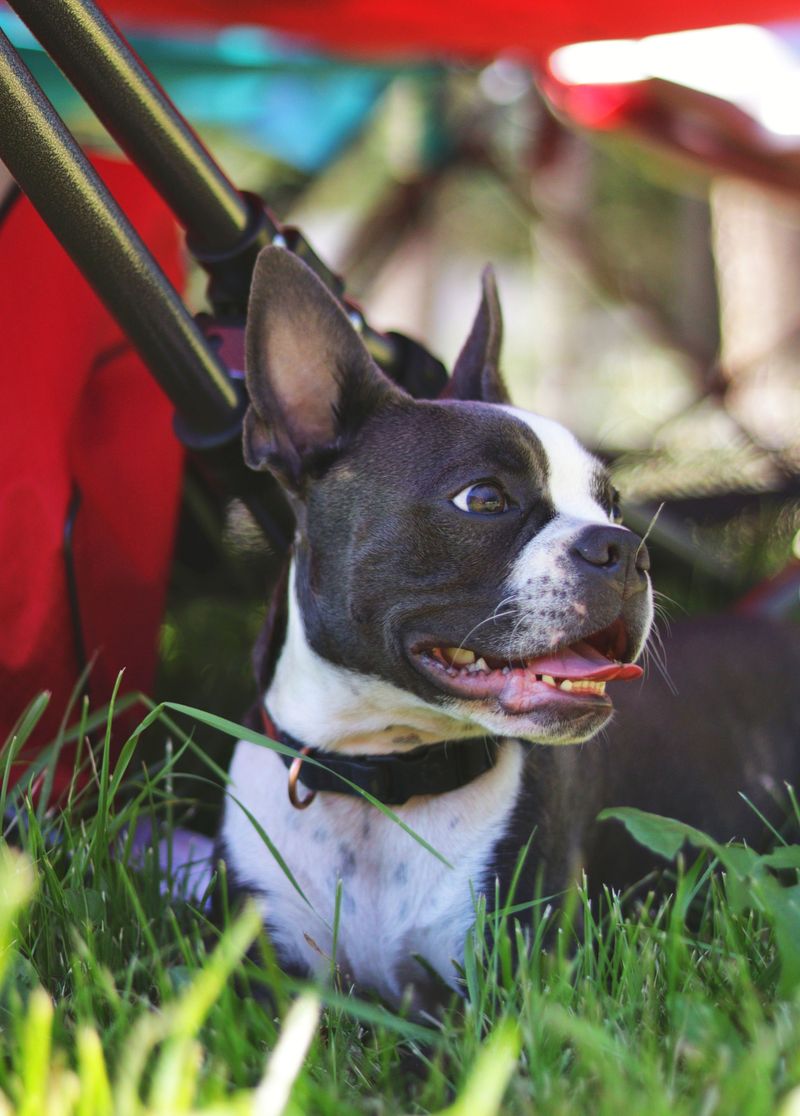
Call it the polite city buddy. Boston Terriers are typically easygoing, people-focused, and tidy in small spaces.
Their moderate exercise needs suit many new owners who enjoy a couple of brisk walks and evening play.
They learn house rules fast with treats and a warm tone. Watch summer heat because of their short snout.
Fun detail: nicknamed the American Gentleman for the tuxedo pattern and courteous manners around guests.
Miniature Poodle
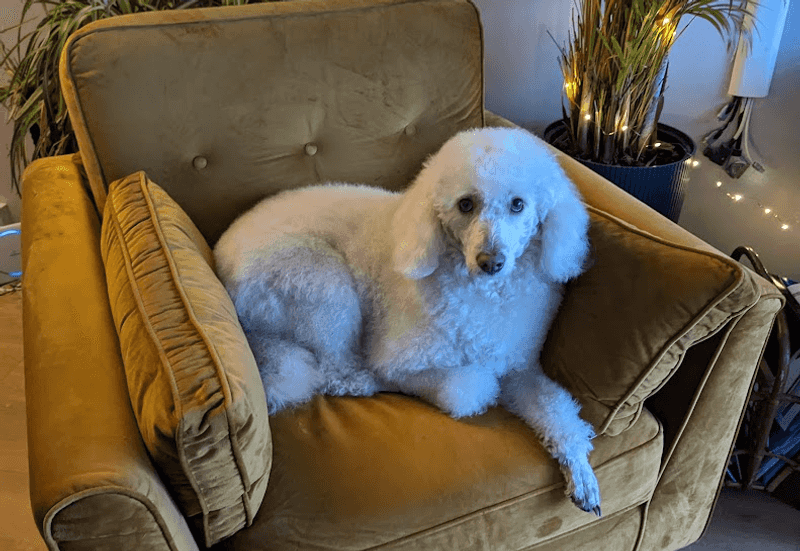
Brains meet bounce in the Miniature Poodle. Many beginners appreciate how quickly they grasp commands and routines.
The coat barely sheds, which helps with cleaning, though scheduled grooming keeps curls tidy and healthy.
Daily puzzles, short training bursts, and a brisk walk keep them focused. Because they read people well, calm guidance works wonders.
Origin note: Poodles were water retrievers, which explains their love for tasks and problem-solving.
Havanese
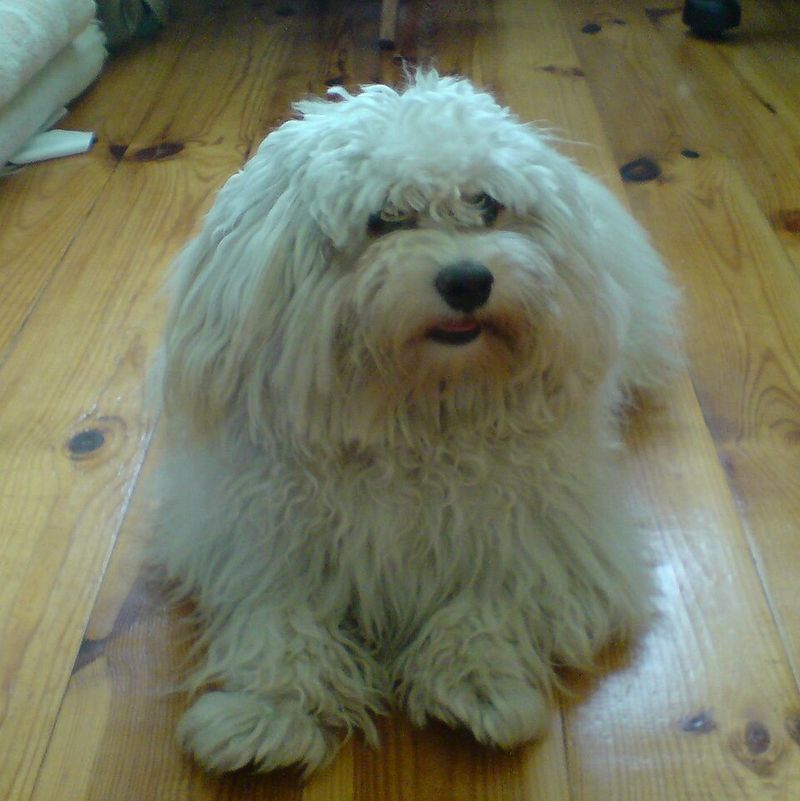
Think friendly comedian in a fur coat. The Havanese often bonds quickly and shadows the family with joy.
Many first-timers value their adaptable nature in apartments or houses, plus their moderate exercise needs.
Short, upbeat training lessons keep confidence high. Their silky coat benefits from gentle brushing sessions that double as bonding time.
History peek: Cuba’s national dog charmed city life with calm manners and an eager-to-please heart.
Cavalier King Charles Spaniel
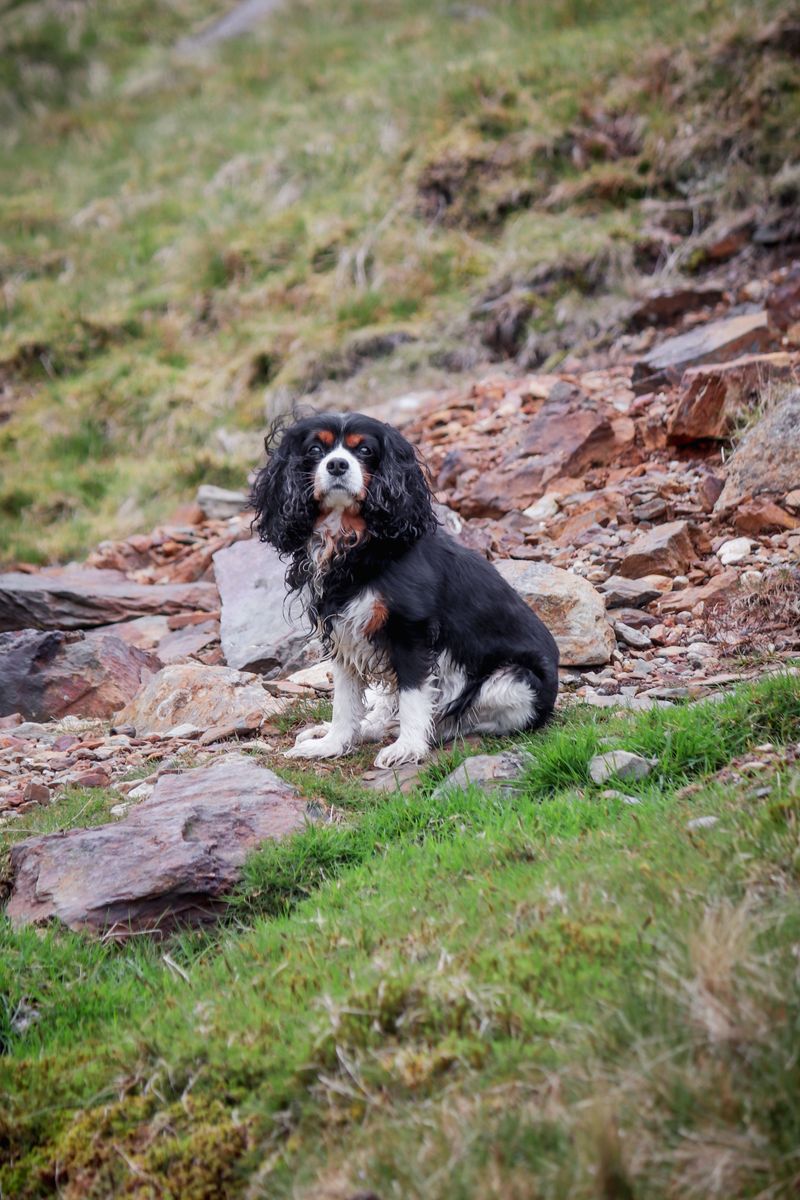
Soft eyes tell you everything here. Cavaliers often bring calm companionship that helps new owners find a steady rhythm.
They enjoy cuddles, short walks, and simple games that fit busy schedules.
Positive reinforcement keeps training sweet and stress-free. Watch snacks, since they can gain weight easily.
A little brushing keeps their coat silky. Trivia: named for King Charles II, these spaniels have been beloved lap dogs for centuries.
Labrador Retriever
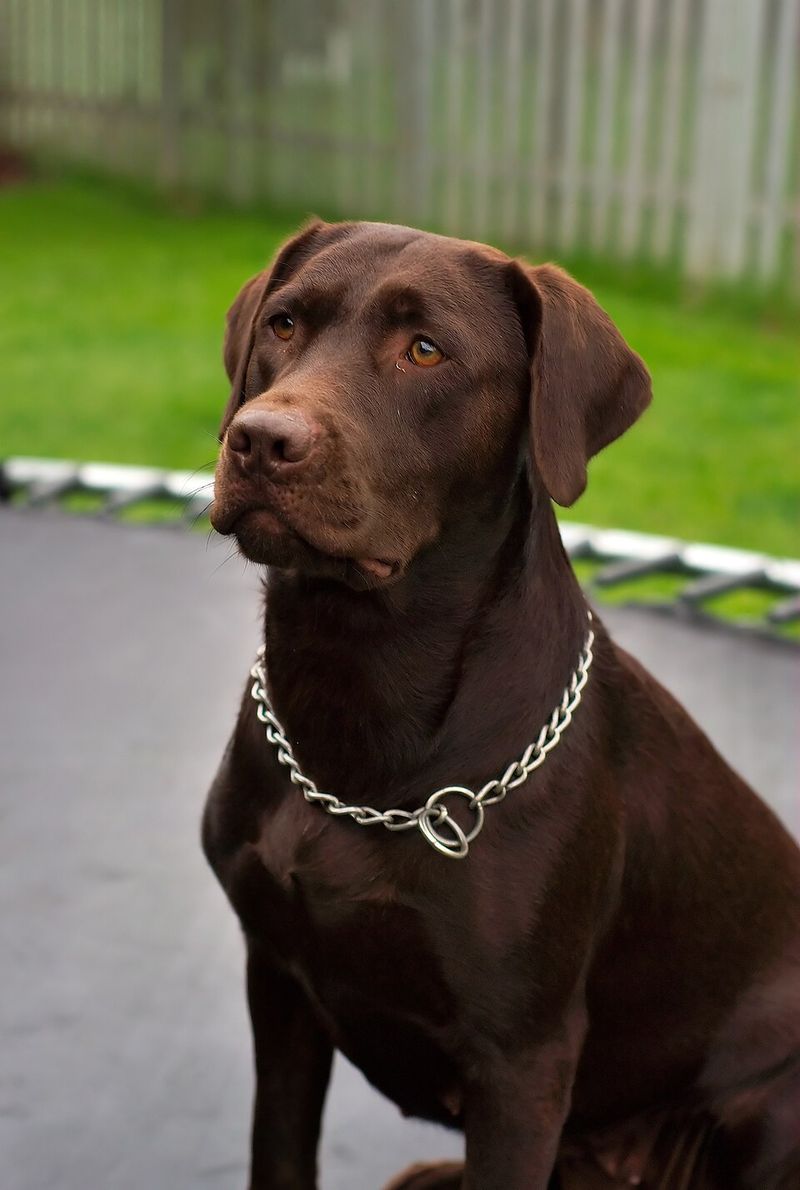
Ready for fun and eager to learn, the Labrador meets new owners with enthusiasm. Labs usually love people, food rewards, and clear structure, which makes training approachable.
They need steady exercise that fits an active lifestyle.
Daily walks, fetch sessions, and puzzle feeders help channel energy. Keep a close eye on portions, since Labs often love snacks.
Fun fact: despite the name, the breed’s roots trace to Newfoundland fishermen.
Whippet
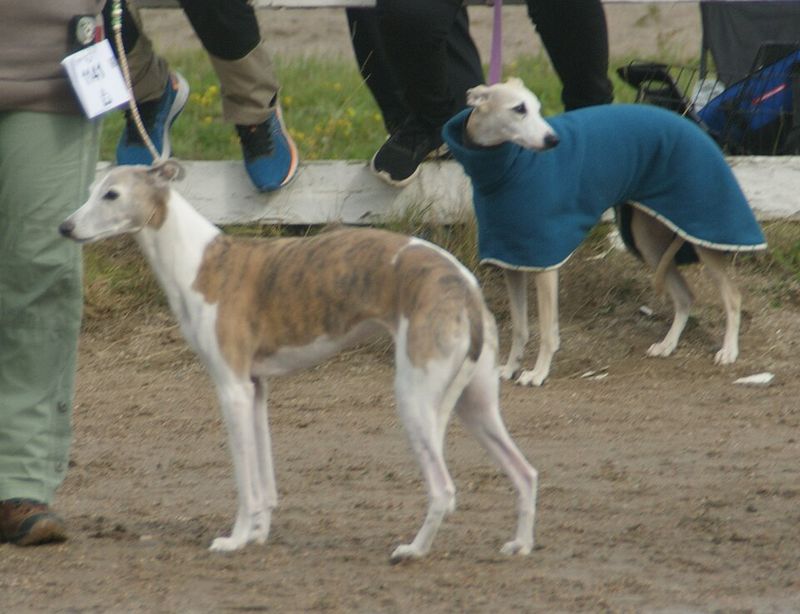
Calm at home, quick at the park. The Whippet suits new owners who like a peaceful roommate with a burst of zoomy fun.
Their gentle, sensitive nature pairs well with kind training and a predictable routine.
Short, safe sprints and comfy snoozes make a happy day. A snug coat in winter helps with chill.
History hint: bred for speed in English towns, Whippets raced straight hearts into family homes.
Cocker Spaniel
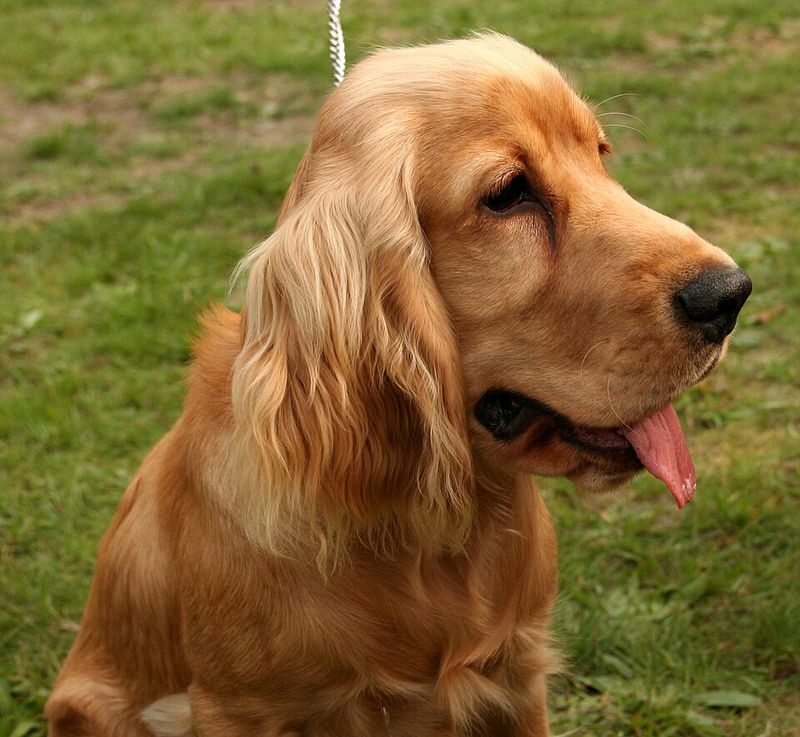
Those soulful eyes come with a cheerful spirit. Cocker Spaniels often thrive when families give them regular companionship and kind guidance.
Their energy feels manageable for many first-timers who enjoy daily walks and simple fetch.
Consistent brushing prevents tangles, especially around ears and legs. Short training sessions with treats build trust.
A classic note: once America’s most popular breed, the Cocker’s charm shows why beginners often feel at ease.
Miniature Schnauzer
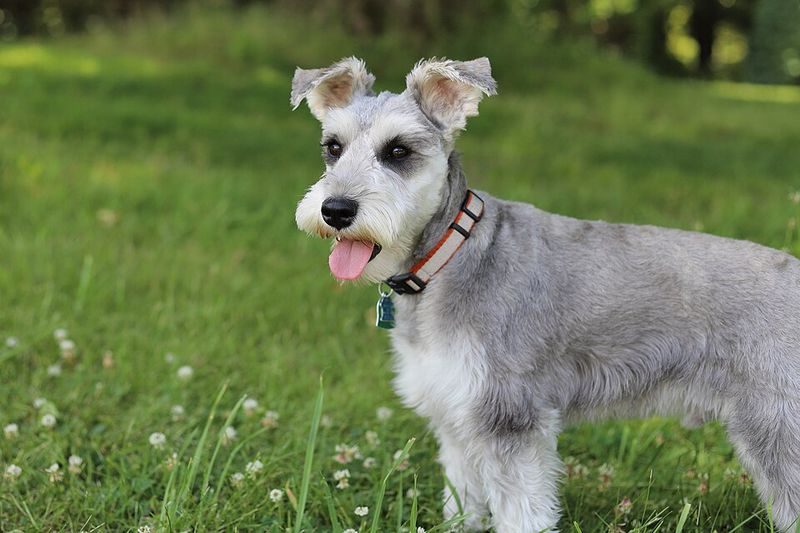
Small watchdog vibes with a friendly twist make the Miniature Schnauzer a confident starter choice. Many beginners like their sturdy size, bright mind, and tidy household manners.
They typically enjoy brisk walks and playful training with clear boundaries.
Regular grooming keeps the classic beard sharp and clean. Rotate toys to satisfy curiosity and prevent boredom barks.
Origin note: bred as a German farm helper, their can-do attitude still shines in modern homes.