A dog can bring plenty of joy, but allergies can make choosing one tricky. No breed is completely hypoallergenic because allergens come from a dog’s skin and saliva, not just its fur.
Some breeds shed less visibly or have coats that are easier to manage. Getting to know an individual dog before bringing it home can help you make a safer choice.
Poodle
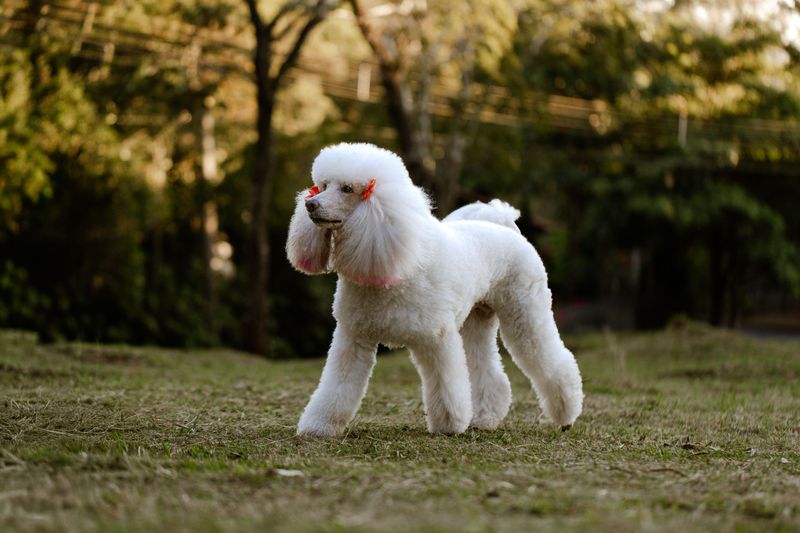
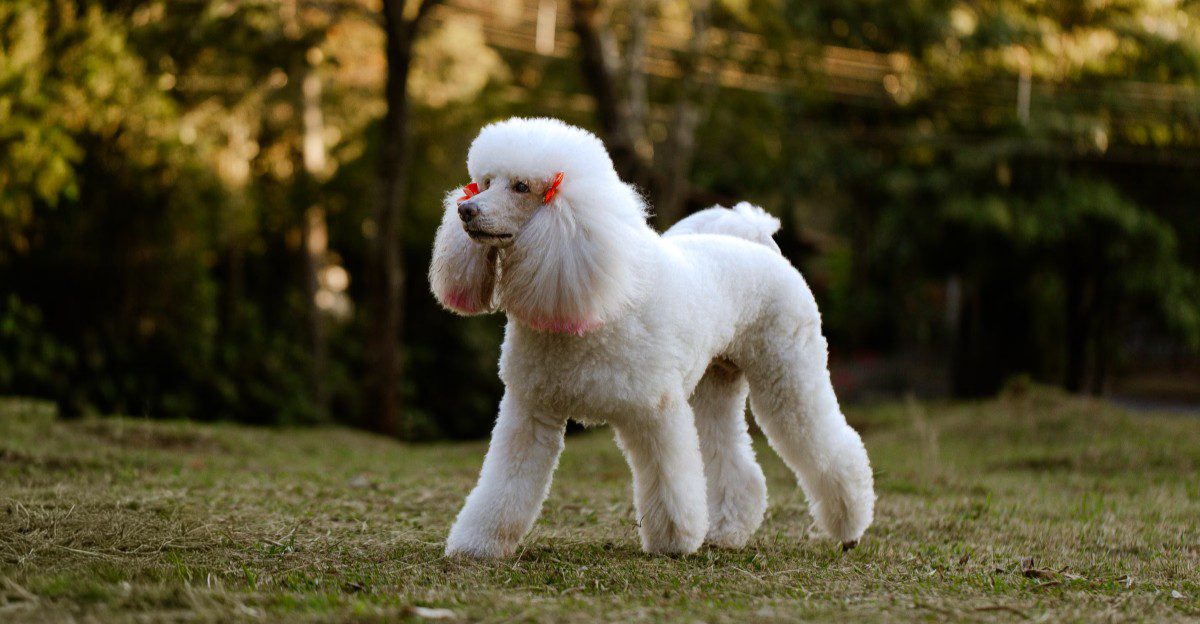
Behind those fancy haircuts is an energetic dog that loves learning games. Poodles come in several sizes, so families can match a dog to their space and daily routine.
Their curly coats tend to hold loose hair, but allergens still travel in saliva and skin flakes.
Plan for regular brushing and professional trims to prevent mats. Before committing, spend time with the individual poodle indoors and ask an allergist how to manage your specific symptoms.
Bichon Frise
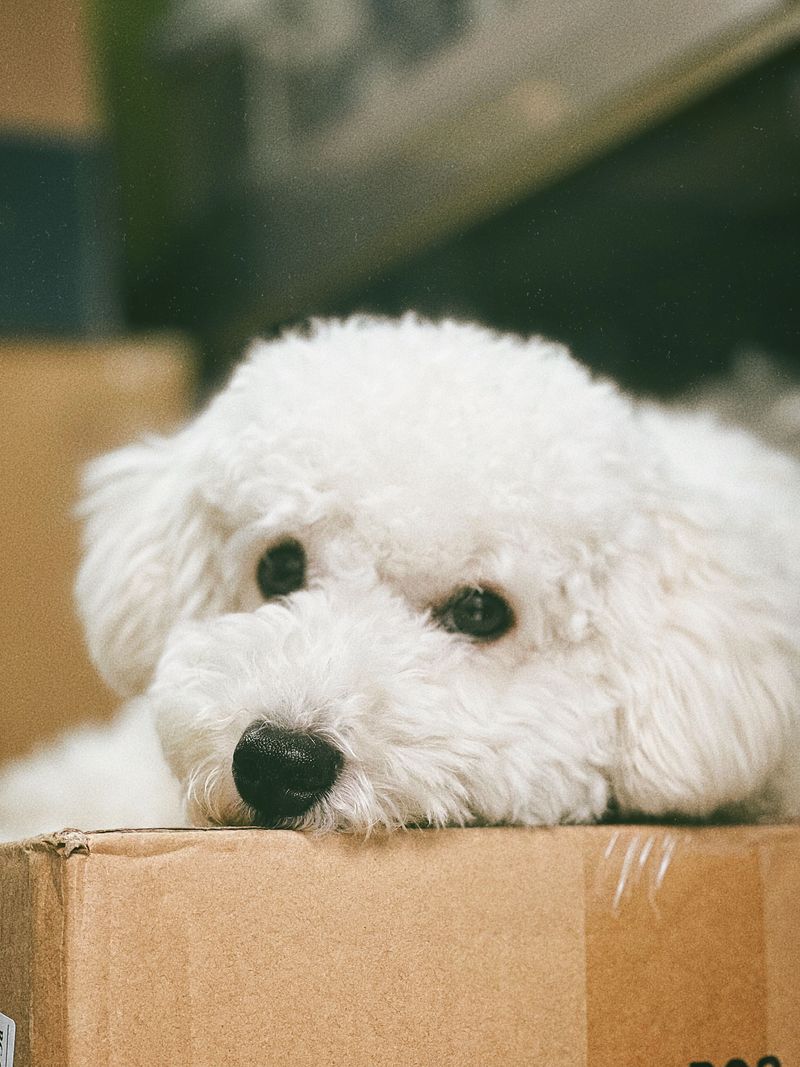
Imagine a little white cloud following you from room to room. The Bichon Frise has a fluffy, curly coat that often sheds less visibly than many other coats.
That can make cleanup easier, but its skin and saliva still carry proteins that trigger allergies.
Book grooming appointments every few weeks and brush between visits to avoid tangles. Wash bedding regularly, and arrange a relaxed indoor visit before adoption to see whether anyone reacts during playtime.
Miniature Schnauzer
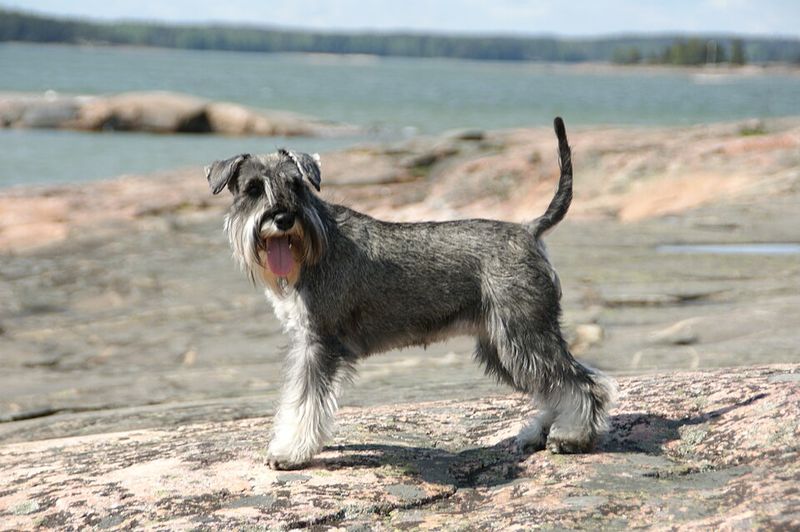
Those bold eyebrows make a Miniature Schnauzer look ready to solve a mystery. Its wiry coat may leave less hair around the house, especially when kept in good shape.
Still, a dog that sheds less can cause a strong allergic reaction.
Brush the beard after messy meals and schedule regular grooming. Schnauzers can be lively and vocal, so meet one at home if possible.
Notice both your symptoms and whether its busy personality fits your family.
Maltese
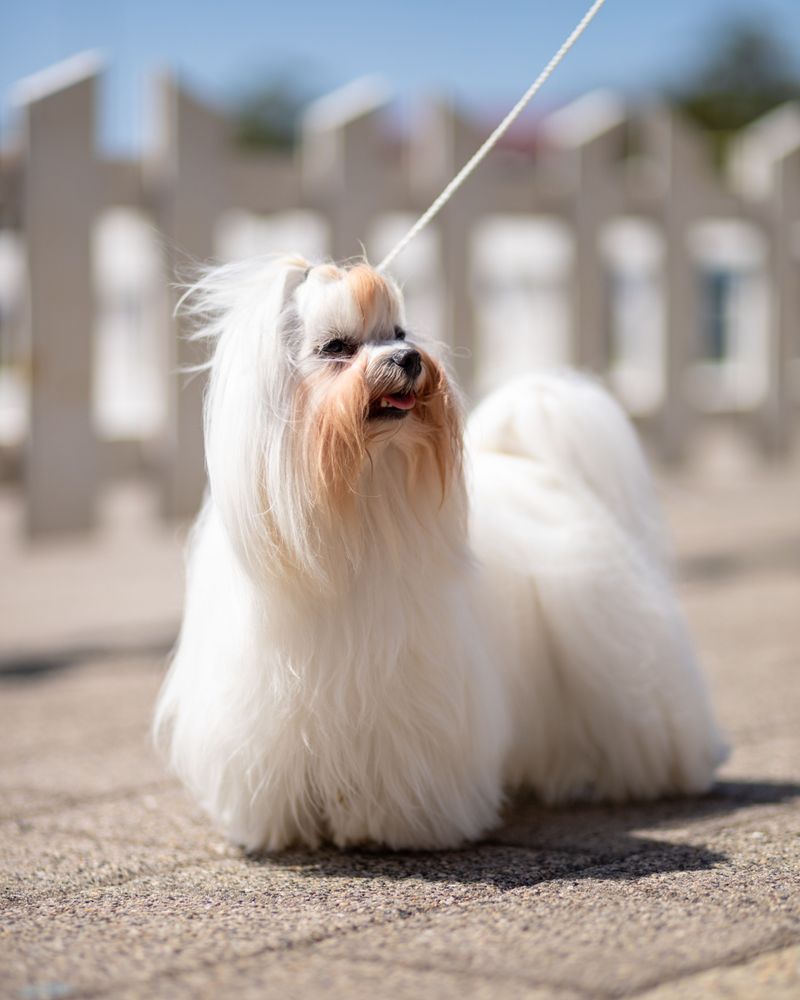
Small enough for many laps, a Maltese can make an apartment feel lively. Its long, silky coat tends to shed less visibly, though that does not make the dog allergy free.
Hair can also pick up dust and pollen outdoors.
A shorter trim may make daily brushing simpler. Keep paws clean after walks, wash the dog’s blankets, and avoid letting it sleep on pillows used by someone with allergies.
Test your reaction during more than one visit.
Havanese
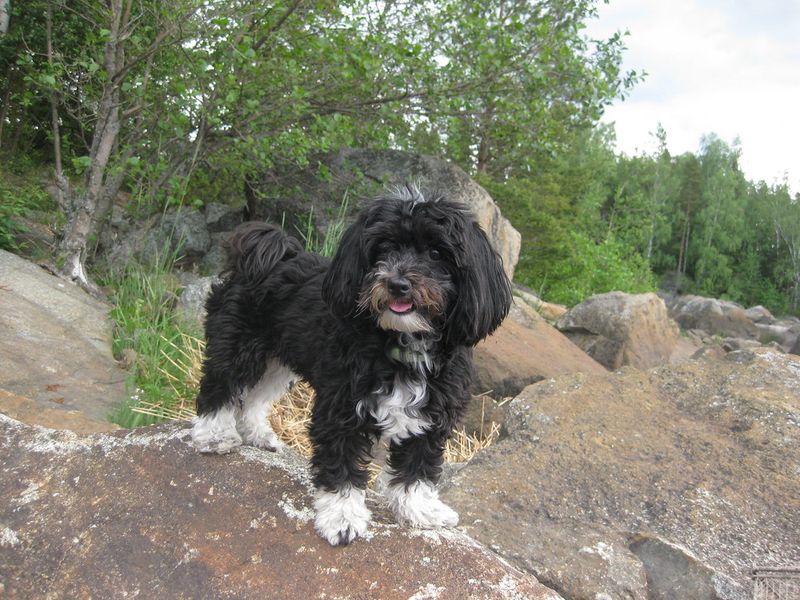
A Havanese often wants to be wherever the family gathers, whether that means the couch or the kitchen. Its soft coat may shed less visibly than some other dogs’ coats, but it still needs frequent care.
Untended hair can knot quickly.
Try a manageable trim if long grooming sessions sound difficult. Because this social dog enjoys close contact, consider how cuddling affects your symptoms.
An indoor visit can reveal more than a quick meeting outside.
Yorkshire Terrier
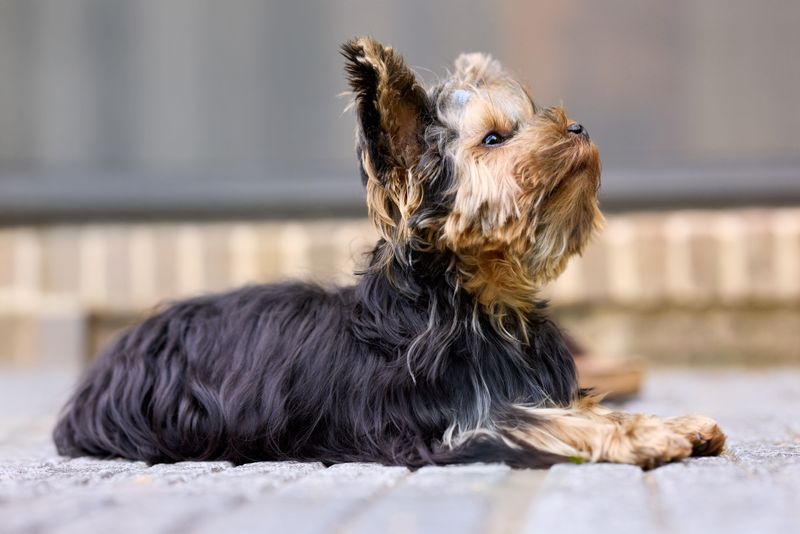
Do not let the tiny frame fool you: a Yorkshire Terrier can have a huge opinion about everything. Its fine, silky hair often sheds less noticeably, which some households appreciate.
Allergens, however, can still spread when the dog licks hands or rubs against furniture.
Keep its coat brushed and choose a trim you can maintain. Since Yorkies may bark at unfamiliar sounds, think about your home’s noise level too.
Meet the dog indoors before deciding.
Shih Tzu
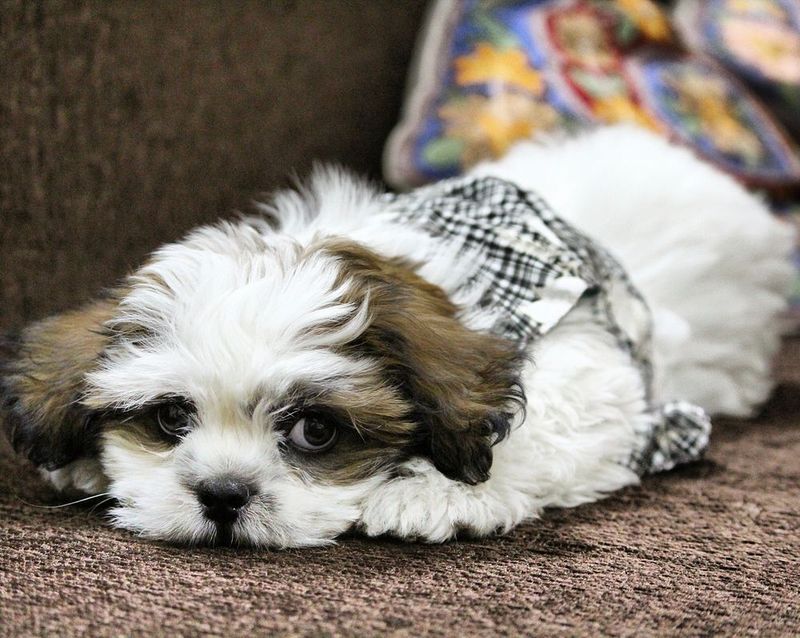
Once bred to keep people company, the Shih Tzu still likes being close to its favorite humans. Its coat can be kept short for easier care, and loose hair may be less noticeable around the house.
Neither trait removes allergens from saliva or skin.
Clean around the eyes and face gently, and brush often enough to prevent knots. If someone reacts to close contact, set clear rules about sofas and beds before bringing a dog home.
Portuguese Water Dog
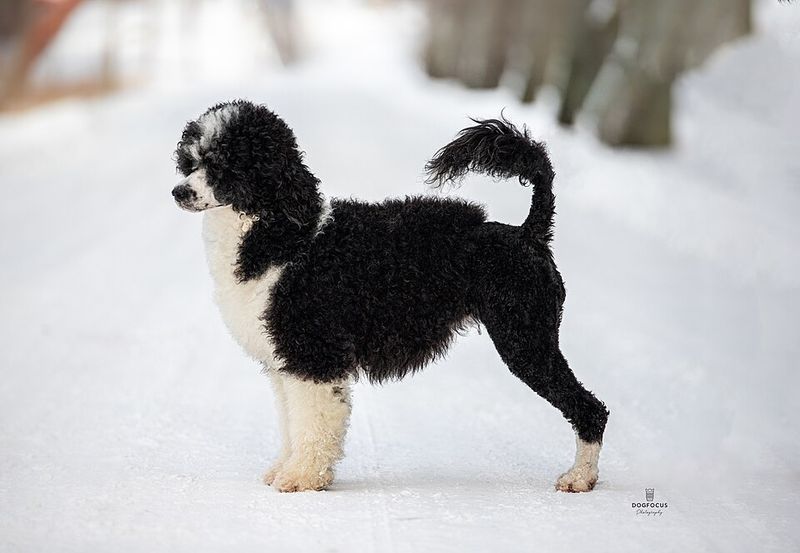
For a family that loves active days, the Portuguese Water Dog brings plenty of energy. Its dense, curly or wavy coat often holds loose hair, but it also needs regular brushing and trims.
Less hair on the floor does not mean fewer allergy symptoms for everyone.
Plan for daily exercise and wipe the coat after muddy outings. Before adopting, spend time with the dog indoors as well as outdoors.
Your reaction may differ between the two settings.
Soft Coated Wheaten Terrier
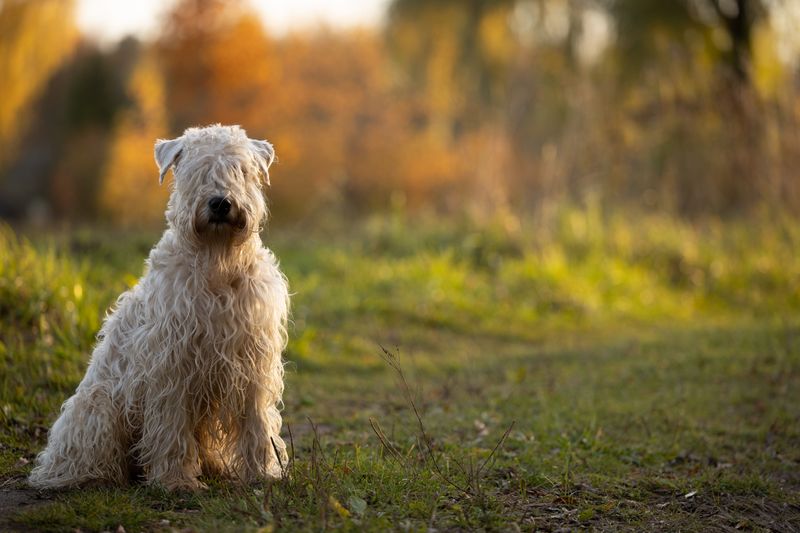
A Wheaten Terrier may greet you with such enthusiasm that standing still becomes a challenge. Its soft, flowing coat sheds less visibly than many coats, yet it can trap leaves and dirt after outdoor fun.
Allergens remain a concern, no matter how clean the floor looks.
Brush carefully to stop mats from forming, and clean muddy paws at the door. This playful breed needs training and activity.
Arrange several visits to check both household fit and allergy symptoms.
Coton de Tulear
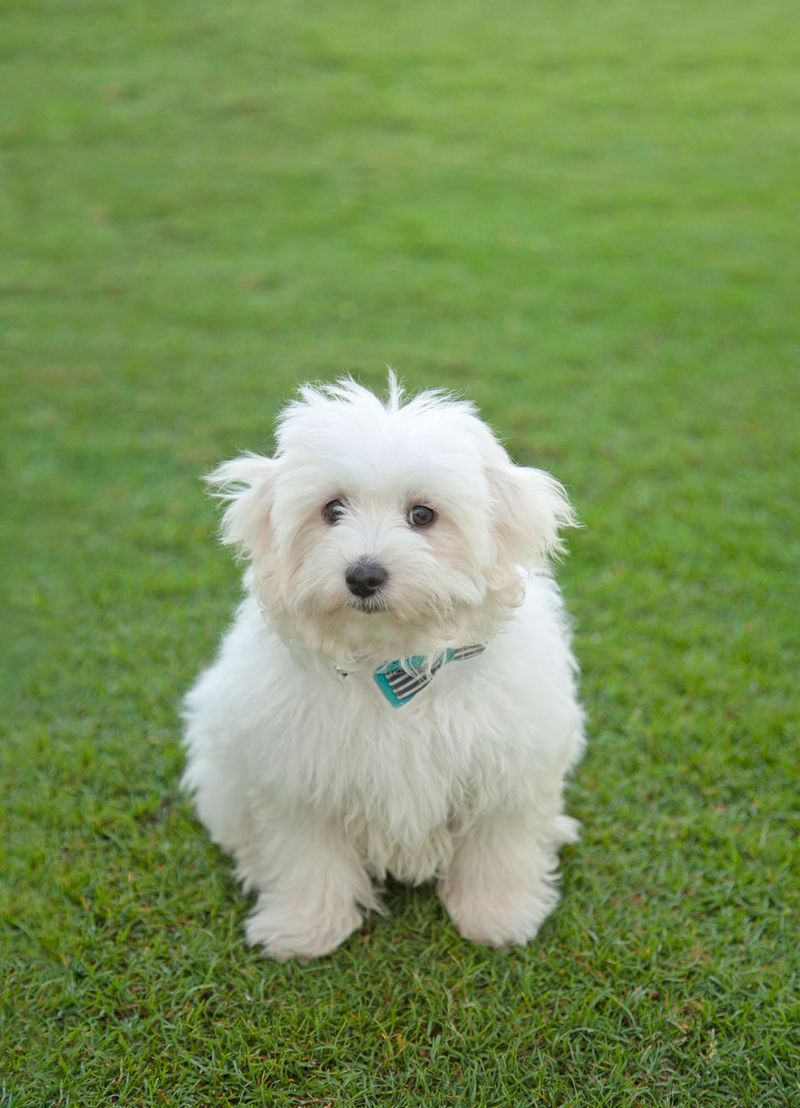
Soft as a cotton ball, the Coton de Tulear often charms people with its playful antics. Its coat may leave less loose hair on furniture, but regular brushing is needed to keep it comfortable.
Even a freshly groomed dog can carry allergens in its skin flakes and saliva.
Make brushing a calm daily habit, and wash shared blankets often. If allergies are a worry, visit the same dog more than once before making a lasting commitment.