
Dogs cannot talk, so their faces do the work. That famous side-eye feels personal because our brains read eye shapes and tiny movements as emotions.
We see attitude, humor, and a little truth in every squint. Meet eleven breeds that have mastered the art of the look, plus tips to keep the peace.
Siberian Husky – Arctic eyebrow that judges
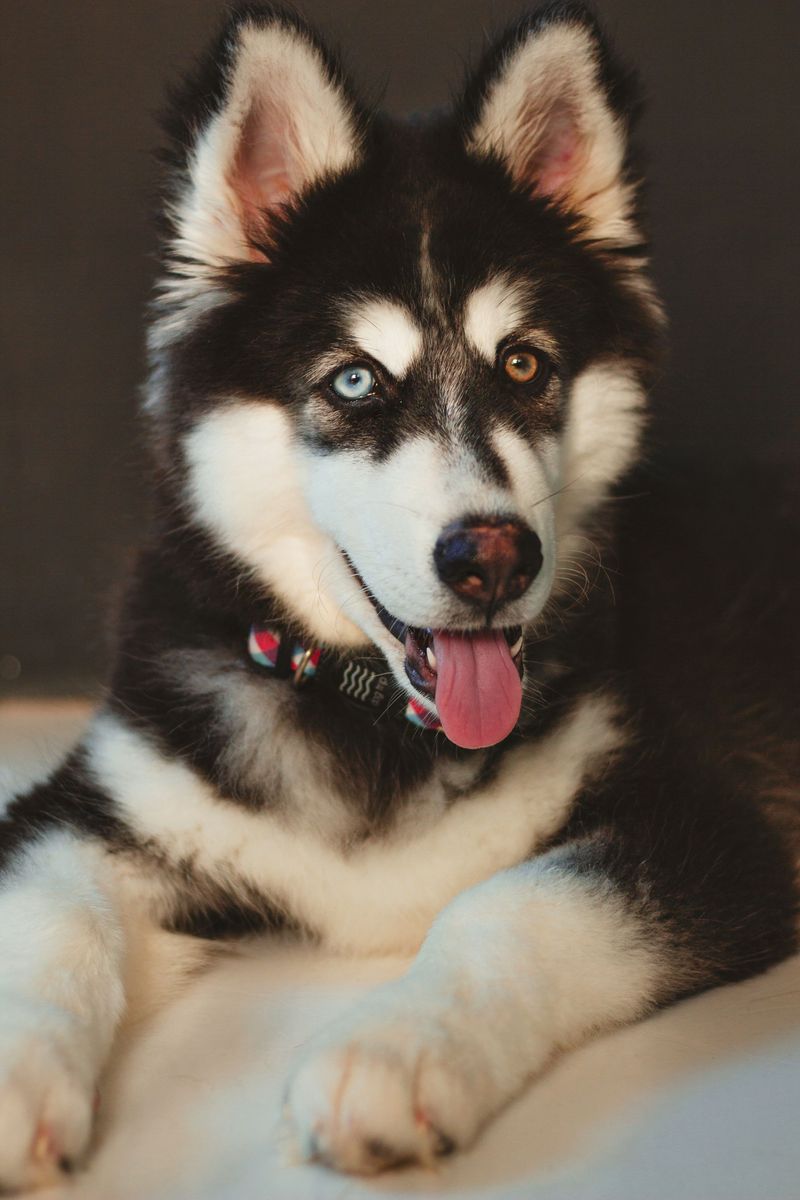
Those icy blue eyes can land a look that says, Really? A Husky often squints and lifts one brow after being told to sit again, like a teen with sled-dog heritage.
The expression reads dramatic, not mean.
Channel that flair into effort. Teach one small trick first, use crisp hand signals, then reward with bites.
Add a jog, puzzle feeders, and a steady routine. When side-eye appears, breathe, reset the cue, and praise the try.
French Bulldog – Bat-eared master of the slow blink
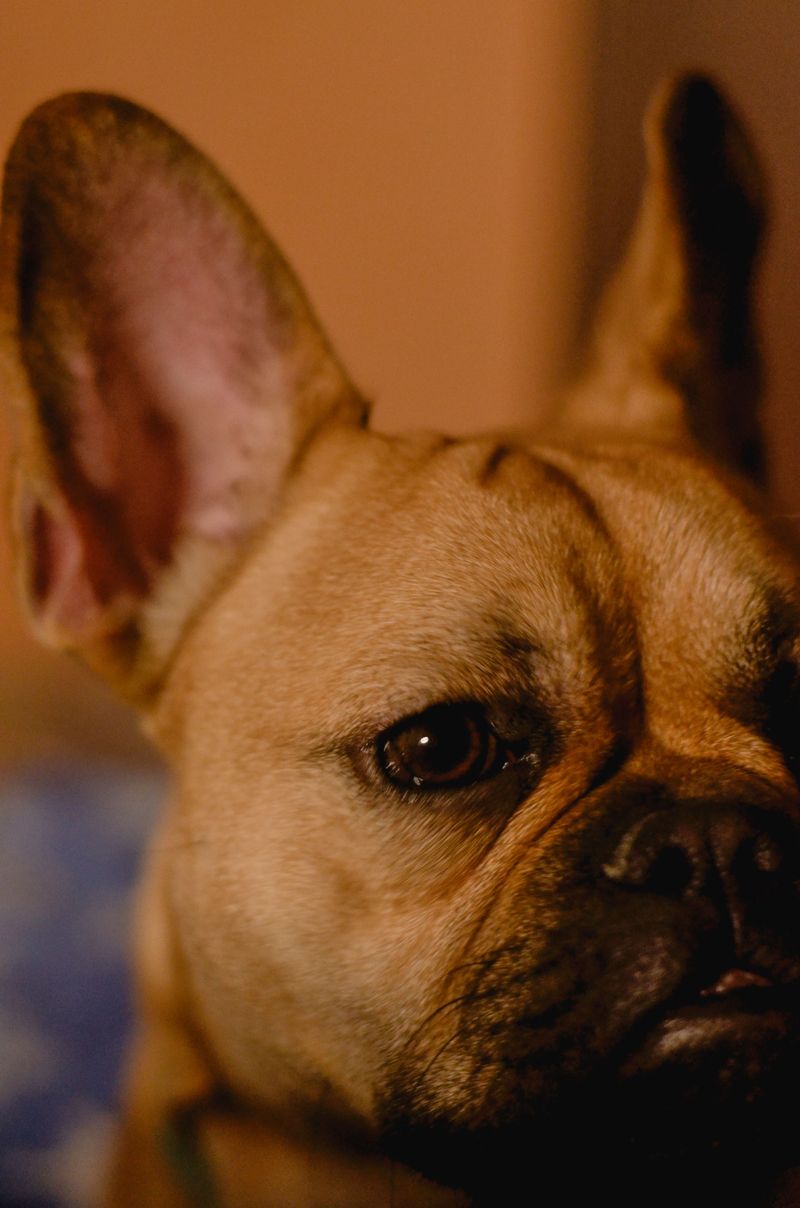
One snort, one squint, and you already feel roasted. French Bulldogs often tilt their bat ears and narrow their eyes when routines change, like bedtime arriving too soon.
The look feels playful, yet it clearly says your timing was not approved.
Beat the sass with predictability. Short walks after meals and a crate with a chew keep a Frenchie content.
Speak softly, show the treat, and end sessions upbeat. The side-eye melts into a grin.
Pug – Royal squint with snack opinions
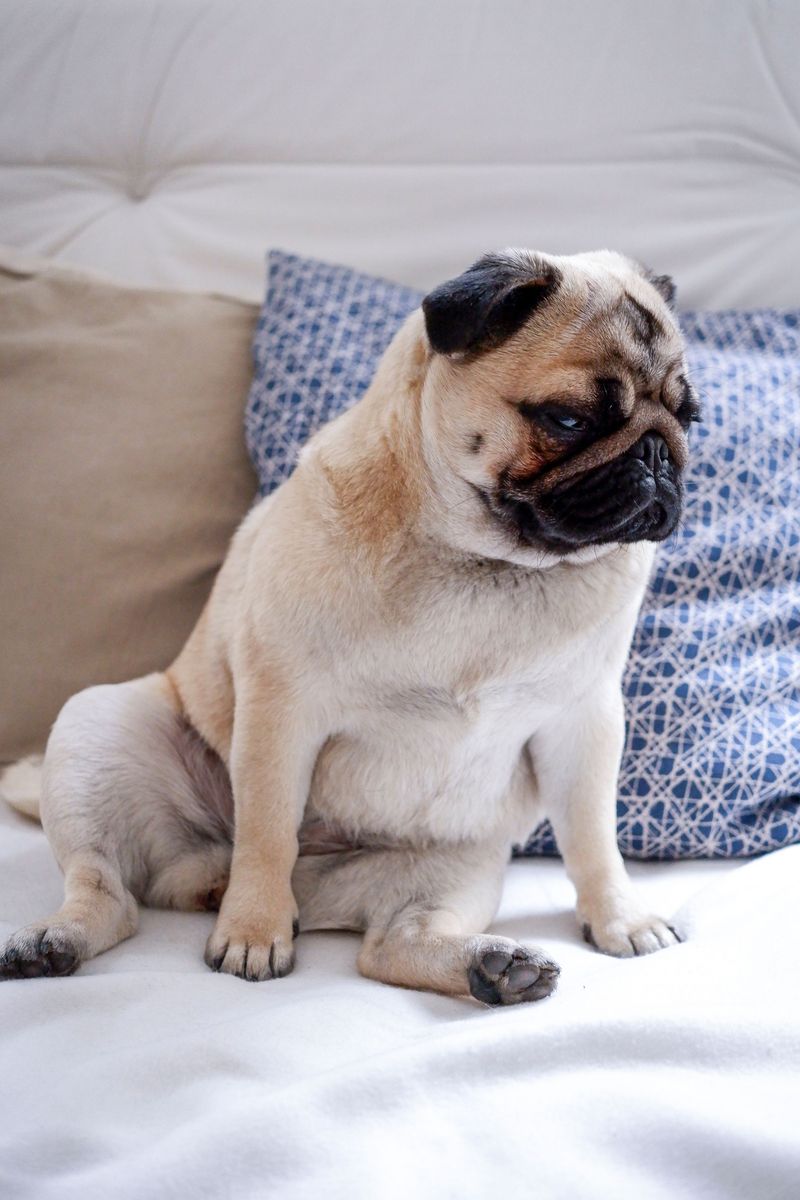
Big round eyes seem built for drama, and a Pug knows it. You get the squinty stare the second you stop sharing snacks.
Some folks call it a royal glare, but really it is a funny way to ask for more.
Keep boundaries kind and clear. Give treats for calm sits and set meals on a schedule.
Short walks, sniff games, and spots help mood and health. Sometimes that sassy look signals boredom or thirst.
Dachshund – Long dog, longer side-eye
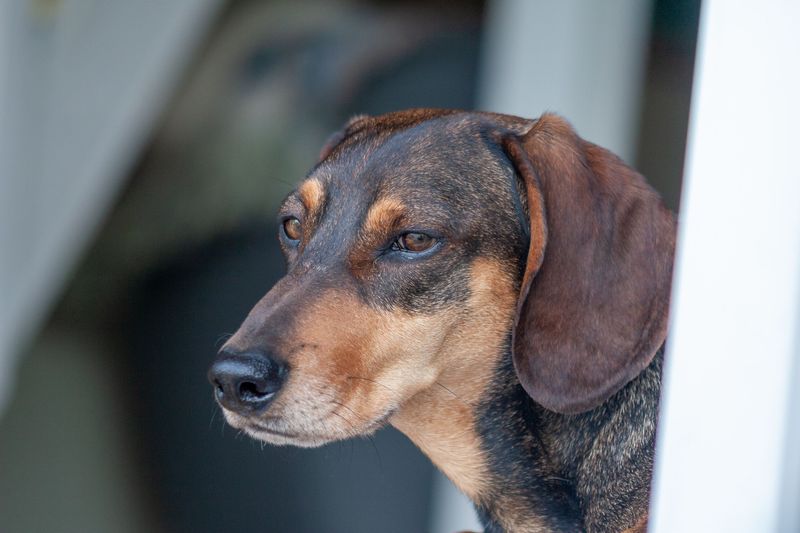
A long body, longer memory. Ask a Dachshund to leave a squirrel alone, and you might earn a sideways glance that could slice cheese.
Hunters at heart, they judge slow humans who do not understand important yard business.
Work with that drive. Play scent trails, rotate plush critters, and teach a steady wait at doors.
Use training bursts, praise, and snacks. If side-eye hits, switch tasks, then reward check-in so your sausage supervisor feels heard.
Shiba Inu – Minimalist glare, maximal message
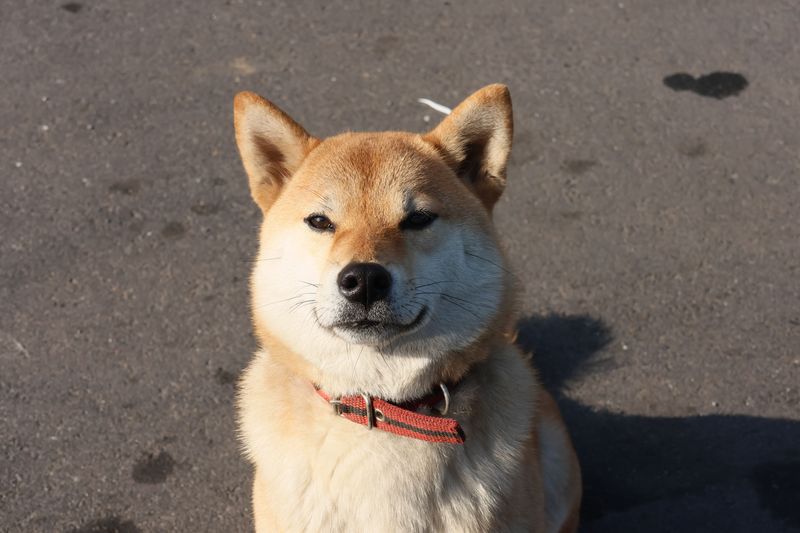
Minimalist face, maximum judgment. A Shiba can pull a sleek side-eye that feels like a movie critic’s review.
Independent by design, they often watch before deciding if your plan deserves participation, which makes the glare feel sharply personal.
Lean into choice-based training. Offer two options, cue lightly, and pay with treats when they pick right.
Add flirt pole play, walks, and greetings. If that gaze appears, pause, soften voice, and reward head turn toward you.
Boxer – Comedy club squint
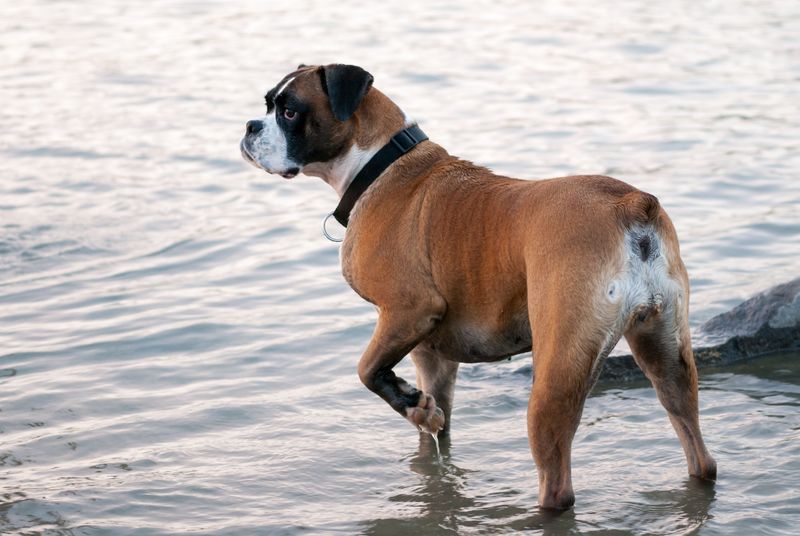
A Boxer does comedy with the eyes. After you end playtime, many will squint, purse their lips, and side-eye like a stand-up headliner waiting for applause.
That clown energy can look sassy, but it usually asks for one more round.
Make rules playful. Cue a sit, release to a toy, repeat twice, then finish with water and a mat settle.
Short bursts fit their style. When the stare appears, cue a nose-target and pay big.
Chihuahua – Pocket queen with laser glance
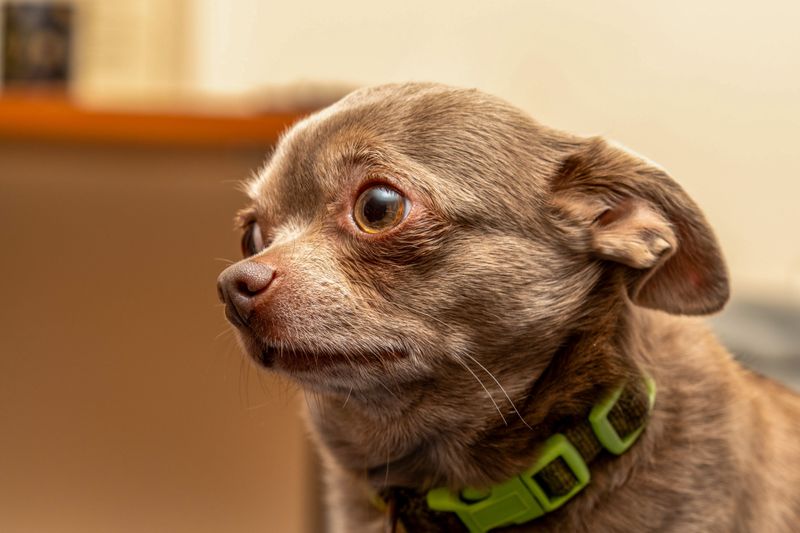
Tiny body, giant attitude. Many Chihuahuas squint from blankets like queens of a pocket kingdom, judging your couch choices.
The side-eye arrives fast when strangers reach in too soon, which is fair for a dog who measures the world in ankles.
Grow trust in slow layers. Invite sniffing, reward looks, and avoid overhead grabs.
Use a soft harness, brief walks, and a cozy bed that pays. When you see that glance, cue a target, treat.
Boston Terrier – Tuxedo judge of fairness
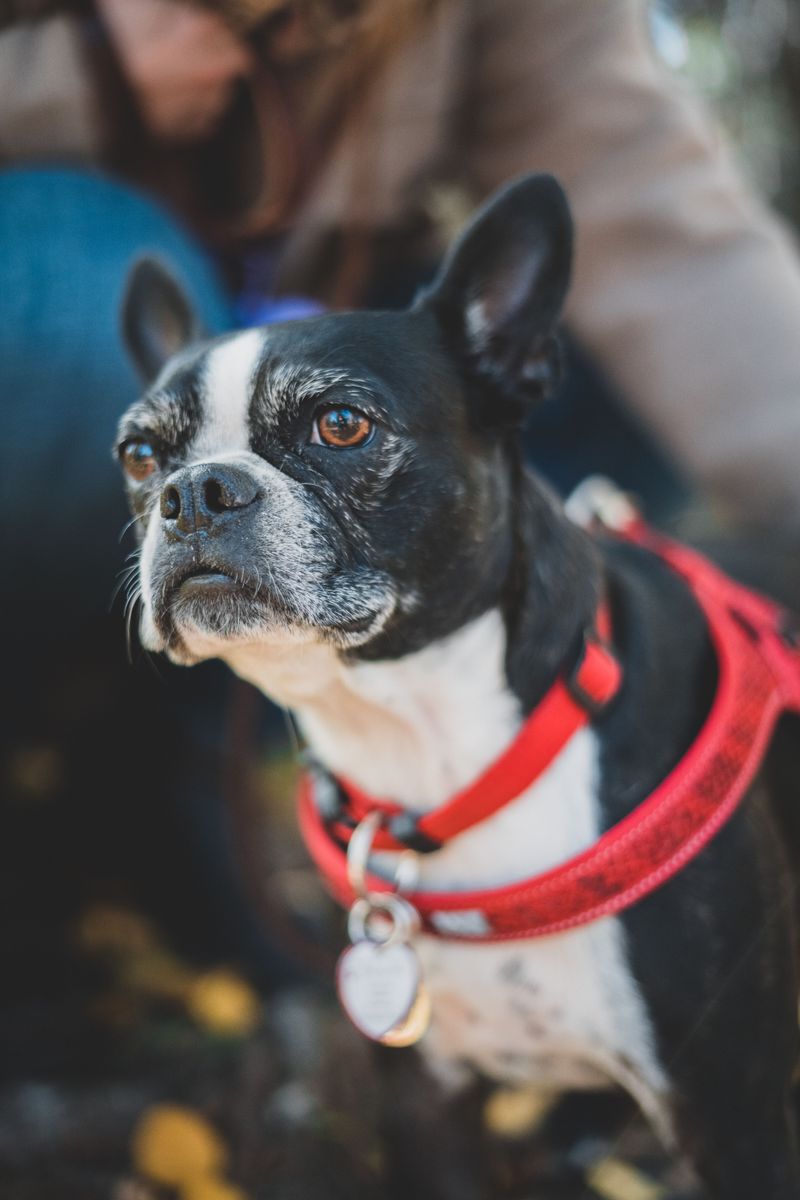
Those tuxedo markings make every side-eye feel formal. Boston Terriers stare like tiny referees when rules change mid-game.
They are bright and lively, so the look often means they want clearer signals or a chance to try the task again.
Keep instructions short and fair. Use a marker word like yes, show the action, and let them win often.
Mix tug and sits, then finish with mat. When the gaze tightens, rewind step and celebrate.
English Bulldog – Slow blink, strong opinion
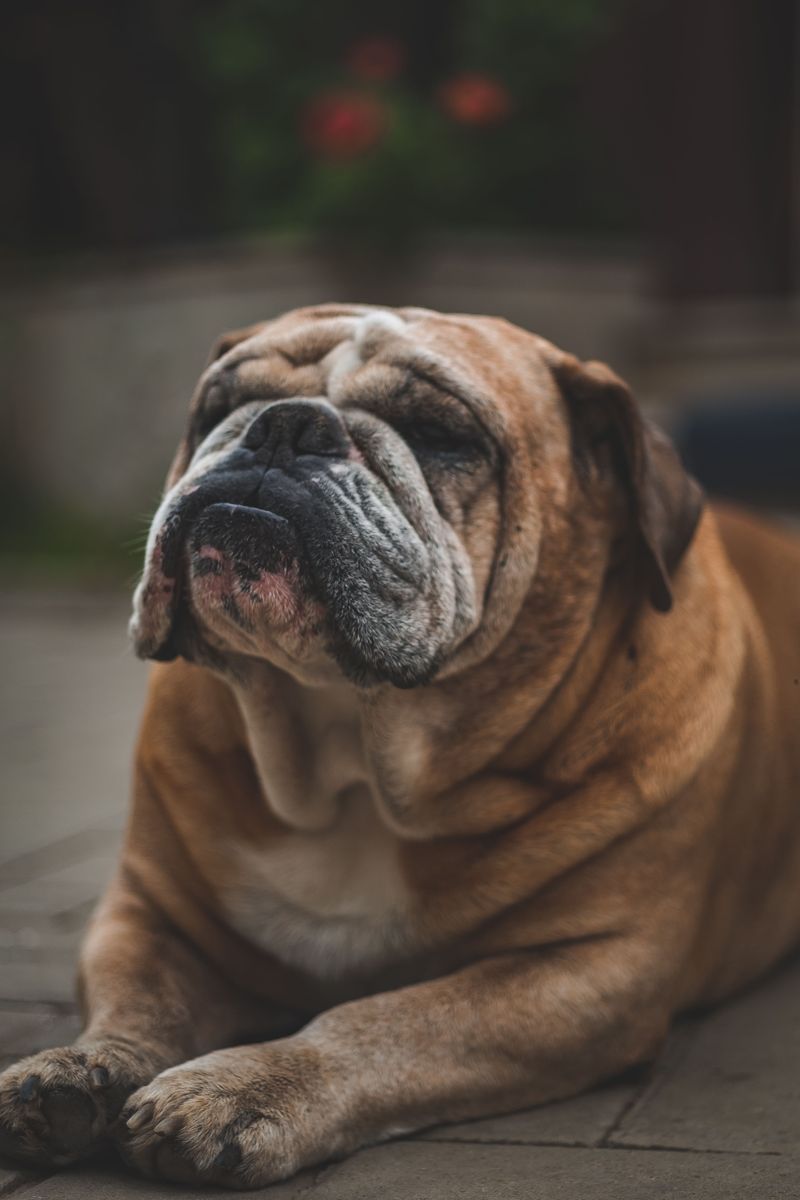
That wrinkled brow can throw shade without trying. Many English Bulldogs give a slow blink and a sideways peek when asked to speed up anything.
The look feels personal because their face is so expressive, like an old friend judging your life hacks.
Respect the chill tempo. Keep training cool, use low steps, and time short practice before walks.
Pay with snacks and rubs. If side-eye rolls in, lighten the task and cheer kind effort.
Miniature Schnauzer – Eyebrow punctuation expert
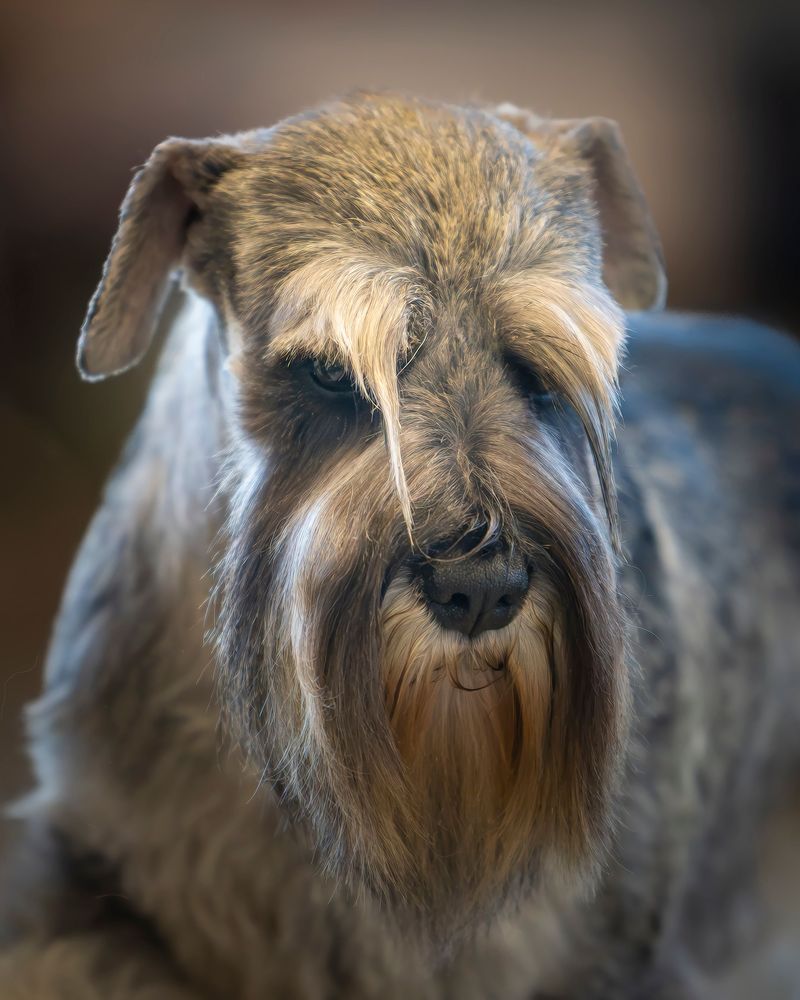
Eyebrows built like punctuation make every glance pop. Miniature Schnauzers will angle a look that says, I filed the report, did you?
They are alert watchdogs with busy minds, so the sarcastic vibe often shows up when boredom knocks.
Assign small missions. Practice place, fetch the leash, and find-it games, then pay with praise and crunchy bites.
Add walks and a groom session for bonding. If eyebrows lift, reset the task and reward speedy effort.
Scottish Terrier – Dignified stare with standards
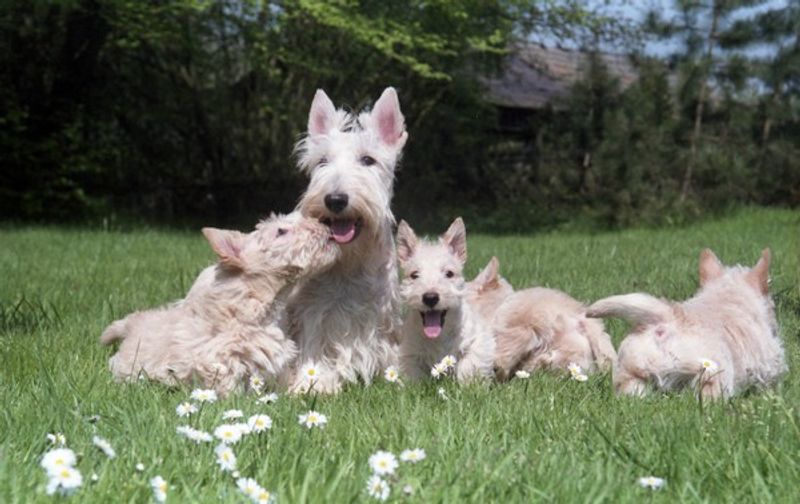
There is a proud sparkle in those deep-set eyes. Scotties can deliver a side-eye that feels like a vintage teacher noting tardiness.
Confident and independent, they often prefer clear jobs and consistent manners from their people.
Set expectations with calm respect. Teach a heel, sits at doors, and a place mat for guests.
Rotate sturdy toys, offer walks, and keep rules steady. When the judging glance arrives, give a simple cue they know and reward.