
Some dogs genuinely handle short stretches of alone time with confidence and calm. The secret is matching the right temperament with smart routines that keep stress low.
If you need a companion who can chill while you run errands or work part time, these breeds stand out. Let’s explore which pups manage solitude best and how you can set them up to succeed.
Greyhound
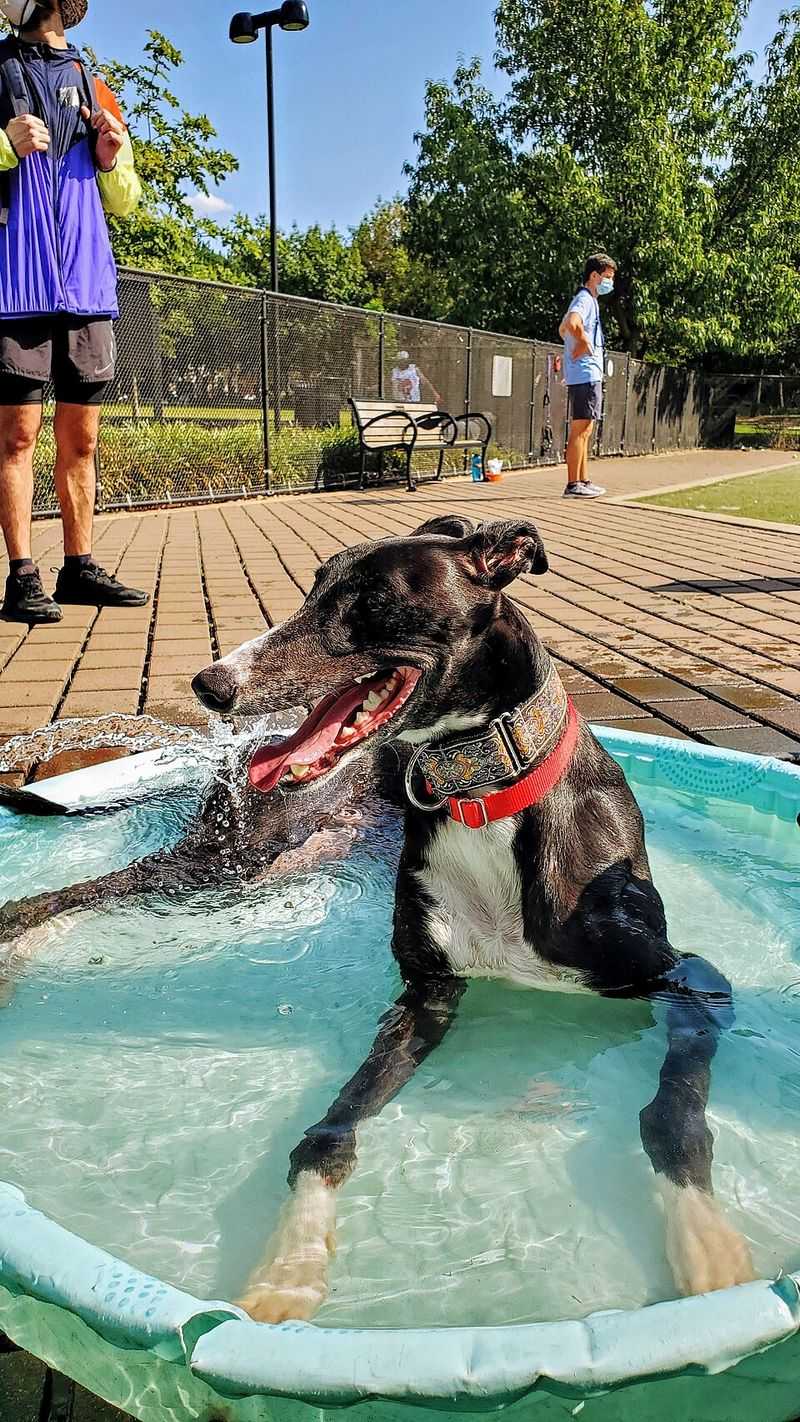
Greyhounds often surprise new owners with how calm they are indoors. Built for sprinting, they spend most of the day lounging like quiet shadows.
That relaxed vibe means short alone time usually goes smoothly when needs are met.
Give a brisk walk, a food puzzle, and a cozy bed, and you set them up to rest. Because they bond closely, they still appreciate gentle departures and calm returns.
Curtains drawn, white noise, and a safe crate or room can help sensitive souls decompress. If you work part time, a midday potty break keeps routines predictable.
Adopt from a reputable group that evaluates independence, since some ex racers are clingier. Start alone training in tiny increments so your dog learns that quiet time brings good things.
Whippet
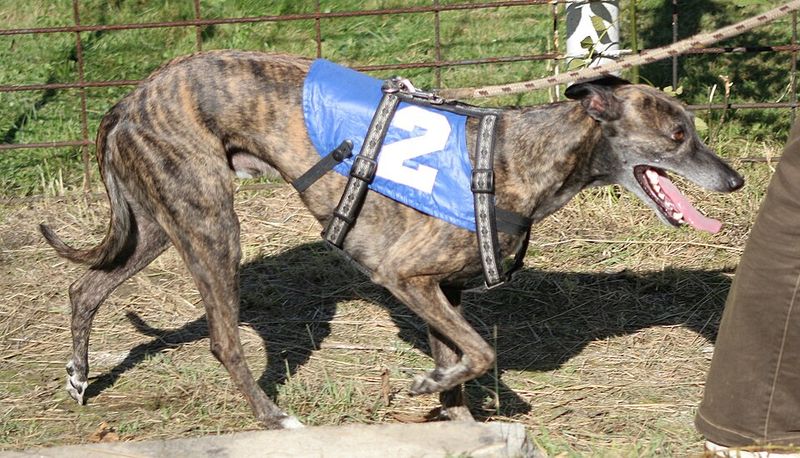
Whippets share the greyhound’s chill but in a smaller, apartment friendly package. After a solid sprint or flirt pole session, they morph into gentle couch ornaments.
That balance of zoomies and zen helps them settle when you step out.
Set up a quiet nook with a warm blanket and a chew. Whippets enjoy routine, so predictable exits and low key returns reduce anticipation.
Many handle two to four hours solo after gradual training. A snuffle mat or frozen Kong fills the gap.
Because they can be sensitive to noise, soft music masks hallway sounds. Keep them cozy with a sweater in cooler months.
You will love how quickly good nap habits form when exercise and comfort align.
Great Dane
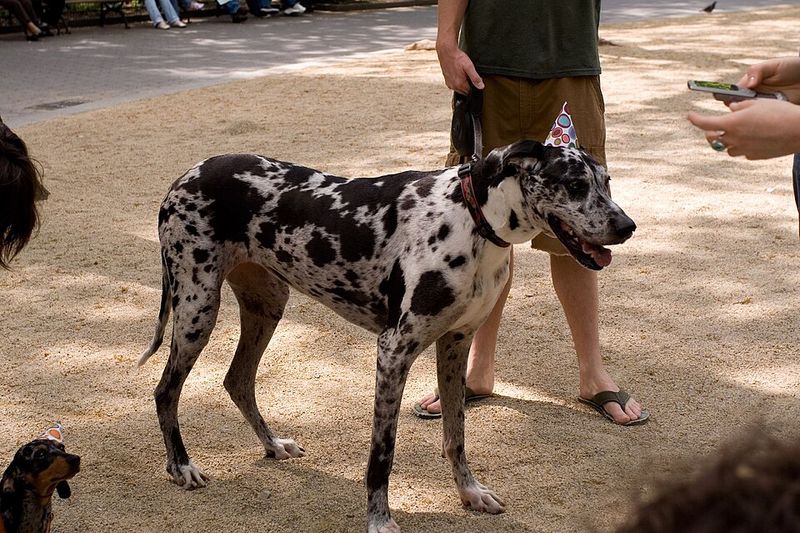
Great Danes are famously gentle and, with maturity, pleasantly low key indoors. Their size means quick fatigue after moderate activity, helping them snooze while you handle errands.
Provide joint friendly beds and safe confinement, since tails clear coffee tables.
Short alone time goes best after a bathroom break and sniffy walk. Danes bond deeply, so use calm routines and slow build ups to independence.
Baby gates can create a den like space without feeling confined. Offer durable chews suited to big jaws.
Puppies need more company, but adults often relax for a few hours. Mind the risk of bloat by spacing meals and exercise.
With structure, this gentle giant becomes a reassuring, snoozy presence between your comings and goings.
Bernese Mountain Dog
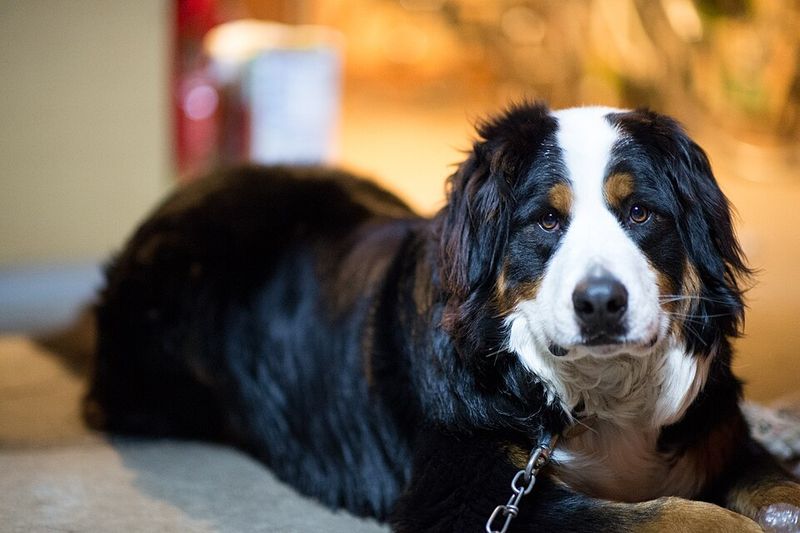
Bernese Mountain Dogs crave companionship yet often handle brief alone periods when needs are met. Their mellow nature blossoms with consistent exercise and mental work.
A ten minute training session plus a sniffy stroll sets the stage for napping.
Because they are sensitive, keep departures neutral and returns calm. Use puzzle feeders and slow chew options to occupy the first quiet minutes.
A cool, comfortable spot is key for that thick coat. Rotate enrichment so novelty stays high and frustration low.
Separation challenges can appear during adolescence, so start practicing early. Gradual absences, white noise, and predictable routines help.
With thoughtful preparation, many Berners rest contentedly while you handle short appointments or school runs, then rejoin family life with their trademark sweetness.
Newfoundland
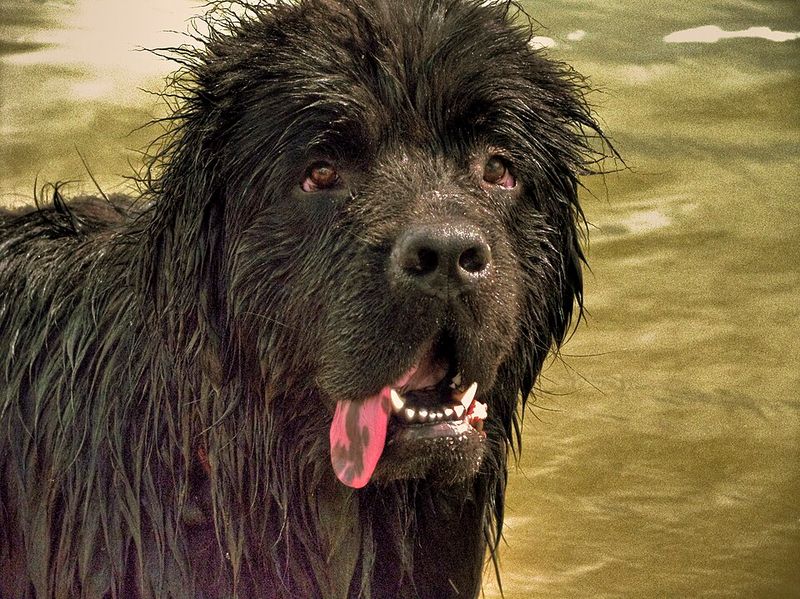
Newfoundlands are patient, affectionate, and typically unhurried indoors. After moderate exercise and grooming, many settle into long, contented naps.
Their calm outlook means short solo stretches can work, provided you build the habit gradually.
Keep the room cool and offer a supportive bed for that heavy frame. A stuffed lick mat or frozen Kong adds soothing activity.
Neutrally say goodbye, skip high energy greetings, and let the dog wake on their schedule. Water access is essential, as many Newfies are thirstier.
Puppies and adolescents still need supervision and structure. Mature dogs, though, often snooze peacefully while you run errands.
Monitor for heat and joint comfort, and you will find this sweet water rescue breed manages downtime with surprising grace.
Basset Hound
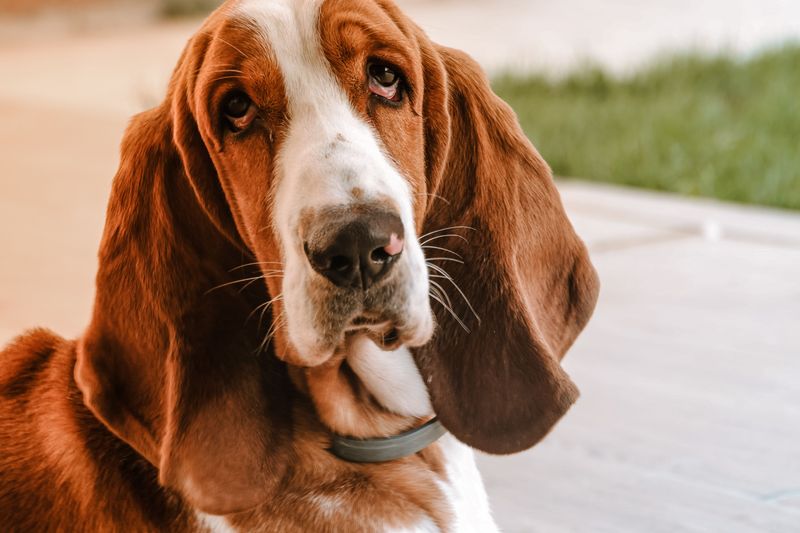
Basset Hounds bring a laid back, comedic charm that often translates to decent alone time. Give them a good sniff walk to satisfy that powerful nose first.
Then, expect impressive napping skills paired with a touch of stubborn independence.
Because scent hounds follow smells, secure your trash and kitchen zones. A snuffle mat or scatter feeding scratches their foraging itch in a controlled way.
Keep stairs limited to protect long backs. Soft music helps mask street sounds that might spark baying.
Start with short absences and build slowly, rewarding quiet on your return. Many Bassets handle two to three hours without fuss once routines stick.
With enrichment and sensible boundaries, you get a funny, floppy companion who enjoys peaceful downtime.
Cavalier King Charles Spaniel
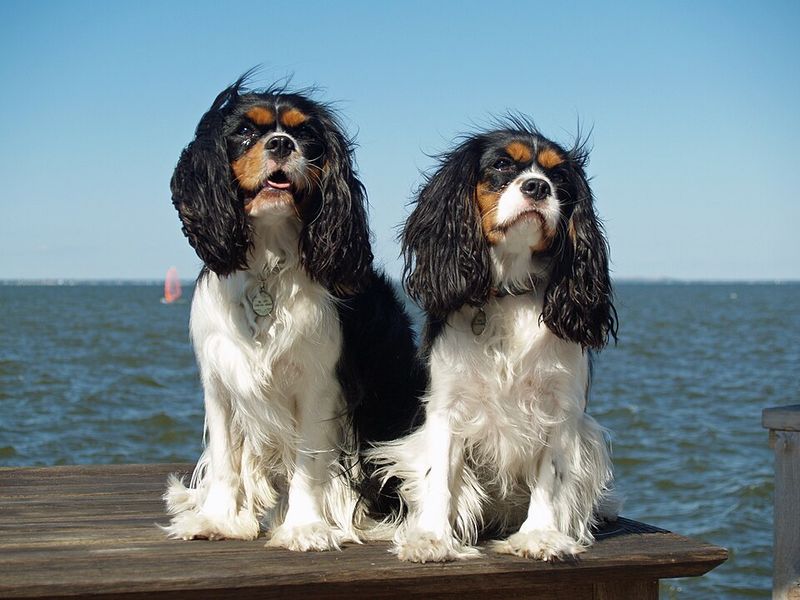
Cavaliers adore people, so you must be thoughtful to create healthy independence. With daily exercise, nose work, and training games, many handle short solo windows gracefully.
Teach a settle cue and provide a soft bed in a quiet corner.
Because they are sensitive, keep comings and goings low key. Food puzzles, soft classical music, and curtain management reduce triggers.
Watch for clinginess that can sneak up during adolescence. A pet sitter or neighbor check in can bridge longer stretches.
Health screening matters, as some Cavaliers have conditions affecting energy. When comfort and routine align, this affectionate toy spaniel relaxes while you grab groceries or hit the gym.
Then they slide right back into cuddles, proving sweetness and independence can coexist.
Havanese
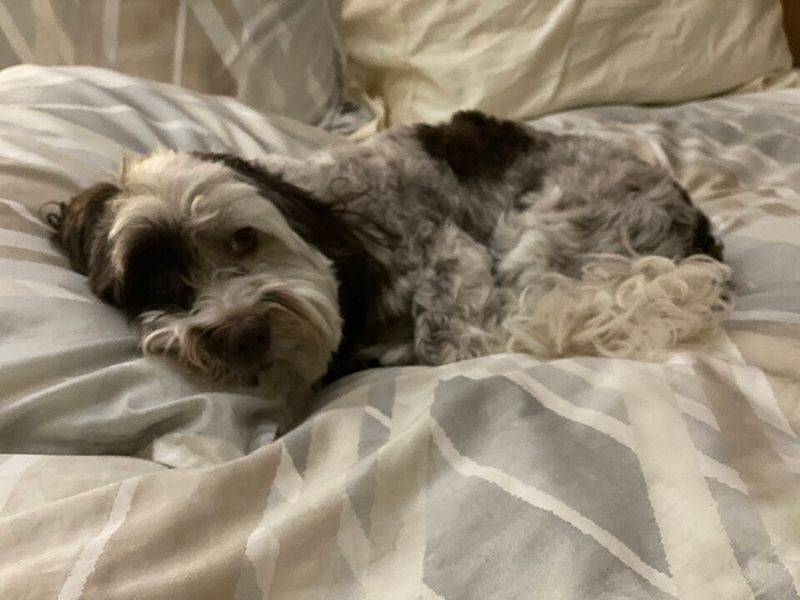
Havanese thrive on human contact, yet many learn to self soothe with the right start. Shape independence early using short absences, scatter feeding, and a cozy rest spot.
After a playful training session, they often nap like pros.
Rotate safe chews and food puzzles to keep boredom away. Because they can be vocal watchdogs, white noise or a fan can block hallway sounds.
Keep exits predictable and greetings calm so anticipation does not spike. A window film helps prevent barky views.
Toy breeds need bathroom breaks more frequently, so plan accordingly. Still, with structure, this friendly companion tolerates a few solo hours.
You will appreciate their adaptable spirit when errands pop up and your pup confidently settles for quiet time.
French Bulldog
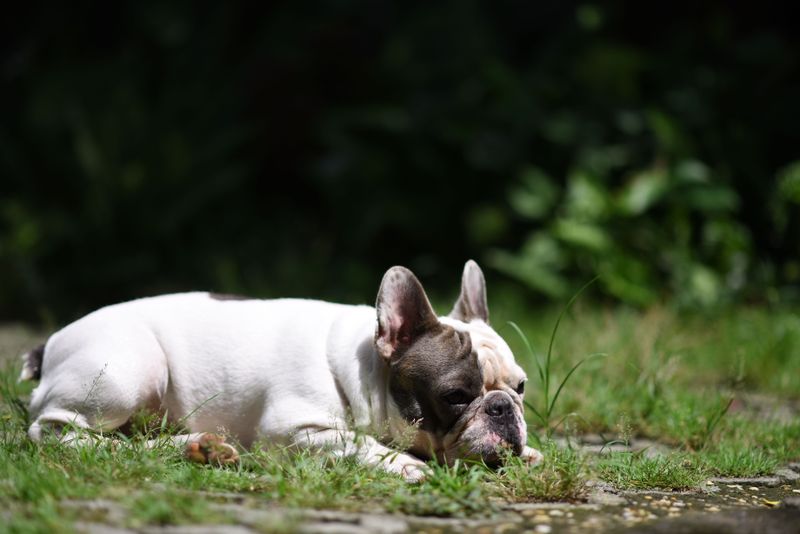
French Bulldogs love companionship but typically enjoy serious nap skills between play bursts. Keep sessions short and sweet, then offer a comfy bed in a cool spot.
Their brachycephalic breathing benefits from temperature control and calm routines.
Start alone training with tiny intervals and build gradually. A lick mat or gentle chew helps them ease into relaxation.
Avoid overstimulation before you leave, and keep water nearby. Many Frenchies handle brief solo time once predictable patterns form.
Mind weight and heat management to support restful sleep. Use baby gates to create a safe chill zone instead of a closed door if needed.
With sensible preparation, your sturdy little comedian will snore contentedly while you step out.
Shih Tzu
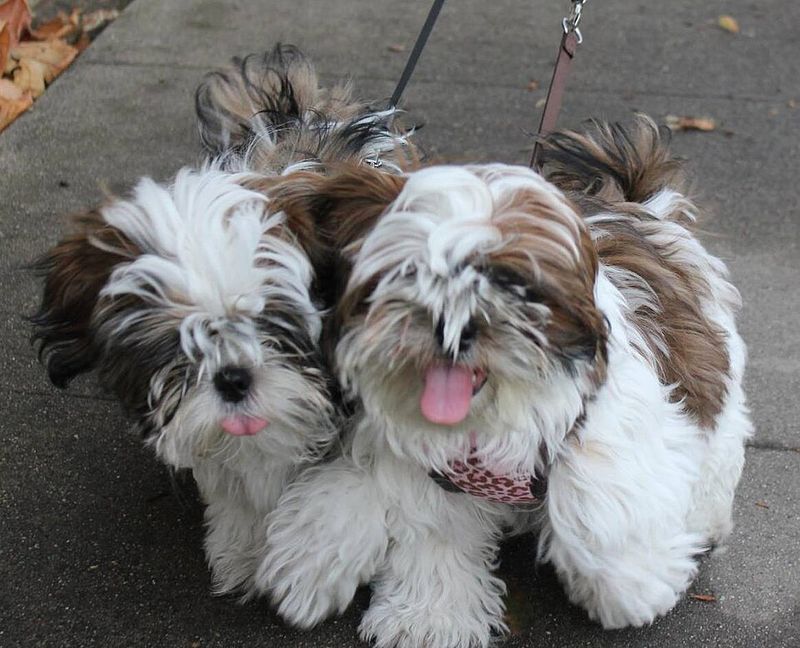
Shih Tzus were bred for companionship, yet many adapt to short alone periods with training. Focus on calm enrichment, like snuffle work and gentle chews.
A quiet, temperature controlled space keeps this long coated friend comfortable and relaxed.
Practice short, boring departures so exits predict naps instead of drama. White noise helps cover elevator or hallway sounds in apartments.
Keep hair clear of eyes to reduce startle responses. Rotate toys and puzzles to maintain novelty without over arousal.
Bathroom timing matters for small bladders, so schedule breaks wisely. With routines dialed in, expect solid snoozing between your meetings.
You will return to a bright, affectionate greeting without the stress spiral, proving this royal lapdog can manage measured independence.
Maltese
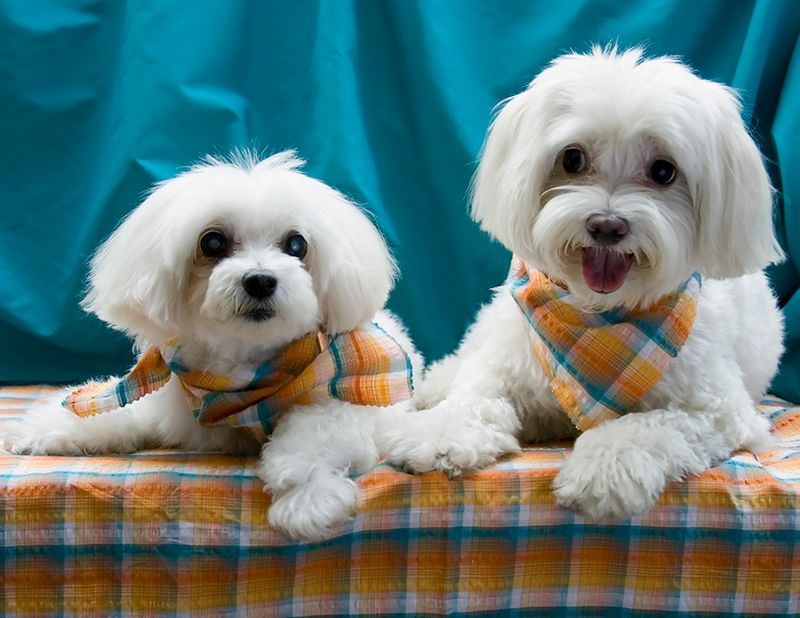
The Maltese is people focused but capable of learning relaxed alone time. Daily sniff walks, brief training, and foraging games help meet needs before you go.
A warm bed and soft music build a soothing nap environment.
Because small dogs can become velcro like, start independence training early. Keep departures neutral, and reward quiet after you return.
Use baby gates to define a safe zone with water and chews. Window privacy film reduces barking at passing shapes.
Plan bathroom breaks around age and hydration. With structure, many Maltese rest calmly for a couple hours.
You will love their sparkle on your return, and they will appreciate the stability that turns solo time into a predictable, comfortable pause.
English Bulldog
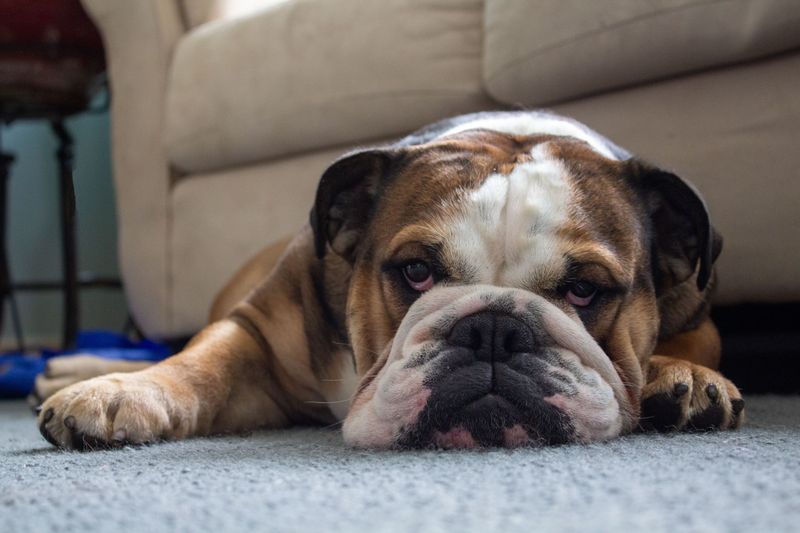
English Bulldogs are low energy indoors and often capable of short, peaceful alone time. Keep temperatures cool and provide a supportive bed or cooling mat.
A short sniffy walk and light training session set the stage for rest.
Because of breathing considerations, avoid intense play right before leaving. Offer a lick mat to encourage calm licking rather than frantic chewing.
Keep routines predictable and exits boring. Many Bulldogs nap deeply, waking when you return without fuss.
Monitor weight and joint comfort so settling stays easy. Use baby gates for a safe, open den instead of confinement that feels tight.
With thoughtful management, your stocky companion will happily snooze while you handle errands, then greet you with grunty charm.
Boston Terrier
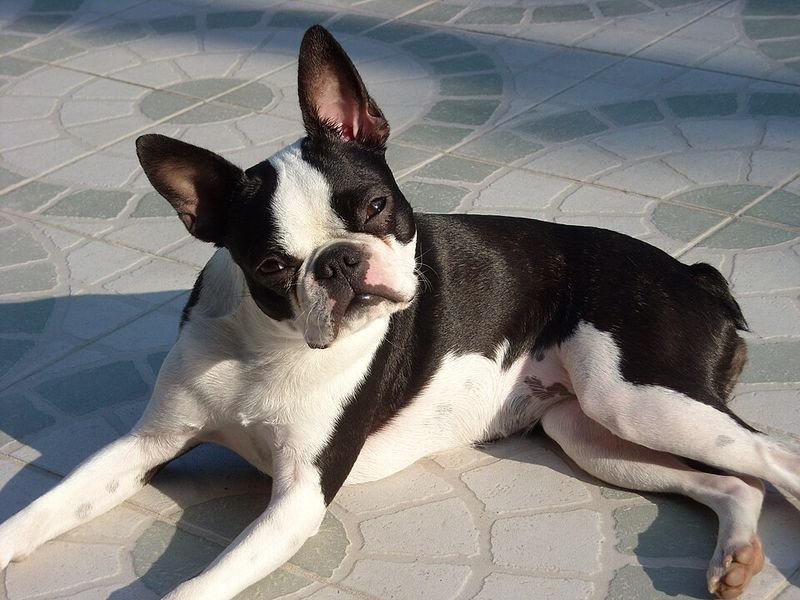
Boston Terriers are social, playful, and surprisingly good at napping between bursts. After a short fetch game and a training tune up, many settle nicely.
A comfy bed in a quiet corner turns downtime into an easy habit.
These smart dogs enjoy puzzle feeders that release kibble slowly. Keep greetings understated so the first minutes after you leave feel unremarkable.
Use white noise for apartment life to soften hallway sounds. Avoid overheating and manage excitement before exits.
With gradual alone training, most Bostons handle a couple hours well. Rotate enrichment so novelty supports calm rather than frenzy.
You will appreciate their cheerful reset when you return, proof that balanced routines make independence feel safe and normal.
Pug
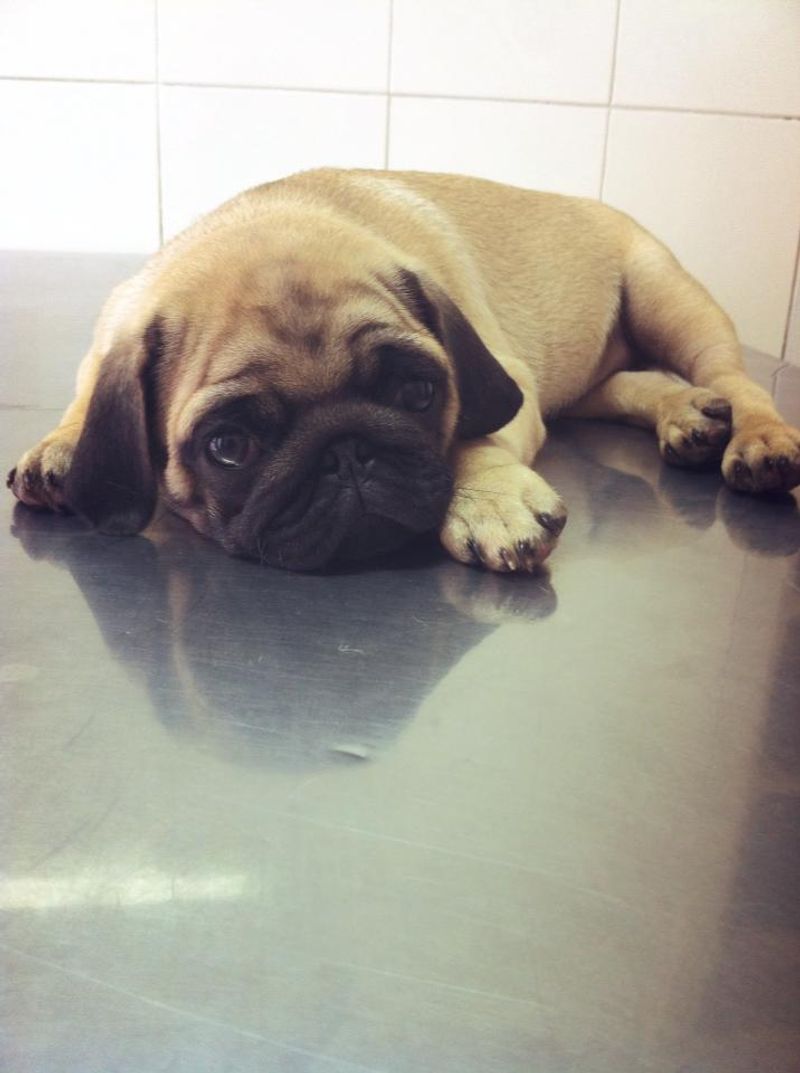
Pugs adore people, but they excel at power naps when routines are steady. Keep the room cool and provide a supportive bed for easy breathing.
A sniff walk, a few cues, and a gentle chew set them up to relax.
Because they can be vocal, cover windows or use soft sound to limit triggers. Keep comings and goings low key and predictable.
Many Pugs manage a couple hours solo, especially after a calm wind down routine. Hydration is crucial, so place water nearby.
Watch weight to protect joints and airway comfort. Rotate enrichment and give small, safe chews to prevent boredom.
You will find their mellow, comedic presence rebounds quickly once you are back, making short separations feel smooth and manageable.
Clumber Spaniel
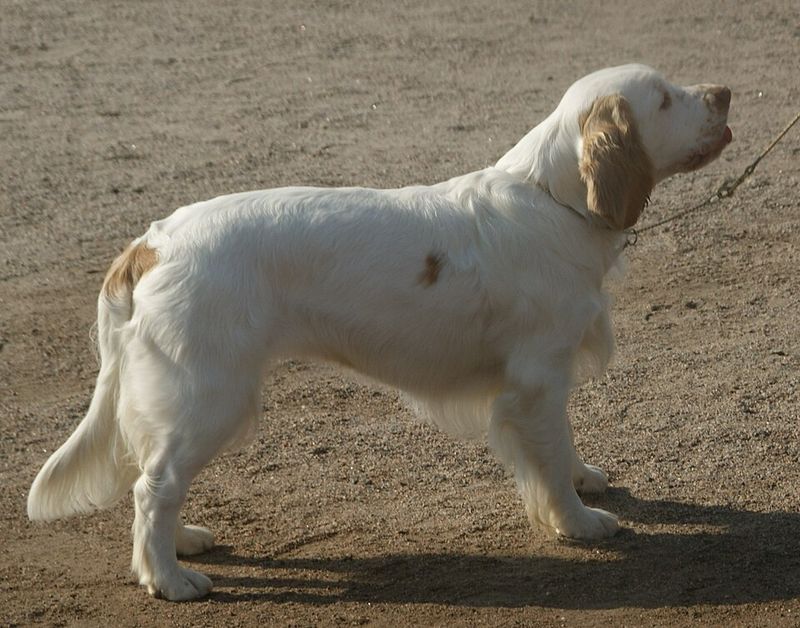
Clumber Spaniels are mellow workers who shift into low gear at home. After methodical exercise and nose work, many settle into satisfying naps.
Provide a cushioned bed and a quiet corner, and you will see unhurried contentment.
Use food puzzles and chew rotations to occupy the first minutes after leaving. Keep departures gentle and consistent so expectations remain steady.
These heavy set spaniels need joint friendly flooring and limited stairs to protect bodies. White noise can soften random street sounds.
Start independence early and progress slowly through realistic durations. Adults often handle a few hours, especially with predictable schedules.
When you return, invite a calm restart rather than a party. The Clumber’s steady nature shines when routines support restful, confident downtime.