
Some dogs have a reputation for being easy, but easy rarely means easy everywhere. Your schedule, space, allergies, and energy level can turn a supposedly simple breed into a daily puzzle.
Before you bring home that sweet face, let’s match real needs to real life. These picks show what works, what backfires, and which smart alternatives can spare you heartache.
Labrador Retriever

Labradors seem effortless, but their energy can overwhelm quiet homes. They need daily fetch, mental games, and sturdy chew outlets to stay balanced.
Without that, boredom sparks counter surfing and backyard excavation.
You also manage heavy shedding, hearty appetites, and a tail that clears coffee tables. If you love hiking, training classes, and constant companionship, the tradeoff feels worth it.
Apartment dwellers who work long shifts may find calmer alternatives smarter.
Consider their sociability too, because Labradors crave inclusion in nearly every activity. Left out, they may vocalize, pace, or test door handles with surprising creativity.
If your routine offers structure, exercise, and friendly neighbors, this classic companion can truly shine. Families who commit reap goofy joy and lifelong loyalty.
Golden Retriever
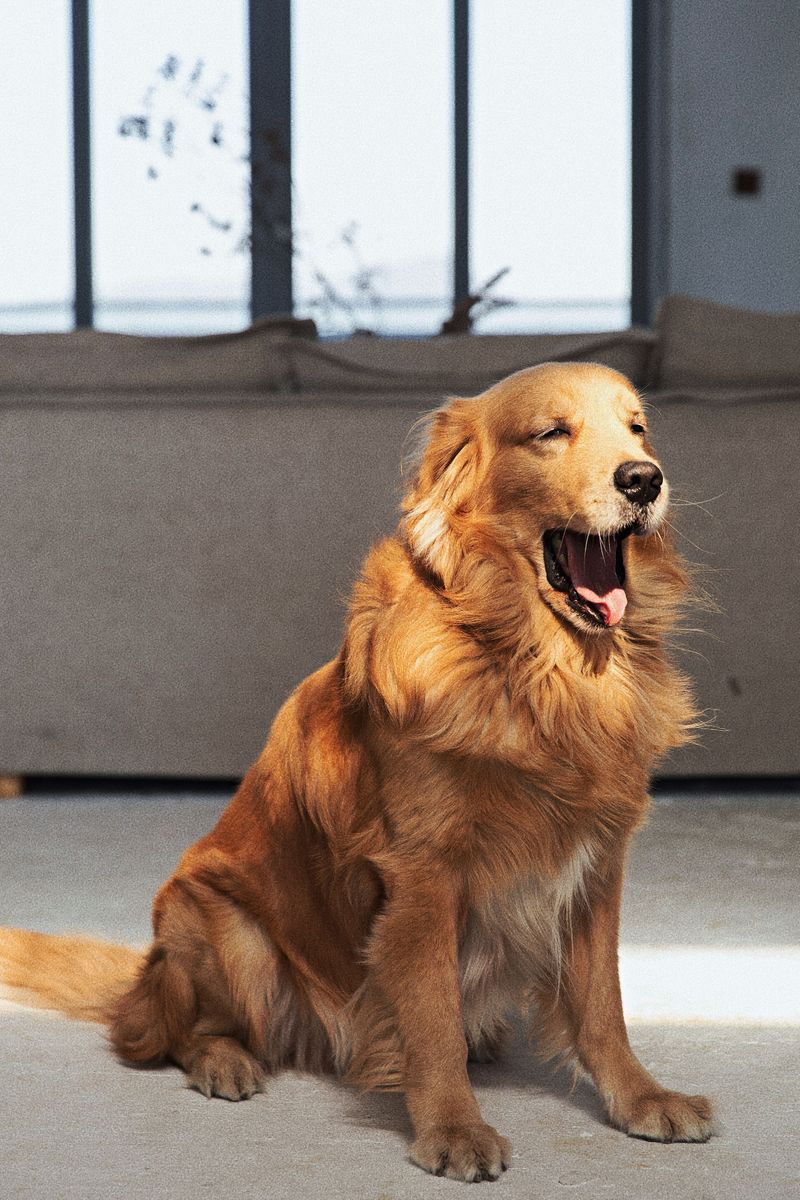
Goldens radiate kindness, yet their needs are not light. That silky coat drops tumbleweeds, matts without brushing, and tracks mud inside.
Add strong puppy energy plus a mouthy, carry-everything habit, and you need patience.
They thrive on training games, long walks, and meaningful jobs like nosework or therapy prep. Without purpose, you may see jumping, shoe collecting, and attention barking.
If allergies or time are tight, the upkeep might overwhelm your week.
Still, few breeds connect with people like a Golden. They read rooms, offer comfort, and flourish where emotions are shared openly.
Give structure, grooming, and daily brain work, and you unlock their glow. Otherwise, consider sleeker, lower-shed companions that love equally hard.
Beagle
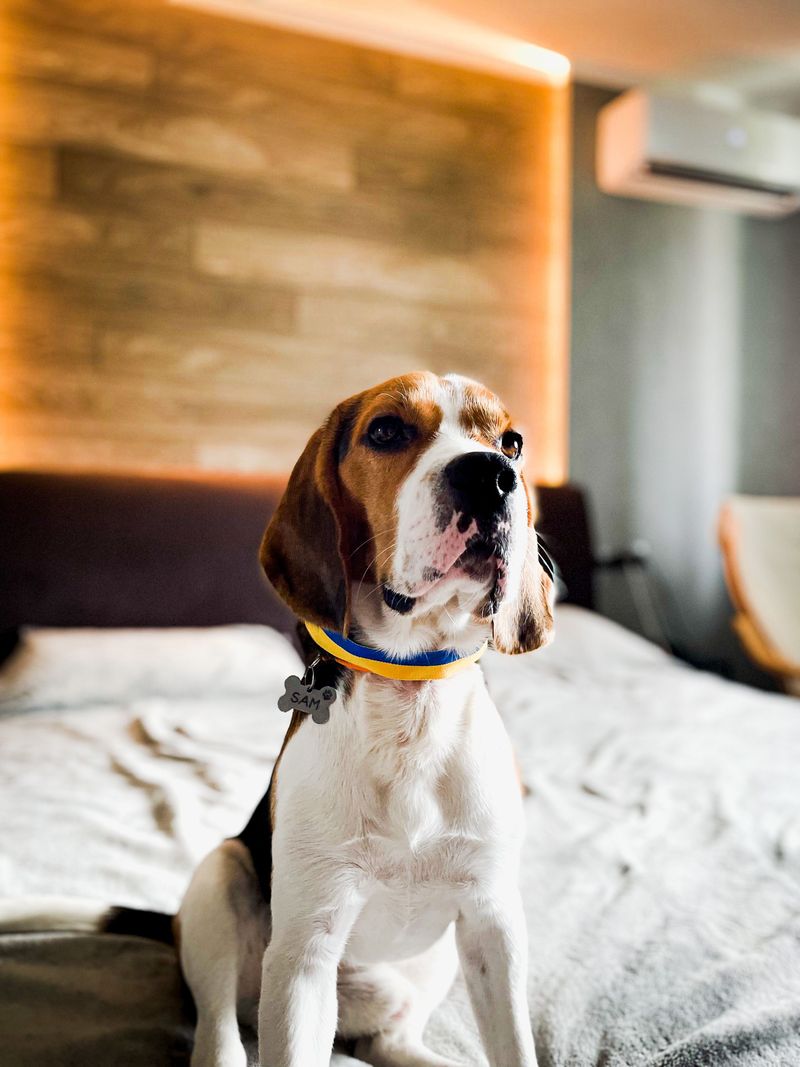
Beagles look easygoing, but that nose rules the household. Once scent kicks in, recall evaporates and fences become essential.
Expect baying vocals, food obsession, and creative counter raids if boredom strikes.
Daily sniffaris, puzzle feeders, and structured scent games keep minds satisfied. Apartment living can work if neighbors accept cheerful howls and you commit to exercise.
Without outlets, they will decorate your trash and serenade the stairwell.
Training thrives on patience, flavor-packed rewards, and smart management of temptations. Keep walks interesting, vary routes, and lean into their tracking joy.
If you want cuddles plus comic antics, they deliver in spades. If quiet obedience is critical, a more biddable breed may fit better.
Cavalier King Charles Spaniel
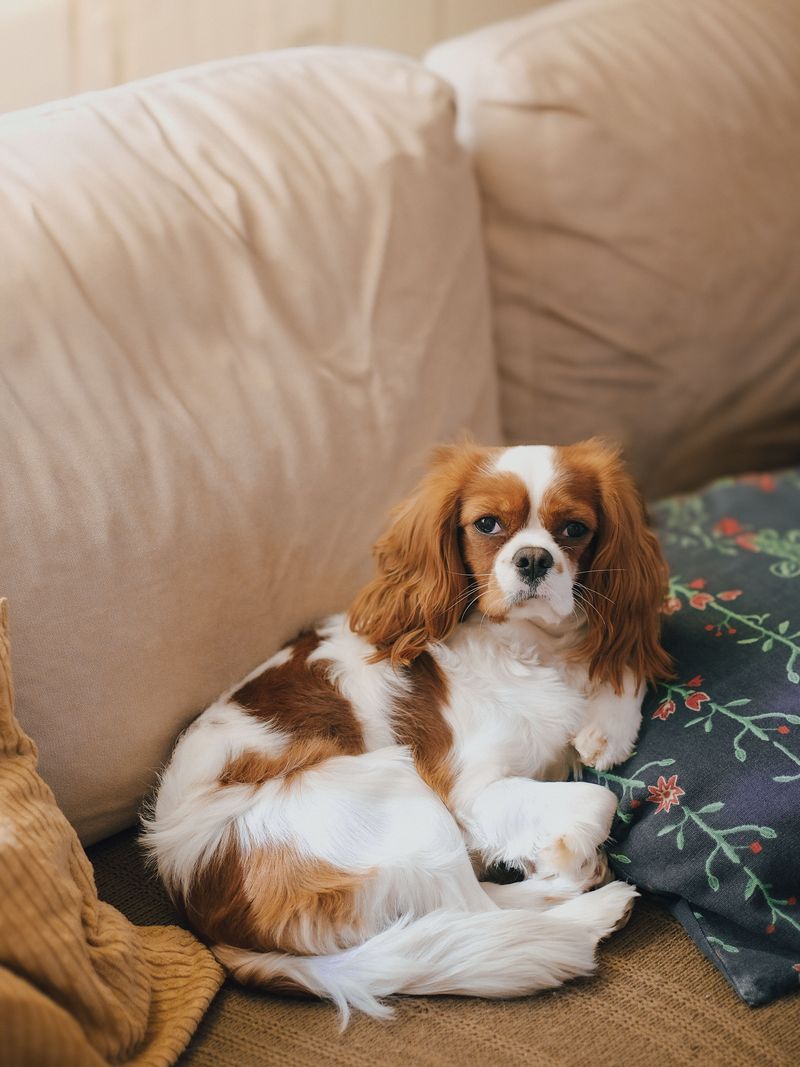
Cavaliers are heartbreakingly sweet, yet health considerations loom large. Screening for hearts and eyes is vital, and insurance is wise.
Their silky coats tangle, and they crave near-constant company to feel secure.
If you work from home, they thrive as gentle shadows. Long lonely hours invite anxiety and clingy behaviors that frustrate both sides.
Short walks, play, and light training keep them content without marathon workouts.
They suit considerate kids and calm households that prize tenderness over chaos. Grooming routines should be gentle, consistent, and budgeted like rent.
When cared for properly, they pour out affection like sunlight. If vet costs or time are dealbreakers, consider sturdier, lower-risk companions with comparable charm.
French Bulldog
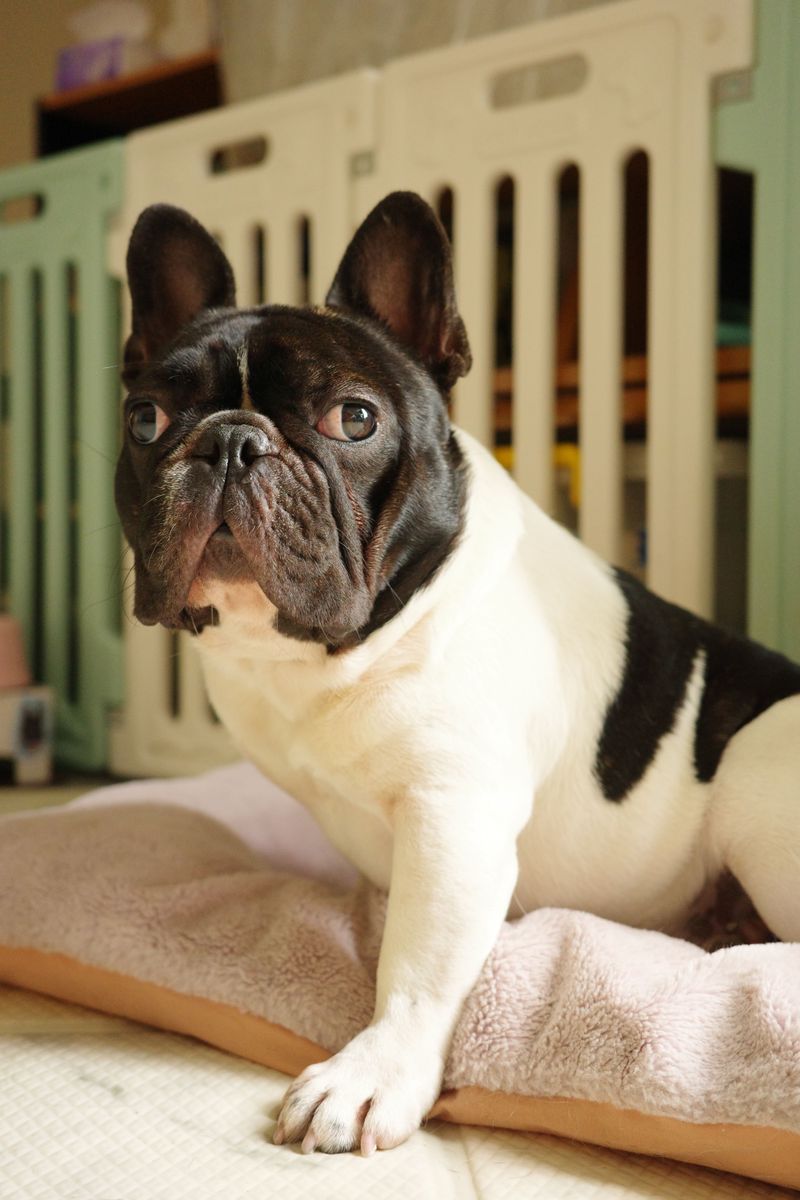
Frenchies bring laughs, but breathing and heat tolerance are serious topics. Short snouts complicate exercise and summer outings, demanding careful cooling plans.
Insurance or savings help with potential airway and spine bills.
They adore people, sofa snuggles, and short bursts of play over distance runs. Stairs and long flights can be tough, and snoring is standard.
Training should be upbeat, brief, and tasty to outsmart stubborn streaks.
Apartment life suits them if elevators and shade exist. Keep weight lean, choose harnesses, and vet-check any wheeze early.
You get clown energy in a compact frame that charms neighbors. If you dream of trail adventures, pick a breed that breathes easier and longer.
Greyhound
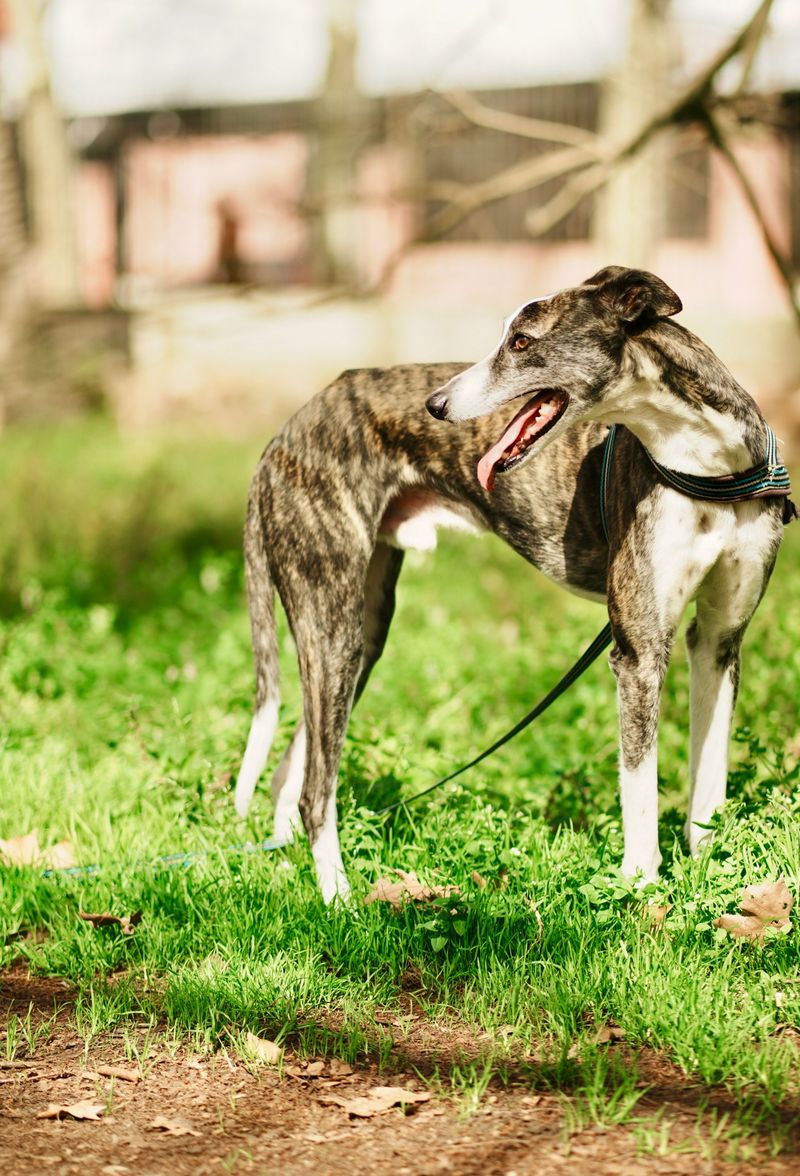
Greyhounds feel like living sculptures, yet they are quirky athletes. Sprinting is joy, but indoors they sleep like pros.
Thin skin and low body fat demand warm coats and cushy beds.
Many ex-racers adjust beautifully but need patient introductions to stairs, mirrors, and glass. Prey drive can flare, so secure yards and leashes matter.
They rarely bark, making them neighbor friendly when exercised thoughtfully.
Walks, zoomies in safe fields, and quiet companionship define their recipe. Training is gentle, brief, and respectful of sensitivity.
If you love calm evenings after controlled fun, they deliver bliss. Households with tiny pets should evaluate carefully, choosing individuals with suitable prey histories.
Whippet

Whippets are Greyhound-like but smaller, blending elegance with sofa devotion. They sprint hard, then melt into blankets for hours.
Cold bothers them, so sweaters, sunny windows, and soft beds help.
Prey instincts vary, so off leash freedom demands careful proofing and safe spaces. Their sensitive nature asks for kind training and calm households.
Roughhousing toddlers or constant chaos can fray their nerves fast.
They shed lightly and adapt well to apartments with daily exercise. Short training sessions build confidence and recall reliability.
If you cherish quiet, minimalist living and cozy nights, a Whippet fits beautifully. If you want rugged trail marathons, consider sturdier breeds built for harsher conditions.
Bichon Frise
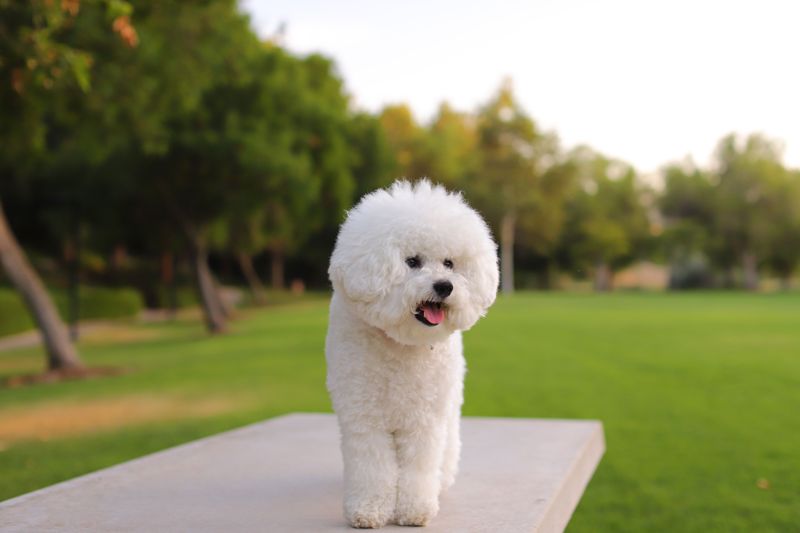
Bichons charm landlords and neighbors, but grooming is a real line item. That cottony coat needs frequent brushing and professional scissoring.
Skipping schedules invites matting, discomfort, and expensive dematting sessions.
They adore people and may protest long alone time with barking or mischief. House training sometimes lags without consistency and strategic confinement.
Regular walks and playful training sessions keep their sparkle shining.
Allergy friendliness varies by person, so meet one before committing. Enrichment toys, window watching, and trick training help channel pep.
If you enjoy salon calendars and cheerful companionship, they are delightful roommates. If your schedule is tight, choose a lower-grooming breed that still loves snuggles.
Havanese

Havanese bring sunny island vibes and people-focused hearts. Their coats can be kept long or clipped, but consistent brushing matters.
Many excel in apartments, provided they get play breaks and training.
They bond deeply and may fret when left for many hours. Socialization builds confidence, preventing clinginess morphing into reactivity.
Trick training, nosework, and short walks keep minds and bodies humming.
Barking can rise without outlets, so reward quiet and manage windows. They travel well, fit cafe patios, and charm strangers with soft eyes.
If you want a portable pal with sparkle, this breed delivers. If grooming or separation management feels daunting, consider a smooth-coated, more independent companion.
Pug

Pugs are comedians, yet health and heat need attention. Their smooshed faces struggle in hot weather, so air conditioning helps.
Weight creeps fast, turning snorts into snores and joint strain.
They love people, adapt to small spaces, and prefer short play bursts. Stairs, long runs, and rough heat are not their scene.
Training stays fun with tiny sessions and big flavor rewards.
Wrinkle cleaning, nail trims, and dental care are routine musts. Expect shed glitter on your clothes most months.
If you want a charmer with low mileage needs, Pugs oblige happily. If you crave long hikes and mountain air, a longer-nosed friend will suit you better.
Papillon

Papillons are pocket rockets hidden in dainty frames. They learn fast, adore trick work, and often rule agility courses.
Their fine coat needs brushing but not heavy scissoring like some toys.
They can be vocal sentinels, so reinforce quiet early. Rough handling from tiny kids can startle them, demanding supervision.
Daily mental games satisfy them more than marathon mileage.
Apartment life suits them if neighbors accept occasional alerts. Socialize widely to prevent small-dog bravado from becoming reactivity.
If you want sparkle, smarts, and portability, a Papillon shines bright. If you prefer heavier cuddle buddies and couch potatoes, look to calmer, sturdier lapdogs instead.
Boston Terrier

Bostons bring pep, humor, and people focus in a compact body. Snub noses still mean heat caution and careful exercise plans.
Some are gassy charmers, so diet trials may follow adoption.
They thrive on play sessions, short walks, and silly training games. Without stimulation, mischief and attention-seeking antics take the stage.
Early socialization softens reactive tendencies and keeps greetings polite.
Grooming is simple, yet regular vet checks are smart for eyes and breathing. Apartments work well when neighbors forgive occasional snorts.
If you want a jaunty buddy for urban life, Bostons deliver. If you dream of endurance trails, consider a longer-muzzled athlete better suited to distance.
Miniature Poodle
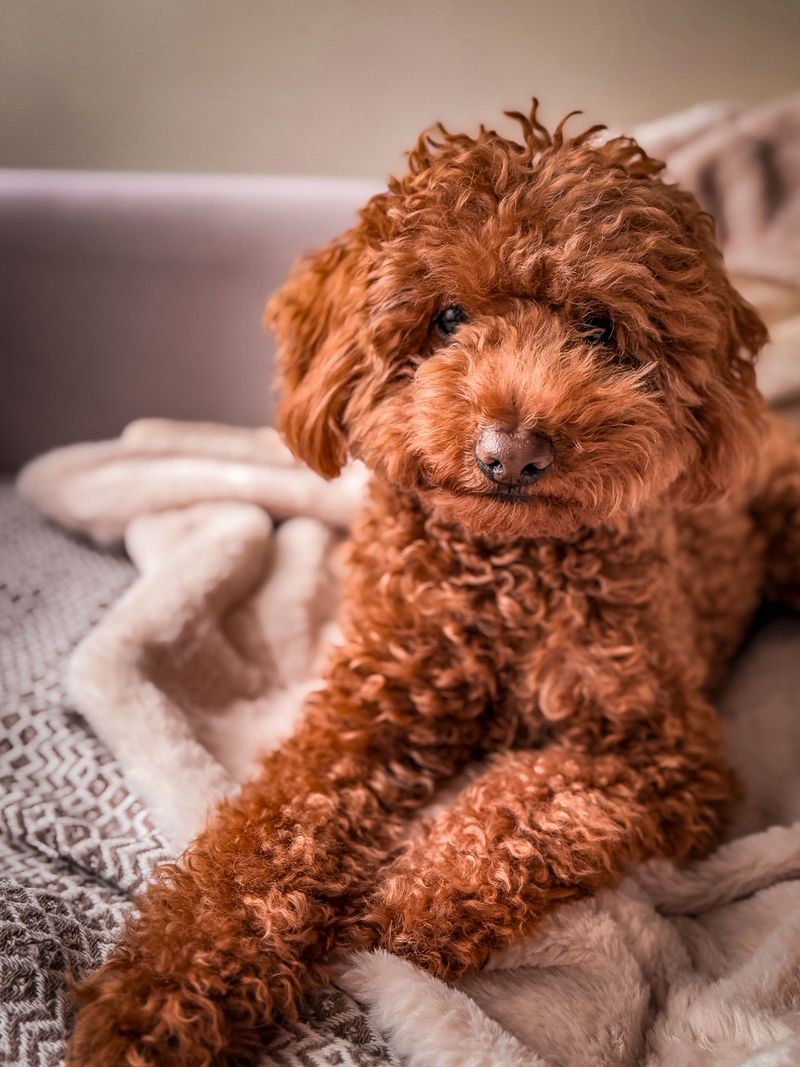
Miniature Poodles mix brains, bounce, and low shedding. Grooming is nonnegotiable, though styles vary from practical to fancy.
Regular trims, ear care, and brushing prevent matting and discomfort.
They learn at light speed, so boredom turns into inventiveness. Expect door opening, toy sorting, and puzzle mastery when needs are met.
Without outlets, you may see restlessness and attention pranks.
Exercise should pair movement with thinking, like scent games and shaping tricks. Socialization avoids snippiness and builds resilience in busy spaces.
If you enjoy training and structure, they are dream roommates. If grooming schedules and mental workouts sound tiring, look for smooth coats and simpler minds.
Cocker Spaniel

Cockers glow with sweetness, yet grooming and temperament balance matter. Their feathery coats tangle, demanding brushing and pro trims.
Ear care is constant, especially for swimmers and sniffers.
Some lines run sensitive, so kind training and steady routines help. Without structure, guarding tendencies or anxiety may bubble up.
Enrichment, fetch, and scent games satisfy their sporting roots.
They fit families who appreciate manners and daily care. Keep nails short, ears dry, and minds busy to prevent trouble.
If you want velcro affection paired with sparkle, Cockers deliver beautifully. If grooming budgets are tight or chaos reigns at home, consider steadier, lower-maintenance dogs better suited to noise.