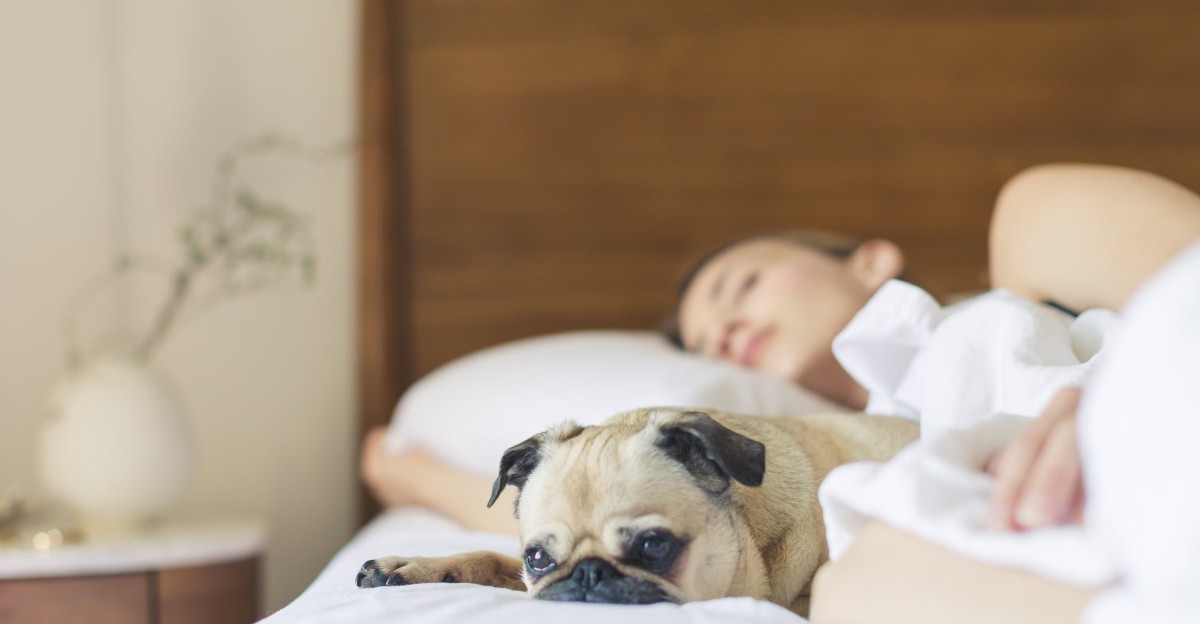
Dogs show love in more ways than sloppy kisses and snuggles on the couch. Some of their sweetest messages are quiet, quirky, or easy to miss.
Learning to spot these signs can help you understand your pup better and build an even stronger bond. Once you know what to look for, you might realize your dog has been saying I love you all along.
Following You From Room to Room
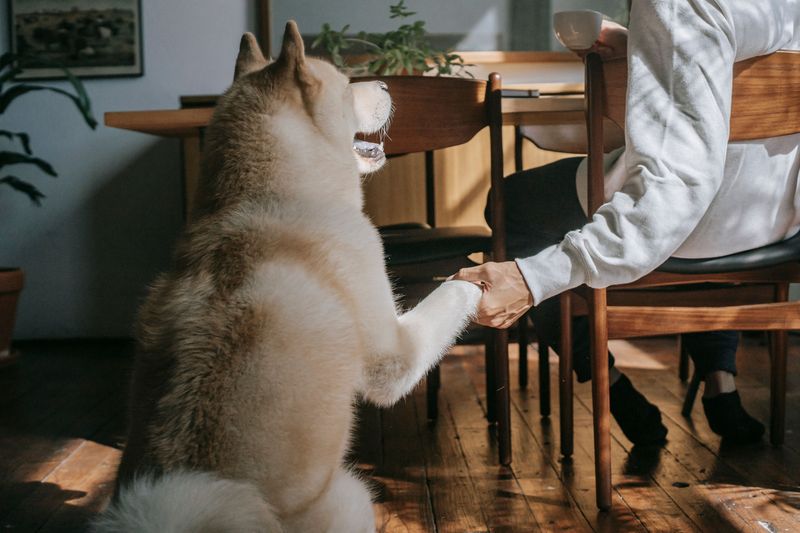
You get up for a snack, and suddenly you have a furry shadow. Many owners joke about never using the bathroom alone again.
Dogs are pack animals, and sticking close to you shows they trust you and want to be part of your world. Your presence makes them feel safe.
If the shadowing seems frantic, though, it may point to anxiety. Calm tagging along is usually pure affection.
Bringing You Their Favorite Toy
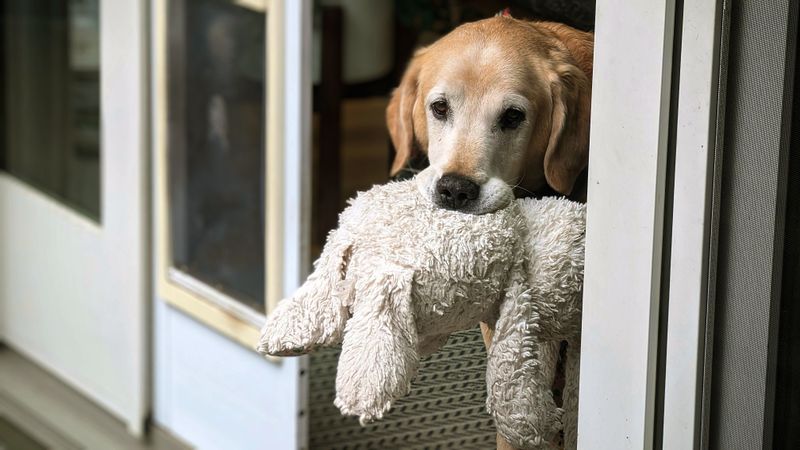
Picture this: you walk in the door, and your pup races over with a slobbery stuffed duck. That is not random.
Offering a prized toy is like sharing treasure. Some dogs want to play, while others simply want to show you something they value.
Either way, they are including you.
Try thanking them with a quick game of tug. It turns a small gift into a fun bonding moment for both of you.
Leaning Their Weight Against Your Legs
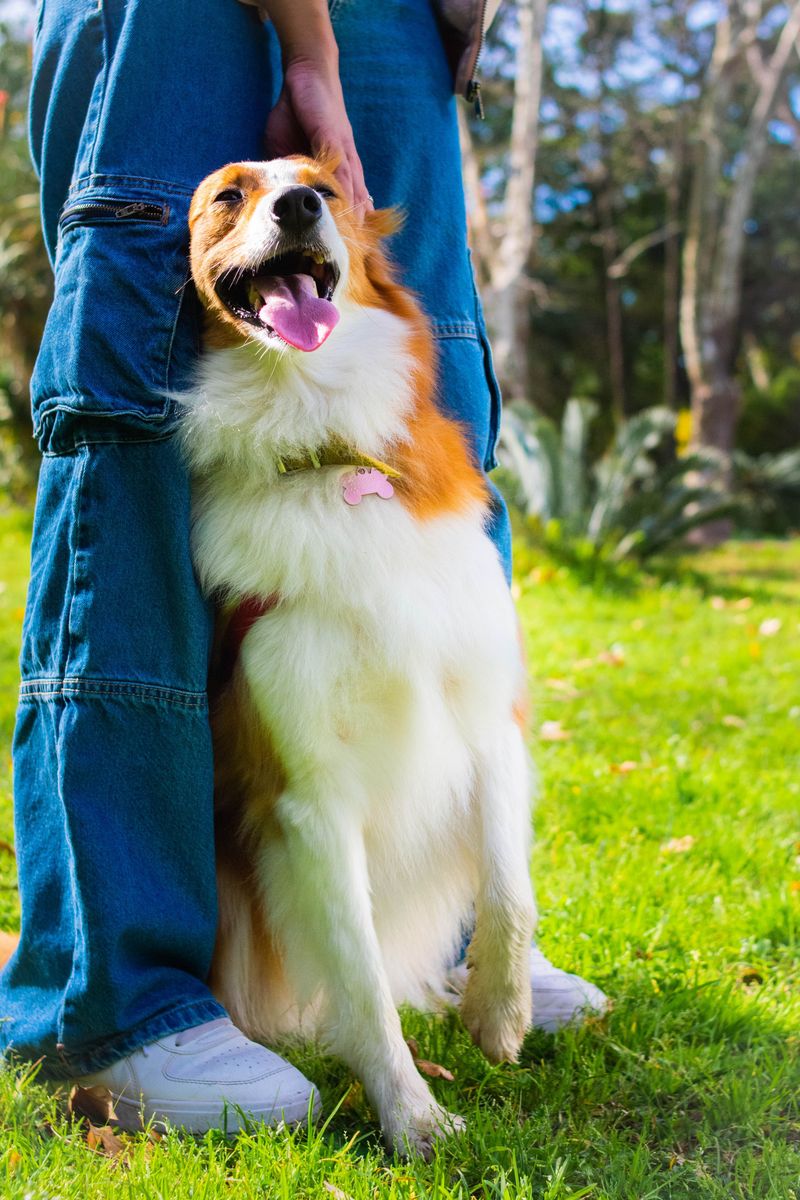
Big dogs especially love this move. A Great Dane leaning on you can nearly knock you over, but it is meant as a hug.
Leaning is a way of saying, I feel safe with you. Dogs often do it when they are relaxed or when a situation feels a little uncertain and they want your support.
Plant your feet, give a gentle scratch, and enjoy this full-body vote of confidence.
Soft, Steady Eye Contact
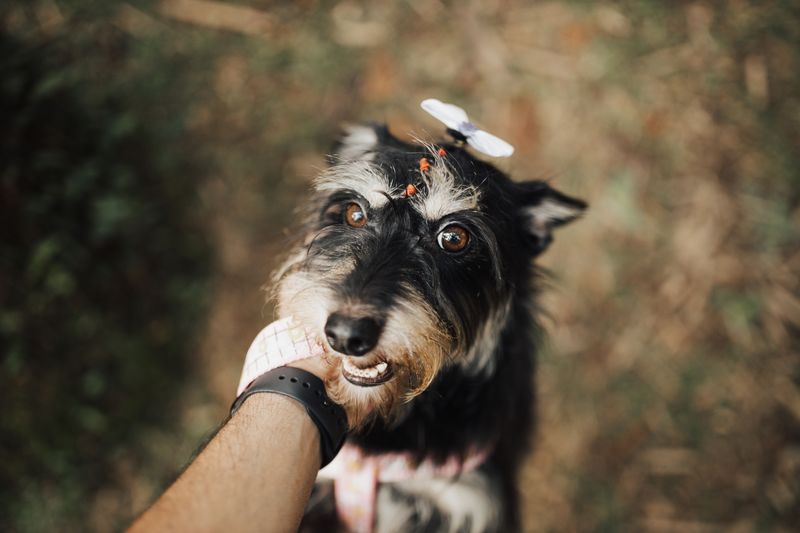
Did you know? Scientists found that when dogs and owners gaze at each other, both get a boost of oxytocin, the same bonding hormone parents feel with babies.
A relaxed, gentle stare with soft eyes is a loving connection. A hard, frozen stare is different and can signal tension, so watch the whole body.
Next time your dog looks at you sweetly, look back and smile. You are sharing a real moment.
Sleeping Near You or on Your Stuff
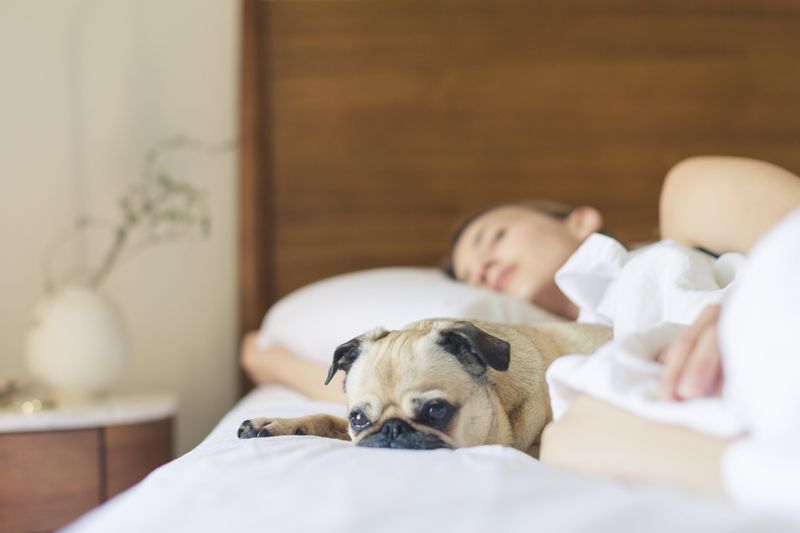
Ever find your dog napping on your dirty laundry? Gross to us, maybe, but wonderful to them.
Your scent is comforting. Sleeping close by or on your things helps dogs feel calm, especially when you are away.
In the wild, pack members rest together for safety, so choosing your spot means you are family.
Leaving an old T-shirt in their bed can ease alone time and remind them you will return.
The Wiggly Welcome Home
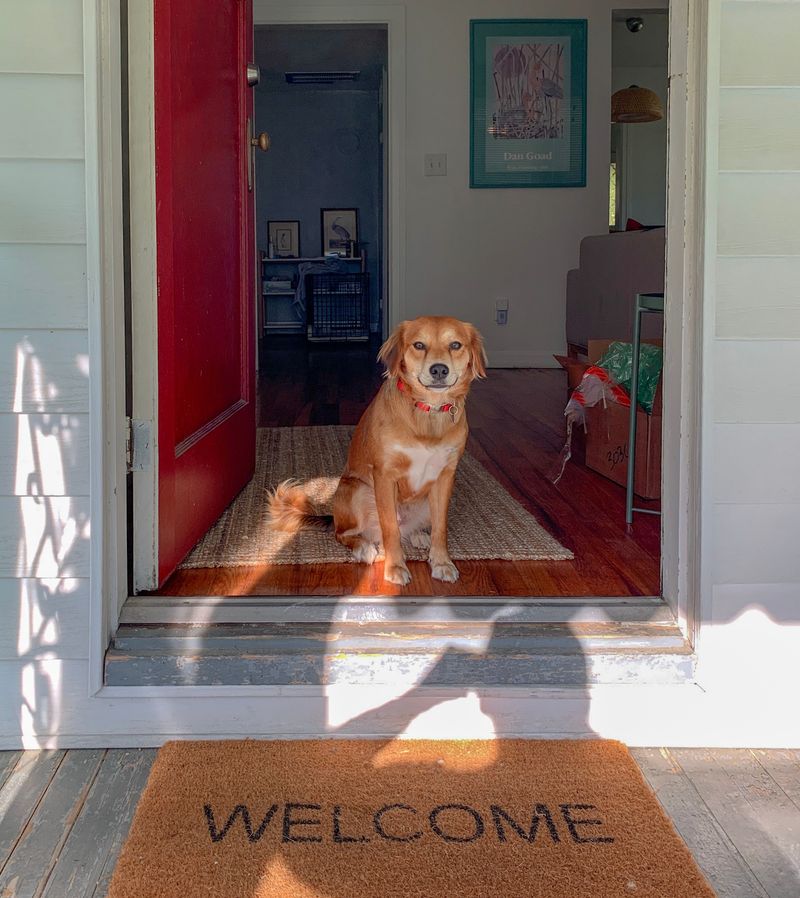
Some dogs do not just wag their tails. Their entire back half wiggles like a happy noodle when you come home.
That loose, full-body greeting shows pure joy. Even if you were gone for ten minutes, your return is the highlight of their day.
Help keep greetings calm by saying hello once your pup settles a bit. You still get all the love, just with fewer scratches on your jeans.
Showing You Their Belly
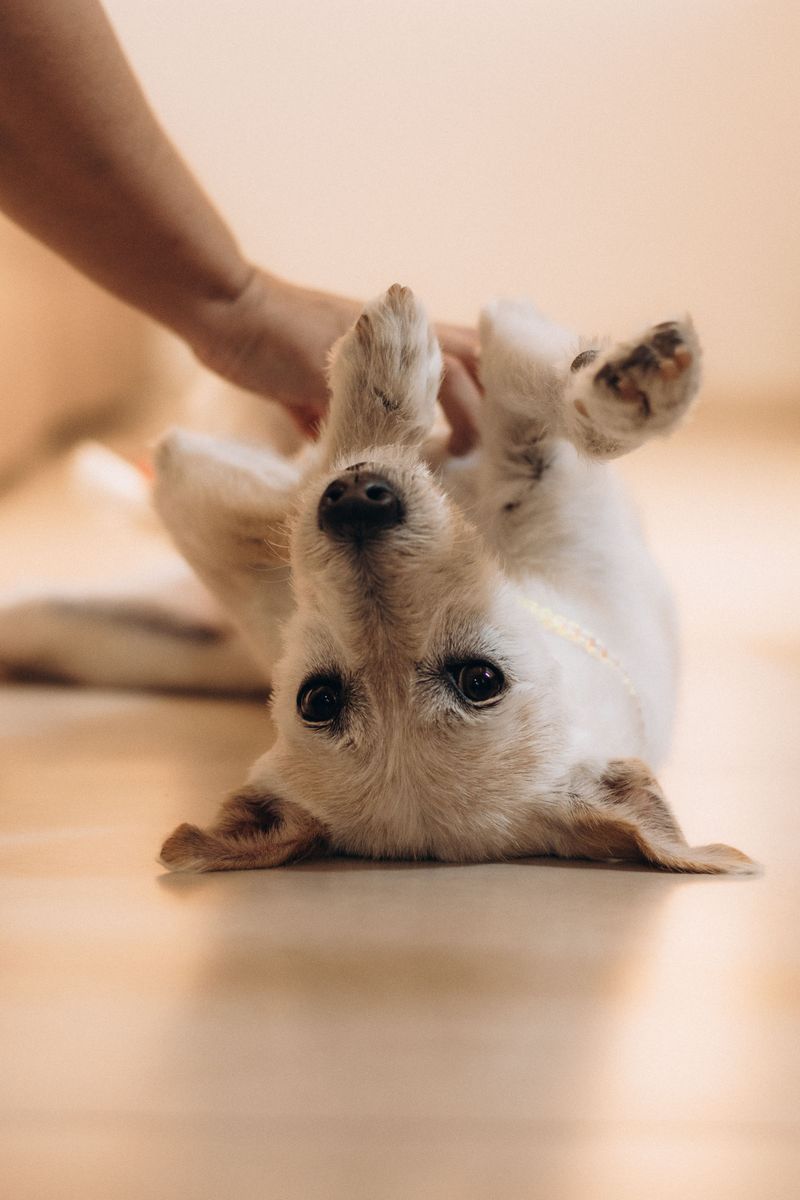
Rolling over is a big deal in dog language. The belly is a soft, unprotected spot, so exposing it takes serious trust.
Sometimes your dog wants a rub, and sometimes they are just saying they feel totally relaxed around you. Both are compliments.
Watch for loose muscles and a wagging tail. If your dog seems stiff or nervous while rolling over, give them space instead of reaching in.
Checking In During Walks
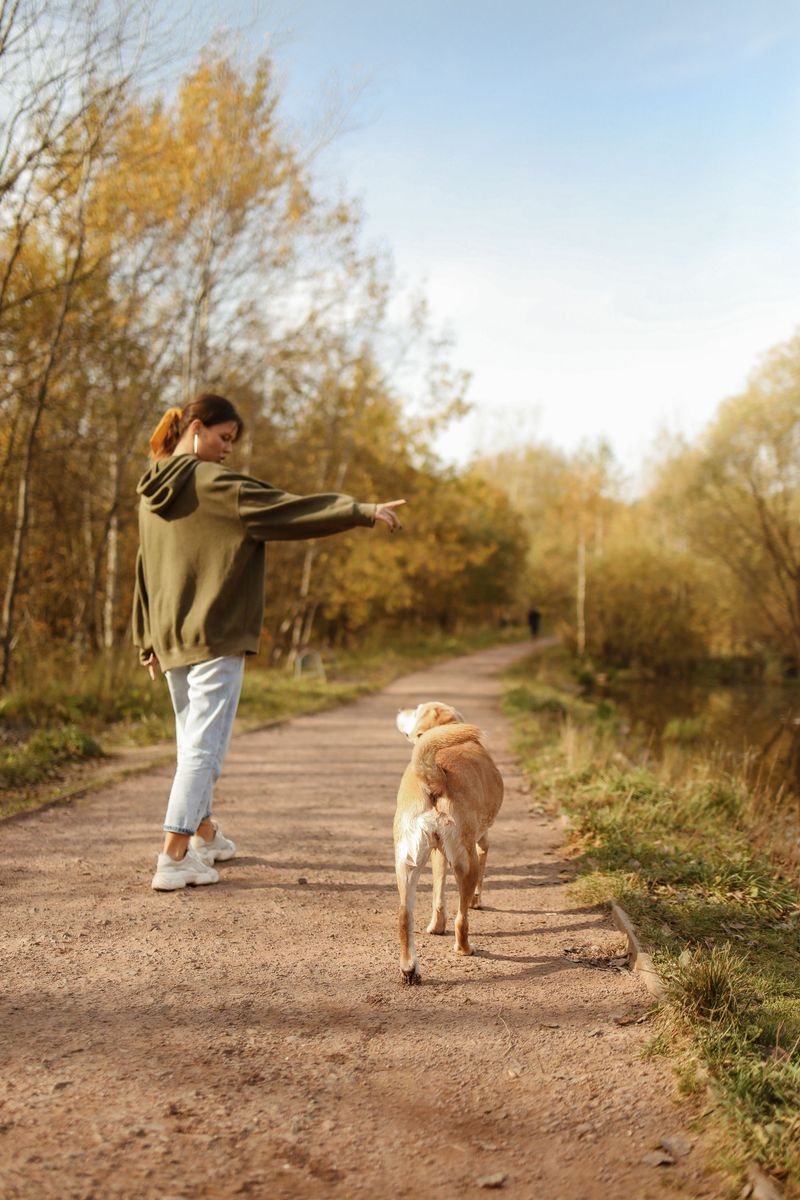
Out on a trail, your dog sniffs a bush, then turns to glance back at you. That little look is more meaningful than it seems.
Checking in shows your dog sees you as their guide. They want to know where you are and what you think.
Reward those glances with a kind word or treat. It strengthens teamwork and makes off-leash recall easier down the road.
Yawning When You Yawn
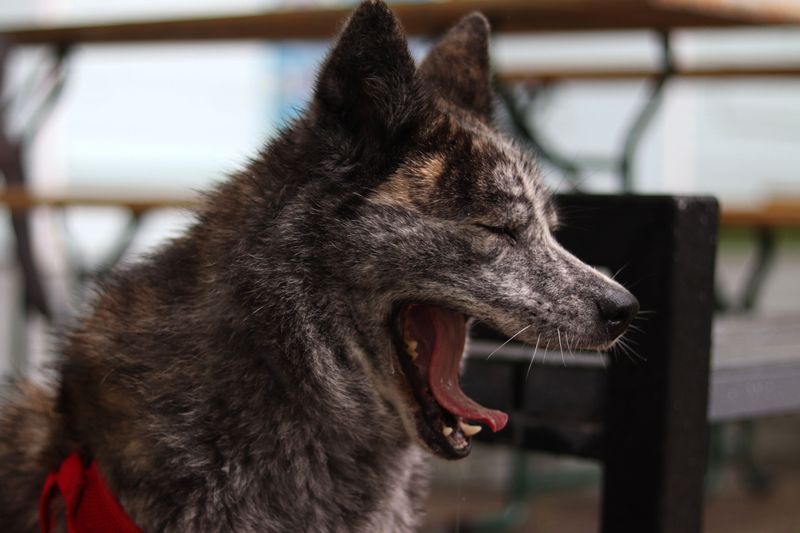
Here is a funny experiment: yawn big in front of your dog and see what happens.
Research suggests dogs catch yawns more often from their owners than from strangers. Many experts link this to empathy and emotional closeness, much like how people catch yawns from friends.
Of course, dogs also yawn when stressed or sleepy. Still, a matching yawn after yours could be a tiny sign your pup is tuned in to you.
Getting Excited About Your Shoes and Keys
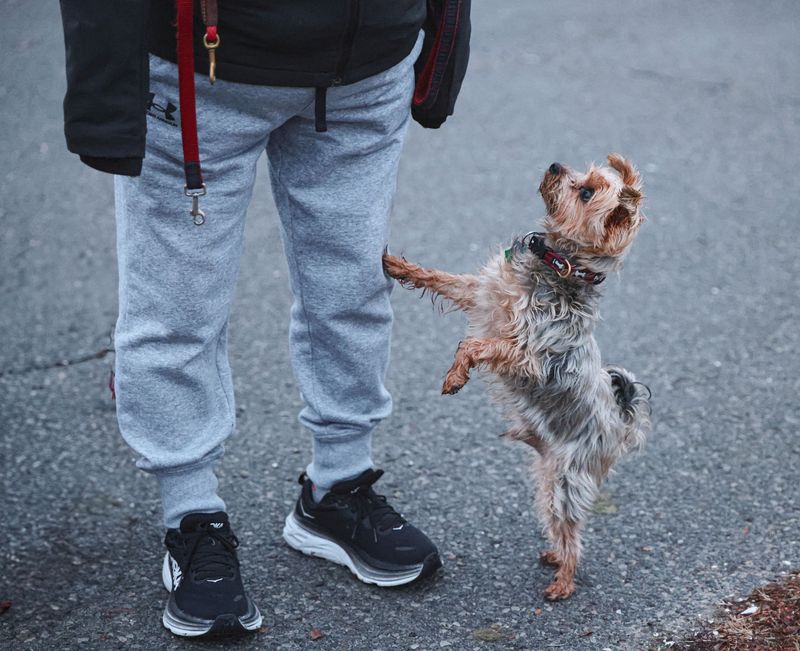
Grab your keys, and suddenly ears perk up and paws start tapping. Your dog has been studying you closely.
Dogs learn our routines because we matter to them. Knowing that shoes mean a walk, or that a certain bag means you are leaving, shows how much attention they pay.
If those cues cause sadness, try picking up keys at random times. It helps your pup stay calm when you really go.
Gentle Paw Taps
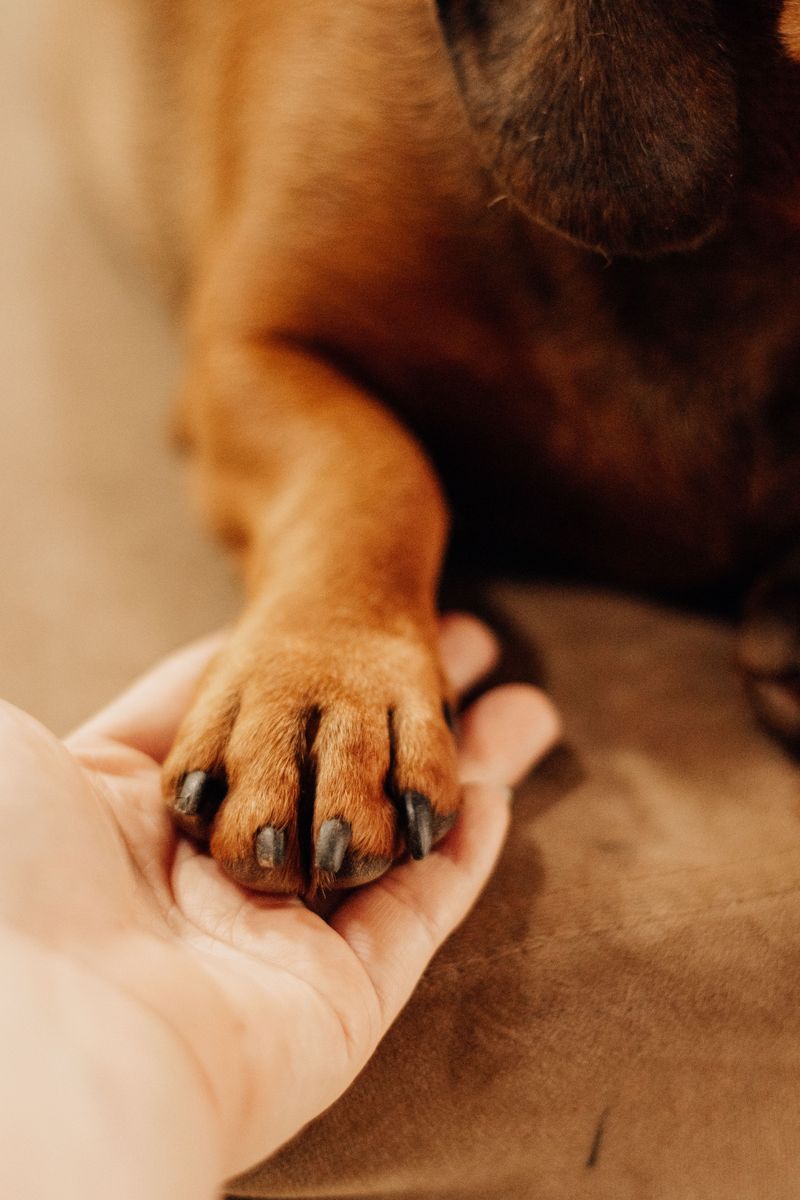
A soft paw on your knee can feel like a polite tap on the shoulder. Puppies paw at their mothers for comfort, and many dogs keep the habit.
Often it means, Hey, notice me. Sometimes they want pets, food, or play, but it is also a way to stay connected.
Respond kindly, yet do not reward constant pawing every time. Gentle limits keep this sweet gesture from becoming pushy.
Staying Close When You Feel Down
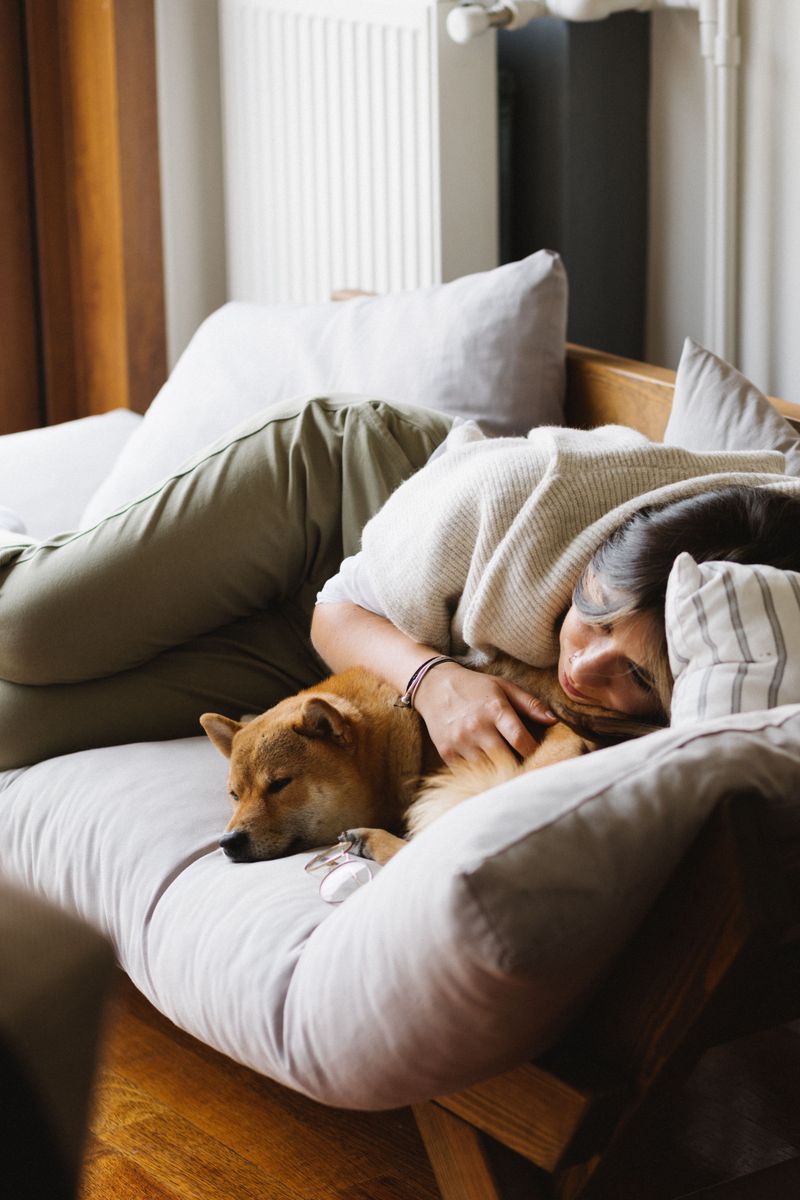
Anyone who has cried with a dog nearby knows this one. Your pup quietly settles beside you, maybe resting a chin on your lap.
Studies show dogs can read human facial expressions and tone of voice. When you feel low, many respond by offering calm company.
It is a loyal, wordless kind of support. On hard days, letting your dog sit with you can be comforting for both of you.