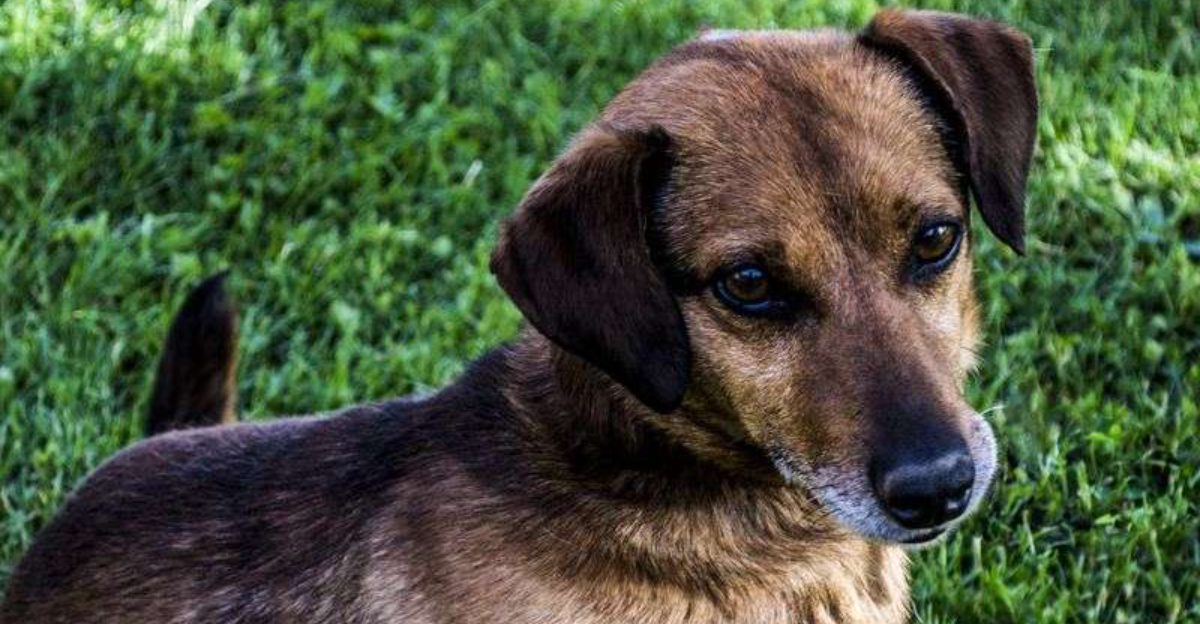
You love dogs, but some breed pairings are like roommates who never agreed on the house rules. Energy levels, play styles, and instincts can clash in surprising ways, turning daily life into a stress loop.
With smart management and training, you can prevent many conflicts and keep everyone safe. Let’s break down the trickiest combos and how to handle them like a pro.
Siberian Husky + Chihuahua
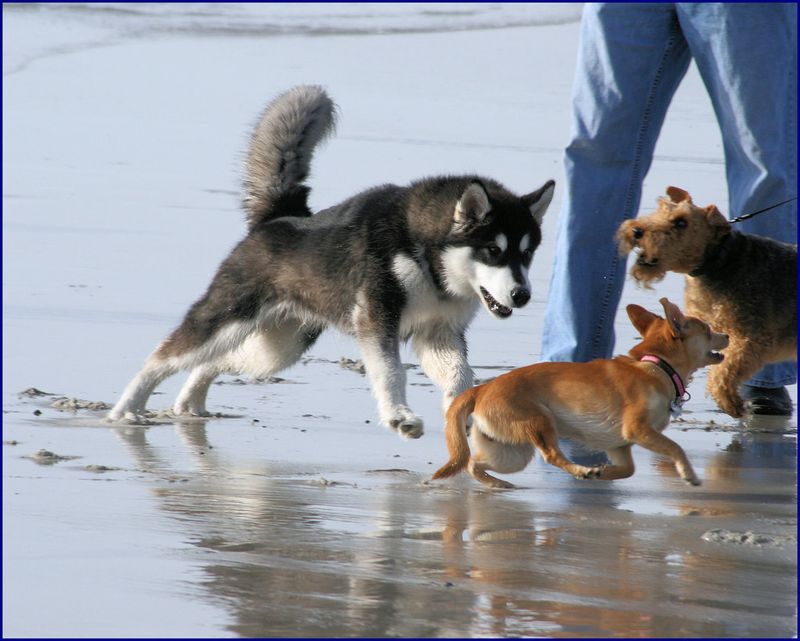
Huskies bring boundless stamina, prey drive, and rough play, while Chihuahuas rely on fragility, warmth, and tight attachment. That energy mismatch can spark chase instincts and accidental injuries during zoomies.
Even well socialized dogs may clash when vocal Huskies overwhelm sensitive Chis.
Use management you can trust. Separate during high arousal, gate feeding areas, and train rock solid recalls.
Prioritize size safe play by teaching settle, hand target, and leave it. Provide individual outlets, like flirt pole for the Husky and snuffle mats for the Chi.
If stress lingers, consult a trainer to protect both.
Akita + Same-sex large dog (e.g. Rottweiler)
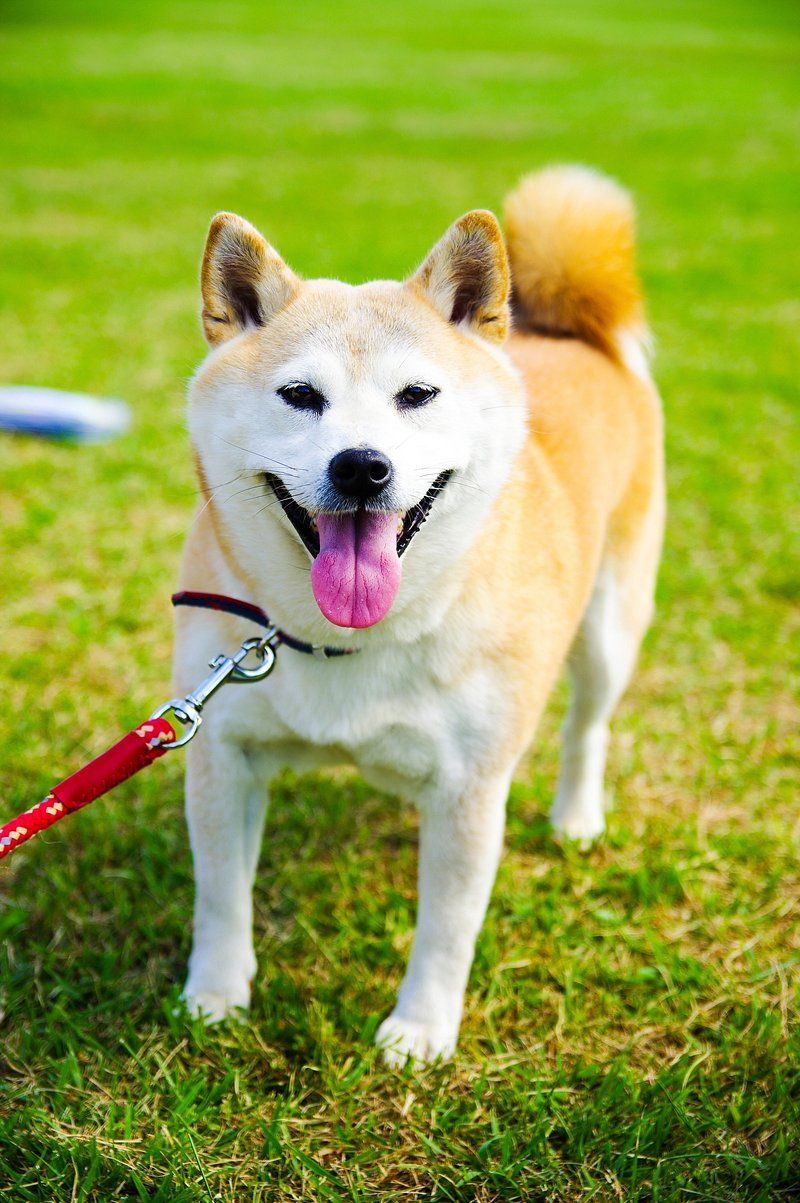
Akitas are guardian minded, confident, and sometimes same sex intolerant. Pair that with another powerful breed like a Rottweiler, and tensions can rise fast.
Posturing, hard staring, and resource guarding may escalate before you notice, especially in tight spaces or doorways.
Structure the household like a peace treaty. Keep leashes on during introductions, use parallel walks, and rotate high value items.
Train impulse control, place stays, and muzzle conditioning. Provide double crates and clear routines.
If conflicts surface, separate first, then seek a qualified behavior professional who understands large breed body language and thresholds well.
Border Collie + Low-energy breed (e.g. Bulldog)
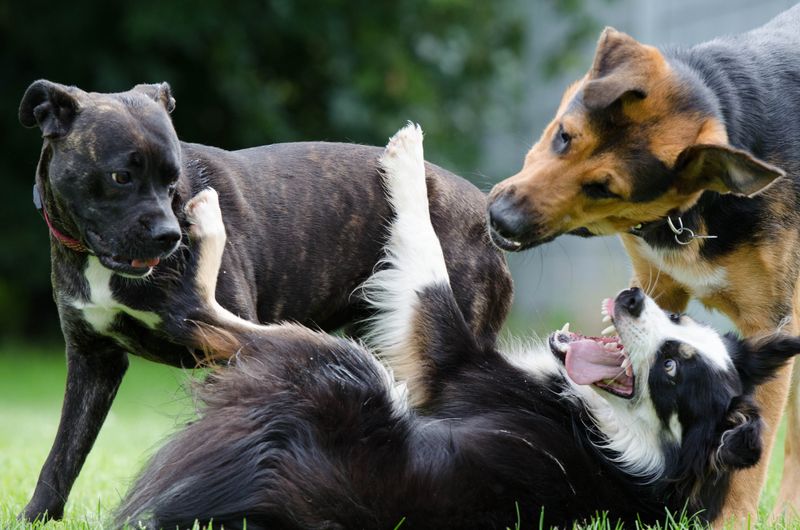
Border Collies crave jobs, motion, and mental puzzles. Bulldogs do best with measured exercise and lots of naps.
When paired, the Collie often herds, nips, or pesters the slower friend, building frustration on both sides. Without redirection, compulsive staring and nonstop movement can spike stress and spark squabbles over space.
Give the Collie structured outlets like scentwork, agility, and scatter feeding. Let the Bulldog enjoy short, positive sessions, then decompress quietly.
Use gates to prevent shadow chasing and teach both dogs settle on mats. Daily decompression walks, trick training, and food puzzles help balance needs and reduce conflict before patterns harden.
Jack Russell Terrier + Shih Tzu
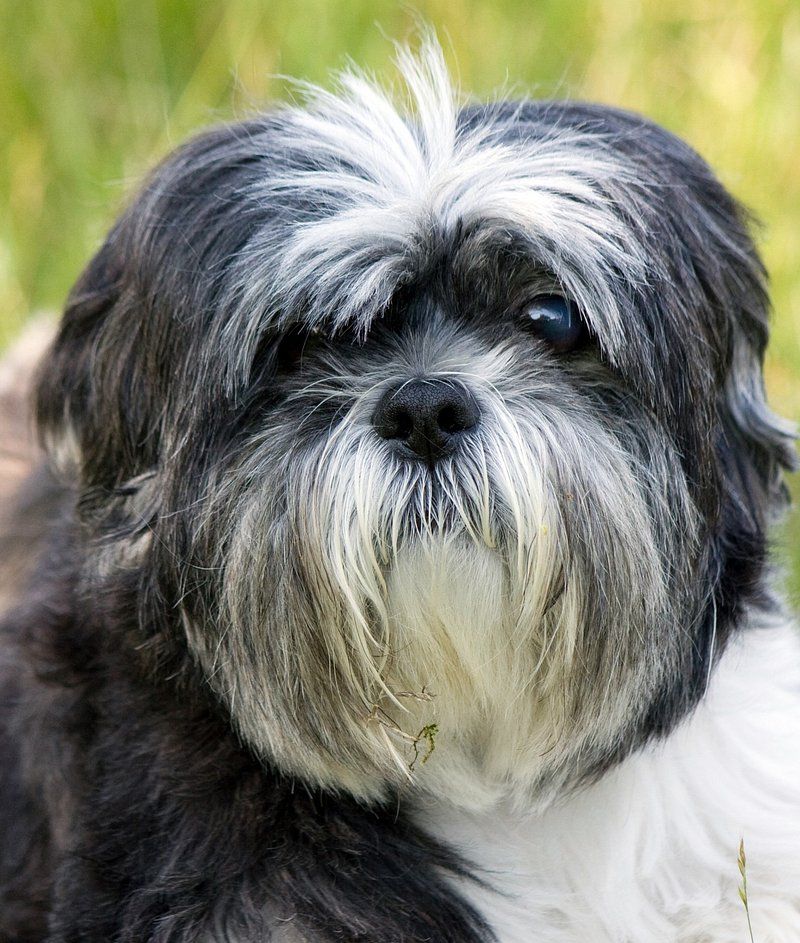
Jack Russells are spring loaded hunters with opinions. Shih Tzus prefer gentle social time and predictable routines.
The terrier’s explosive play, vocal arousal, and impulse to chase can overwhelm the Tzu, risking spats over toys, doorways, or lap space. Grooming sensitivities and face contact can also trigger misunderstandings.
Protect peace with enrichment and clear boundaries. Give the terrier dig boxes, tug rules, and decompression after walks.
Teach the Tzu consent cues, chin rests, and a safe up platform. Rotate chews, use scatter feeds, and supervise closely during arousal peaks.
If either dog stiffens or guards, reset and lower intensity.
Belgian Malinois + Small companion breeds
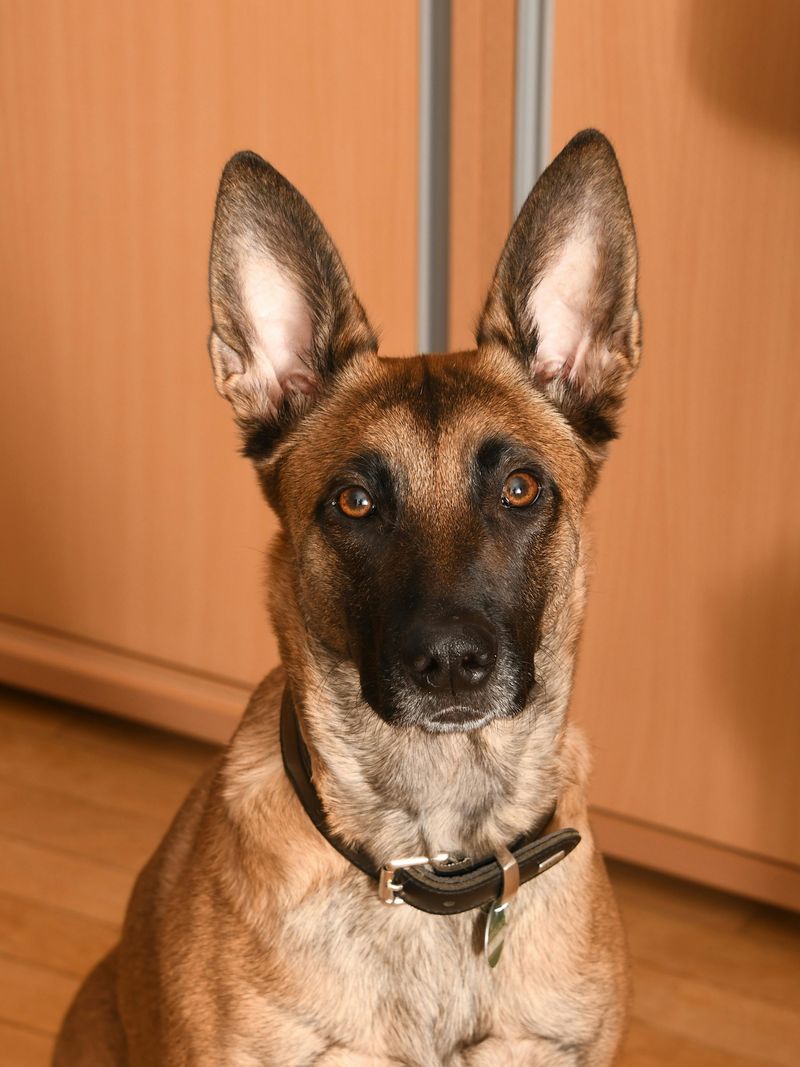
Malinois are high drive, high arousal workers built for intensity. Small companion dogs often communicate softly and tire quickly.
That combination risks accidental injury, chase games turning predatory, and chronic stress from constant motion. Even sweet Malinois can body slam, paw, or pin during play, overwhelming little dogs who cannot advocate effectively.
Use strict management. Keep leashes on initially, fit well conditioned muzzles, and separate during zoomies.
Provide bite appropriate toys, platform training, and out cues. Give the Malinois structured jobs like detection games, treadmill trots, and bike attachments, while the small dog enjoys snuggles and gentle sniffaris.
Safety first, then relationship building.
Chow Chow + Highly social breeds (e.g. Labrador Retriever)
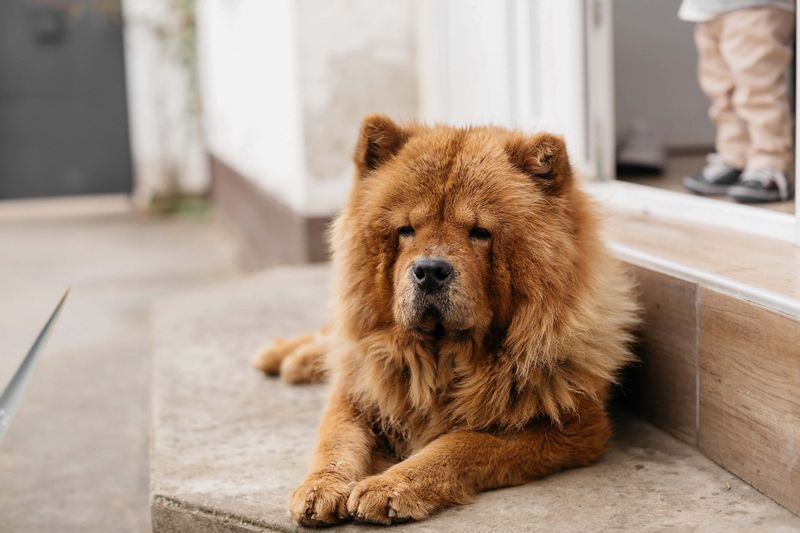
Chow Chows tend to be reserved, dignified, and space conscious. Labs barrel in with wiggly greetings and constant invitations to play.
That social mismatch can create friction as the Chow corrects repeated intrusions, while the Lab misreads signals and keeps trying. Rehearsed conflicts can crystalize into resource guarding or doorway tension.
Model polite interactions. Teach the Lab default sit, hand target, and go say hi on cue only.
Give the Chow protected spaces with visual barriers and resting spots. Manage thresholds, scatter feed away from entries, and use parallel walks.
Reward brief, respectful check ins, then end sessions before arousal spikes or body language hardens.
Dachshund + Large dominant breeds (e.g. German Shepherd)
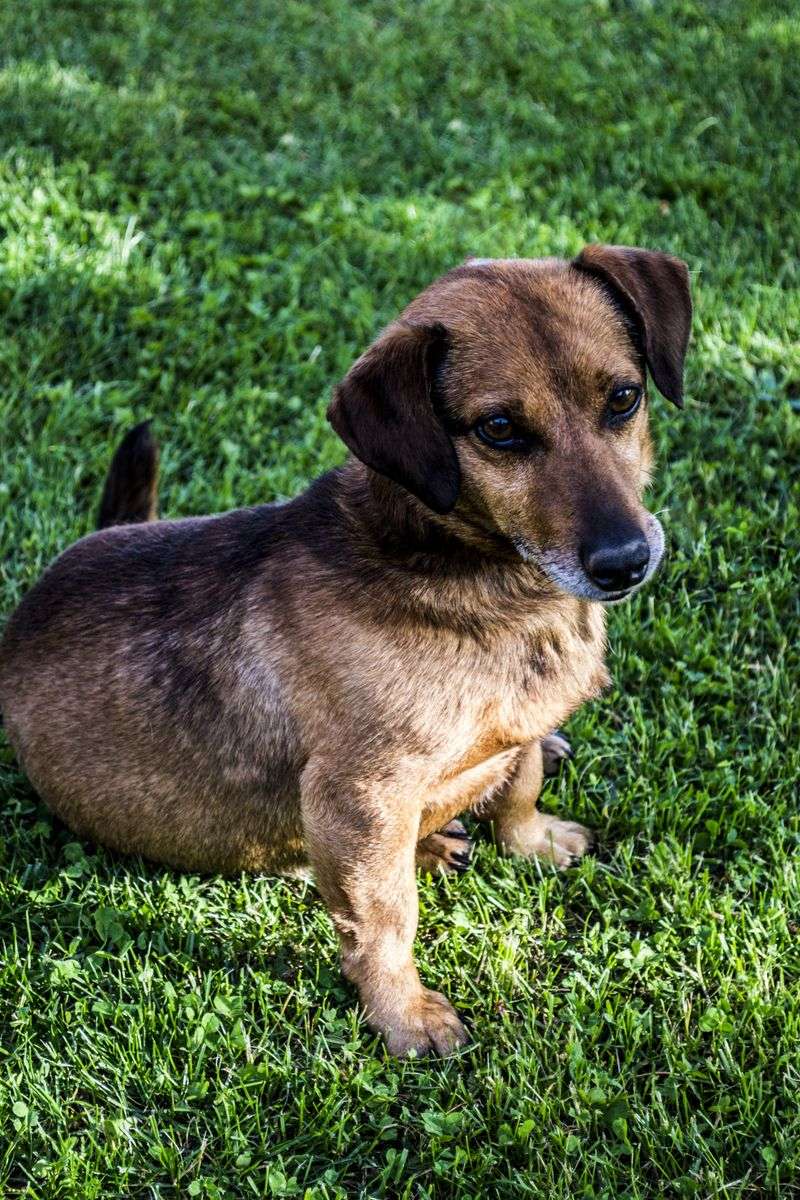
Long backed Dachshunds are vulnerable to rough play and jumping. Confident herding breeds like German Shepherds may body block, pin, or hoover toys, sparking frustration and risky wrestling.
Back injuries or fear can follow a single bad scuffle. Size difference also complicates advocacy, because the smaller dog often avoids conflict until it snaps.
Set clear rules that favor safety. Use platforms, slow introductions, and leashes during excitement spikes.
Teach the Shepherd drop, out, and settle on mat, while the Doxie learns up cues and step away. Rotate chews, split doorways, and avoid chase games.
Call a vet promptly if any pain signs appear after bumps.
Shiba Inu + Another independent breed (e.g. Basenji)
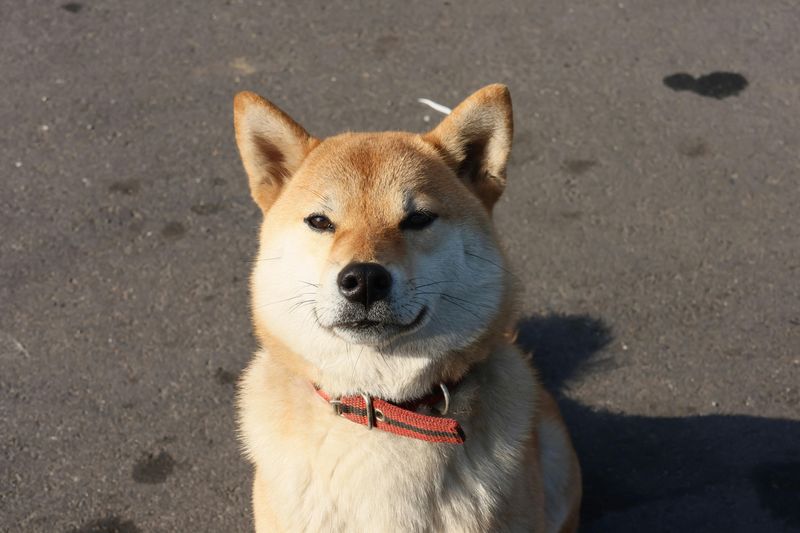
Shibas and Basenjis are smart, catlike, and autonomy loving. Both can be vocal, guard prized items, and dislike pushy play.
With two independent dogs, conflicts may simmer silently until they explode. Aloof body language, stillness, and sudden lightning snarks can surprise you, especially around couches, windows, and high value chews.
Success comes from structure, not force. Use parallel activities, long lines, and split high value zones.
Reward casual glances and short, polite sniffs, then end on a win. Teach trades, stationing on beds, and calm pattern games.
If either dog freezes or curls a lip, pause, add distance, and rethink the setup.
Australian Cattle Dog + Passive breeds (e.g. Basset Hound)
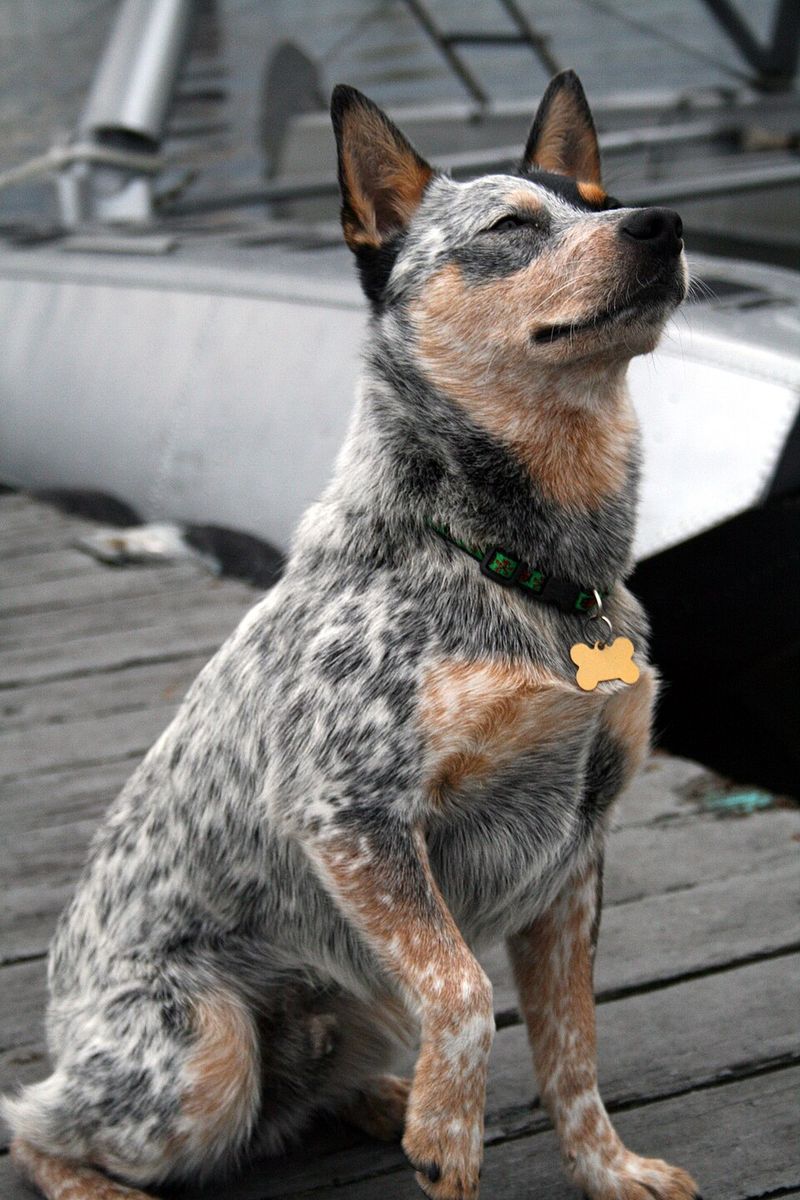
Cattle Dogs are pushy workers built to control movement. Passive dogs like Bassets prefer sniffing and ambling.
That contrast can trigger heel nips, herding blocks, and mounting attempts that feel hostile. Over time, the passive dog may shut down or snap defensively, while the heeler rehearses bossy patterns that are hard to unwind.
Set expectations early. Provide decompression walks, nosework, and flirt pole sessions to satisfy drive.
Teach the heeler out, leave it, and place, then reinforce slow, polite check ins. Use barriers during meals and reunions.
If pressure builds, interrupt with pattern games, reset the environment, and keep advocacy firm and consistent for both.
Greyhound + Toy breeds (e.g. Yorkshire Terrier)
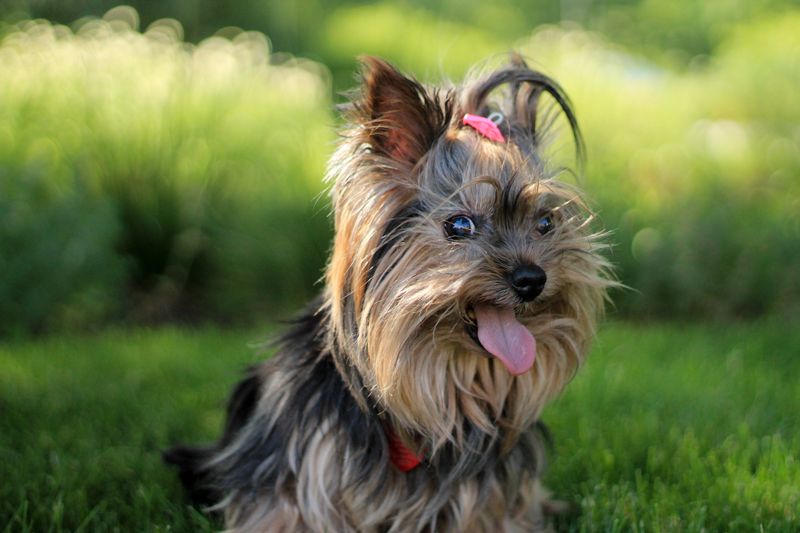
Greyhounds have swift prey drive and delicate skin. Toy breeds move erratically and squeak, which can trigger chase even in friendly dogs.
Sudden zooms or yard sprints risk collisions and skin tears. High arousal greetings, doorway chaos, and squeaky toys can escalate situations quickly, especially for recently retired racers still learning household manners.
Manage like a hawk. Use drag lines, quiet toys, and muzzles conditioned with tasty snacks.
Create safe zones with tall baby gates and raised perches for the toy dog. Replace chase with recall games and reinforcement for nose touches.
Supervise closely, and when arousal spikes, pause, separate, and reset before trying again.
Dalmatian + Very calm indoor breeds (e.g. Pug)
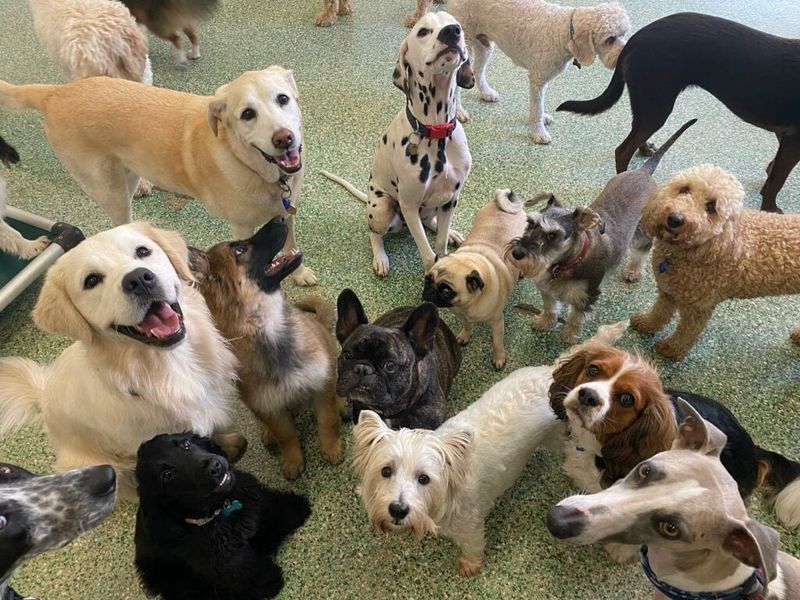
Dalmatians are athletic, smart, and often vocal. Calm indoor companions like Pugs thrive on short play bursts and long cuddles.
Mismatched expectations can spiral as the Dalmatian invents chaos and the Pug opts out. Boredom fuels barking, object stealing, and hallway zooms, which annoy the quieter dog and strain household harmony.
Balance needs proactively. Schedule brain games, sniff walks, and trick sessions for the Dalmatian, alongside restful enrichment for the Pug.
Use place training, quiet settle, and routine naps after excitement. Split rooms with gates so each dog decompresses.
Keep sessions short, celebrate tiny wins, and course correct early if you notice growing friction.