
Some dogs follow every cue and seem perfectly calm, yet inside they are holding their breath. Obedience can hide tension, especially in breeds built for work and watchfulness.
When needs are unmet, pressure shows up quietly as tight faces, still bodies, and robotic responses. Learn how to notice the signs and help your dog finally exhale.
Golden Retriever
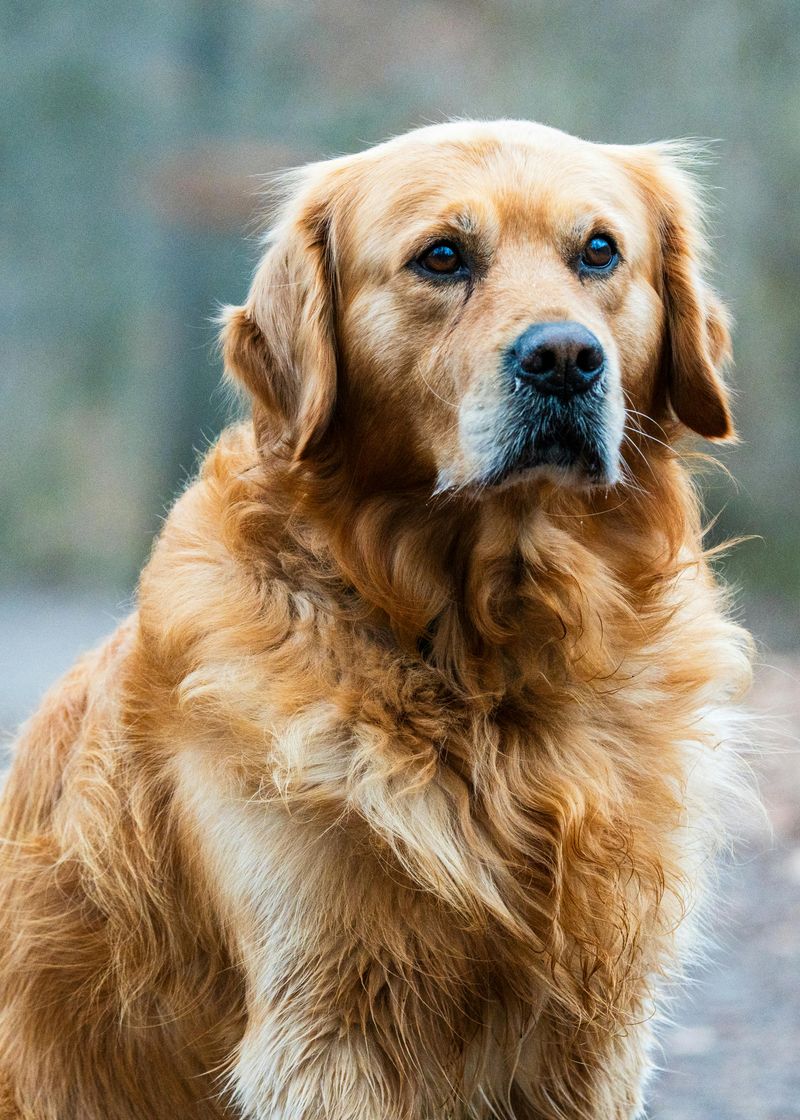
Goldens often appear happily compliant, but people pleasing can mask stress. The classic smile sometimes tightens, and the body goes still while the mind hums.
Many quietly soak up everyone’s emotions, holding tension behind that friendly face.
Help by building consent routines, like asking if they want petting and honoring the answer. Use sniffaris, food scatters, and low impact retrieve games with defined start and finish.
Teach a real off switch with a relaxed mat, then reinforce soft eyes and deep breathing. I like predictable social time with exit options, so your dog can choose space.
When pressure drops, you will see an open mouth, relaxed tongue, and that famous wag flowing from the ribs.
Labrador Retriever
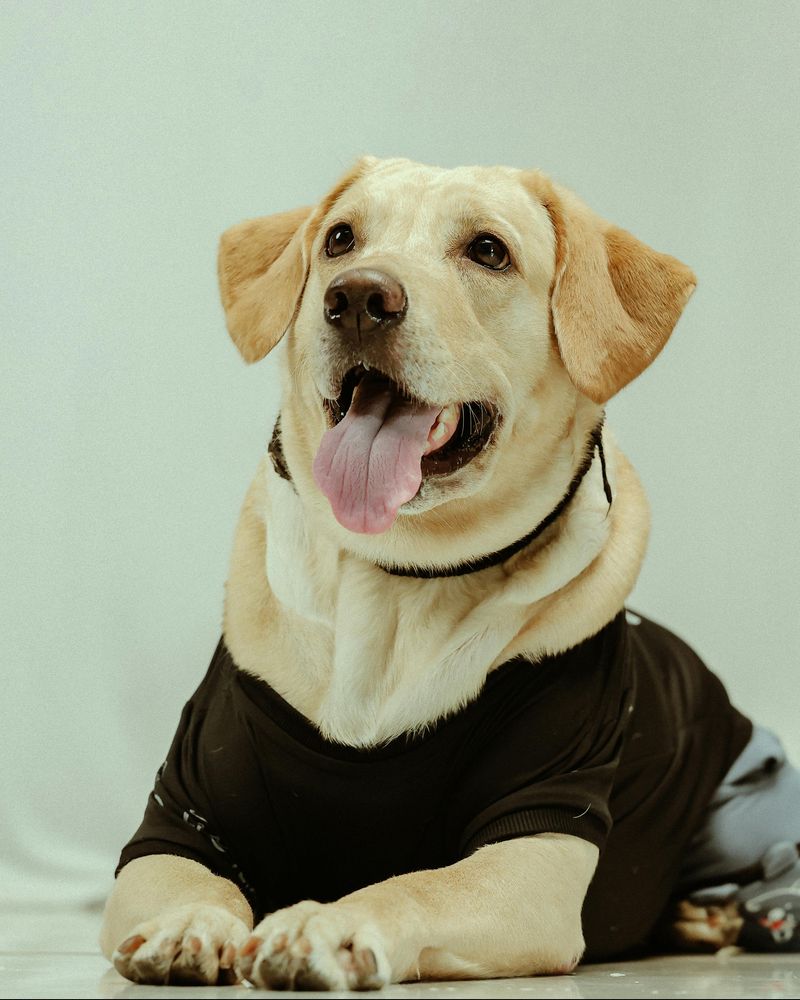
Labs are game for anything, which can hide overload. They often power through excitement, holding a perfect sit while their engines rev.
Friendly enthusiasm turns into pressure when there is no pause button.
Build impulse control without shutting down curiosity. Try structured retrieves with breaks, food puzzles, and calm leash walking that separates move time from settle time.
Decompression swims or sniff-heavy field walks help rinse stress. I like teaching a parked chill next to you while rewarding slow breaths.
Give clear routines around greetings and doorways, so choices feel easy and safe. When you meet their needs, that statue sit melts into a loose body, pendulum tail, and comfortable sigh you can hear across the room.
Belgian Malinois
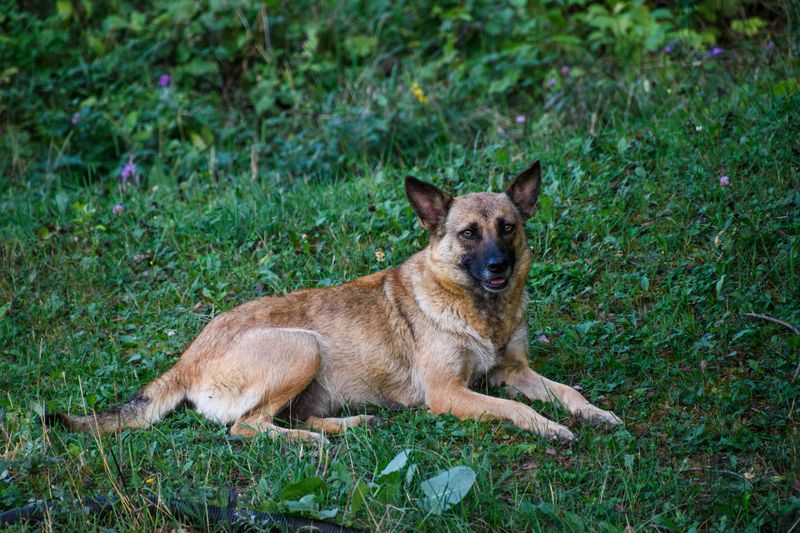
Malinois excel at precision and can look perfectly behaved while pressure simmers underneath. They are built to go, observe, and respond fast, which is thrilling and exhausting.
A beautiful heel and quiet down stay may actually be a lid clamped on a boiling pot.
Give frequent outlets that match their drive, then teach thoughtful recovery. Short tug sessions with clean outs, bite pillow work, and sprint-recover cycles help.
Pair that intensity with structured decompression, sniff walks, and stationing behind visual barriers. I like mat work, patterned engagement, and predictable routines that reduce decision load.
Reward calm, not only sharpness. When you do, their stare softens, weight shifts to a hip, and the breath deepens from chest to belly, finally releasing pressure safely.
Australian Shepherd
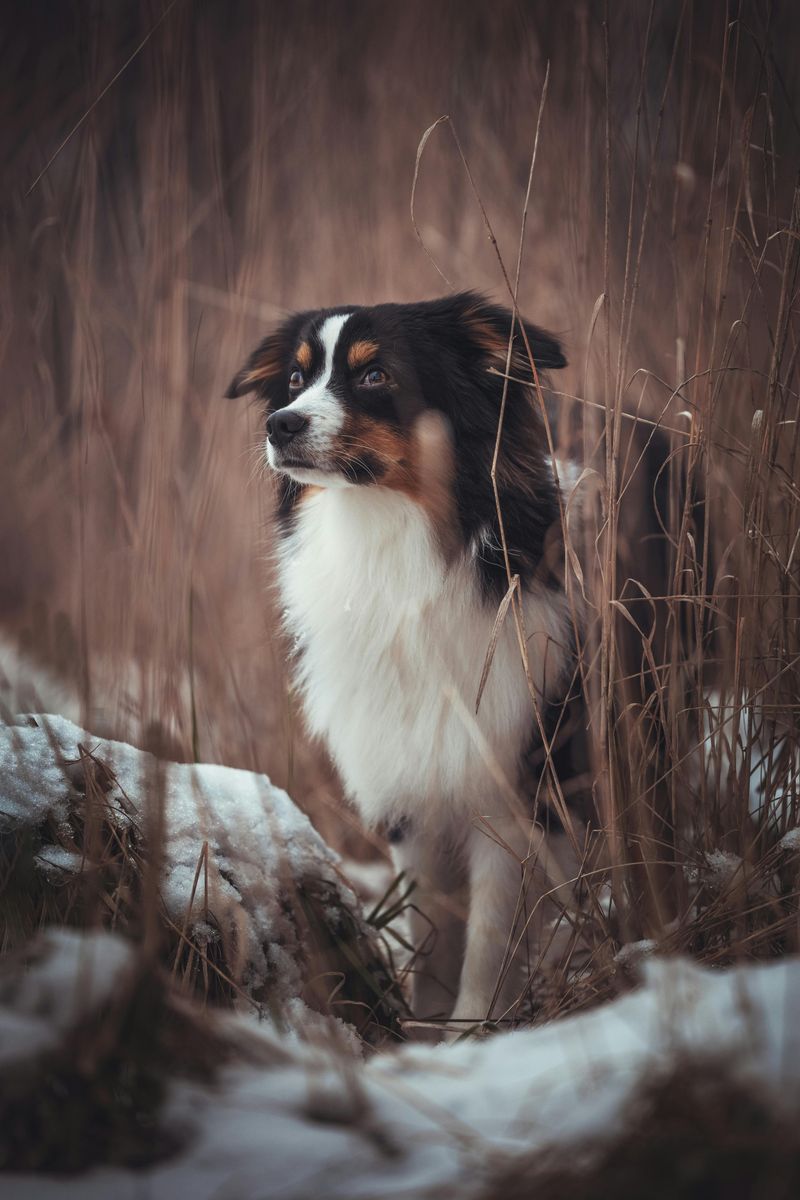
Aussies love to supervise. They can nail every cue while secretly tracking footsteps, windows, and shadows.
That constant watchfulness looks like good manners but often indicates workload exceeding available outlets.
Help by scheduling brainy jobs and downtime with equal weight. Use herding substitutes like boundary games, platform pivots, and impulse control around movement.
Include sniff walks, trick training, and enrichment that encourages problem solving without frantic speed. I like calm mat stations behind baby gates to limit visual noise.
Teach a release word for real off duty time. When pressure lowers, you will notice squinty happy eyes, softer ears, and that signature wiggle shifting from brisk intensity to relaxed, rhythmic sway that tells you balance has returned.
Poodle
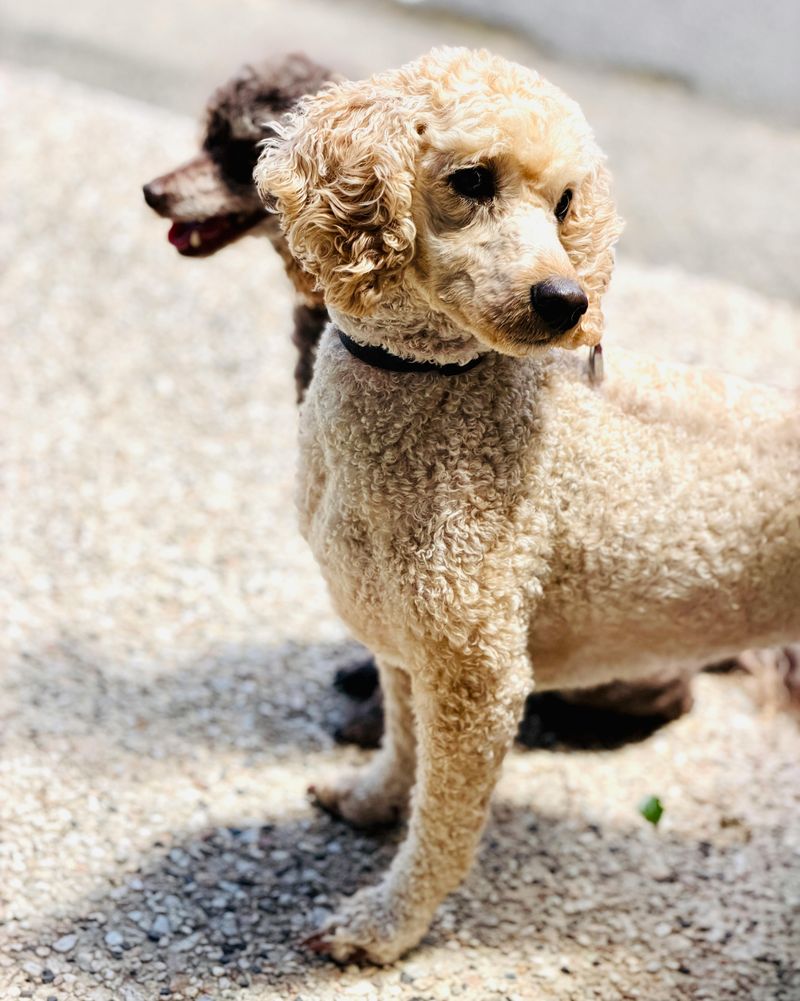
Poodles are brilliant and sensitive, which can look like impeccable manners under quiet strain. They read micro signals and often anticipate requests before you ask.
That talent easily becomes pressure when life lacks choice and mental variety.
Offer thinking tasks with clear endings: nosework, shaping games, and easy grooming routines that include consent. Use sniffy walks, soft-texture licking mats, and massage to unhook the busy mind.
I like stationing during guests, with earned breaks for calm greetings. Reinforce slow breathing and loose posture, not only sharp performance.
If you listen, your dog will tell you when enough is enough. Relaxation appears as a longer sigh, floppy ears, and curls settling into gravity rather than hovering above it.
Doberman Pinscher
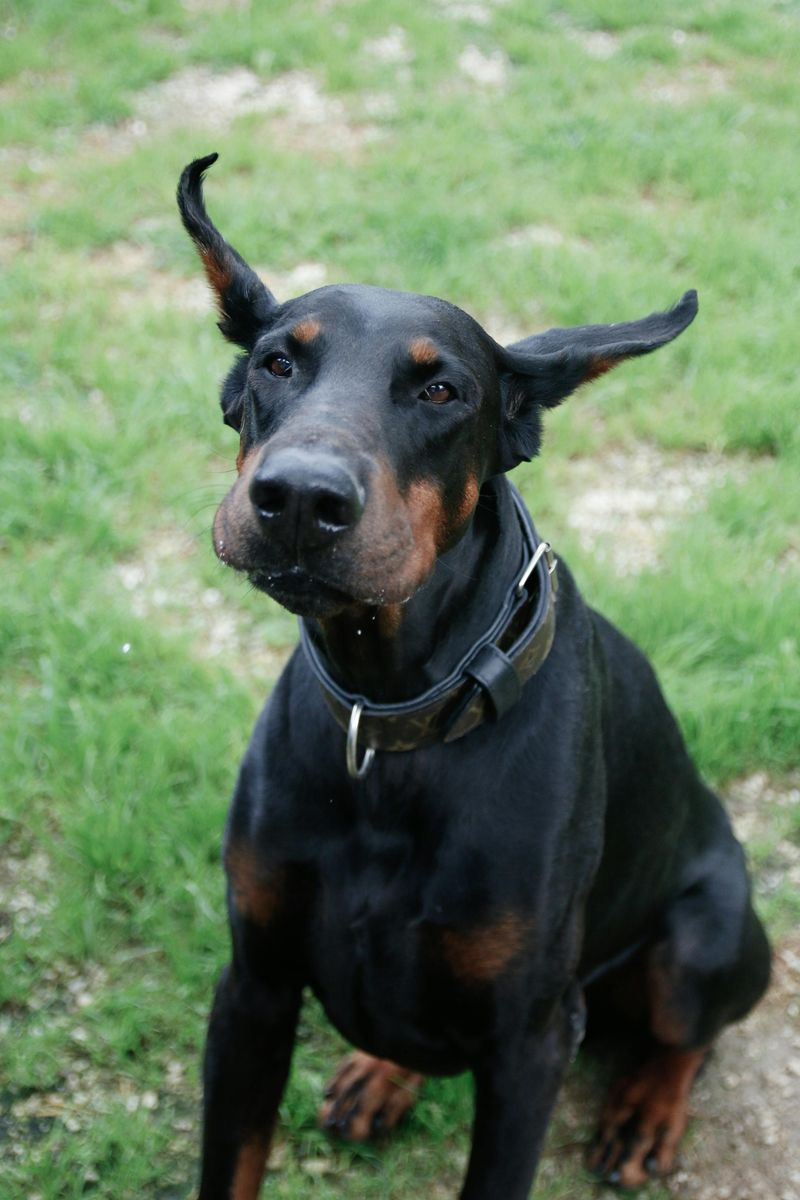
Dobermans are attentive guardians who can look statuesque and composed while running high pressure. They notice everything, from hallway creaks to your breathing pace.
That beautiful obedience can be a survival strategy rather than real ease.
Balance duty with decompression. Give them predictable security, scent games, and movement that alternates power and recovery.
I like controlled tug, brisk strides, then long sniffy loops to downshift. Use place training behind a barrier to reduce visual triggers, rewarding soft eyes and a settled jaw.
Teach visitors to ignore until invited. When needs are met, the forehead smooths, lips loosen, and the tail carries comfortably instead of rigidly tucked or postured, showing authentic relaxation you can trust.
Rottweiler
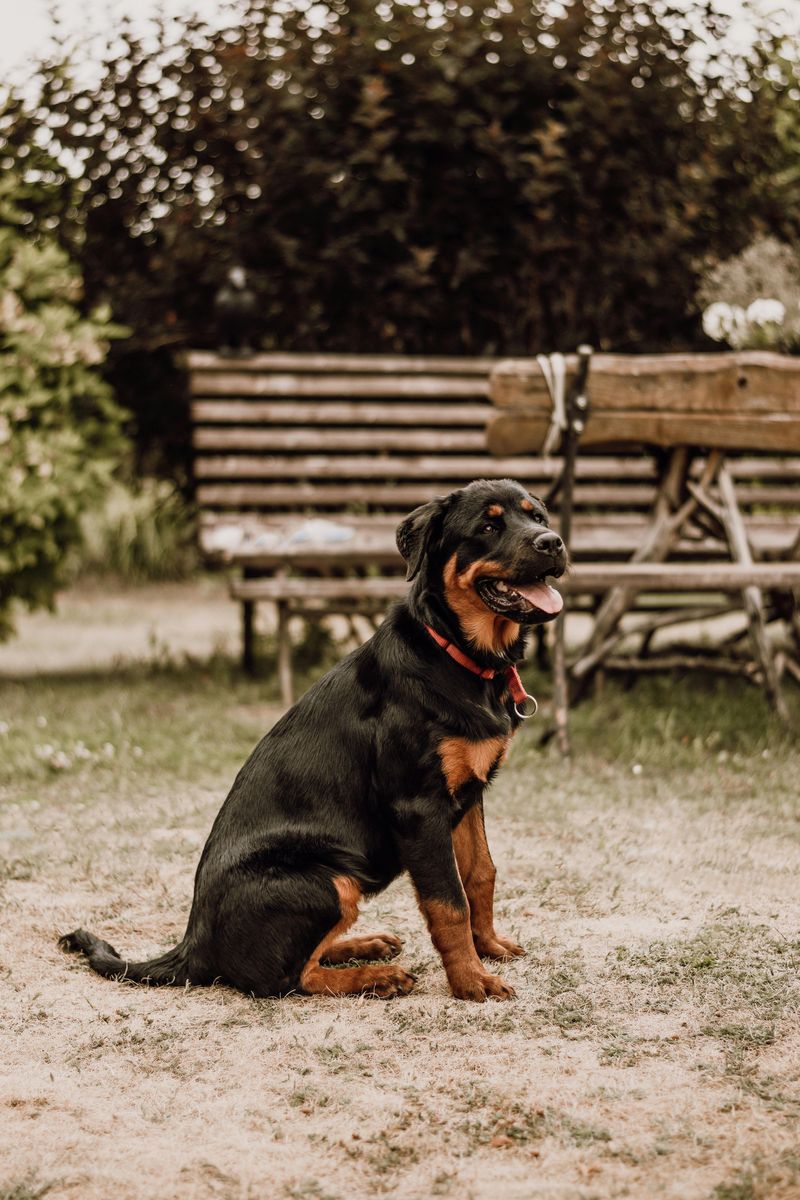
Rottweilers often hold stillness that reads as calm, yet it can be controlled pressure. They were bred to think, guard, and move decisively.
A perfect down stay might mask scanning, anticipation, and jaw tension.
Support them with structure and space. Use sniff walks, tracking games, and slow strength work like controlled stairs or hill walking.
Alternate duty with a defined off switch on a mat behind a barrier. I like reinforcing soft eyes, wide tongue, and loose shoulders.
Give clear visitor protocols and let your dog choose distance. When pressure fades, weight shifts to a hip, the brow smooths, and the mouth opens slightly, revealing a real, relaxed Rottie smile rather than a tight line.
Shetland Sheepdog
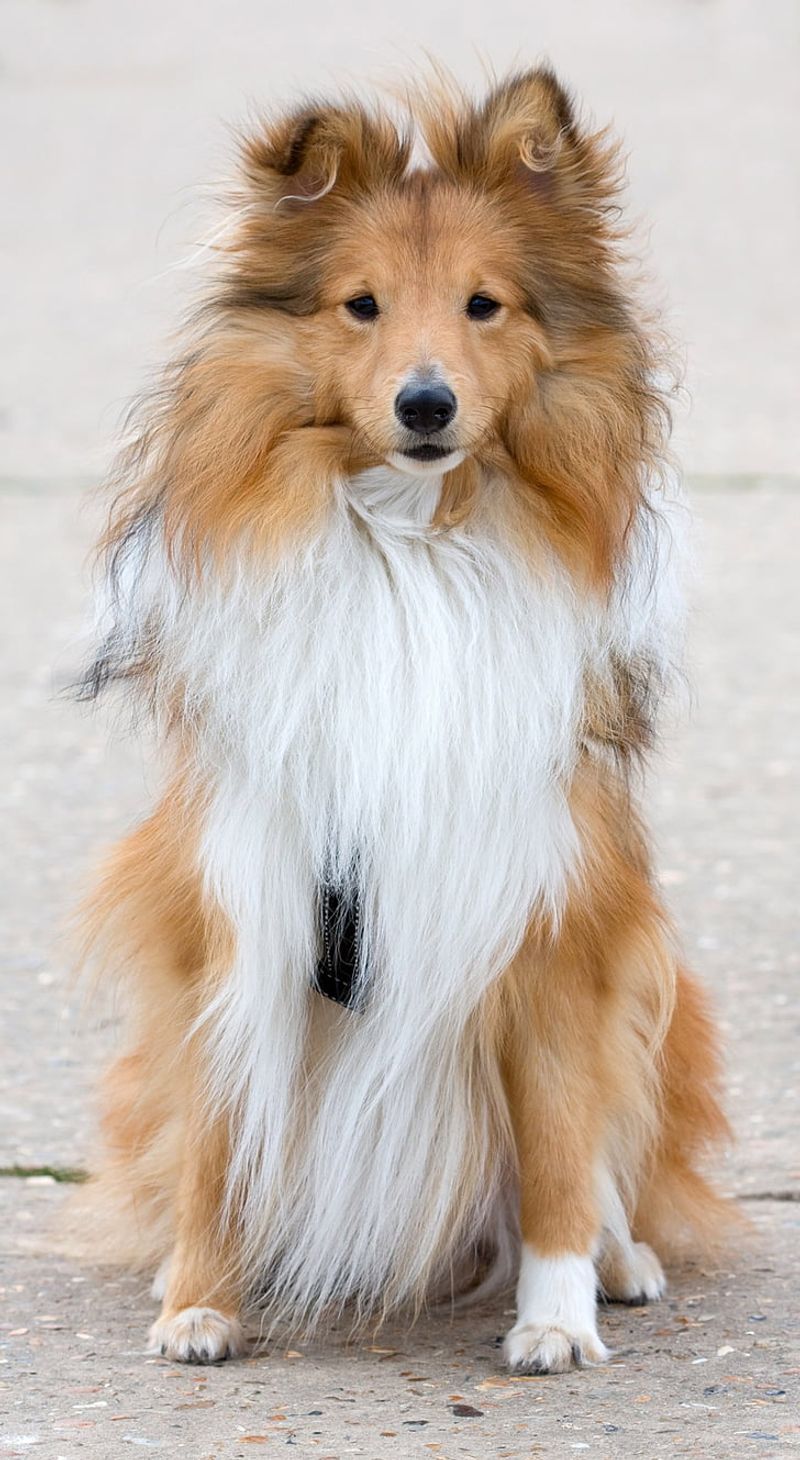
Shelties are polite, precise, and hyper aware. They will nail cues while counting footfalls outside and measuring your tone.
That dainty composure often conceals a nervous system that is working overtime.
Give them predictable patterns, gentle exposure, and decompression time away from noise. Try nosework, tiny trick chains, and scatter feeding to encourage sniffing over staring.
I like teaching a curtain or visual barrier station for relief. Pair calm sounds with treats, and allow strategic distance on walks.
Reward blinks, soft ears, and easy weight shifts. When you listen, your Sheltie offers relaxation as a warm sigh, spreading toes, and a fluffier, looser coat posture that looks less like a statue and more like a cloud.
Vizsla
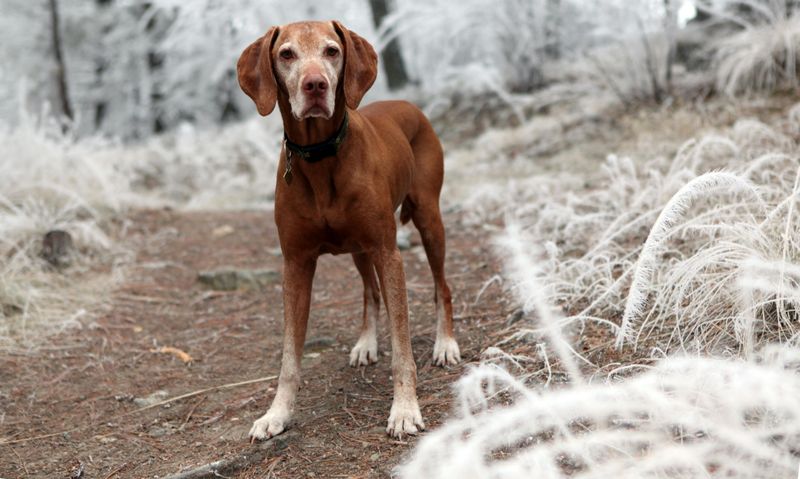
Vizslas are affectionate shadows who try very hard to be good. They may hold a perfect heel while worrying about separation and novelty.
That clingy politeness can cover a heart working too fast.
Offer anchored routines with gradual independence. Use long-line field walks, scent games, and recall breaks to release energy safely.
I like massage, breath-based reinforcement, and cozy dens that smell like you. Alternate cuddle time with practiced relax on a mat, rewarding deep sighs and settled hips.
Keep training upbeat and brief. When needs are met, your Vizsla’s eyes soften, the brow smooths, and the tail wags in wide, lazy arcs that signal genuine comfort rather than anxious appeasement.
English Springer Spaniel
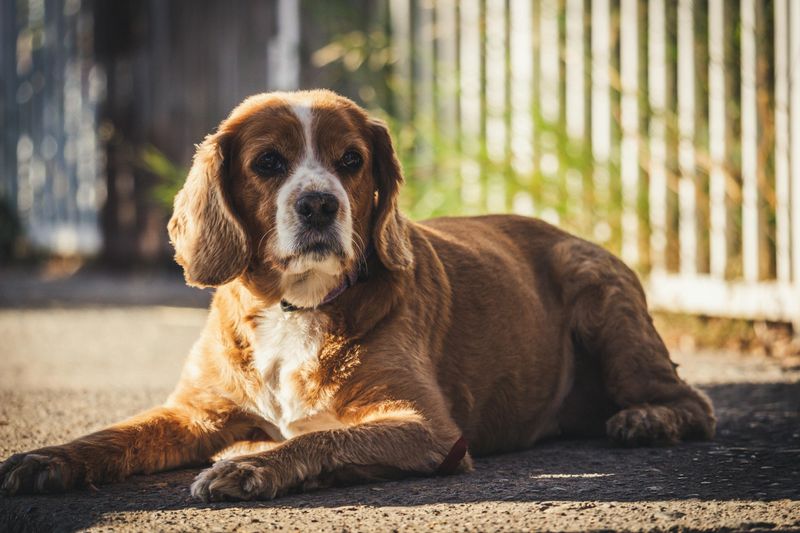
Springers love to work and will hold manners beautifully while mentally quartering the room. The eyes flick, nose quivers, and body hums.
That eager responsiveness can hide pressure that builds when they cannot search or move.
Give ethical outlets: field-style fetch with rules, scent grids, and hunt-dead games in grass. Alternate action with calm mat time, reinforcing slow breaths and head-down posture.
I like off-leash style decompression on a long line where sniffing leads. Provide predictable guest routines and quiet nap spaces.
Reward soft ears and a loose tail at half-mast. When pressure drains, you will see melting shoulders, an open mouth, and an easy sprawl that replaces tight sits and quivering anticipation.
Flat-Coated Retriever
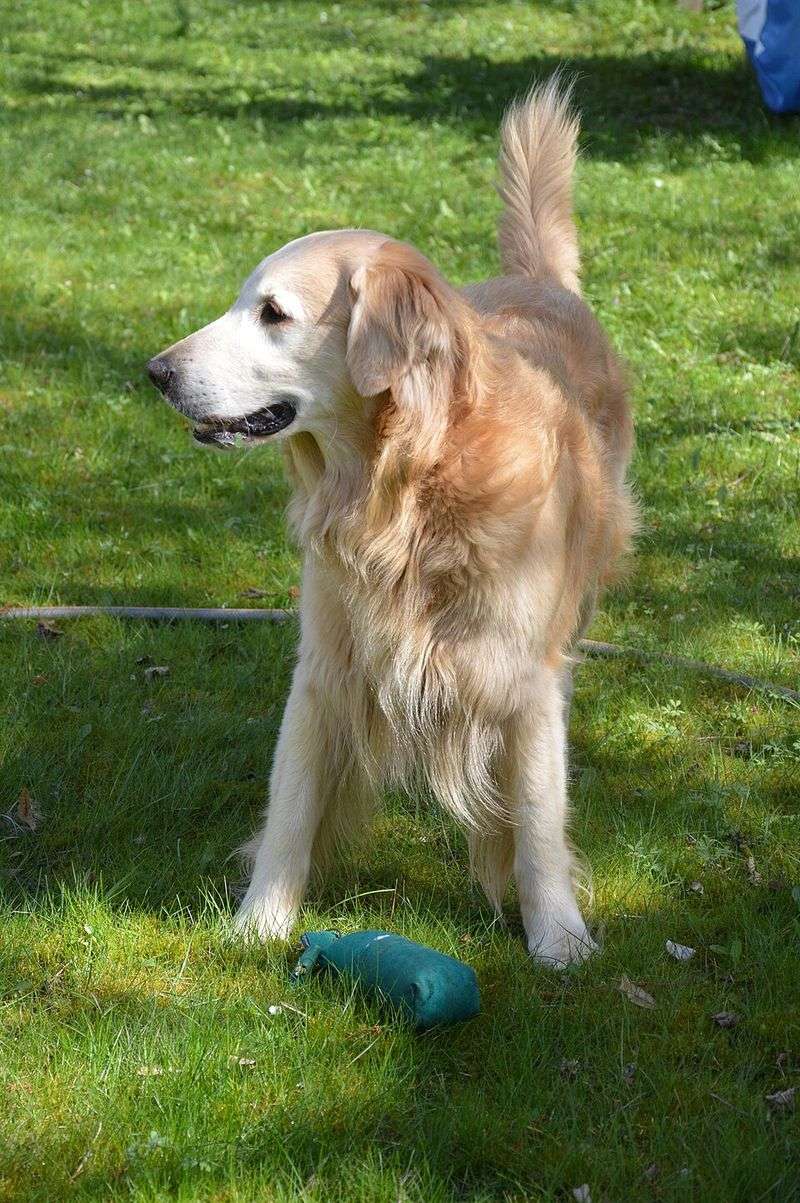
Flat-Coats beam optimism, yet their cheer can hide mounting arousal. They will sit politely with sparkling eyes while every muscle readies for launch.
Without thoughtful outlets, that joy becomes pressure, and stillness becomes a lid.
Help by blending party and pause. Use structured retrieves with off switches, scent games, and calm field walks.
I like reinforcing slow movement, soft eyes, and relaxed mouths between reps. Add decompression swims or sniff sessions to downshift.
Keep social greetings short, then park on a mat for recovery. When you meet their needs, the sparkle stays but softens, the tail swishes lazily, and the body pools into comfort rather than vibrating at the edge of another explosion.
Standard Schnauzer
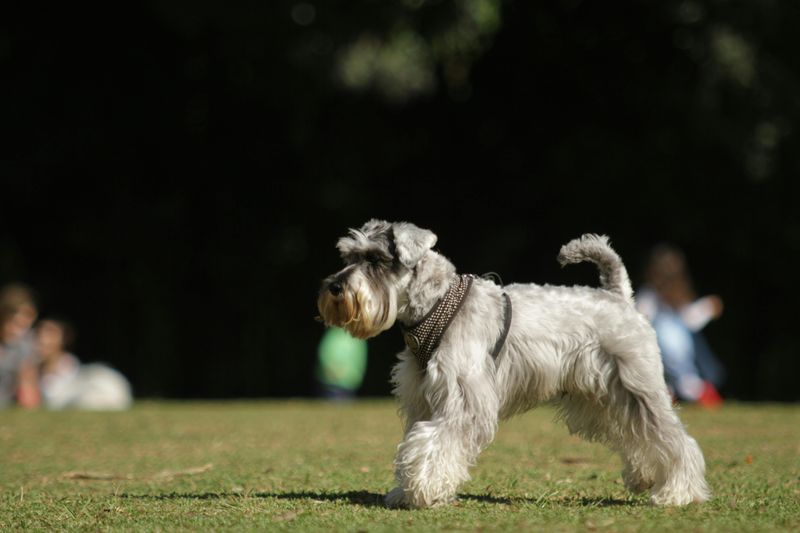
Standard Schnauzers are clever watchdogs who look impeccably mannered while running background scans. They anticipate patterns, guard thresholds, and hold positions precisely.
That purposeful stillness often conceals workload and pressure.
Provide decision relief and structured outlets. Use nosework, urban tracking, and platform games with clear start and finish.
I like visual barriers for resting, plus calm greetings that minimize social pressure. Pair relaxed posture with rewards, and practice slow breathing beside you.
Alternate focused work with scenic sniff walks. When balance returns, eyebrows settle, whiskers soften, and the body shifts to a comfortable lean, signaling true ease rather than a beautiful but brittle performance that costs more than it appears.