
Dogs greet people in their own special ways. Some are quick to trust, while others save their warmest smiles for family.
Knowing a breed’s greeting style can help you plan better visits, training, and daily life. It can also prevent mix ups and make everyone feel safer and happier.
Akita
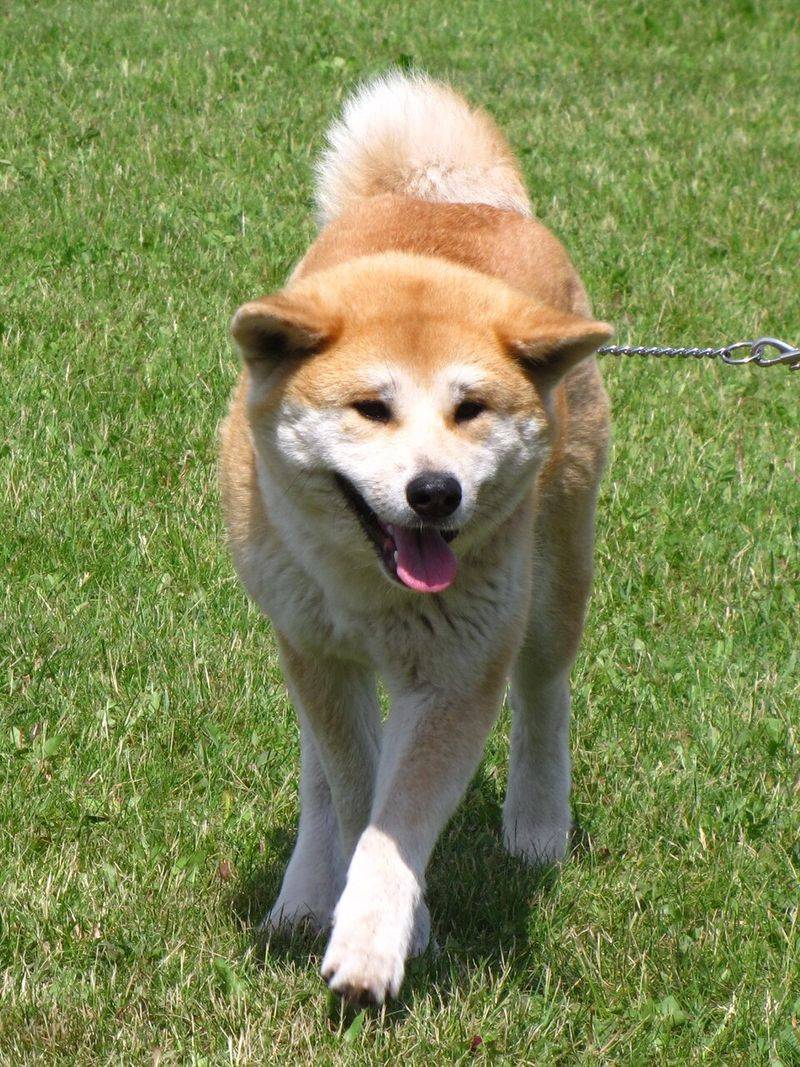
A quiet head tilt from an Akita can feel like a royal inspection. Loyalty often runs strongest for one or two family members, and guests may get a polite but distant look.
Early, positive introductions help, yet many Akitas prefer slow greetings and space.
Keep visits calm, reward calm behavior, and avoid crowding. Strong leadership, clear rules, and steady routines bring out their gentle side at home.
With respect, the welcome grows warmer over time.
Chow Chow
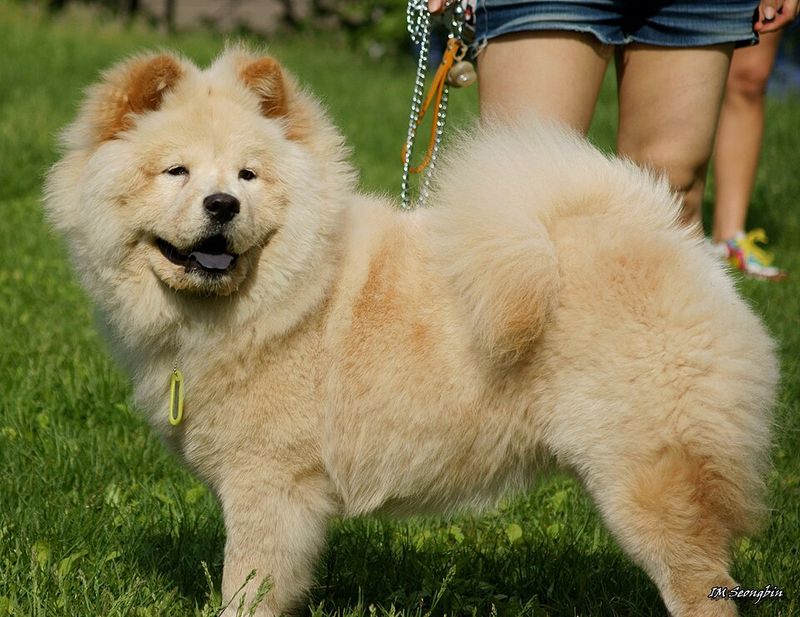
That teddy bear face hides a very serious doorman. Many Chow Chows bond hard at home and act like careful gatekeepers with outsiders.
They are not rude, just selective, and they value calm, predictable people.
Keep greetings brief and neutral. Ask visitors to stand sideways, avoid leaning in, and offer a treat tossed gently.
Consistent social practice, paired with gentle grooming routines, helps a Chow build trust while keeping their cool, dignified vibe intact.
Great Pyrenees
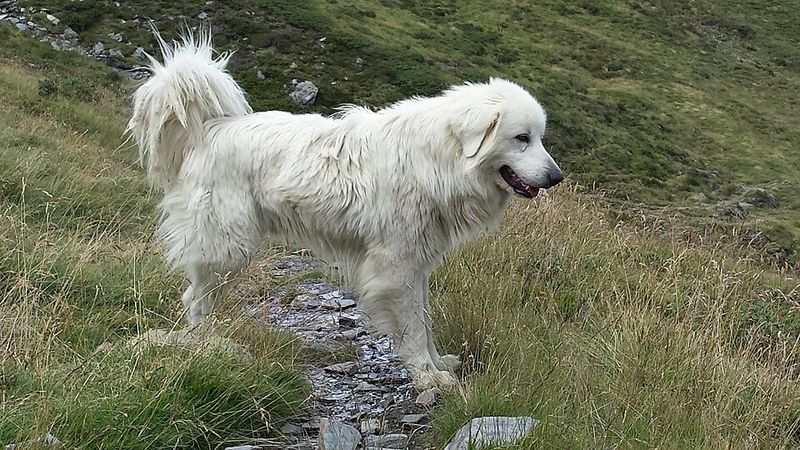
Born to watch over flocks, the Great Pyrenees treats your yard like a peaceful pasture. Family earns a soft-eyed nuzzle, while newcomers may get a patient pause and a careful sniff.
Nighttime often boosts their patrol mood.
Offer steady introductions, not rushes. Visitors should approach calmly and let the dog come closer first.
Reward quiet choices and guide them to a resting spot. With practice, that gentle guardian spirit feels welcoming without losing its protective heart.
German Shepherd
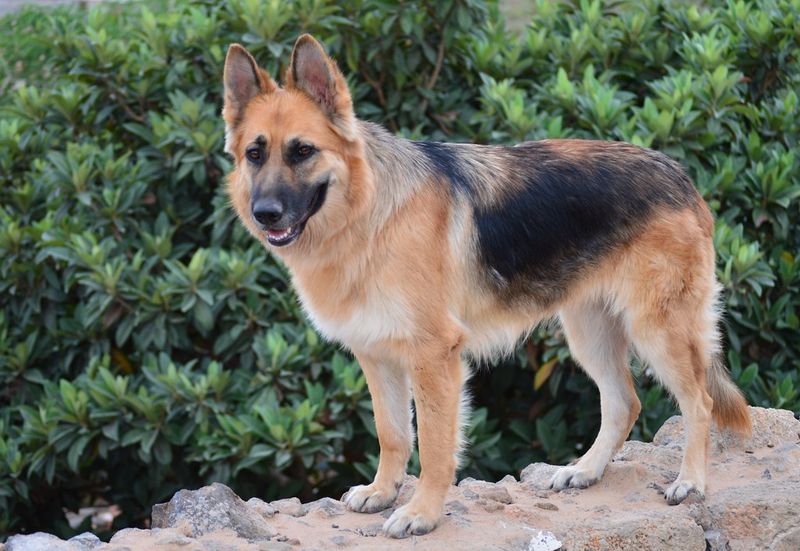
Work ethic shows up at the door. Many German Shepherds scan a scene first, then warm up once people act friendly and clear.
They often save the best cuddles for their own team.
Give structure to greetings. Ask for a sit, then reward eye contact and loose-body signals.
Guests can toss treats to mark calm choices. Regular social outings and clear handler cues help a Shepherd balance protector instincts with polite, reliable manners for company.
Belgian Malinois
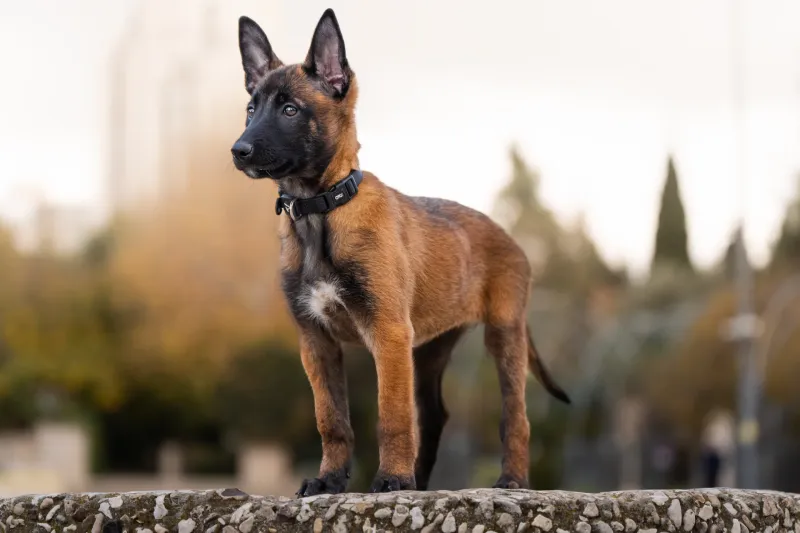
Think sprinter brain with a security badge. Belgian Malinois dogs notice everything and often reserve affection for their circle.
Strangers may earn measured curiosity, not instant hugs, especially during high-energy moments.
Channel that drive into tasks. Ask for a down-stay before opening the door.
Pay with play or treats for steady focus and relaxed ears. Short, successful visitor sessions beat long, chaotic ones.
When minds are busy and rules are clear, welcomes become smoother.
Doberman Pinscher
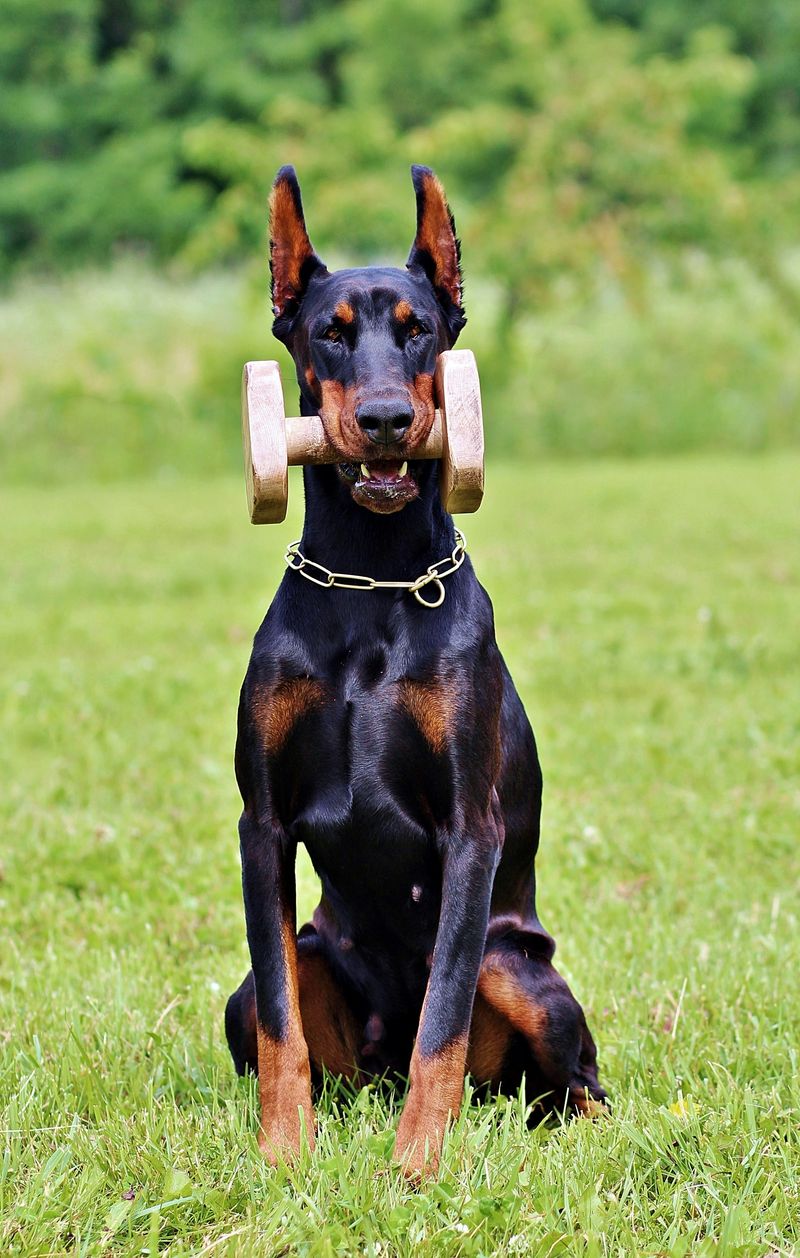
Elegant posture can look intense, yet the Doberman’s heart is often tied to home. New people may get a formal hello, then a step back to observe.
Confidence grows when owners stay calm and in control.
Practice door routines with sits and place mats. Reward relaxed tails, soft eyes, and quiet mouths.
Ask guests to avoid quick hand reaches. With fair guidance, a Doberman learns to welcome friends while keeping that poised, watchful flair.
Cane Corso
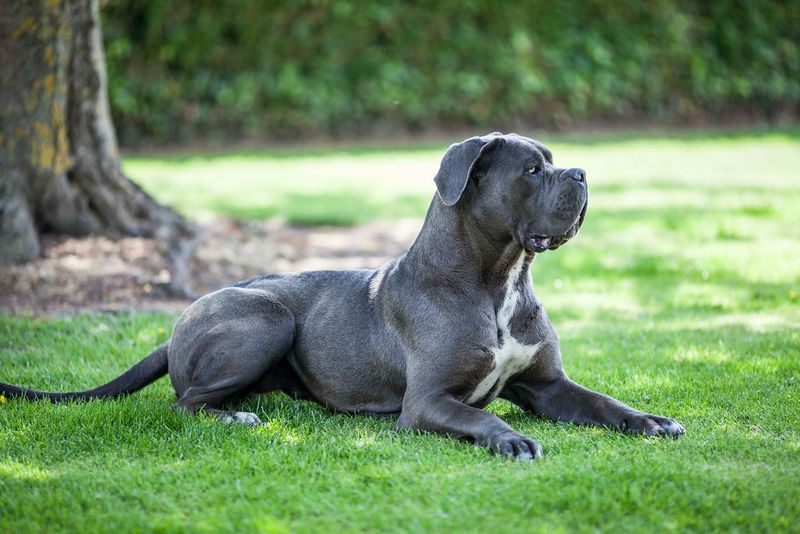
First impressions matter to a Cane Corso. They read body language fast and protect their people’s space.
Family gets the full, gentle melt, while newcomers are sized up with steady eyes and a steady stance.
Keep greetings structured. Use a leash, guide to a place bed, and pay for calm.
Visitors should stand tall, speak softly, and avoid crowding. Consistent boundaries transform a serious sentinel into a polite host who still keeps the castle safe.
Shiba Inu
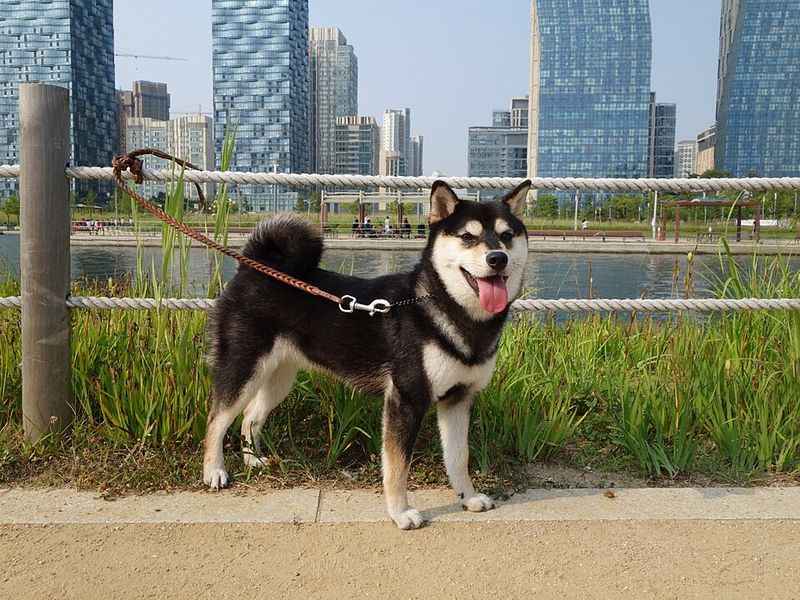
Sassy and smart, the Shiba picks favorites like a tiny critic. Family might see zoomies and silly grins, but random guests often get a side-eye and a careful sniff.
Independence shines through every choice.
Let the Shiba approach first. Keep leashes loose, use high-value snacks, and celebrate brief, polite touches.
Short social breaks prevent overwhelm. With patience and playful training, that cool exterior cracks open, revealing a fun, quirky pal who warms up on their timeline.
Anatolian Shepherd Dog
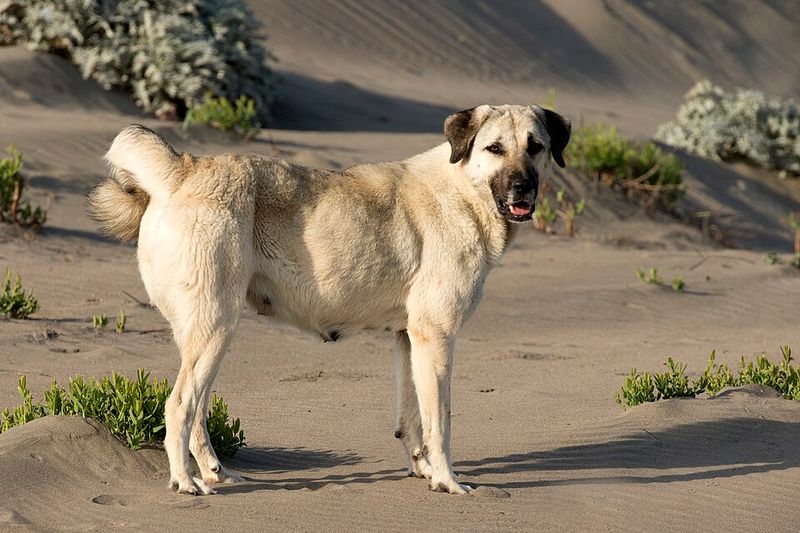
Farm-born judgment comes standard. The Anatolian Shepherd Dog evaluates people like potential gate entries, and family usually tops the list for close contact.
Guests may be acknowledged, then kept under courteous watch.
Set clear paths for visitors and manage space with leashes and place cues. Reward quiet, settled behavior and avoid rough play during introductions.
A predictable routine, plus early socialization, lets this thoughtful guardian offer a respectful hello without losing that serious property manager mindset.
Basenji
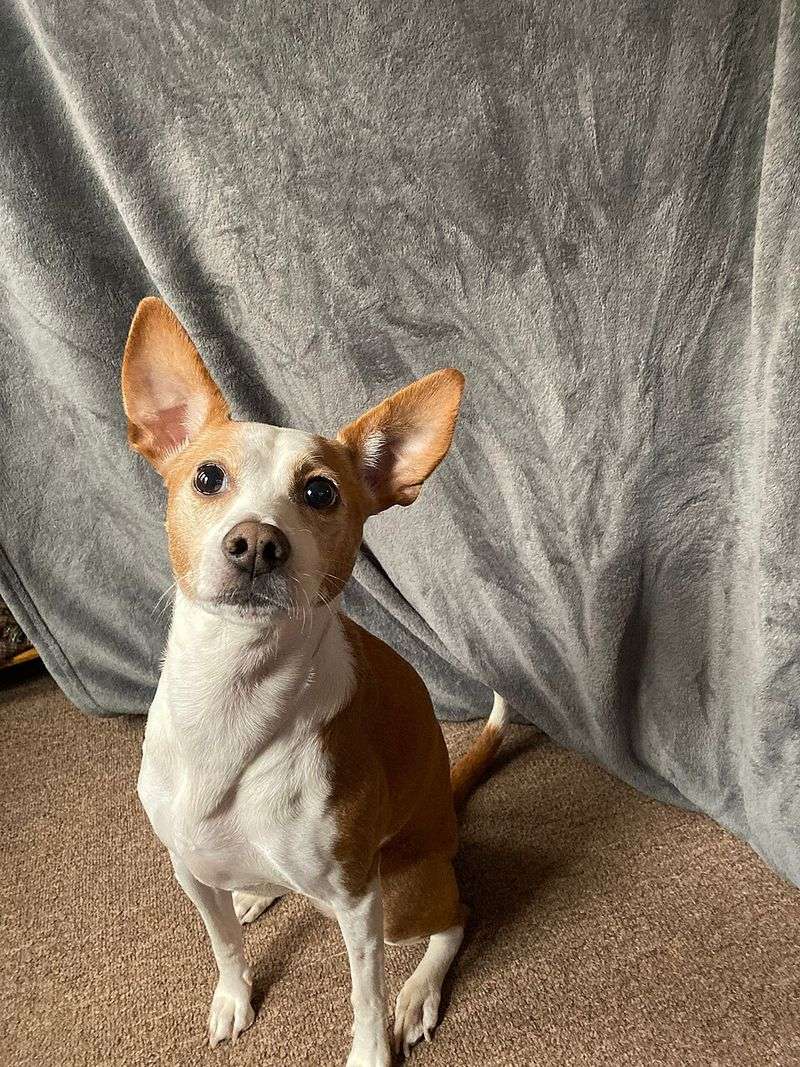
Silence speaks volumes with the Basenji. They may not bark, yet their eyes tell you if you made the guest list.
Trusted people earn cuddles and play, while strangers might receive a careful sniff and a quick step back.
Keep greetings light and fun. Use gentle games, scatter a few treats, and let the dog choose closeness.
Short, positive sessions build comfort. Soon that catlike friend offers a sly lean that says you passed the vibe check.
Vizsla
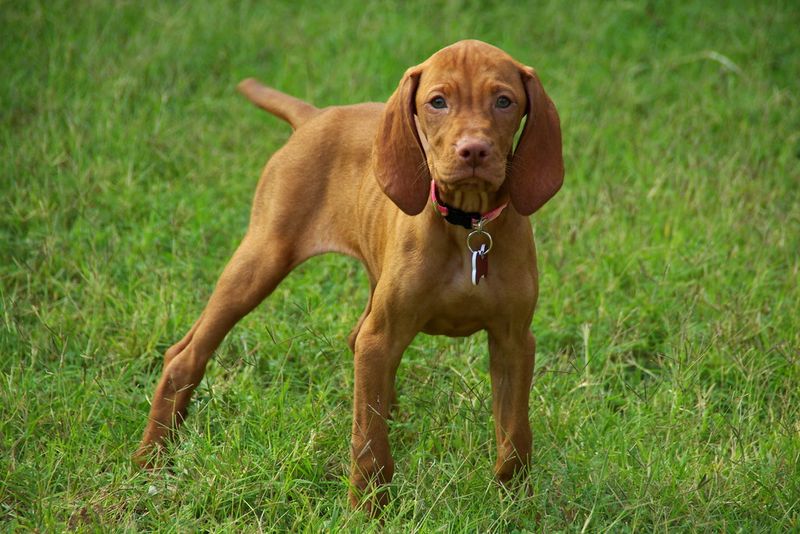
If hugs were a sport, the Vizsla would medal. Family often gets full-body snuggles, while visitors receive bright, eager energy that can overwhelm without guidance.
Sensitive hearts make them quick learners.
Channel excitement into simple cues like sit and touch. Provide a chew or mat when guests arrive, and reinforce calm with soft praise.
Plenty of exercise earlier in the day helps. The result is a friendly, velcro-style greeter who remembers to use inside manners.
Dachshund
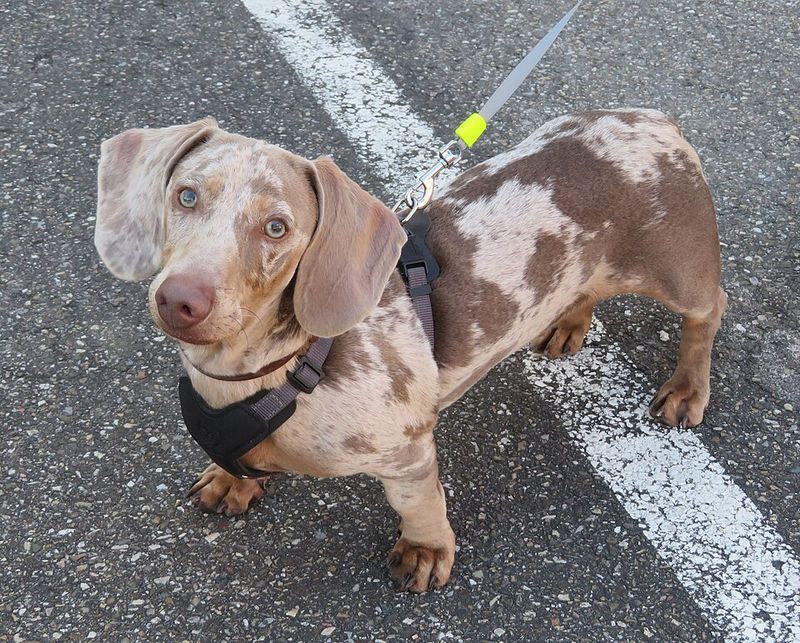
Small dog, big opinions. Many Dachshunds announce arrivals like tiny doorbells, then decide who gets couch privileges.
Family usually ranks highest, while strangers might face a few testing barks.
Turn that voice into a job. Ask for a sit to earn greetings, reward quiet seconds, and keep introductions short.
Provide a safe perch to observe, like a chair or step. With patience and treats, the bold sausage dog becomes a courteous host with plenty of charm.