
Being away for long hours can make even the sweetest dog struggle. Some breeds simply need more company, structure, and activity than a packed schedule allows.
Before you fall for those big eyes and wagging tails, it helps to know which pups will not thrive with limited time. Let’s make a choice that keeps both you and your future dog happy.
Labrador Retriever
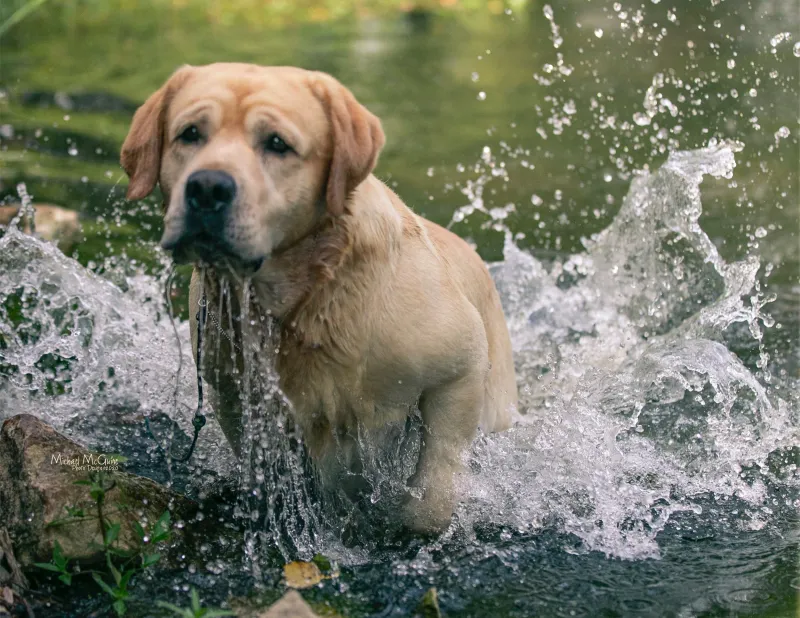
Labradors are affectionate, energetic companions that thrive on human interaction. If you are gone most days, their cheerful nature can flip into stress, boredom, and destructive chewing.
They need daily exercise, brain games, and real companionship to stay balanced.
You can hire a dog walker, but a Lab still craves your presence and structure. Without it, you may face constant barking, counter surfing, and Houdini-level escaping.
If your schedule is packed, choose a lower-key breed, or reconsider timing. Labradors want families who hike, play fetch, train consistently, and unwind together at night.
Long hours alone can erode their confidence and create anxiety that is hard to reverse. Most Labs flourish with jobs, social time, and predictable daily routines at home.
Golden Retriever
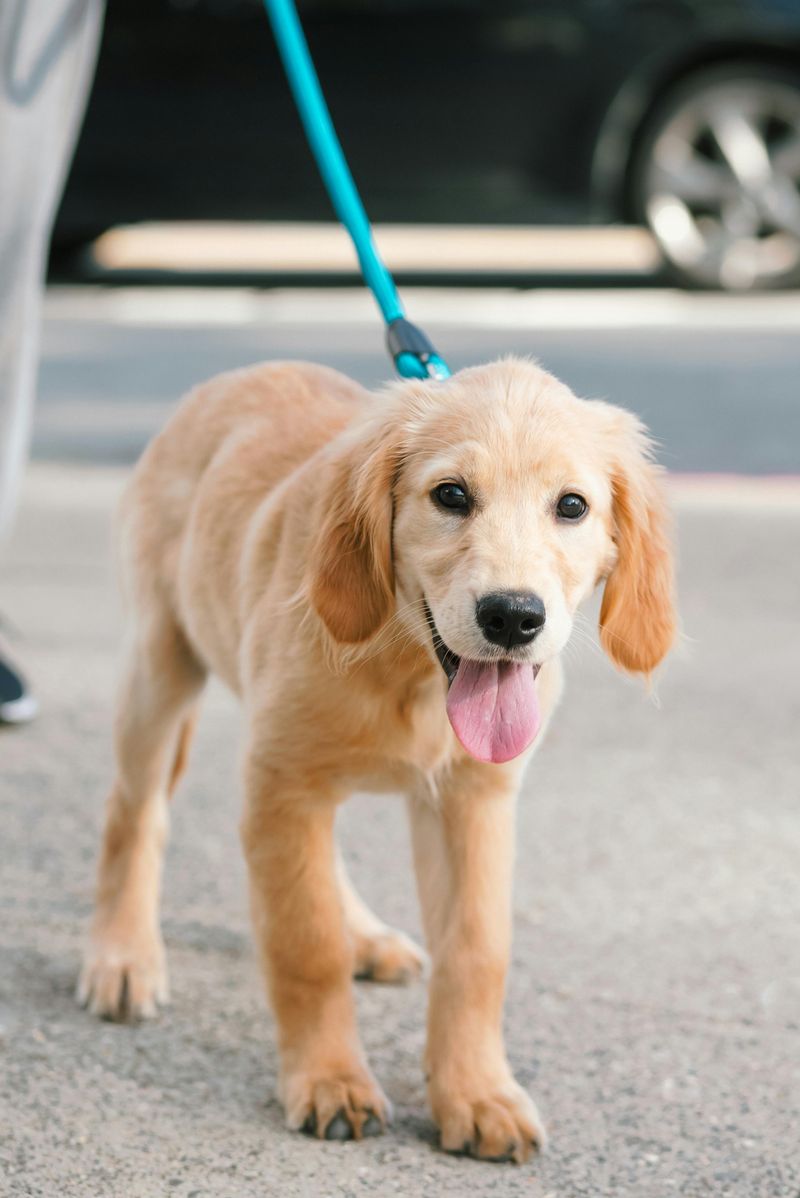
Golden Retrievers overflow with people-pleasing energy and a need to be near you. Long workdays can leave them restless, mouthy, and prone to chewing or pacing.
Their brains light up with training, scent games, and fetch, which are tough to deliver when you are seldom home.
Goldens also crave grooming and daily brushing, which builds connection while managing shedding. Without structure, you might see constant greeting jumps, attention barking, and creative mischief.
If your calendar is slammed, consider a calmer companion or delay adoption. Goldens shine with families who schedule walks, practice obedience, host playdates, and include their dog in weekend plans.
Hours of solitude can sap their spirit and invite anxiety that training alone will not fix over time.
Border Collie
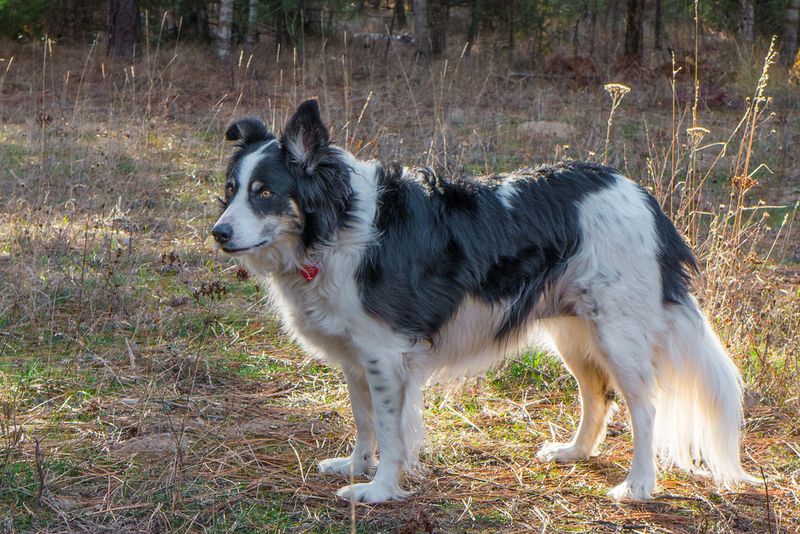
Border Collies are brilliant athletes wired for work, not waiting. When left alone for long stretches, that genius can morph into herding kids, chasing cars, or redesigning your sofa.
They need advanced training, fast games, and mentally rich jobs that channel intensity into healthy outlets.
If your lifestyle is desk-bound and travel heavy, this breed will struggle without daily missions. Expect vocal frustration, escape artistry, and obsessive behaviors when boredom takes root.
You would do better choosing a mellower companion if hours disappear to commuting. Border Collies thrive with agility, stock work, long hikes, and puzzle time anchored by your engagement.
Consistent guidance, structured play, and real partnership are nonnegotiable for stable, happy Border Collies living in modern neighborhoods today.
German Shepherd
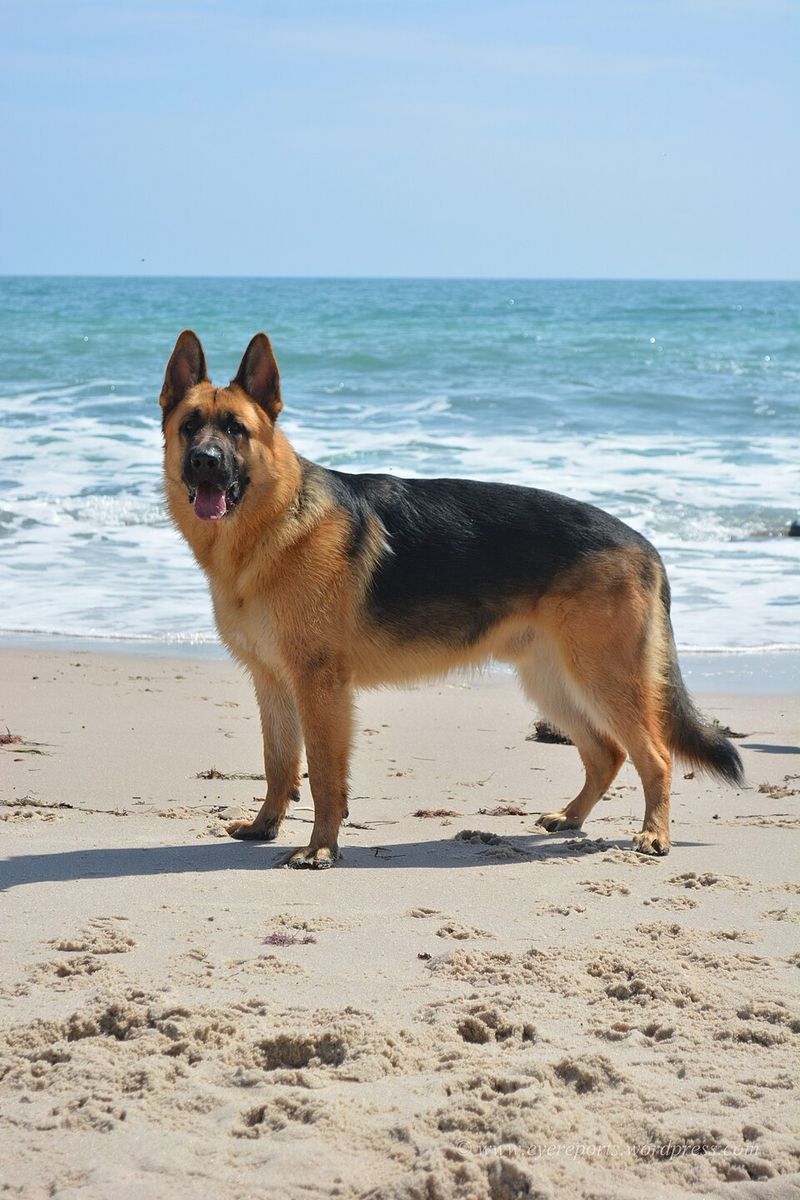
German Shepherds bond intensely and depend on leadership and purposeful activity. Long absences can trigger guarding issues, separation distress, and destructive anxiety.
These dogs need structured training, varied exercise, and problem solving to feel useful and secure in your home.
If you travel a lot, you may return to a stressed dog rehearsing unwanted behaviors. Expect heavy shedding and grooming demands that feel overwhelming when time is scarce.
Choosing a breed with softer needs might be kinder to you both. German Shepherds flourish with clear jobs, frequent obedience, confident handling, and calm downtime near their people.
Left alone too long, their protective instincts can misfire and create neighborhood friction. Daily engagement builds trust, manners, and emotional stability for everyone around.
Australian Shepherd
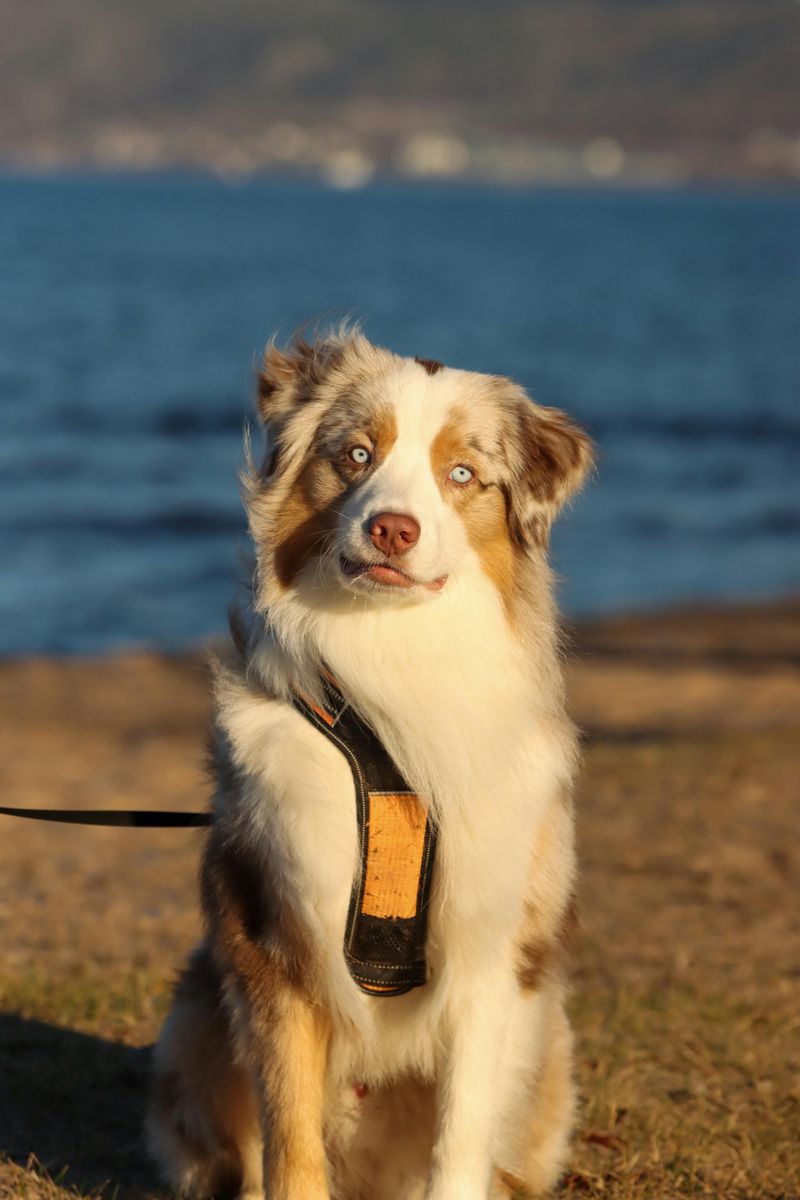
Australian Shepherds are spark plugs in fluffy coats, bred to think and move all day. When left solo, their busy brains invent jobs like herding kids, digging craters, and redecorating pillows.
They require training challenges, outlet walks, and purposeful play that soak up their mental fuel.
Aussies bored at home often bark, spin, and chase shadows, which neighbors do not love. If your weeks overflow with overtime or travel, choose a calmer companion.
Expect significant grooming and shedding that demand regular attention. Australian Shepherds feel happiest with agility, herding sports, long hikes, trick training, and steady connection that keeps them centered.
Daily structure, meaningful work, and human partnership prevent the spirals that stress sensitive Aussies living in busy households everywhere.
Vizsla
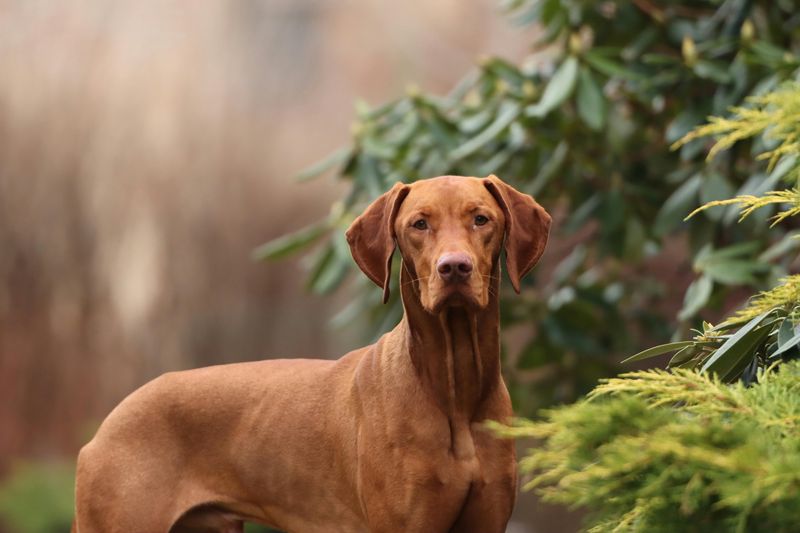
Vizslas are velcro dogs with sleek coats and giant feelings. They crave body contact and purposeful activity, not empty rooms.
Long absences can spark separation anxiety, whining, and frantic energy that bursts the moment you return.
If you are seldom home, a Vizsla will struggle without touch, training, and athletic outlets. Expect heavy exercise needs paired with sensitive emotions that deteriorate under isolation.
Consider a lower-maintenance companion if your schedule is packed. Vizslas flourish with running partners, field work, nose games, and evenings spent cuddled directly beside their favorite human.
Without help, frustration can leak out as barking or destruction that strains relationships. Daily closeness, training projects, and predictable routines keep their hearts steady, especially during demanding work seasons too.
Italian Greyhound
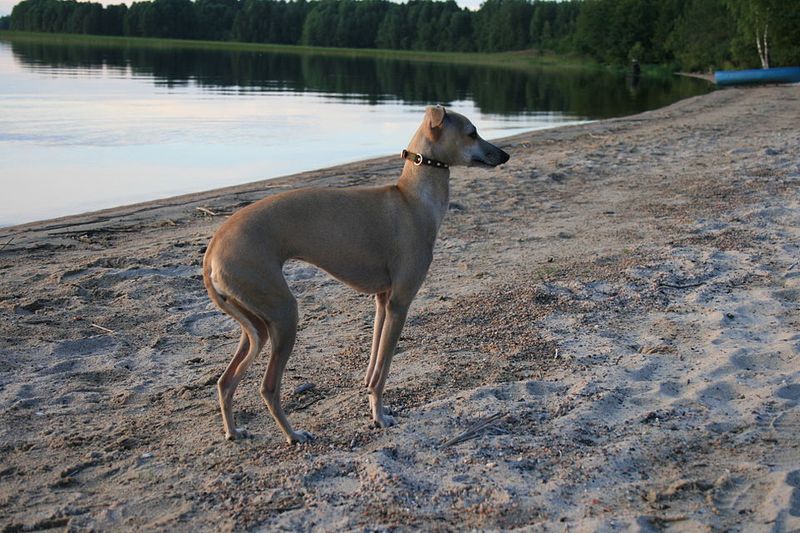
Italian Greyhounds are delicate, affectionate sprinters who bond tightly to their people. They manage short bursts of play, then crave warm laps and soft blankets.
Leaving them alone for long hours invites stress, vocalization, and bathroom accidents from anxiety or disrupted routines.
If you travel often, consider their sensitivity to cold, isolation, and change. They need gentle training, frequent potty breaks, and supervision to stay confident.
Without time together, you might see clinginess, trembling, and stubborn refusal to go outside in bad weather. Italian Greyhounds thrive with cozy wardrobes, indoor play, careful socialization, and consistent companionship.
Household helpers can assist, but these sensitive dogs still want your warmth and voice. Plan routines that protect stability every single day at home.
Cavalier King Charles Spaniel
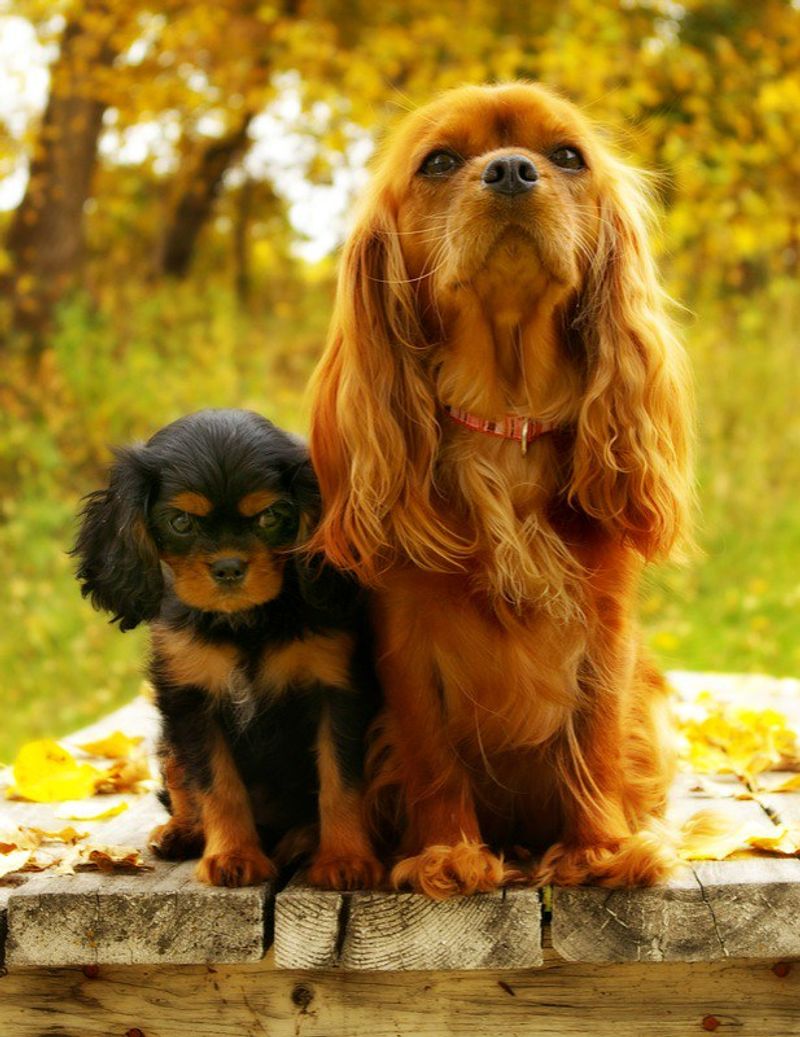
Cavaliers are gentle, people-centric companions who prefer constant closeness over solitude. Long workdays can invite anxious behaviors, barking, or house soiling when routines slip.
Their exercise needs are moderate, but their emotional needs are high, especially for snuggles and quiet togetherness.
If you are away a lot, you might see clinginess or depressed withdrawal. Regular grooming and health monitoring also require time and attentiveness.
Consider a breed comfortable with downtime if your calendar stays crowded. Cavaliers thrive with lap time, gentle play, neighborhood strolls, and companionship that makes them feel secure every evening.
Daily presence keeps their hearts steady and prevents worries from spiraling into bigger problems. Plan pet sitters, daycare, or flexible hours when life gets hectic for you.
Bichon Frise
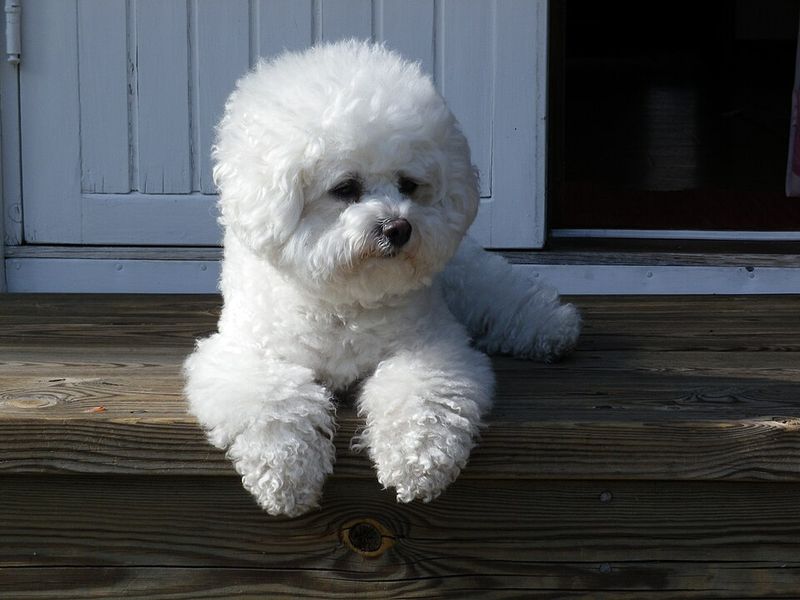
Bichons are cheerful, social lapdogs bred to entertain and be near people. Left alone too long, they can bark, soil inside, or develop matted coats from neglected grooming.
They need play, walks, brushing, and positive training that keeps their sunny temperament shining.
If your job drains your time, a lower-maintenance breed might fit better. Bichons thrive on company, regular haircuts, and gentle structure that guides their enthusiasm.
Without it, your return home may unleash wild zoomies, demand barking, and accidents. Choose this breed only if you can promise daily togetherness, patient grooming, and consistent feedback.
Plan doggy daycare, walkers, or friendly neighbors who can visit and provide reassurance. It truly protects their confidence and house manners during long weeks away.
Havanese
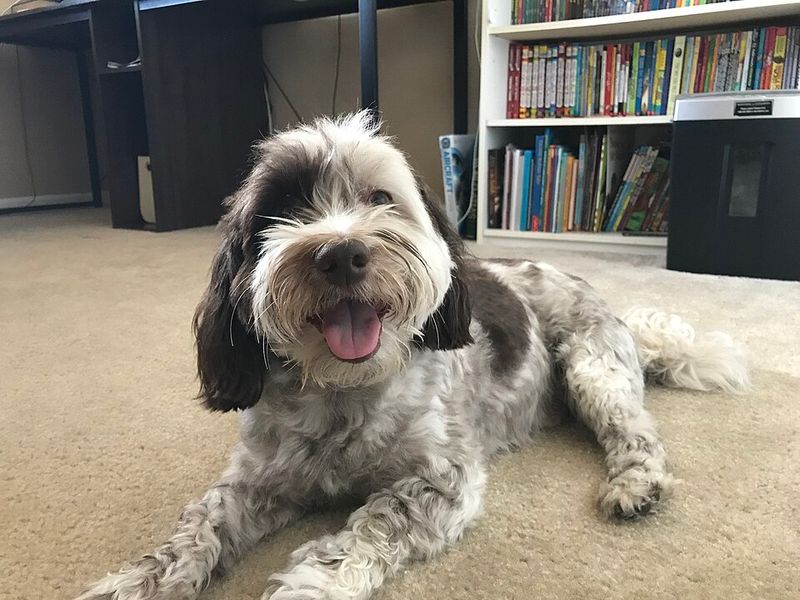
Havanese are merry, people-focused charmers who shadow their families from room to room. Long stretches alone can create barking, separation stress, and messy coats without daily care.
They shine when trained kindly, groomed regularly, and included in most pieces of your routine.
If your lifestyle is packed, a different breed may be happier and kinder for you. Havanese crave connection, short walks, and training games that flex their clever minds.
Without presence, you might see doorbell theatrics or clinginess that grows frustrating fast. Choose Havanese when you can arrange sitters, playdates, and flexible hours that prioritize togetherness.
Daily brushing, eye care, and calm affection maintain their comfort and confidence. Your time matters more than square footage to them each day.
Poodle
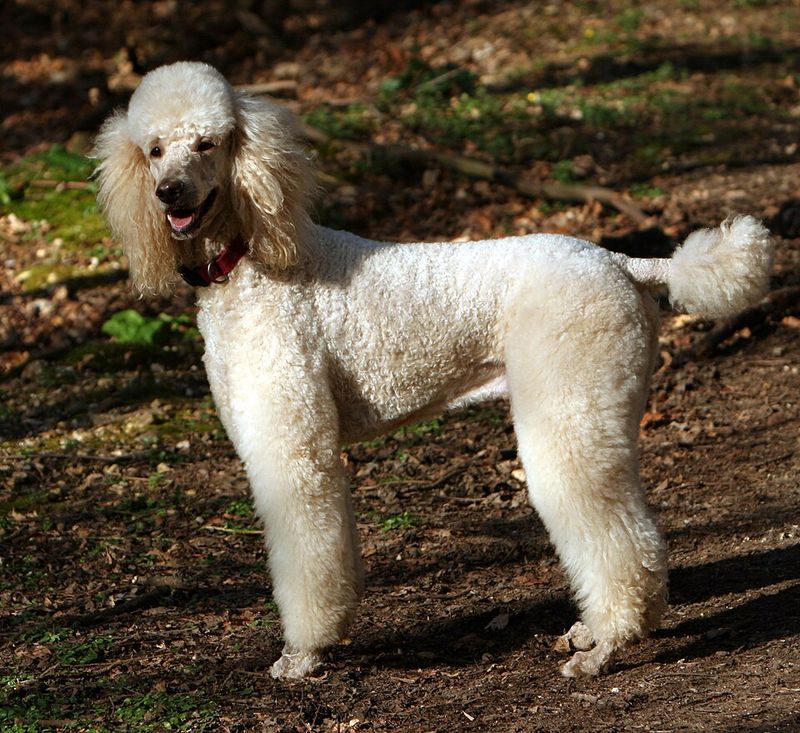
Poodles, from Toy to Standard, are sharp, active, and deeply people oriented. Their minds crave tasks, patterns, and praise, which wither when you are rarely home.
Left alone for long days, you may see restlessness, nuisance barking, or creative redecorating fueled by boredom.
Regular grooming is nonnegotiable, and scheduling trims is harder with limited availability. Poodles blossom through training sports, nosework, puzzles, and brisk walks shared with you.
If your career steals your daylight, consider an easier match. Poodles excel in households that provide structure, mental projects, cuddle time, and calm evenings that renew connection.
Daily presence prevents coat neglect, anxiety spirals, and the sass that surfaces with unmet needs. Plan walkers, daycare, and backup caregivers when necessary for peace.
Jack Russell Terrier
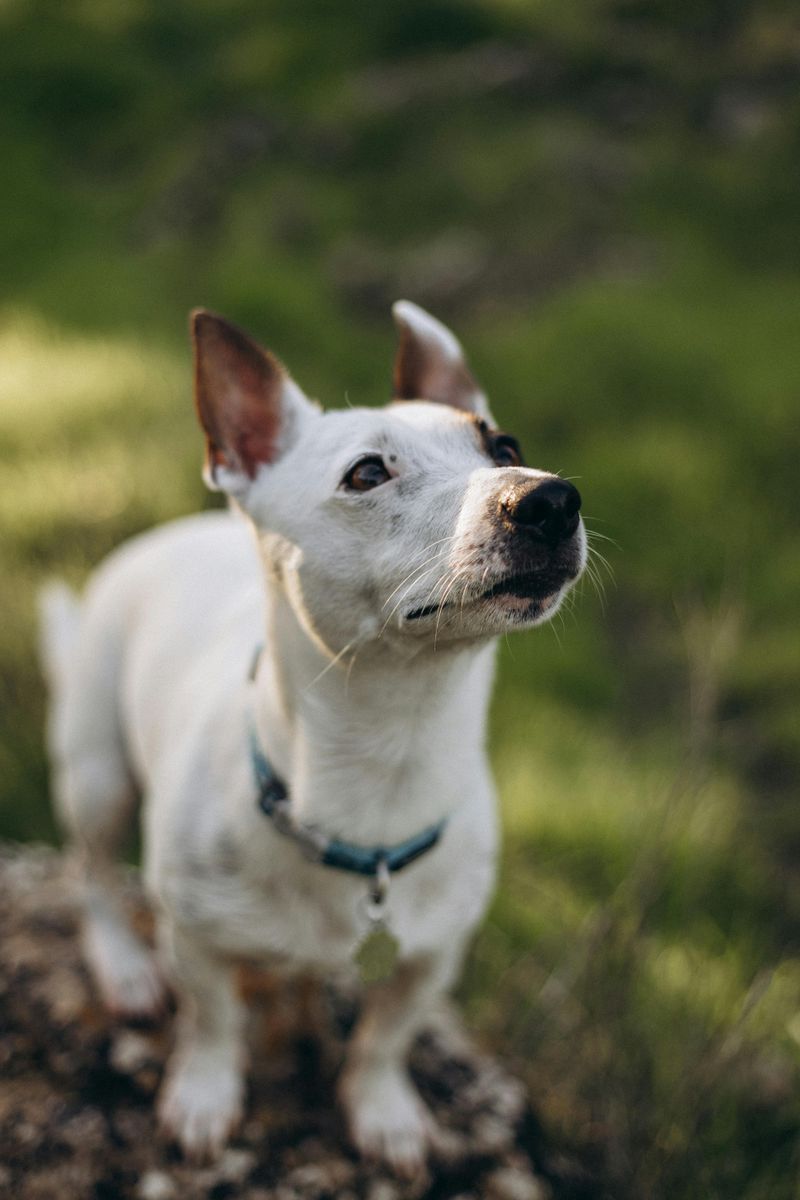
Jack Russell Terriers are tiny dynamos bred for relentless work, not quiet apartments. Without challenges and company, they invent chaos like digging, barking, and high-speed parkour across furniture.
Their sharp minds and prey drive demand training, outlets, and firm but friendly boundaries.
If you are gone a lot, expect noise complaints, creative escapes, and shredded toys. These dogs need time, supervision, and patience to channel their fire.
Consider a mellower breed if long workweeks are nonnegotiable. Jack Russells thrive with agility, scent sports, flirt pole games, and confident leadership that turns intensity into fun.
Daily fetch, training reps, and puzzle feeders reduce frustration and help preserve harmony. Plan secure fencing and supervision during yard time every single day without fail.
Cocker Spaniel
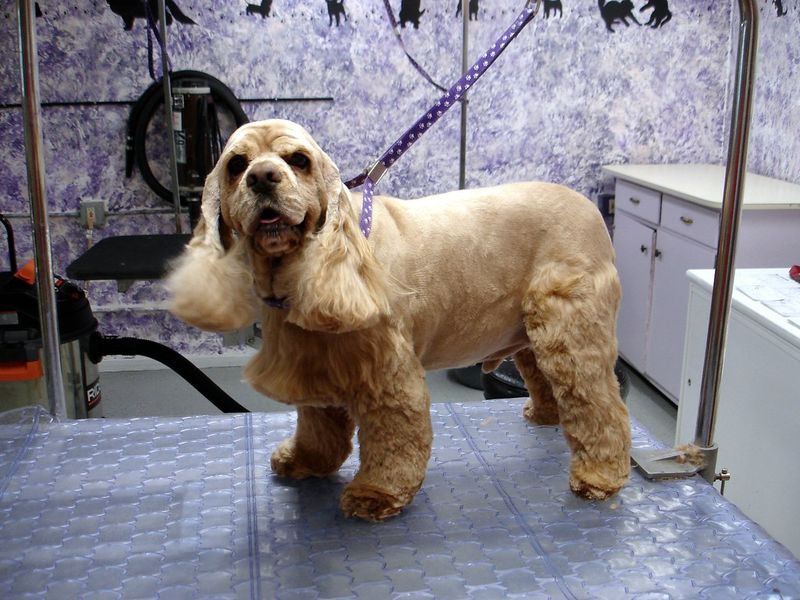
Cocker Spaniels adore company and can grow anxious when left behind. Their silky coats need frequent care, and ear health requires vigilant cleaning that busy schedules often miss.
Without attention, you may face barking, clinginess, or accidents tied to stress.
If your calendar is packed, consider a lower-demand breed. Cockers flourish with gentle training, routine grooming, playtime, and calm companionship on the couch.
Long absences make them uneasy and may spark nuisance behaviors. Choose a Cocker only when you can commit to regular walks, ear care, brushing, and real togetherness most days.
Daily presence buoys their confidence, brightens their manners, and prevents grooming from snowballing. Line up sitters, daycare, or help during heavy weeks to stay balanced and happy daily.
Doberman Pinscher
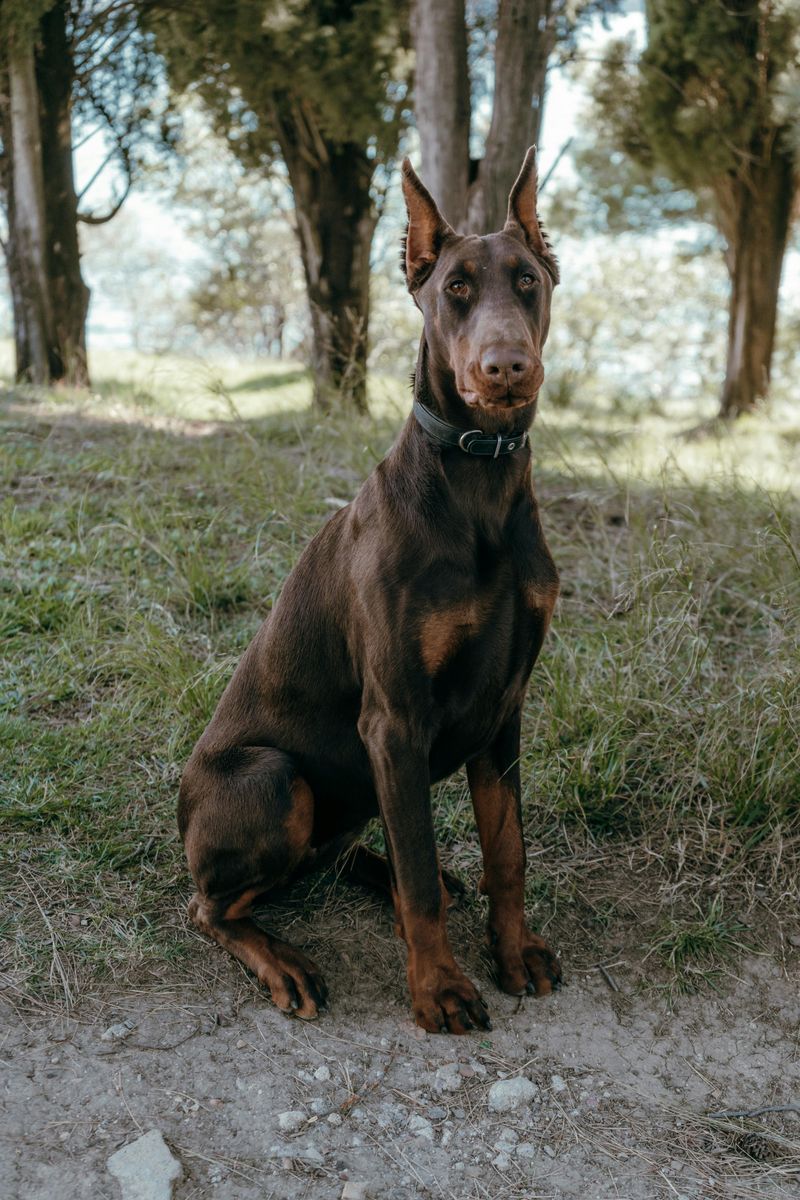
Dobermans are loyal guardians who require leadership, training, and close connection. Long isolation can fuel anxiety, territorial overreactions, and destructive coping behaviors.
They are athletic and sensitive, needing purposeful work and steady guidance to feel safe and civilized.
If you travel frequently, a different breed may fit your life far better. Without time together, expect barking, barrier frustration, and pushy behaviors that escalate.
Dobermans blossom with obedience, tracking, running, and clear house rules. Choose this breed only if you can offer structure, exercise, and shared downtime every single day.
Left alone too much, their big feelings can curdle into suspicion that is hard to unwind. Consistent presence builds trust, responsiveness, and stable on-leash manners in busy neighborhoods over time.