
If your dog treats the vacuum like a rival monster, you are not imagining things. Certain breeds are wired to notice movement, sound, and territory shifts, so a roaring vacuum flips every switch.
The good news is you can turn that chaos into calm with a few training tweaks. Let’s look at the breeds most likely to blow up over the squeaky clean routine, and how to help them chill.
Border Collie
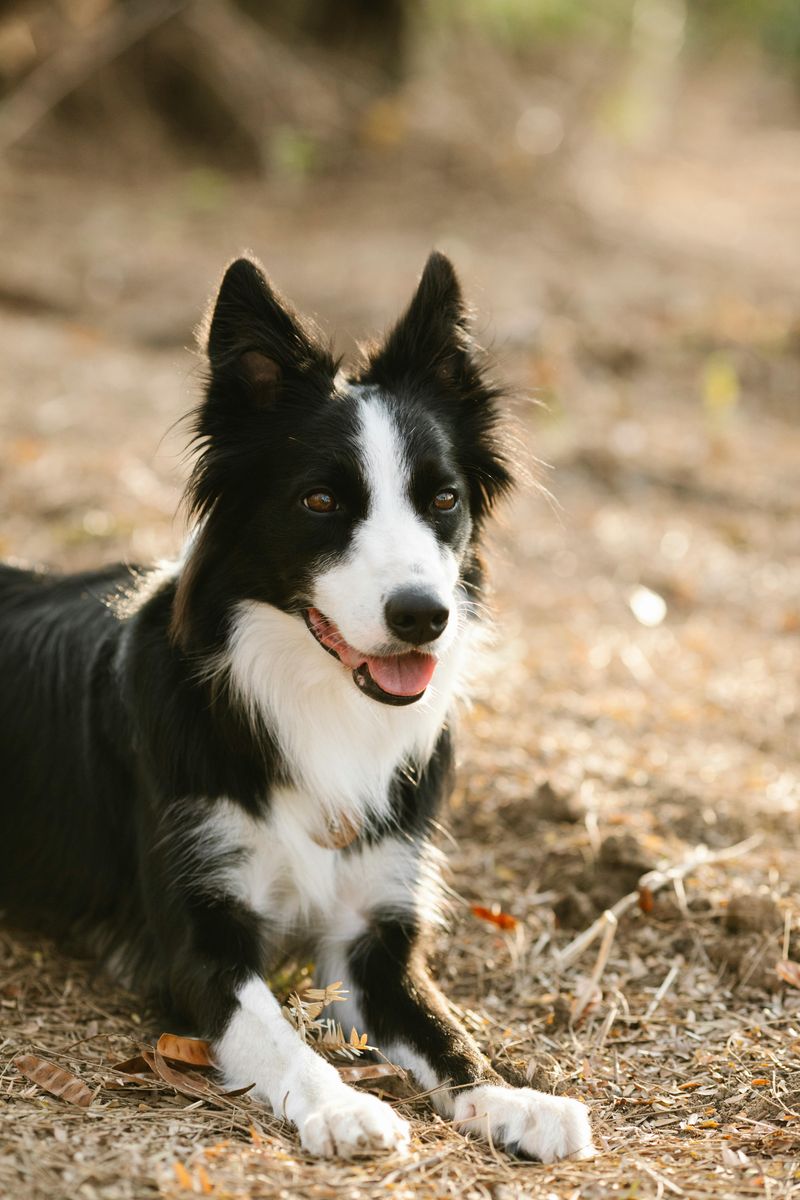
Border Collies notice everything, so the whir of a vacuum sounds like a siren announcing chaos. Sensitive herding instincts kick in, and they try to control the noisy intruder racing across your floors.
You will see eye contact, stalky steps, and quick darts meant to move the machine into acceptable boundaries.
Give them distance, start at low power, and reward calm glances rather than lunges or circling. Scatter sniffable treats away from the path so their brilliant brains focus on scent, not spinny threats.
Short, predictable sessions build trust, and you will reclaim peaceful floors without exhausting their minds.
Use a cue before starting, like tapping the handle. Consistency helps transform panic into predictable background noise.
Progress slow, celebrate tiny wins, and stop early.
German Shepherd
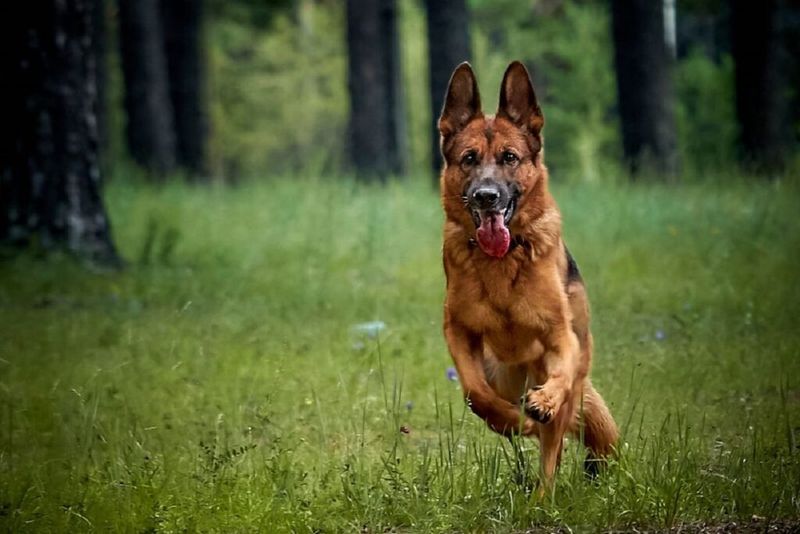
German Shepherds are guardians at heart, so a roaring vacuum feels like a threat invading shared territory. Their big brains analyze movement and noise, and they may park between you and the machine to manage the situation.
Expect alert ears, purposeful pacing, and occasionally a bark that sounds like a cease and desist.
Help them by giving a job, like a down-stay on a mat with steady rewards. Start out of sight, power low, and increase only when breathing and eyes look soft.
Teach a go-to-place cue before cleaning so the routine feels predictable and safe.
Chew toys or snuffle mats nearby channel nerves into productive work. Praise quiet choosing to disengage.
Your calm energy matters most.
Beagle
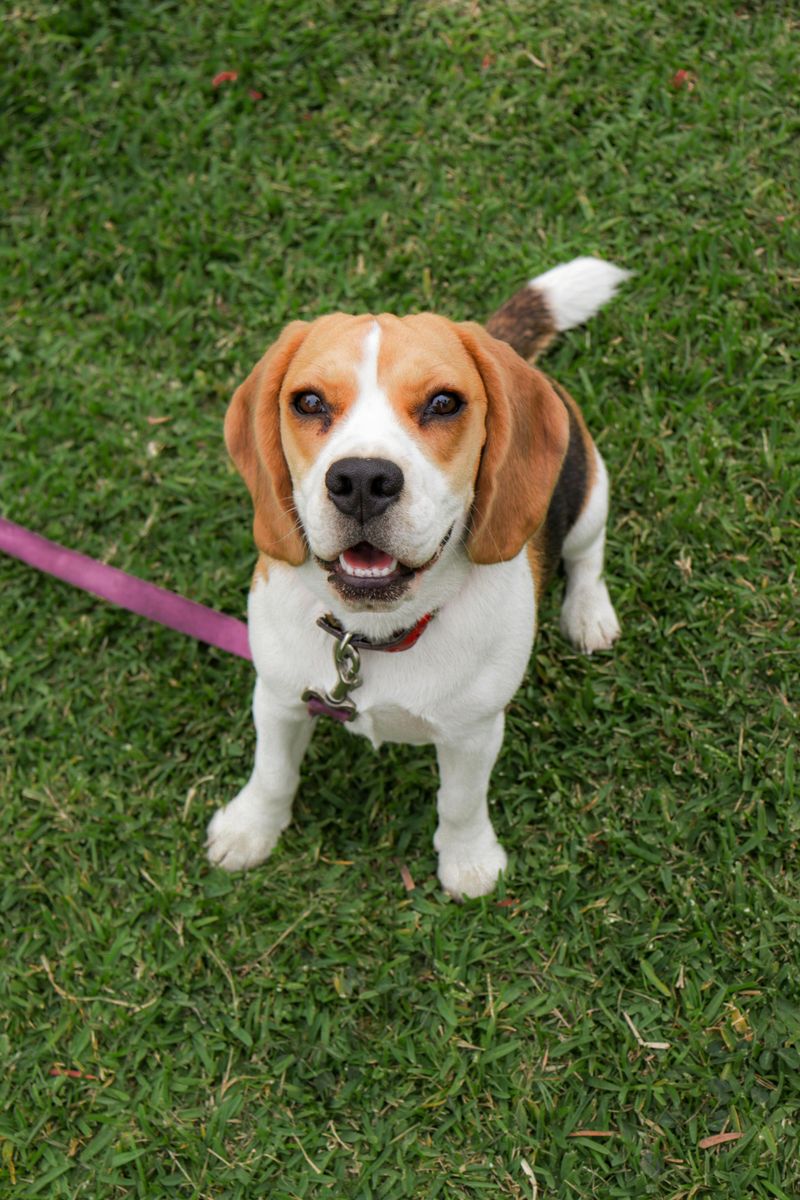
Beagles live through their noses, and vacuums blast a hurricane of swirling scent straight into their curiosity. That storm can tip into yodels and determined tail flags as they track invisible trails underneath the noise.
You might hear classic baying as they announce findings like little scent detectives.
Channel that enthusiasm with scatter feeding before you start. Toss crunchy treats in safe zones so sniffing out goodies beats investigating whirring wheels.
Keep the machine still first, then add brief movement, marking every calm glance away from the action.
Short, snacky sessions make huge progress. If vocals spike, pause and reset the distance.
Soon, the vacuum becomes background while the nose gets a happier job.
Jack Russell Terrier
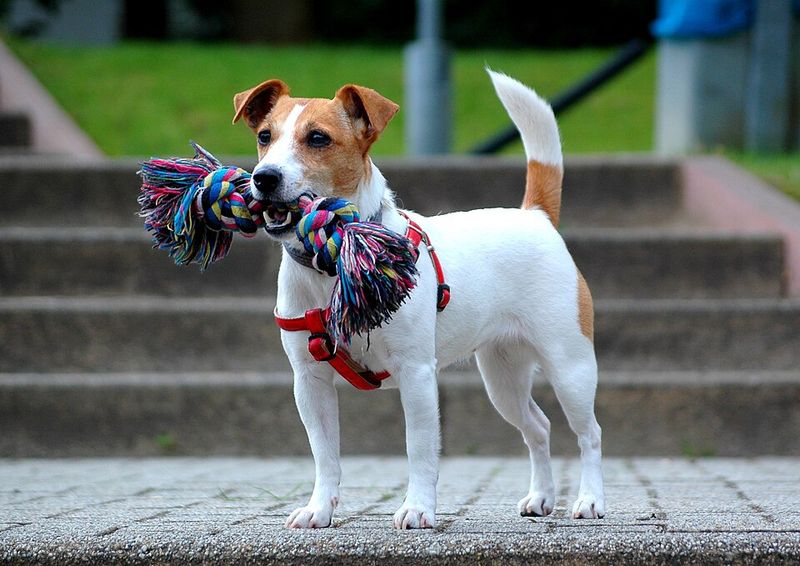
Jack Russells are sprinting comedians with opinions, and a vacuum is basically a moving target begging for commentary. That relentless motor plus quick darting wheels light up prey drive and problem solving.
Cue the pogo jumps, witty barks, and attempted negotiations with plastic nozzles.
Let energy out first with a quick sniff walk or fetch, then train when brains are cooler. Use a tether or stationing mat so choices stay thoughtful, not reactive.
Pair the sound with a favorite tug that only appears when the vacuum does, then disappears when it stops.
Keep reps tiny and upbeat. If arousal climbs, downgrade intensity fast.
You are teaching self control, not endurance sports in your hallway.
Miniature Schnauzer
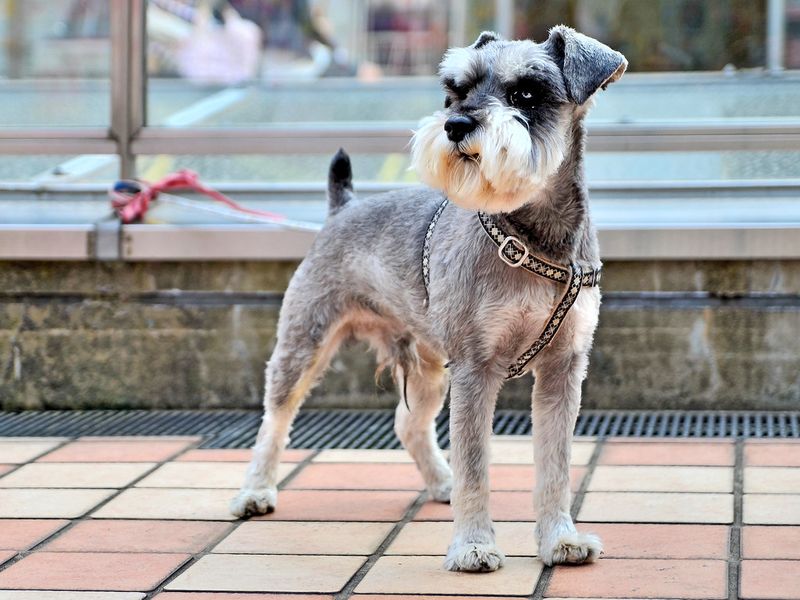
Miniature Schnauzers were bred as farm ratters and watchdogs, so buzzing gear flips both switches at once. Their eyebrows say everything while they track hoses and corners like a stakeout.
Expect a few sharp alerts, careful prancing, and concern about boundary violations under tables and chairs.
Make safety zones crystal clear with a cushy bed and steady treats. Start your machine far away and off, paying calm curiosity before any noise begins.
Then add the hum at low power while feeding a slow treat stream on their mat.
Breaks are your friend. Quit before anxiety spikes, and resume when breathing looks easy again.
Over time, predictable patterns beat surprises, and confidence grows steadily.
Cairn Terrier
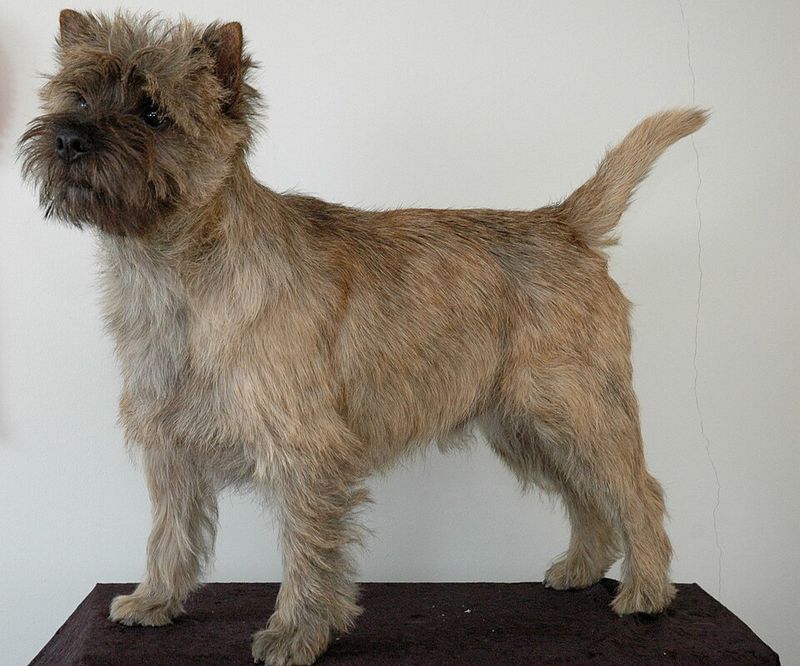
Cairn Terriers are sturdy little guardians who believe household monsters should mind their manners. The vacuum growls, and they answer with stout hearts and scruffy confidence.
You will see determined stares, boxy stances, and quick shuffles to block doorways like tiny bouncers.
Give them agency with a place cue and predictable start rituals. Sprinkle food on a towel “island” where good things happen while the machine wakes up.
Begin with stationary exposure, then slow passes that never invade the island’s edges.
Reward looking away from the threat more than confronting it. Gentle play breaks reset the mood.
With patience, that bold spirit learns the roaring tube is just background drama unworthy of heroic efforts.
Papillon
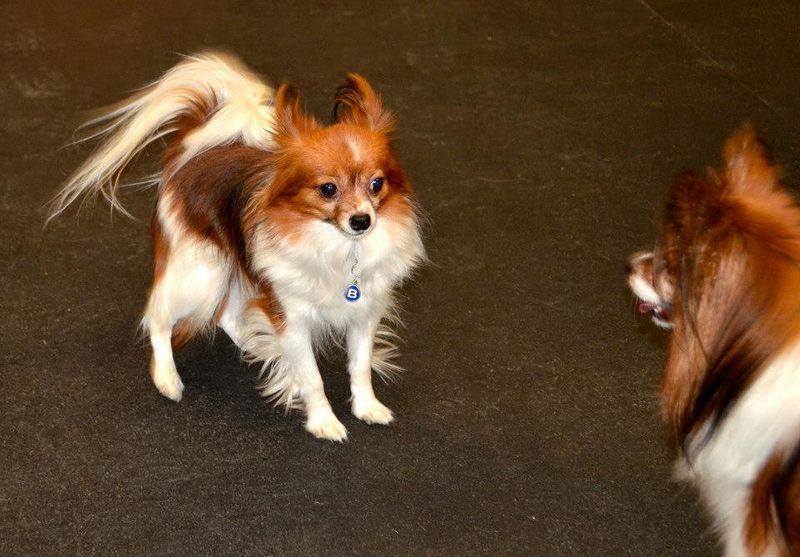
Papillons have satellite dish ears, so a vacuum’s pitch lands like front row seats at a rock show. Sudden on switches can trigger startled springs and delicate dances around the perimeter.
That elegance hides a fierce little thinker trying to decode moving wind and throbbing sound.
Lower volume first with distance and closed doors, paying quiet breaths and soft blinks. Introduce the cordless on the lowest setting while offering licks from a stuffed mat.
Keep passes predictable and wide, steering clear of tails and toe feathers.
Layer cues like all done to mark finishes. Gentle voice, steady pacing, and tiny jackpots for settling will rewrite the soundtrack.
You will protect those butterfly ears while building brave curiosity.
Rat Terrier
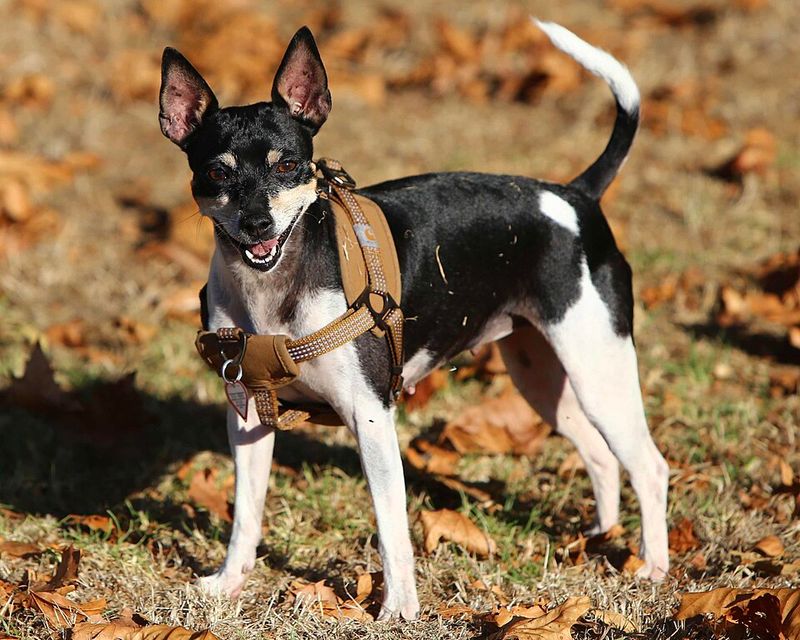
Rat Terriers are sharp, agile hunters, and a vacuum checks every box for chaseable weirdness. The vibration thrums through floors, lighting up muscles and minds at the same time.
Expect scanning, crouching, and a ready spring that begs for a fast pursuit.
Preload the session with nose work games so hunting needs feel satisfied. Then park your dog on a mat, pay calm focus, and power the unit from far away.
Progress only while body language stays loose, mouths soft, and tails rhythmically neutral.
Keep sessions brief and frequent. If fixation returns, you moved too fast, so rewind the plan.
With structure, that intensity becomes a superpower for self control instead of chaos.
Schipperke

Schipperkes are vigilant little captains who patrol every deck of the home. A vacuum or robot invader feels like a mutiny rolling straight through boundaries.
You may see pranced warnings, shadow tracking, and strategic perches to supervise the commotion.
Give structure by parking a comfy lookout away from traffic, then reward quiet observation. Start with the robot off, then on without movement, then slow patterns that avoid the posted watch.
Pair the hum with a chew so jaws work while feet relax.
Use scripted beginnings and endings. Predictability satisfies their need to manage.
Soon, your black shadow will glance, shrug, and promote the machine to harmless crew member status.
Pumi
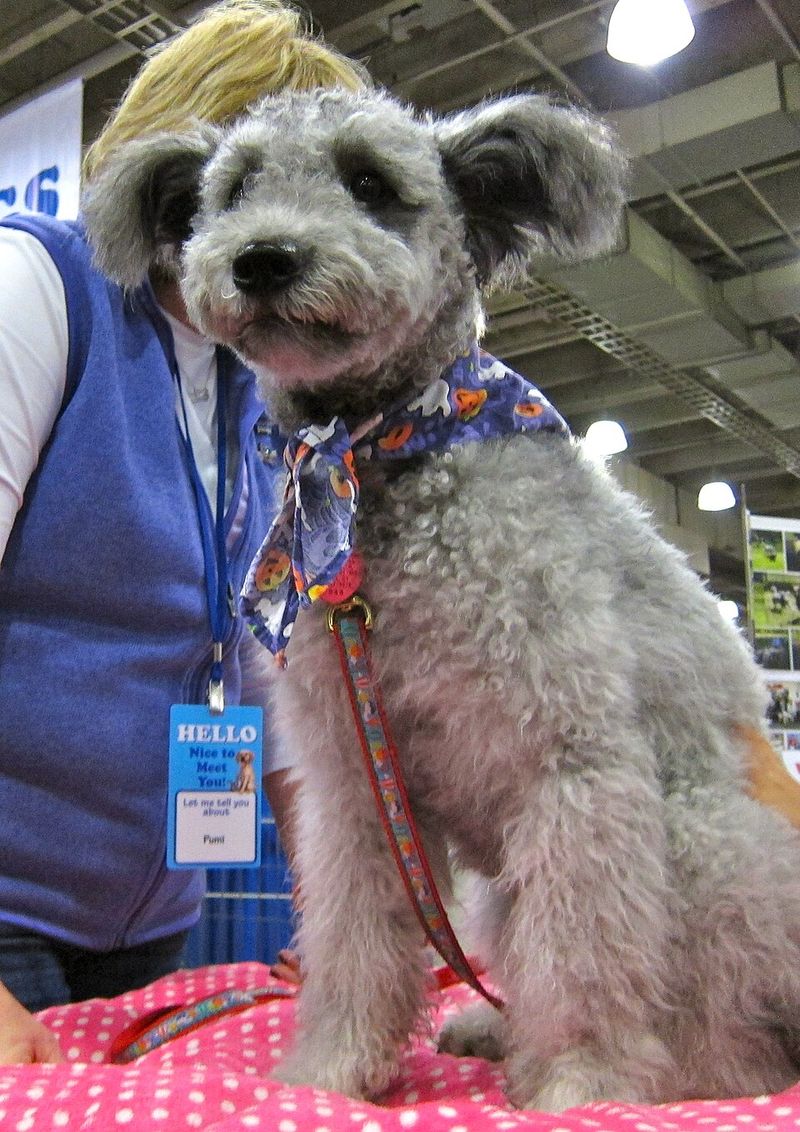
The Pumi’s springy herding style means motion plus noise equals a puzzle demanding immediate organization. Vacuums zig without rules, which offends their tidy instincts and creative problem solving.
Expect bouncy arcs, side eye, and attempts to push the machine into a more respectable lane.
Set a boundary mat and reward rhythmic breathing, ears neutral, eyes soft. Introduce the sound separate from movement first, like playing recorded audio at mealtime.
Then add slow travel while you feed a relaxed down, releasing only when the motor stops.
Trick training after cleanup channels that brainy buzz. Spin, settle, and middle cues build confidence and cooperation.
You will transform busy energy into choreography that keeps your floors and nerves cleaner.
Mudi
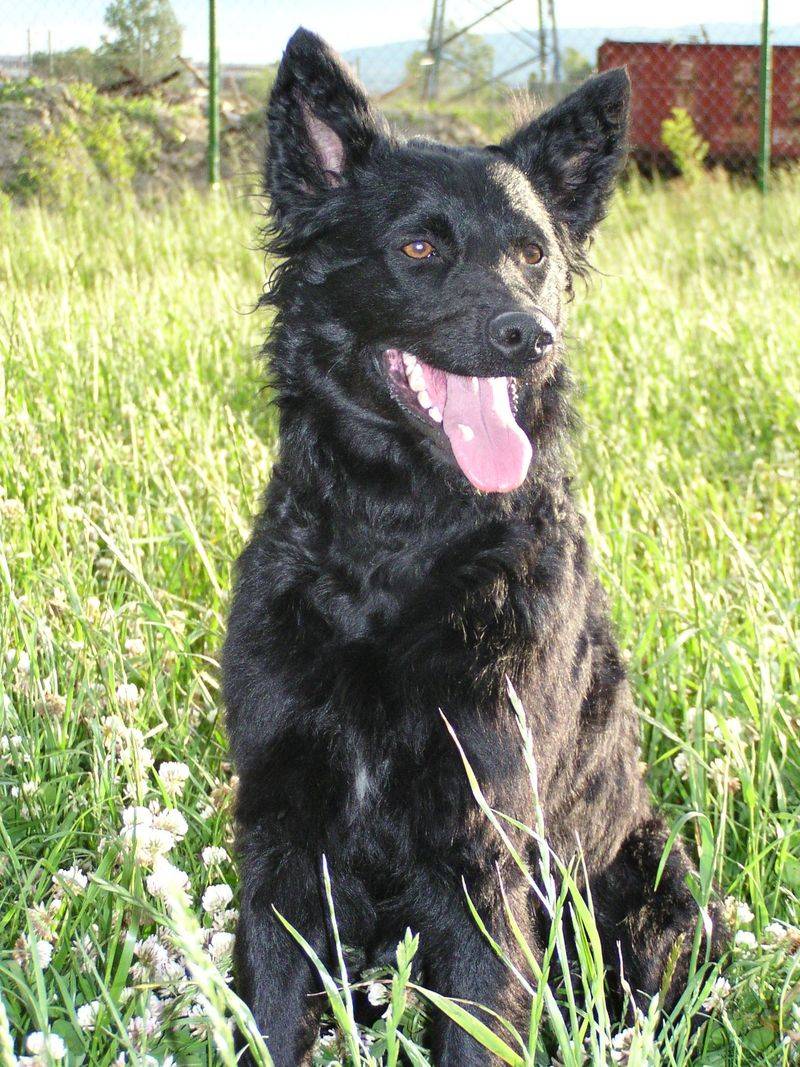
Mudis read micro signals, so the rumble of a vacuum turns subtle vibrations into headline news. Their sensitive nature notices cords, corners, and airflow that other dogs ignore.
You might see focused stillness followed by quick directional bursts to contain the situation.
Train patterned calm by anchoring them on a mat and rewarding stillness first. Turn the machine on across the room, then off, pairing each cycle with a tiny treat.
Add movement later, traveling predictable paths that never clip their comfort zone.
Slow is smooth and smooth becomes confident. Sprinkle decompression sniff time after every session.
With consistency, the vigilant Mudi will downgrade the vacuum from urgent bulletin to everyday weather report.
Finnish Spitz
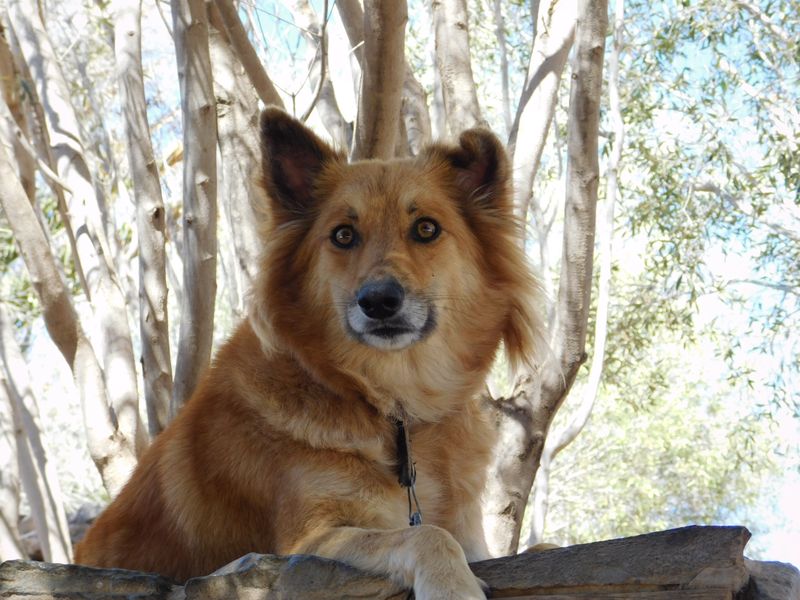
Finnish Spitz are musical communicators, and a vacuum’s drone invites choral commentary. Their keen senses and foxlike vigilance can flip from curiosity to vocal debate quickly.
You will hear expressive yips paired with pacing and proud tails tracing question marks.
Preempt the concert by rehearsing quiet cues with rich rewards before cleaning day. Start with the vacuum parked and silent while practicing settle on a bed.
Introduce the hum briefly, then pay heavily for choosing silence and eye contact.
After a few wins, add careful movement and widen distance when voices rise. Offer a coated lick mat to occupy the mouth productively.
In time, the soundtrack changes from duet to hush, and peace returns.
Toy Fox Terrier
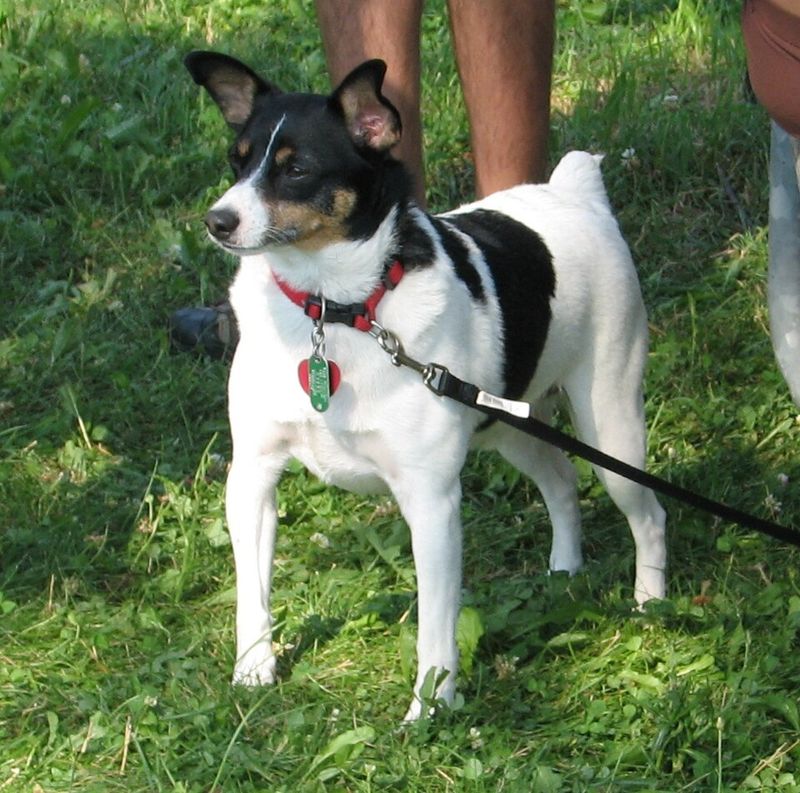
Toy Fox Terriers are tiny, zippy thinkers who notice every twitch and tone. A vacuum is noisy motion with attitude, so they may bounce, bark, and negotiate for personal space.
Expect bold postures on furniture perches while they supervise the ruckus like pint sized foremen.
Set up a safe throne with a chew and teach a stay that pays well. Power the vacuum at a distance and mark relaxed blinks, loose jaws, and slow breathing.
Keep approaches shallow and retreat often so success stacks faster than stress.
Celebrate quiet bravery with tiny jackpots. If sass spikes, end on a win and reset.
You will keep the sparkle while teaching calm confidence around household storms.
Manchester Terrier
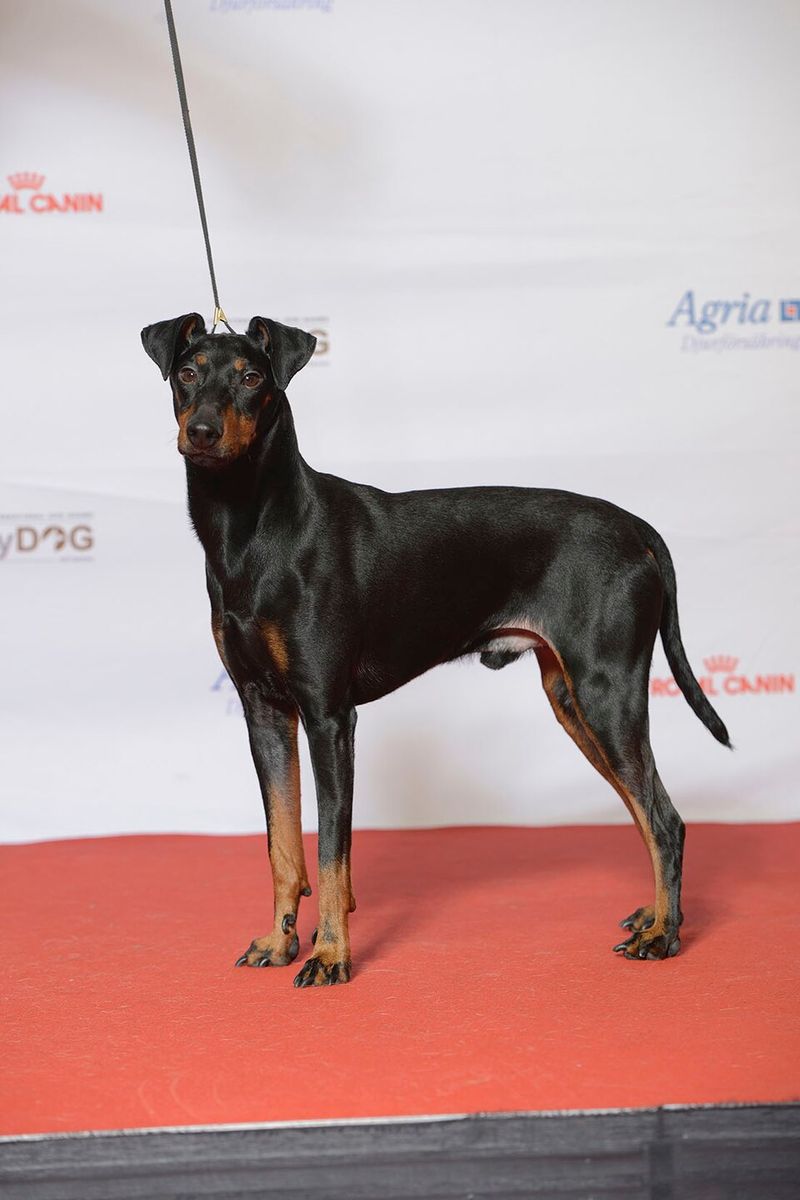
Manchester Terriers are elegant hunters with radar ears and swift reflexes. The vacuum’s rumble reads like a restless critter scuttling across their turf.
That combination triggers scanning, stiff tails, and a ready stance built for sleek interception.
Ask for a down on a designated mat, then pay a drizzle of treats during short noise bursts. Keep the machine slow and distant until posture looks fluid and eyes soften.
Later, practice polite coexistence by moving the vacuum predictable lanes while you feed at intervals.
End sessions with a sniffy decompression walk or puzzle feeder. Confidence grows when choices feel easy.
Before long, the vacuum becomes stage scenery, and your terrier keeps the drama stylishly contained.
Norfolk Terrier
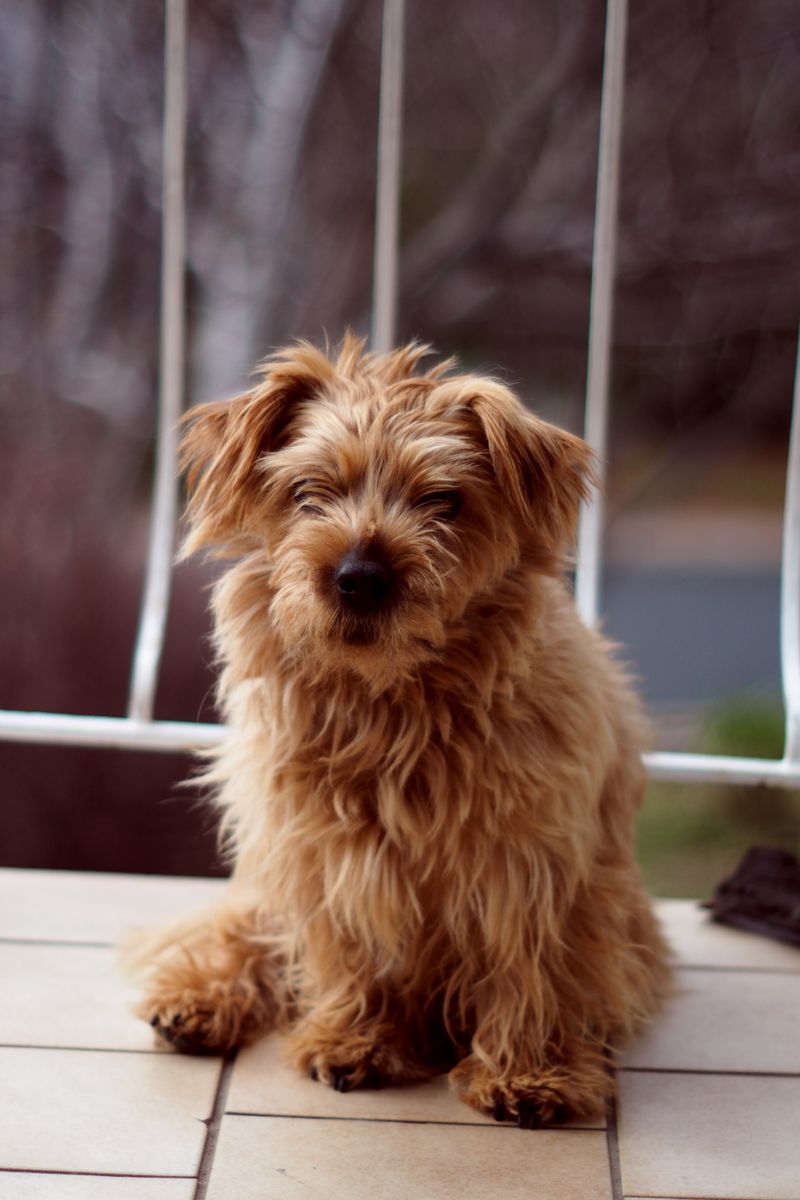
Norfolk Terriers are cheery workers who take household security seriously. A vacuum grumbles, and they volunteer to negotiate peace with sturdy optimism.
You might notice close following, quick sniffs around attachments, and determined little steps to check every corner.
Turn that impulse into a station job on a comfy rug. Feed relaxed breaths, soft ears, and head turns away from the machine.
Begin with the vacuum parked, then hum without movement, finally adding gentle passes that never clip their bubble.
Sprinkle easy wins throughout, then finish with play. The goal is curious and calm, not forced bravery.
Over time, your Norfolk learns the roaring tube means snacks, structure, and zero emergencies.
Welsh Terrier
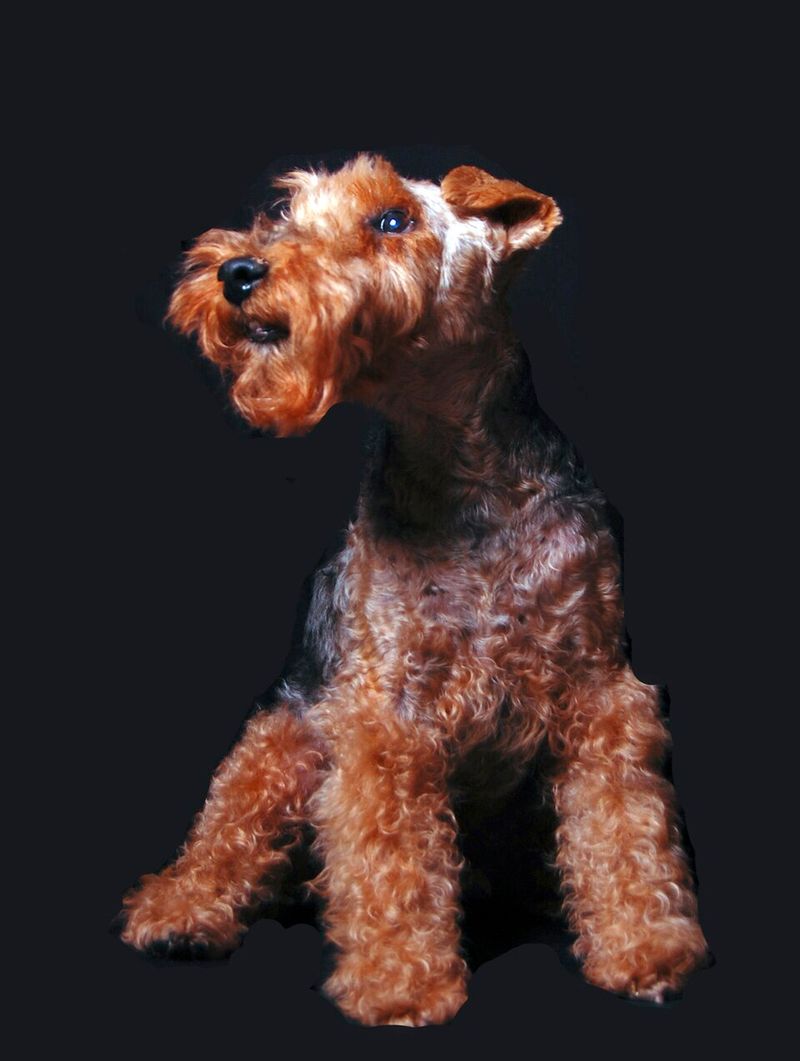
Welsh Terriers love a job, and a vacuum looks like a problem that needs bold handling. The mechanical purr and sudden swivels invite spirited commentary and inspection.
Expect confident approaches, cheeky barks, and jaunty tails mapping the machine’s every turn.
Give structure with a go to mat cue and steady treat rhythm. Start with stillness, then low hum, then slow arcs that respect a safe lane.
Reward choosing to disengage by sniffing a scatter or settling into a chew.
Keep sessions short and upbeat so enthusiasm never tips into frustration. If excitement spikes, increase distance and lower intensity.
Soon, your Welsh will supervise politely while the floors get their well deserved refresh.
Australian Terrier
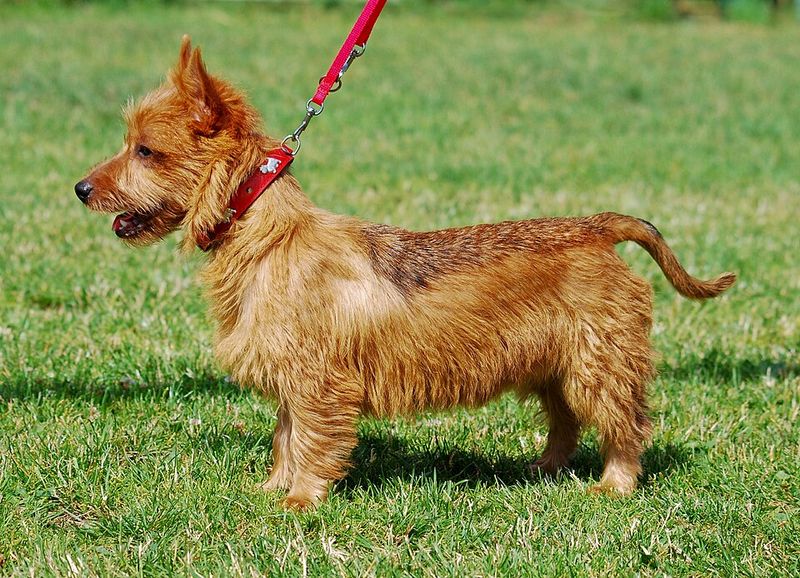
Australian Terriers are hardy, confident little workers who clock every sound. A vacuum rolling through the house reads like a pest with wheels and opinions.
You will see bold forward steps, investigative sniffs, and ready sets to intervene if needed.
Offer a structured job by anchoring them on a mat with steady pay. Turn the unit on far away, then off, teaching that quiet bodies make quiet rooms.
Progress to slow, predictable passes while you reward relaxed ears and soft tongues.
Mix in fun decompression like backyard sniffing or gentle tug after. The contrast teaches balance.
With repetition, your Aussie will tag the vacuum as boring background while keeping that spirited sparkle alive.