
Conversations about pet obesity are getting real, and that is a good thing for your dog. Portion control is not about denial, it is about giving your best friend the energy they need without the extra baggage.
Some breeds show up in these debates again and again because their appetites and body shapes make overfeeding easy. Let us look at the 10 breeds people mention most and how smart portions can keep them thriving.
Labrador Retriever
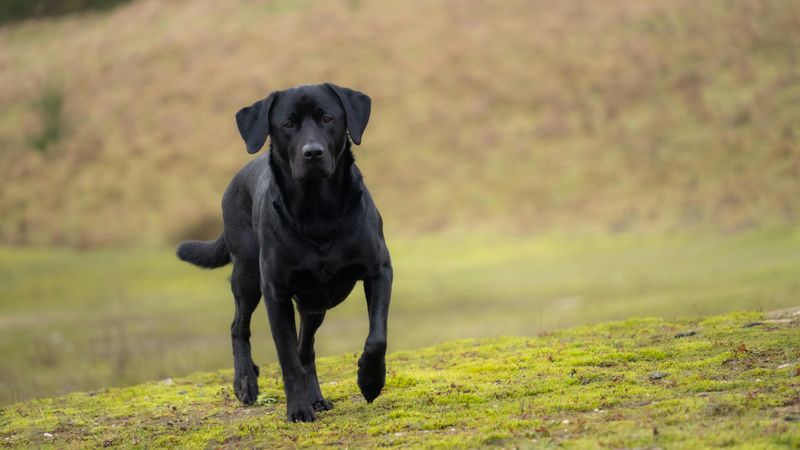
Labradors love food, love you, and will swear they are starving even after dinner. Because they are natural retrievers with high enthusiasm, it is easy to overestimate their daily needs when walks are short.
You will help them most by measuring every meal, not eyeballing scoops, and using scheduled feeding.
Choose a lean formula, aim for high protein and controlled fat, and factor in training treats. Swap part of dinner for veggies like green beans to keep volume satisfying.
If your Lab acts hungry, use puzzle feeders to slow meals and burn mental energy.
Weekly weigh-ins are your friend. Keep hips and waist visible with a gentle tuck.
When in doubt, feed for the body you want, not the pleading eyes.
Beagle
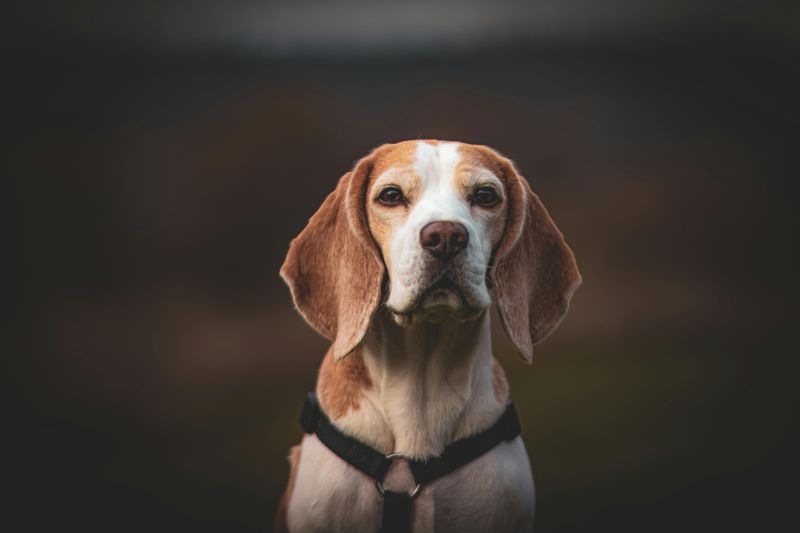
Beagles are scent hounds, which means noses drive everything, including snack quests. Their compact frames hide weight gain until the harness feels tight.
You will win by measuring meals, capping treats at 10 percent of daily calories, and breaking treats into tiny training bits.
Because sniffing is exercise, use nosework games to earn kibble instead of extra snacks. Choose a balanced kibble with moderate fat and plenty of fiber to stretch satiety.
If begging is intense, feed smaller, more frequent portions to smooth hunger swings.
Check the body condition score by feeling ribs with light pressure. A visible waist matters.
Consistency beats hero workouts, so pair brisk walks with measured cups and honest treat math every day.
Pug
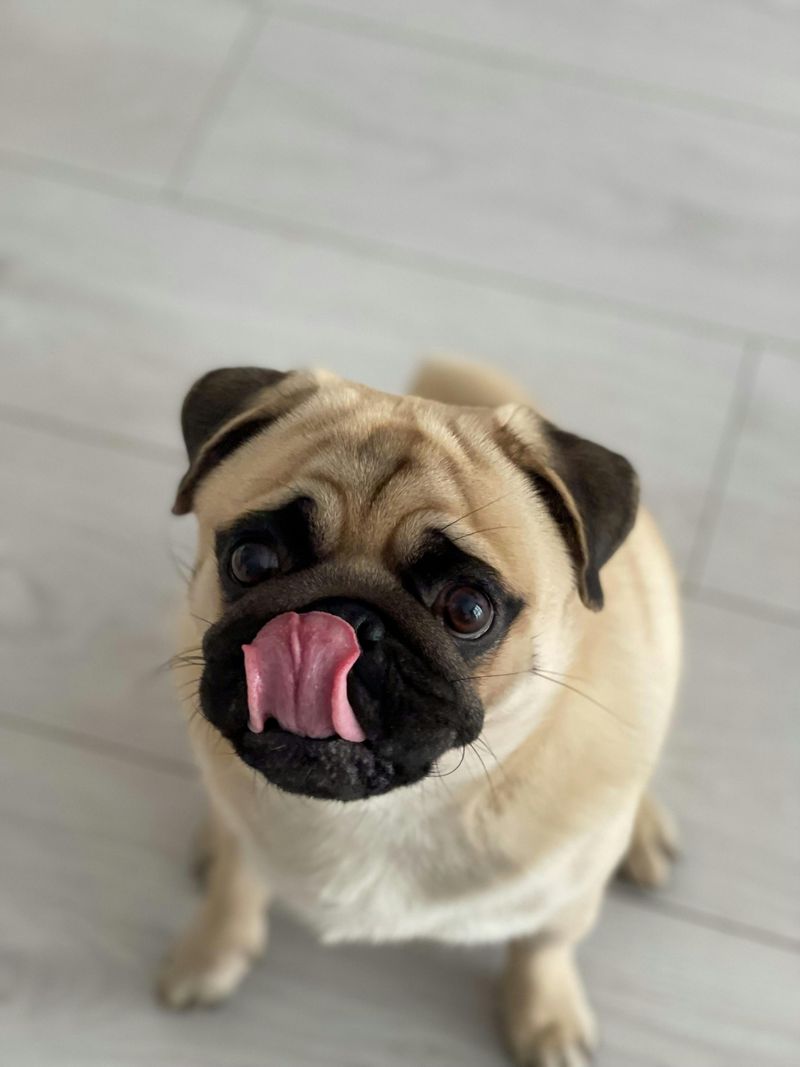
Pugs are charming, round, and persuasive, which makes portion control a daily discipline. Their short muzzles and sturdy build mean extra weight stresses breathing and joints quickly.
You will help most by weighing food on a scale and using slow bowls to pace eating.
Pick calorie-conscious diets to avoid packing dense bites into a tiny frame. Split meals into three smaller feedings to reduce post meal panting.
Trade table scraps for crunchy low calorie snacks like cucumber slices to keep them happy without blowouts.
Watch for a defined waist and easy rib feel. Keep exercise gentle but regular, with short, frequent walks.
When Pug eyes plead, remember health first, and let portion control be the love language.
Dachshund
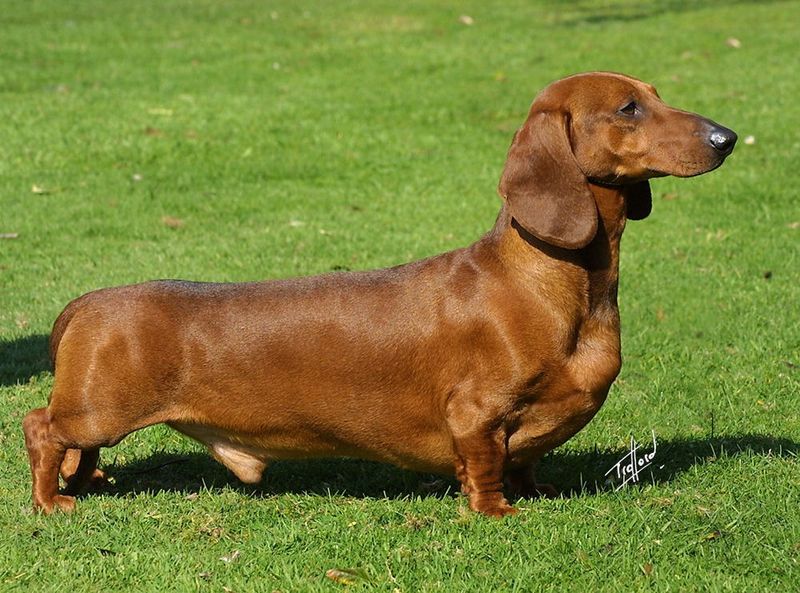
Dachshunds carry long backs on short legs, so every extra ounce stresses their spine. Portion control is not negotiable when preventing intervertebral disc issues.
You will do best by keeping treats minimal and meals measured to the gram, not the scoop.
Choose a lean diet and avoid free feeding. Use low platforms for bowls so they are not jumping at mealtimes.
Replace starchy snacks with crisp veggies and use enrichment toys to spread calories across play sessions.
Check their silhouette from above for a clear waist and avoid stair sprints after eating. Short, frequent walks protect joints while maintaining muscle.
Keep calories honest, and your doxie’s back will thank you with steady, springy steps.
Bulldog
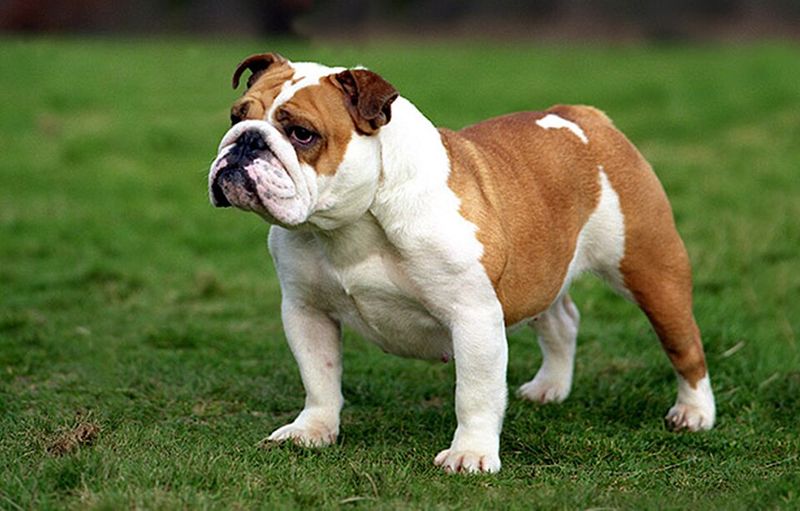
Bulldogs are lovable couch magnets, and calories out rarely match calories in without a plan. Their stocky build hides gain, then breathing and skin folds suffer.
You will make the biggest difference by choosing controlled calorie food and weighing every portion.
Use slow feeders to prevent gulping and post meal discomfort. Keep treats soft and small to protect teeth while limiting calories.
Schedule short, steady walks and indoor games instead of intense bursts that overheat easily.
Watch the tail pocket and neck folds for signs of weight creep. Ribs should be palpable beneath a modest fat layer.
Tighten portions first before chasing miracle workouts, and you will see comfortable steps and calmer breathing return.
French Bulldog
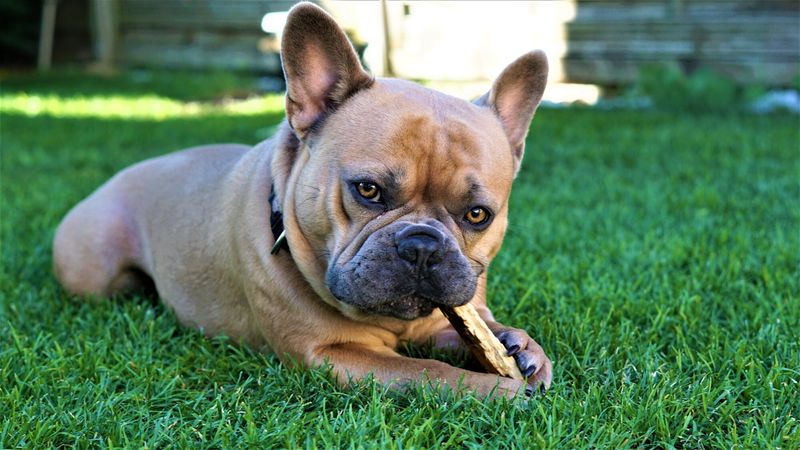
Frenchies bring big personalities in compact packages, so portion slip ups show fast. Breathing effort and joint strain rise with each extra pound.
You will help them thrive by using measured meals, low fat recipes, and consistent, gentle activity.
Break daily calories into three feedings to reduce begging and bloating. Choose treats with simple ingredients and count every bite toward the daily total.
Use lick mats or puzzle feeders to stretch mealtime without extra calories.
Feel for ribs under light pressure and check for a tapered waist. Keep walks short but frequent, avoiding heat stress.
When the charm offensive begins at the table, remember that smart portions add years and comfort to your Frenchie’s life.
Cocker Spaniel
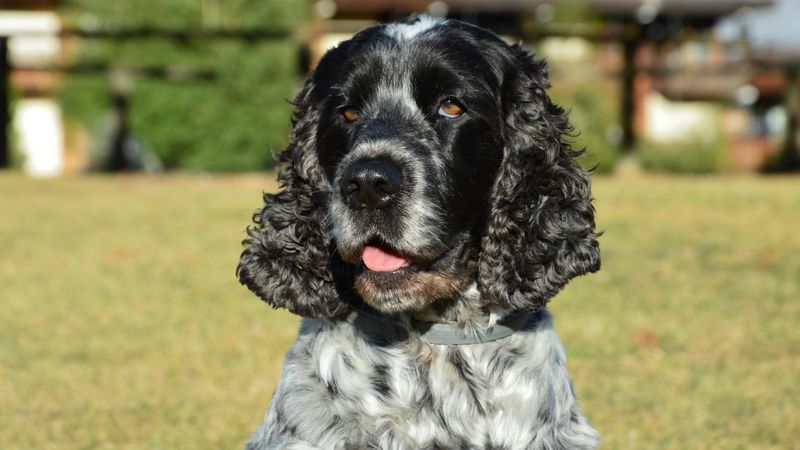
Cocker Spaniels adore food and affection, and both can add up on the scale. Their feathered coats can hide gain, so rely on hands, not eyes.
You will succeed by weighing meals, limiting high fat treats, and using training rewards as part of the calorie budget.
Choose a balanced diet with joint support, because extra weight strains hips and knees. Keep ears dry at mealtimes by using narrow bowls and tidy portions.
Swap biscuits for carrot coins to maintain volume without calorie spikes.
Check ribs weekly and look for a defined waist behind the ribcage. Daily brisk walks paired with scent games keep minds busy.
Consistency around portions turns that wag into healthier, longer lasting energy.
Basset Hound
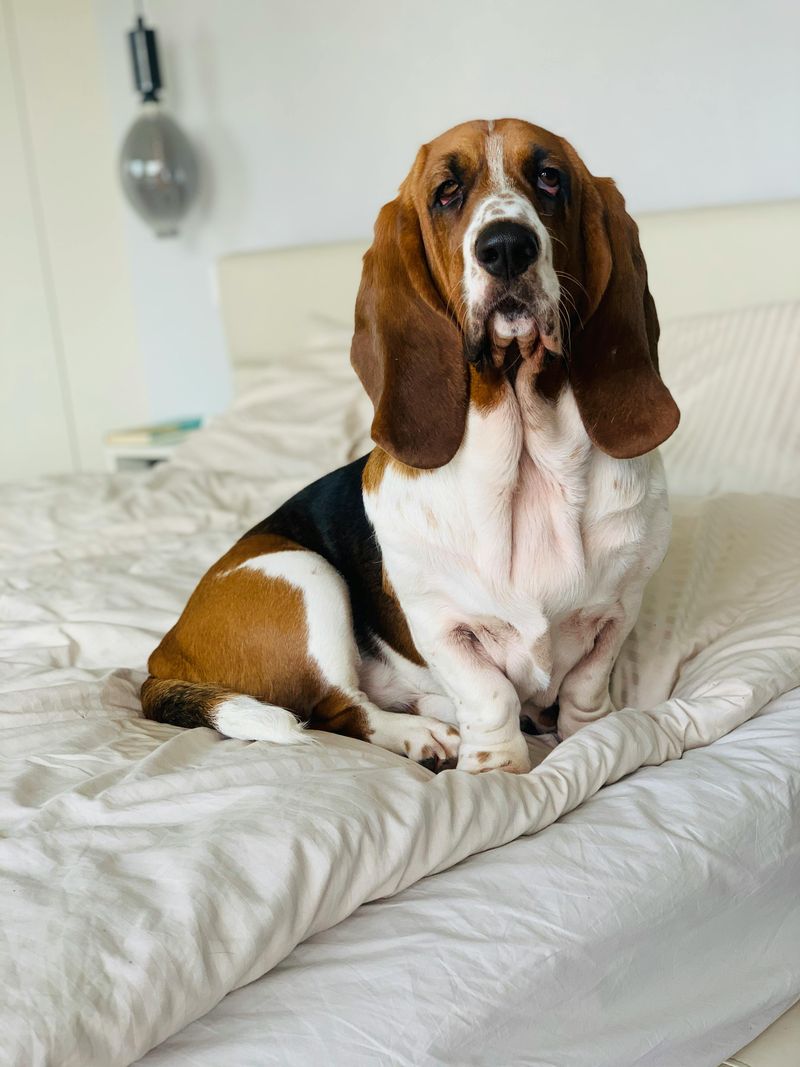
Bassets have heavy frames and low slung bodies, so extra weight stresses joints and elongates backs. Their soulful eyes make seconds hard to refuse.
You will stay on track by using a food scale, setting strict treat limits, and pacing meals with slow feeders.
Opt for higher fiber kibble to boost fullness without extra calories. Replace table scraps with crunchy vegetables and use scent walks to earn portions.
Keep bowls elevated slightly to support posture and reduce strain.
Ribs should be easy to feel and a waistline visible from above. Short, steady walks beat marathon days.
Portion control is kindness here, helping those sturdy legs carry comfort and curiosity through every sniff filled adventure.
Rottweiler
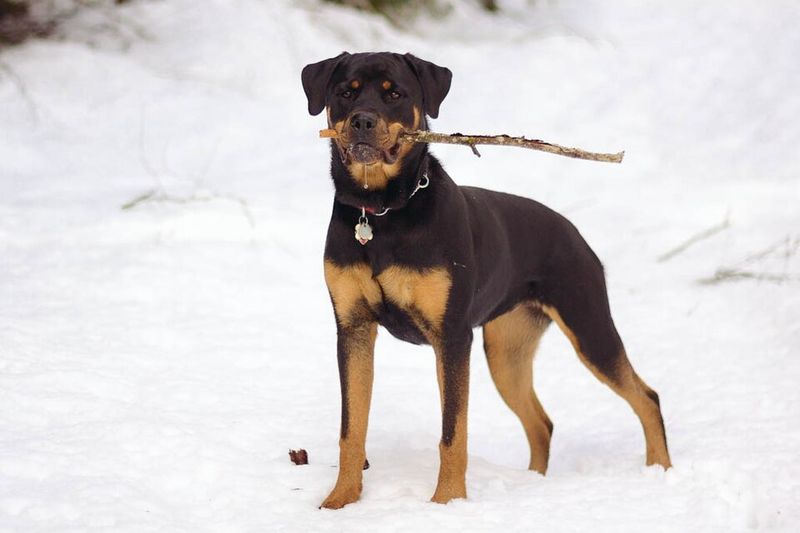
Rottweilers are powerful athletes, and excess weight can mask muscle while straining hips and elbows. Portion control keeps strength without sluggishness.
You will do best by calculating calories for ideal weight, not current bulk, and weighing food precisely.
Choose high protein diets with moderated fat and joint support. Count training rewards toward daily totals, using tiny pieces for big results.
Pair measured meals with structured exercise, like controlled fetch or steady trotting beside you.
Check ribs through a light fat layer and ensure a clean waist and tuck. Avoid free feeding and late night extras.
Honest portions protect joints and keep your Rottie ready for work, play, and calm confidence every day.
Golden Retriever
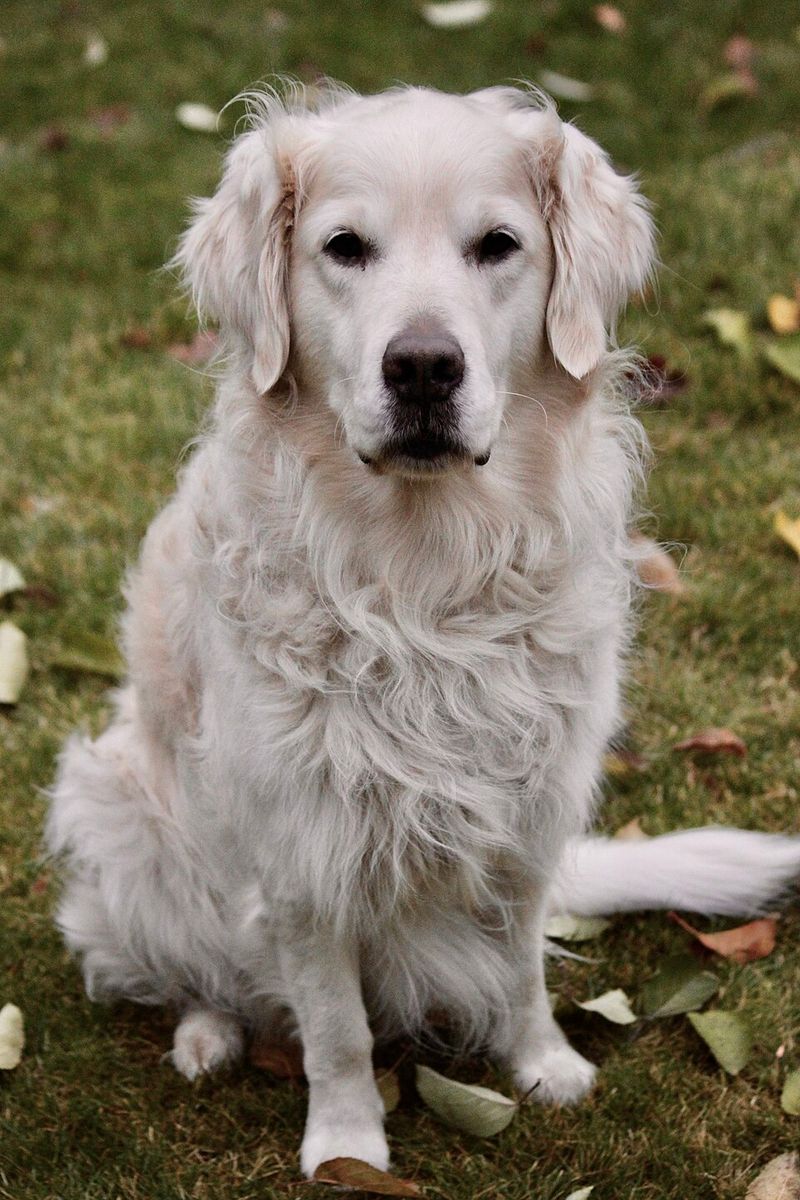
Goldens shine when lean, with energy and joints thanking you for every smart scoop. Their friendly appetite can balloon quickly if exercise dips.
You will stay ahead by measuring every meal, capping treat calories, and using veggie add ins to keep bowls satisfying.
Pick foods with quality protein, controlled fat, and omega support for skin and coat. Use slow feeders to curb gulping and make meals last.
Reserve part of dinner for training to avoid double counting.
Feel ribs easily and watch for a gentle abdominal tuck. Keep daily movement consistent, from swims to brisk walks.
With honest portions and steady routines, your Golden keeps that joyful stride without the extra baggage.