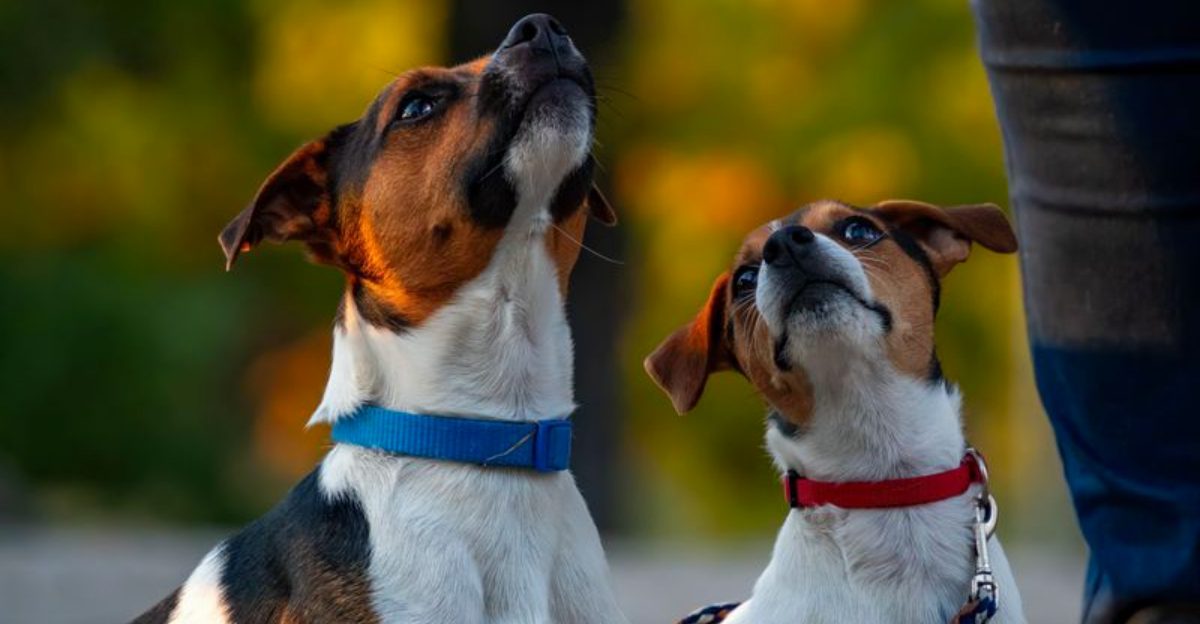
Letting a dog run free feels magical until instincts kick in and your recall turns invisible. Some breeds were practically born to chase distractions that you will never see coming.
Others act like detectives, following one scent to the next without checking back. If you have one of these pups, smart prep can keep freedom fun and safe.
Siberian Husky
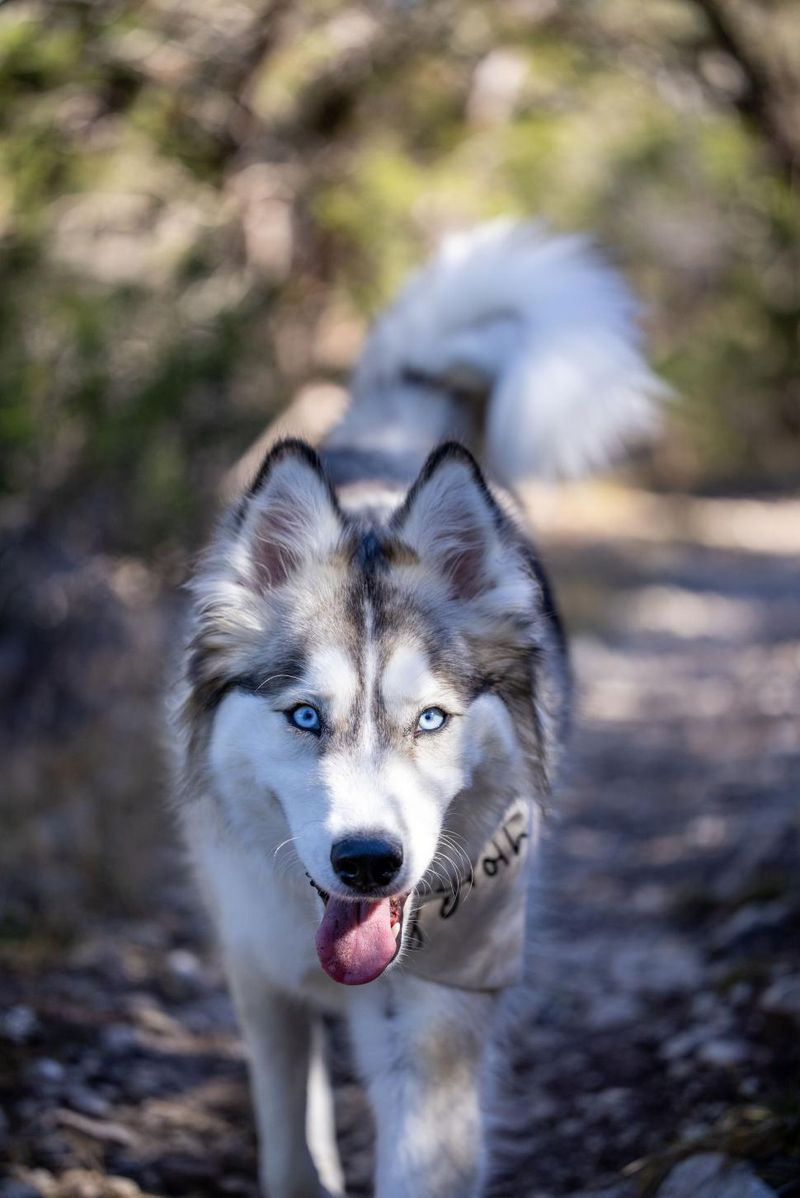
Snow born stamina and a catlike sense of independence make Huskies thrilling and terrifying off leash. They read the horizon like a poem, and a flicker of movement can flip a hidden chase switch.
Recall feels optional to them when wind, scent, and open space promise adventure.
To stack the odds, practice rocket fast recalls in low distraction areas, then proof with distance, duration, and novelty. A long line, GPS collar, and automatic reinforcement games help keep choices aligned with you.
If they do slip away, do not chase. Turn, cheerfully retreat, and let curiosity reel them back.
Schedule decompression sniff walks and controlled sprints each week to drain that engine before freedom, and skip twilight wildlife windows near trails.
Beagle
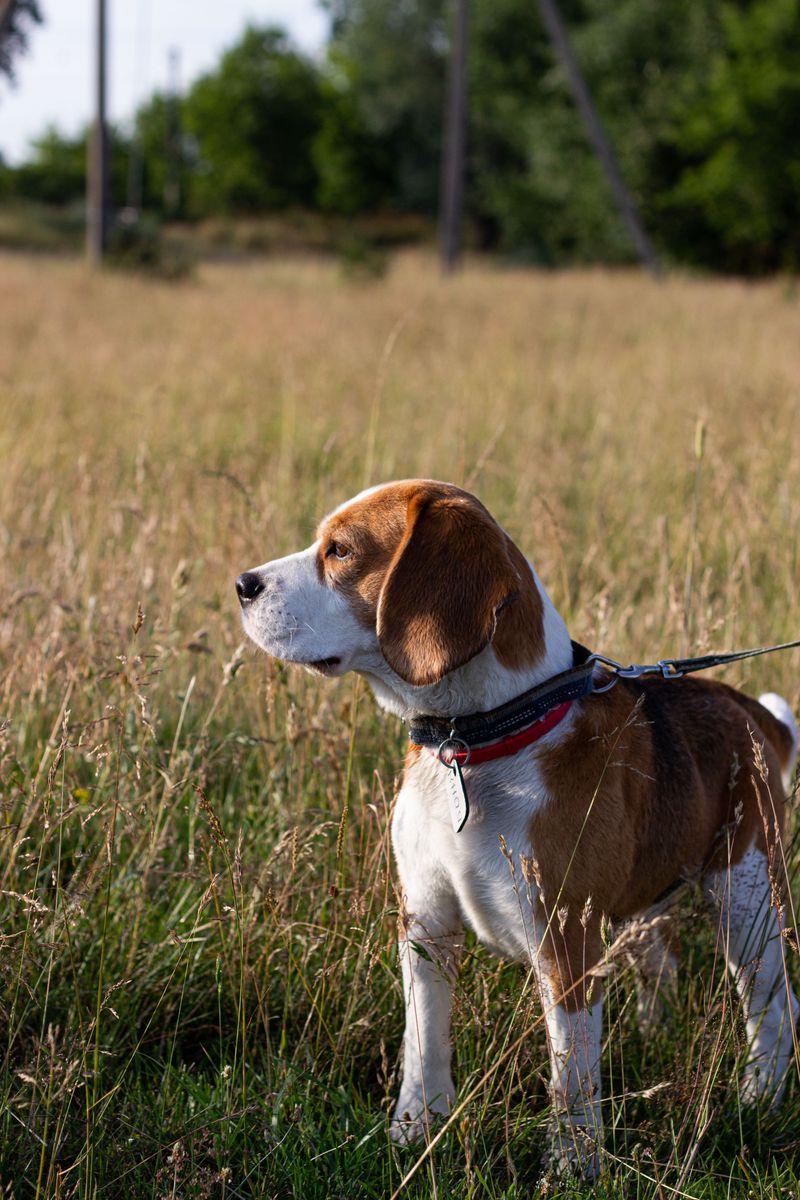
Beagles hear with their noses, which is exactly why off leash feels like shouting into a fragrant tornado. Once that scent ribbon catches, the world narrows, and your call becomes background music.
They are cheerful, friendly, and gloriously busy following invisible stories written across the ground.
Work with the nose, not against it. Build sniff stations, scatter feeds, and recall to a scent party that beats whatever path they found.
Train check ins by rewarding head lifts from scent with jackpots. Use a long line in new areas and pair a whistle cue with high value pay.
Keep walks structured early, then earn freedom in stages so success stacks naturally rather than relying on luck.
Afghan Hound
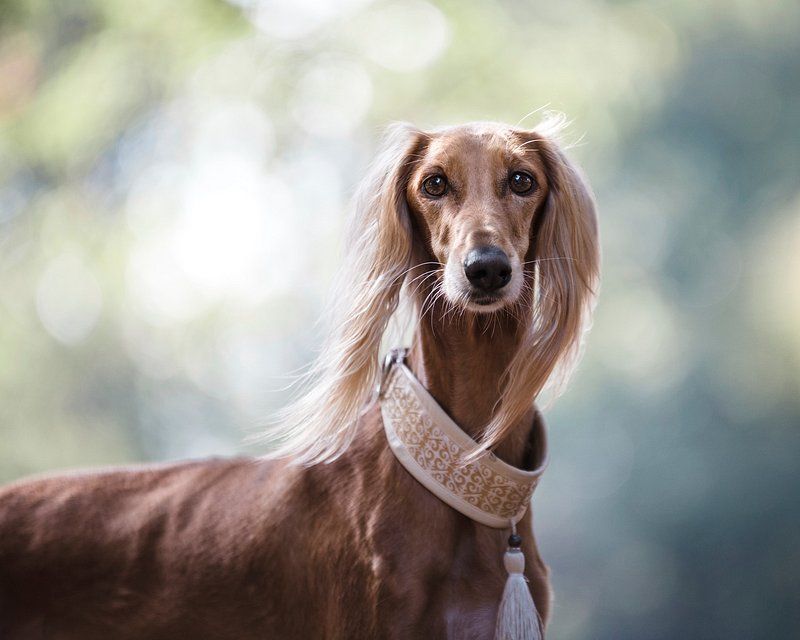
Afghan Hounds float like silk on wind and think like artists, which complicates off leash plans. Sight triggers dominate, and a moving speck can flip them from daydream to warp speed.
Once they arc into a chase line, they commit with poetry and power that ignores ordinary cues.
Lean into beauty with structure. Train a conditioned whistle recall that predicts roast chicken every single time.
Practice on a long line in huge fields, rewarding for orienting and micro turns toward you. Use sprint intervals to empty the battery before freedom moments.
Keep sessions short, success heavy, and end on a win. If pursuit ignites, drop low, cheer, and move opposite so curiosity outpulls distance without turning it into a game of chase.
Basenji
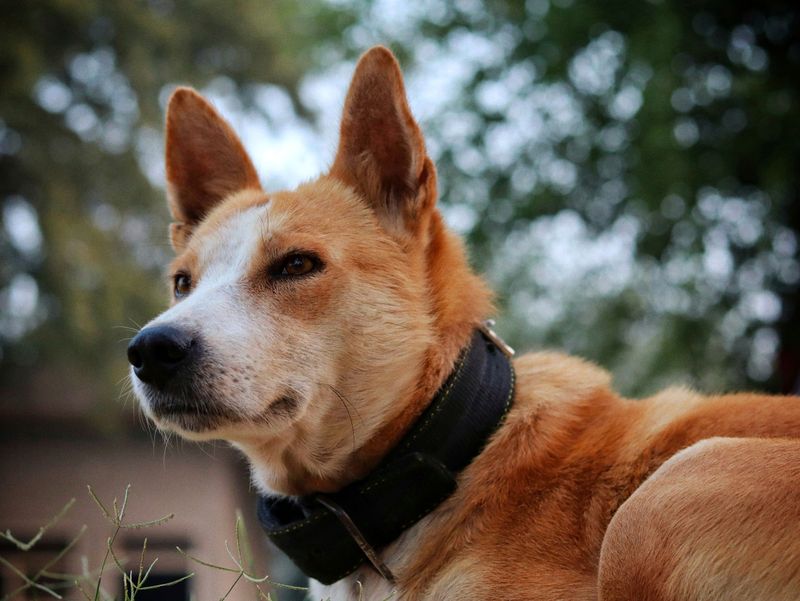
Basenjis are fox quick, cat neat, and emotionally private, which means off leash requires respect for their autonomy. They clock patterns fast, then decide whether your request is worth it.
A rustle in brush is a story they cannot stop reading, especially when novelty and motion collide.
Make yourself the plot twist. Teach a rocket recall paired with a squeaky party toy and warm food.
Reinforce orientation every time those eyes flick your way. Use varied routes, surprise games, and short freedom windows so the world never outbids you for long.
Practice silent recalls too, using gestures that you charge with pay. A secure field, biothane long line, and patience keep the adventure joyful rather than stressful for everyone.
Shiba Inu
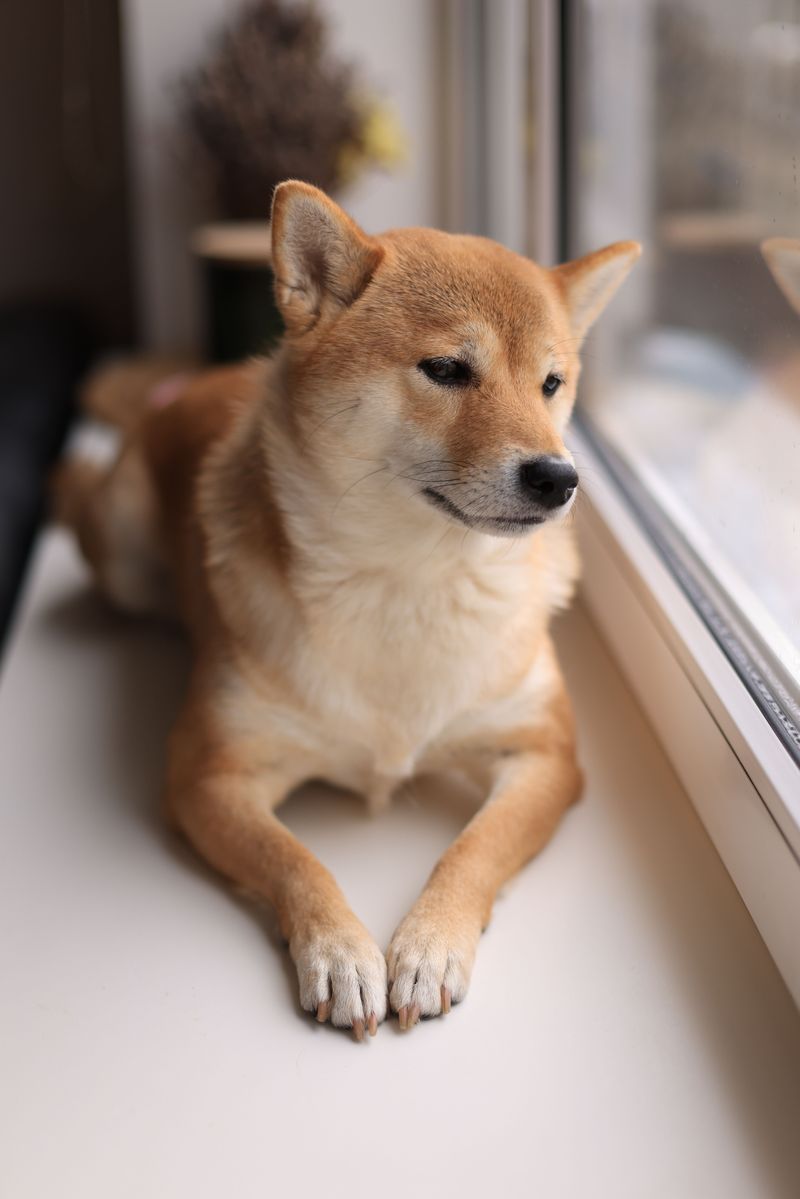
Shibas carry CEO energy in a fox suit, and that confidence can morph into selective hearing off leash. Their curiosity is sharp and their independence sharper, so a darting squirrel or clattering leaf can outweigh your best treats.
They also dislike being grabbed, which complicates urgent moments.
Invest in consent and choice. Teach a hand target that feels like a win, not a capture.
Pay generously for voluntary check ins and allow controlled sniffs to keep the ledger balanced. Start freedom in fenced fields using a long line as a drift cord.
Pair whistle recalls with immediate, amazing reinforcement. Rotate rewards so novelty stays on your side.
If tension rises, take a reset walk, then split the challenge into smaller, solvable slices.
Jack Russell Terrier
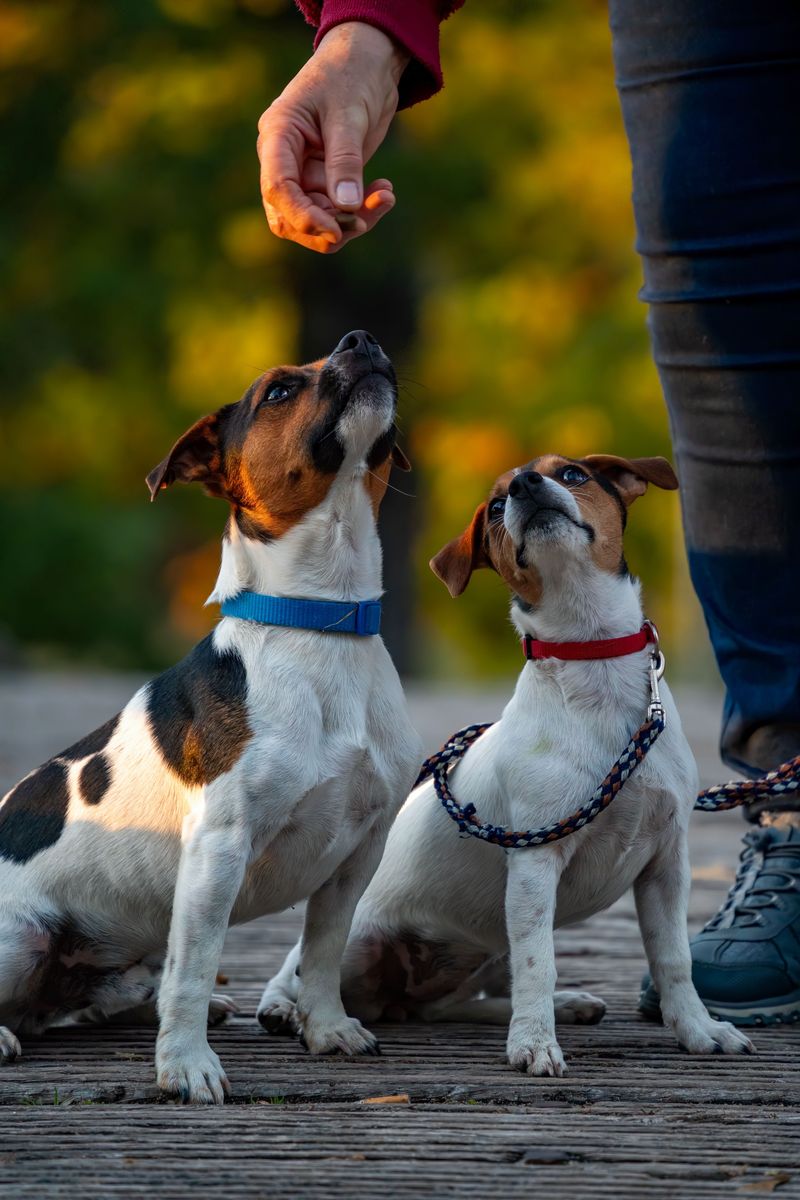
Jack Russells are spring loaded enthusiasm wrapped around a tiny hunter. Off leash, their problem solving brains and go go drive can outpace your plans in seconds.
Rodent rustles, low bird flights, and moving shadows all read as invitations to party somewhere else immediately.
Channel that party into you. Build tug and fetch with fast returns, then slot recalls between throws.
Use multiple markers, like a whistle for emergency and a word for casual check ins. Reinforce honestly with meat and play, not dry cookies.
Practice down from motion, then pay huge when they slam the brakes. Keep sessions quick, snappy, and end before boredom bites.
A GPS tag adds insurance, while structured sprint lanes bleed off the fizz safely.
Dachshund
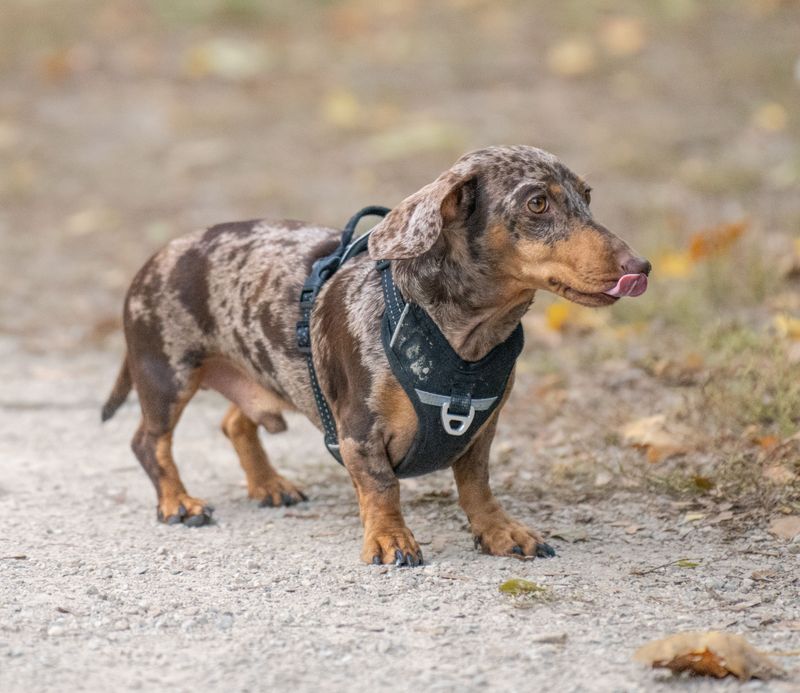
Dachshunds were engineered to go forward into tunnels after stubborn quarry, so off leash recall competes with ancient job wiring. That nose pulls like a magnet, and tight spaces can swallow them from sight.
They are bold, funny, and determined to finish whatever mystery they start.
Build a habit of frequent paid check ins before the scent needle swings red. Scatter feeding and tracking games scratch the itch under your supervision.
Use a lightweight long line in brushy areas, and teach a whistle that means jackpot instantly. Reinforce coming into harness for safety and comfort.
Keep freedom short, then leash up for decompression sniffs. Predictability keeps confidence high while your training history grows strong enough to test bigger adventures.
Alaskan Malamute
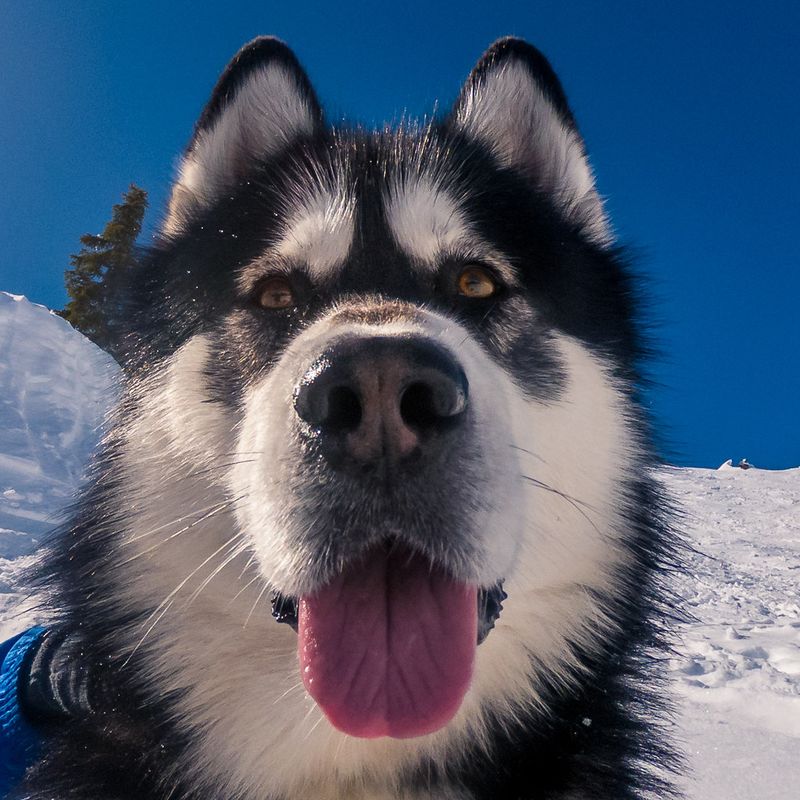
Malamutes are freight train hearts with friend energy, and momentum is their favorite language. Off leash, that momentum turns a mild distraction into a full adventure.
They are strong, persistent, and generally unimpressed by repeated cues once adrenaline climbs.
Plan for success, not luck. Condition an emergency whistle that predicts steak and unleashed tug.
Warm up with structured heel bursts and impulse games before freedom. Use long lines in new places and proof recalls at increasing distances.
Pay big for the first head turn, then the first step, then arrival. Keep sessions short and celebratory.
If they lock on something, interrupt early with movement and play. Map safe open areas, and skip busy hours when excitement spikes beyond your current training pay grade.
Saluki
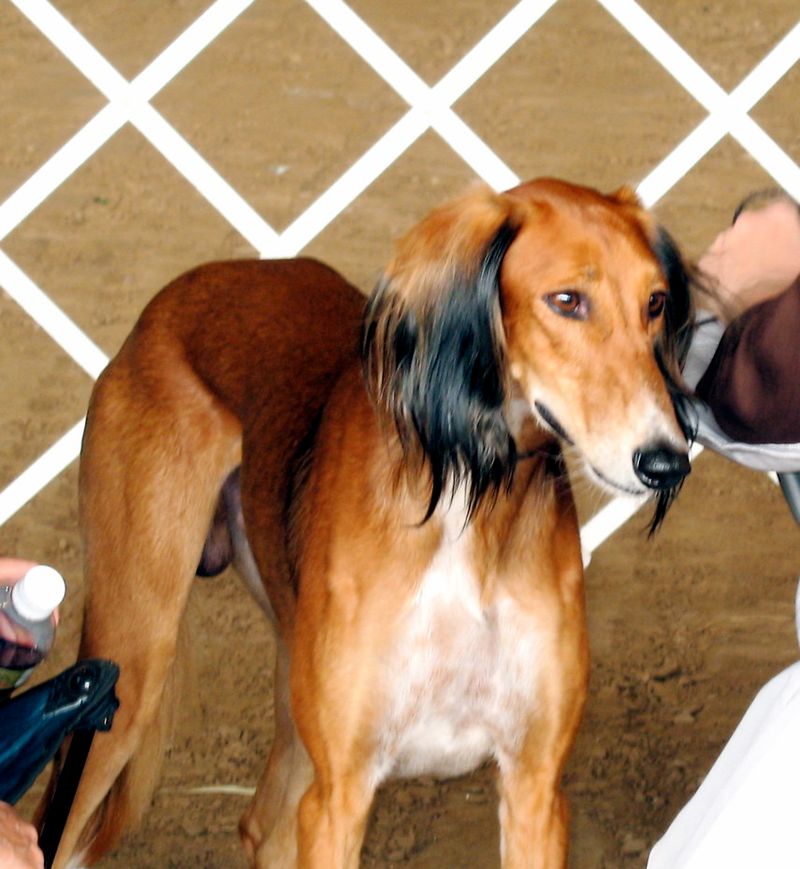
Salukis are poetry in motion with radar for movement at impossible distances. Off leash, they can slide from calm to comet the second a hare lifts.
Their chase is silent, focused, and fueled by centuries of selection for speed and independence.
Respect the athlete. Use secure fields to build recalls that start with orientation, not full speed arrivals.
Pay for looking back, then for micro curves toward you. Train a conditioned whistle and a quiet hand signal for windy days.
Pre run sprint intervals, then sprinkle freedom in tiny windows while success remains easy. Keep a long line as insurance until responses feel reflexive.
If pursuit begins, do not yell. Change direction with upbeat movement and make yourself the more interesting target.
Borzoi
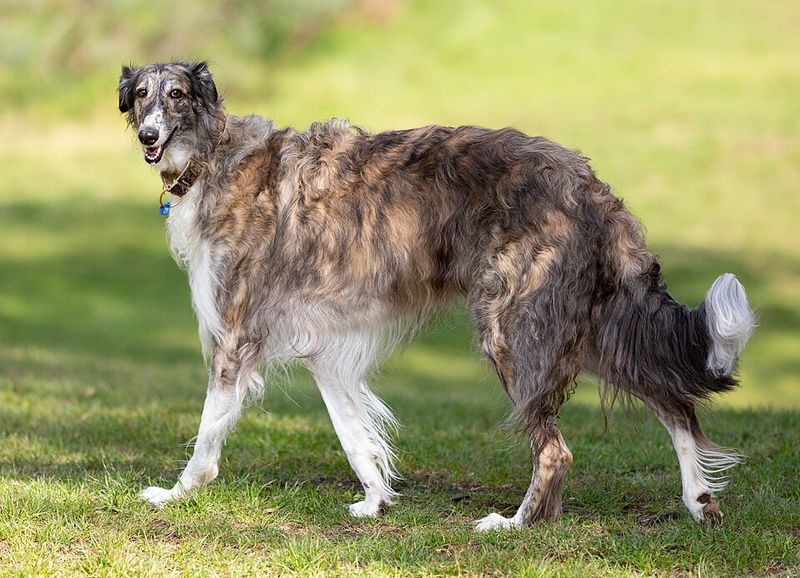
Borzoi float through fields like polite ghosts, then detonate into astonishing speed if something stirs. Off leash, their distance sensitivity and independent nature can blunt ordinary recalls.
They are gentle, thoughtful, and easily absorbed by the big picture rather than whoever is calling behind them.
Teach recalls as a chain of wins. Mark any orientation, then reinforce arcs toward you with food and play.
Use a whistle for clarity over distance and wind. Practice in massive spaces on a drag line so mistakes stay safe.
Keep sessions elegant and brief, always ending while attention remains warm. Add predictable sprint outlets and decompression walks to keep the engine quiet.
Confidence grows when the environment rarely outpays your celebration.
Whippet
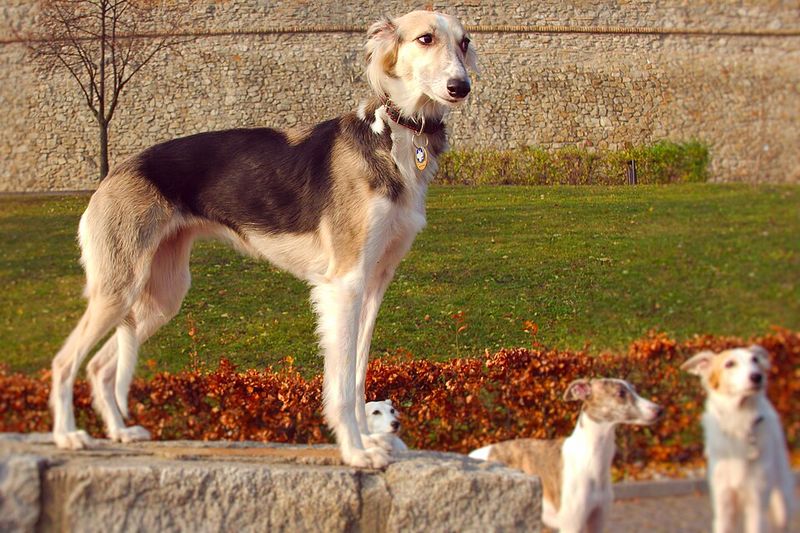
Whippets are soft at home and lightning outside. Off leash, a gull shadow or bouncing ball can spark an instant sprint that outruns your voice.
They decelerate nicely with practice, but the first step happens fast.
Warm up with chase channeling games like restrained recalls into a toy. Pay huge for the first orientation and arrival, mixing food with chase play.
Build a whistle emergency recall you never use casually. Keep early freedom in contained areas, then stretch distances with a biothane long line.
Layer decompression sniffs after sprints so arousal tapers safely. Protect those fine skins with well fitting gear and choose safe footing.
Stay cheerful and predictable, and your dog will start checking in by habit.
Bloodhound
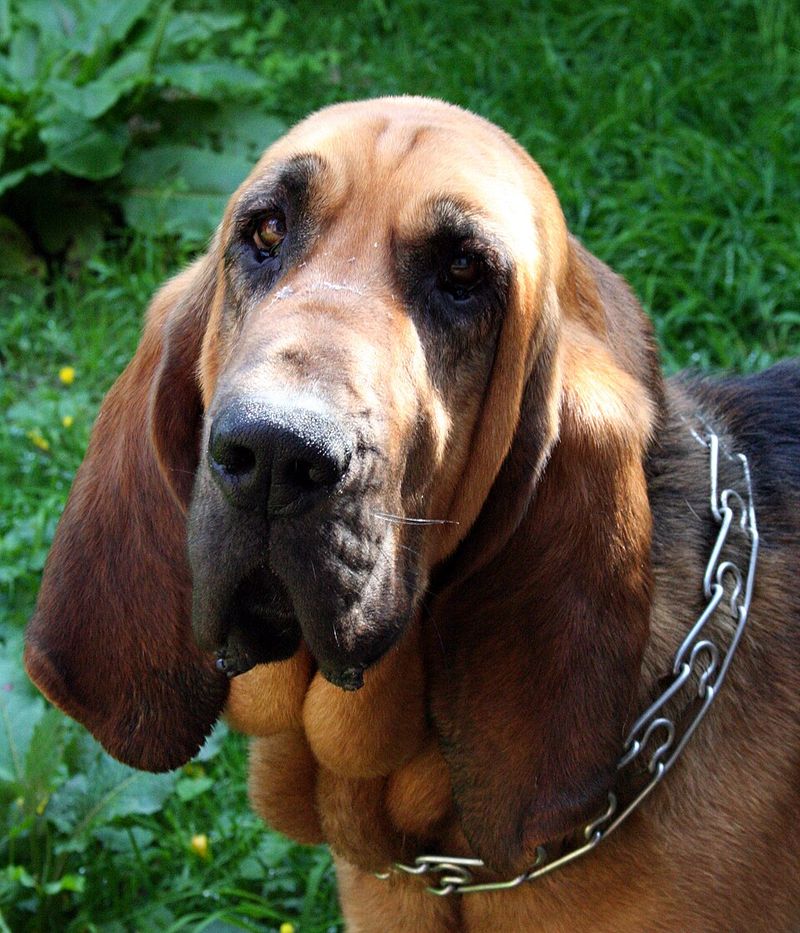
Bloodhounds are scent scientists, and an off leash call competes with a doctoral thesis in progress. Once they lock a trail, they can forget the world, pulling methodically and powerfully.
They are sweet, sensitive, and stubborn in the most endearing way.
Make coming back the shortest route to continue the hunt. Recall to a jackpot, then release to sniff again so reinforcement matches their priority.
Use harnesses and long lines to manage power safely while training. Build check ins at scent corners, paying orientation and pauses.
Teach a whistle for clarity and use high value food they rarely get otherwise. Structure freedom in low wildlife areas first, then gradually add complexity.
Celebrate honesty and never punish returning, even after detours.
Treeing Walker Coonhound
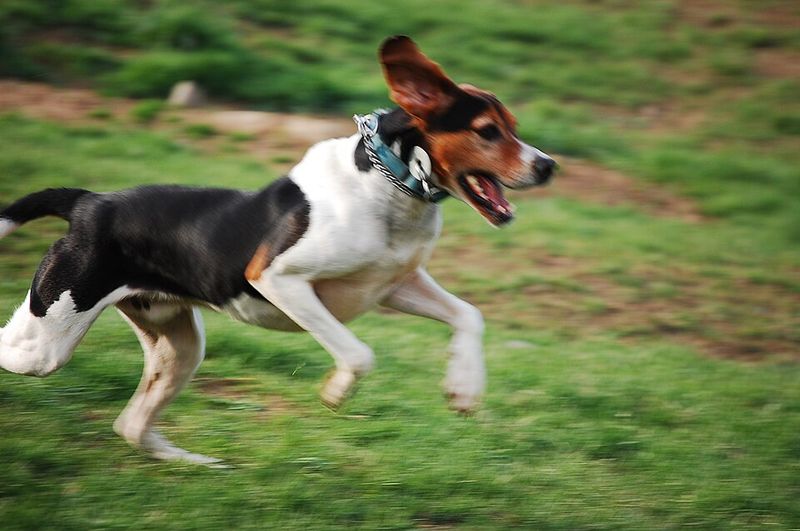
Treeing Walker Coonhounds are purpose built for pursuit that ends at a tree, and that purpose does not check your calendar. Off leash, air scent and distant movement wake a mission they are thrilled to complete.
They are affectionate partners but job focused when the story heats.
Work with instinct. Teach a recall that pays in food, play, and a quick release back to sniff.
Practice call off from exciting tracks at easy levels first. Use a long line for months, not weeks, while building reliability.
Layer in a whistle cue for emergencies and celebrate arrivals like a festival. Choose open areas with clear sight lines.
End on success and keep your cool, because calm leaders get calmer dogs.