
You picture a perfect off-leash stroll, but your dog spots a squirrel and suddenly you are sprinting. Some breeds have instincts that flip from calm to chase in a heartbeat.
Understanding that drive helps you keep adventures safe and fun. Let’s explore the breeds most likely to turn a quiet walk into a high-speed pursuit so you can plan smarter.
Greyhound
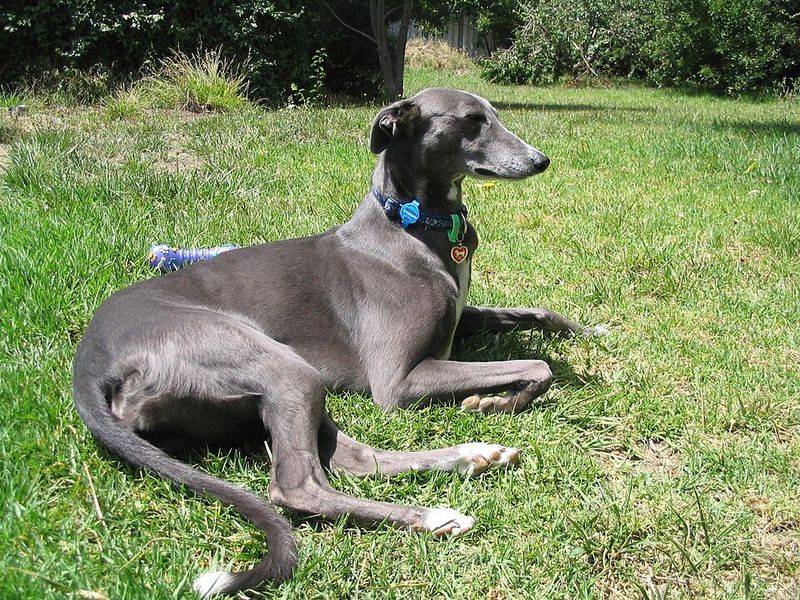
Greyhounds look gentle and sleepy at home, yet their chase switch is lightning fast. If something small moves, the pursuit instinct can override recall, no matter how sweet their temperament.
You will need secure fencing and a long line while practicing recall under distractions.
Short, intense bursts of running satisfy their need for speed. Use flirt poles, lure coursing, and controlled sprints to drain that rocket fuel safely.
Muzzles during high-arousal play can protect thin skin and prevent nips when excitement spikes.
Calm decompression walks, snuffle mats, and structured rest help balance energy. Teach rock-solid check-ins and practice disengagement from moving objects.
Gentle, predictable routines keep your elegant sprinter grounded and responsive.
Whippet
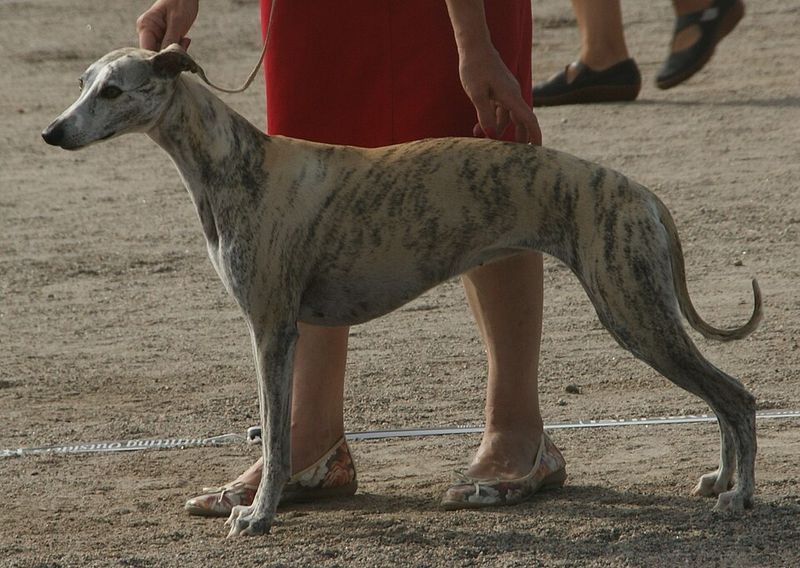
Whippets are pocket rockets with a silky stride and sensitive hearts. Their eyesight locks onto motion and suddenly you are holding an empty leash.
Expect recall to dissolve if a rabbit zigzags across the path, especially in open spaces.
Prevent problems with fenced fields, long lines, and high-value games that reward returning. Lure coursing or sprint sessions give them a safe outlet for speed.
Keep sessions short to avoid over-arousal and to maintain responsiveness.
At home, they are snuggly couch ornaments, thriving on warmth and gentle handling. Use pattern games to rehearse calm check-ins.
When in doubt, manage the environment, because practice chasing only makes them faster and more determined.
Borzoi
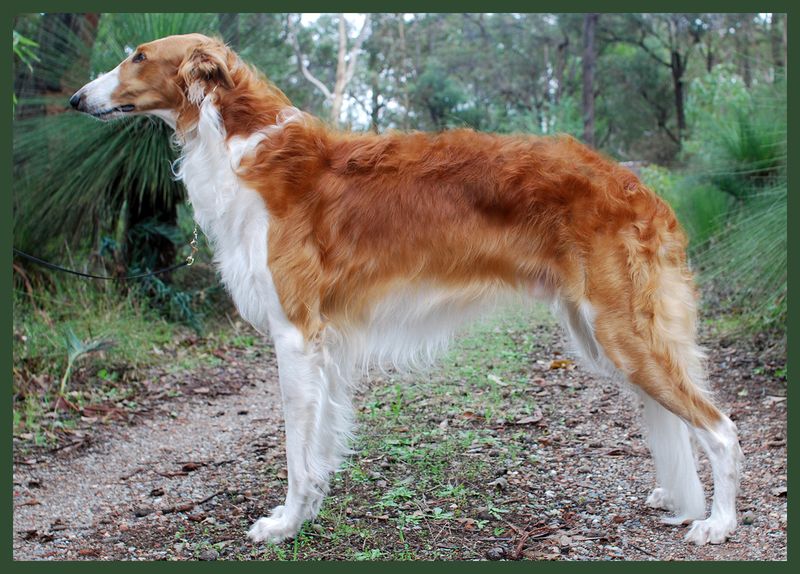
Borzoi are aristocratic sight-hounds with astonishing acceleration. Their long legs and keen eyes make them master chasers across open land.
Once the pursuit begins, auditory cues often vanish behind instinct, so off-leash freedom requires serious caution.
Train a fluent emergency stop and reinforce calmness around motion. Practice at a distance from triggers, slowly closing the gap only when your dog remains thoughtful.
Fenced fields, long lines, and predictable routines protect progress and safety.
They are sensitive souls who dislike harsh corrections. Use soft voices, tasty rewards, and clear boundaries.
Mental enrichment, like scentwork and pattern games, helps balance that chase impulse and enhances connection when distractions appear.
Saluki
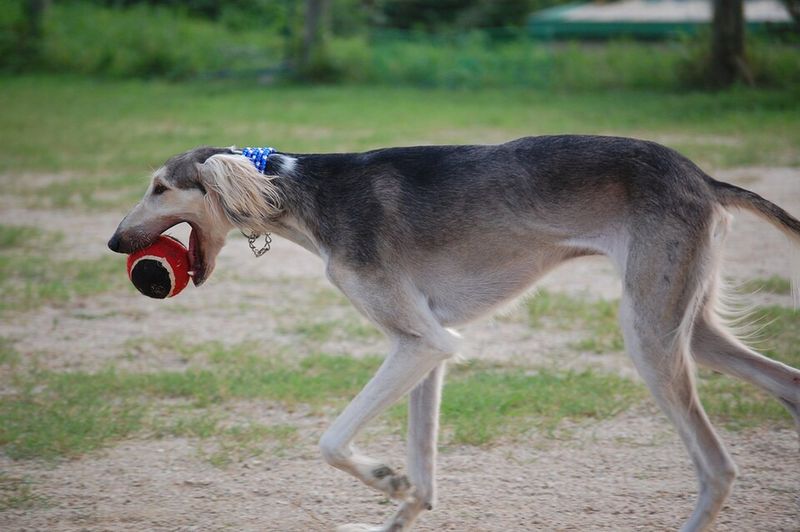
Salukis carry desert heritage where pursuit meant survival. Their endurance and eyes combine into a relentless chase package that ignores typical cues.
Off-leash reliability around wildlife is a big ask, even for diligent trainers.
Build recall with quiet consistency and avoid punishing mistakes. Work far below threshold and use long lines near open spaces.
Provide sprint corridors or lure coursing to discharge energy without rehearsing unsafe chases.
They are affectionate yet reserved, responding best to calm routines. Pair gentle handling with rich sniffing opportunities for a fuller daily picture.
When movement triggers appear, practice patterned disengagement so your Saluki can choose you over the wind.
Afghan Hound
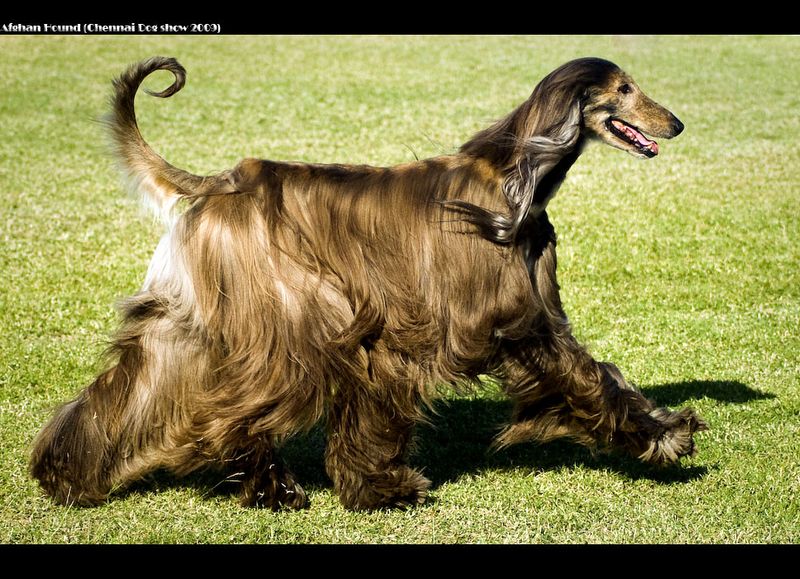
Afghan Hounds mix feline independence with sight-hound speed. Their coat looks glamorous, but beneath is a serious chaser that vanishes after motion.
Recall is possible in low-distraction areas, yet wildlife can turn training into background noise.
Invest in management: secure fields, long lines, and strategic timing to avoid peak critter hours. Use high-value reinforcers and keep sessions short and upbeat.
Grooming time can double as calm training for handling and patience.
Offer controlled sprint outlets and brain games like nosework. Reinforce check-ins generously, and practice leaving moving targets at manageable distances.
Your elegant friend can stay safe and shine when you plan outlets before instinct takes the wheel.
Siberian Husky
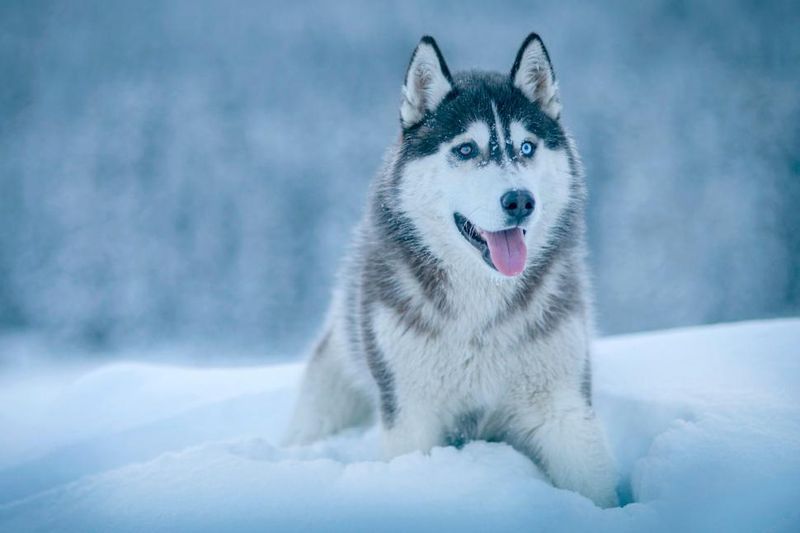
Huskies are born to run, and running often means chasing. Add curiosity, independence, and a love for distance, and you get a dog that disappears quickly if unleashed.
Fences should be tall and secure, with double gates if possible.
Channel drive into canicross, skijoring, or urban mushing to satisfy the urge. Teach engagement through rewarding check-ins and name recognition under distraction.
Practice long-line recall where success can be guaranteed, not guessed.
Prevent boredom with puzzle feeders and scent games to reduce roaming urges. Avoid off-leash in unfenced areas where wildlife is common.
With structure and outlets, your Husky can run hard while you keep control.
Alaskan Malamute
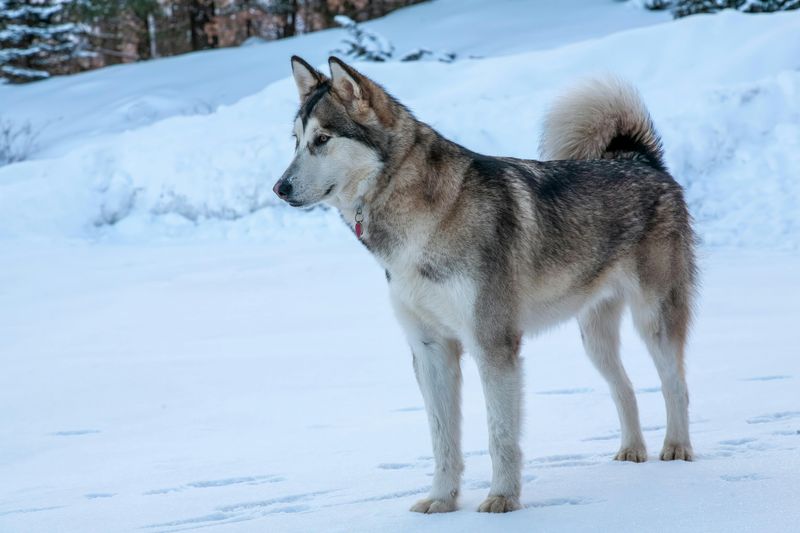
Malamutes carry freight heritage, loving to pull, explore, and chase. They are strong, determined, and often less interested in handler feedback when instinct calls.
Off-leash freedom is risky, especially near wildlife or livestock.
Use weight pulls, canicross, and structured hikes with a long line to outlet power safely. Reinforce calm stops and practice settling after excitement.
Reliable barriers and secure gear prevent a fun day from becoming a search mission.
They thrive on teamwork when you make tasks clear and rewarding. Rotate enrichment: scentwork, problem-solving toys, and cooperative play.
Keep recall realistic and managed, and your Malamute’s adventurous streak becomes a partnership, not a chase hazard.
Beagle
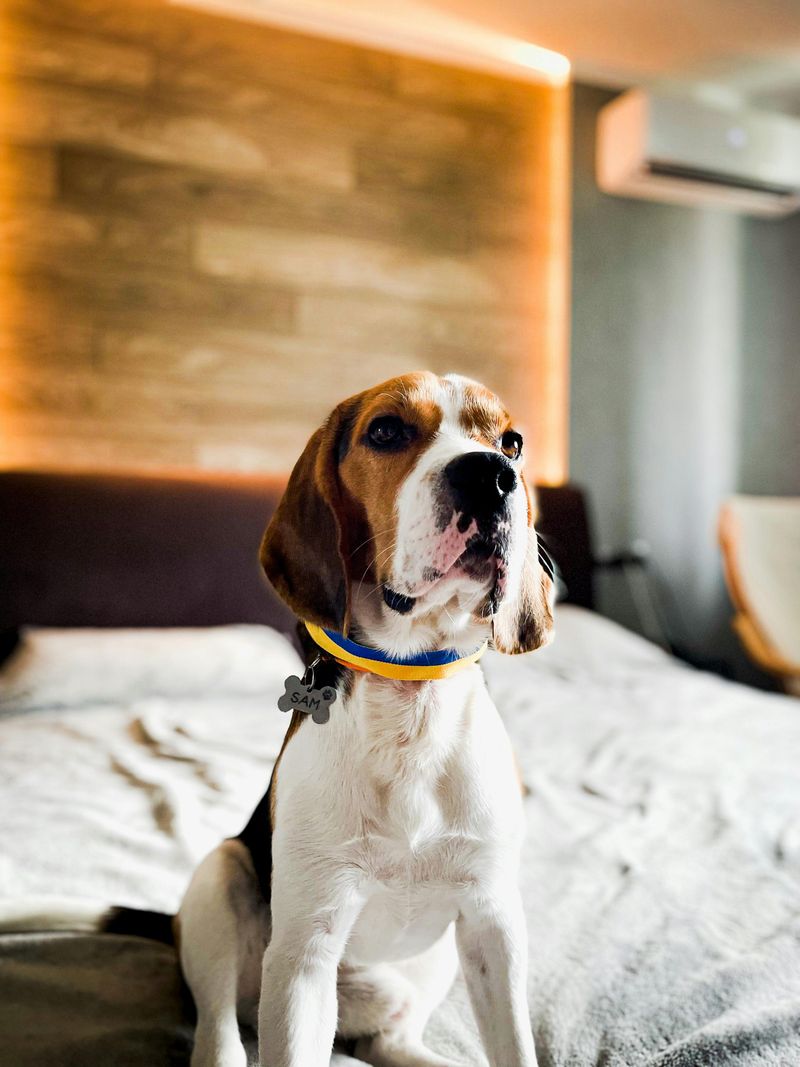
Beagles chase with their noses, not just their legs. Once a scent trail lights up, your calls compete with centuries of hound breeding.
They are friendly, but scent-driven independence makes off-leash recall unreliable in real environments.
Give them legal sniff fests and scentwork classes to meet needs. Use long lines and reinforce check-ins before the nose hooks.
Hide-and-seek recalls and food scatters build value for staying connected.
Routine, patience, and consistent reinforcement pay off over time. Fenced parks or secure fields are your best bet for off-leash play.
Protect practice from failure, and you will see better choices even when the trail whispers.
Dachshund
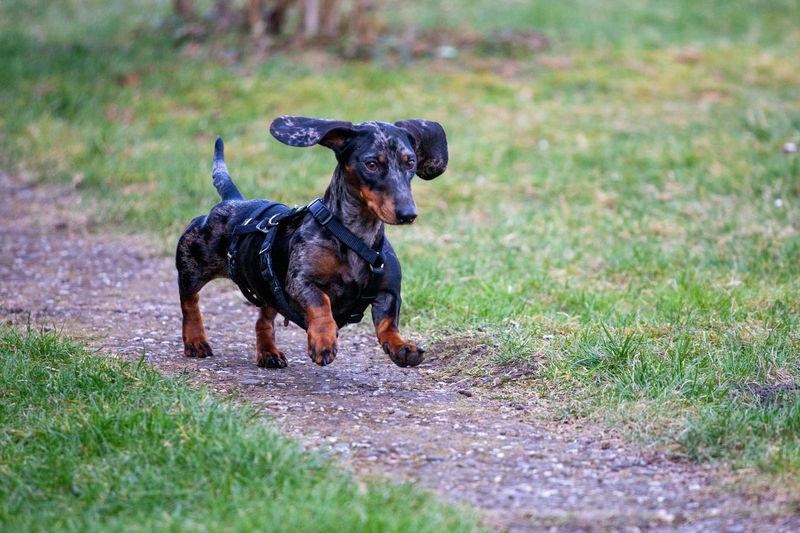
Dachshunds were bred to pursue and confront burrowed game. That bold streak fuels chasing squirrels, birds, and rustling leaves.
Off-leash, their determined little legs can carry them far faster than expected, especially when excitement spikes.
Focus on leash skills, long-line freedom, and controlled digging outlets like sandbox treasure hunts. Teach a strong stationing behavior to park excitement.
Reinforce calmness after arousal so decisions improve when critters dart.
They are clever and comedic, responding well to short, fun sessions. Nose games and small agility setups burn energy without triggering chase rehearsals.
Manage opportunities wisely, and your sausage rocket stays safe while still feeling brave.
Jack Russell Terrier
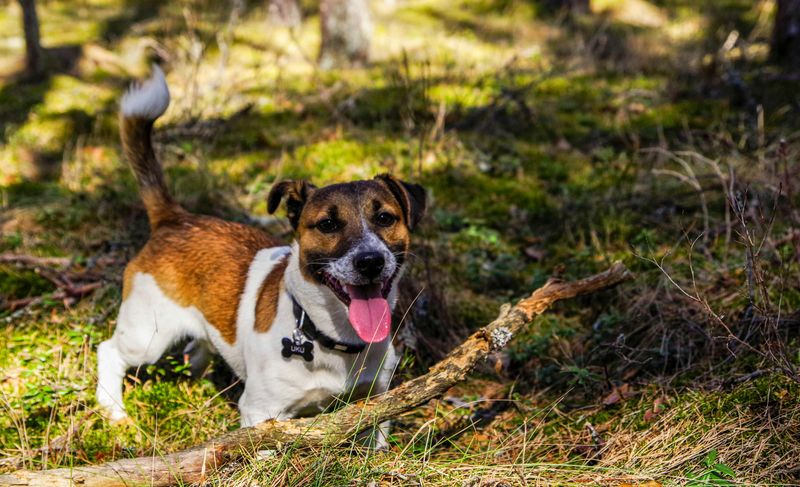
Jack Russells are tiny dynamos with huge prey drive. Movement triggers pounce mode, and their persistence means they do not give up easily.
Off-leash in wildlife-rich areas can become a high-speed disappearing act.
Give structured outlets like flyball, earthdog, or flirt pole games with rules. Train impulse control through start-stop patterns and quick mat settles.
Use long lines to preserve success and protect recall from failure.
Short bursts of training with big jackpots keep them invested. Rotate enrichment to challenge their brilliant minds.
When instincts surge, practiced disengagement cues and predictable routines keep your spicy athlete by your side.
German Shorthaired Pointer
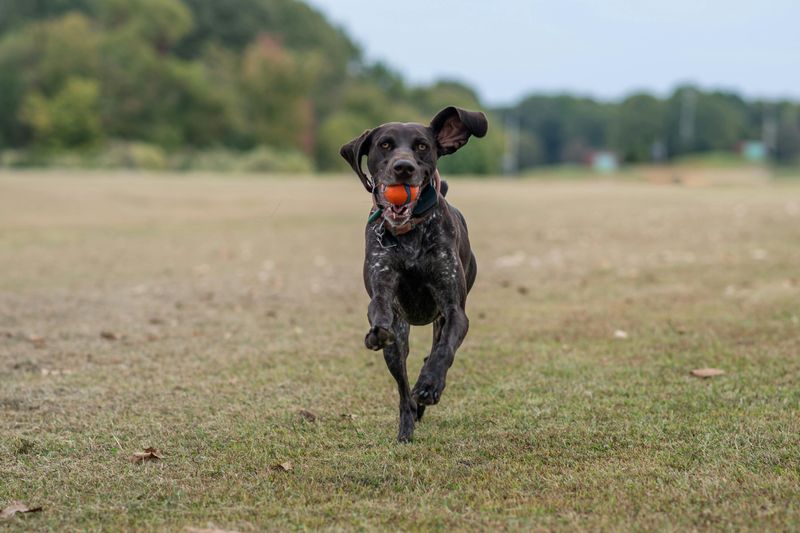
GSPs combine speed, stamina, and a laser focus on birds. They live to search, point, and sometimes chase if given the chance.
Off-leash in open country can look beautiful but becomes risky without airtight control.
Build a bombproof recall and stop cue, rehearsed under increasing distractions. Channel instincts into structured field training, scent games, and steadiness drills.
Long lines and e-collar training, if used, should be professional and humane.
Mental work is as important as miles. Teach check-ins, heel bursts, and calm recovery after arousal.
With smart outlets and clear rules, your GSP can hunt for rewards while staying within your safety bubble.
Weimaraner
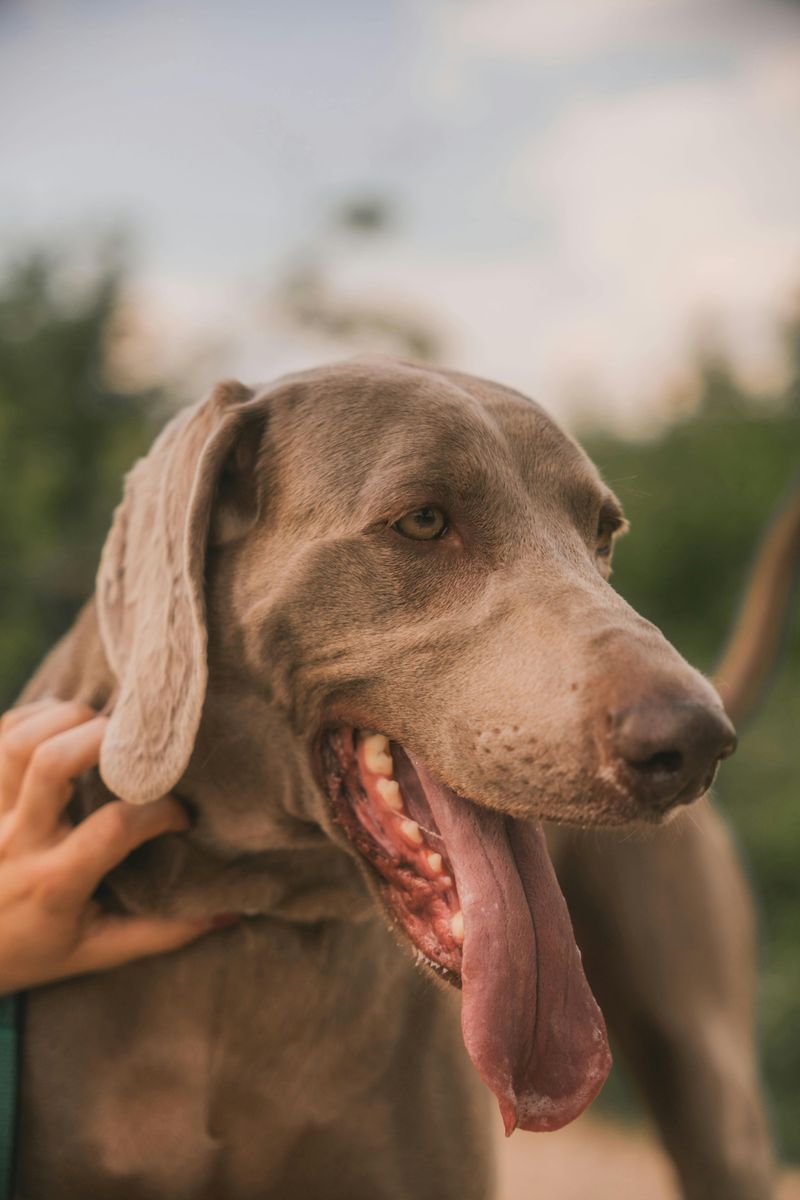
Weimaraners are bold, athletic hunters with big feelings and bigger zoomies. Their chase instinct wakes quickly when birds or squirrels move.
Off-leash without training structure can become a frustrating game of keep-away.
Install impulse control with stop-and-go patterns and reward returning generously. Use long lines to proof recalls around wildlife smells.
Add tracking or field games to meet needs while preventing rogue pursuits.
They bond closely and thrive when tasks are clear. Rotate enrichment, provide steady exercise, and include recovery time after arousal.
With consistent handling and thoughtful management, your gray ghost learns to choose you over the thrill of the chase.