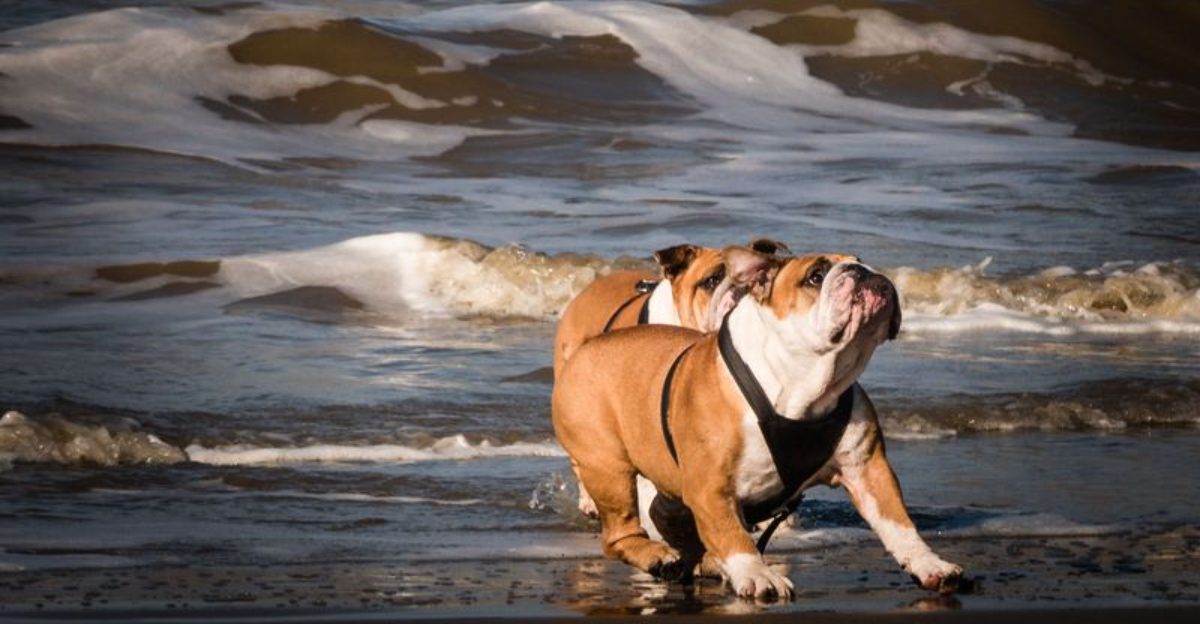
Dog bodies come in all shapes, so one harness will not fit every pup. A bad fit can rub skin, block air, or let a dog slip away.
The right style keeps walks safer and more comfortable. Here are twelve breeds that show why careful sizing and smart features matter.
French Bulldog
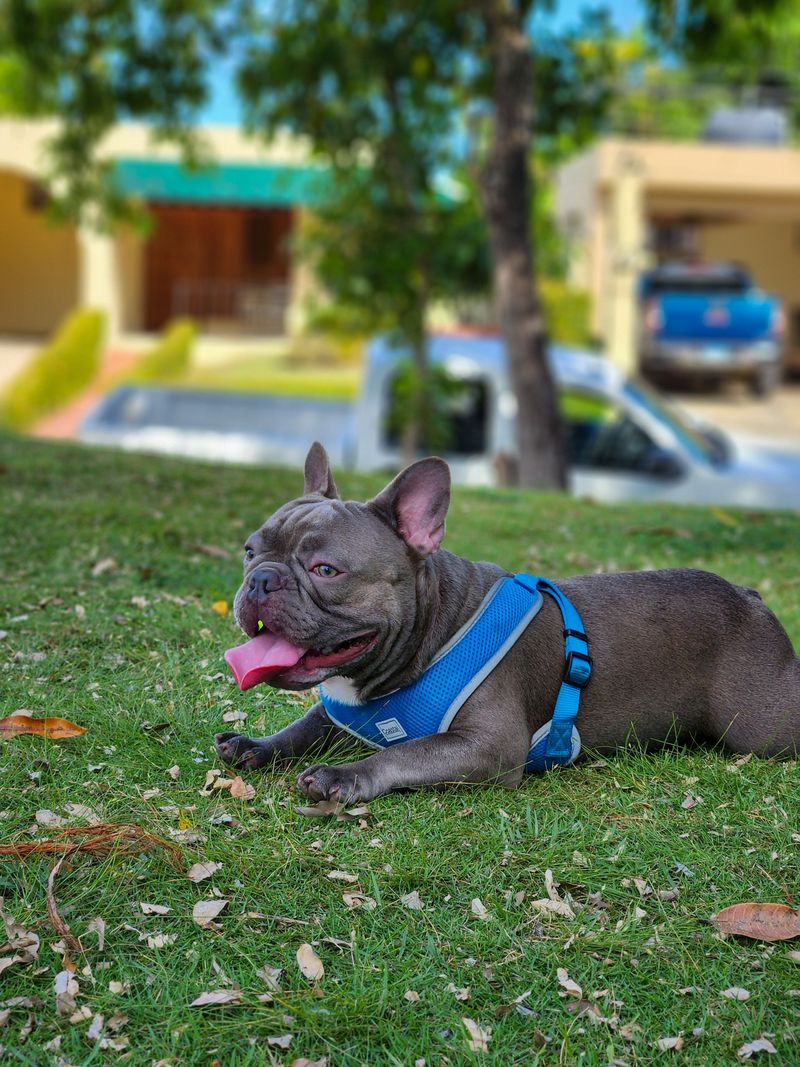
Bat ears and a blocky chest make Frenchies adorable, yet tricky to fit. Many slide out of loose step-in styles, while tight straps rub under the armpits.
A soft, Y-shaped front harness that clears the throat and sits low on the shoulders works best.
Choose broad adjusters, breathable mesh, and a sturdy back clip. Add a front clip for training cues without throat pressure.
Measure behind the front legs and widest chest. Avoid heavy padding during hot months.
Greyhound
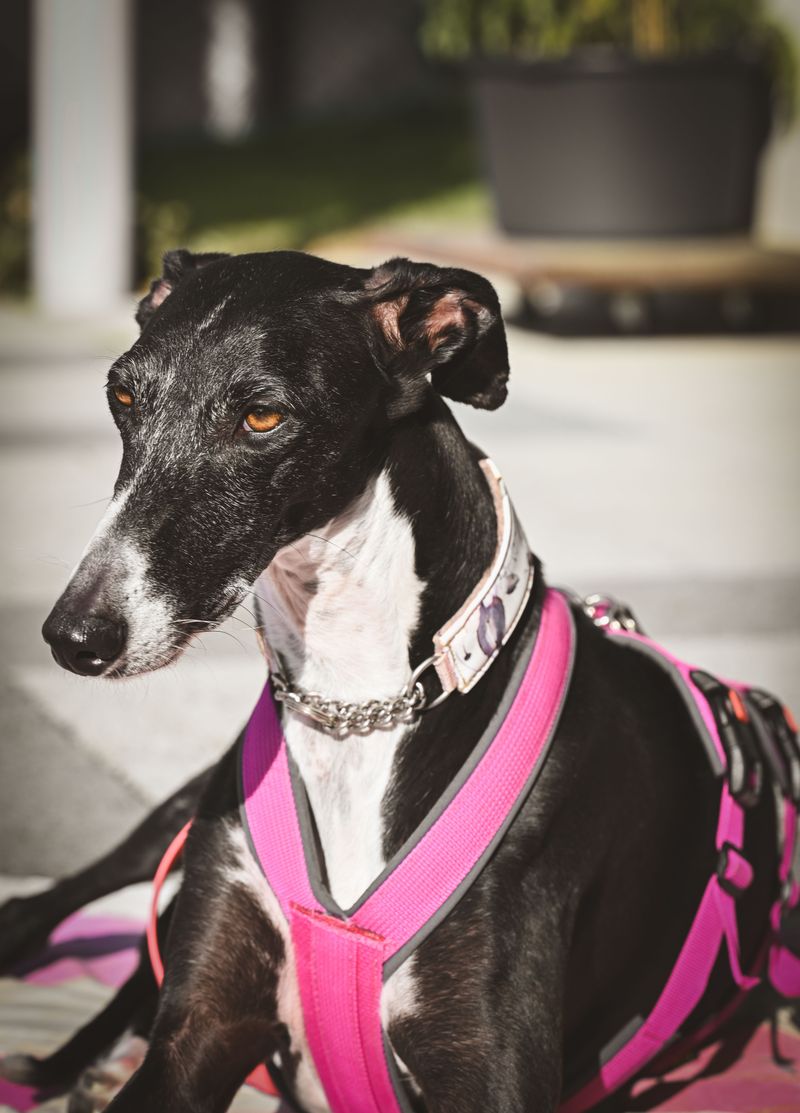
Built like a rocket, the Greyhound has a deep chest and a narrow head. Slip-on styles can peel right off during a sprint.
Look for a sighthound-specific design with a high neckline and wide, contoured straps that cradle the ribs.
A three-strap body harness adds an anti-escape loop behind the ribs for safety. Pair with a long line for zoomies and a front clip for city walks.
Smooth inside seams prevent rubbing on thin skin.
Whippet
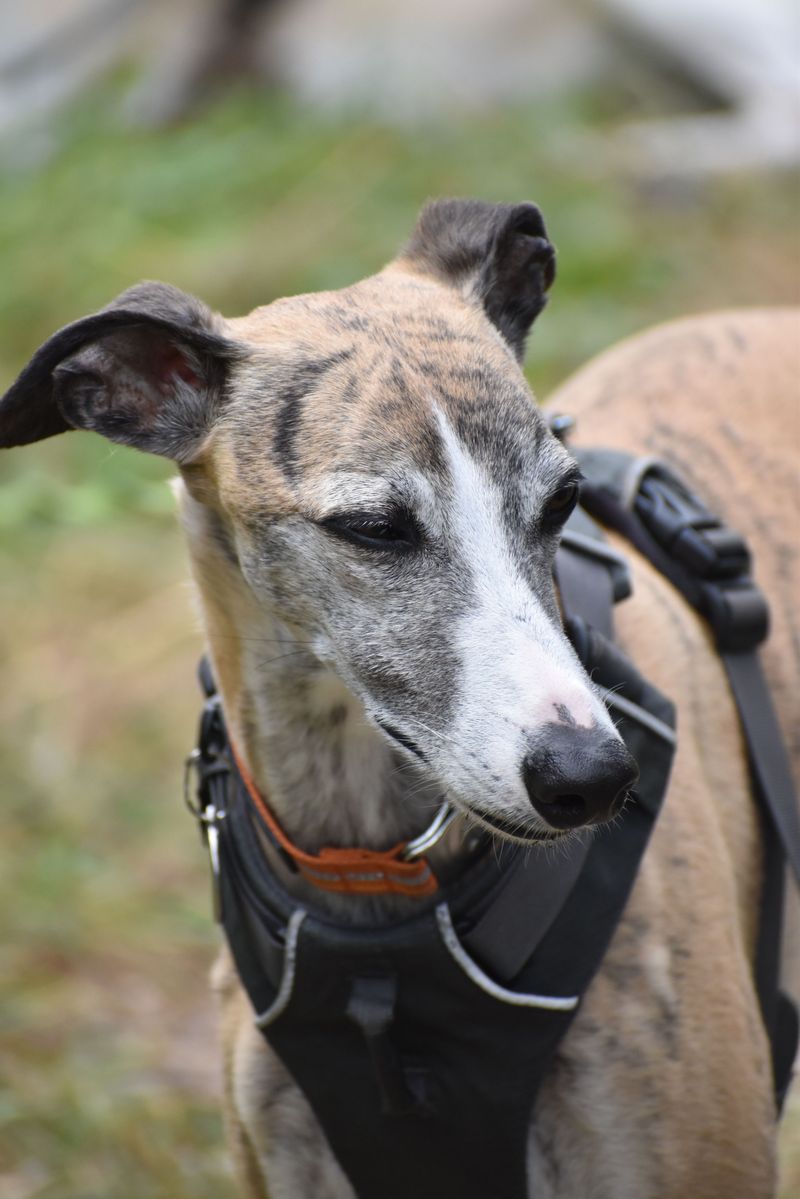
Speedy, springy, and curious, the Whippet fits between small and medium sizes. Standard chest plates often ride too low.
Choose a lightweight sighthound harness with a tall neck rise and flexible straps that hug the barrel chest without pinching.
For slippery coats, textured webbing helps resist shifting. A double-clip option lets you balance power from front and back.
Measure while the dog stands tall, then test movement by mimicking a stretch or jump. Gentle padding protects delicate skin during cool-weather runs.
Dachshund
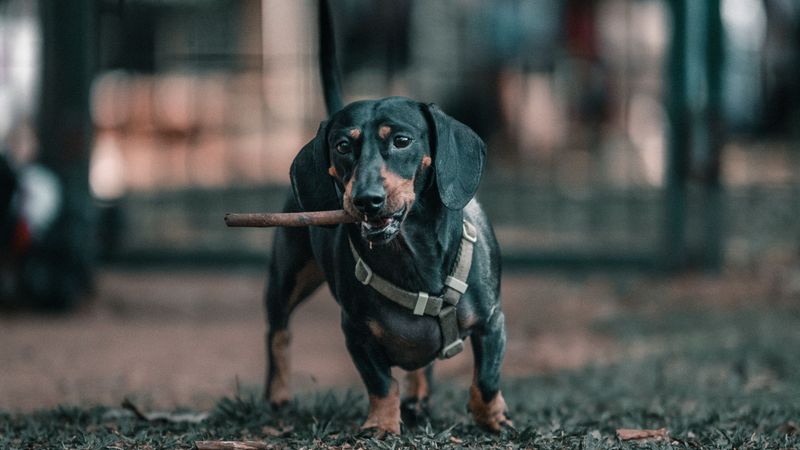
Long body, short legs, big personality. A Dachshund’s back needs support more than pull control.
Skip narrow neck straps and pick a vest-style harness with a low chest panel that spreads pressure across the sternum.
Handles are handy for stairs or lifting into the car. Back clips suit casual walks, while a front clip helps curb sniffy zigzags.
Measure length as well as girth to avoid straps cutting into the underarms. Soft edges reduce friction on those busy little elbows.
Pug
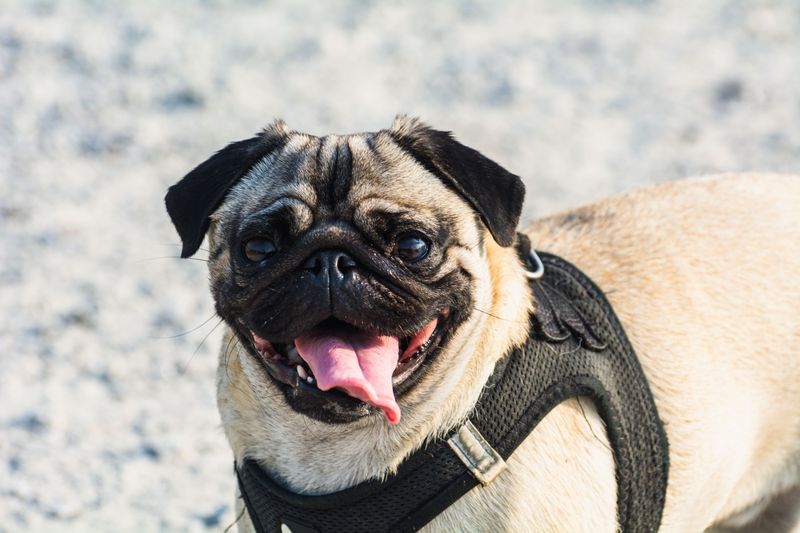
Snorts say it all. Pugs breathe best with zero neck pressure.
A Y-front harness that clears the airway and sits low on the throat is kinder than a collar.
Choose lightweight mesh, wide arm openings, and smooth stitching to avoid rolls getting pinched. Front-and-back clips give options for training and everyday strolls.
Fit can change with seasonal weight, so remeasure monthly. Warm weather calls for quick-dry fabric and shorter outings.
Great Dane
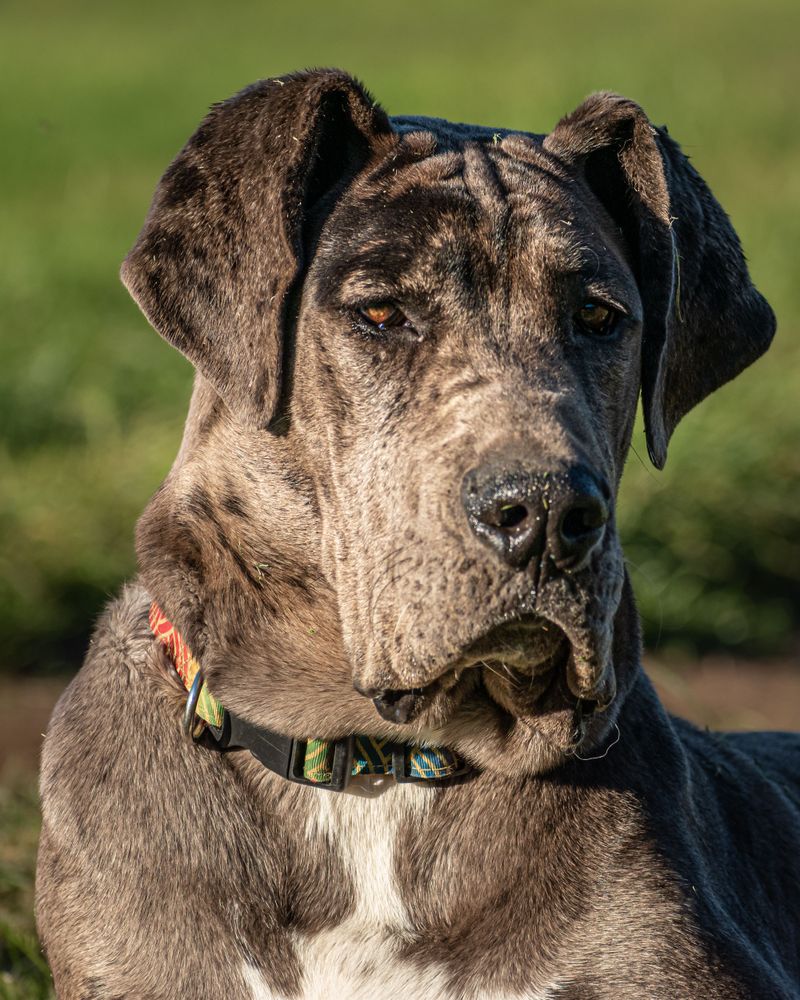
Big frame, bigger leverage. Great Danes can overpower flimsy gear in a heartbeat.
Seek a heavy-duty harness with wide webbing, metal hardware, and a back ring positioned to protect the shoulders.
For training, a front clip helps manage momentum without yanking. A chest plate that sits high avoids elbow interference.
Always check strap creep after a few blocks and during growth spurts. Consider a grab handle for close control in crowds or at the vet.
Bulldog
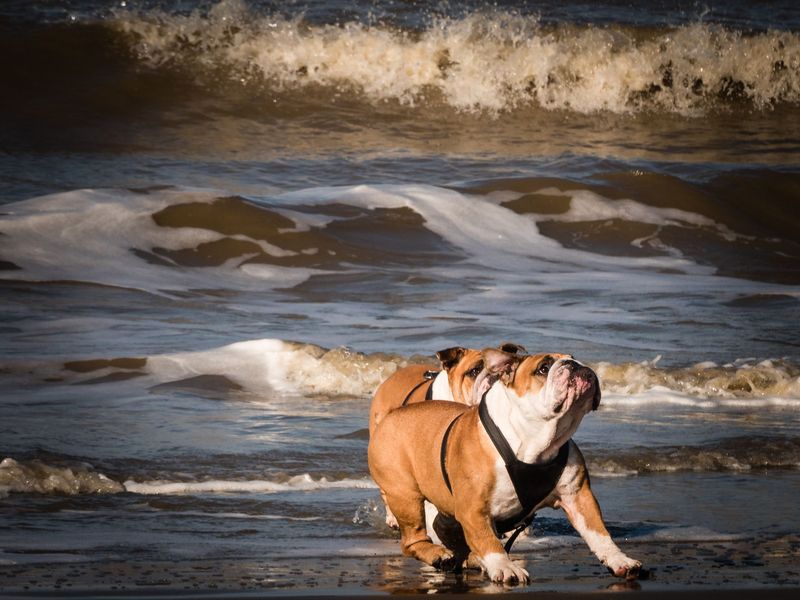
Wide shoulders and a thick neck make Bulldogs master wigglers. Many standard harnesses slide forward and choke.
Choose a deep-chested fit with a V-shaped front that keeps pressure low and away from the windpipe.
Soft binding around leg openings helps prevent rubs. Look for sturdy buckles you can fasten without twisting sensitive skin.
Remeasure often since muscle and weight fluctuate. In hot weather, pick breathable fabric and limit layers, because brachycephalic dogs can overheat fast.
Italian Greyhound
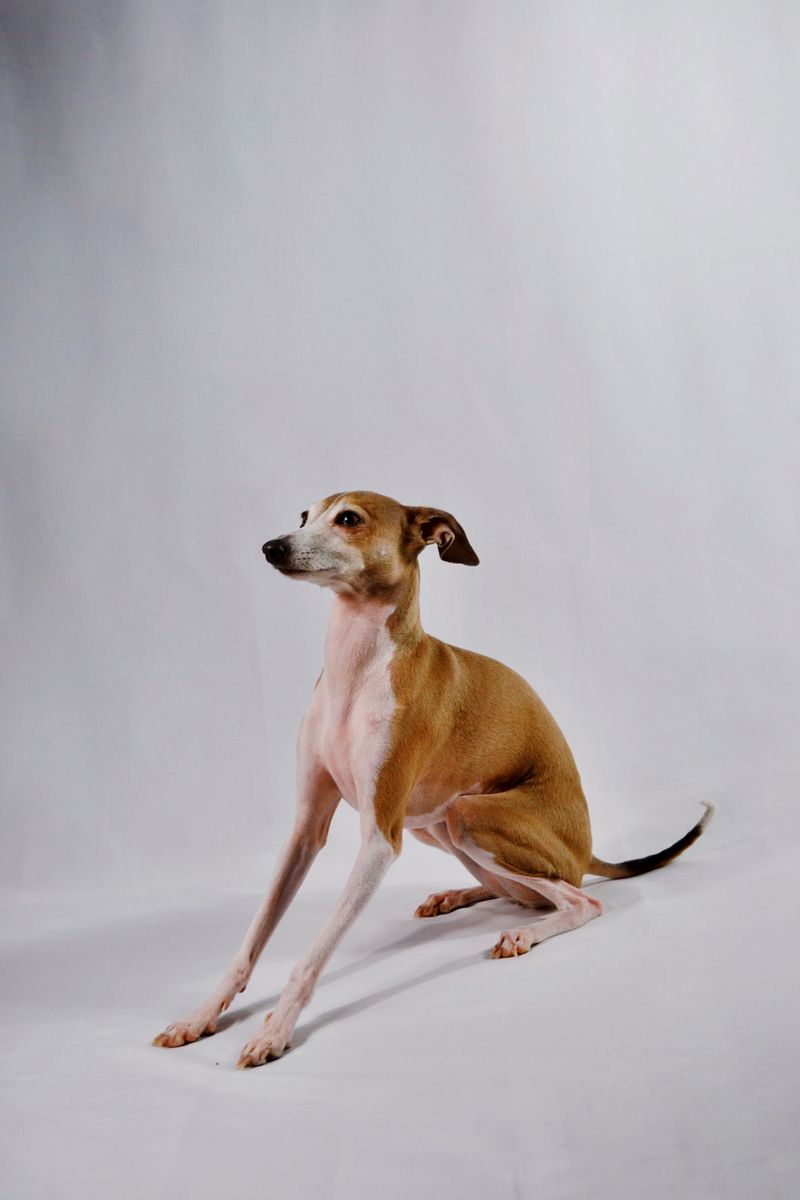
Delicate as a dancer, the Italian Greyhound has fine skin and tiny shoulders. Collars and narrow straps can bruise.
A padded sighthound harness with a high neck and escape-prevention girth is the safer pick.
Use featherlight materials for comfort, and check fit over sweaters in winter. Double-clip setups improve steering without pressure on the throat.
Trim nails to prevent snags when stepping in. Quick-release buckles make dressing a wiggly, chilly Iggy faster on frosty mornings.
Pembroke Welsh Corgi
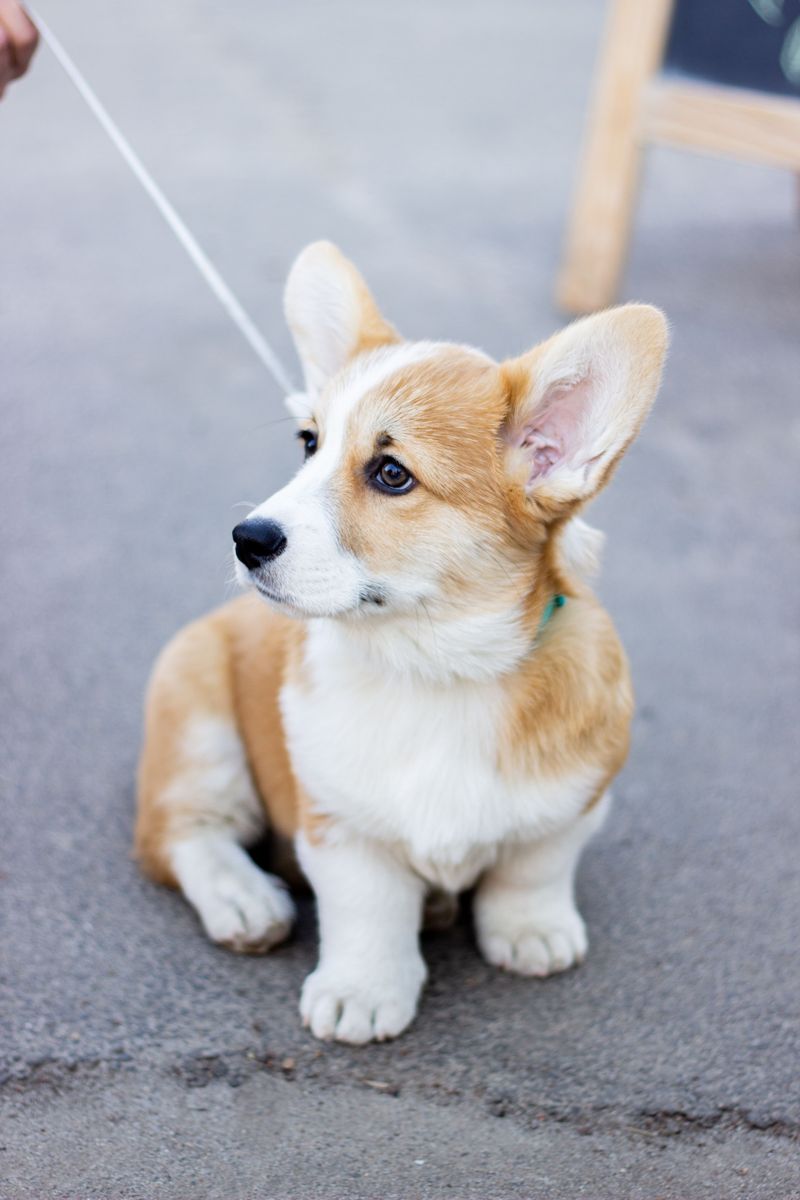
Short, sturdy, and busy, the Pembroke Welsh Corgi needs room around the shoulders to stride. Many tall chest plates jab the throat.
Go with a low-sitting Y-front and long belly panel that clears the elbows.
Back clips work for farm trots, while a front clip helps redirect herding zigzags. A handle helps lift over obstacles without grabbing the collar.
Measure girth behind the front legs, then flex the shoulders to check for rub points.
Boxer
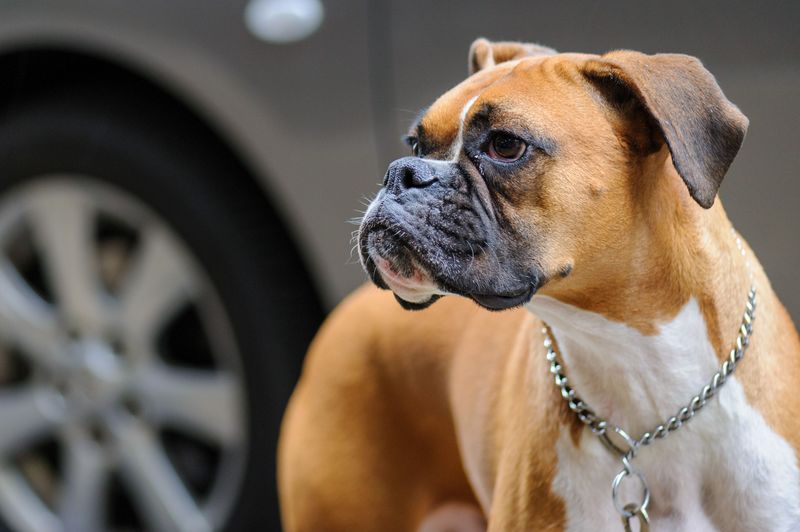
Goofy energy meets serious muscle in the Boxer. Sudden lunges can twist flimsy harnesses.
A tough, athletic build benefits from wide straps, reinforced stitching, and a front-plus-back clip setup.
Choose a chest plate that stays above the shoulder joint to allow full reach. For training, connect a double-ended leash to both clips to spread force.
Periodically check for chafing where the harness meets that sleek, short coat.
Siberian Husky
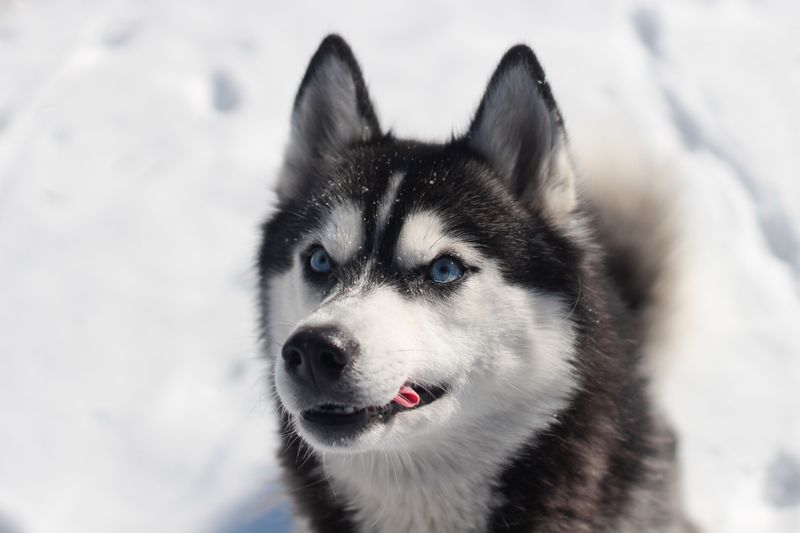
Born to pull, the Siberian Husky treats light gear like a toy. Urban walks need control, not sled power.
A durable, padded harness with both front and back clips helps channel strength without straining the neck.
Secure stitching, rustproof hardware, and reflective trim suit cold, dark mornings. For heavy exercise, switch to a specialty pulling harness to protect joints.
Test fit over a winter coat. Cooling liners help during spring melt when thick fur traps heat.
Newfoundland
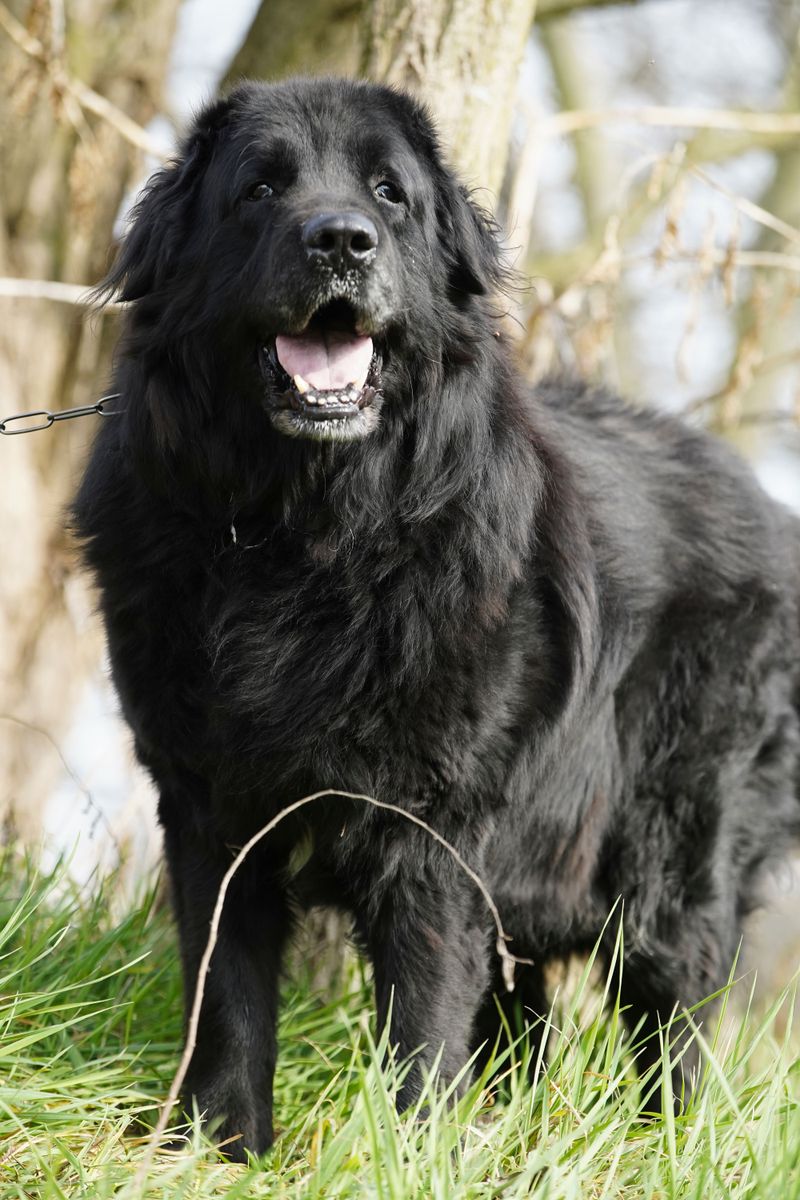
With a heart as big as its paws, the Newfoundland loves steady, close contact. Weight and fluff can hide poor fit.
Pick a broad, supportive harness with thick padding and grab handles for stairs or water work.
Corrosion-resistant hardware and wide adjusters are must haves around lakes and snow. Dry gear fully to prevent mildew under that dense coat.
Measure mid-day when the dog is hydrated. A back clip suits easygoing walks, while a front clip adds steering when needed.