
Some dogs will do anything for a tiny treat, and that makes training feel almost magical. When attention locks on you, progress happens fast, consistent, and fun for both of you.
The breeds below tend to respond quickly to food rewards, especially when timing and praise are on point. Grab a pouch, keep treats small, and watch focus sharpen with every rep.
Labrador Retriever
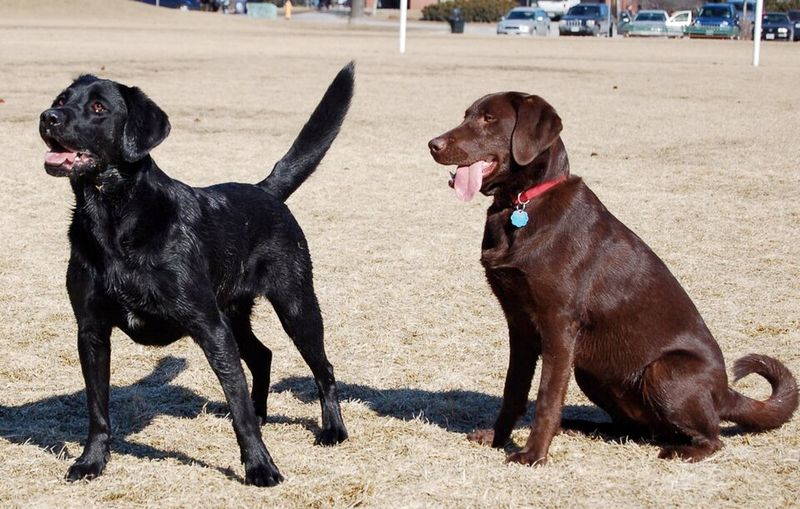
Labrador Retrievers are famously food motivated, which makes your timing with tiny treats incredibly powerful. A soft bite sized reward helps maintain momentum without overfilling a sensitive stomach.
Pair each cue with calm praise, then deliver the treat right when the behavior clicks, and you will see focus bloom. Start with simple sits, hand targets, and short leash work, then gradually stack duration.
Because Labs adore people, they thrive on upbeat sessions that feel like a game. Keep distractions low at first, use predictable patterns, and rotate treats to sustain excitement.
You can fold in retrieves, platform training, and easy scent games to challenge that busy mind. End on a win, celebrate briefly, and your Lab will sprint toward the next lesson.
Golden Retriever
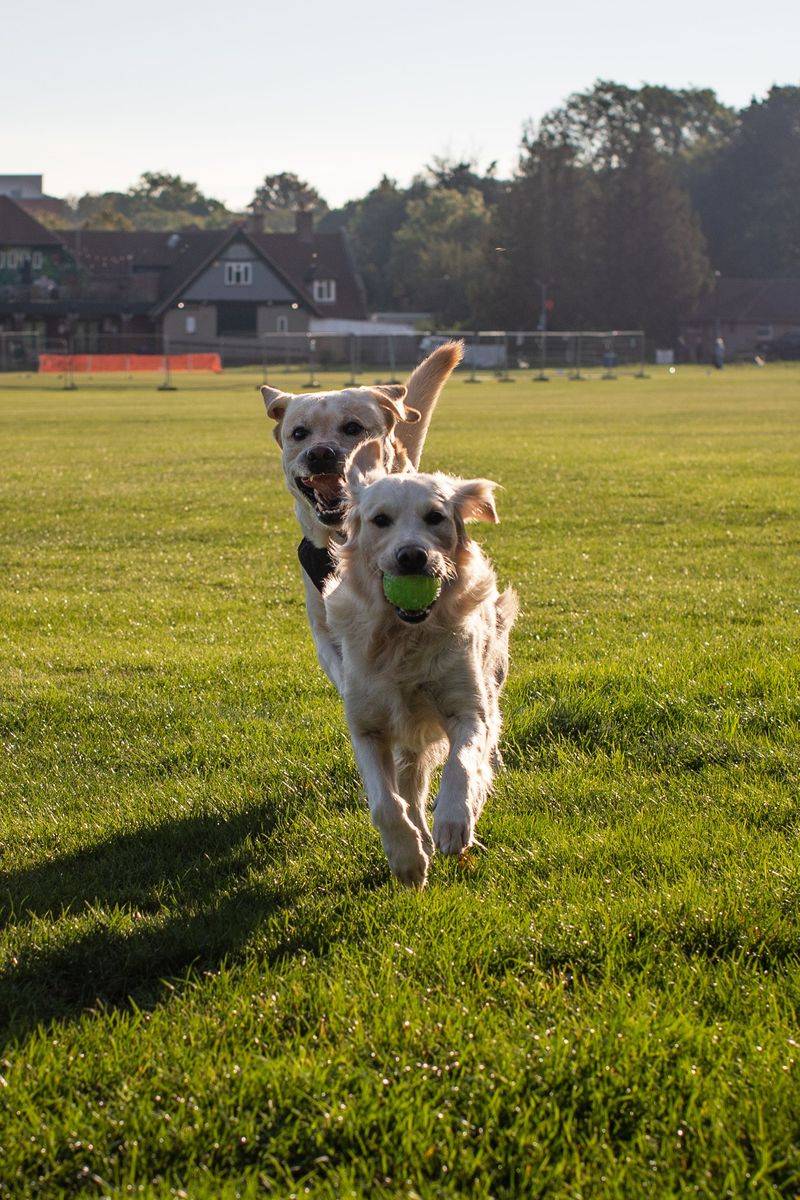
Golden Retrievers flourish when learning feels kind and fun, with tiny treats marking choices you love. Use soft, smelly rewards to keep interest high while avoiding gulping or distraction.
Goldens can be sensitive, so gentle guidance plus predictable reinforcement helps confidence rise. Practice sits, downs, and stays with short, bright reps that end before excitement dips.
Add practical skills like door manners, polite greetings, and relaxed leash walking using treat lures sparingly. Quickly fade lures into rewards delivered after the behavior, so thinking stays sharp.
Goldens love games, so mix in fetch breaks or quick sniff missions between exercises. With consistent criteria and immediate reinforcement, your Golden learns to offer calm, thoughtful behavior even around neighborhood chaos.
Beagle
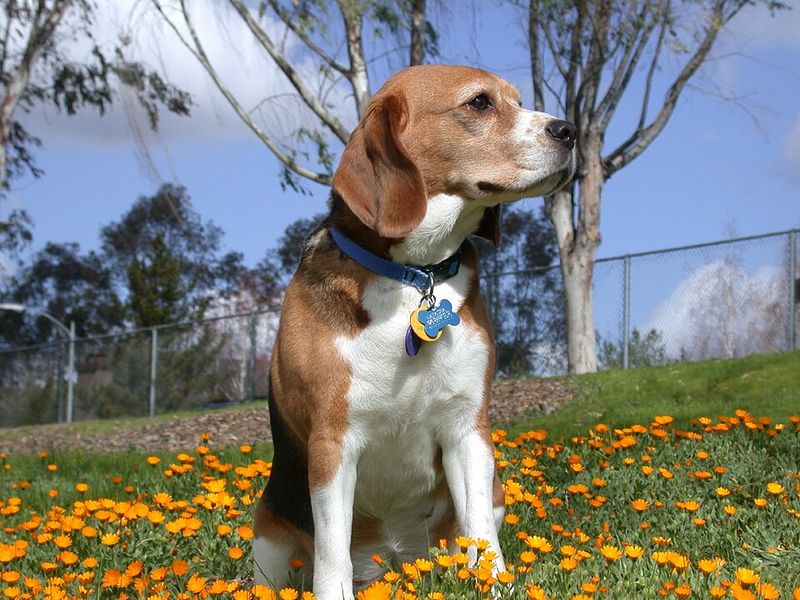
Beagles bring turbocharged noses, so tiny treats must outcompete fascinating scents. Choose aromatic, soft rewards and deliver them fast to keep attention anchored on you.
Start indoors or in low distraction spaces, shaping check ins, name response, and quick sits. Reinforce frequently at first, then gradually increase time between treats as reliability grows.
Turn scent obsession into teamwork with simple nosework games, rewarding each find. For leash skills, mark every moment of slack, then feed near your thigh to build position.
Keep sessions short, playful, and varied, because Beagles love novelty. With steady reinforcement, clear expectations, and strategic management, you will channel that curious energy into reliable cues, strong recalls, and happily focused walks through tempting trails.
Border Collie
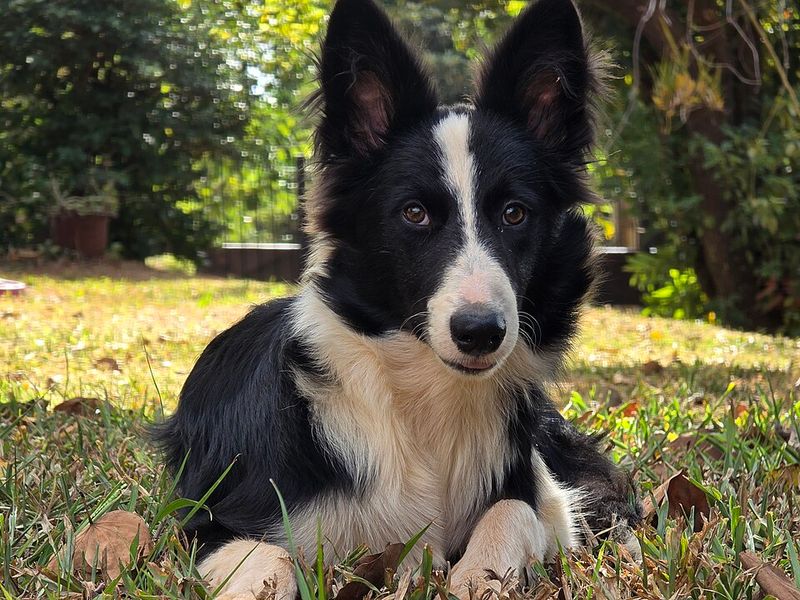
Border Collies are brilliant problem solvers who thrive on clarity, speed, and rewards that match their intensity. Tiny treats let you deliver rapid, precise reinforcement without breaking rhythm.
Use clean markers and short sequences to channel that keen focus. Teach impulse control through start stop games, rewarding stillness as generously as action.
Break complex behaviors into quick, achievable slices: eye contact, position changes, then duration. Rotate treats with tug or a short chase to prevent overfixation on food.
Cue behaviors once, then wait silently to encourage thoughtful responses. With crisp criteria and fast feedback, your Border Collie locks onto the work, offering gorgeous heeling, snappy downs, and laser reliable recalls even in busy, high movement environments.
Australian Shepherd
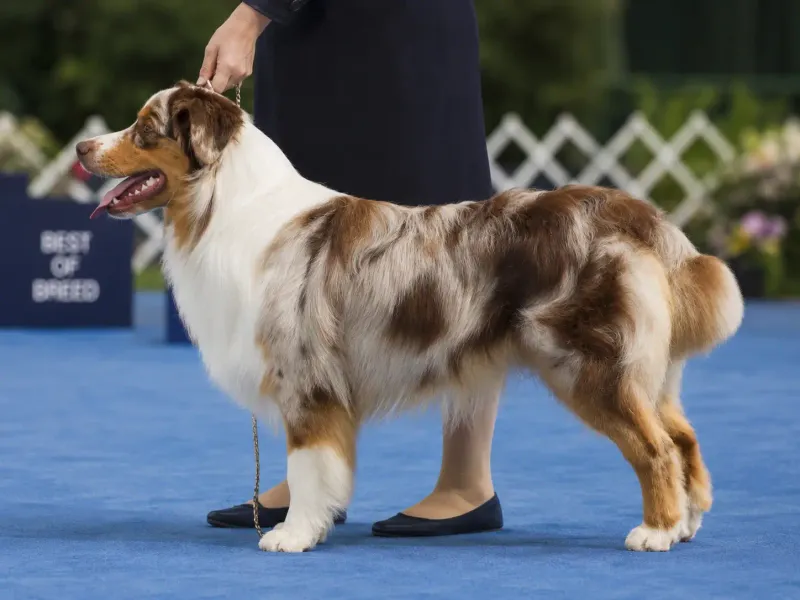
Australian Shepherds brim with energy and crave purposeful training that engages body and brain. Tiny treats help you shape quick choices without overstimulating or slowing momentum.
Start with foundations like hand targets, stationing on a mat, and loose leash attention. Reinforce frequently, then weave in movement patterns to release energy thoughtfully.
Because Aussies love a job, frame skills as missions: heel to a cone, pause, then pivot. Mark correct choices and pay small, often, and calmly to sustain steadiness.
Sprinkle in tricks like spin, bow, and perch work to build coordination. With clear games, structured outlets, and strategic food rewards, your Aussie learns to settle, think, and deliver gorgeous precision even when excitement bubbles around the training field.
German Shepherd
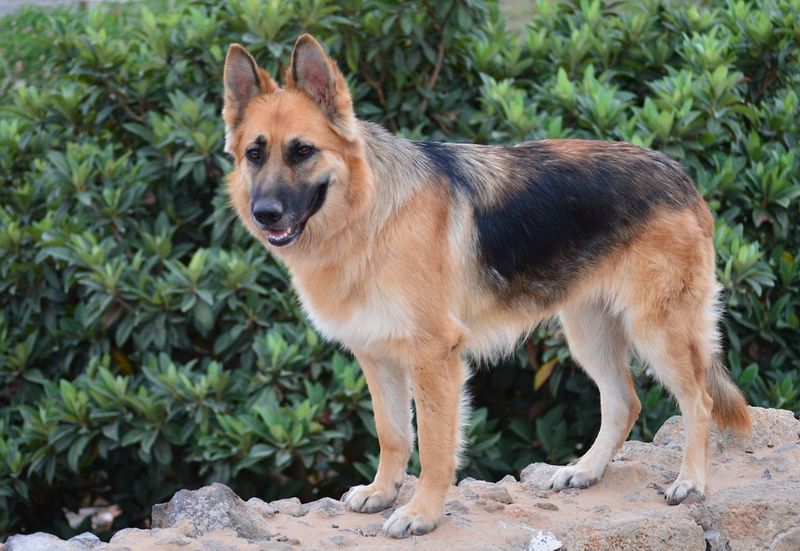
German Shepherds excel when structure, confidence, and fair rewards align. Tiny treats allow frequent reinforcement for correct choices without breaking engagement.
Teach clear positions, then build duration and distractions gradually. Reward calm neutrality as much as flashy obedience, so steadiness becomes the default.
Use markers to separate correct, almost, and try again moments, letting your Shepherd learn fast without confusion. Practice heeling with micro pays for head position and shoulder alignment.
Introduce impulse control through sit stays near doors and food bowls, paying small while releasing intermittently. With consistent criteria, balanced challenge, and patient reinforcement, your German Shepherd will deliver focused, reliable work in crowded spaces, holding cues solidly even when life throws bikes, joggers, and clattering skateboards past your training lane.
Belgian Malinois
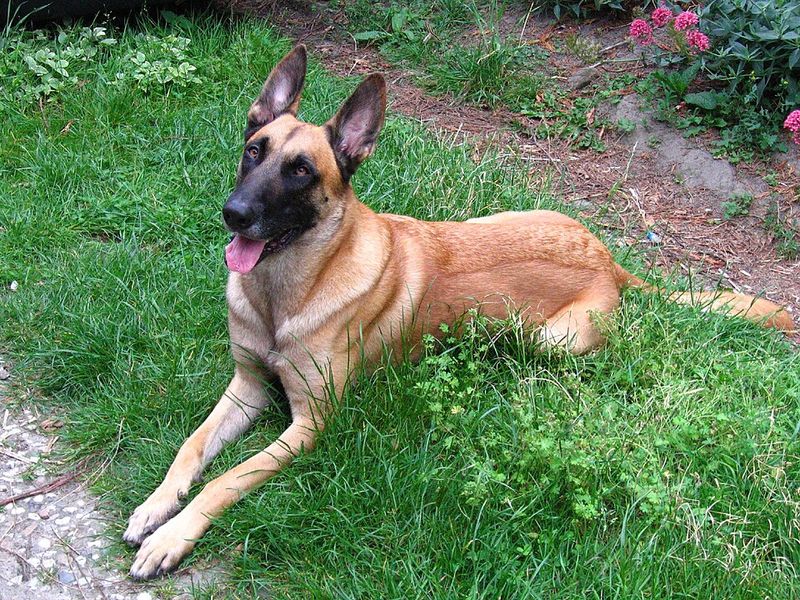
Belgian Malinois bring drive and intensity, so your treat timing must be surgical. Use tiny, high value rewards to maintain speed while preventing overarousal.
Alternate brief food reinforcement with controlled play to keep arousal balanced. Build clarity through short, purposeful reps that end on success.
Shape precise heel position, quick sits, and lightning fast downs using clean markers. Reinforce neutrality around motion, noises, and equipment so the dog can think under pressure.
Keep sessions short, with structured breaks and a predictable rhythm. With consistency and thoughtful reinforcement, your Malinois learns to channel rocket fuel into elegant obedience, sustaining eye contact, crisp turns, and steady holds while ignoring distractions that would derail less practiced teams.
Papillon
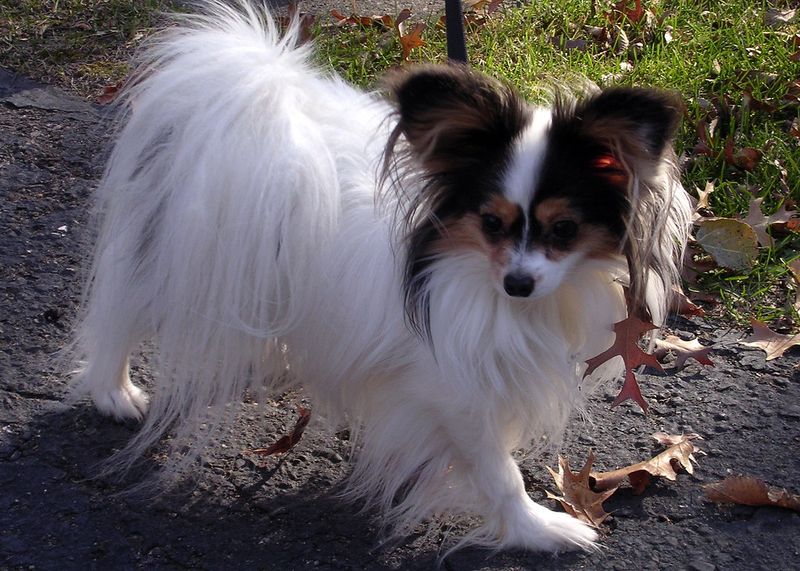
Papillons are tiny athletes with big brains, and food can supercharge their focus. Choose pea sized, soft treats to protect that small stomach while rewarding frequently.
Teach hand targets, spins, and perch pivots to build awareness and confidence. Use clear markers and upbeat praise so learning feels joyful.
Because Papillons notice everything, start in calm spaces, then gradually add movement and mild sounds. Reinforce brave choices, like stepping onto new textures or pausing before dashing forward.
Keep sessions brief and sparkling, then end while the dog still wants more. With tiny treats, clever games, and kind structure, your Papillon will dazzle with tidy heeling, zippy recalls, and charming tricks that look stage ready without sacrificing calm manners at home.
Miniature Schnauzer
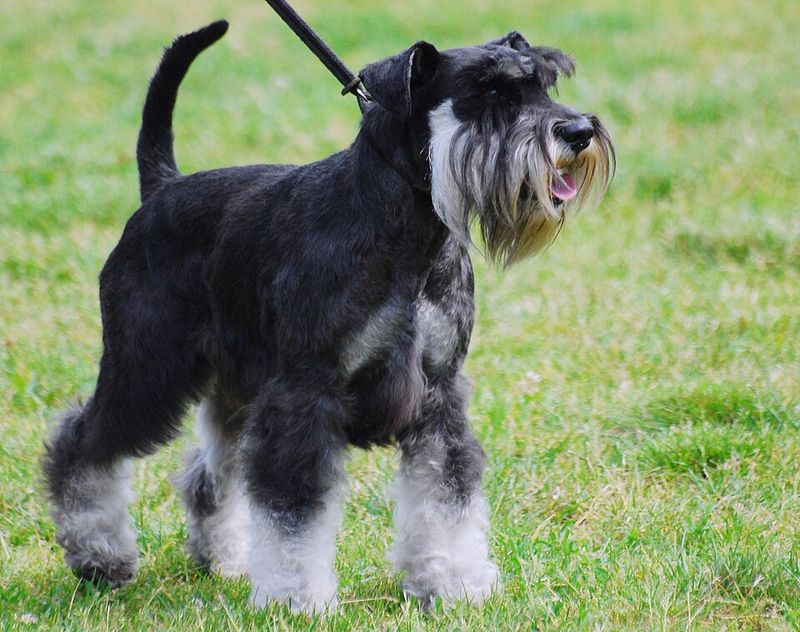
Miniature Schnauzers are spirited and clever, so tiny treats turn practice into a focused game. Use soft rewards to avoid crunch time delays, and pay frequently for attention.
Teach impulse control early with hand targets, settle on a mat, and brief stays. Rotate exercises to match their lively curiosity.
For leash manners, reward position next to your leg, step by step, through distractions. Schnauzers can question rules, so keep criteria consistent and reinforcement honest.
Mix quick sniff breaks with training to satisfy that busy nose. With patience, high value bites, and upbeat structure, your Miniature Schnauzer will channel sass into reliability, offering sits at doors, tidy recalls at the park, and cheerful focus when visitors arrive excitedly.
Cocker Spaniel
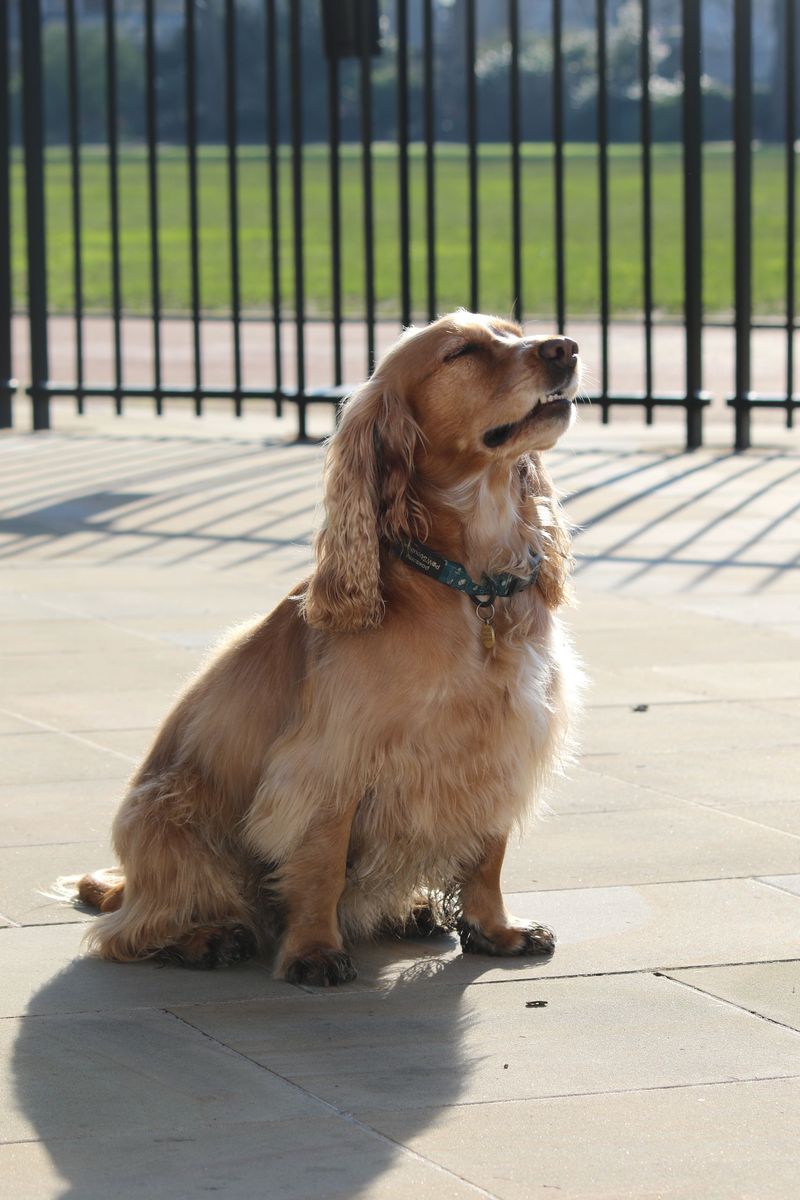
Cocker Spaniels respond beautifully to kind, food reinforced training that values calm attention. Choose tiny, moist treats to protect focus and avoid crumbs tangling that silky coat.
Start with simple sits, eye contact, and hand targets, paying often for quiet stillness. Keep sessions warm and gentle, as many Cockers are sensitive.
Layer in polite greetings, loose leash walking, and retrieve games to provide outlets. Reward generously for moving away from distractions like birds or rustling leaves.
Use short, successful reps, then celebrate with soft praise and a reset. With patient guidance and well timed treats, your Cocker Spaniel will offer thoughtful choices, comfortable settles, and dependable recalls that make neighborhood strolls and family gatherings feel easy and delightful.
Standard Poodle
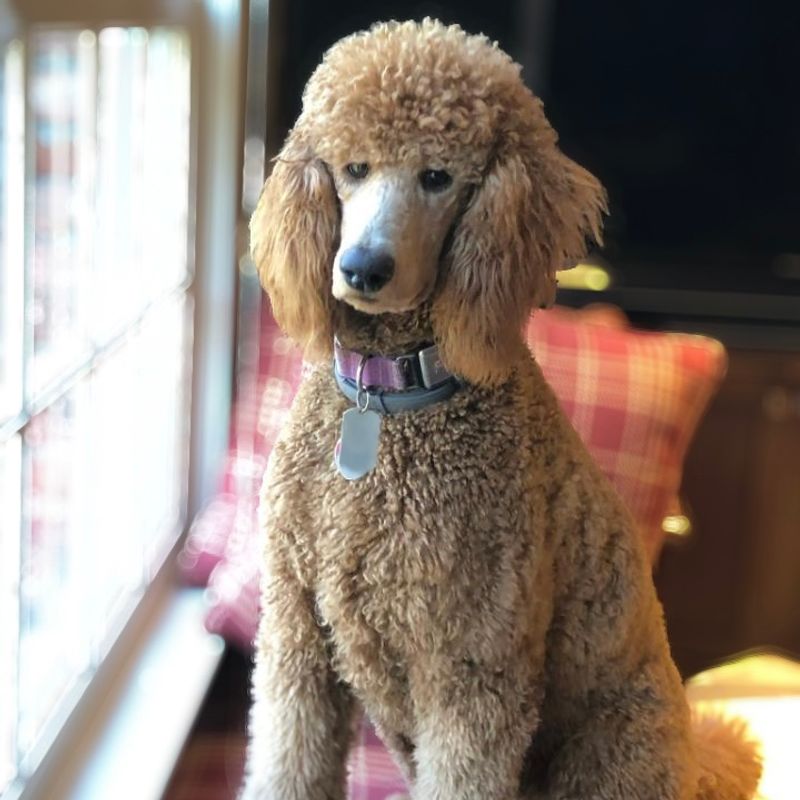
Standard Poodles are sharp thinkers who love puzzles, patterns, and praise. Tiny treats let you reinforce accuracy frequently without interrupting flow.
Teach clean positions, platform work, and stillness between exciting moves. Use markers to highlight the exact moment of success so the dog learns fast.
Rotate skills like heeling, fronts, and finishes with playful trick bursts to keep curiosity engaged. Reinforce calm focus around strollers, joggers, and fluttering pigeons.
Maintain short sessions, crisp criteria, and thoughtful progression through distractions. With well timed rewards and creative games, your Poodle will pair elegance with reliability, gliding through patterns, pausing patiently when asked, and returning to your side with stylish, confident precision every time the training bell rings.
Pembroke Welsh Corgi
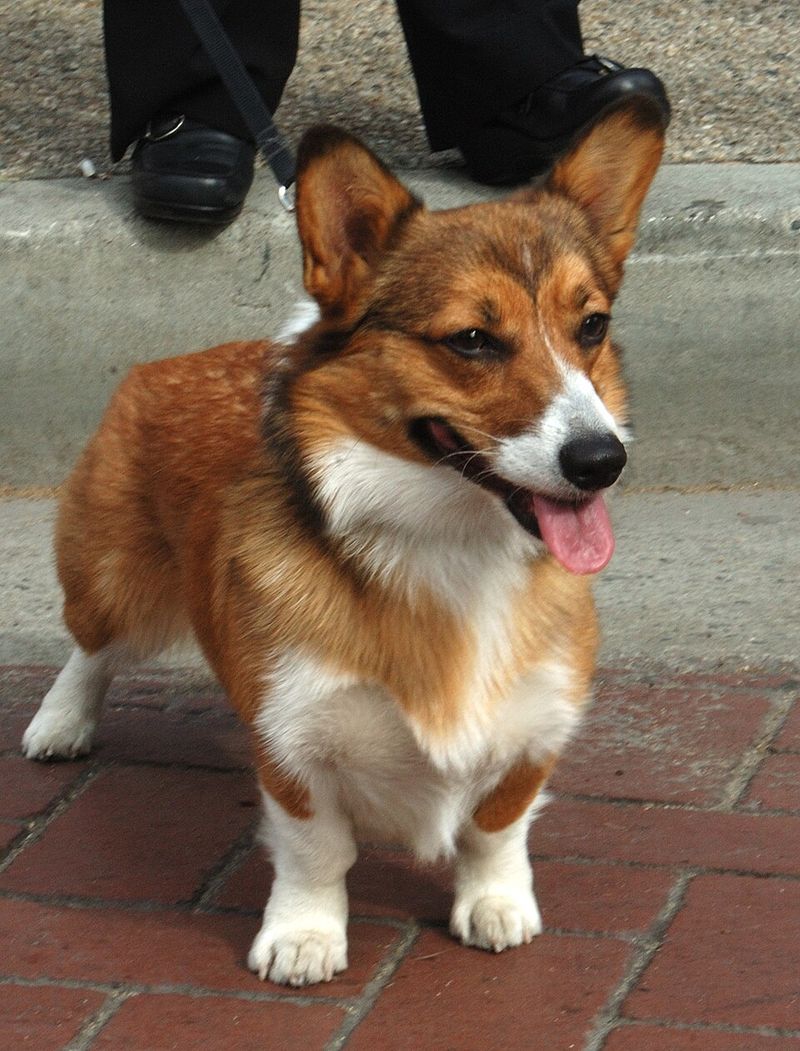
Pembroke Welsh Corgis are quick studies with a playful streak, and tiny treats keep minds engaged. Because of their stature, teach low impact moves like tidy sits, hand targets, and platform work.
Reinforce foot placement and alignment to protect joints while building precision. Keep sessions upbeat and brief to harness enthusiasm without overdoing it.
For leash manners, reward beside your leg and pause before doors to grow patience. Mix herding style games like around a cone to satisfy instincts constructively.
Use clear markers, steady criteria, and small, frequent pays so thinking stays sharp. With kind structure and tasty motivation, your Corgi will deliver crisp cues, cheerful recalls, and delightful manners that shine during neighborhood walks and busy weekend errands.