
Overstimulation is not just a trend term. It is a real challenge for high-drive dogs that soak up sights, sounds, and chaos like a sponge until they suddenly spill over.
If your dog flips from fun to frantic in seconds, you are not imagining it. Let’s talk about breeds that hit their limit fast and how you can help them thrive instead of fry.
Belgian Malinois
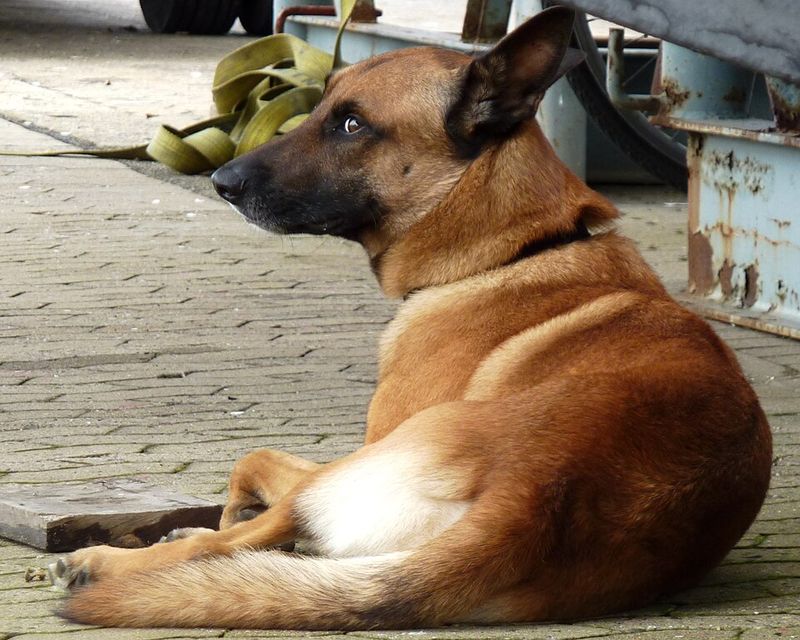
Belgian Malinois are brilliant, driven, and always scanning for the next task. That sharp focus can tip into overstimulation when noise, crowds, or unpredictable movement stack up without relief.
You will see spinning, vocalizing, and frantic grabbing for toys, not aggression but a brain begging for structure.
Channel the energy with clear routines, predictable training, and bite-size work sessions. Pattern games, place training, and decompression walks help throttle the arousal down.
Use neutral chews, scatter feeding, and calm sniffing breaks between high-intensity reps. Think cadence, not chaos, and you will keep their switch from flipping.
Dutch Shepherd
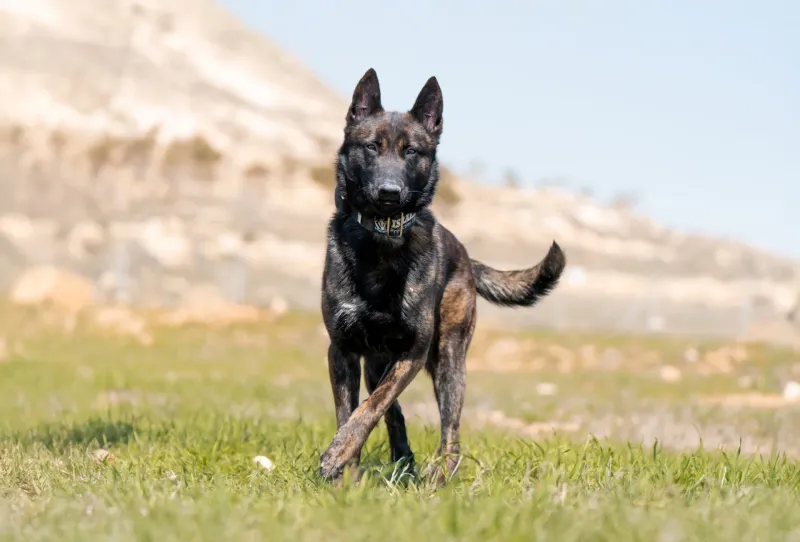
Dutch Shepherds bring that same working brain with a slightly more clownish vibe. They soak in everything, then react fast, especially to motion triggers like bikes or darting dogs.
Overstimulation shows as ping-ponging attention, jumping, and barking when arousal stacks without a pressure release.
Balance high-octane training with structured off-switch practice. Teach settle on mat, slow food puzzles, and methodical tracking to anchor their focus.
Keep sessions short and predictable with clear beginnings and endings. If you give them purpose and enforced rests, you will see a steady, thoughtful partner instead of a live wire.
Border Collie
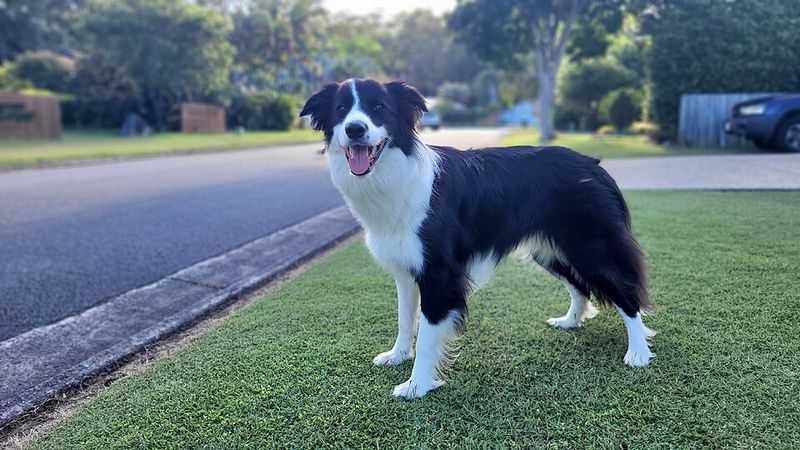
Border Collies are masters of pattern recognition and movement control. Too many inputs can fry their circuits fast, especially if there is motion they cannot manage.
You will notice nipping at heels, obsessive staring, or fixating on shadows when arousal spikes beyond their coping skills.
Give them jobs with clear rules like flanking drills, impulse-control games, and structured retrieves. Sprinkle decompression walks where sniffing is the only task.
Cap excitement with calm markers, then reward stillness as much as speed. Without intentional downshifts, their brilliance turns to buzzing static, but with rhythm, they become astonishing partners.
Australian Shepherd
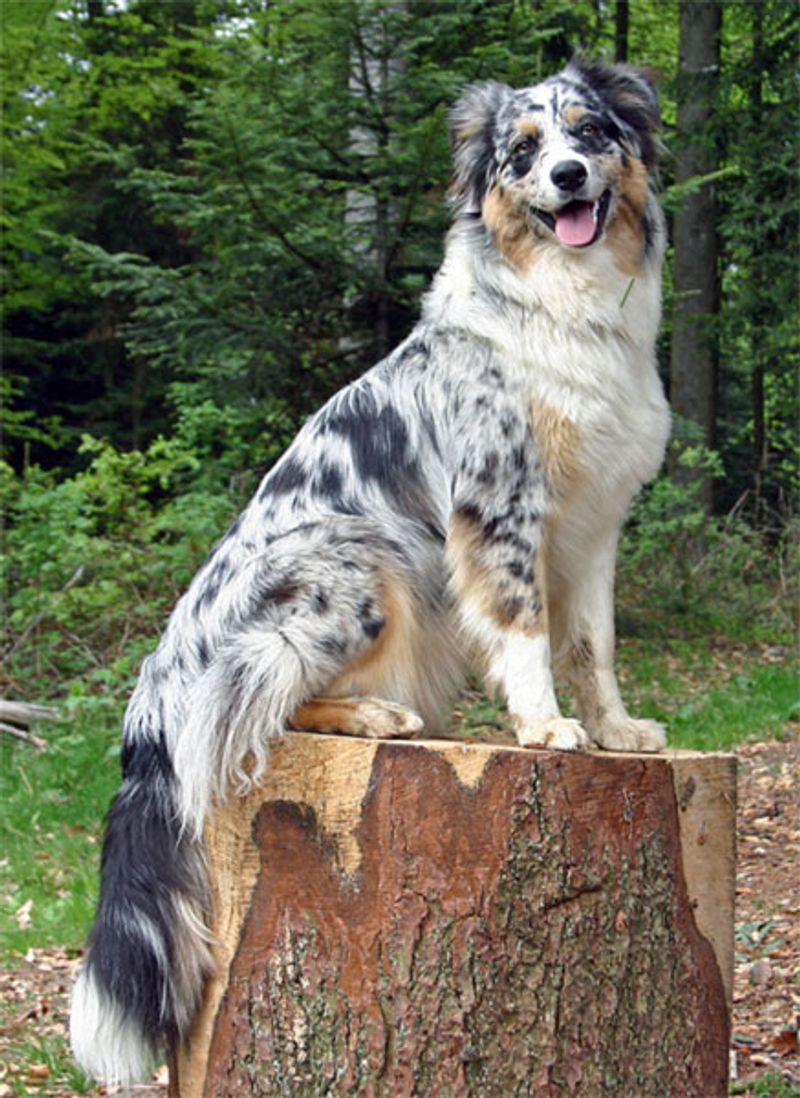
Australian Shepherds are social, smart, and constantly calculating. Busy spaces, kids running, or a chaotic dog park can tip them over quickly.
Overstimulation reads as spinning, herding attempts, or vocal commentary that escalates if nobody sets boundaries.
Work short training chunks with clear criteria, then cue a settle on a mat. Use movement-based rewards after calm behavior to teach arousal up and down.
Long-line hikes, nosework, and controlled agility basics deliver outlet without losing their head. With predictable patterns and meaningful rest, they shift from restless supervisors to cooperative teammates who can actually relax.
Vizsla
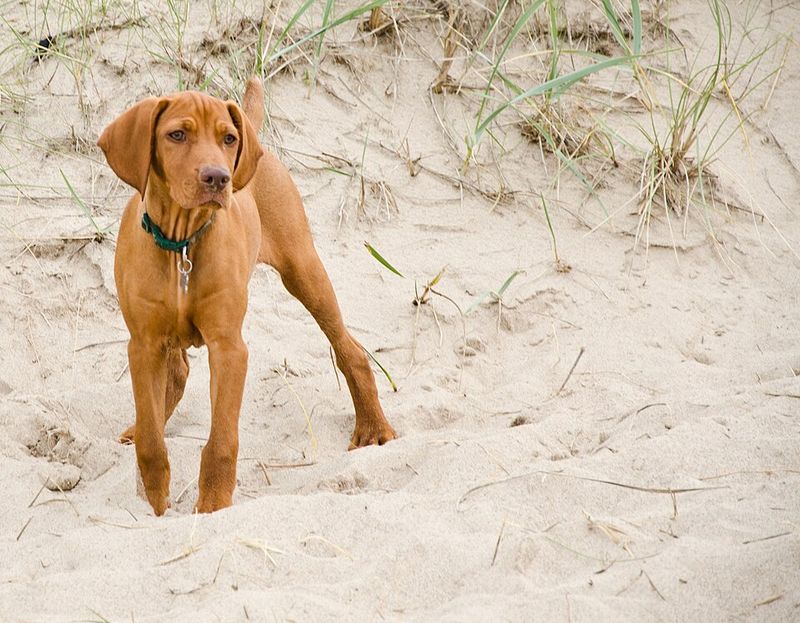
Vizslas are sensitive, bouncy, and velcro by nature. They absorb your stress and the room’s energy, then overflow with wiggles and vocalizations.
Crowds, loud music, or fast play can flip them from joyful to jittery, showing as jumping, mouthy greetings, or frantic zooming.
Soften the edges with predictable routines and cozy recovery spaces. Teach a solid place command, pair it with calming chews, and practice calm greetings on leash.
Keep play bursts short and follow with quiet sniff walks. When you honor their softness and guide the tempo, their affectionate spirit shines without the emotional static.
Weimaraner
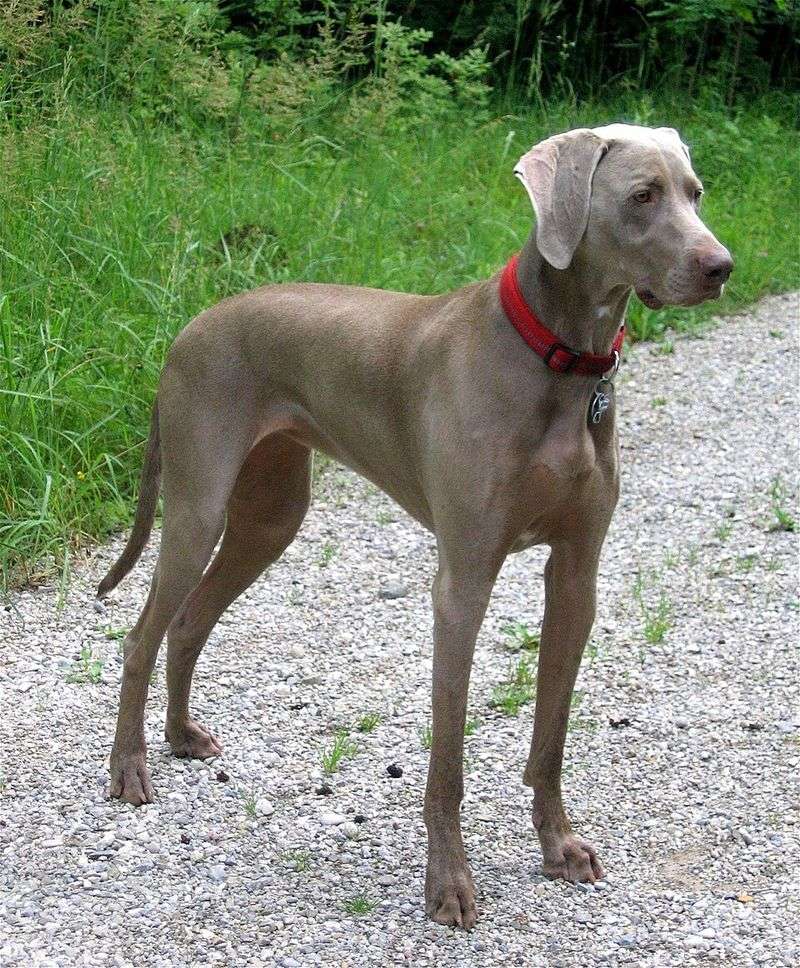
Weimaraners are charismatic athletes with big feelings. They can surge from calm to chaotic when novelty piles up, especially around unfamiliar dogs or high-velocity games.
Overstimulation looks like vocal frustration, grabbing leashes, or ricocheting between people for input.
Build confidence with slow, thoughtful exposures and clear decompression rituals. Reinforce stillness on a mat, then release to controlled fetch or scent games.
Use predictable cues to transition between activities, keeping arousal ramps gradual. With structure and steady expectations, their sensitivity becomes a superpower rather than a fuse waiting to blow.
German Shorthaired Pointer
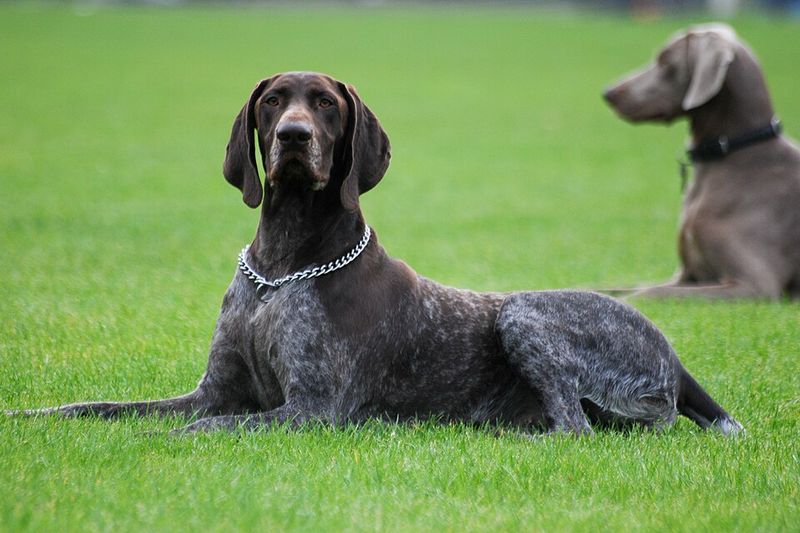
German Shorthaired Pointers are exuberant hunters who love a job. They can jump into overdrive when scent, birds, and people collide, stacking arousal fast.
You might see pogo jumping, hard pulling, or checking out mentally when excitement outruns training.
Design sessions with clear scent tasks, then enforce cool-downs through loose-leash sniffing. Use generous reinforcement for eye contact and stillness before releasing to movement.
Rotate between brain work and body work so their engine does not redline. When you pace the fun, the dog you get is athletic, focused, and gloriously manageable.
Brittany
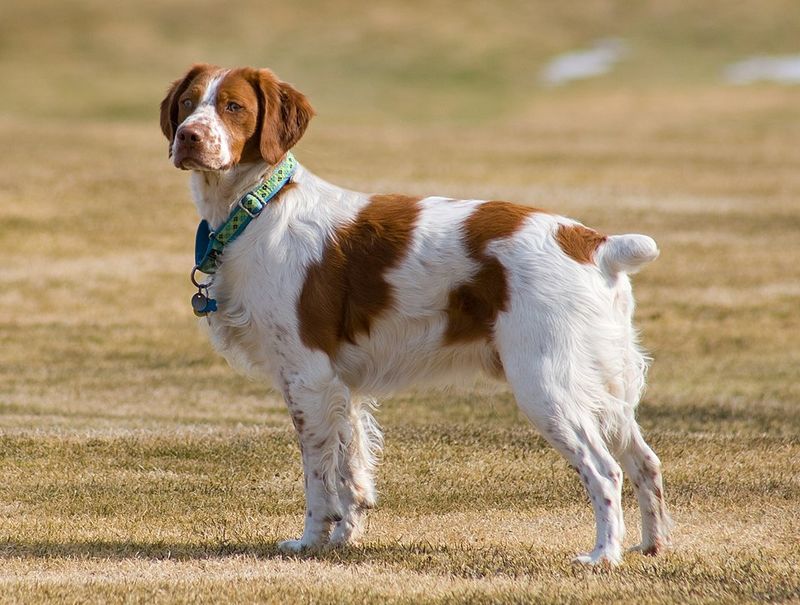
Brittanys are spark plugs with a sweet heart. The excitement of birds, people, and play can tumble into frantic bouncing or yodeling.
Overstimulation often shows as scatterbrained responses, slow recall, or grabbing at the leash.
Keep training bright but tidy. Use pattern games, stop-and-go recalls, and brief mark-and-release drills that build clarity.
Follow every intense burst with a sniff-and-stroll decompression. Provide regular settle practice at home so excitement is not their only gear.
With a thoughtful tempo, their joy becomes sustainable instead of overwhelming.
Jack Russell Terrier
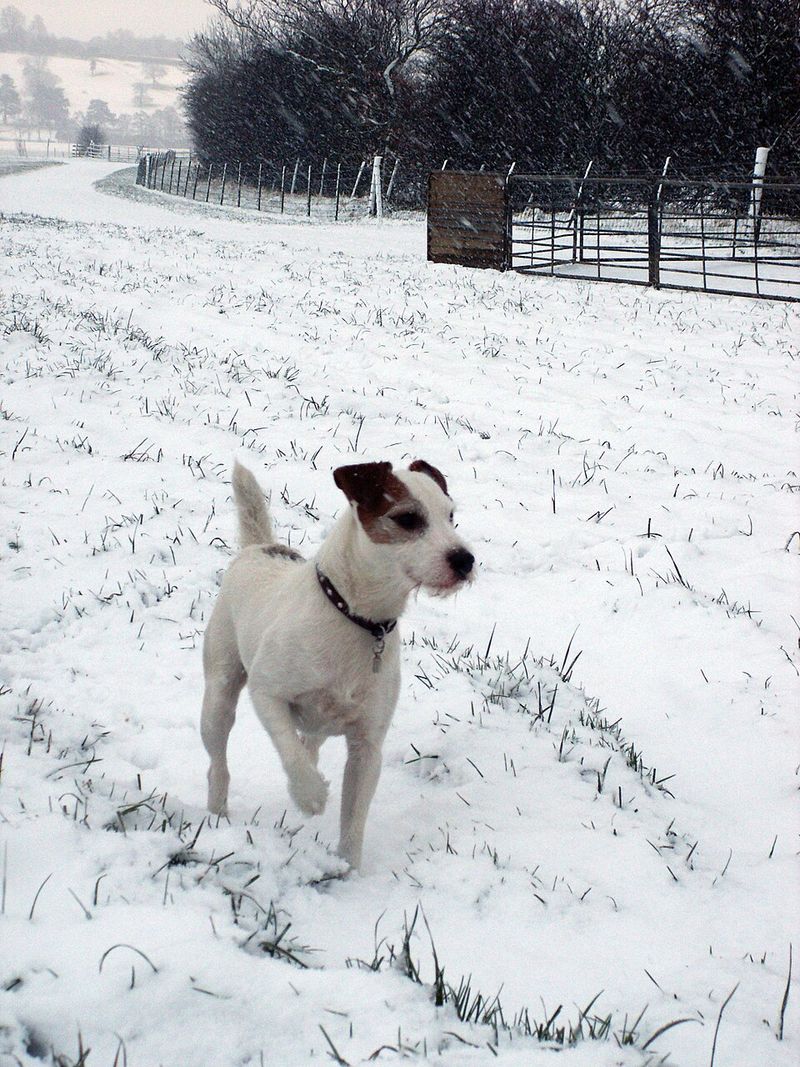
Jack Russells are tiny rockets with detective noses. Overstimulation happens fast with squeaky toys, squirrels, or chaotic play.
You will see barking, grabby play, and difficulty switching off long after the action ends.
Teach a robust off switch with place training and controlled tug that starts and stops on cue. Use nosework to satisfy their hunt drive without chaos.
Keep sessions snappy, end while they still want more, then guide into calm activities. Structure does not dull their sparkle.
It lets you enjoy the sparkle without the burnout or blowups.
Parson Russell Terrier
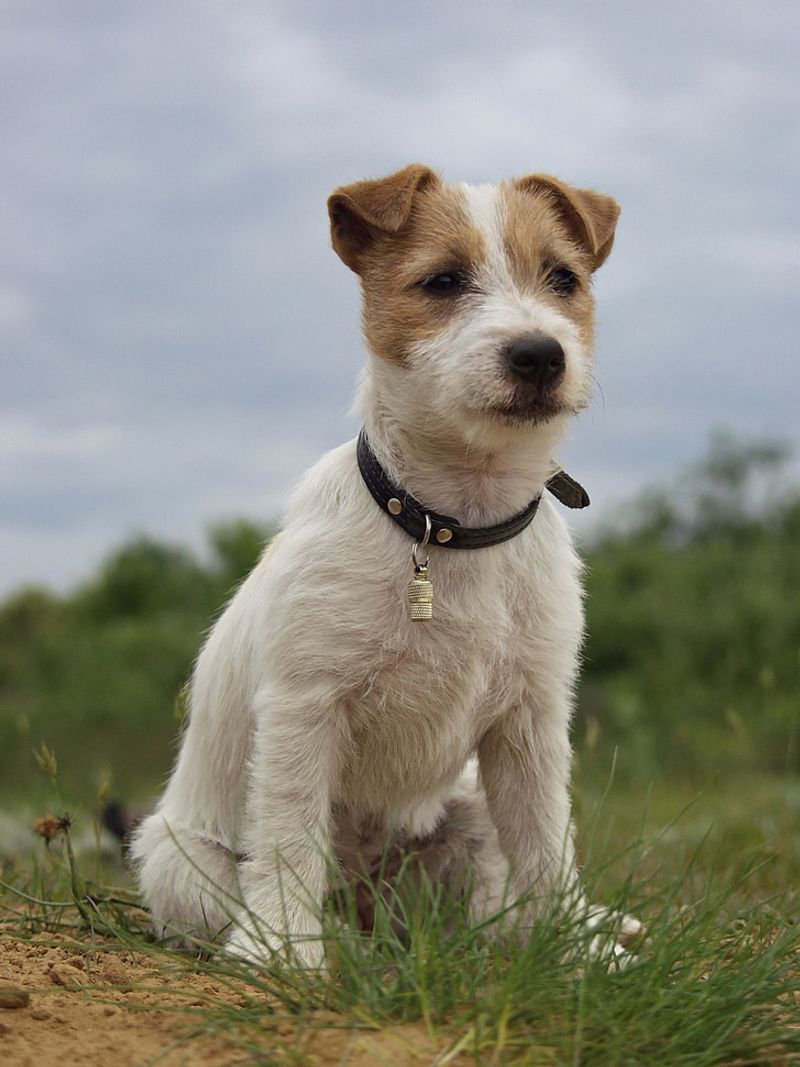
Parson Russell Terriers share that terrier turbo but with a taller, leggier frame. Novelty and rapid movement can send arousal spiking.
Overstimulation shows as shrill barking, fence running, and tunnel-vision chasing.
Provide predictable start-stop games and impulse work around moving distractions. Reinforce check-ins and stationing on a mat before release to chase or tug.
Alternate excitement with quiet sniff breaks to bleed off pressure. When their brain learns gears, their body can shine without outrunning sense.
Miniature Schnauzer
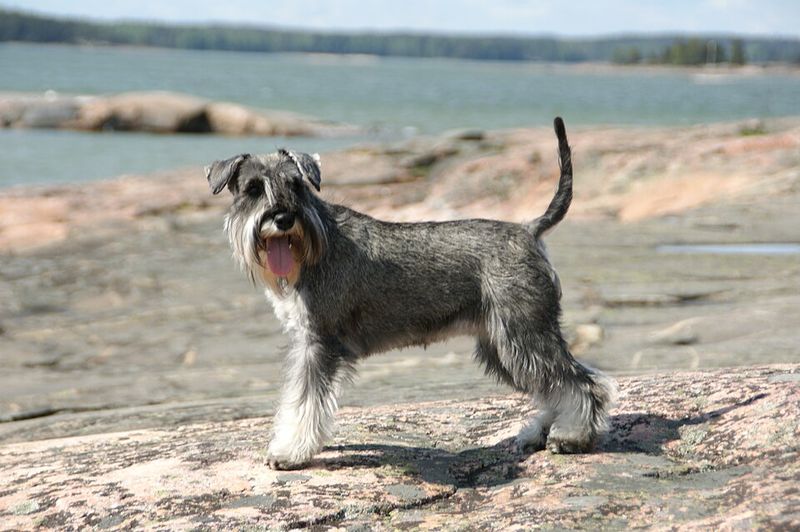
Miniature Schnauzers are bright watchdogs with quick opinions. Busy sidewalks, doorbells, and fast greetings can tip them into vocal overdrive.
Overstimulation shows as barky reactivity, leash pulling, and hard-to-settle zoomies after guests arrive.
Teach predictable greeting routines, stationing on a mat before saying hello. Use sniff walks, scatter feeding, and quiet chew time to downshift after excitement.
Reward calm observation at windows, and manage with curtains when practicing. With clear rules and mental outlets, their lively spirit stays charming instead of chaotic.