
More owners are choosing dogs that mirror a low key, privacy first lifestyle. If you prefer a steady companion who warms up slowly, certain breeds are naturally cautious with unfamiliar people. That does not mean unfriendly, just selective and observant. Let’s explore 11 thoughtful breeds that keep greetings measured while staying loyal at home.
Norwegian Elkhound
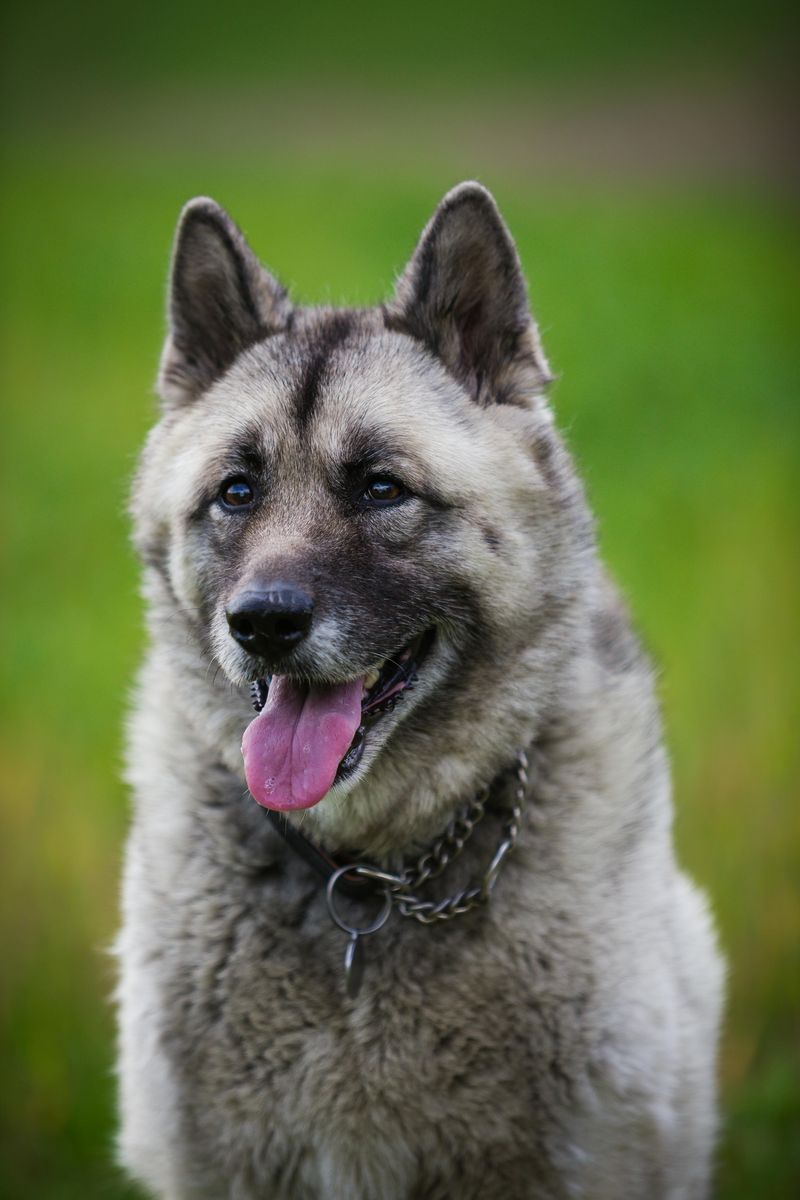
The Norwegian Elkhound tends to scan a scene before offering trust, a habit shaped by hunting roots. Expect a steady dog that stays polite yet distant with strangers, especially in busy spaces. With you, loyalty runs deep, and that composed body language becomes reassuring.
Socialization helps this breed read intentions without becoming pushy. Quiet routines, clear boundaries, and purposeful exercise keep the mind satisfied. You will notice confidence blossom when introductions are slow and respectful.
Apartment living can work if walks are consistent and sniffer time is plentiful. Grooming a dense coat takes commitment, and training thrives on calm repetition. For privacy minded owners, the Elkhound’s reserved nature feels like a perfect match.
Karelian Bear Dog
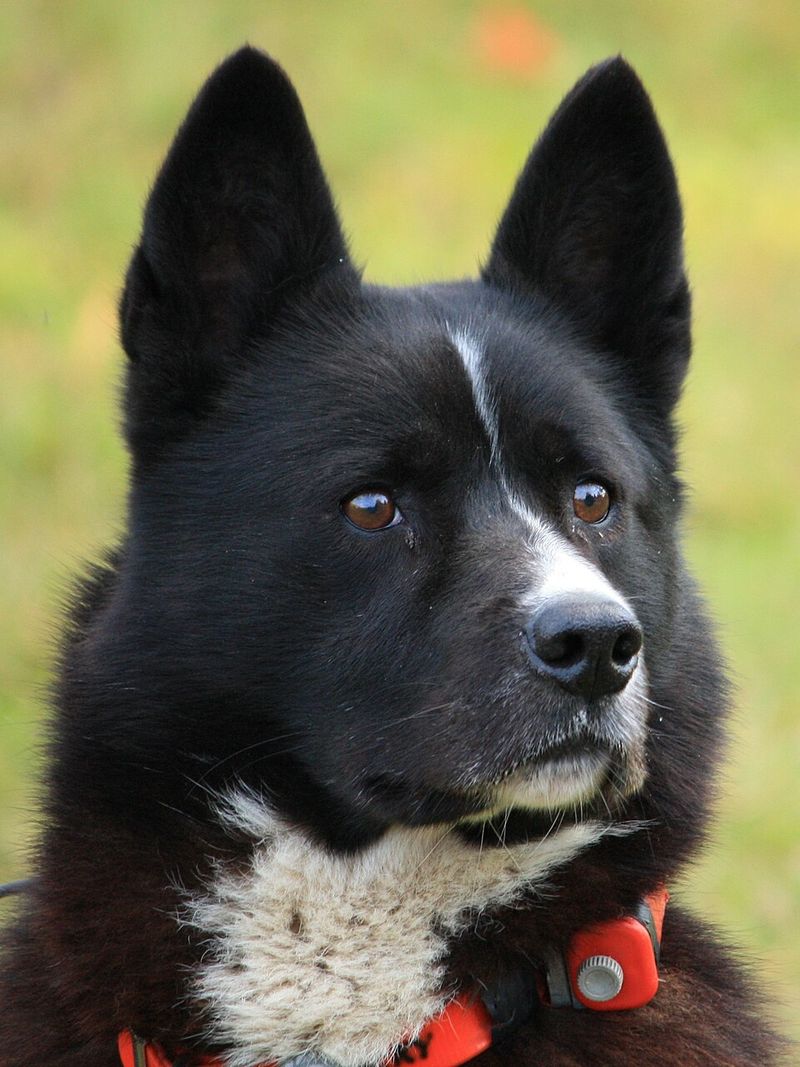
The Karelian Bear Dog carries a serious presence, built for independent decisions and focused work. Around strangers, it keeps a respectful distance, assessing movement and tone. You get a vigilant companion who values clarity over fuss.
Firm, fair training matters, with consistent cues and structured social experiences. Exposure to neutral situations helps the dog separate novelty from threat. Give outlets for scent games and purposeful walks, and the mind relaxes.
This breed bonds strongly with its person while guarding space politely. Expect minimal interest in random petting from outsiders. For owners who prize boundaries, the Karelian’s cool confidence supports a private, low drama lifestyle.
West Siberian Laika
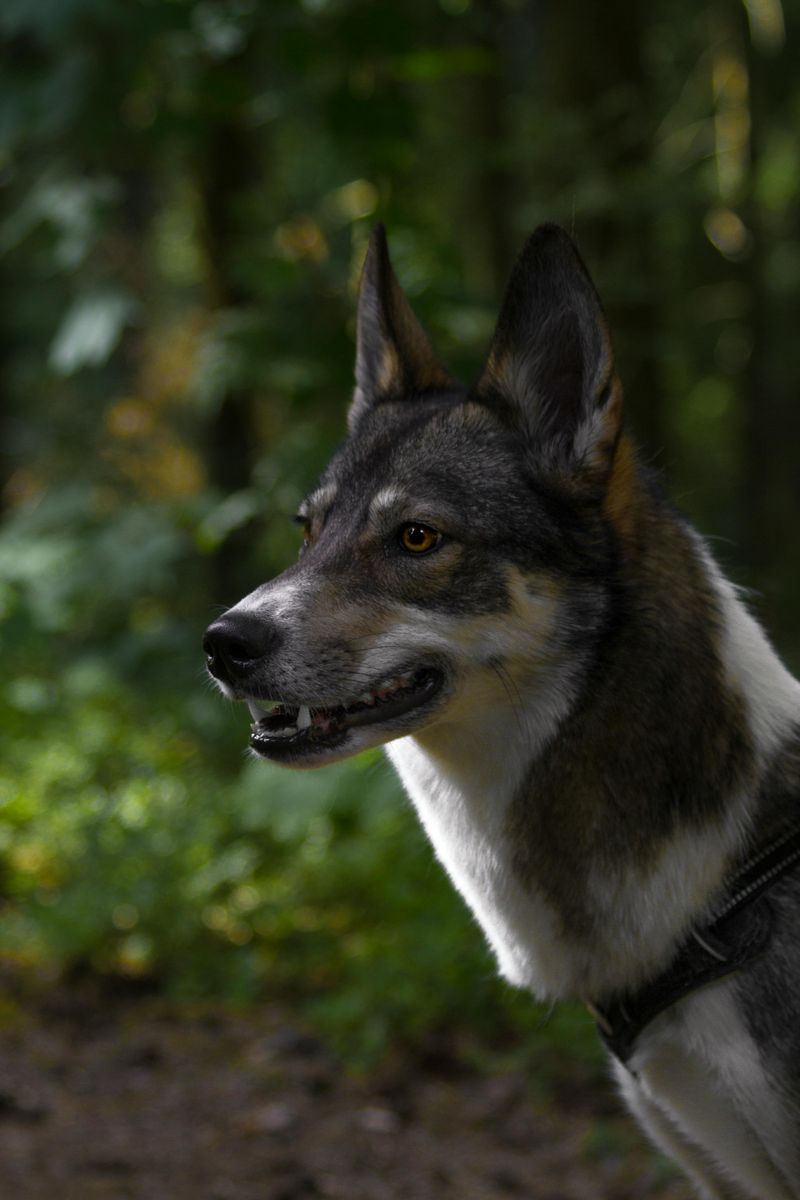
The West Siberian Laika approaches new people with measured caution, preferring observation over contact. Centuries of hunting sharpened its ability to filter distractions and stay task focused. You will notice quiet confidence more than overt friendliness.
Introduce visitors gradually and let the dog choose proximity. Reward calm curiosity and avoid forcing touch. Structured work like tracking or nose games channels independence into teamwork.
Daily activity is essential, as mental effort softens hard edges. This breed respects owners who offer clear rules and steady routines. For privacy leaning households, the Laika’s reserved nature becomes a comfortable middle ground between watchful and balanced.
Yakutian Laika
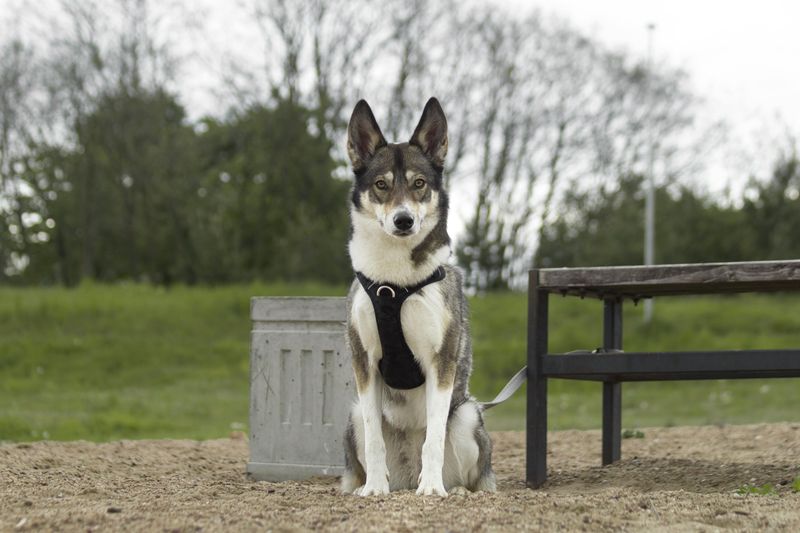
Yakutian Laikas tend to be cordial but reserved, reading body language carefully before committing. They bond tightly with family and may sidestep unsolicited attention. You will see polite distance melt into affection after consistent positive encounters.
Early socialization builds resilience without dulling instincts. Keep introductions short, predictable, and paired with calm activities. Nose work and moderate sled pulling or canicross style exercise suit their heritage.
Grooming the thick coat is part ritual, part bonding time. Training thrives on gentle structure and meaningful jobs. For owners who value privacy, this breed’s composed demeanor keeps the home serene while remaining warmly connected inside the circle.
Greenland Dog
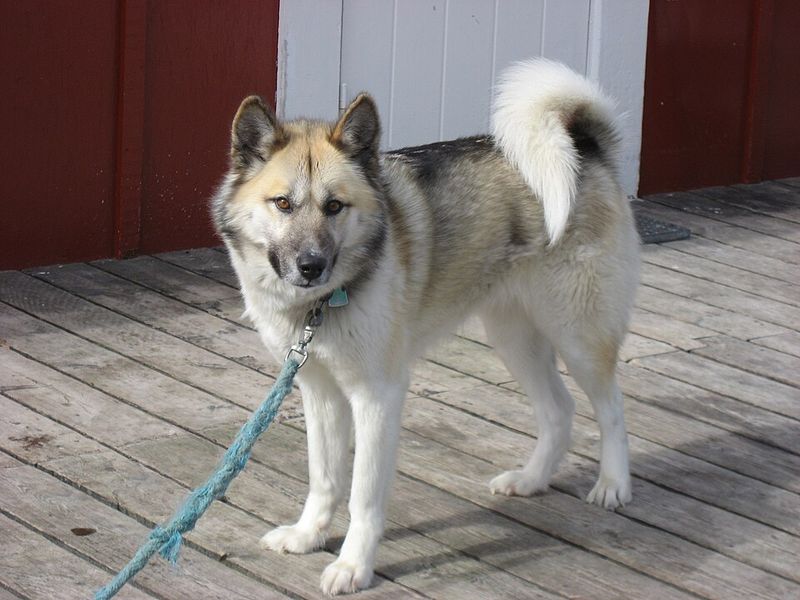
The Greenland Dog is sturdy and self possessed, often indifferent toward unfamiliar people. It will watch quietly, responding more to your cues than a stranger’s approach. With family, loyalty shows through steady work ethic and calm closeness.
Structured exercise like pulling, canicross, or trekking strengthens focus. Socialization should emphasize neutral exposures rather than forced mingling. Reward relaxed observation and allow the dog to choose distance.
Expect heavy shedding and a need for clear boundaries. This breed appreciates owners who lead with calm consistency. For privacy oriented homes, the Greenland Dog offers a protective presence without performative friendliness, keeping interactions purposeful and low key.
Canadian Eskimo Dog
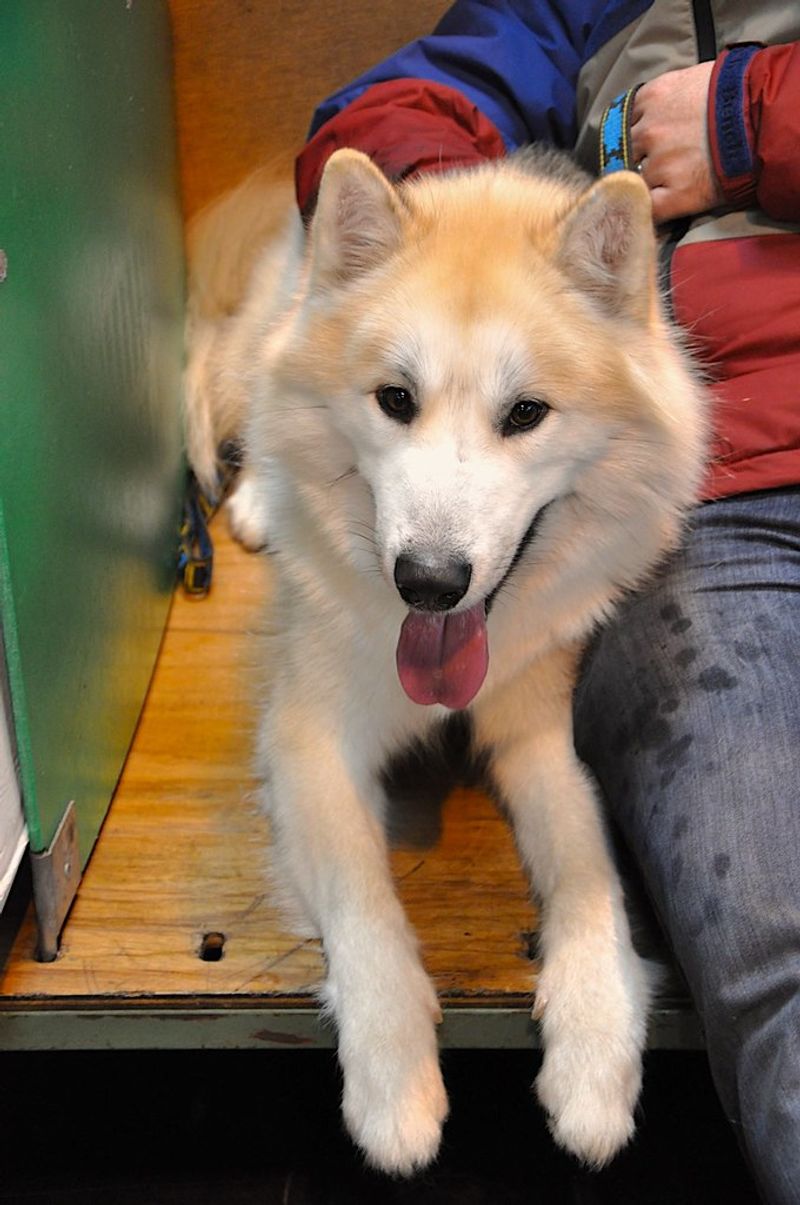
The Canadian Eskimo Dog has a proud, independent streak, so strangers are met with caution. Expect measured curiosity rather than instant cuddles. With family, affection appears in steady companionship and readiness for work.
Early, ongoing socialization prevents suspicion from hardening into reactivity. Keep sessions brief, positive, and structured. Provide physically demanding outlets and puzzle based enrichment to satisfy drive.
Coat care is significant, and heat management is crucial in warm climates. Training works best when tasks feel meaningful. For owners safeguarding a quiet home, this breed’s reserved demeanor supports privacy while bringing impressive resilience and heart.
Chinook
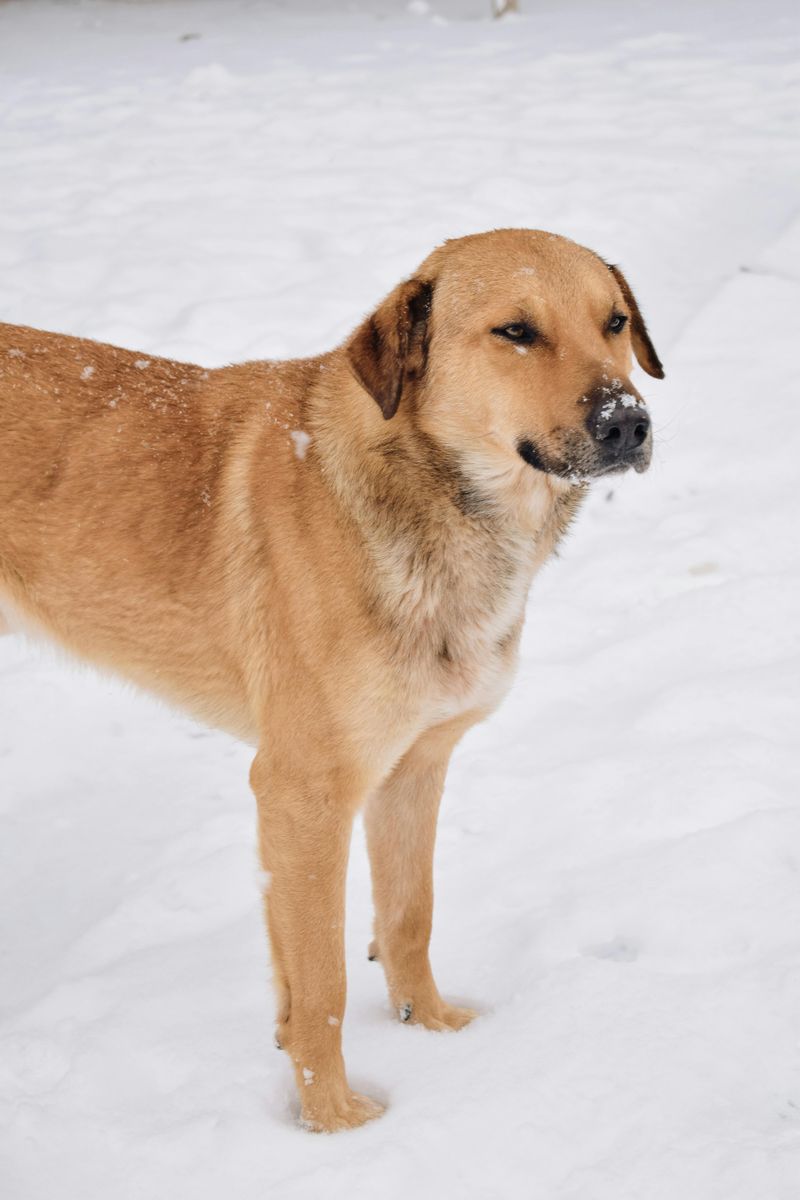
The Chinook is known for gentle steadiness, often greeting new people with polite restraint. It saves enthusiasm for trusted friends and familiar routines. You will appreciate how calmly it anchors a household.
Socialization should focus on positive experiences without pressure to interact. Reward relaxed presence near visitors, and let choice lead. Activities like hiking, canicross, and carting blend exercise with teamwork.
Training responds to encouragement and consistency more than harsh corrections. Grooming is moderate, and daily movement matters. For privacy leaning owners, the Chinook offers companionship that is affectionate at home and reserved in public, a balanced fit for quieter lifestyles.
Akita Inu
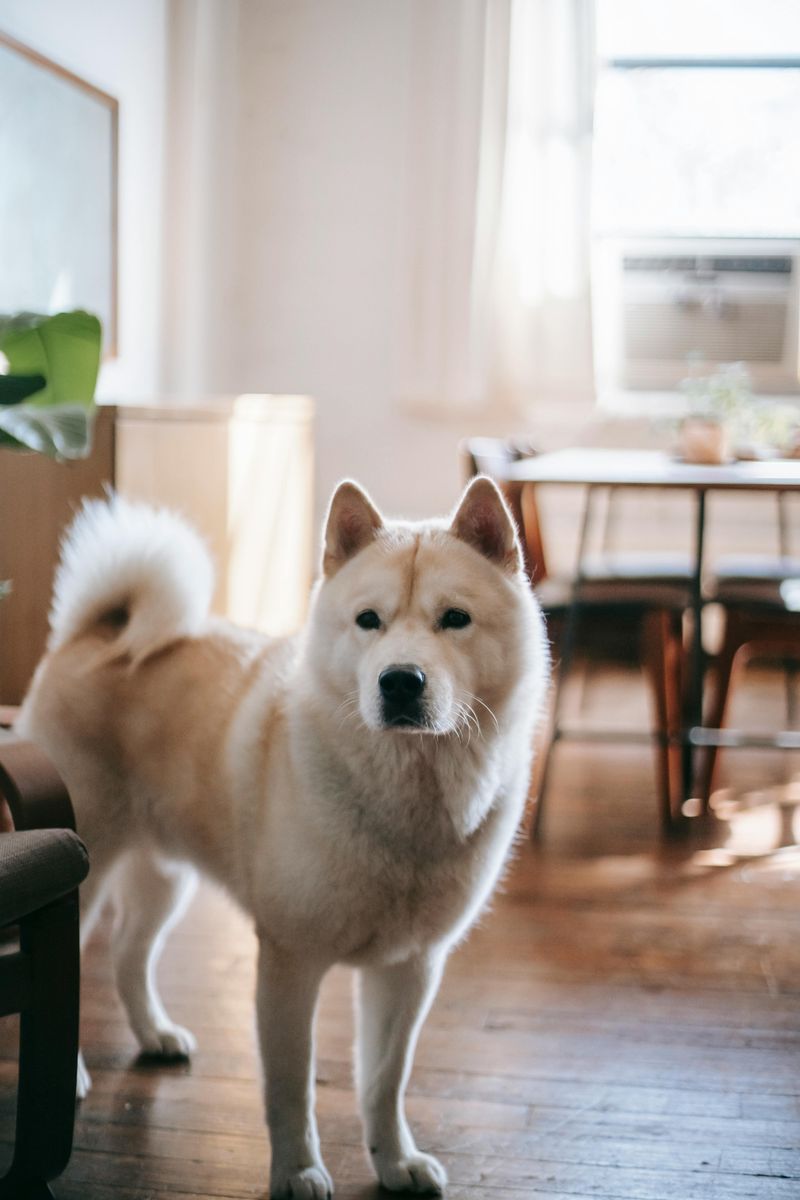
The Akita Inu is famously dignified, often aloof with those outside its circle. It evaluates newcomers carefully, preferring space and calm. With family, loyalty runs deep and protective instincts are notable.
Early socialization and thoughtful boundaries are essential to prevent overguarding. Use clear rules, short sessions, and high value rewards. Obedience, scent work, and controlled neighborhood walks keep the mind engaged.
Grooming demands attention during shedding seasons, and exercise should be steady, not frantic. This breed suits owners who value order and privacy. Expect a companion that is affectionate at home and politely distant elsewhere, embodying quiet strength and self control.
Thai Bangkaew Dog
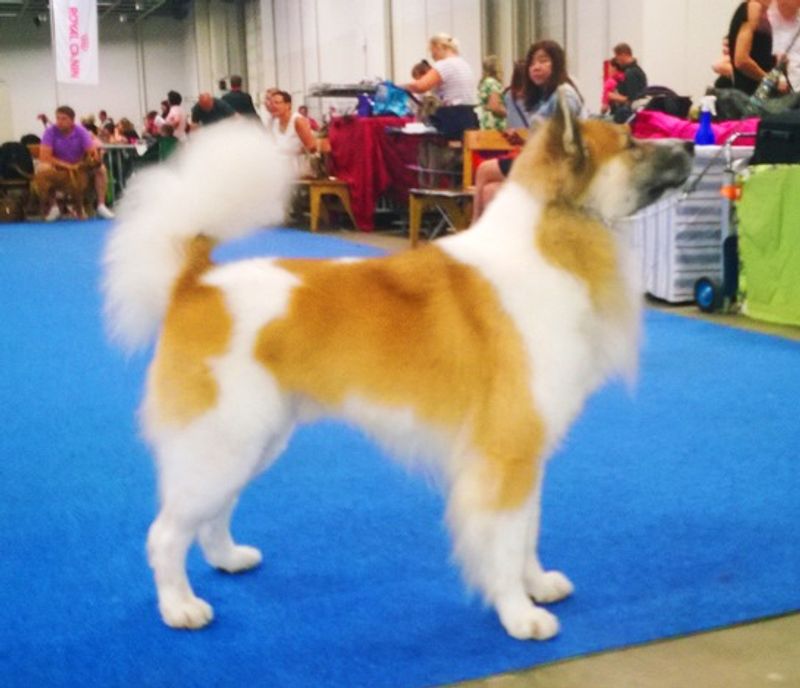
The Thai Bangkaew Dog tends to be territorial and reserved, reading visitors closely before accepting contact. It thrives with predictable household rhythms and clear leadership. You will notice sharp awareness and quick assessments.
Socialization should start early, leaning on controlled exposures rather than crowded scenes. Reward neutrality and calm focus. Mental games, scent work, and routine walks keep energy balanced.
Coat care is moderate, and training benefits from consistency and fairness. For privacy oriented owners, this breed offers steadfast companionship while remaining selective about strangers. With patience and structure, it becomes a reliable guardian of calm spaces.
Caucasian Shepherd Dog
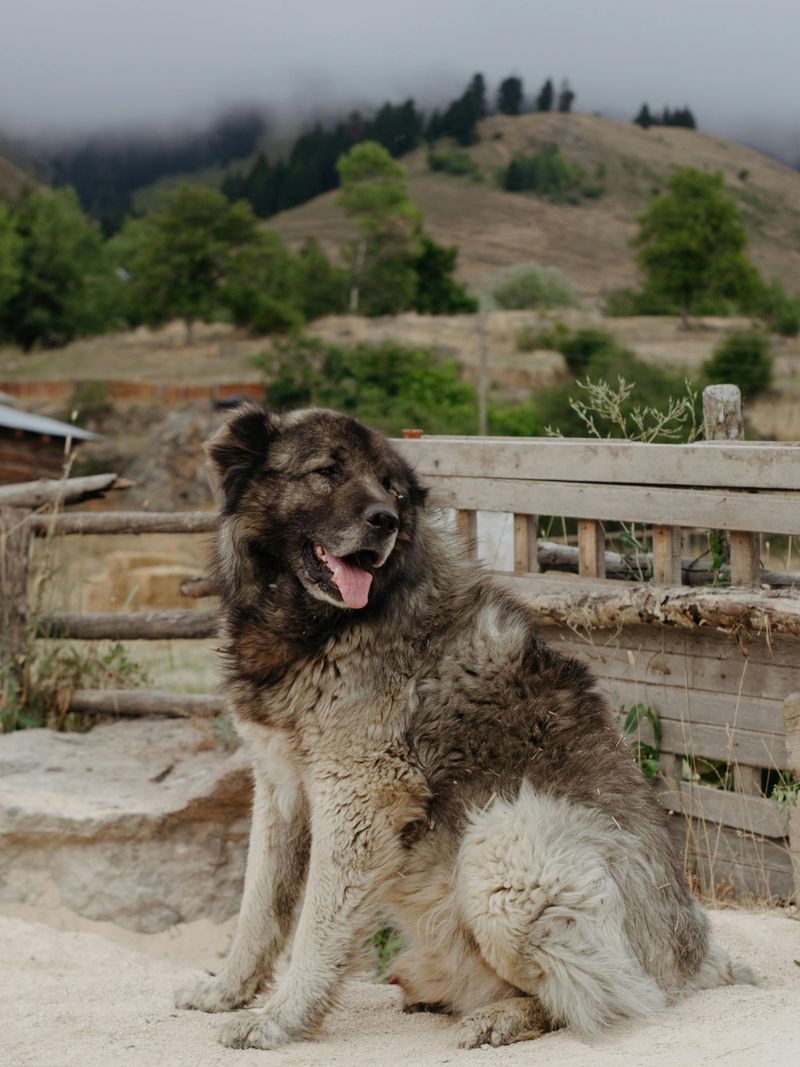
The Caucasian Shepherd Dog is naturally suspicious of strangers, bred for serious livestock guarding. It values space management and reads intent quickly. With family, tenderness appears beneath a formidable exterior.
This breed requires experienced handling, robust socialization, and a secure environment. Reinforce obedience gently yet consistently. Provide purposeful jobs and structured exercise to curb boredom.
Grooming is heavy, and size demands thoughtful management in public. For privacy focused households, the dog’s reserved nature supports boundaries and calm. Expect unwavering loyalty and a careful gatekeeper mindset that keeps casual encounters minimal.
Central Asian Shepherd Dog
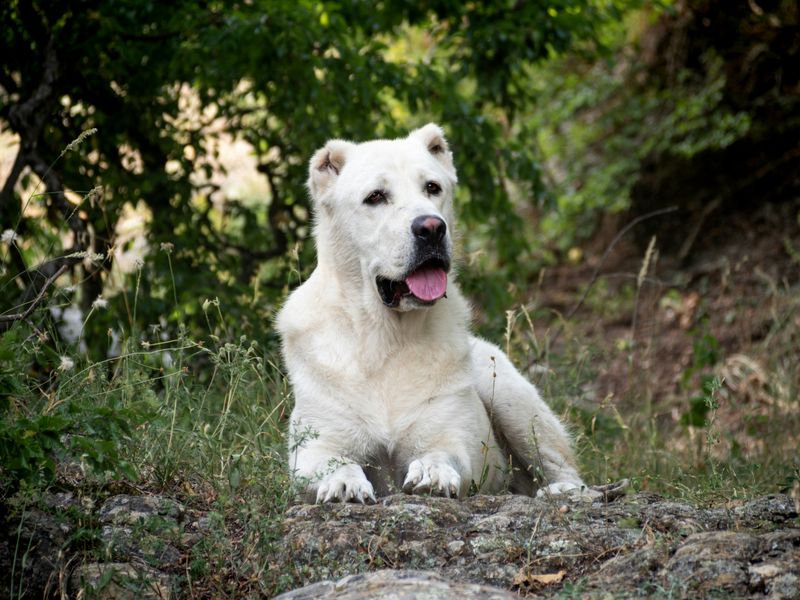
The Central Asian Shepherd Dog maintains a cool, independent presence with unfamiliar people. Bred to guard, it assesses calmly and prefers minimal interaction. With you, it is steady, brave, and deeply attached.
Socialization should be strategic, not overwhelming. Teach reliable obedience and manage introductions with patience. Enrichment through scent trails and boundary walks satisfies instinct.
Space, secure fencing, and confident handling are essential. Grooming is manageable, but sheer size requires planning. For owners who treasure privacy, this breed’s reserved temperament supports a quiet home while providing a protective, thoughtful companion that chooses connection on its own terms.