If your dog still seems young and bouncy, joint care might feel far away. But for certain breeds, cartilage and ligaments start feeling stress sooner than you would expect. Early support can mean more play, fewer vet bills, and a happier senior life later. Let’s uncover which beloved breeds benefit most from proactive, gentle joint protection now.
Dachshund
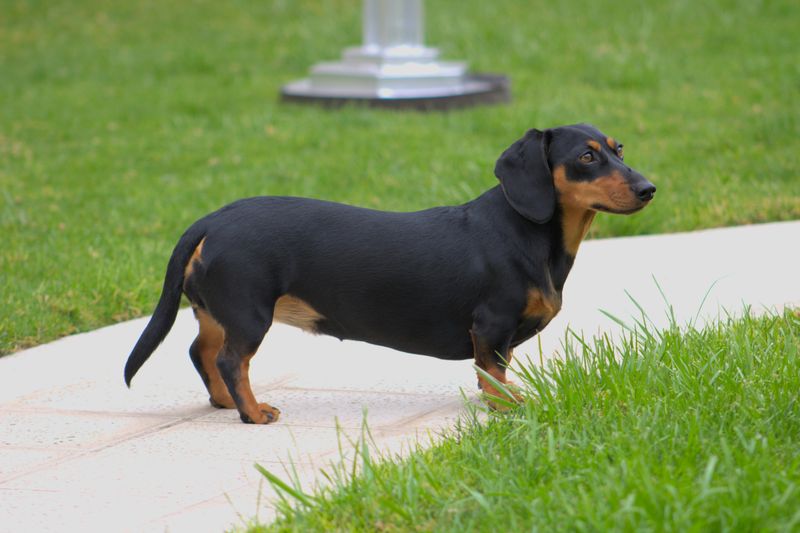
Dachshunds carry a lot of length on very short legs, and that adorable silhouette loads stress on their spine and hips. Even when they are energetic, repeated jumping on and off furniture can strain discs and knees. You can help by using ramps, lifting carefully, and starting joint support before stiffness appears.
Look for low-impact exercise like controlled walks and gentle core work to stabilize their long backs. Keep weight lean to reduce the mechanical load on joints and intervertebral discs. Early supplements, supportive bedding, and thoughtful handling build resilience.
Ask your vet about baseline exams while your dachshund is young. Catching subtle changes means more comfort, long-term mobility, and fewer scary back episodes. Your tiny trailblazer will thank you.
German Shepherd
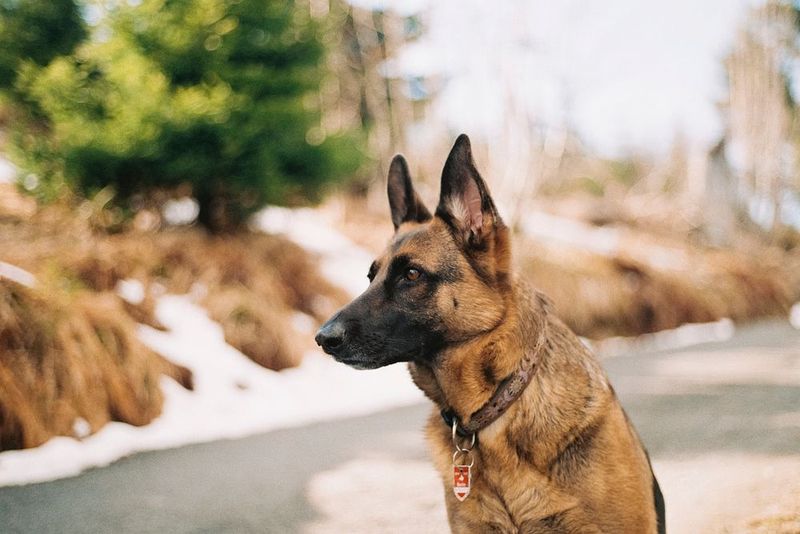
German Shepherds are powerful athletes with a predisposition to hip and elbow issues. Those sweeping gaits look gorgeous, but they can mask early cartilage wear during growth. Supporting joints before heavy training helps keep stride length comfortable and confident.
Use controlled surfaces, gradual strengthening, and targeted balance drills. Keep nails short for proper biomechanics and maintain a lean body score. A quality diet with joint-friendly nutrients supports healthy development through adolescence.
Ask your vet about screenings, including hips and elbows, especially if your dog will work or sport. Early supplements and smart conditioning lower stress on vulnerable areas. Start early so your shepherd stays agile, playful, and ready for every adventure together.
Labrador Retriever

Labradors are joyful athletes who love to fetch, swim, and sprint, which can overwork hips and elbows. Rapid growth and an appetite for everything make weight management critical for joint longevity. Starting support early turns high energy into healthy motion.
Mix low-impact cardio like swimming with controlled retrieves on soft ground. Keep sessions short and increase gradually to prevent overuse. Choose measured meals, monitor body condition, and add omega-rich support for smoother movement.
Schedule routine joint checks even if your Lab seems fine. Catching mild stiffness early lets you adjust activity smartly. With proactive care, your Lab keeps that signature happy wiggle, minus the hidden joint strain.
Golden Retriever
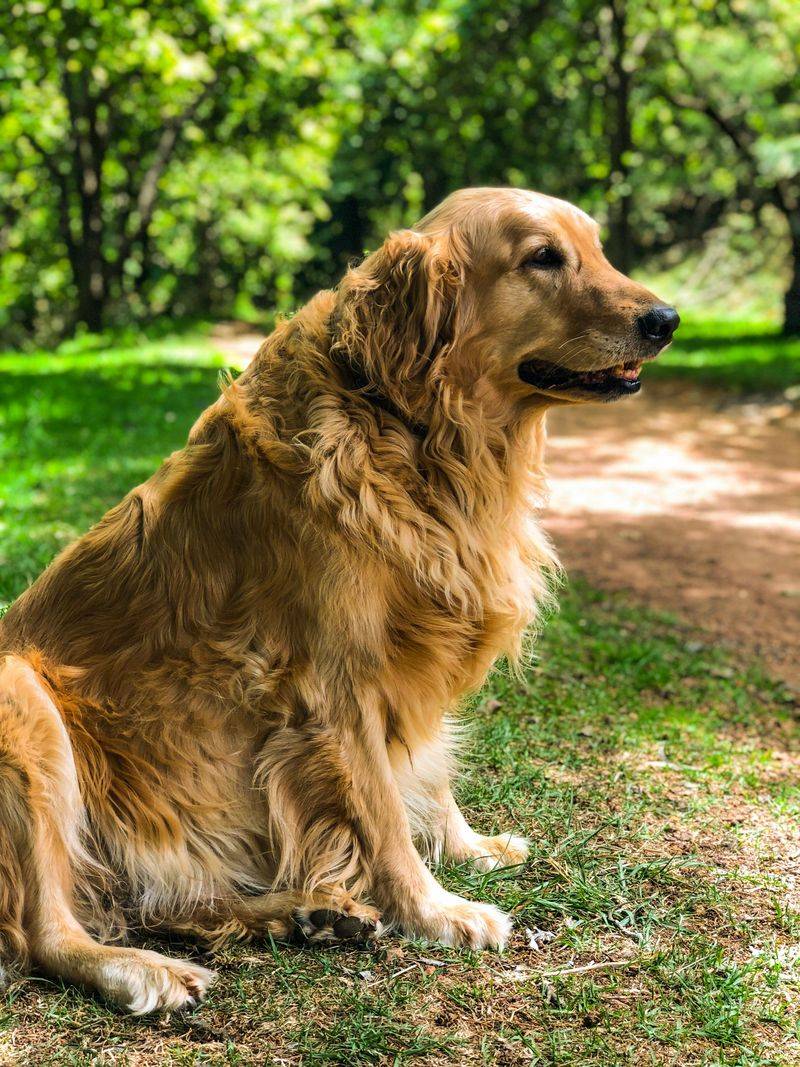
Goldens carry heart-of-gold energy, which sometimes pushes joints harder than they should. Their friendly enthusiasm can lead to repetitive impact on hips and shoulders during play. Early support keeps that signature glide smooth and pain-free.
Use varied terrain walks, easy hill work, and core stability routines. Keep weight trim, prioritize quality protein, and consider joint-friendly nutrients approved by your vet. Soft surfaces for fetch and deliberate rest days make a big difference.
Regular orthopedic checkups catch subtle changes before they become limps. Plan training volumes thoughtfully and watch for morning stiffness. With proactive care, your golden stays radiant, mobile, and eager for every wag-worthy moment.
Rottweiler
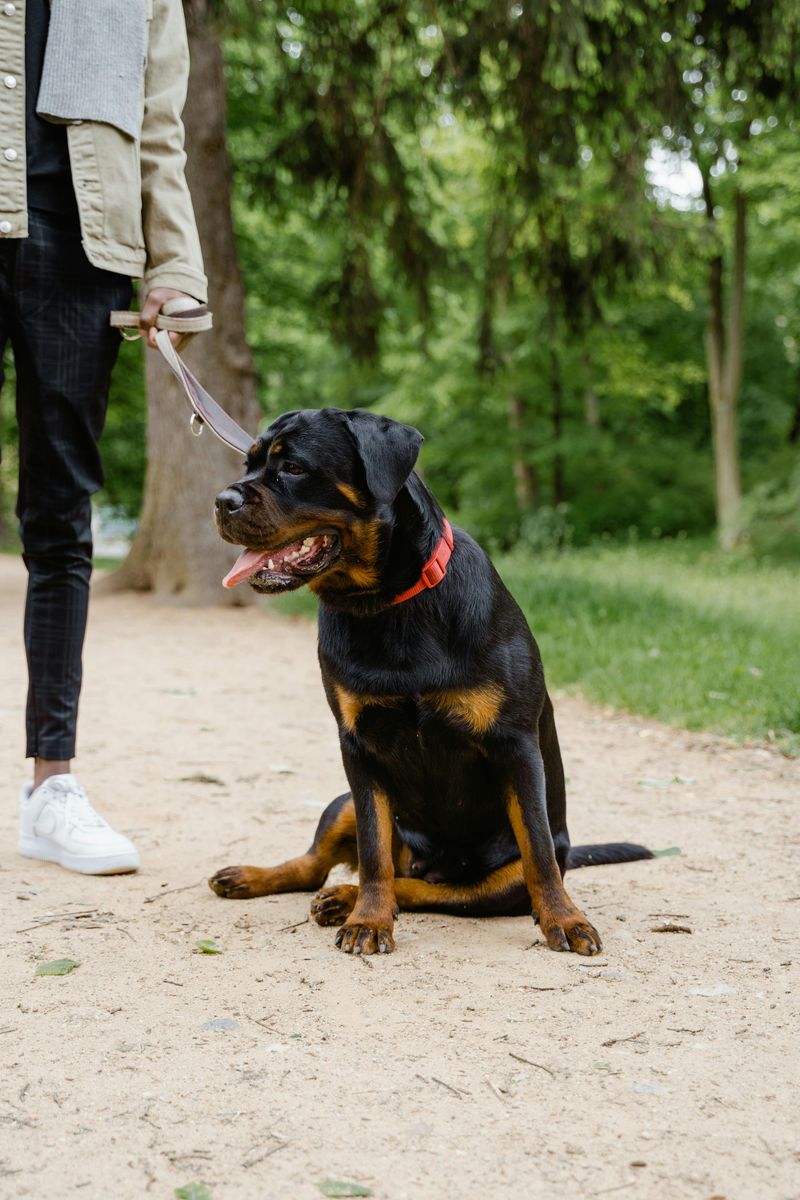
Rottweilers develop substantial muscle and bone quickly, which can strain growing joints. Their confident power hides early discomfort, especially in hips and elbows. Start joint support before intense protection sports or heavy resistance training.
Focus on controlled leash work, precise turns, and wobble-free stance training. Keep growth slow and steady with measured nutrition and lean condition. Add low-impact conditioning like swimming to build endurance without pounding.
Discuss early imaging or screenings with your vet if you notice subtle gait changes. Balanced strength around the hips and shoulders protects cartilage. With proactive planning, your Rottie’s strength becomes durable, comfortable performance for years.
Great Dane
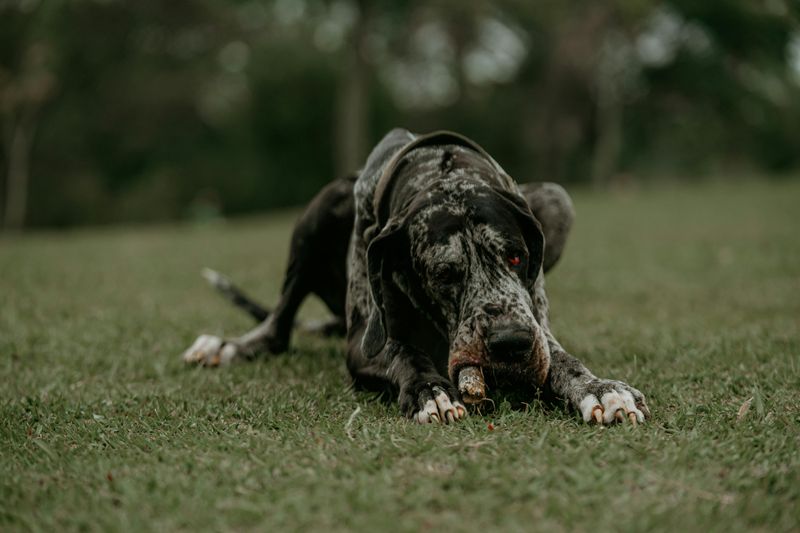
Great Danes are gentle giants whose rapid growth challenges joints and connective tissue. Long limbs and big frames need careful support well before adulthood. Early attention to surfaces, traction, and controlled movement pays off long-term.
Keep growth measured with giant-breed nutrition and prevent slippery floors. Use brief, frequent walks and avoid stair sprinting or rough play. Supportive bedding and moderated jumping reduce strain on hips and shoulders.
Consult your vet about joint supplements during adolescence. Regular checkups help catch subtle stumbles or fatigue. With early care, your Dane’s elegant stride stays comfortable while their sweet personality shines every day.
Bernese Mountain Dog
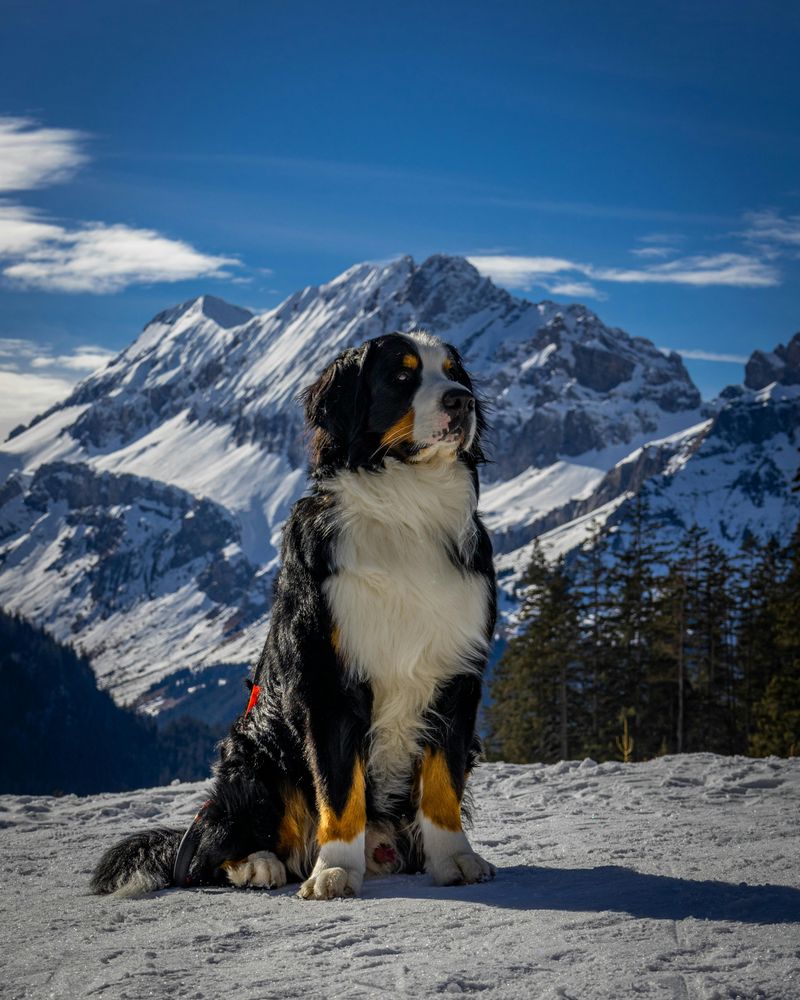
Bernese Mountain Dogs combine size with gentle temperaments, which can mask slow-building joint stress. Their weight and structure make hips and knees common hotspots. Early support keeps weekend hikes and family playtime comfortable.
Choose gradual inclines, soft-ground walks, and brief training sessions. Maintain lean condition and consider omega fatty acids for joint comfort. Traction mats indoors help prevent slips that jolt vulnerable joints.
Schedule regular orthopedic evaluations, especially as growth plates close. Catching stiffness early lets you adjust routines before pain sets in. With consistent care, your Berner will move with quiet strength and lasting ease beside you.
Newfoundland
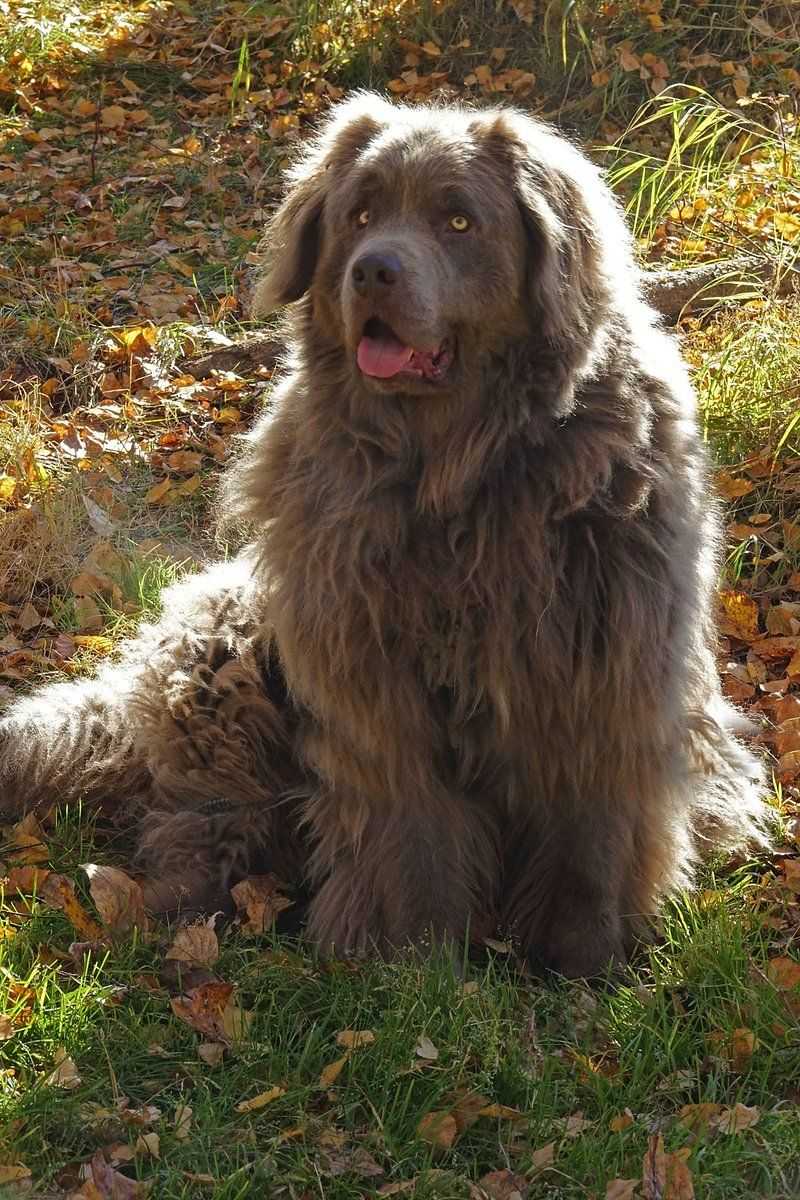
Newfoundlands are water-loving giants with massive frames that load hips, knees, and shoulders. Even with natural swimming talent, growth phases can stress cartilage. Early support helps them stay buoyant in comfort, on land and in water.
Emphasize controlled swims, gradual conditioning, and careful dock entries. Keep weight meticulously managed and avoid slippery floors. Provide orthopedic bedding and encourage gentle transitions from lying to standing.
Talk with your vet about supplements and periodic joint assessments. Watch for subtle fatigue after play or stairs. With proactive attention, your Newfie remains the strong, gentle lifeguard of your home without aching joints.
Boxer
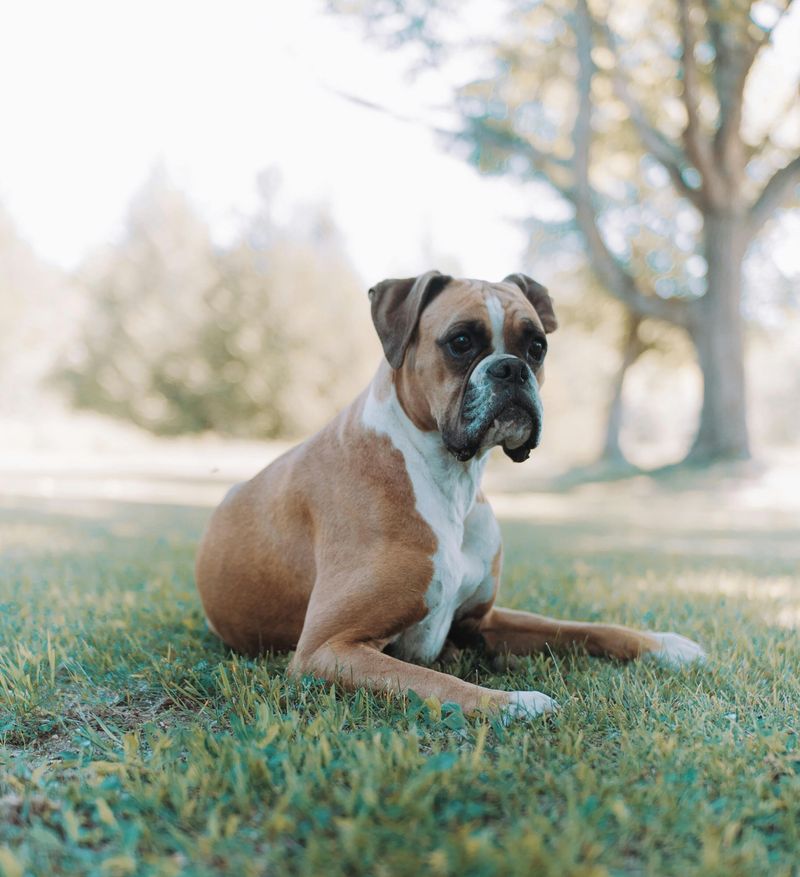
Boxers are spring-loaded athletes whose playful bursts can overtax knees and shoulders. Their exuberance is contagious, but repetitive jumping and tight turns add stress. Early joint support helps channel that energy into sustainable movement.
Incorporate interval-style walks, short fetch on grass, and balance exercises. Keep nails short, maintain a lean physique, and use rest days after high excitement. Consider supportive nutrients that cushion cartilage during training.
Ask your vet to check gait and flexibility during routine visits. Spotting mild stiffness now prevents bigger setbacks later. With smart planning, your Boxer stays bouncy and bright without the hidden joint toll.
Bulldog
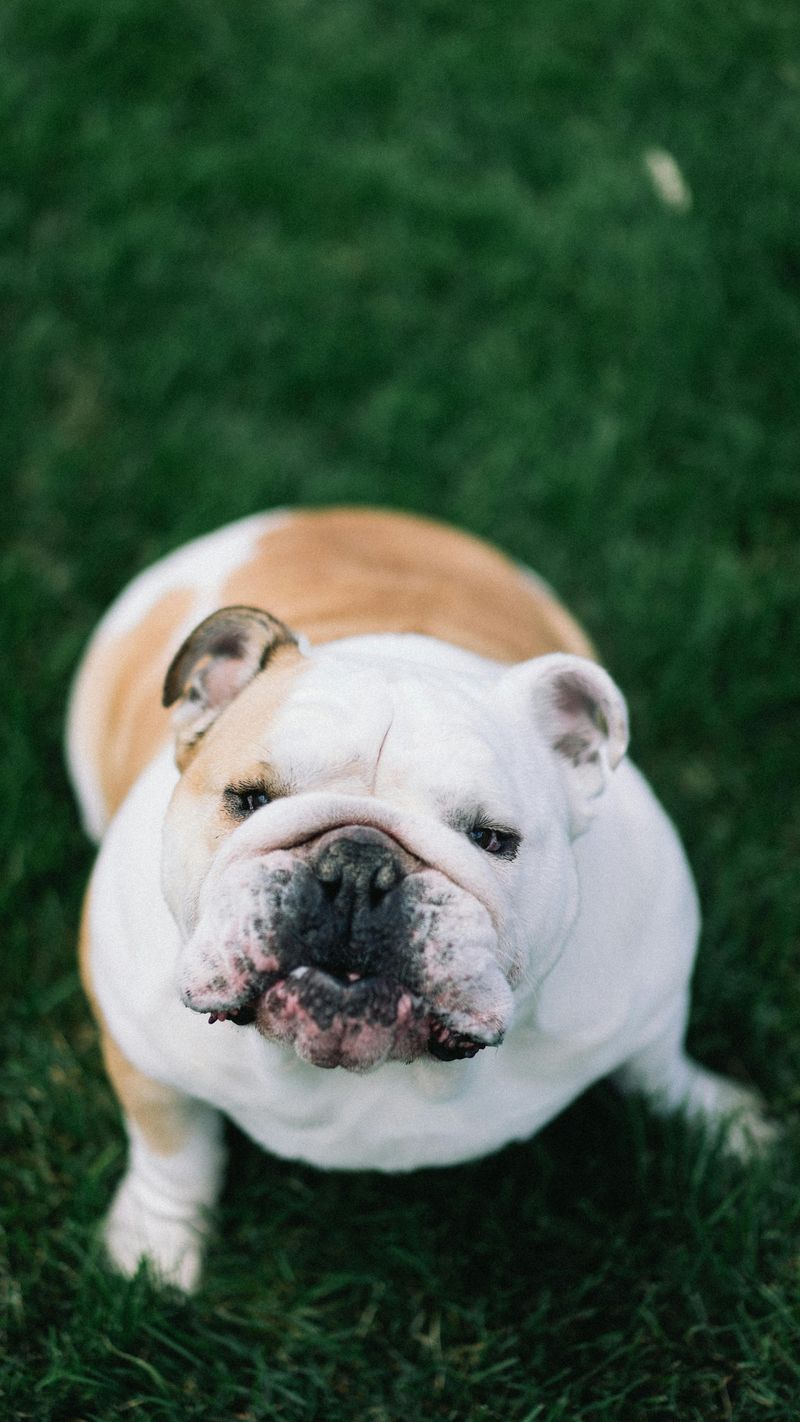
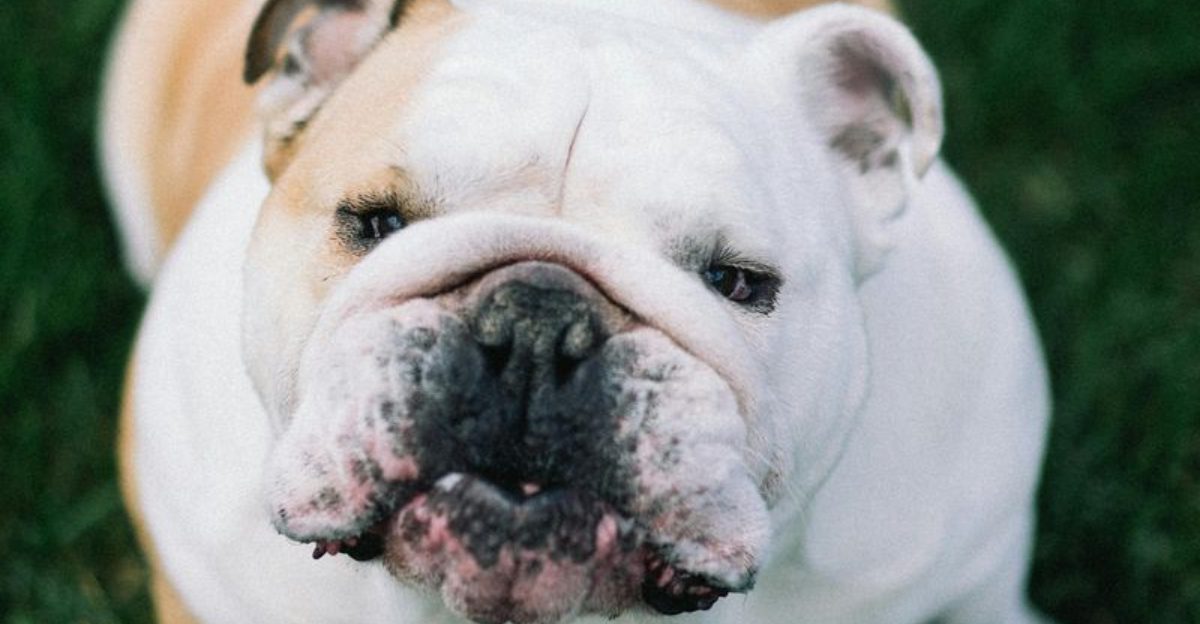
Bulldogs carry dense bodies on compact limbs, which puts considerable load on joints. Heat sensitivity and short strides can change biomechanics and strain elbows and hips. Early support makes everyday strolls more comfortable.
Use short, frequent walks on cooler surfaces and add gentle balance work. Keep weight tightly managed to reduce pressure on cartilage. Provide non-slip rugs and ramps to avoid jarring jumps.
Work with your vet on joint-friendly nutrition and supplements. Monitor for reluctance to rise or climb stairs. With proactive care, your bulldog’s trademark charm comes with smoother, easier movement every day.
French Bulldog

French Bulldogs are small but dense, and that compact build can stress knees and the spine. Their playful zoomies on slick floors lead to slips that jar joints. Early support helps protect comfort without dulling personality.
Add traction mats, use ramps, and keep jumping to a minimum. Short, fun walks beat long, hot treks for joint health. Maintain lean weight and ask your vet about thoughtful supplements and exercises.
Watch for subtle signs like hesitation to jump or brief morning stiffness. Addressing tiny clues early preserves mobility later. With smart habits now, your Frenchie keeps the clownish charm while moving smoothly through daily life.