
If your dog has a talent for vanishing the second a gate swings open, you are not alone. Some breeds are expert escape artists, sprint champions, or scent-driven explorers that tune out every recall.
That is why so many owners are adding GPS trackers to collars for instant location and smart alerts. Here is how a tracker helps with each high-escape breed, and what you can do today to worry less.
Siberian Husky
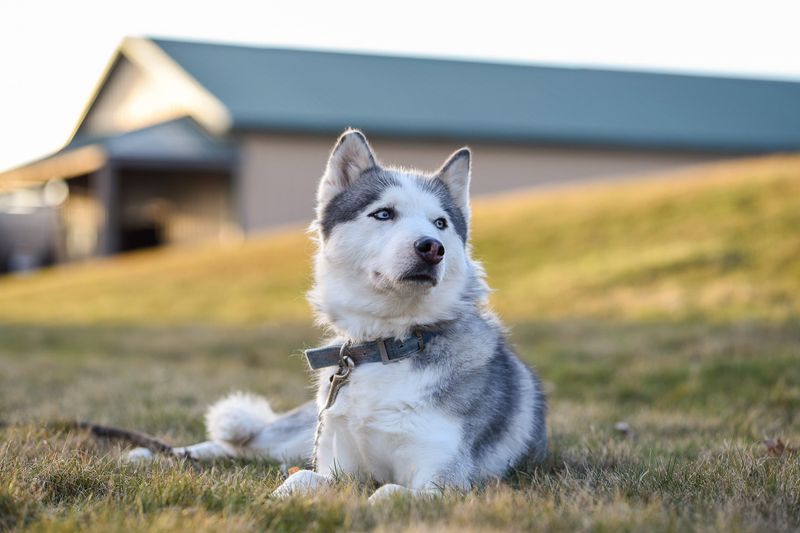
Huskies were born to run, and yours probably treats a cracked door like a starting gun. Their curiosity, stamina, and love of adventure can carry them miles before you even grab the leash.
A GPS tracker gives you real time location, escape alerts, and shareable maps so help can jump in fast.
Set safe zones for your yard or favorite trailhead, then get a nudge the second boundaries are crossed. Many devices add activity metrics, heat alerts, and night friendly lights, so you can gauge when that zoomy energy needs an outlet.
Pair tracking with secure fencing, strong recall games, and an ID tag, and you will breathe easier every single time you clip on the walking line at home.
Beagle
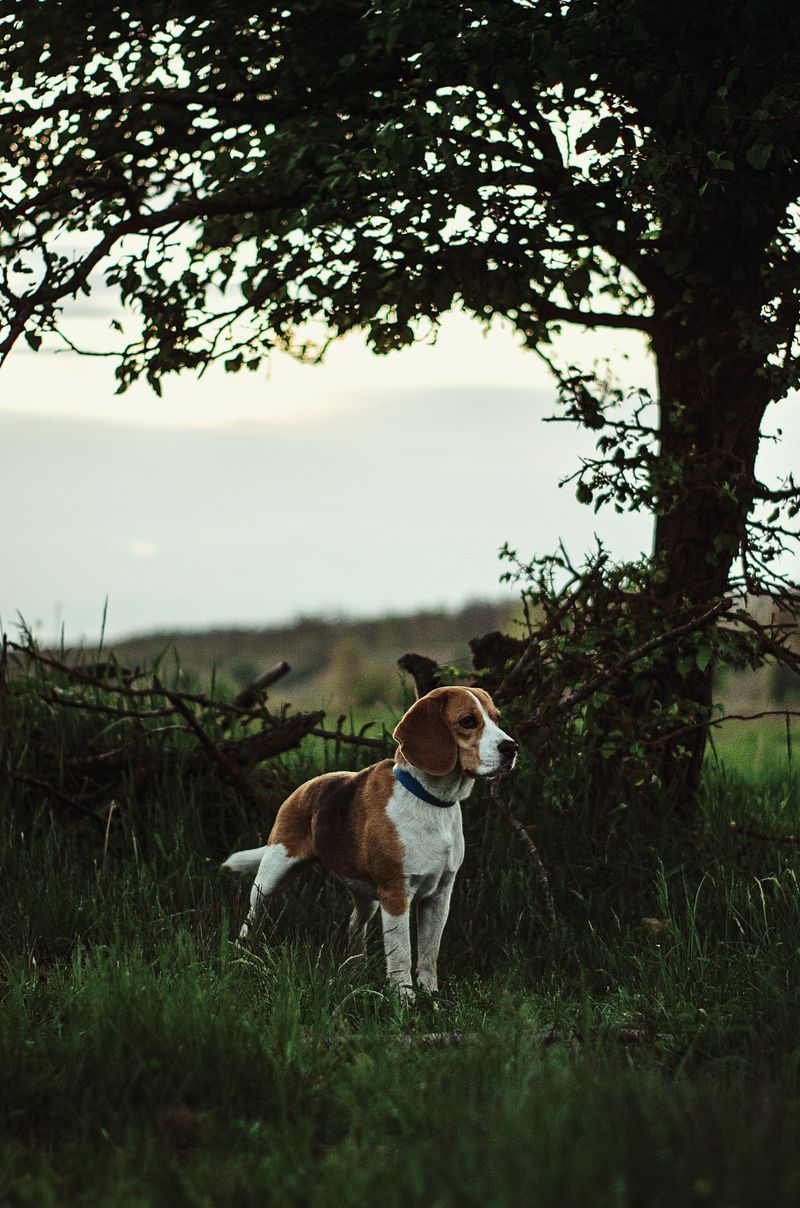
Beagles are scent-first detectives, and a whiff of rabbit can drown out your best whistle. Their low-slung bodies and high curiosity mean hedges, fences, and open car doors become tempting portals.
A GPS tracker lets you see which direction that nose is pointing, with live updates and retraceable paths.
Set up safe zones around the yard, school run, and favorite park, so you get a quick alert if boundaries are crossed. Battery life matters for Beagles that mosey far, so pick a model with multi-day juice and lost mode.
Pair tracking with a well-fitted harness, long-line practice, and tasty recall rewards, and you will feel calmer when curiosity strikes at the worst possible moment.
Jack Russell Terrier
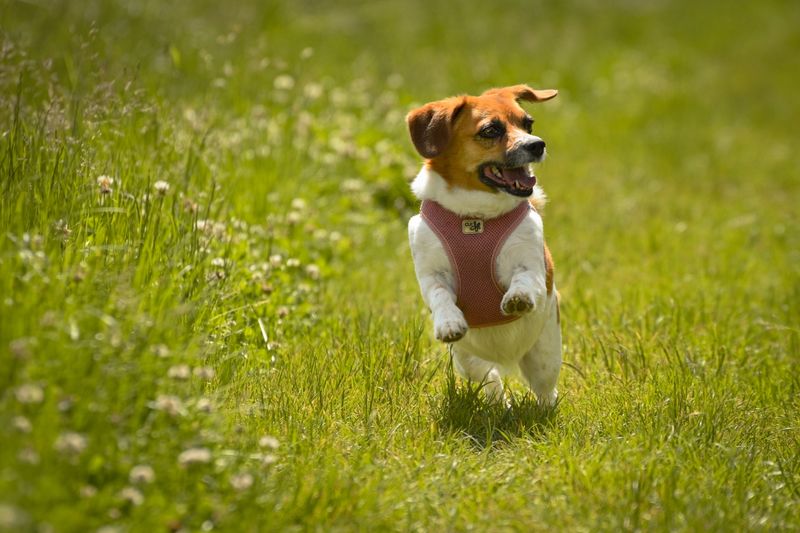
Jack Russells think fast, move faster, and spot squirrels before you spot trouble. Their prey drive and spring-loaded legs can turn a quiet yard into a launchpad.
A GPS tracker offers real time location, breadcrumb trails, and escape notifications that let you respond immediately instead of guessing.
Choose a lightweight, shock-resistant unit that matches their high-octane play style. Lost mode with rapid update intervals is handy when a chase is on, and LED lights help during dusk zoomies.
Combine the tracker with impulse control games, double-checking latches, and a secure ID tag, and you will gain a vital backup when excitement hijacks training. It is like having eyes on your terrier even when brush and fences try to hide them.
Dachshund
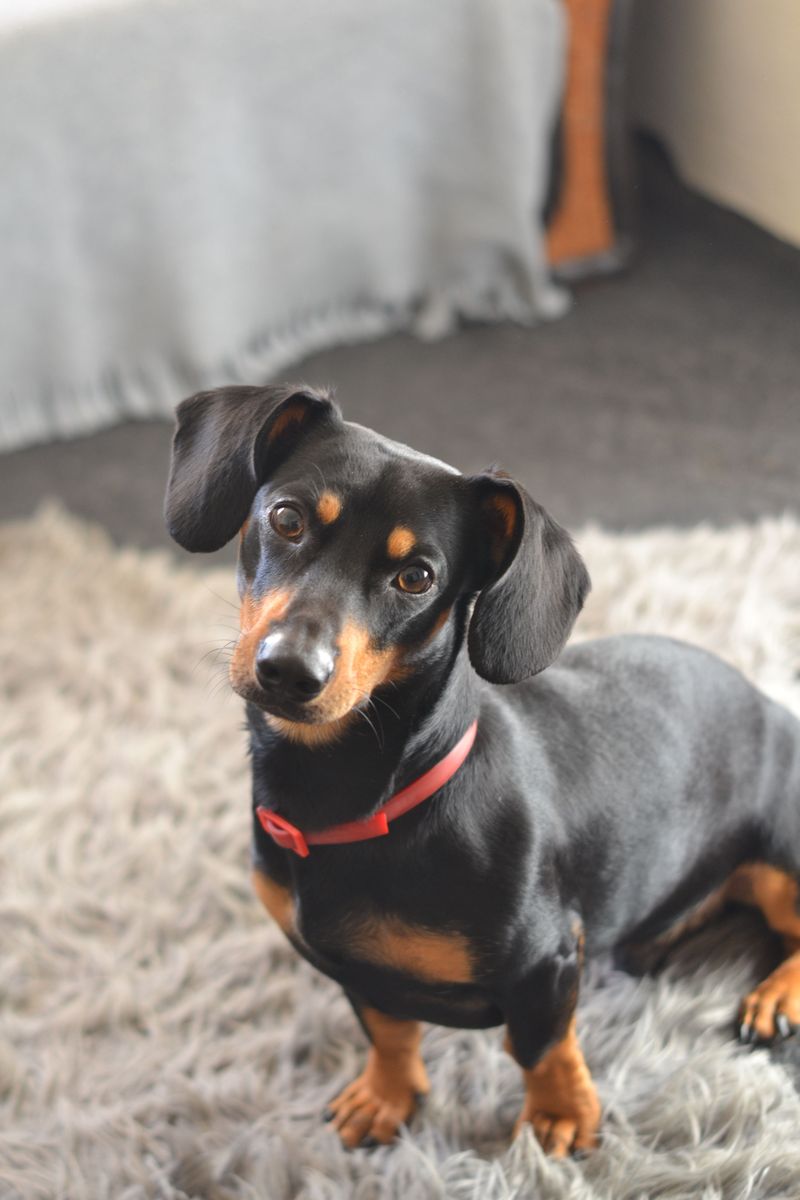
Dachshunds are tunnel thinkers with a talent for squeezing under fences and into adventures. That long back and bold attitude can take them further than expected, especially when scent takes over.
A GPS tracker gives you quick pings, live tracking, and shareable links so a neighbor can help if digging wins.
Pick a low-profile device that sits comfortably on a small neck and does not snag. Geofences around garden beds and gates send instant alerts when boundaries are crossed.
Add bright night lights and a sturdy, well-fitted harness for safer walks. Combine tracking with filled-in fence gaps, enrichment sniff games, and a strong leave-it cue, and you will be ready when curiosity tries to turn a stroll into a disappearing act.
Shiba Inu
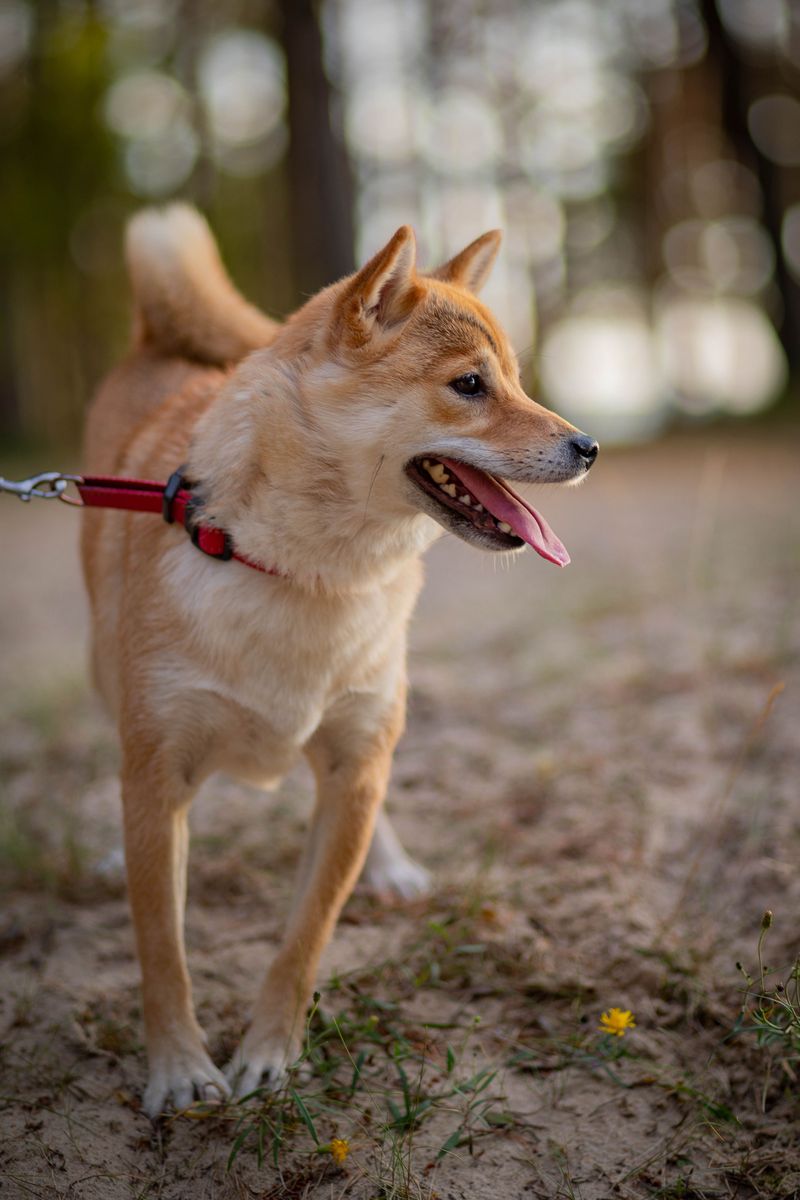
Shibas are independent thinkers with selective hearing when freedom calls. One open gate or a slipped harness can trigger a swift, silent exit.
A GPS tracker adds real time precision, escape alerts, and recovery tools that keep you connected even when recall fails.
Choose a slim, secure mount because Shibas are crafty about shedding gear. Strong batteries, waterproofing, and lost mode help during rainy, urban sprints.
Pair tracking with double-clip harnesses, high-value rewards, and quiet environments for recall practice, and you will stack the deck in your favor. The goal is simple: shorten the gap between oh no and I found you, turning scary what-ifs into confident, quick recoveries you can repeat every time things get chaotic.
Basenji
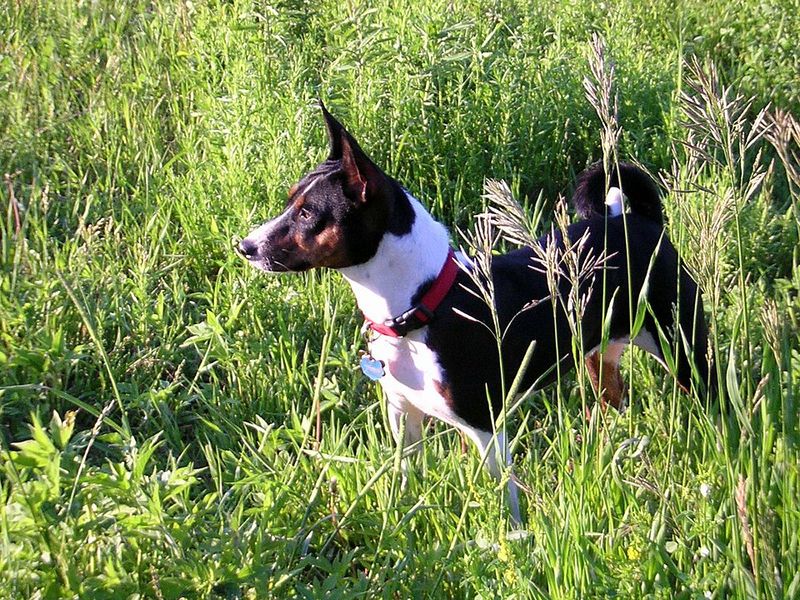
Basenjis are cat-like, quiet, and suddenly gone when curiosity strikes. Their speed and independence challenge even solid recall.
A GPS tracker fills the silence with actionable data, showing direction, pace, and distance so you can intercept before terrain hides them.
Look for lightweight, low-bulk hardware and quick location refresh rates. Heat and activity tracking help tailor exercise for a sensitive, athletic body.
Pair the device with long-line work, thoughtful decompression walks, and snug hardware, and you will feel composed when that poker-faced explorer decides to improvise. A ping, a map, and a plan beat shouting into the wind, turning a vanishing act into a short, controlled detour through your neighborhood before a calm ride home.
Greyhound
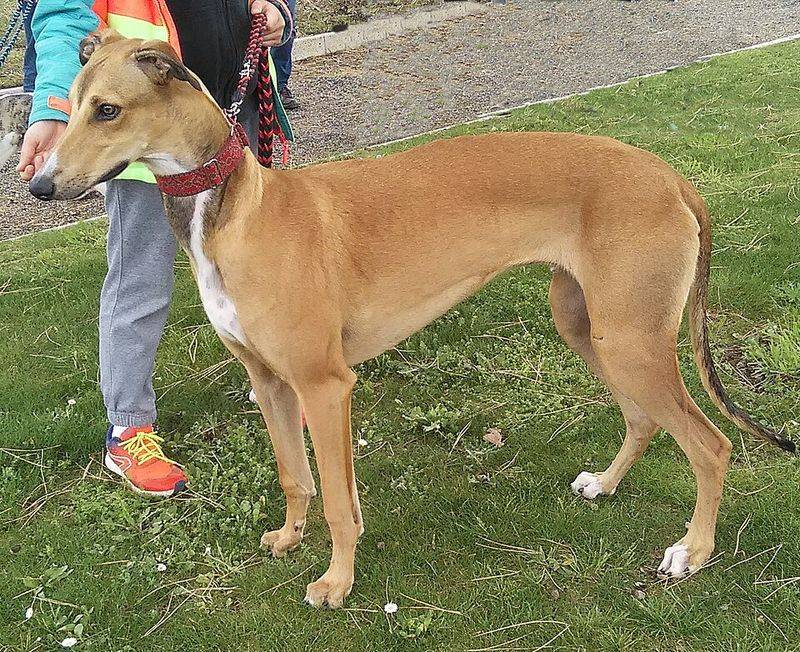
Greyhounds are built for speed, and when they open up, they cover ground shockingly fast. Even a brief chase can stretch across neighborhoods.
A GPS tracker provides real time positioning, speed readouts, and shareable links so nearby helpers can triangulate quickly.
Choose a lightweight, aerodynamic unit with a secure mount to suit sensitive necks. Lost mode with fast refresh rates is invaluable if a sprint begins.
Combine the tracker with a martingale collar, fenced play, and lure-free training setups, and you will relax knowing there is a backup plan. It turns panic into a process: confirm location, guide the calm approach, and recover your athlete safely without turning the moment into a stressful chase that escalates everything.
Whippet
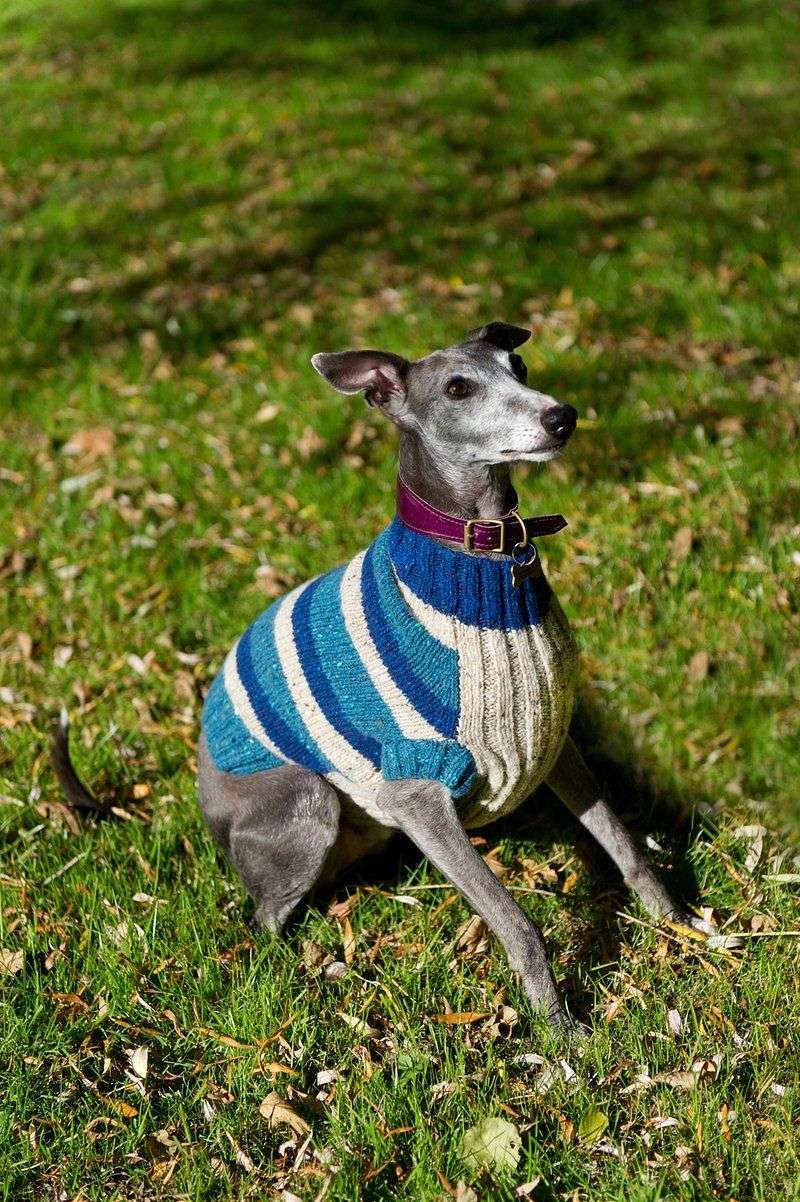
Whippets are nimble sprinters with a talent for slipping through tiny gaps. One startled moment and they are a blur.
A GPS tracker gives you the play-by-play, from last known point to live breadcrumb trail, so you can guide a calm recovery.
Pick a featherlight device and secure attachment that respects their slender necks. Look for night lights, quick refresh, and long battery life to handle beach runs and park zoomies.
Pair tracking with a snug martingale, recall games on a long line, and calm body language, and you will avoid turning retrieval into a chase. The difference is confidence: you know where to go, who to call, and how to time a safe, smooth reunion.
Saluki
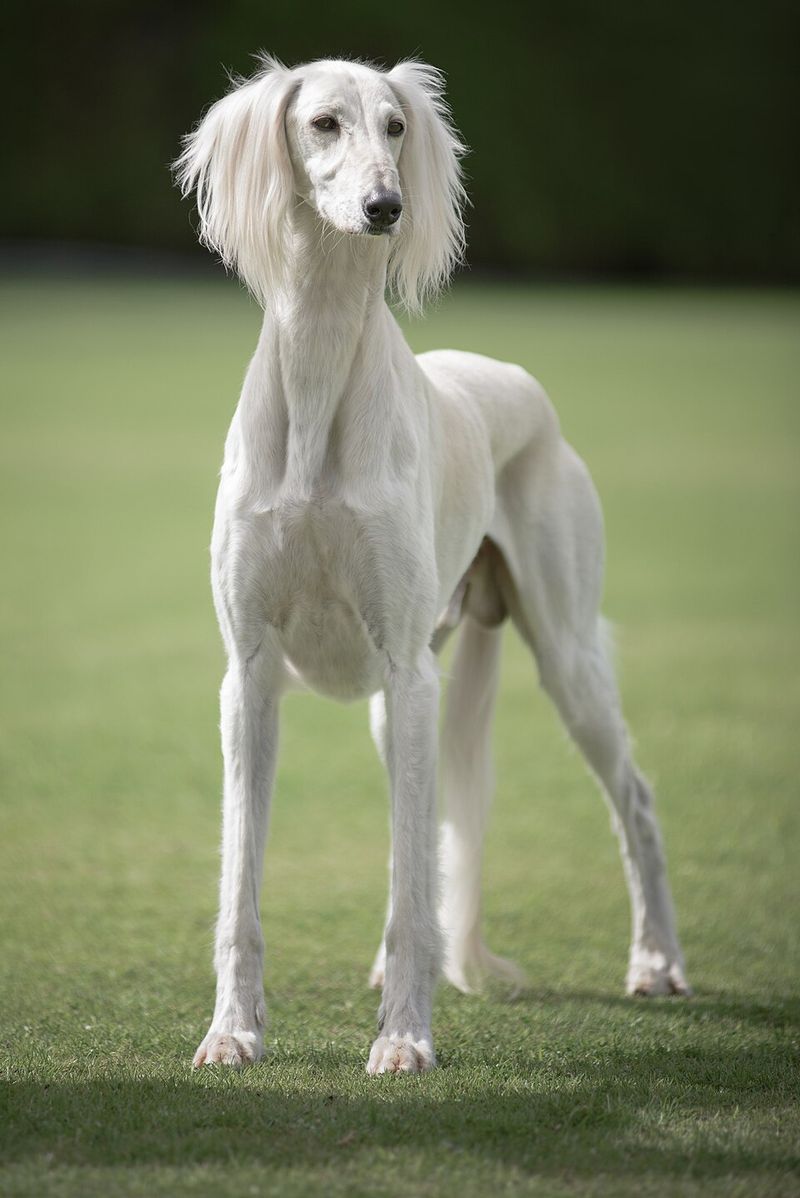
Salukis are graceful sight hounds with immense range and independence. When prey flickers on the horizon, they can vanish toward open country.
A GPS tracker anchors you with precise location, speed, and direction, turning minutes of panic into focused action.
Seek a low-profile, secure device with strong reception and rapid updates. Activity and temperature data help manage long runs in hot climates.
Combine tracking with fenced sprints, quiet recall sessions, and ID tags, and you will keep elegance paired with safety. Instead of guessing which ridge they crested, you will follow a line, plan an intercept, and get your companion rehydrated and resting while the sun dips and the desert breeze cools the evening air gently.
Afghan Hound
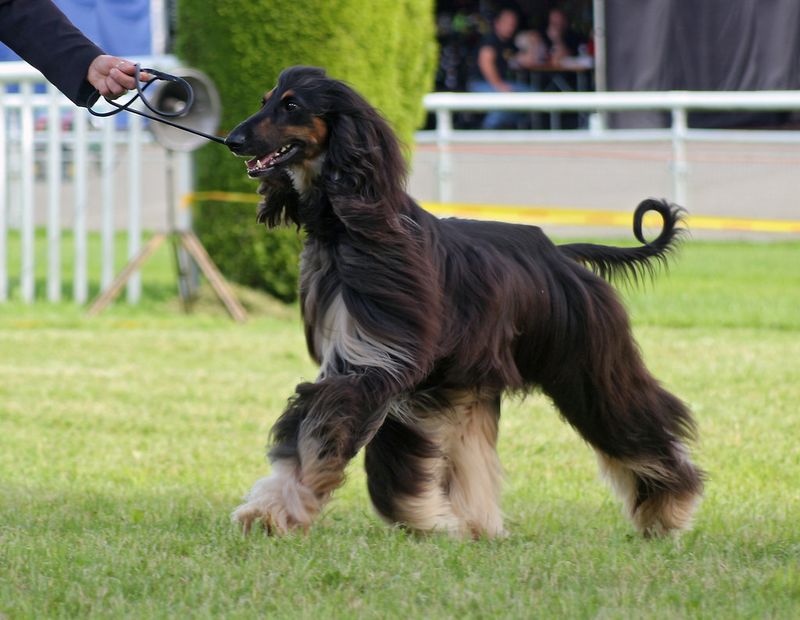
Afghan Hounds mix regal poise with sudden bursts of speed. Their coat can hide collars, and their independence challenges recall.
A GPS tracker cuts through uncertainty with live maps, geofence alerts, and shareable links that make coordinated searches smoother.
Choose a device with strong attachment options that stay visible through long hair. Waterproofing and long battery life matter on backcountry adventures.
Pair tracking with double-checking gear fit, calm handling, and rewards for check-ins, and you will set the stage for safe freedom. When the trail bends and wind picks up, you will still know the direction, pace, and distance, bringing that dramatic silhouette back into view without turning the day into a frantic scramble.
Alaskan Malamute
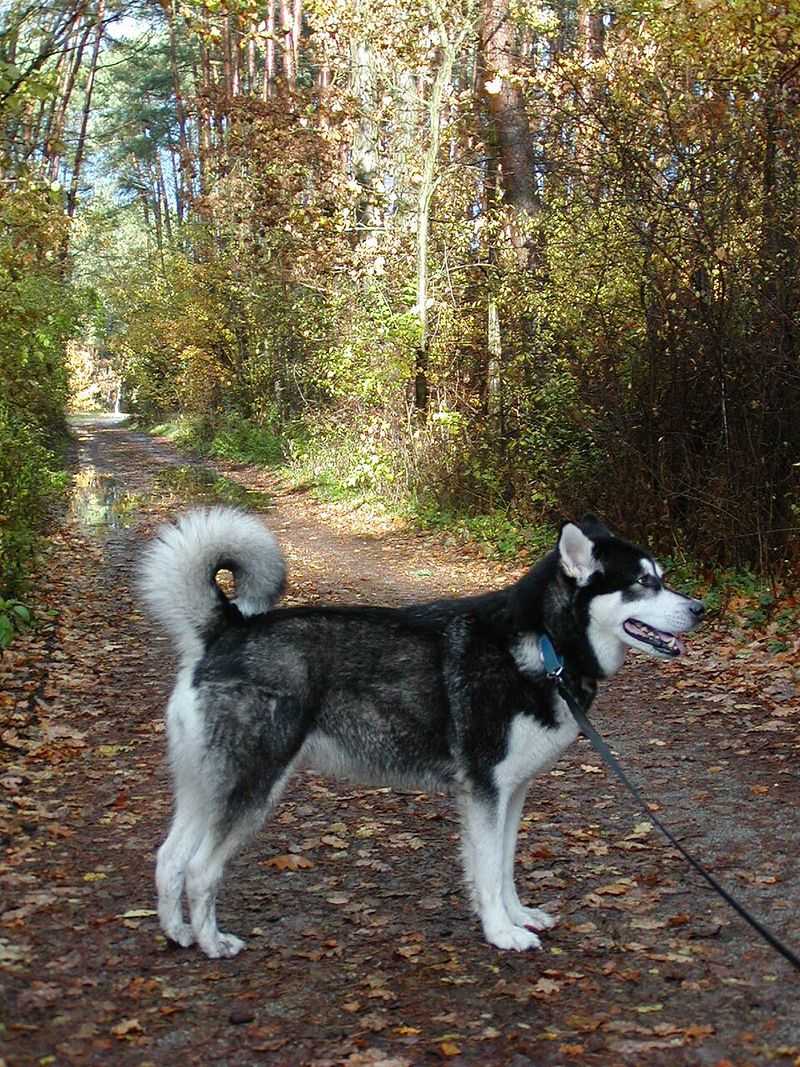
Malamutes are powerhouse explorers with a love for snow and distance. When their working brains kick in, they can follow a trail long after footprints fade.
A GPS tracker gives you reliable location, route history, and alerts that matter when visibility drops.
Pick a rugged, waterproof unit with excellent cold-weather battery performance. LED lights and lost mode help during whiteout twilight.
Pair tracking with trail etiquette, secure tie-outs, and a backup ID tag, and you will turn big-wander energy into managed adventure. Instead of wondering which fork they chose, you will see the path, call for help if needed, and bring your snow buddy home warm, tired, and safe after the day’s satisfying haul through glittering winter woods.
Treeing Walker Coonhound
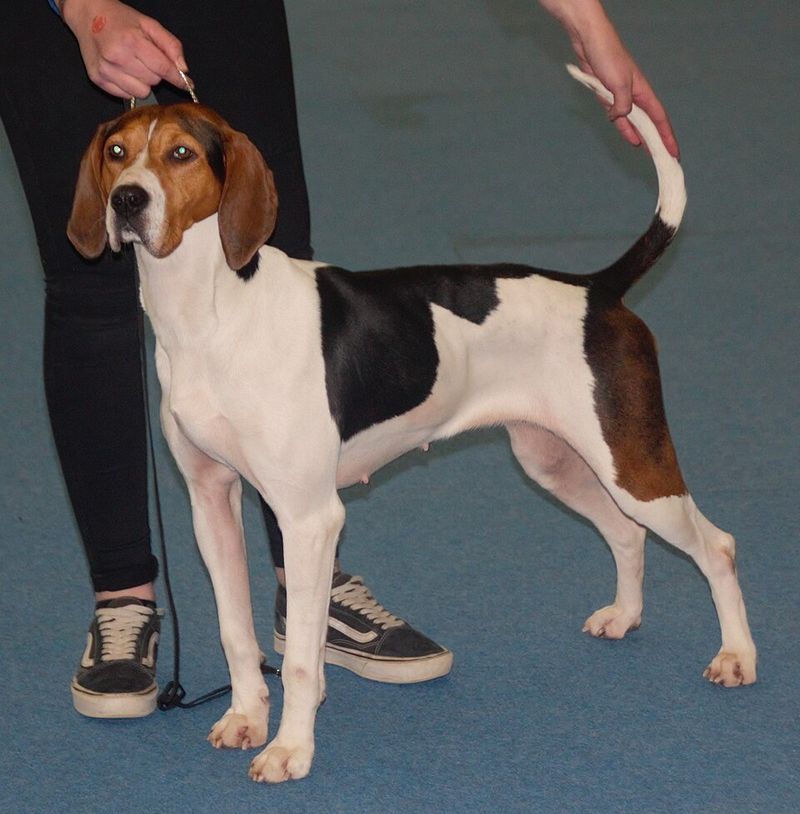
Treeing Walker Coonhounds are tireless scent hounds bred to range far and work independently. Once a trail is hot, they push on with focus that ignores recall.
A GPS tracker maps their route, pings location in real time, and helps you navigate dense woods safely.
Choose a robust, long-battery device with strong reception under canopy. Audible ring features and shareable links help coordinate recoveries across backroads.
Pair tracking with reflective gear, whistle cues, and high-value rewards for check-ins, and you will keep the hunt instinct manageable. You are not fighting their nature, just guiding it, turning big loops into informed patrols that end with a calm load-up, water bowl, and the ride home under a starry, quiet sky.