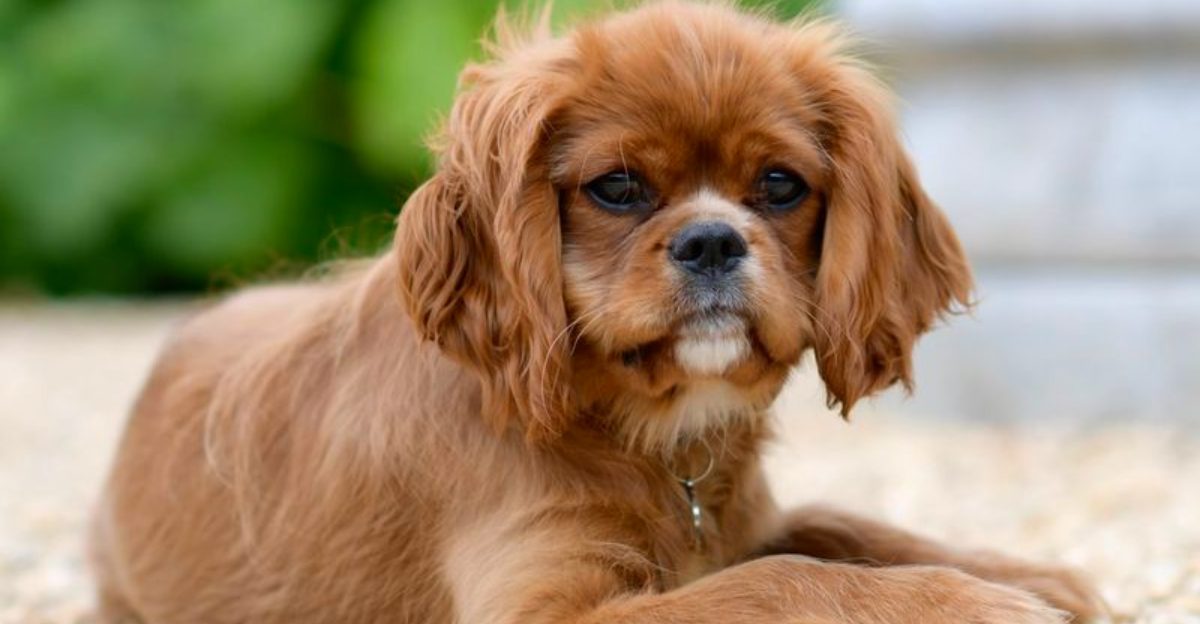
Some dogs seem to read us like a book. They notice small things, like a shaky voice or a slow step, and respond with calm or playful energy.
That kind of awareness can help families feel supported during hard days and celebrate on good ones too. Here are breeds many owners say pick up on feelings that others might miss.
Golden Retriever
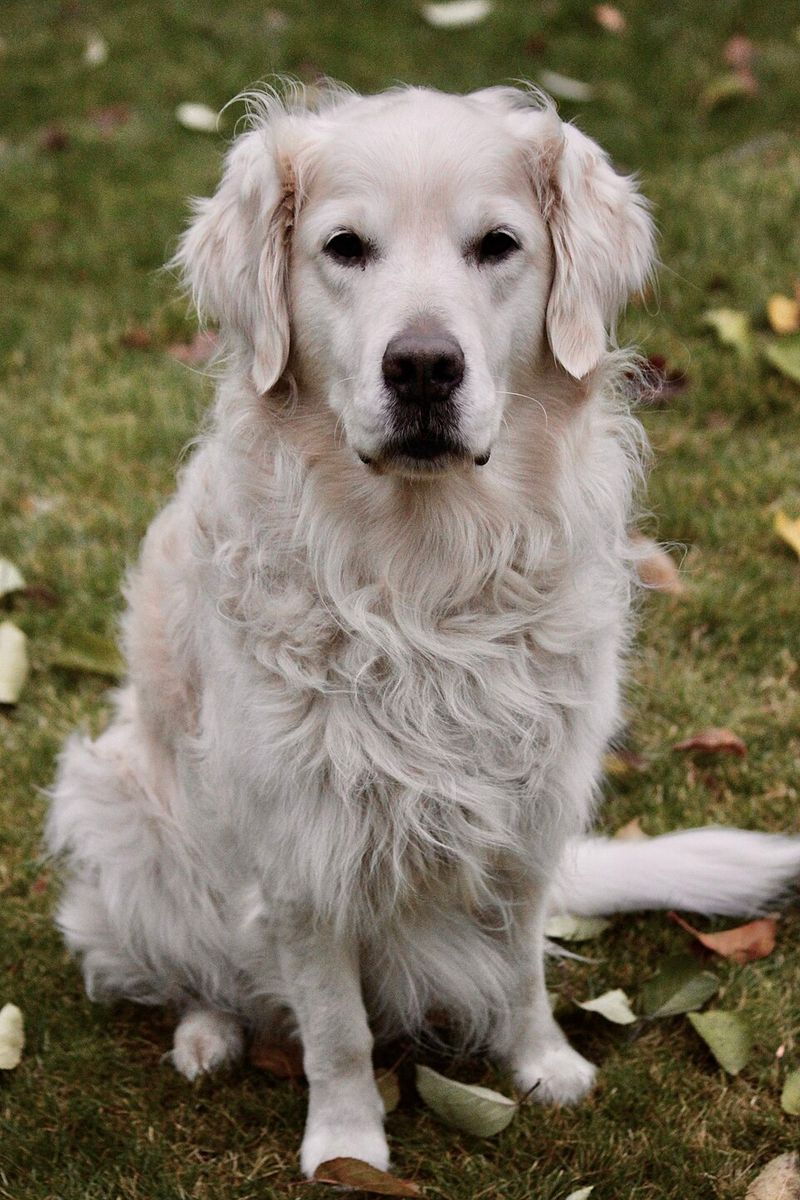
With a smile in the eyes and a tail that talks, the Golden Retriever often notices moods before words appear. A small sigh, and they nuzzle closer.
Hear a laugh, and you get a toy dropped in your lap. Many therapy programs choose Goldens for this steady, caring vibe.
At home, keep calm routines and praise quiet check-ins. Short training sessions that reward eye contact help them read you even better.
Did you know they were bred for soft-mouthed retrieving?
Standard Poodle
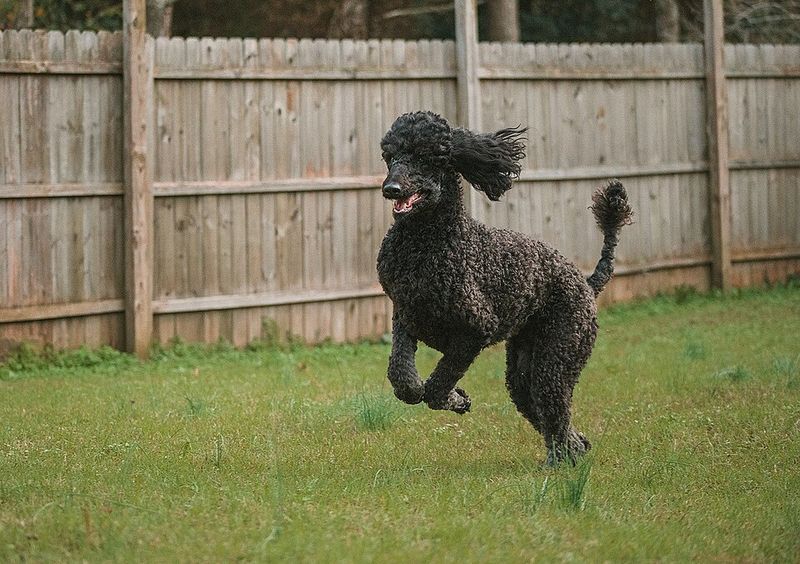
Elegant looks aside, the Standard Poodle is a quiet emotional radar. A sudden change in your tone, and they tilt their head, waiting for a cue.
Feeling blue, they bring calm company. Feeling energetic, they match your stride.
That smart brain notices patterns and adjusts quickly.
Channel their sensitivity with brain games, scent work, and consistent praise. Grooming time can be bonding too.
Fun fact: Poodles once worked as water retrievers, which explains their focus and athletic grace.
Shetland Sheepdog
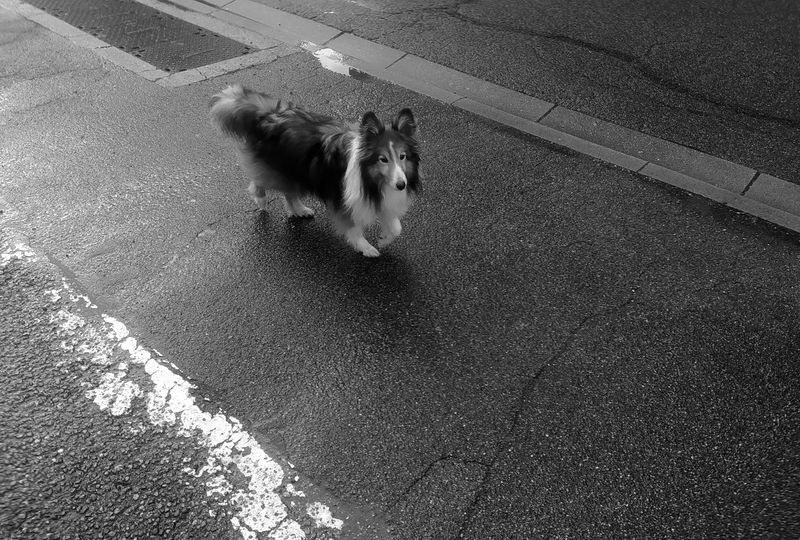
Quick to notice the slightest shuffle, the Sheltie reads rooms like a pro. Whisper a worry, and they inch closer.
Giggle, and they spin in delight. Herding roots make them expert at tracking movement and mood, not only sheep.
Offer gentle training with hand signals and rewarding calm sits during noisy moments. Mental puzzles help prevent overwhelm.
History note: Shelties come from the Shetland Islands, where alert, weather-ready dogs had to be observant to keep flocks and families safe.
Rough Collie
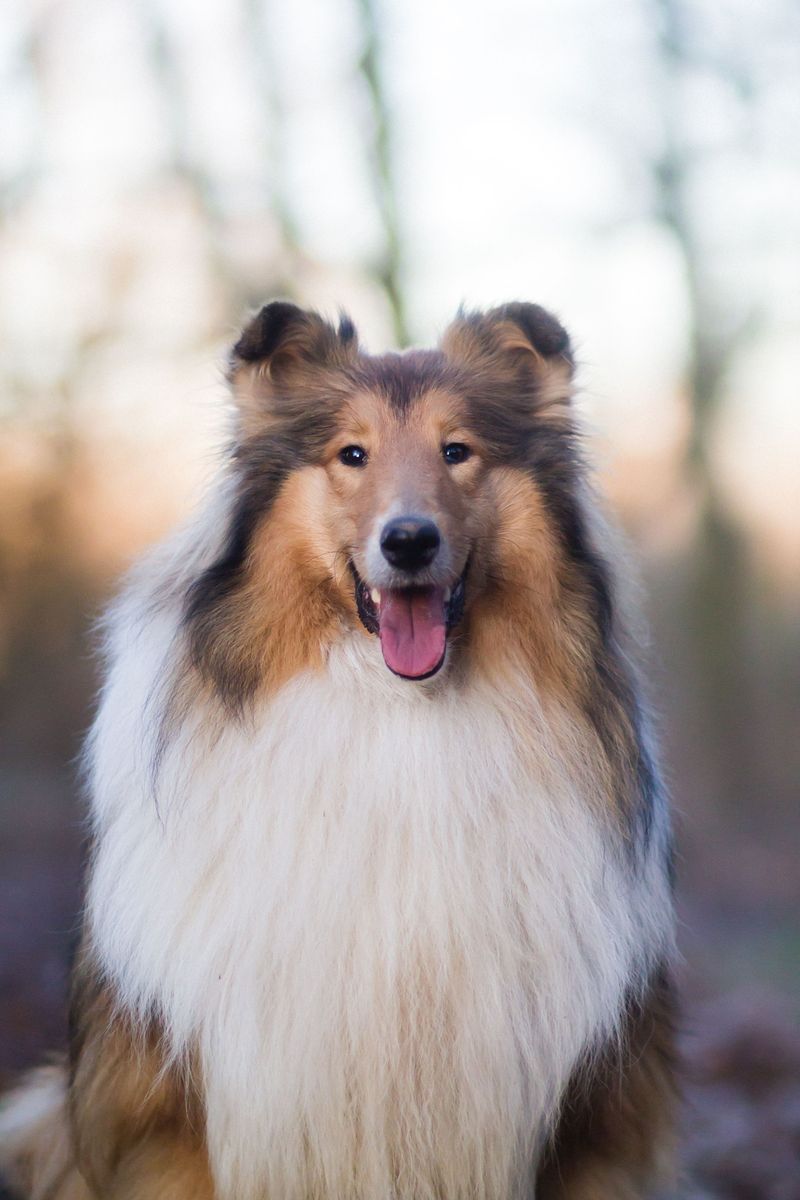
Stories of Lassie aside, Collies really do notice distress cues others miss. A shaky step, and they circle back to check.
A quiet tear, and there is a warm shoulder of fur. Their watchful nature blends care with gentle guidance.
Encourage their instincts through calm walks, recall games, and soft praise when they settle near worried family members. Brush time can double as mindful moments together.
Their flowing coat needs routine care, which also strengthens your bond.
Havanese
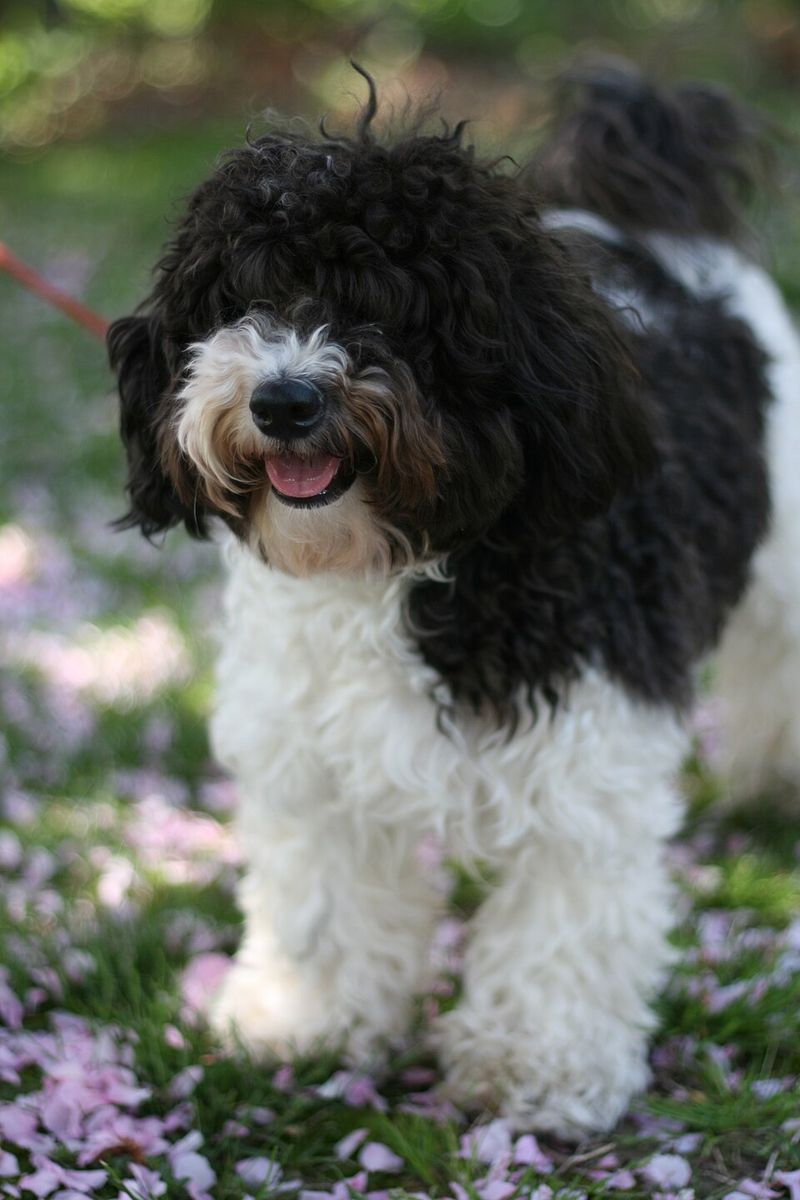
Small in size, big in heart, the Havanese shadows your mood with cheerful curiosity. A long yawn or tense shoulders, and they scoot closer to offer warmth.
Laughter leads to a playful zoom around the room. Their people-first focus makes city living feel friendly.
Teach a cozy place command so they can comfort without crowding. Short trick sessions keep minds bright.
Fun fact: The Havanese is Cuba’s national dog, treasured for charm and close companionship.
English Cocker Spaniel
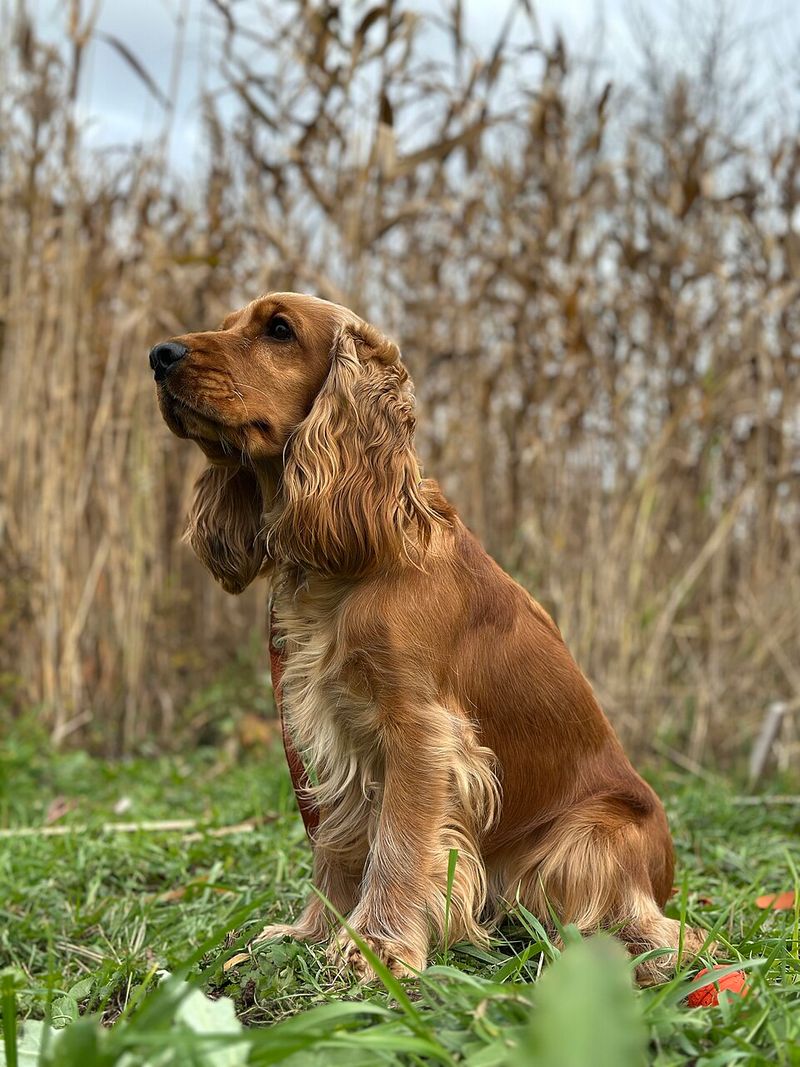
Those soulful eyes do not miss much. English Cockers tend to track voice pitch and footstep rhythm, offering cuddle breaks when stress creeps in.
If the household buzzes with happy news, they wag with musical rhythm and parade a favorite toy.
Keep their sensitivity balanced with scent games, fetch in short bursts, and gentle structure. Regular ear care matters too.
Historically, they worked flushing game birds, which explains their keen focus and eagerness to stay close.
Border Collie
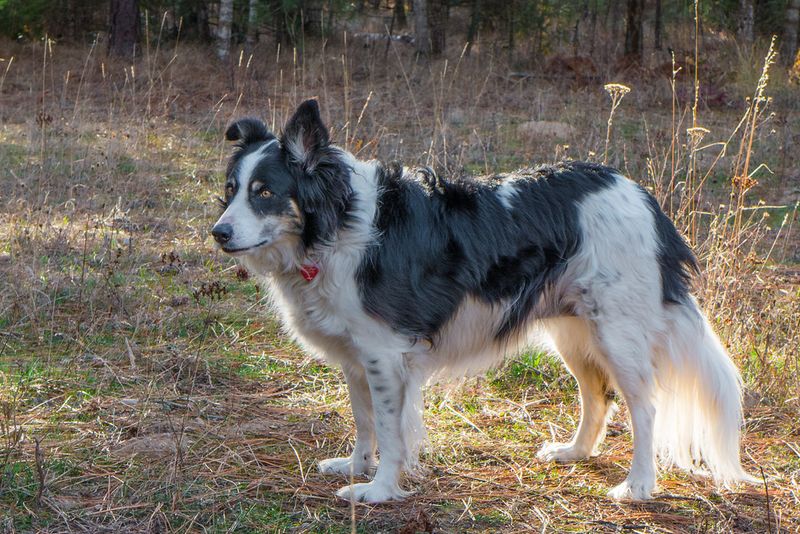
Precision watchers by nature, Border Collies catch tiny tells, like a slowed pace or a distracted stare. They tune their energy to match yours, then look for a job to help, even if it is just leaning against your leg for a minute.
That intensity can be a gift.
Offer daily brain work, agility, or hide-and-seek toys to keep balance. Clear routines and calm praise prevent worry.
Their herding heritage fuels their remarkable awareness.
Vizsla
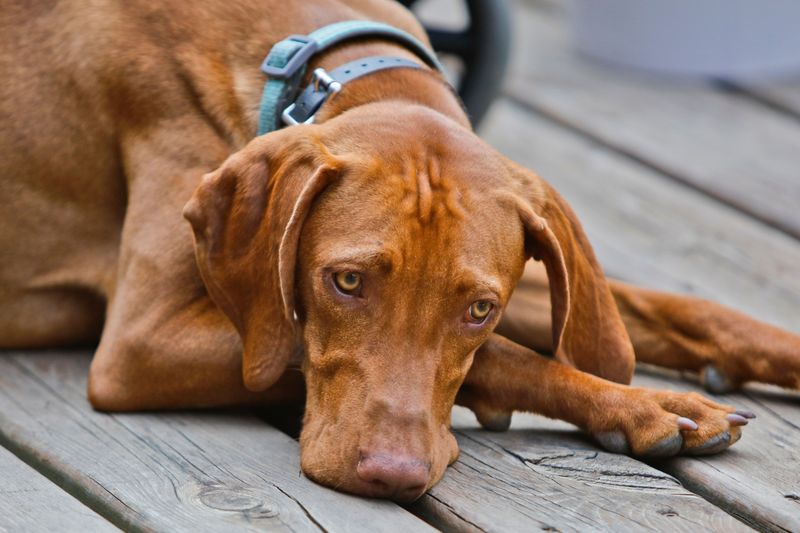
Often called velcro dogs, Vizslas stick close when you seem off your game. A heavy exhale or restless pacing, and they slide in beside you.
Joy sparks a playful bounce and eager trail runs. Their athletic heart pairs with a surprisingly tender side.
Plan daily exercise and quiet cuddle time too. Teach a settle cue for busy moments.
Fun history: Vizslas hunted alongside Hungarian nobles, building deep bonds that still show in their people-centered focus.
Newfoundland
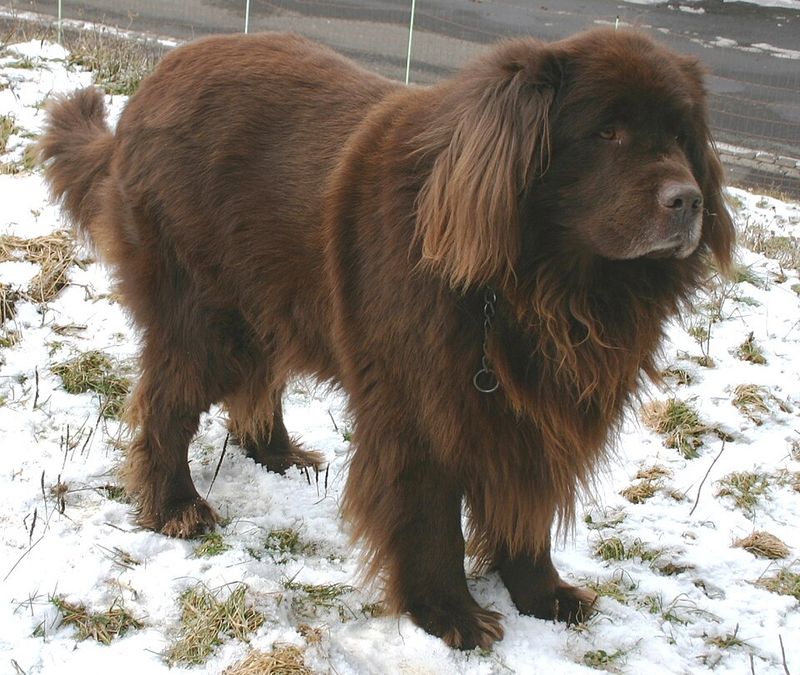
With a heart as big as its paws, the Newfoundland brings steady comfort when storms roll in, inside or out. A nervous shake draws a leaning hug.
A happy cheer earns a giant wag and patient play. Water rescue roots built courage and calm decision-making.
Support their intuition with slow walks, swimming if available, and relaxed grooming sessions. Clear cues help them know when to guard space and when to nap at your feet.
Bernese Mountain Dog
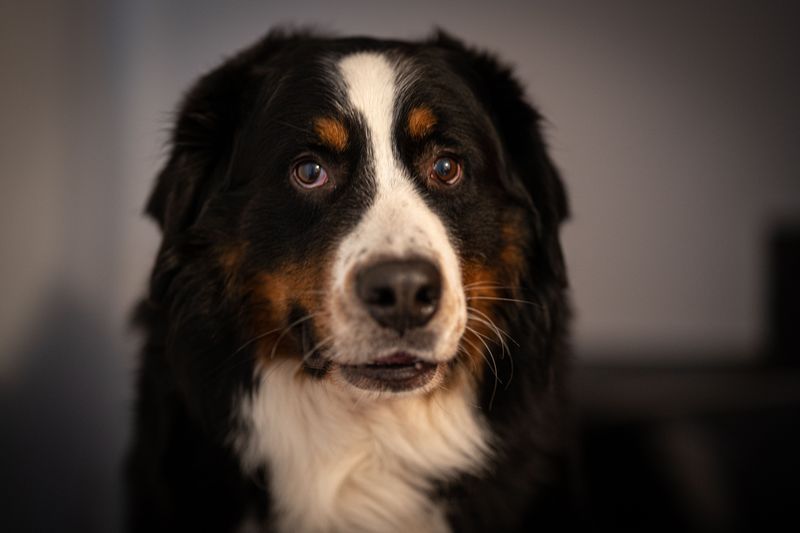
Few dogs match the Bernese for quiet reassurance. A hushed room, and they settle nearby like a living blanket.
When laughter returns, they rise slowly and join the circle. Their farm background shaped a patient worker that notices when the family rhythm changes.
Short walks, joint-friendly play, and soft brushing keep them comfortable. Teach a wait cue at doors to build confidence.
Their tricolor coat and thoughtful eyes make even tough days feel lighter.
Doberman Pinscher
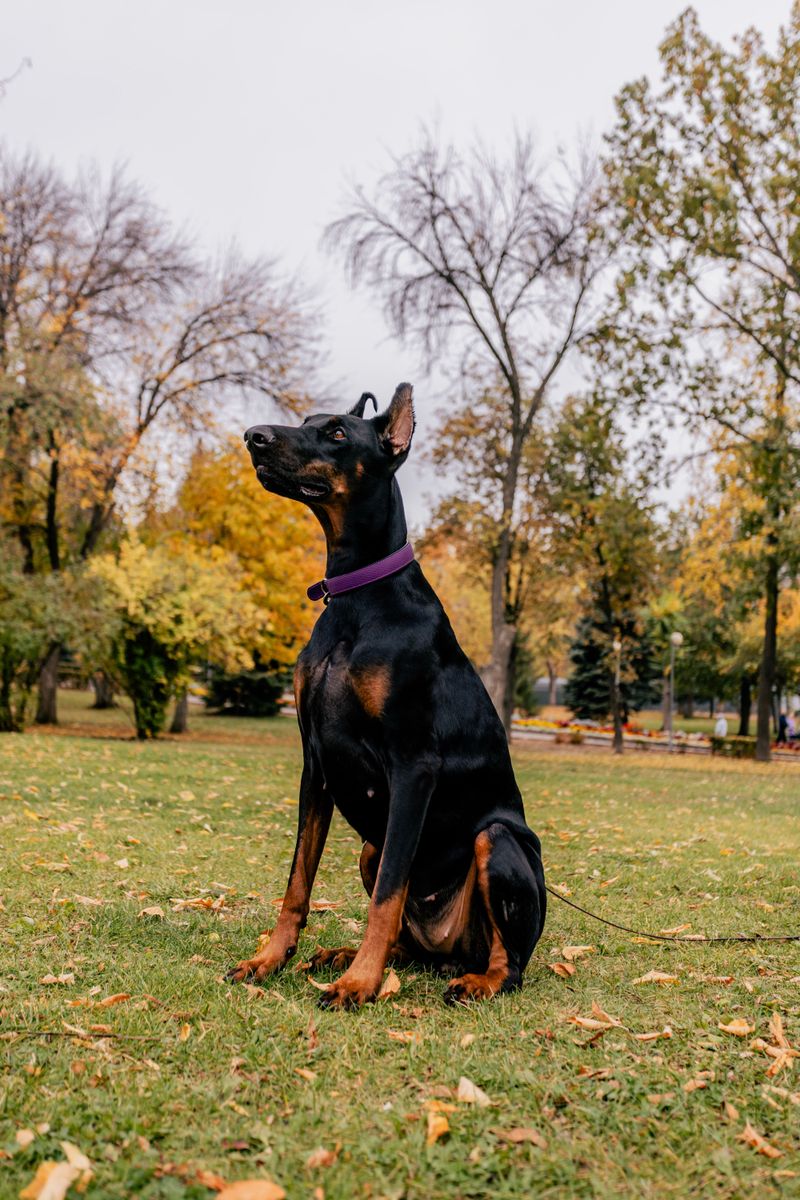
Sharp-minded and loyal, the Doberman notices a clenched jaw or a sudden pause like a security expert. They choose a quiet, watchful position when tension rises, then relax when you do.
That ability to read the room comes from close work with people.
Train with clear signals, confidence-building games, and firm kindness. Give them a job, like carrying a small pack on walks.
Proper outlets turn intense focus into a soothing presence at home.
Cavalier King Charles Spaniel
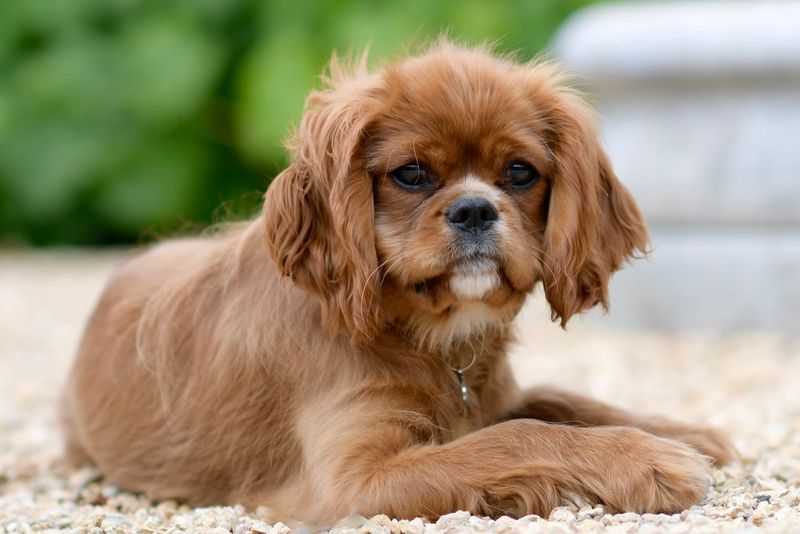
Big eyes, soft heart, and a knack for timing, the Cavalier sidles up right when tears gather. A quiet cuddle can shift the whole day.
When the mood turns bright, expect a wagging trot and a request for gentle play.
Keep a calm routine, short walks, and regular vet checks for their delicate health needs. Teach a touch cue for comforting on command.
Royals once favored them for companionship, and that devotion still shines.