
When people say a powerful dog needs control, not freedom, the internet can explode. The truth sits somewhere in the middle, where training, structure, and compassion all matter.
If you love guardian or high-drive breeds, you know they thrive with purpose, clear boundaries, and mental work. Let’s unpack 16 breeds often pulled into this debate, and how you can set them up to succeed.
Belgian Malinois
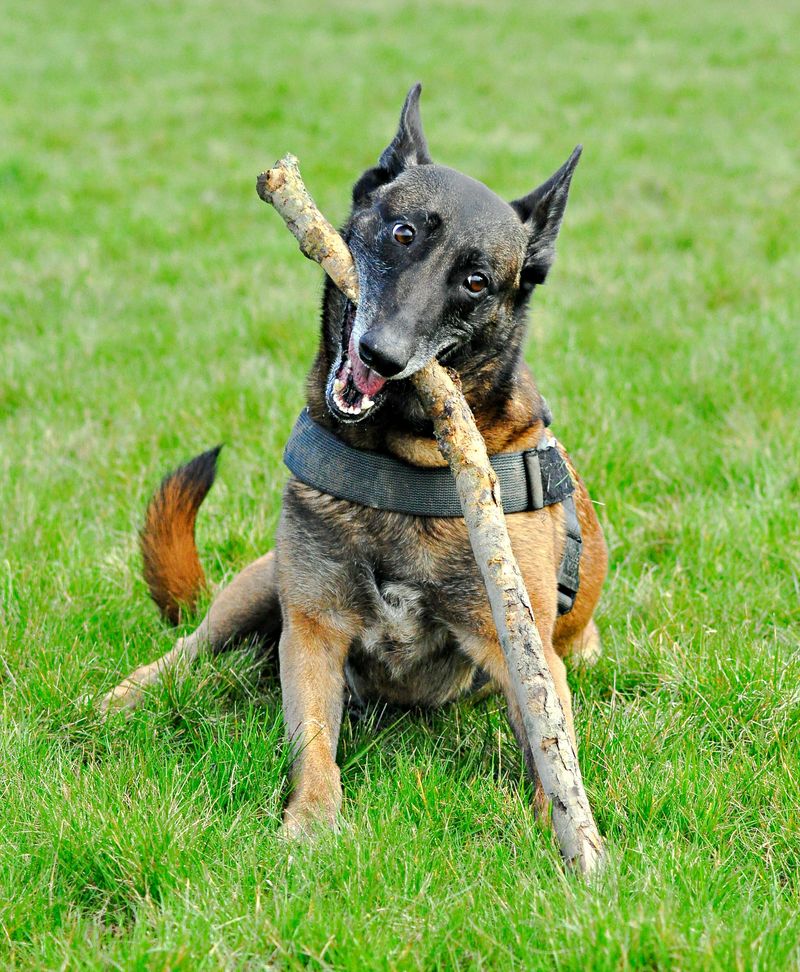
The Belgian Malinois is a rocket of focus and intensity. You do not give this dog free time without a job, or it invents one you will not like.
Structured play, scent work, and obedience turn that fire into brilliance.
Daily mental challenges matter as much as miles. Think targeted tug sessions, a place command, and consistent rewards for calm behavior.
You steer energy into purpose, not suppress it.
Boundaries are not harshness. They are lanes that let a Malinois feel safe and confident.
With clear rules, this breed becomes dazzling, affectionate, and steady, even in busy homes.
German Shepherd Dog
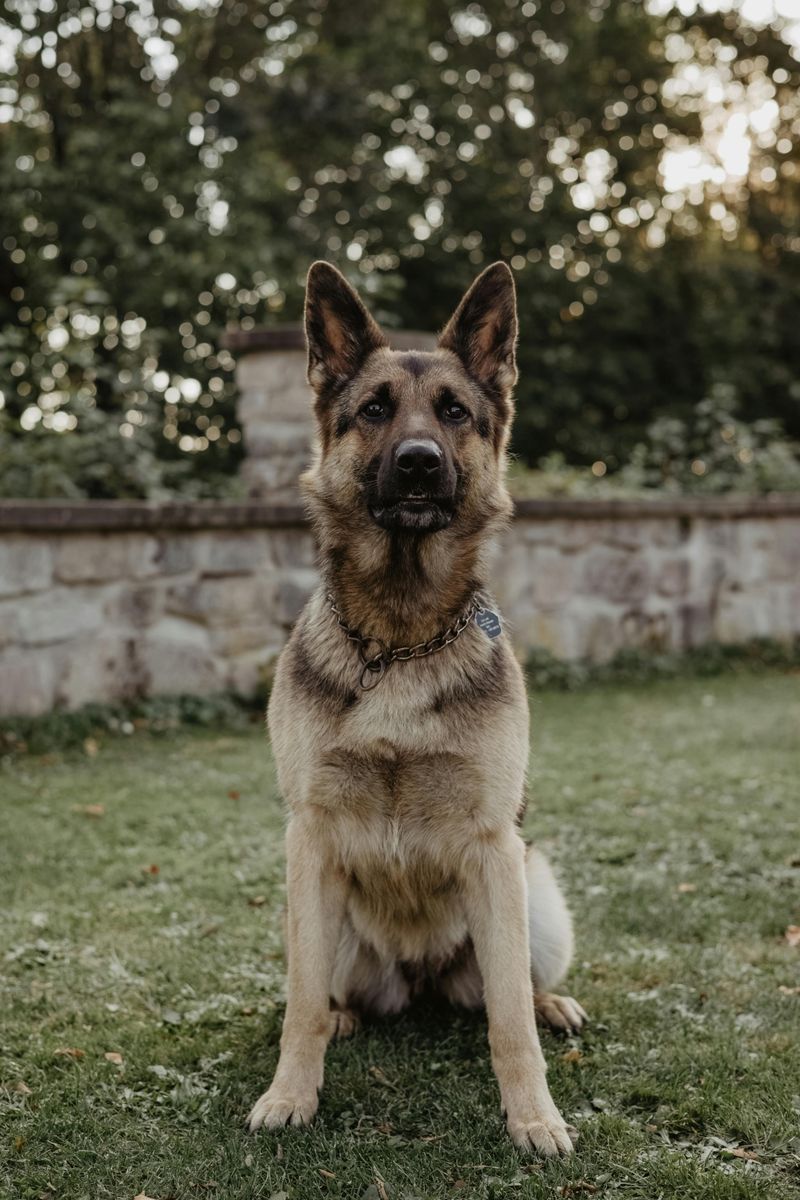
German Shepherds are thinkers with a protective streak. Without structure, they start managing the world themselves, which can look like reactivity.
Clear routines and fair guidance turn suspicion into discernment.
Daily obedience, tracking games, and calm exposures build confidence. Teach a solid down-stay and neutrality around strangers.
Reward steadiness more than intensity, so the dog chooses quiet over chaos.
Control here means communication, not pressure. A tethered decompression walk, pattern games, and crate time create predictable rhythms.
When needs are met with purpose, a German Shepherd becomes a loyal, reliable partner.
Doberman Pinscher
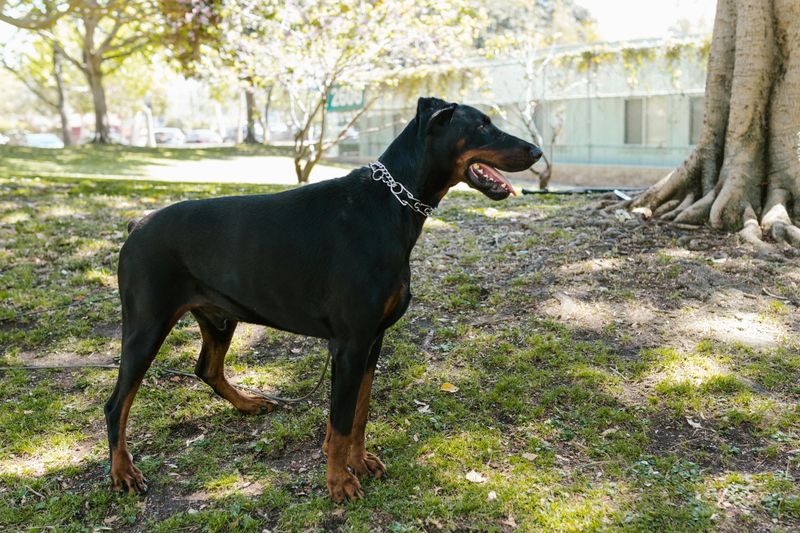
The Doberman thrives on closeness and clarity. Left to guess, it can stress, pace, or over-guard.
Consistent rules and affection channel that sensitivity into poise.
Teach impulse control with sit, down, and place around everyday distractions. Short, sharp training reps keep the mind engaged.
Layer in heelwork, recall games, and platform work to build confidence.
Control is not rigidity. It is reliable communication and predictable choices.
With boundaries and heart, the Doberman shows its velvet side at home and its polished edge in public.
Rottweiler
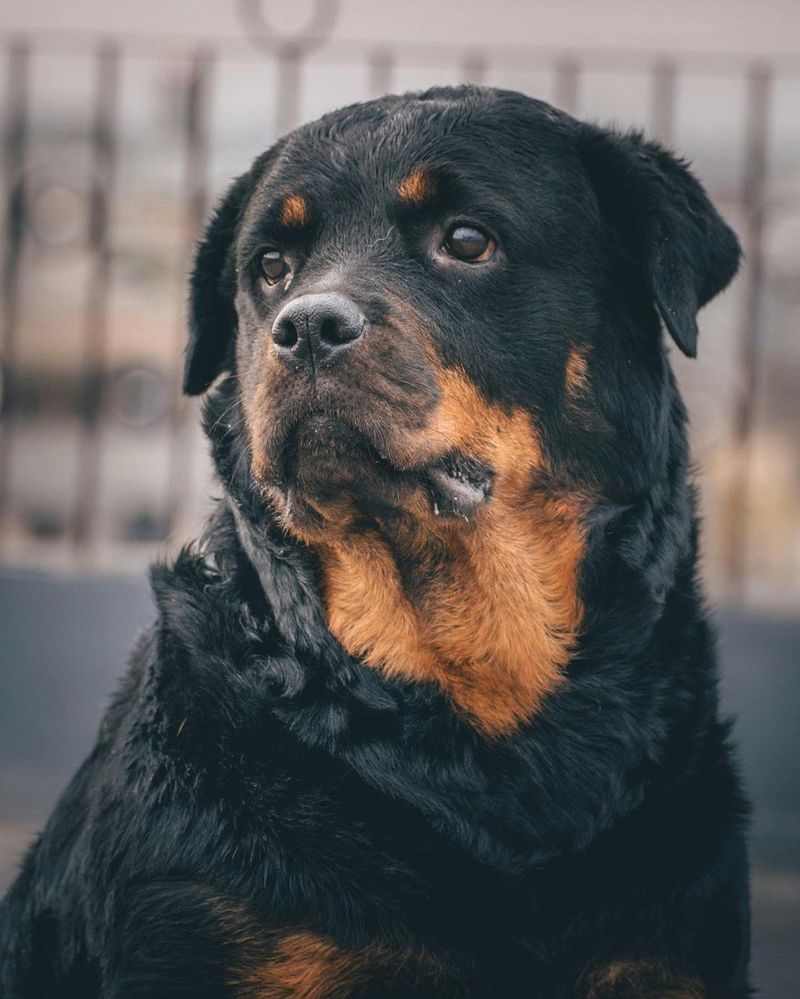
Rottweilers read the room and fill empty leadership fast. Without direction, they can guard poorly or push boundaries.
Calm, consistent rules show them what is worth checking in about.
Prioritize neutrality drills, slow heeling, and holding a down when life moves. Reward patience, not pressure.
Bite-safe tug and carting work can focus their strength constructively.
Structured freedom is the sweet spot. Clear routines, guest protocols, and decompression time keep arousal from stacking.
Done right, a Rottie becomes a steady, affectionate anchor in the family.
Cane Corso
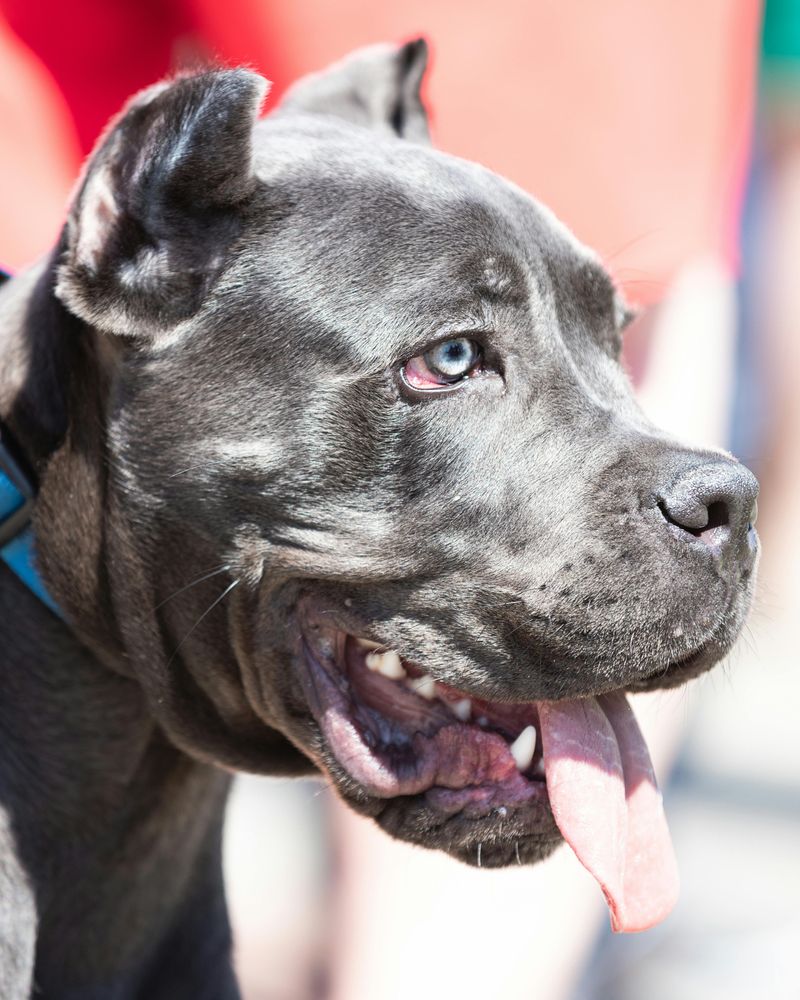
The Cane Corso matures late and big. Without guidance, that size and suspicion can steamroll daily life.
Fair leadership, predictable routines, and social neutrality keep them balanced.
Teach clean leash skills and place near doors and windows. Reward relaxed watching, not intense staring.
Short protection-style outlets are for pros, but obedience and scent games suit most households.
Control means clarity about guests, fences, and thresholds. Give jobs like carrying a pack or settling during dinner.
With structure plus patience, a Corso is dignified, gentle with family, and impressively reliable.
American Bulldog
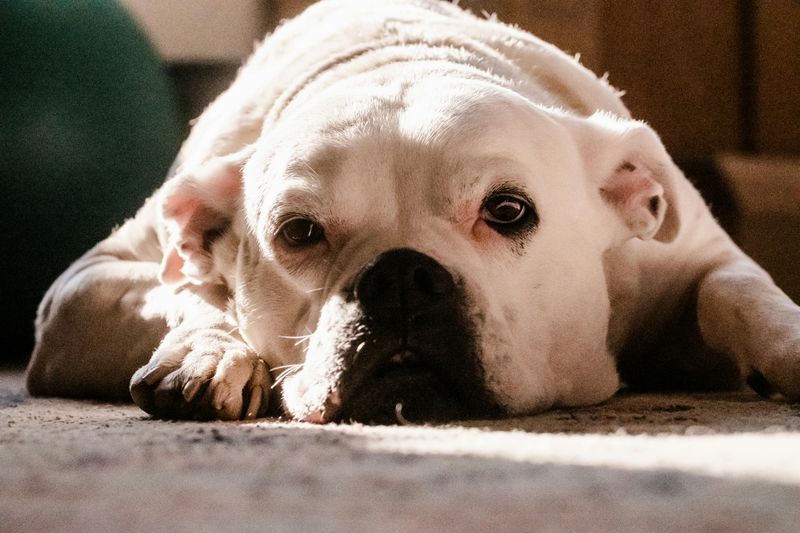
American Bulldogs are brawny optimists with gas in the tank. Freedom without direction becomes fence running or rough play.
Anchor them with jobs and fair rules that reward calm strength.
Build impulse control through tug-out, tug-in, and sit-before-play. Use structured fetch, place during door greetings, and loose-leash walks to shape manners.
Keep sessions fun, short, and consistent.
Control is not crushing drive. It is channeling it into predictable games and rest.
With purpose and patience, this breed becomes a goofy, reliable teammate that can flip from work to cuddle mode.
Bullmastiff
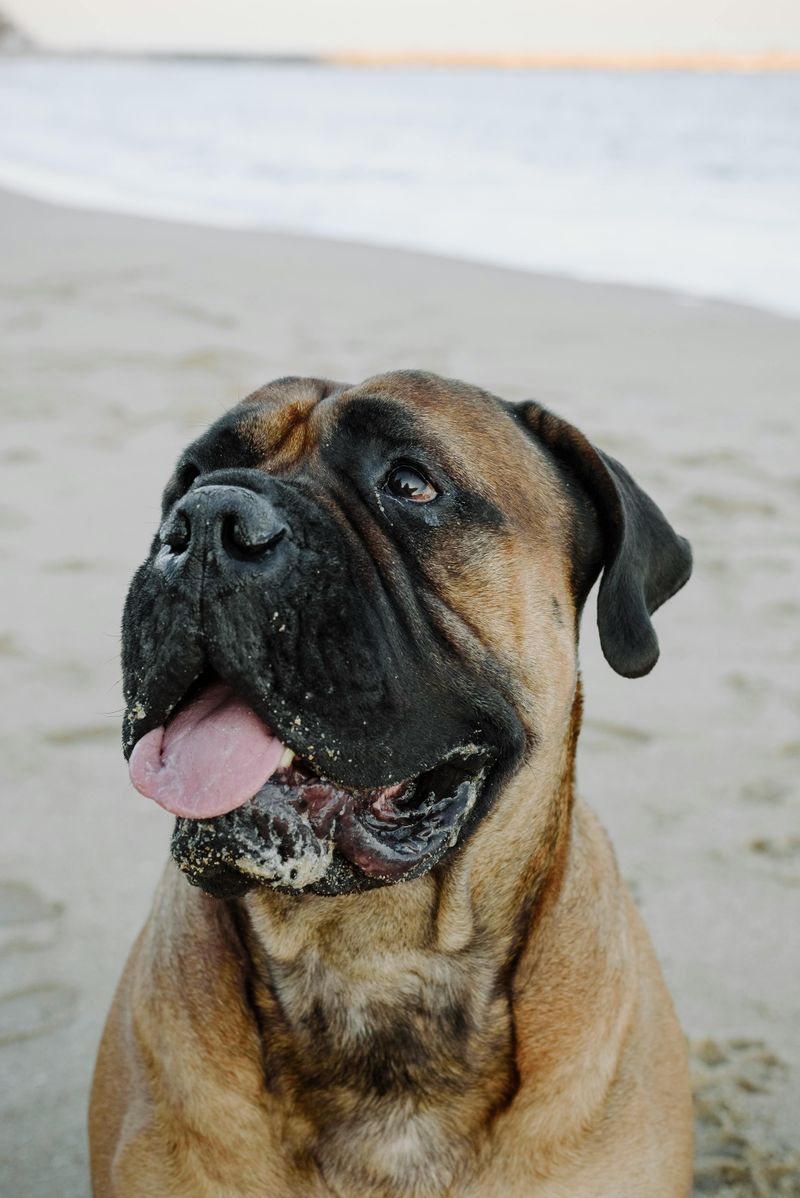
Bullmastiffs are natural deterrents, which tempts owners to skip training. That is a mistake.
Gentle, steady structure keeps them polite, safe, and confident around visitors.
Focus on calm leash handling, impulse control at thresholds, and a strong go-to-place cue. Reward slow thinking, not lunging.
Short training bursts suit their stamina better than marathons.
Control is simply thoughtful management of a powerful friend. Predictable routines, guest rules, and crate comfort prevent avoidable mishaps.
With that in place, a Bullmastiff becomes a cuddly guardian with impeccable manners.
Dogue de Bordeaux
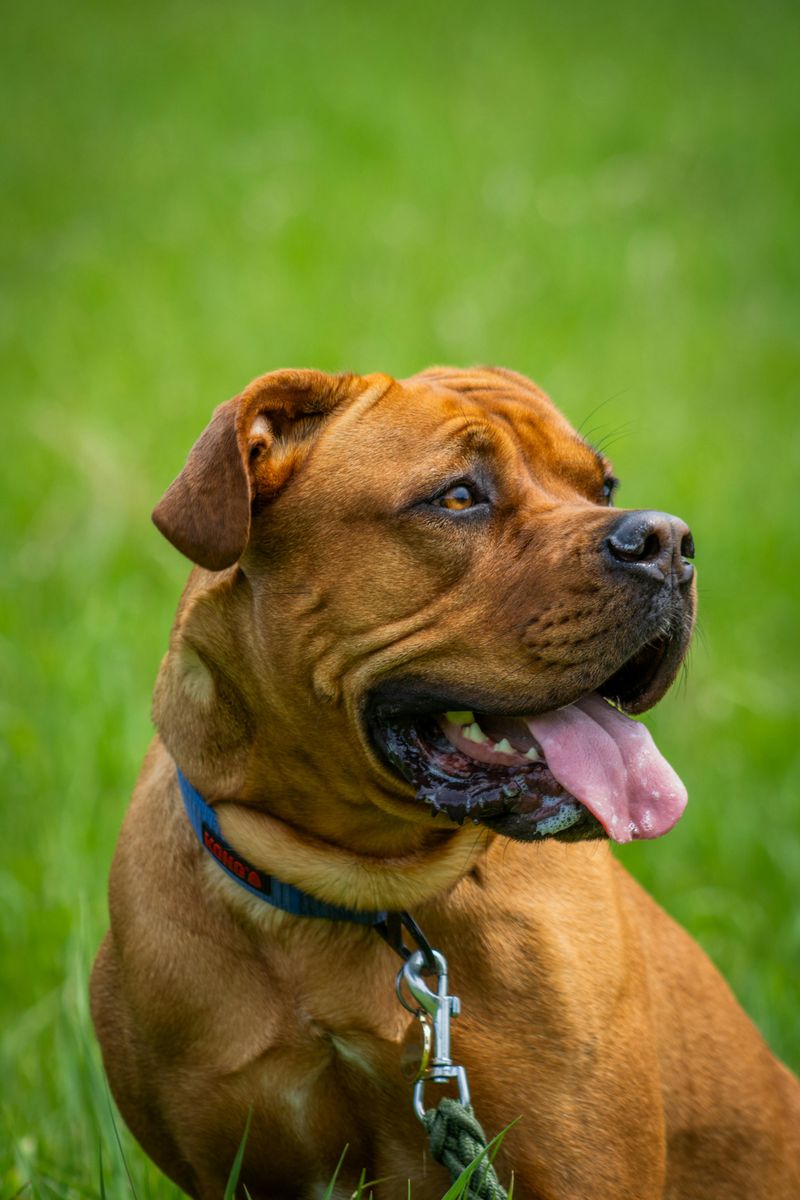
The Dogue de Bordeaux is a mellow heavyweight. Freedom without guidance turns into door rushing or sofa claiming.
Balanced structure keeps this gentle giant easy to live with.
Train polite greetings, slow leash walking, and a strong off cue. Reward calm sits for attention rather than demanding paw taps.
Keep sessions short to match their endurance.
Control is quiet leadership. Clear house rules about furniture, food, and guests lower conflict.
When expectations are steady, the Bordeaux becomes a devoted shadow with surprisingly refined manners.
Rhodesian Ridgeback
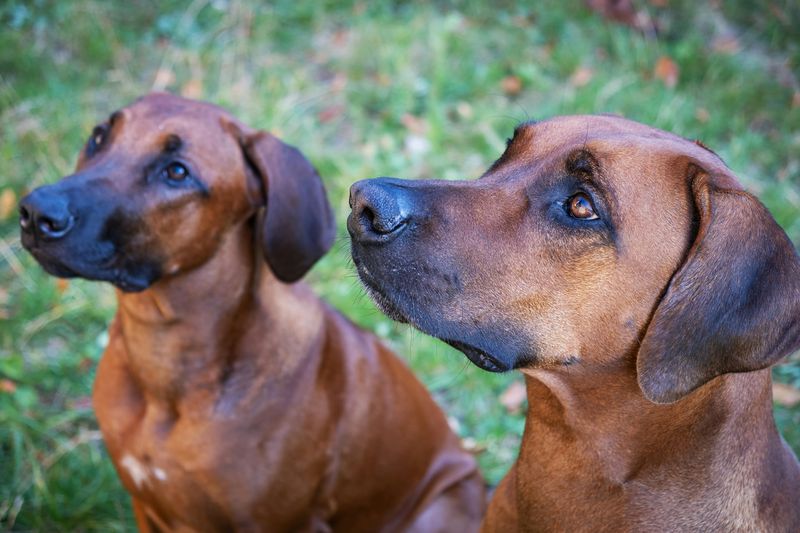
Ridgebacks carry independence and chase drive. Unchecked freedom invites wildlife pursuits and selective hearing.
Consistent recall training and structured exercise keep instincts on a leash.
Blend long-line hikes, nose work, and controlled sprints. Teach a rock-solid wait before gates and car doors.
Reinforce check-ins with high-value rewards, not just miles.
Control here respects heritage while guiding choices. Offer clear boundaries off leash and a settle routine at home.
Handled well, the Ridgeback becomes a dignified companion with adventure-ready manners.
Akita
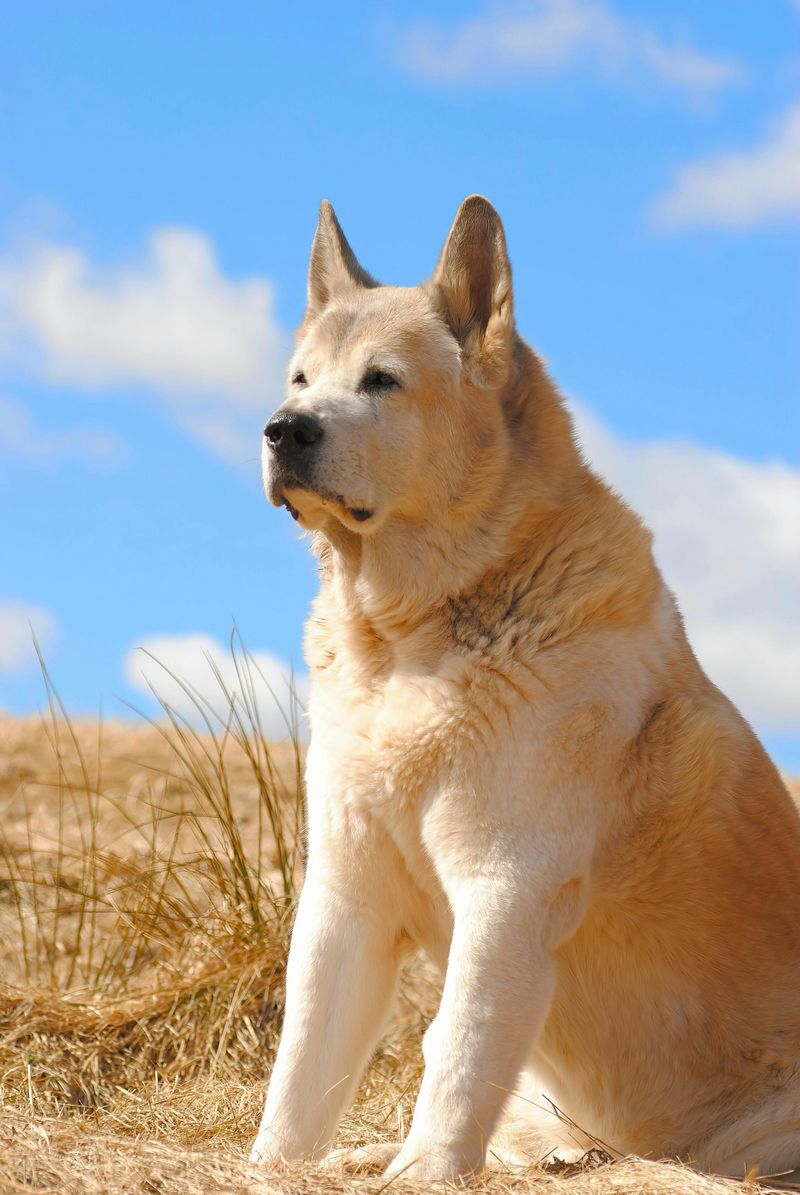
Akitas are dignified, independent, and selective about friends. They do not thrive on chaos or permissiveness.
Structure and respectful distance teach them to relax and trust.
Focus on neutrality walks, polite doorway behavior, and a strong leave it. Keep training clear and brief, using rewards without overexcitement.
Avoid dog park free-for-alls that invite conflict.
Control means predictable routines and quiet leadership. Give a defined place to settle and firm rules about greetings.
With those pieces, an Akita becomes a serene, loyal guardian of home and heart.
Chow Chow
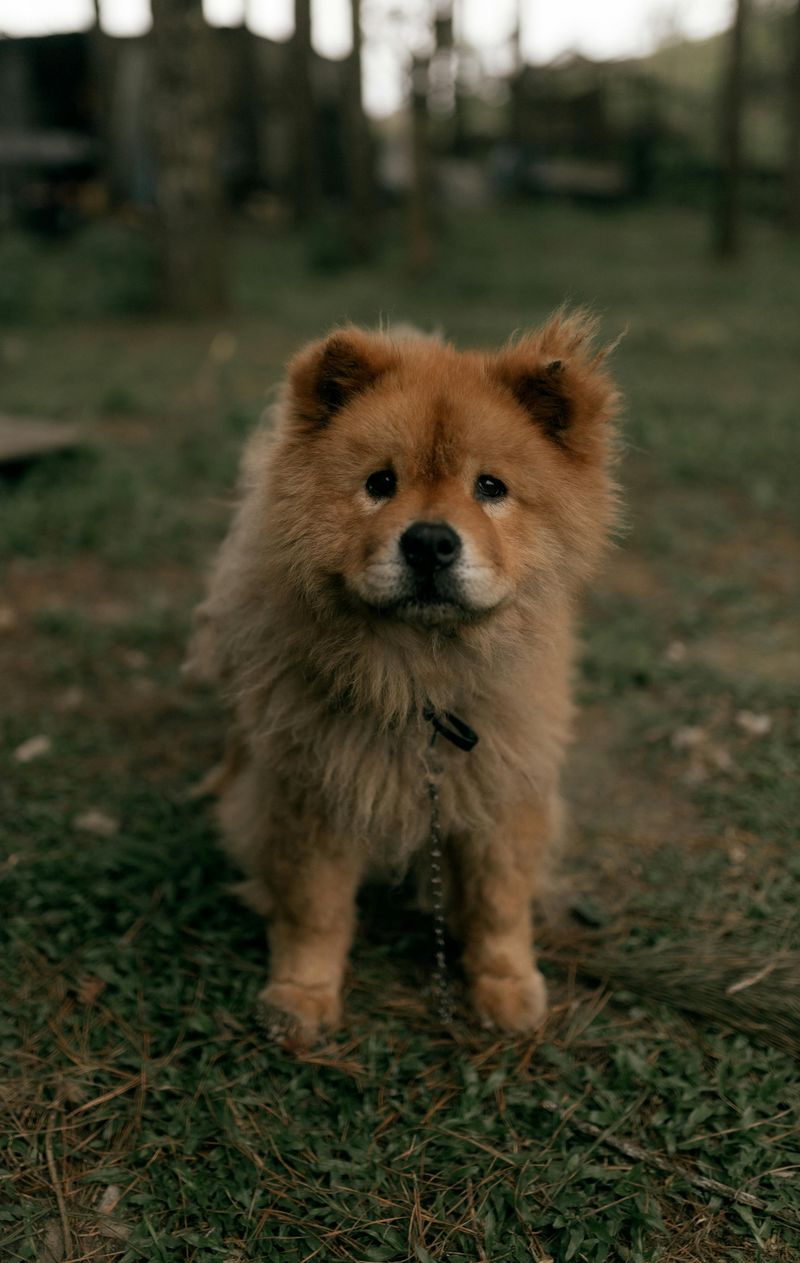
Chows value personal space and measured interactions. Free-for-all socializing overwhelms them.
Clear boundaries, patient handling, and calm exposure help them bloom without pressure.
Teach cooperative care like muzzle training, brushing, and nail work. Reward brief focus and relaxed postures.
Short, quiet sessions beat noisy, high-drive drills.
Control is thoughtful respect for temperament. Predictable routines and visitor rules reduce stress.
With gentle structure, a Chow becomes a poised companion that shows affection on its own terms.
Shar Pei
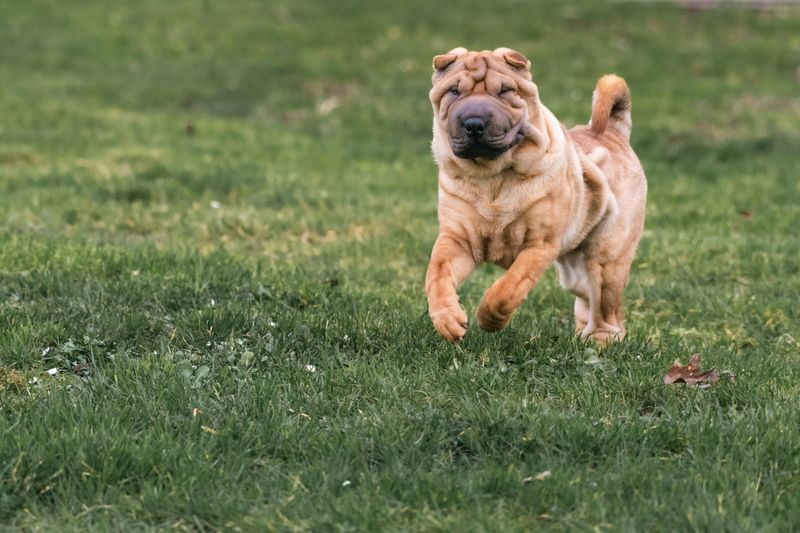
Shar Pei can be independent and suspicious. If left to decide everything, they tighten up and guard poorly.
Steady routines and clear cues help them exhale.
Prioritize loose-leash skills, polite greetings, and handling practice for vet visits. Keep training simple and consistent.
Reward calm curiosity rather than intense staring.
Control is gentle guidance, not force. Boundaries about windows, doors, and furniture create predictable patterns.
With patience and structure, a Shar Pei becomes a quietly devoted housemate with tidy manners.
Boerboel
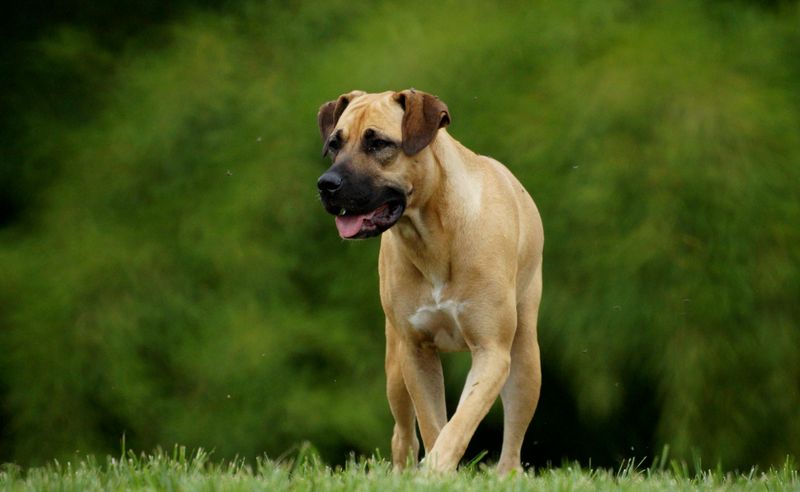
The Boerboel is powerful and devoted. Unstructured freedom invites boundary testing and over-guarding.
Calm leadership, fair rules, and purposeful work create balance and safety.
Teach neutral place during deliveries, steady heeling, and rock-solid recalls. Add carting or weight-pull style tasks under supervision.
Reward patience and eye contact before releasing to play.
Control means setting lanes for a massive, sensitive dog. Predictable routines and secure fencing are nonnegotiable.
Handled with respect, the Boerboel becomes a gentle family sentinel with dependable manners.
Tosa Inu
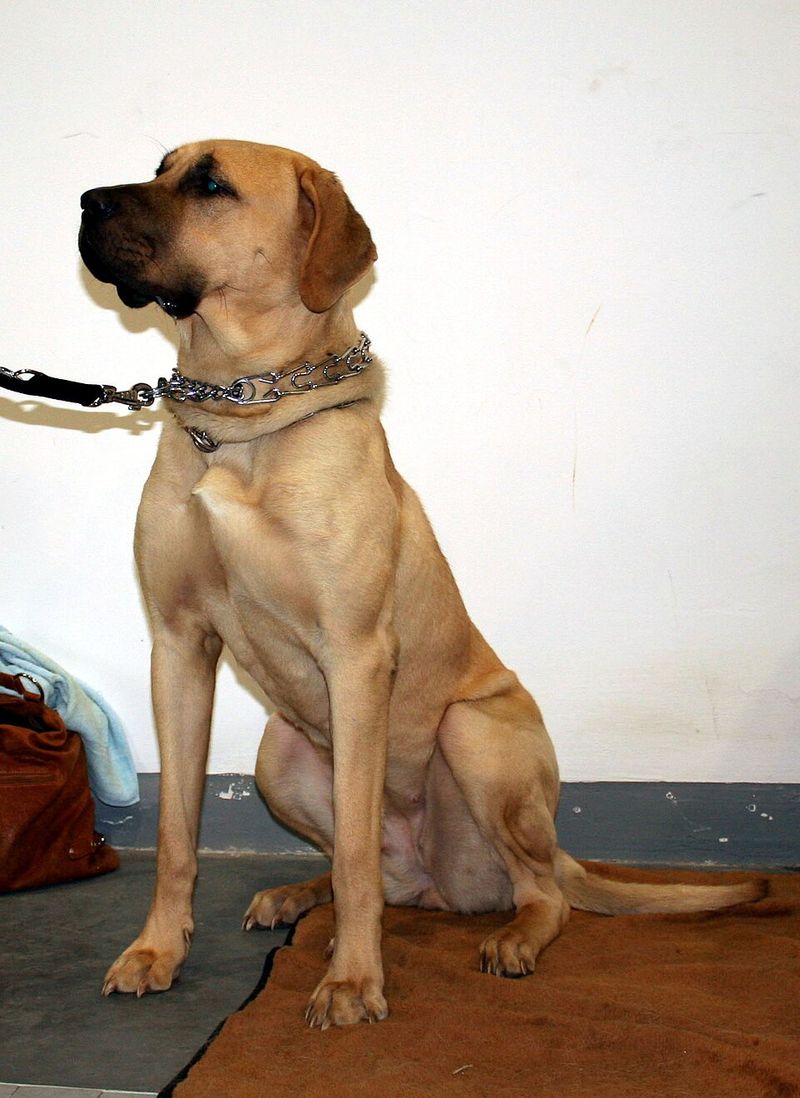
The Tosa Inu is calm power personified. History demands thoughtful, experienced handling.
Without structure, small mistakes can scale quickly.
Keep sessions low arousal with precise obedience. Reinforce neutrality near other dogs and controlled greetings.
Use clear markers, generous reinforcement for calm, and predictable downtime.
Control is essential management plus skilled training. Guest protocols, muzzling practice, and secure containment show real responsibility.
With those in place, the Tosa reveals a serene, loyal nature that shines at home.
Fila Brasileiro
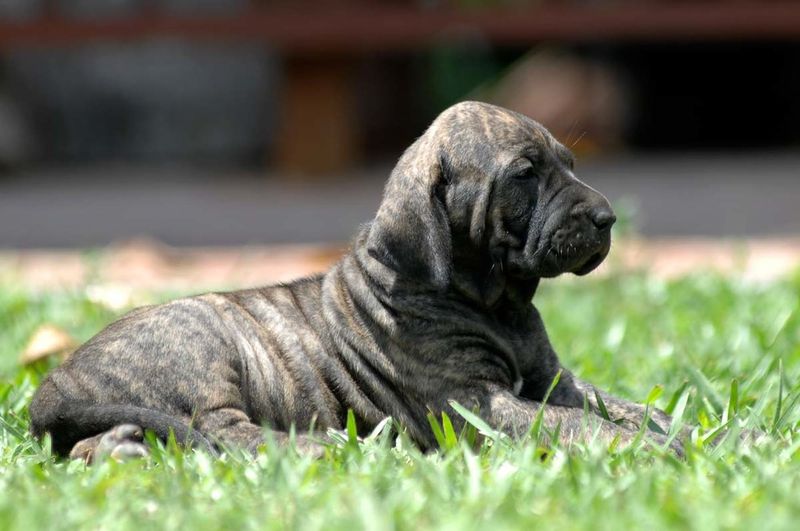
The Fila Brasileiro has legendary suspicion of strangers. That trait requires expert management.
Casual freedom is not fair to this dog or the public.
Train impeccable obedience, muzzle conditioning, and recall on long lines. Prioritize rural walks, low-traffic exposures, and strict guest protocols.
Reward calm with distance and space, not just food.
Control here is ethical stewardship. Secure fencing, transport plans, and clear routines protect everyone.
With respect for instinct and serious structure, the Fila is deeply devoted and stable in its circle.
Presa Canario
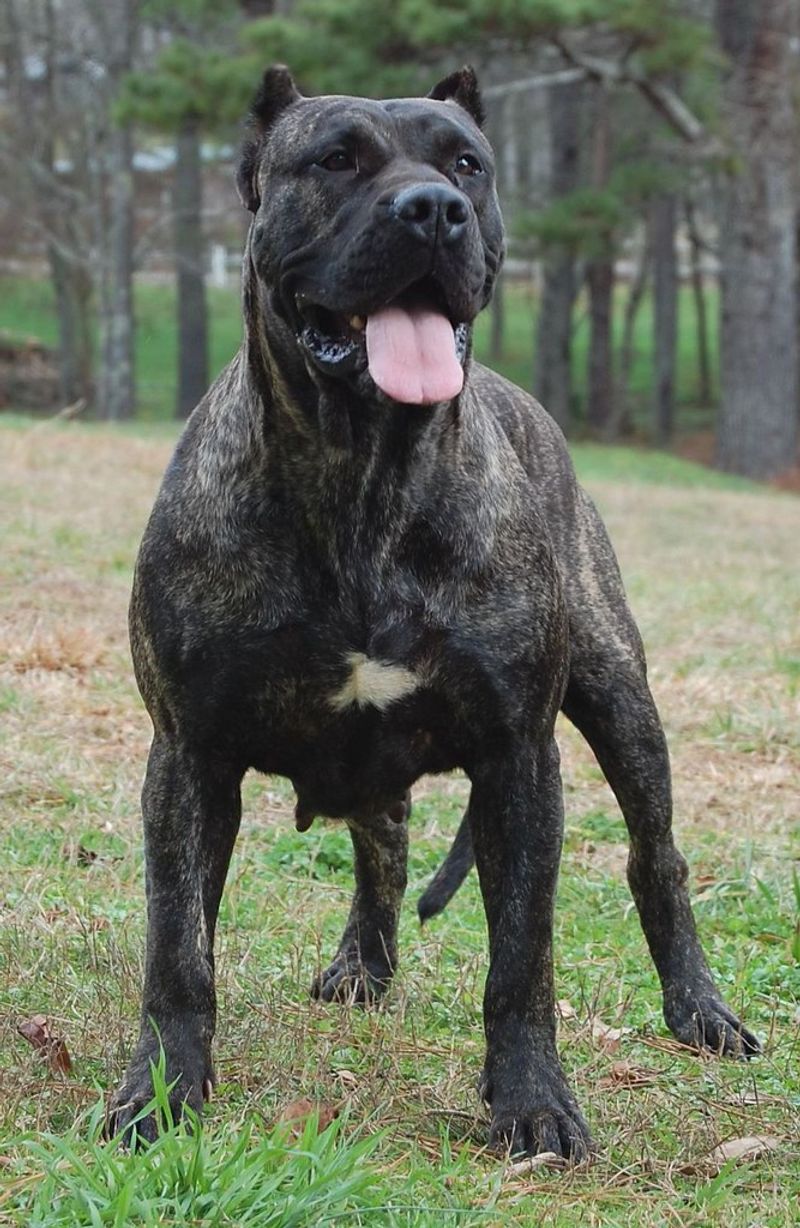
The Presa Canario mixes mass with drive. Unmanaged, it can escalate quickly in busy spaces.
Clear routines, calm exposures, and crisp obedience create reliability.
Teach place during meals, door manners, and a clean recall. Add controlled tug, scent games, and strength tasks to satisfy instincts.
Reward disengagement from triggers as the highest value behavior.
Control is confident, consistent leadership. With structure, this powerhouse becomes a steady guardian that moves through the world with quiet assurance.
Boundaries make freedom possible, safely and respectfully.