
Thinking about bringing home a high-drive or independent dog? Some breeds are breathtaking to live with once you know how to meet their needs, but they can also test your patience if you are unprepared.
From sky-high energy to serious guarding instincts, these pups require structure, training, and thoughtful outlets. Here is what to expect and how to set each breed up for success.
Belgian Malinois
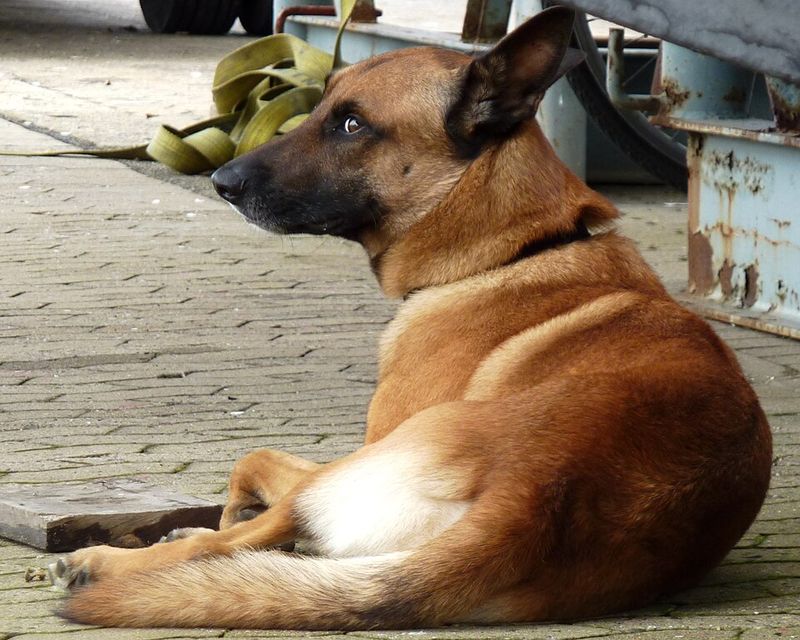
The Belgian Malinois is brilliant, intense, and always on. Without daily structure and serious outlets, that energy can explode into nipping, herding kids, or shredding your couch.
You might notice hypervigilance at windows and reactivity toward strangers. Clear boundaries, bite inhibition games, and impulse control drills are non negotiable for this breed.
Expect separation frustration and pacing if mental needs go unmet. Scent work, obedience, and controlled tug can transform that electric drive into something beautiful.
If you skip training, the Malinois will freelance, and you will not like the results. Pair firm, fair leadership with predictable routines, and you will see a focused partner who thrives on jobs, not chaos.
Consistency, patience, and calm energy make everything easier.
Border Collie
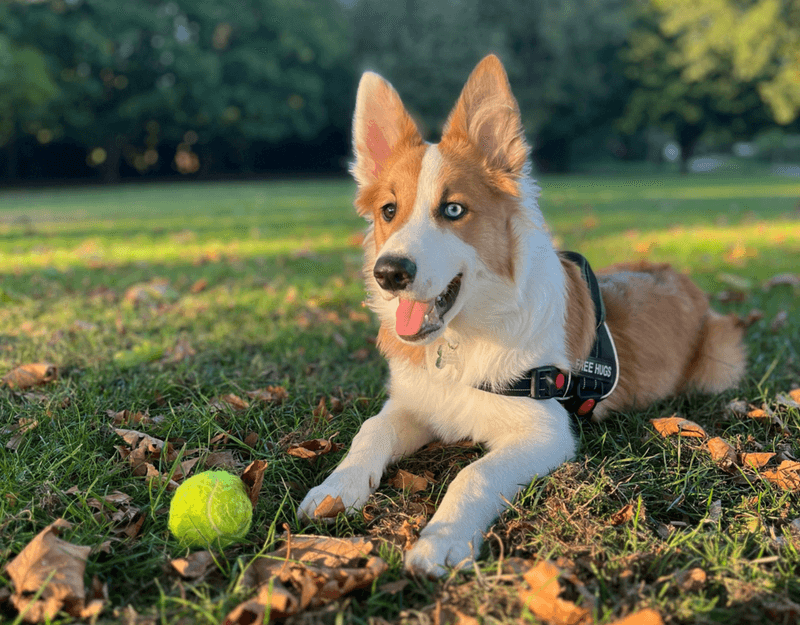
The Border Collie reads a room faster than you do. That genius can morph into anxiety if there is no job or clarity.
You may see obsessive staring, circling, or shadow chasing when stimulation is lacking. Firm routines, decompression walks, and thoughtful enrichment stop the mental hamster wheel.
Herding impulses can trigger heel nipping with kids or joggers. Teach reliable leave it and recall, then channel instincts into fetch with rules or herding classes.
Without boundaries, this dog will micromanage your life and inventory your socks. Give problem solving games, trick training, and structured rest, and you unlock calm focus instead of frantic brilliance.
Short, frequent sessions beat marathons and protect growing joints. Breathe between reps.
Siberian Husky
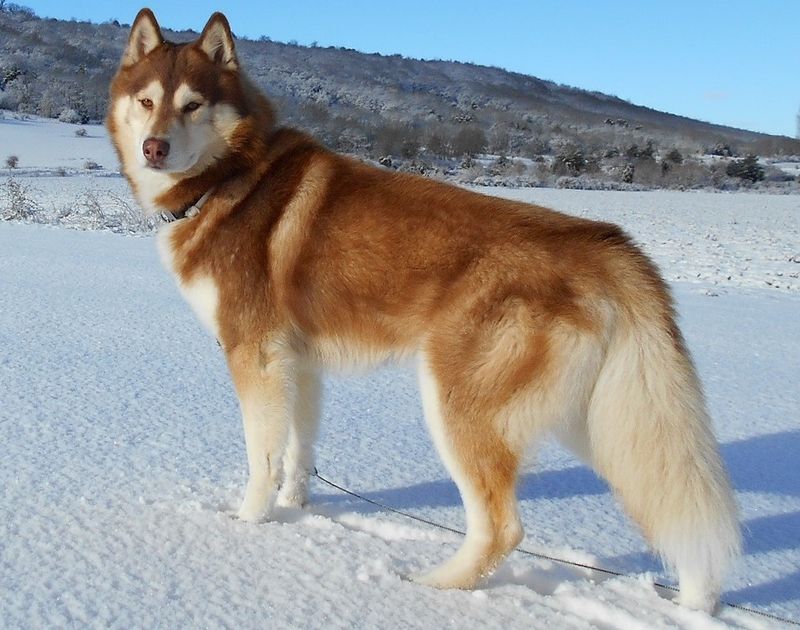
The Siberian Husky is charming, loud, and spectacularly independent. If you expect instant obedience, frustration will bloom on both ends of the leash.
Howling concerts, creative escapes, and counter surfing are common when needs are unmet. You will want secure fencing, double gates, and a sense of humor.
High prey drive can make off leash freedom risky. Nail recall with long lines and paychecks of roast chicken, not kibble.
Sled pulls, canicross, or flirt pole sprints drain that bottomless battery. Without outlets, a bored Husky will remodel drywall and practice parkour across furniture.
Teach settle on mat, crate train kindly, and rotate activities. Cold weather games and sniffy walks help minds relax.
Plan ahead. Daily.
Akita
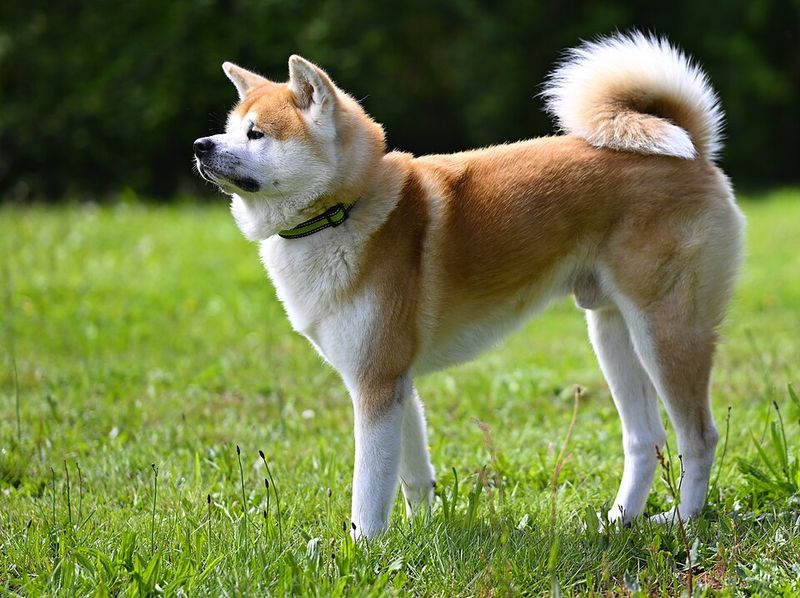
The Akita is dignified, loyal, and naturally reserved with strangers. That stoicism can hide stress until it erupts as a firm warning or a fight.
Early socialization matters, but forced mingling can backfire. Advocate for space, teach a middle position, and reward check ins generously.
Same sex aggression and resource guarding are not unusual. You will want clear rules around doors, visitors, and high value items.
Focus on calm leash skills, cooperative care, and neutrality around other dogs. With patient handling and predictable routines, the Akita becomes a steady companion who watches quietly instead of policing the neighborhood.
Respect boundaries, and trust builds slowly but powerfully. Training clarity prevents misunderstandings and keeps everyone safe.
Always.
Chow Chow
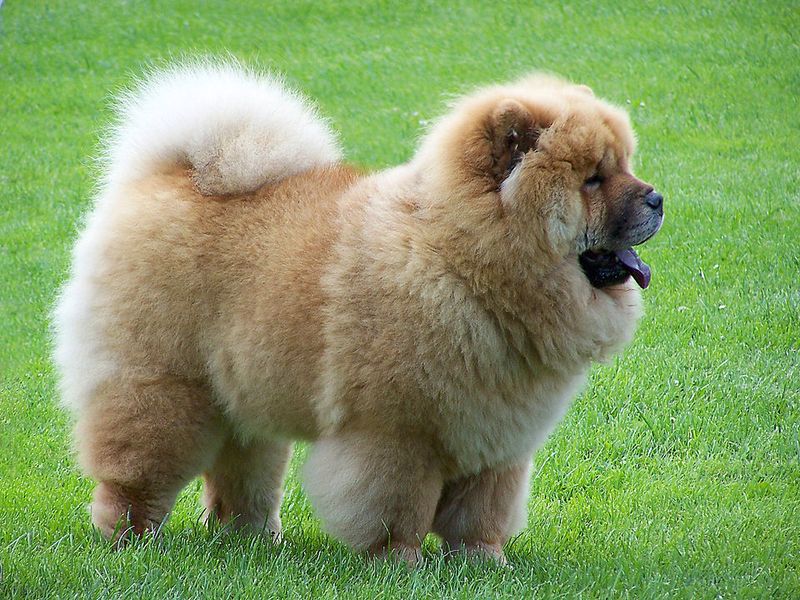
The Chow Chow carries an aloof vibe that many people misread. You might see a calm lion one minute and a stubborn statue the next.
Pushy handling breeds resistance, while patient shaping grows cooperation. Teach consent cues, slow introductions, and calm muzzle training to lower conflict.
Grooming can trigger defensiveness without trust. Break care into tiny steps, pay generously, and quit before tolerance drops.
Many Chows dislike rough play with unknown dogs, so skip crowded parks. Invest in neighborhood walks, place training, and predictable routines, and you will earn steady companionship wrapped in fluffy dignity.
Gentle exposure to city noise and handling builds lasting confidence. Avoid surprises and let them approach on their timeline.
Always.
Jack Russell Terrier
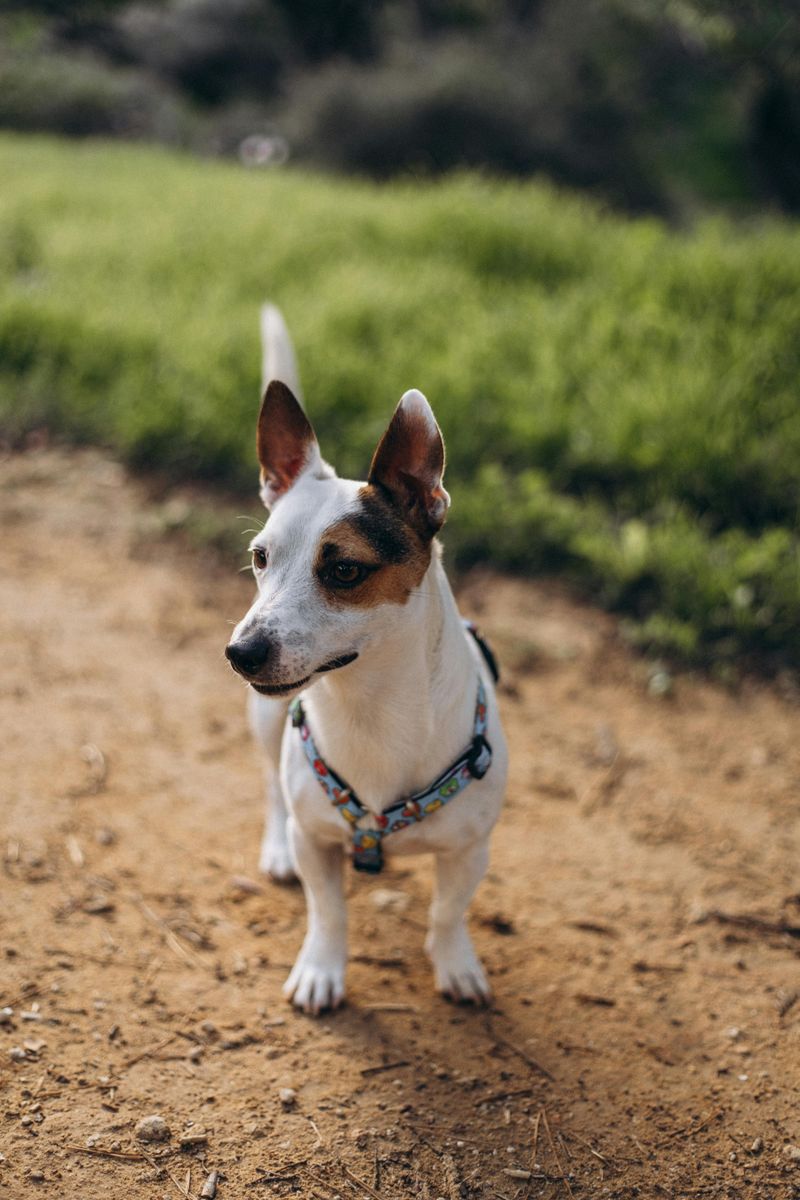
The Jack Russell Terrier is a firecracker with opinions. Without outlets, that clever brain invents chaos like hole digging, curtain climbing, and door dashing.
Expect motion sensitivity and barking at every squirrel. Teach quiet, park behind visual barriers, and reward choosing calm.
Prey drive runs hot, so safety plans matter. Long line hikes, flirt pole rules, and nosework channel the fizz into tasks.
Trick training and platform games build impulse control without crushing spirit. Give boundaries, laughs, and plenty of puzzles, and you get a pocket rocket who can actually relax between adventures.
Rotate toys often and teach settle after play bursts. Early crate comfort prevents door dramas and travel meltdowns.
Keep sessions short. Daily.
Australian Cattle Dog
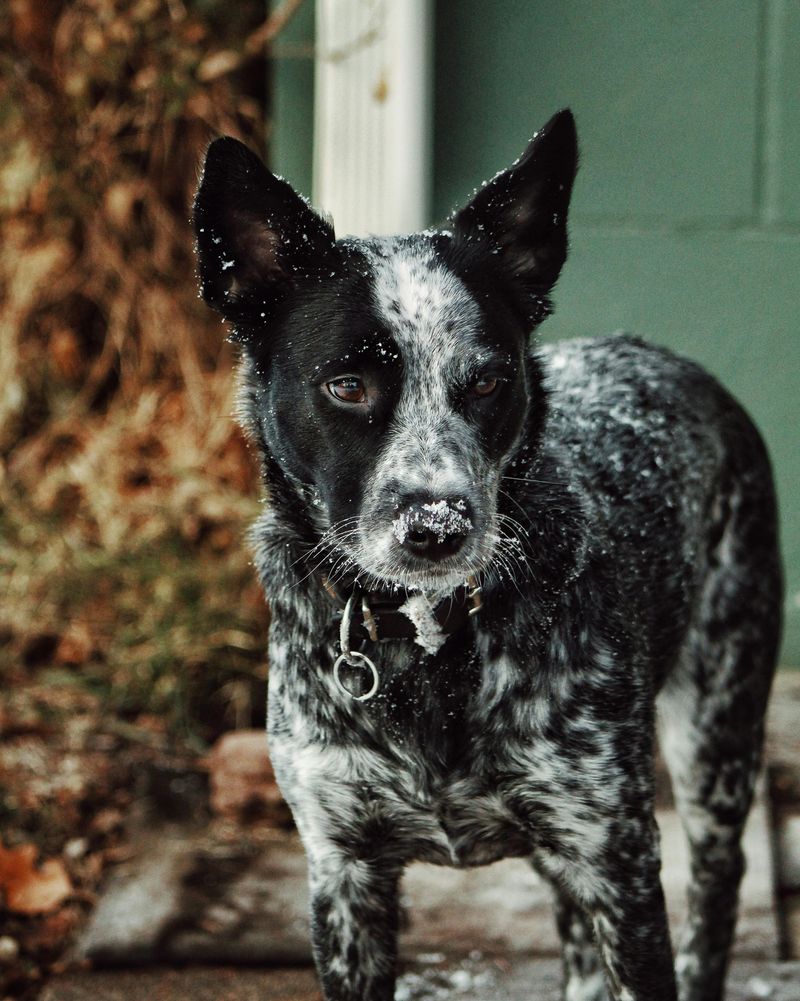
The Australian Cattle Dog is gritty, smart, and suspicious of nonsense. Left idle, it will herd kids, heel nip guests, and reorganize your furniture.
You will want structure, boundaries, and work that feels meaningful. Think tug with rules, obedience under distraction, and real jobs like agility or farm chores.
These dogs bond hard and can guard you from everyone. Balance that loyalty with place training and confident neutrality.
Over arousal flips to snark quickly, so rehearse calm greetings and decompression. When you invest in clarity and outlets, the Cattle Dog becomes unstoppable in all the best ways.
Rotate chews, practice body handling, and protect nap time fiercely. Fair corrections follow warnings and restore perspective.
Breathe.
Weimaraner
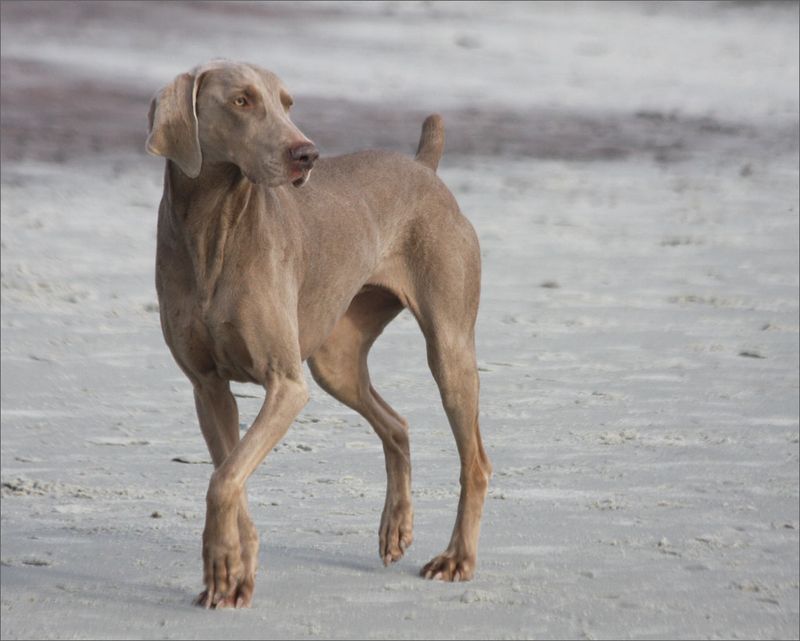
The Weimaraner is affectionate, athletic, and velcro by design. Without gradual independence training, you may meet loud protests and destructive panic.
Expect counter surfing, door rushing, and dramatic greetings if arousal runs high. Use tethers, place boards, and calming patterns to create off switches.
Hunting genetics bring prey focus and stamina that overwhelm casual routines. Long hikes, field games, and nosework satisfy instincts while teaching control.
Practice alone time in tiny doses with stuffed Kongs and chews. When you pair exercise with brain work and boundaries, the Weim learns to settle and becomes a silky shadow you actually enjoy.
Gentle crate conditioning prevents drama and protects furniture investments. Teach chin rest and cooperative care early.
Cane Corso
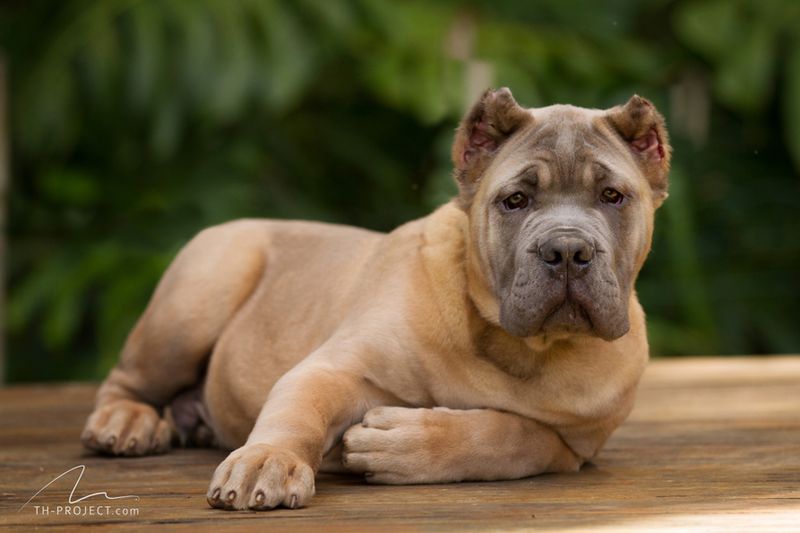
The Cane Corso is imposing, sensitive, and deeply bonded to family. That combination can amplify guardian instincts without careful direction.
You may see big feelings about entrances, vehicles, and surprise visitors. Teach quiet stationing, muzzle comfort, and door routines so choices stay thoughtful.
Strength masks fragility if social skills lag. Prioritize neutrality training over endless petting from strangers.
Reward checking in, smooth leash changes, and relaxed scanning. With fair leadership, clear jobs, and daily decompression, the Corso channels confidence into protection with manners instead of muscle alone.
Body awareness games and core exercises improve coordination and reduce clumsy bumps. Vet handling practice and touch targets prevent stressful scenes.
Consistency creates trust and keeps judgment steady.
Dalmatian
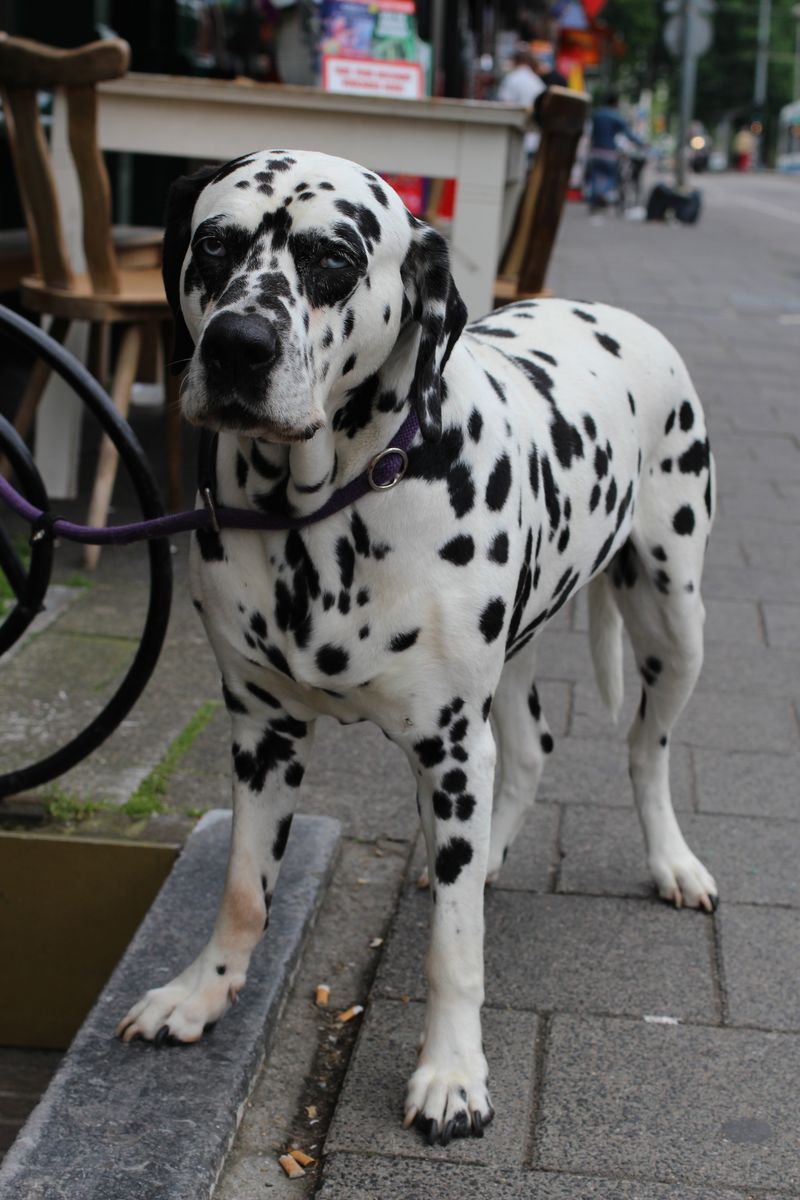
The Dalmatian is energetic, sensitive, and easily overstimulated in busy spaces. Without structure, you might see jumping, mouthing, and frantic zoomies that upend coffee tables.
Noise sensitivity can appear early, so pair novel sounds with snacks. Teach settle on mat and reward slow breathing.
Historical carriage work means endurance is high and boredom is risky. Plan cardio, scent games, and obedience that builds patience.
Some Dalmatians have dietary sensitivities, so use training treats wisely. Meet needs thoughtfully, and you will enjoy a spotted sidekick who chooses manners even when excitement spikes.
Practice ear handling, nail trims, and cooperative grooming from puppyhood. Calm greetings and predictable exits prevent door chaos.
Guide rest with chews and darkened rooms.
Basenji
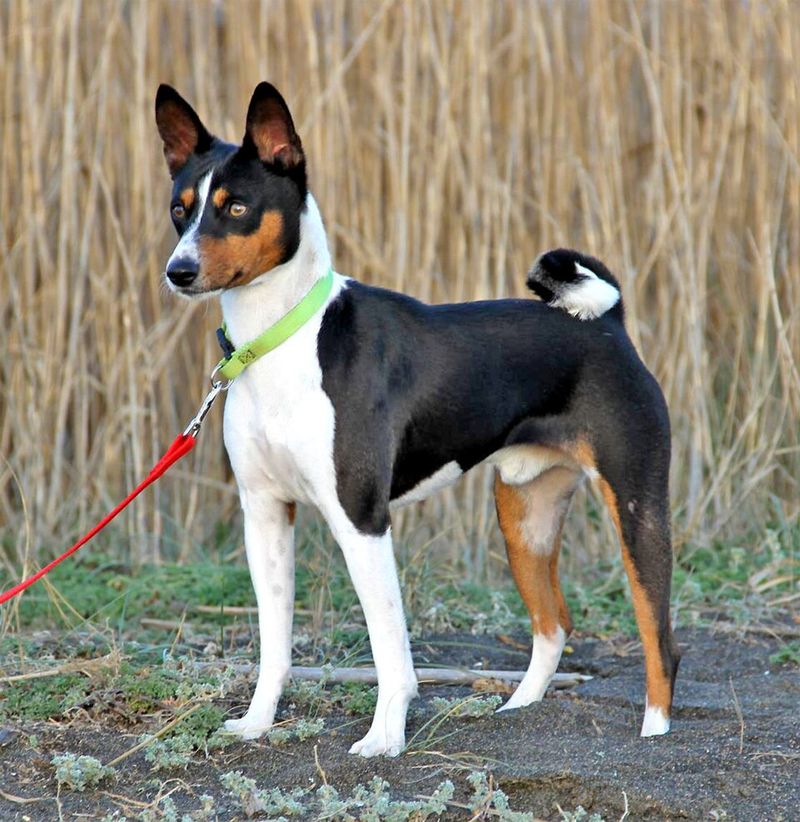
The Basenji is catlike, clever, and famously quiet, but not silent. Yodels, yips, and creative mischief appear when boredom wins.
You may see counters inspected, trash audited, and laundry redistributed. Management helps, but brain games and scent puzzles do the heavy lifting.
Independent streaks make recalls and repetitive drills tricky. Keep sessions short, fun, and generously paid.
Lure into good choices, then fade help as skills stick. When you respect the Basenji’s autonomy and provide novelty, you get a witty companion who chooses cooperation more often than you expect.
Leash skills and chew rotations prevent household debates and frayed tempers. Warm layers help on cold mornings for reluctant walkers.
Celebrate wins and keep curiosity satisfied.
Afghan Hound
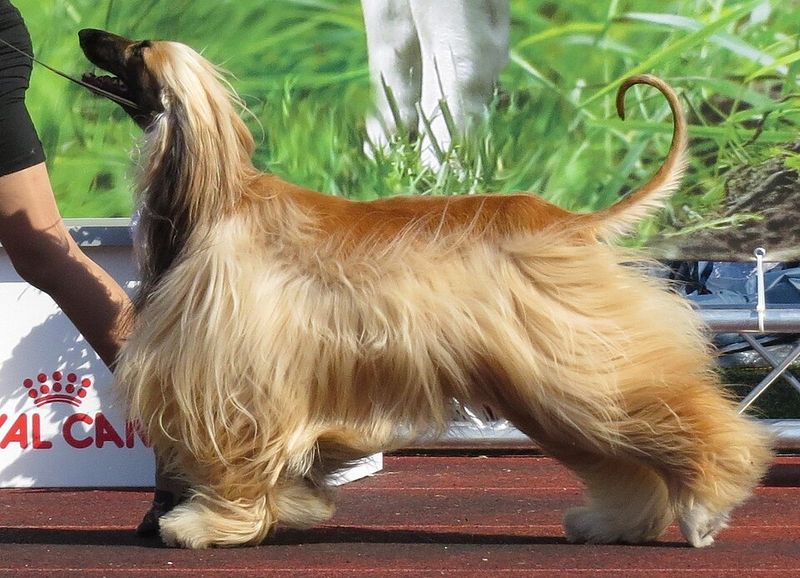
The Afghan Hound floats like silk and thinks like a philosopher with wanderlust. Independent decision making can look like selective deafness, especially off leash.
Expect prey flashes and dramatic flops when motivation drops. Use long lines, jackpot pay, and games that make chasing you worthwhile.
Coat care is a lifestyle, and discomfort can sour attitude fast. Pair grooming with food, breaks, and cheerful praise.
Keep training novel, brief, and artful to respect sensitivity. When you balance freedom with safety and weave beauty into routines, the Afghan reveals a tender clown who chooses connection on their terms.
Gentle body awareness games boost confidence on slippery floors. Socialize thoughtfully and decline rough greetings from strangers.
Patience pays.