
Dog consent is not just internet drama, it is a practical way to build trust. Some breeds shut down or push back when you grab, hug, or restrain them without warning.
Understanding their boundaries helps you avoid bites, stress, and heartbreak. Learn which dogs need slower handling and how to keep interactions respectful and safe.
Chinese Shar-Pei
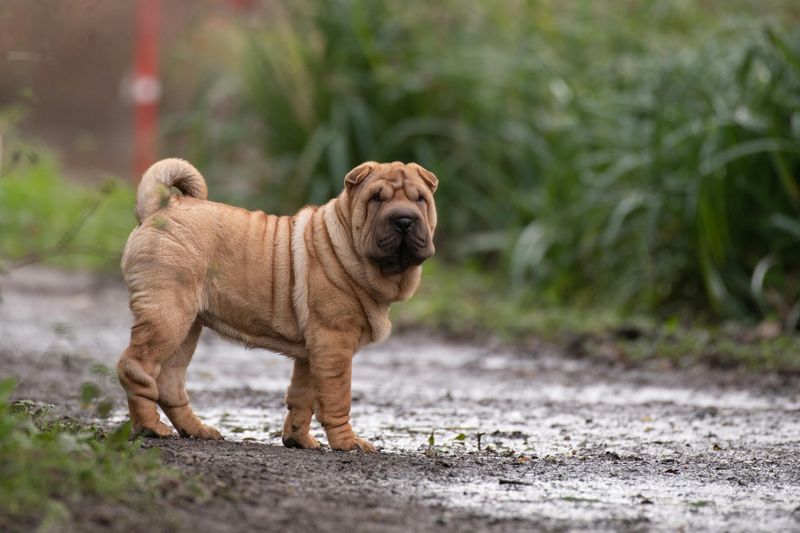
Shar-Pei dogs are famously reserved, especially with unfamiliar touch. When hands come in fast, those tight wrinkles can trap moisture and make grooming uncomfortable, which adds to their defensiveness.
Pushy hugs or forced nail trims may trigger resistance, growling, or a hard freeze.
Move slowly and let them sniff tools first. Use cooperative care cues, like chin-rests and lick mats, and reward tiny steps.
Keep sessions short, and end before frustration climbs.
Socialize thoughtfully without crowding. Teach family and visitors to ask, pause, and notice ear positions, tail carriage, and tension.
Respecting consent builds confidence, making vet visits smoother and daily care safer for everyone.
Shiba Inu
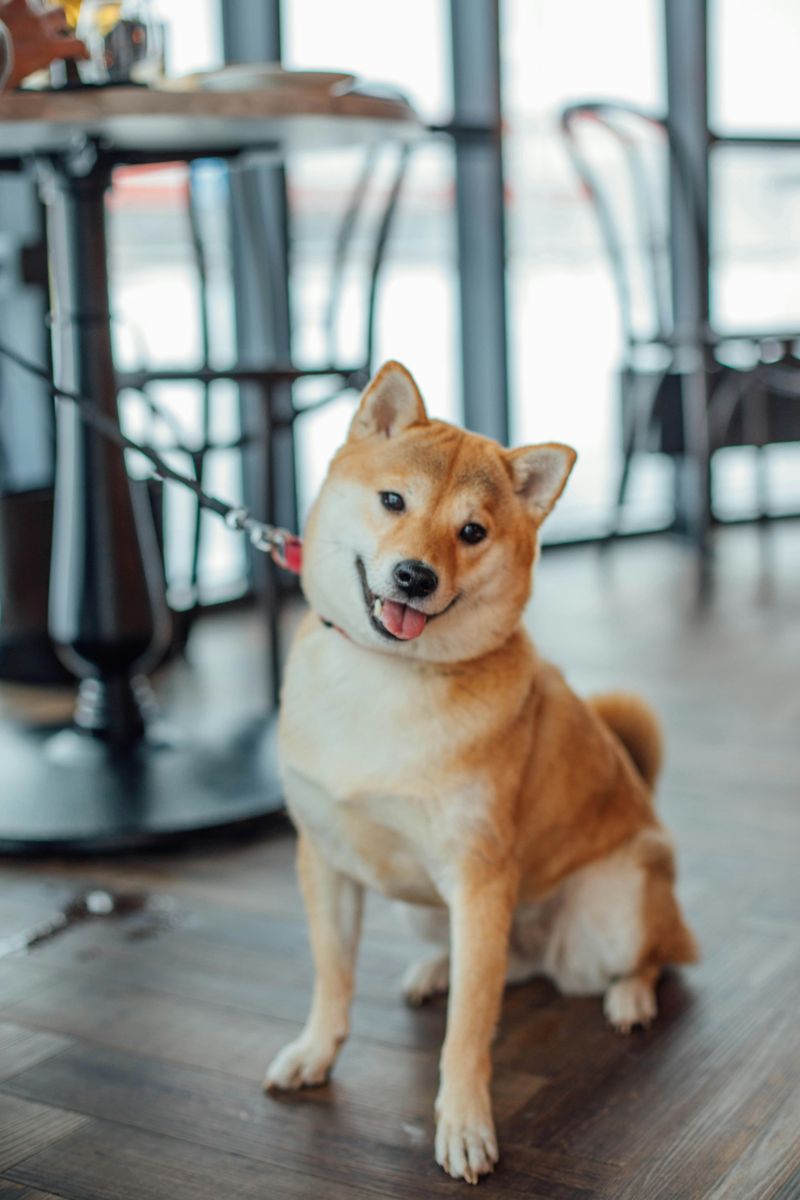
Shibas are independent and sensitive to body pressure. Sudden restraint often sparks a dramatic yodel or a stiff, side-eyed freeze.
Forcing hugs, lifting without warning, or grabbing the collar can escalate to a snap.
Teach a consent routine: present the brush, wait for voluntary approach, reward calm cooperation. Use harnesses fitted well, and guide with treats rather than dragging.
Practice touch in micro-steps, pairing each contact with food.
Give opt-out choices like a mat station. Watch for whale eye, tucked tail, or lip tension before proceeding.
When you respect their boundaries, Shibas become witty collaborators, and everyday grooming changes from a battle to a brief, successful ritual.
Basenji
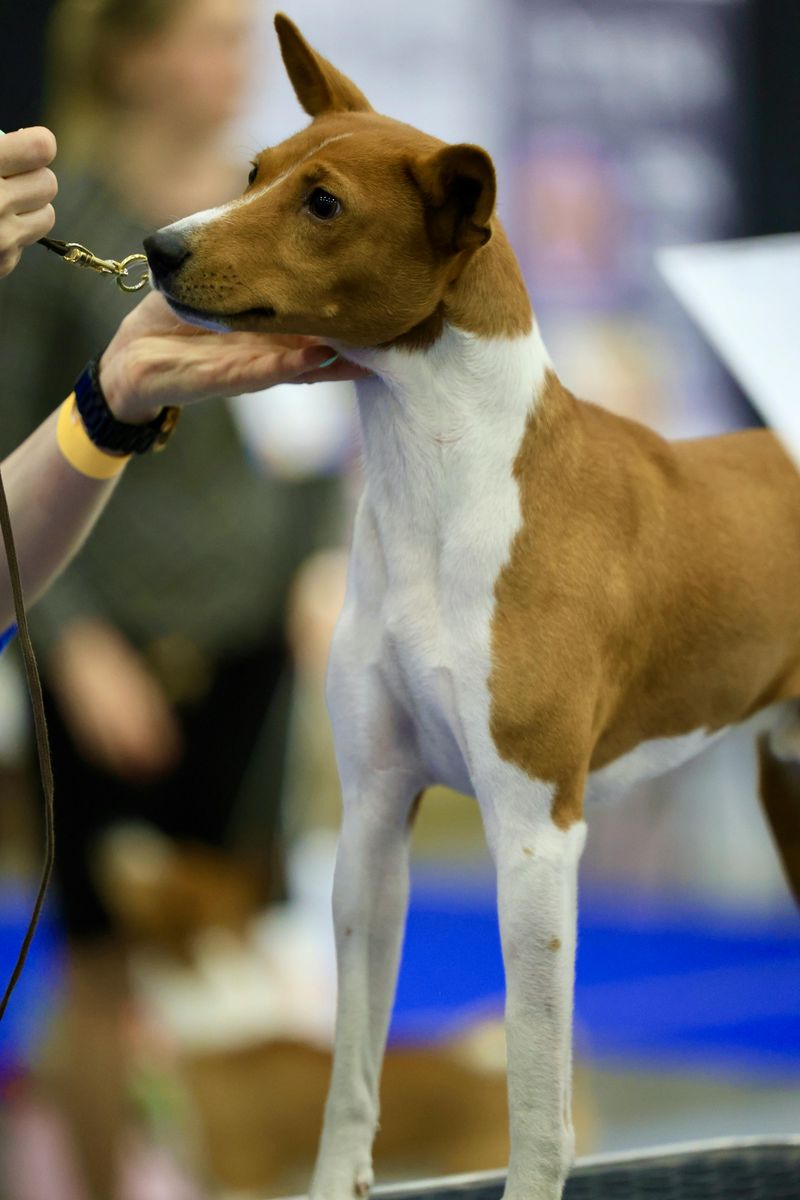
Basenjis are catlike and dislike rough handling. They often avoid grabby hands and sudden lifts, especially from strangers.
If pushed, they may go still, twist away, or vocalize in frustration.
Start with brief, predictable touch sessions. Pair each contact with a treat, then pause to see if the dog re-engages.
Work on chin-targets and cooperative nail care using scratch boards.
Keep environments quiet and low odor. Allow sniff breaks and movement between steps.
Respecting no-thank-you signals builds trust, and with consistency, you will see voluntary participation rise, making grooming, vet exams, and harnessing smoother and far less stressful.
Akita
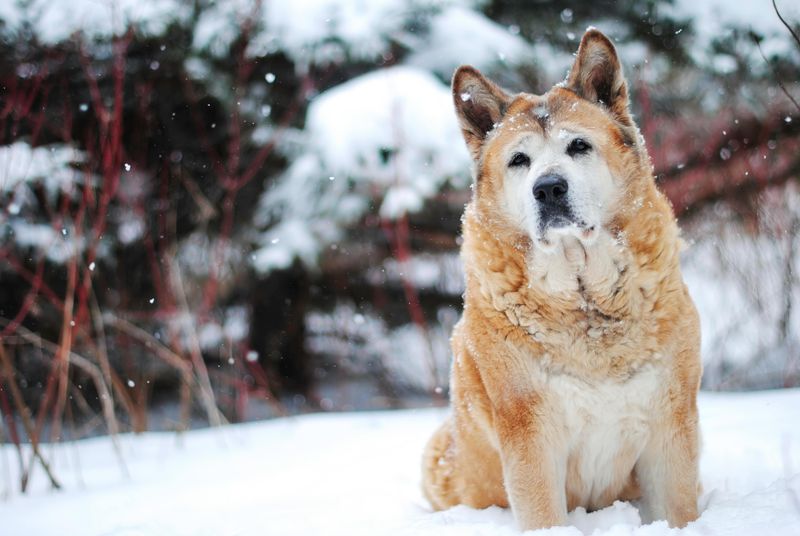
Akitas are dignified and value personal space. Forced handling can feel confrontational to a breed bred for vigilance.
Grabbing the collar, hugging tightly, or looming over can lead to stiffening and defensive reactions.
Use structured introductions and clear routines. Teach a consent cue like a chin rest on a towel, paying generously for calm stays.
Break grooming into short segments and stop while it is still going well.
Advocate in public by asking strangers not to pet without permission. Watch for subtle signals like head turns, tail lowering, and a closed mouth.
When cooperation is invited, Akitas respond with steady confidence, and the relationship deepens rather than frays.
Chow Chow
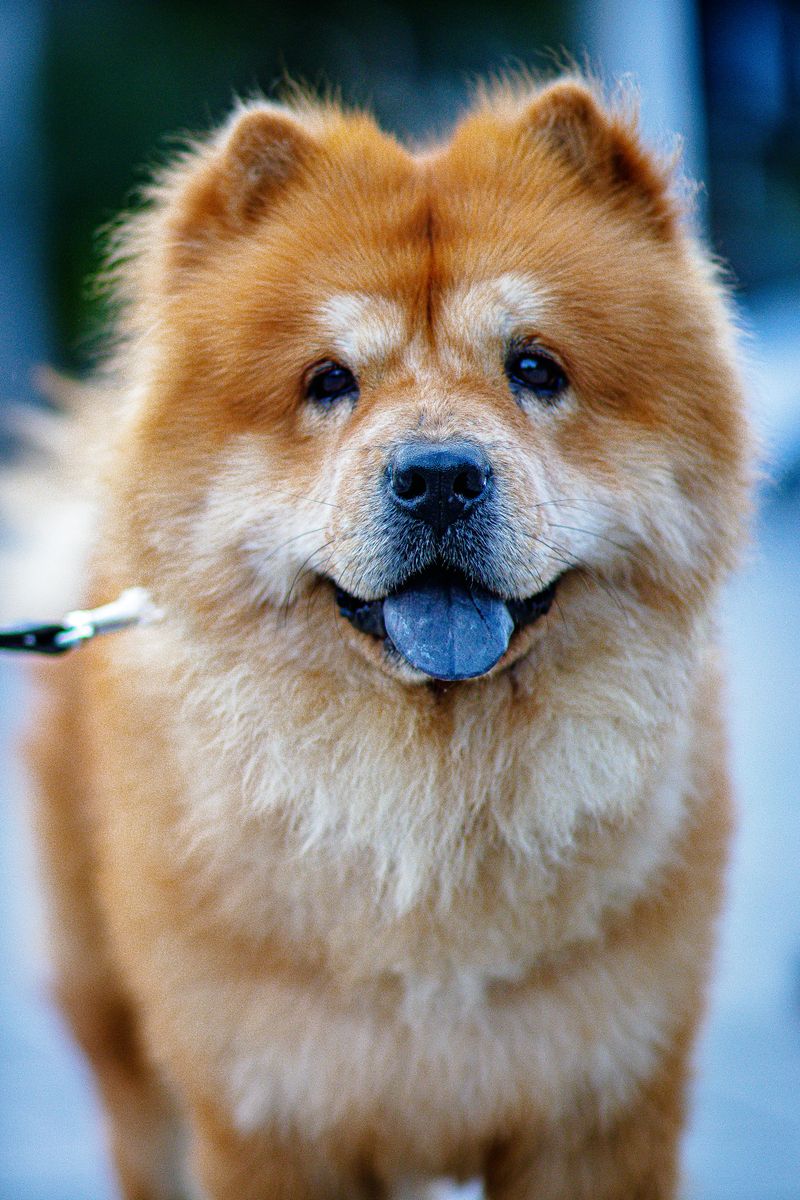
Chows can be aloof and dislike sudden touch, especially around the hindquarters and tail. Forcing brushing through dense fur without preparation can hurt and trigger a strong protest.
Looming or hugging feels invasive to them.
Condition tools first by letting the dog sniff and choose contact. Use a platform or mat for predictability, feeding tiny rewards for each successful brush stroke.
Keep sessions brief and air-conditioned to avoid overheating.
Invite participation with clear start and end cues. If the Chow looks away, stiffens, or pants heavily, pause immediately.
Respect brings results, and over time you will see calm, cooperative grooming that keeps the coat healthy without conflict.
Italian Greyhound
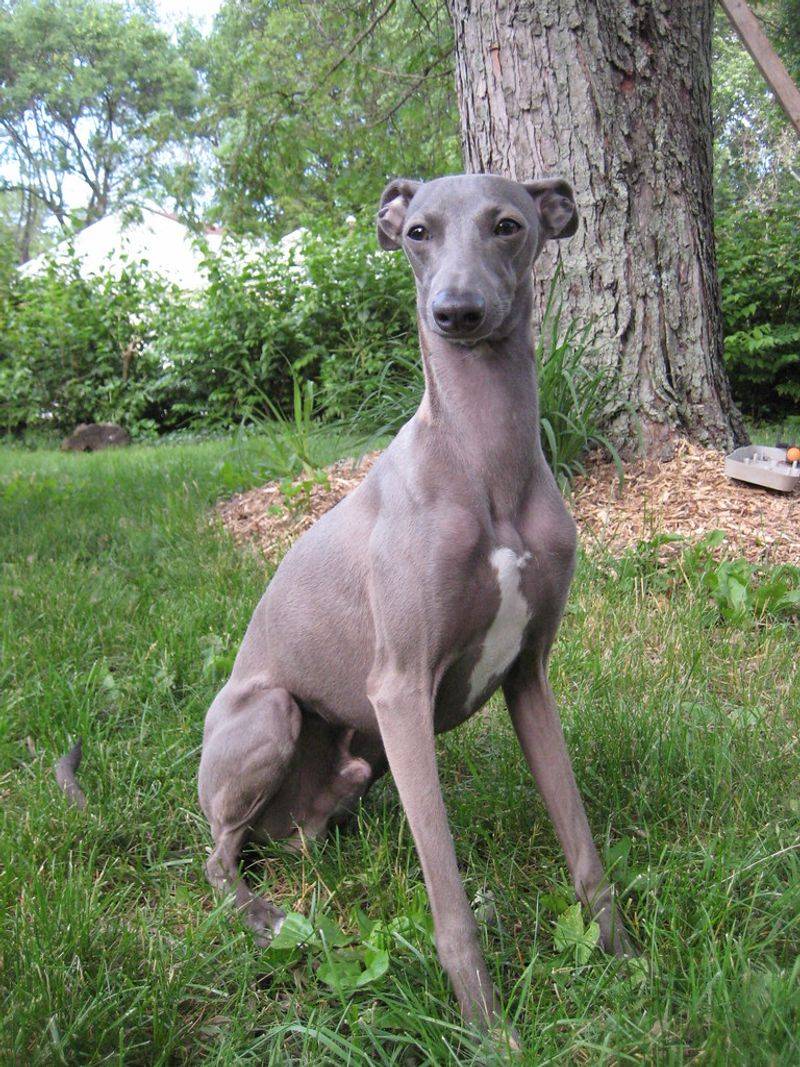
Italian Greyhounds have fine bones and thin skin, so clumsy handling can feel scary or painful. Sudden lifts or tight hugs cause squirming and trembling.
If pushed, they may air-lick, freeze, or leap away.
Teach a pick-up cue using a towel or forearm support under chest and hindquarters. Practice slow touch with warm hands, rewarding calm breaths.
Keep floors non-slip and nails short to prevent panicked scrambling.
Offer cozy stations where they choose to approach. Watch for yawns, head turns, and paw lifts as early no signs.
When you slow down and listen, these sensitive companions lean into care and become wonderfully cooperative.
Whippet
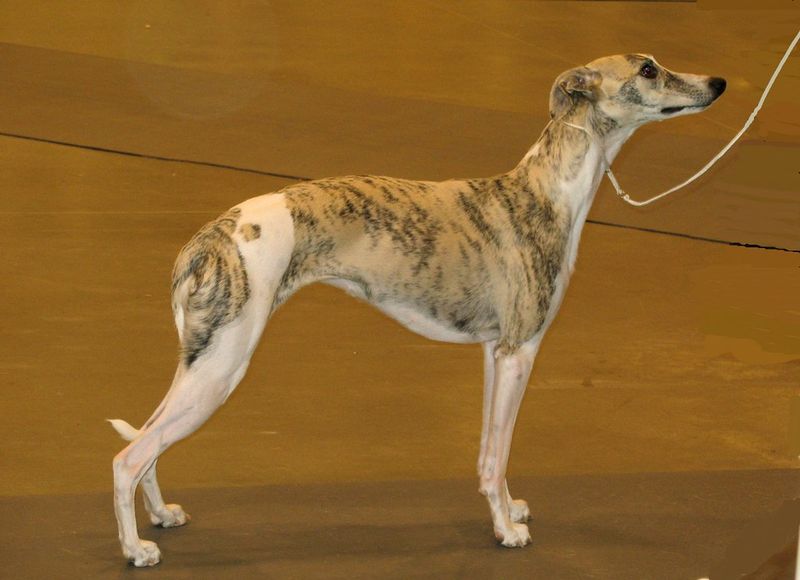
Whippets are sensitive and motion oriented, which makes restraint stressful. Forced nail trims or sudden hugs can trigger flinching, stiff posture, or escape attempts.
Rough handling risks trust and can sour training fast.
Use scratch boards or Dremel conditioning with food. Start with just showing the tool, then brief touch, then a single nail.
End early and celebrate small wins.
Provide warm bedding and non-slip surfaces so they feel secure. Offer a chin rest or paw target to signal consent.
When you let the Whippet opt in, handling becomes smooth, and nervous energy turns into calm cooperation during grooming and vet visits.
Papillon
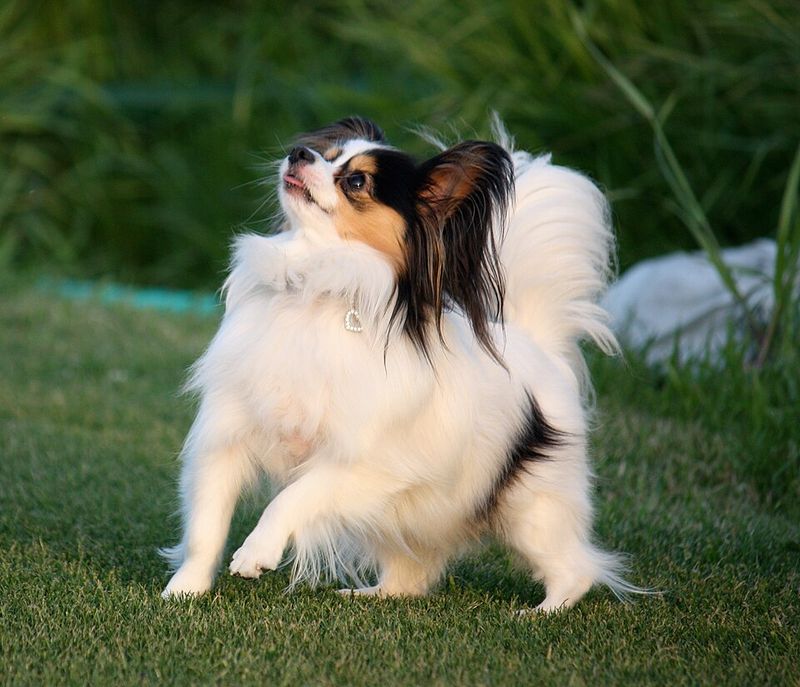
Papillons are friendly yet can be startled by sudden grabs, especially near their delicate ears and paws. Forcing ear cleaning or detangling can hurt and create lasting resistance.
Jerky movements make them skittish.
Introduce tools gradually and use high-value treats for each touch. Hold the comb flat and work from ends toward the skin.
Keep sessions short and playful, ending with a scatter of kibble to reset.
Teach a station on a rubber mat so the dog knows when grooming starts. Watch for lip licks, paw pulling, or ear pinning as slow-down signals.
With choice and patience, Papillons brighten up and happily participate in their beauty routine.
Shih Tzu
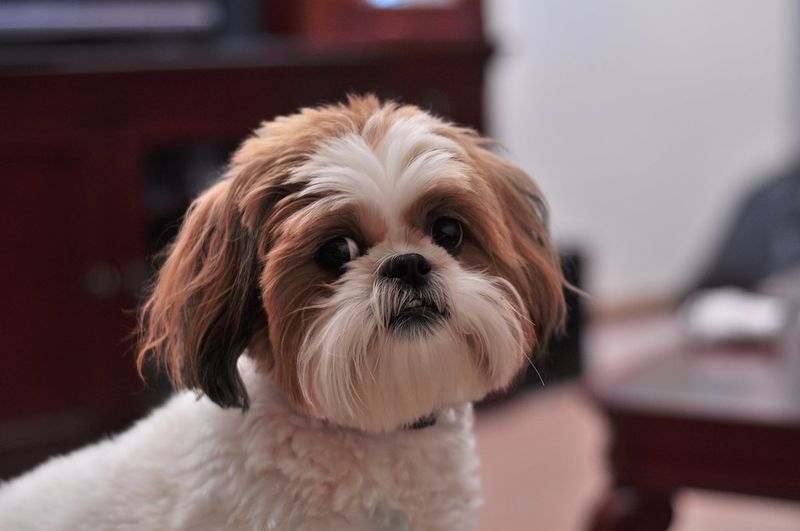
Shih Tzus often dislike face handling, especially around eyes and muzzle where hair can irritate. Forcing wipes or hair ties leads to squirming, huffing, or paw batting.
Tight restraint only increases stress.
Desensitize by pairing brief face touches with tasty licks from a spoon. Use a chin rest and introduce tools like combs and eye wipes slowly.
Keep bangs trimmed carefully and reward every calm second.
Schedule frequent short sessions rather than marathon grooms. If the dog turns away or blinks rapidly, pause and let them reset.
By honoring their signals, you turn a fussy chore into a cooperative routine that keeps eyes healthy and comfortable.
Lhasa Apso
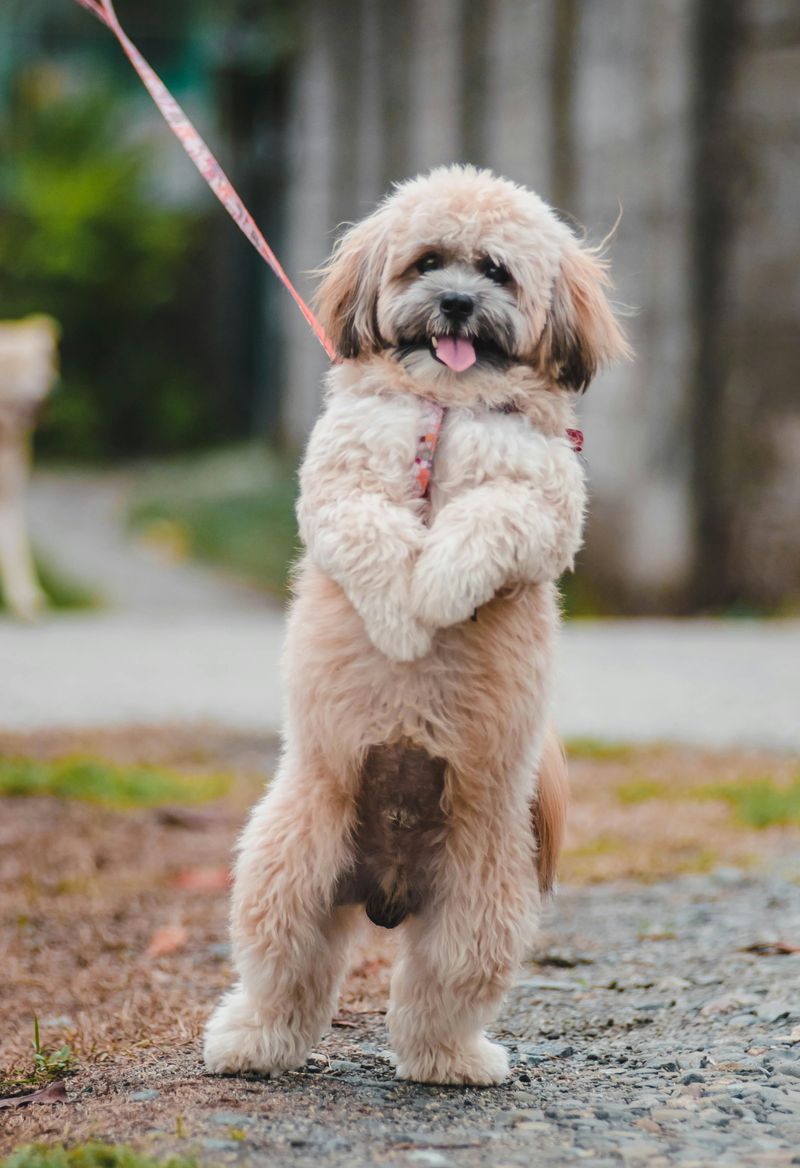
Lhasa Apsos are dignified guardians and can resent pushy touch, especially with dense coat maintenance. Forcing brushing or mat removal can cause pain and defensive behavior.
Restraint without choice often backfires.
Start with cooperative care: station training, chin rests, and treat delivery during gentle detangling. Use detangling spray and work in layers, rewarding each section.
Keep sessions short and end on success.
Advocate with visitors to pet only after a clear yes, like approaching relaxed. Monitor for stiff posture, still tail, or head turns.
When you prioritize consent, Lhasas relax and allow thorough grooming, turning potential conflict into calm, respectful teamwork.