
Doubling up on dogs can transform your home into a happy, balanced pack. The right breed pairing brings energy, companionship, and fewer lonely hours when you are out. You get playmates that tire each other out and personalities that complement your routine. Ready to find a second dog that fits like a puzzle piece with the first?
Beagle
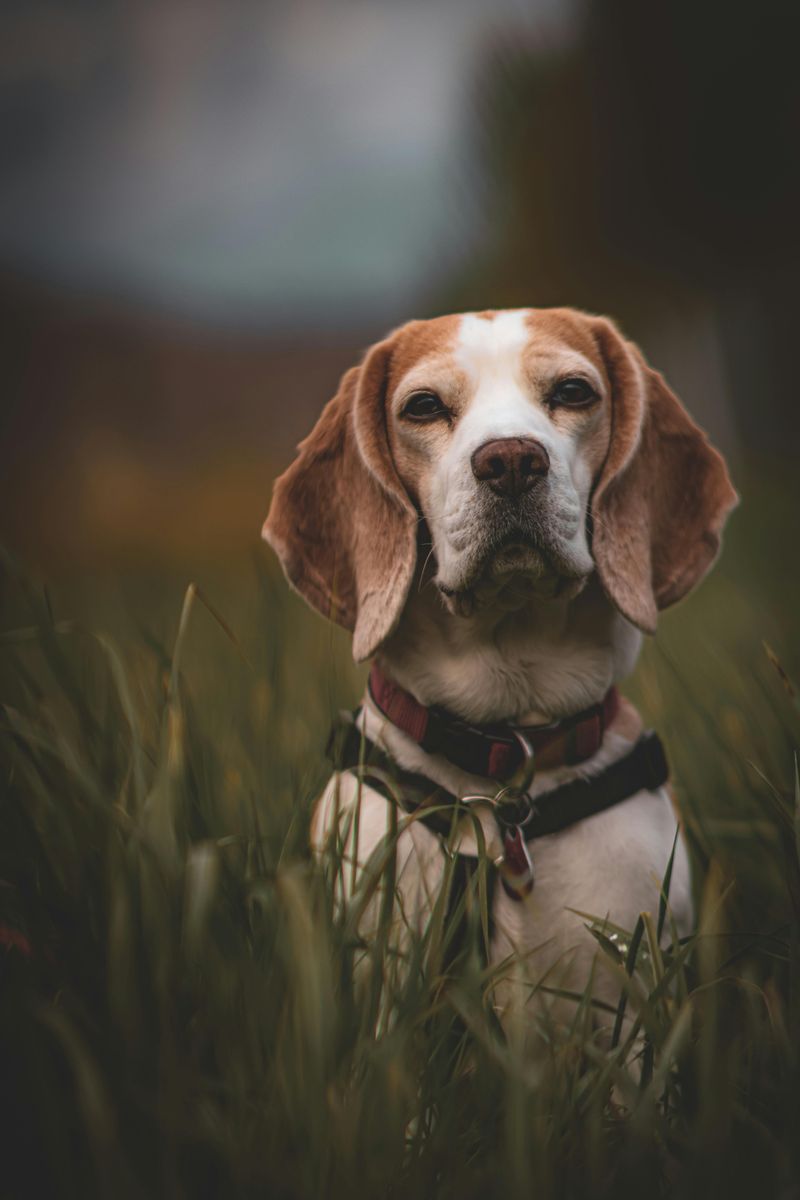
Beagles thrive on buddy systems because scent adventures are better with a teammate. Their moderate size makes indoor living manageable, while their sturdy build invites outdoor play. Pairing a Beagle with another merry hound or a similarly social breed keeps the baying to joyful chatter, not boredom.
Expect duet sniffaris, synchronized tail wags, and nap piles after long walks. You will want puzzle feeders to satisfy busy noses and routines that mix tracking games with recall practice. With two, energy gets shared and separation stress tends to shrink.
Consistency matters. Keep boundaries clear, reinforce calm greetings, and split training for focused attention. Then watch a charming, food-motivated pair blossom into loyal, nose-driven companions.
Shetland Sheepdog
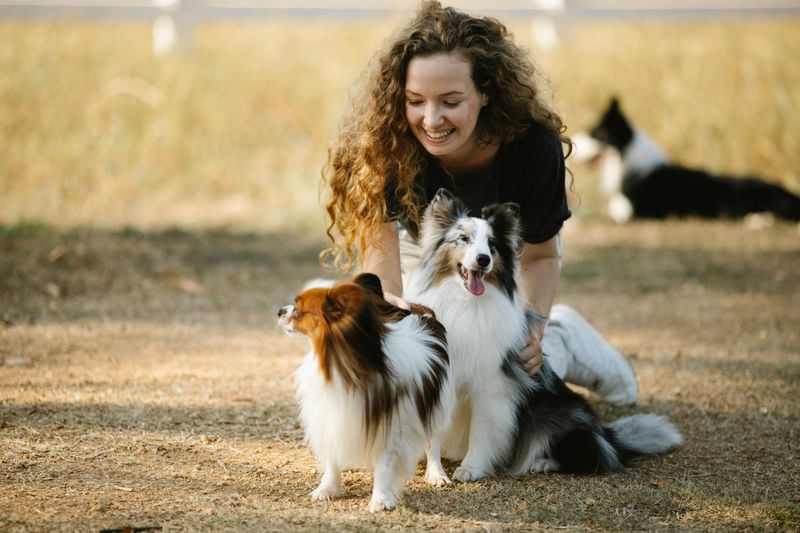
Shetland Sheepdogs love structure, communication, and teamwork, making them great in pairs. Their brainy, sensitive nature blossoms with a compatible partner who enjoys training games. Choose a similarly gentle, responsive dog to keep the vibe harmonious.
Daily mental workouts are essential. Try rally, trick sequences, or scent games so both dogs take turns and learn patience. Shelties can be vocal, so reinforce quiet and give them jobs like place stays or boundary cues.
Grooming doubles, but so does the joy of synchronized spins and recalls. Socialize steadily to prevent shyness from echoing between them. A well-matched Sheltie duo delivers elegance, empathy, and picture-perfect teamwork around the house and on the trail.
Miniature American Shepherd
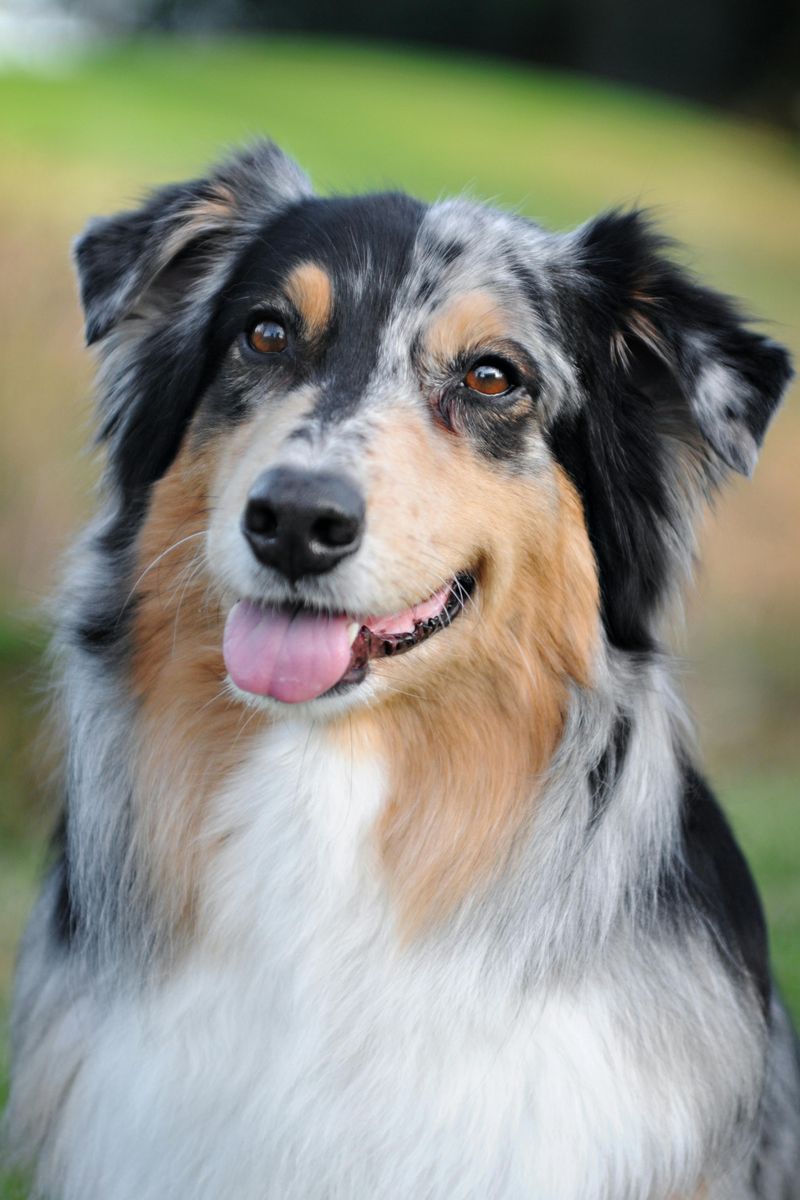
Miniature American Shepherds are compact herders with big-dog brains. In pairs, they become intuitive partners who mirror cues and movement. Choose a second dog that enjoys structured play and agility-style fun to channel their quick minds.
Plan short training bursts, cooperative fetch, and impulse control drills. Rotate jobs so one practices stays while the other retrieves. Their herding tendencies benefit from clear boundaries, like off-switch cues and scheduled decompression walks.
Expect velcro-level closeness and affectionate check-ins. Social outings, car rides, and trail work keep the duo balanced and cheerful. With consistency and upbeat guidance, two Minis can transform a living room into a smart, synchronized training floor.
Finnish Spitz
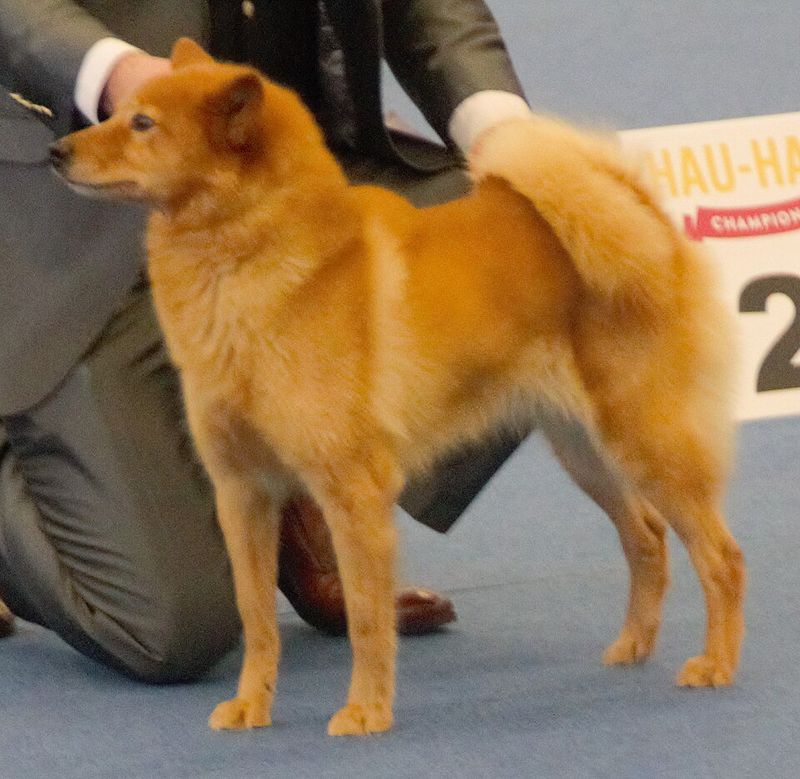
Finnish Spitz are bright, lively companions built for alertness and woodland rambles. In a two-dog home, they benefit from a partner that respects space and appreciates playful chase. Choose breeds that are cheerful, confident, and not overly pushy.
Expect some vocal commentary. Teach quiet on cue, then reward calm observation at windows. Daily sniffy walks, natural recall games, and treat scatters help satisfy their hunting instincts while keeping harmony.
Indoors, provide soft zones and rotate toys to prevent resource guarding. Use brief training sessions with lots of praise, not pressure. A well-managed Finnish Spitz duo delivers spirited hikes, gentle cuddles, and a musical soundtrack without tipping into chaos.
Swedish Vallhund
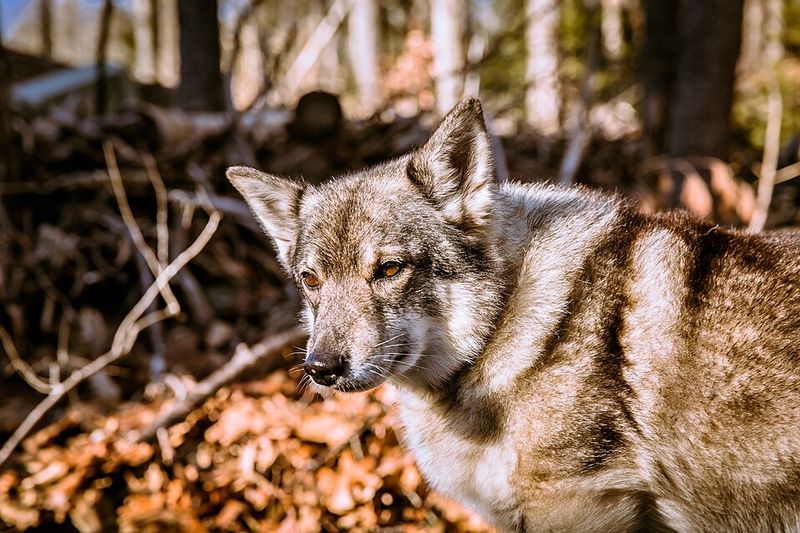
Swedish Vallhunds pack herding heritage into a compact, bold frame. In pairs, they thrive on shared missions like tricks, nosework, and friendly wrestling. Choose a confident but cooperative companion to keep morale high and nipping habits redirected.
Structure helps. Alternate tug with drop cues, trade toys, and teach parallel heeling to channel drive into teamwork. Short legs do not limit big energy, so plan hikes, stairs training, and recovery naps.
Socialization curbs bossiness and keeps greetings polite. A Vallhund duo is comedic, loyal, and unexpectedly athletic. With boundaries and brain games, you get two low-slung dynamos who patrol the house together and adore learning side-by-side.
Norwegian Buhund
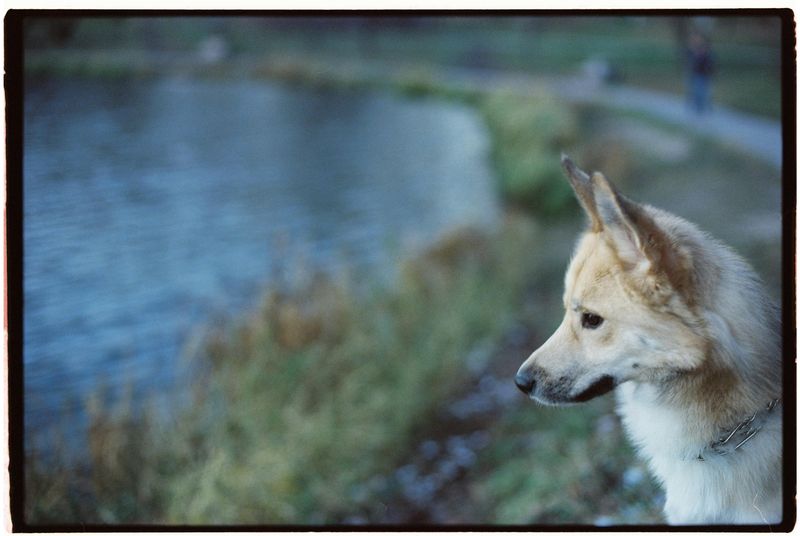
Norwegian Buhunds are upbeat spitz herders with cheerful stamina. In a two-dog setup, they thrive with a partner who enjoys brisk walks, training puzzles, and fair play. Their optimism is contagious, and routine keeps it focused.
Use tethered settle practice, rotating chew sessions, and place training to build impulse control. Buhunds can be chatty, so reward quiet survey time and give them jobs like carrying a soft pack. Daily enrichment prevents mischief and maintains balance.
Grooming is straightforward, shedding seasonal. Socialize kindly to temper teenage bravado. With consistent cues and shared adventures, a Buhund duo becomes a reliable, sunny team that tackles trails, errands, and couch cuddles with equal enthusiasm.
Polish Lowland Sheepdog
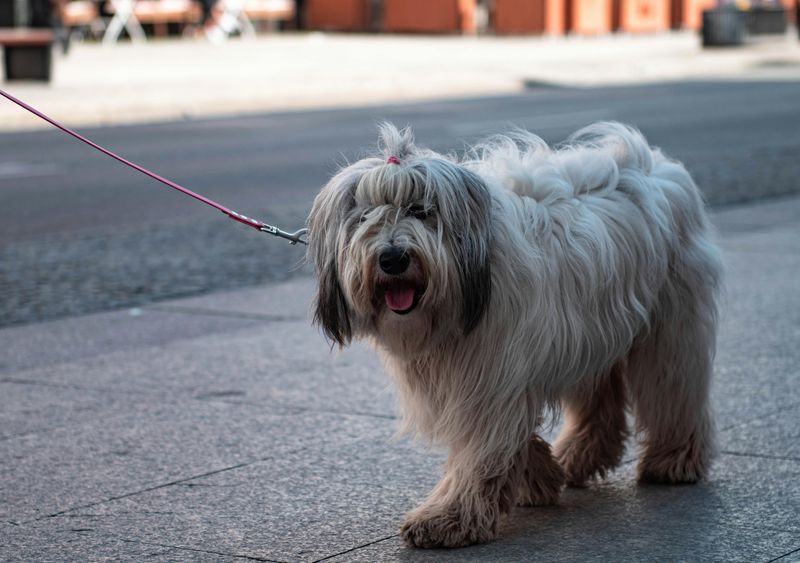
Polish Lowland Sheepdogs bring wit, work ethic, and shaggy charm. In pairs, they love shared tasks and develop delightful routines. Choose a partner that respects space and enjoys thoughtful activities like scent puzzles, place drills, and slow neighborhood observation walks.
The coat needs diligent care. Create a grooming ritual for both dogs, pairing brushing with calm reinforcement and lick mats. Their clever minds benefit from handling training, polite door manners, and turn-taking games.
Expect affectionate watchdog tendencies, so manage window access to reduce chorus alerts. Give decompression time after training to keep arousal balanced. With structure and enrichment, two PONs evolve into a grounded, humorous duo that works hard and melts hearts.
Mudi
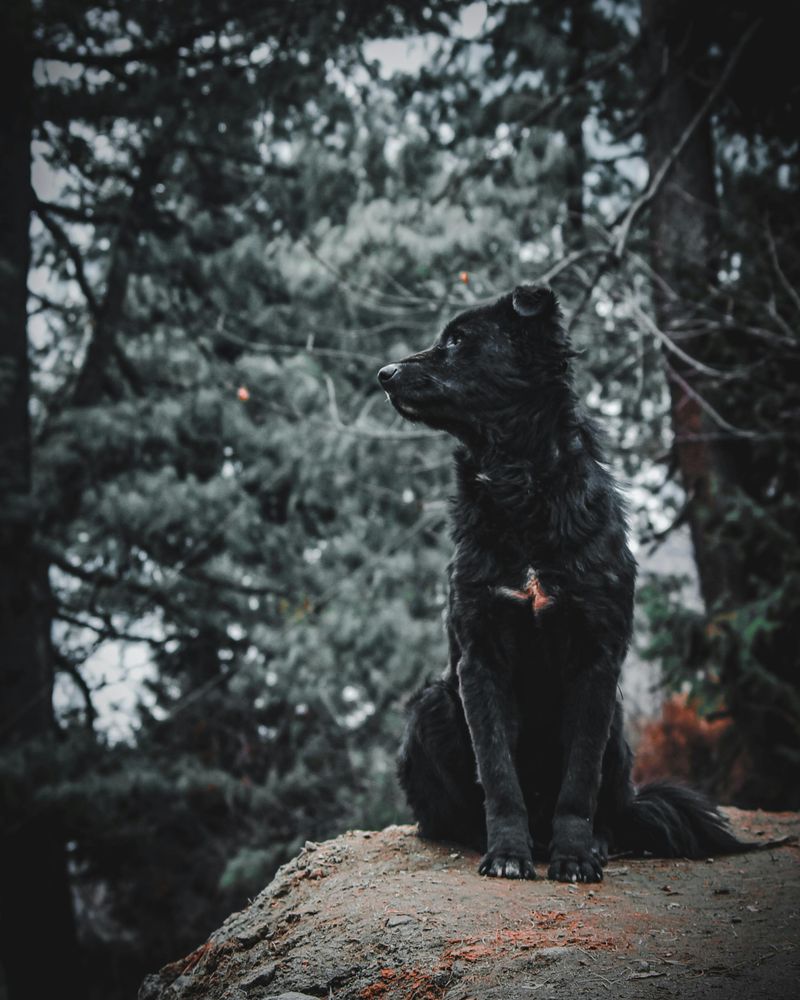
Mudis are agile problem solvers that shine with purpose. In a two-dog household, they value a partner who matches drive but accepts off-switch cues. Think disc games, obedience sprints, and targeted nosework to channel intensity productively.
Because arousal can spike, build fluent settle skills, cue clarity, and structured decompression. Alternate high-energy play with sniff walks and mat relax. Cooperative fetch and toy-trades prevent resource friction.
Social exposure should be steady, not flooded. Reward neutrality around dogs and people to preserve focus. With consistent leadership and thoughtful outlets, a Mudi duo delivers spectacular athleticism, crisp obedience, and cuddle-heavy evenings once the workday ends.
Pumi
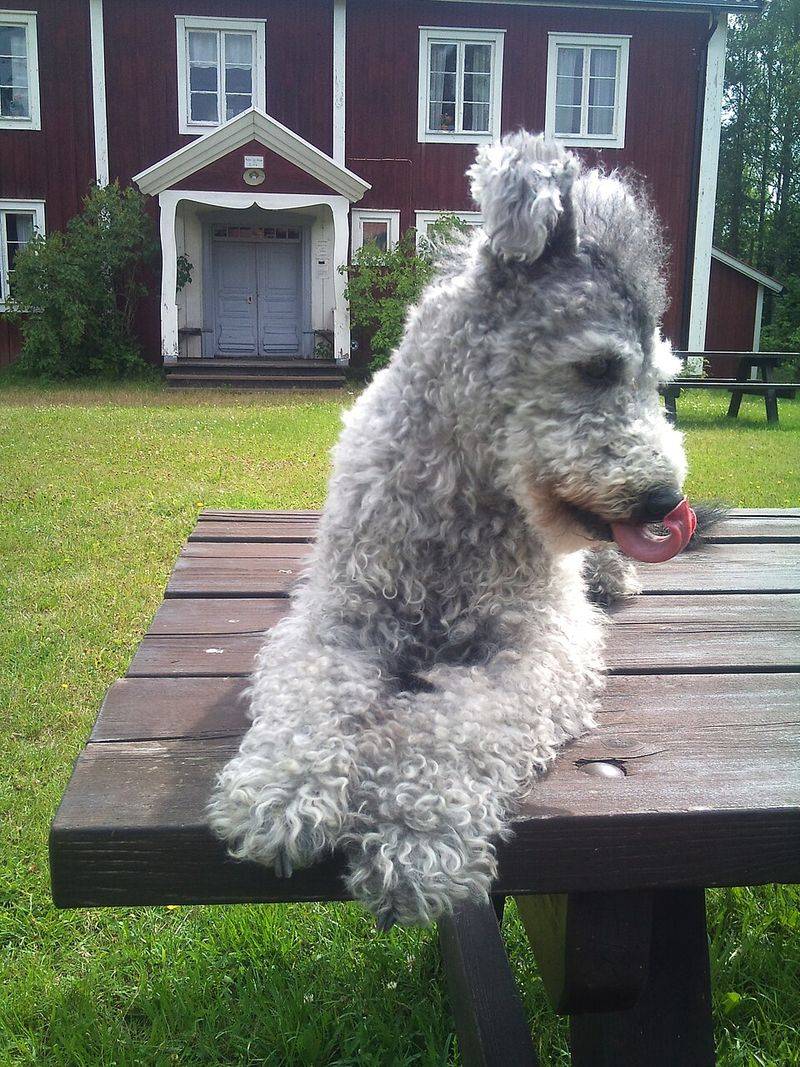
Pumis are sprightly herders with comedic timing and endless curiosity. In pairs, they thrive on witty games and quickfire training. Pick a confident, friendly partner who enjoys tug, parkour walks, and smart problem solving without bulldozing boundaries.
Keep sessions brisk and positive. Use hand targets, platform hops, and heeling patterns to sync teamwork. Balance buzz with chew stations, scatter feeding, and quiet crate time so excitement does not snowball.
Grooming curly coats is rhythmic and bonding. Reinforce polite greetings and toy sharing to prevent bossy streaks from echoing. Two Pumis can turn city blocks into playgrounds, delivering laughter, agility, and affectionate snuggles after they clock out from fun.
Schipperke
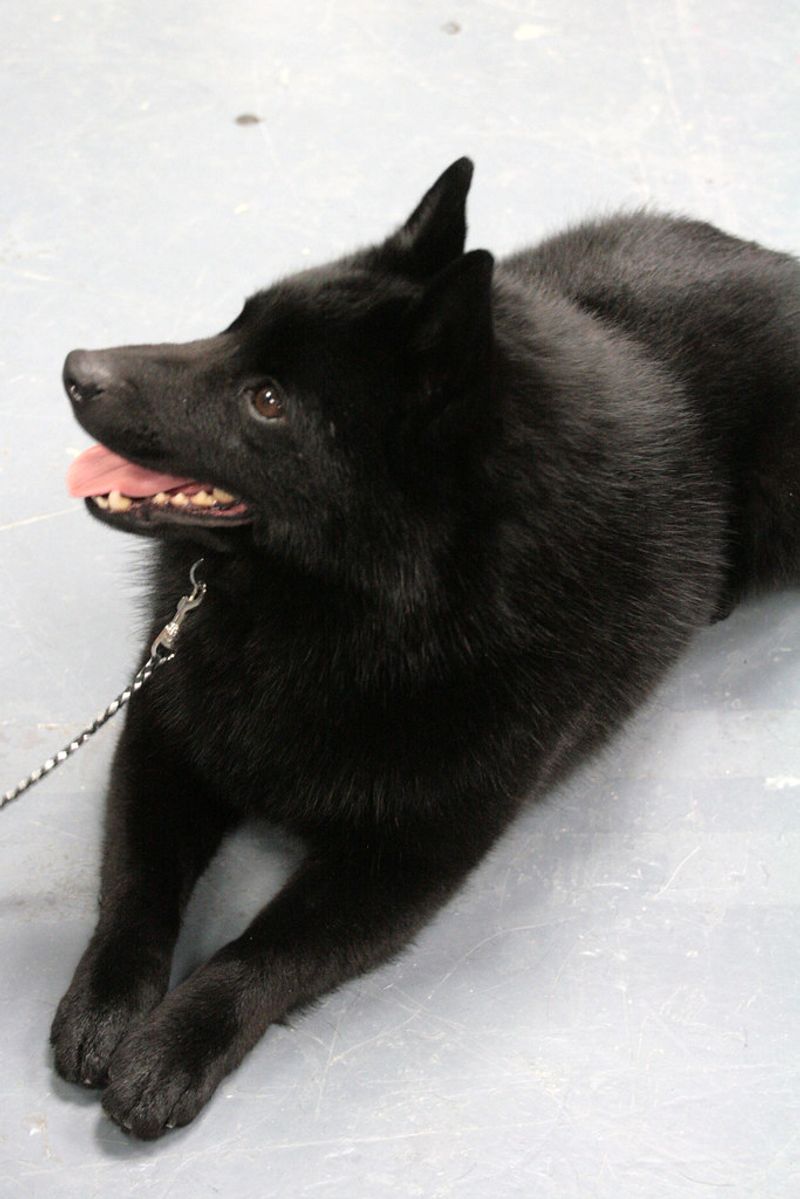
Schipperkes are compact watchdogs with mischievous sparkle. In pairs, they create lively patrols and cuddle puddles after zoomies. Choose a partner who enjoys confident banter and structured exploration without overwhelming their independence.
Teach calm observation, boundary games, and come-when-called with tasty rewards. Schedule windows of off-leash play in secure areas, plus puzzle toys for rainy days. Crate-and-gate setups help manage big feelings around doors and deliveries.
Grooming is minimal, shedding occasional. Socialize thoughtfully so curiosity outweighs suspicion. With consistent routines, two Schips become tiny guardians with big hearts, trotting in tandem through neighborhoods and curling up like bookends when the house settles.