Some dog coats stop traffic with their beauty, and it is easy to fall in love at first sight. But gorgeous fur can mean very different levels of daily effort.
Before you bring home that fluffy heartbreaker, let us talk about what the coat really asks of you. Here is the scoop on 14 showstoppers you will adore, plus 3 that need more work than you might expect.
Afghan Hound
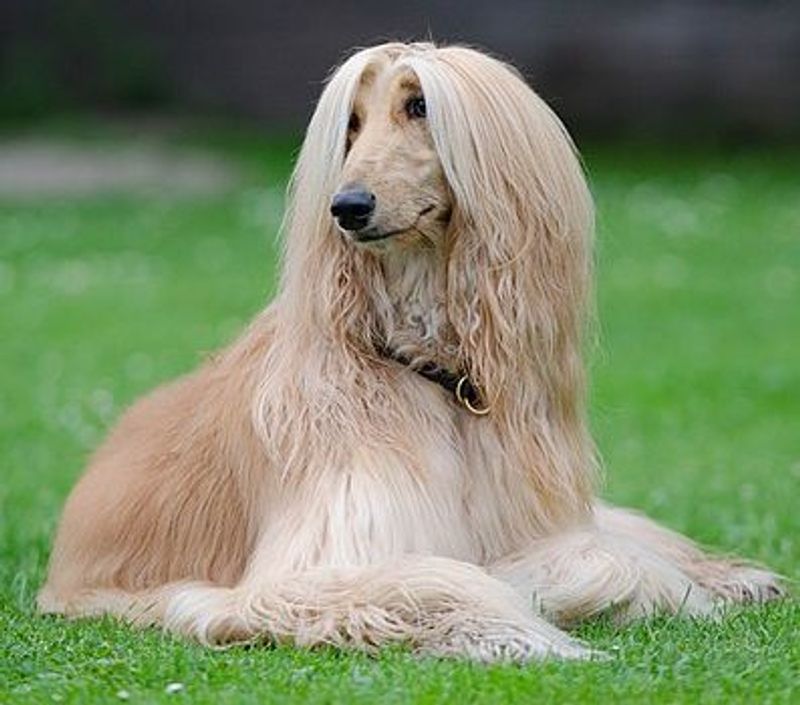
That flowing Afghan Hound coat turns sidewalks into runways, and you cannot help staring. Silky strands drape like a scarf, catching light with every prance.
It looks glamorous, but it tangles if you ignore basic brushing.
I recommend a pin brush and metal comb, working in layers from the skin out. Bathing every few weeks keeps the sheen, but plan for full blow dry to avoid mats.
If you love drama and have a calm routine, this coat rewards you with head turning elegance. Show style length demands daily upkeep, while a shorter pet trim eases things without losing flair.
Invest in a detangling spray, gentle shampoo, and lots of patience during adolescent coat change, it can test your commitment.
Samoyed
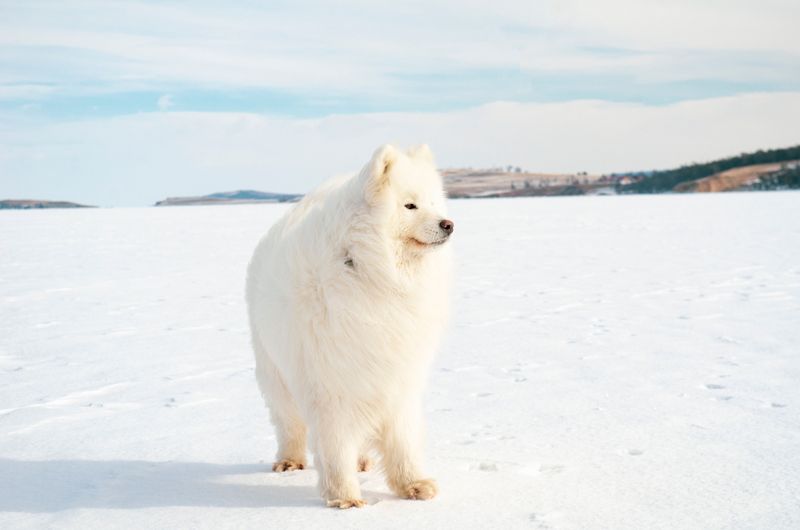
The Samoyed coat looks like fresh snowfall, bright and buoyant, and strangers always grin back. That plush double coat insulates in winter and reflects heat in summer when properly maintained.
It resists dirt surprisingly well, but loose undercoat explodes during seasonal shedding.
Brush several times weekly with a slicker and rake, focusing behind ears and pants. Baths stay occasional, because the coat self cleans, yet thorough drying prevents mildew and matting.
If you want a living cloud that adores adventures, prepare for tumbleweeds of fur and a steady grooming rhythm. A de shedding session during coat blow saves sanity, furniture, and your wardrobe.
Keep nails trimmed, teeth brushed, and paw hair neatened to match that megawatt smile in every photo.
Rough Collie
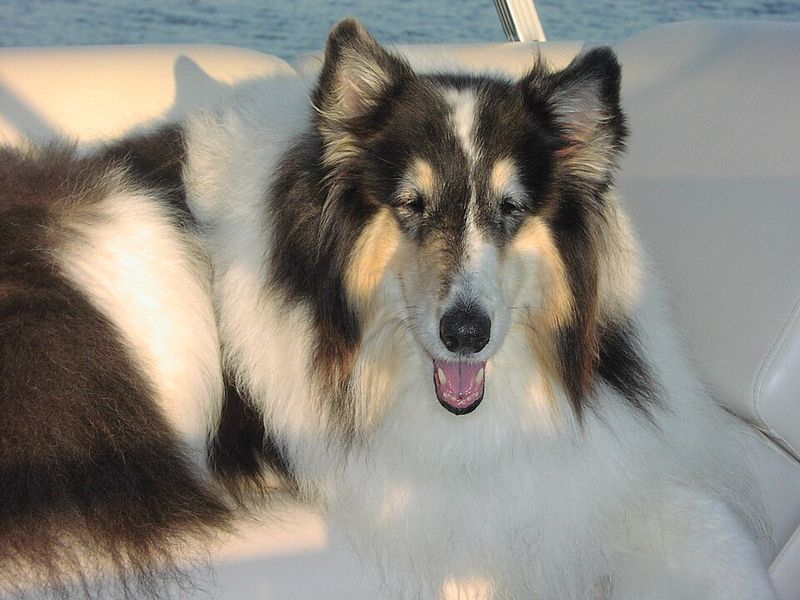
A Rough Collie glides like a storybook hero, cloak flowing in the breeze. The outer coat is long and harsh, shielding a dense, soft undercoat that insulates beautifully.
Color patterns draw attention, but the texture is what keeps the coat manageable with routine care.
Commit to weekly line brushing, section by section, to reach the skin and lift shed fuzz. Hot spots are feathering, behind ears, and the luxurious ruff, which can mat quietly.
If you like elegance without extreme maintenance, a Collie rewards diligence with sweeping drama and surprisingly practical upkeep. Baths are occasional, but a high velocity dryer blasts out undercoat efficiently and keeps that silhouette crisp.
Use a metal comb to check for hidden knots afterward too.
Irish Setter
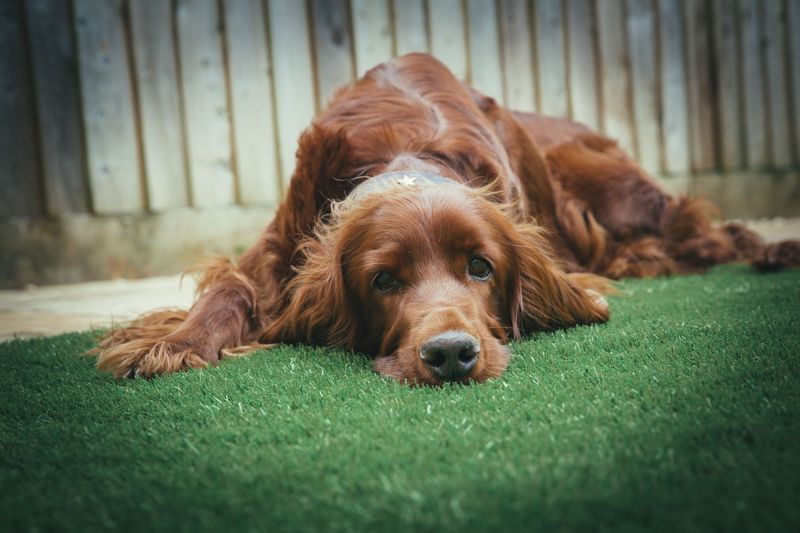
The Irish Setter wears liquid mahogany, shining like polished wood in golden light. Feathering along ears, chest, legs, and tail flutters dramatically when the dog runs.
The coat is flat and fine, so it shows mats quickly if neglected.
Brush several times per week with a soft slicker and finish with a comb. Trimming stray hairs around feet, hocks, and ears keeps things tidy without robbing the natural flow.
If you crave that glossy red romance, expect regular baths, a careful blow dry, and vigilance during adolescence when coat texture changes. Use conditioner to minimize friction, and store a detangling spray in your bag for post park emergencies.
Sun can lighten coat, so rinse after swims and keep nutrition balanced.
Australian Shepherd
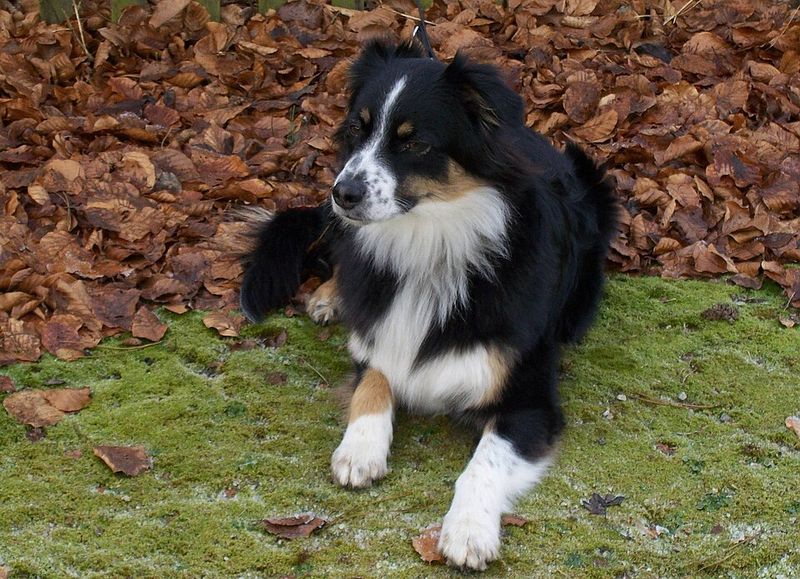
An Australian Shepherd sports a weather resistant double coat that shrugs off brush and dust. Medium length, lightly feathered, and often merle, it looks rugged yet tidy with consistent care.
The coat is not meant to be fluffy, so avoid over bathing that puffs the texture.
Weekly raking removes undercoat while a slicker tidies fringes and breeches. Spot trim feet and hocks, and use thinning shears sparingly to preserve function.
If you hike, herd, or juggle city commutes, this coat rewards reasonable effort with low drama shedding cycles and a clean, athletic outline. During seasonal blow, increase sessions, bathe, and use a high velocity dryer to move packed undercoat safely.
Check behind ears, armpits, and tail base for sneaky knots.
Siberian Husky
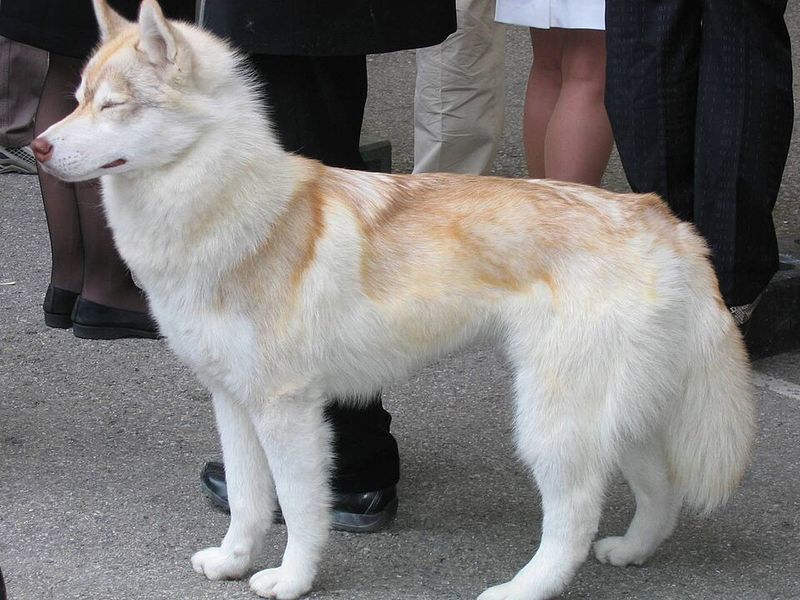
A Siberian Husky coat is a marvel of engineering, dense yet airy, built for snow and speed. The guard hairs repel moisture while a plush undercoat traps warm air.
It looks self cleaning, and often is, but shedding season can feel like a snow globe exploded.
Brush weekly with a rake and slicker, then step up to daily during coat blow. Bathing remains occasional, but complete drying matters to prevent musty smells.
If you want that wolfish charisma with minimal fuss most months, be ready for a few intense weeks where fur rules the calendar. A high velocity dryer is your ally, and a vacuum with strong filters keeps your home breathable.
Brush the tail, britches, and collar thoroughly too.
Bernese Mountain Dog
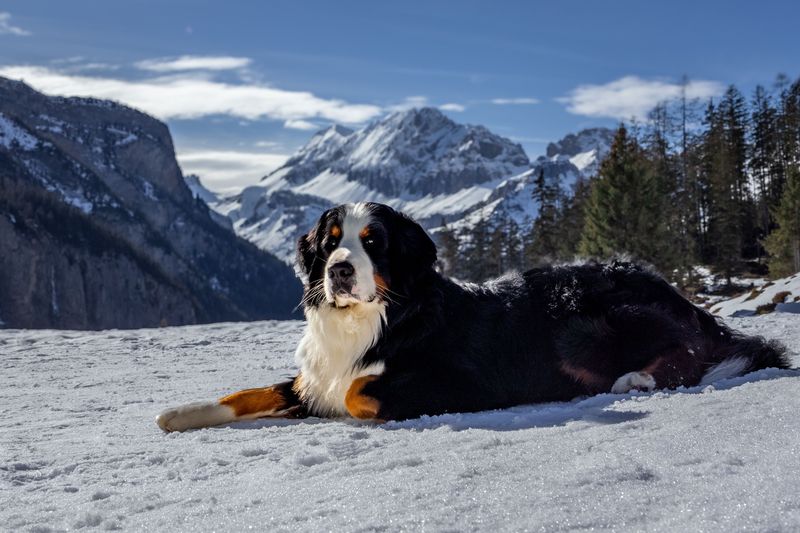
The Bernese Mountain Dog wears a tri color billboard of friendliness, glossy and substantial. The coat is a thick double layer, with moderate feathering that frames a big, cuddly silhouette.
Beauty comes with shedding, especially in spring and fall, but regular care keeps it manageable.
Brush twice weekly with a slicker and an undercoat rake, paying attention to chest, pants, and tail. Occasional baths and thorough drying maintain shine without fluffing excessively.
If you appreciate gentle giants who turn heads on the sidewalk, commit to consistent brushing and a lint roller lifestyle that still feels totally worth it. Check behind ears and elbows for sneaky mats, and trim foot fur to reduce snowballing and slippery floors during wet muddy seasons.
Chow Chow
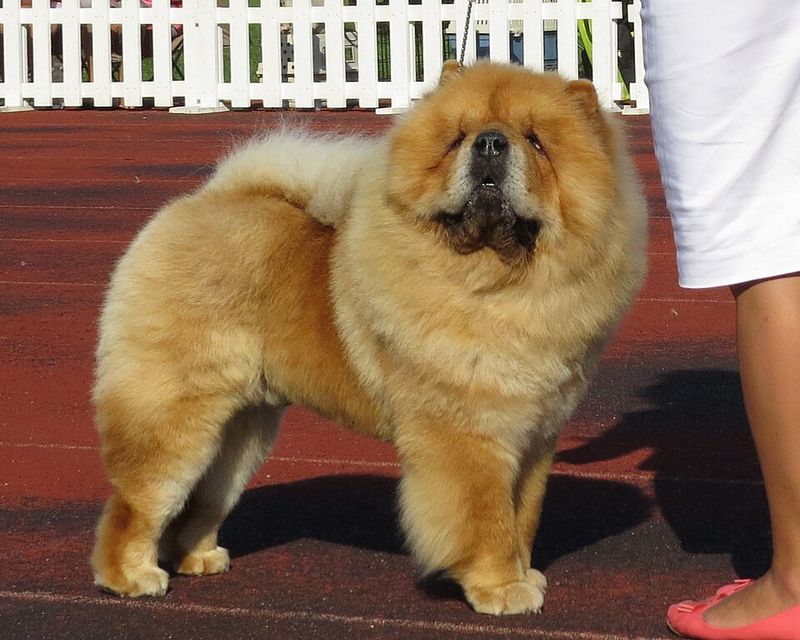
A Chow Chow coat looks like a lion costume, dense, abundant, and seriously plush. There are rough and smooth varieties, but the rough steals scenes with a grand ruff framing that blue tongue grin.
Beautiful, yes, but mats appear fast if humidity and neglect team up.
Plan diligent, layered brushing a few times weekly, using a slicker, pin brush, and comb. Baths require complete drying to the skin to protect against hot spots.
If you adore the teddy bear look and independent vibe, invest time early in training and coat care so grooming becomes peaceful bonding. Keep ruff, hocks, and armpits checked often, and trim feet for traction and cleanliness around the house.
Seasonal shedding will challenge your vacuum schedule.
Maltese
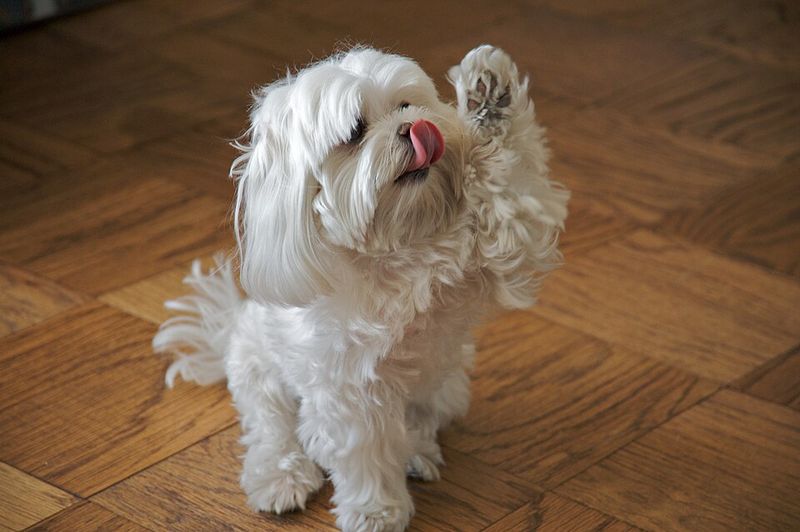
The Maltese wears a silky, floor length curtain when kept in show coat, sparkling like fine satin. Pure white strands tangle easily, especially around armpits, ears, and where harnesses rub.
The look is breathtaking, but it demands consistent, gentle hands.
Daily brushing with a soft pin brush, plus combing in sections, keeps breakage low. Many pet parents choose a manageable puppy cut that holds bows and still looks chic.
If you dream of a pocket fashion icon, invest in silky shampoos, detanglers, and regular trims so your companion always gleams. Tear staining needs attention with gentle wipes, clean water, and stainless bowls to protect that angelic face.
Finish with careful blow drying on low heat to prevent knots returning quickly.
Shih Tzu
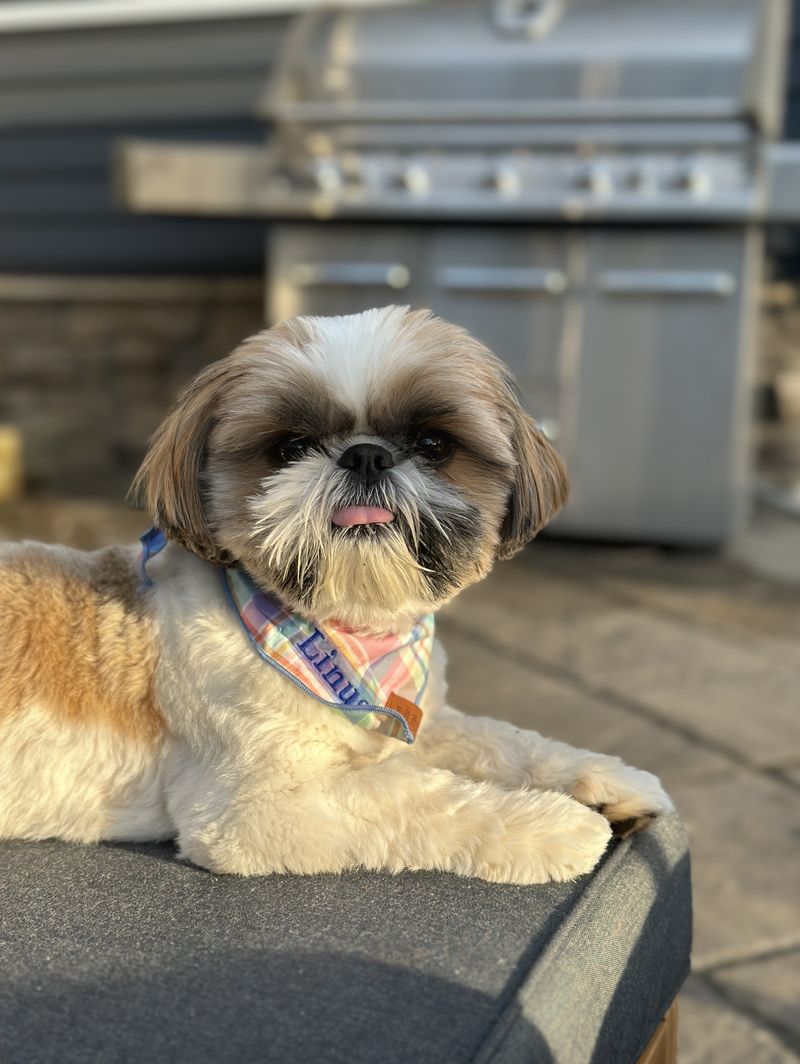
A Shih Tzu coat can sweep the floor in show style, long, luxurious, and endlessly pettable. The texture is dense and silky, which hides knots until they suddenly appear.
Beauty rewards patience, and handling the coat daily becomes part of the routine.
Brush and comb in layers, use bands to protect topknots, and consider a practical puppy trim. Bathe weekly or biweekly with gentle products, then dry completely to maintain smooth flow.
If you love a sweet companion with salon level flair, plan time for grooming dates that feel relaxing rather than rushed. Keep eye corners clean, trim foot pads, and brush beards after meals to stop food tangles and odors.
Detangling spray helps during quick touchups on walks.
Old English Sheepdog
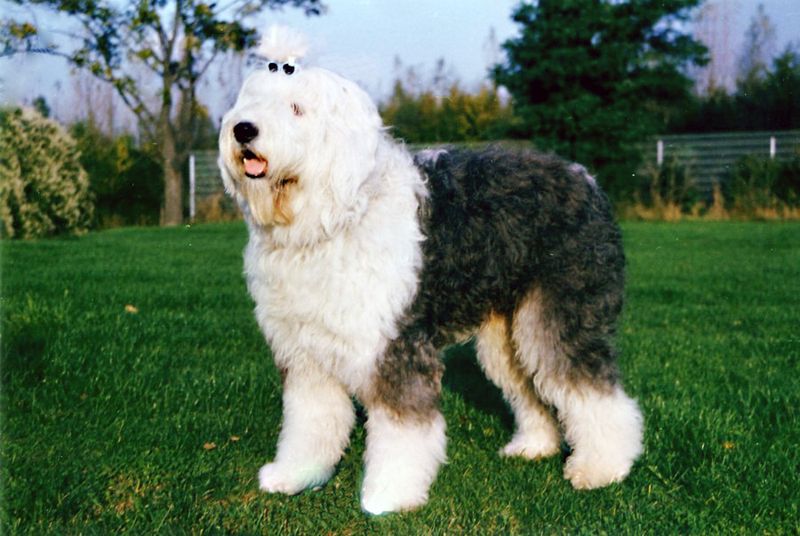
The Old English Sheepdog arrives like a walking cloud, shaggy, square, and impossibly charming. That profuse double coat insulates and protects, but it also swallows burrs and mystery crumbs.
Strangers swoon, yet the coat will own your calendar if you skip routine sessions.
Plan line brushing several times weekly, bath and blow dry monthly, and regular scissor tidying. Work in sections from the skin out, checking armpits, hocks, and chin for stealthy mats.
If you want that bouncy bear aesthetic, budget serious time or hire a pro, because maintenance is truly advanced. A raised grooming table, combs, and a force dryer transform stress into success, and keep joints happier for longer sessions.
Patience grows as your technique improves each week.
Golden Retriever
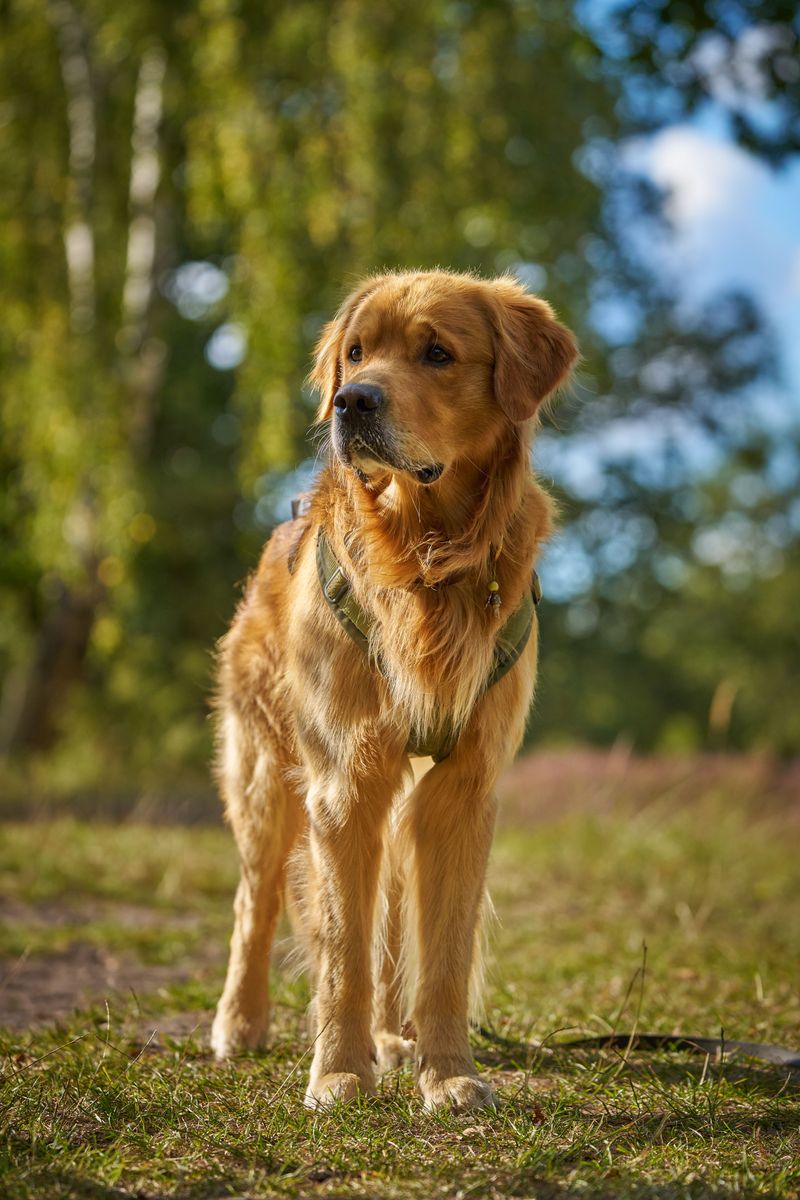
A Golden Retriever coat says sunshine, even on cloudy days, with feathering that shimmers as the dog trots. The dense undercoat sheds steadily, more during seasonal shifts, while the topcoat repels water.
It is gorgeous and friendly, but benefits from thoughtful trimming rather than heavy cutting.
Brush weekly, tidy feet and ears, and use thinning shears lightly to maintain a natural outline. Regular swims are fine, just rinse after lakes to protect skin and shine.
If you love an easygoing companion with magazine hair, a steady schedule keeps tumbleweeds in check and that wagging skirt camera ready. Check behind ears, tail feathers, and the pants for sneaky mats, and blow dry fully after baths.
It preserves shape and shine nicely.
Komondor
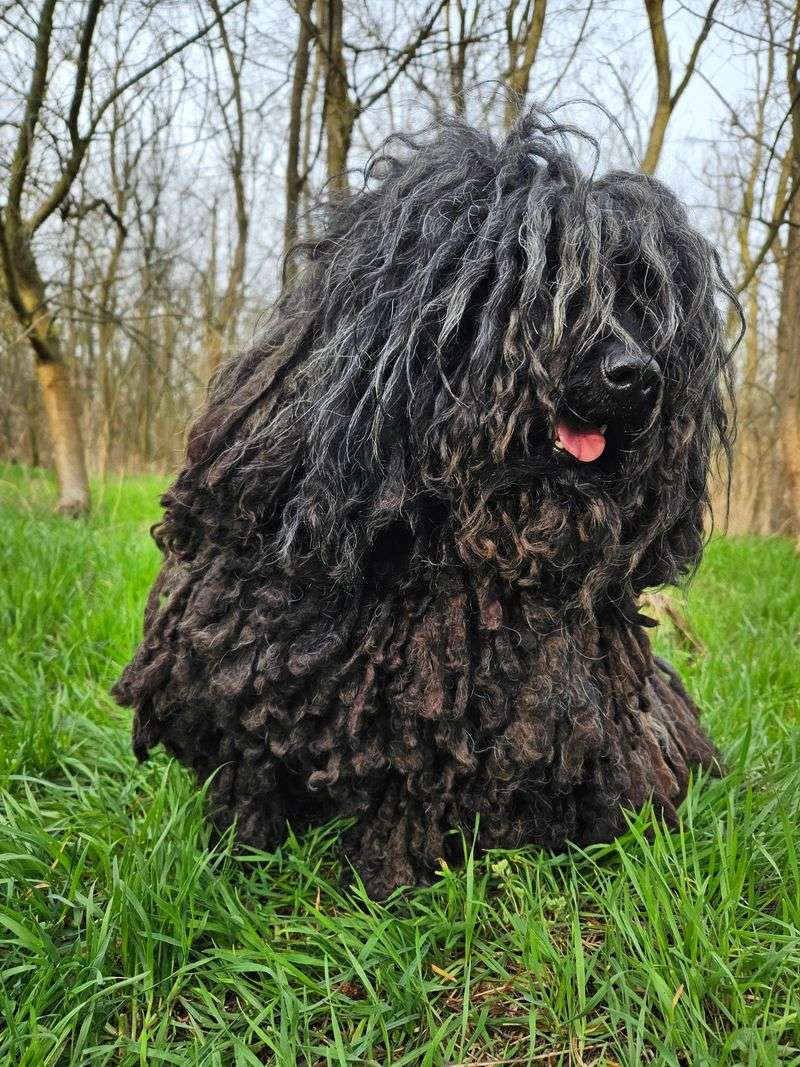
The Komondor coat is legendary, forming heavy cords that look like living ropes. As puppies, the coat is fluffy, then transitions as mats are guided into cords by patient hands.
It is striking and protective, but this style requires methodical attention and serious drying time.
You separate developing mats into cord shapes, keep them clean, and squeeze dry after baths before air drying. A blower helps, but moisture hides deep, so plan hours, not minutes.
If you crave a jaw dropping silhouette, accept the workload, commitment to odor control, and extra weight those spectacular cords carry. Regular checks for debris, parasites, and skin issues are essential, especially in humid climates and after field romps.
Patience truly becomes your superpower here.
Puli
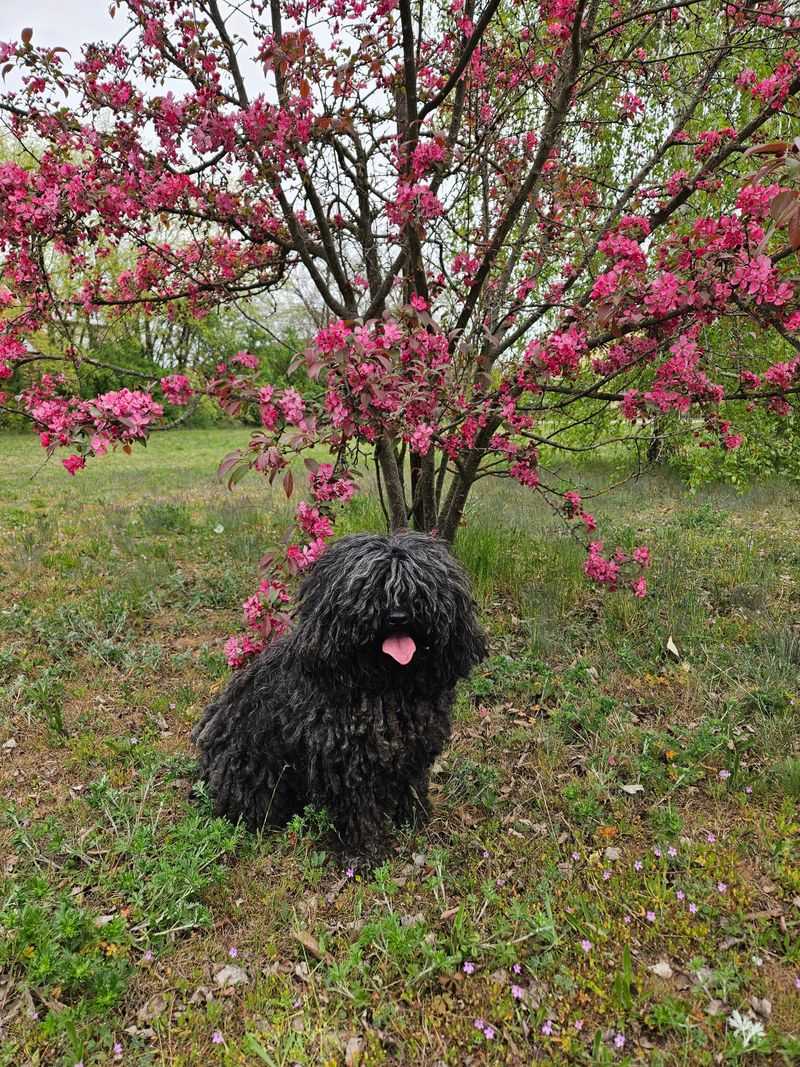
The Puli is the nimble cousin to the Komondor, wearing light, springy cords that bounce. Puppies start fluffy, then cords form with guidance, separating sections so air can circulate.
The look turns heads, and maintenance focuses on managing cord size and keeping everything clean and dry.
After bathing, squeeze water from each cord and allow generous drying time with airflow and sun. Trim cord tips to reduce drag, and check armpits where friction tightens mats.
If you want a kinetic mop vibe with agile athleticism, plan regular inspections, odor control, and patient hands that shape growth. Debris collects easily outdoors, so comb through during hikes and shake cords loose before car rides.
It keeps travel cleaner for everyone involved.
Briard
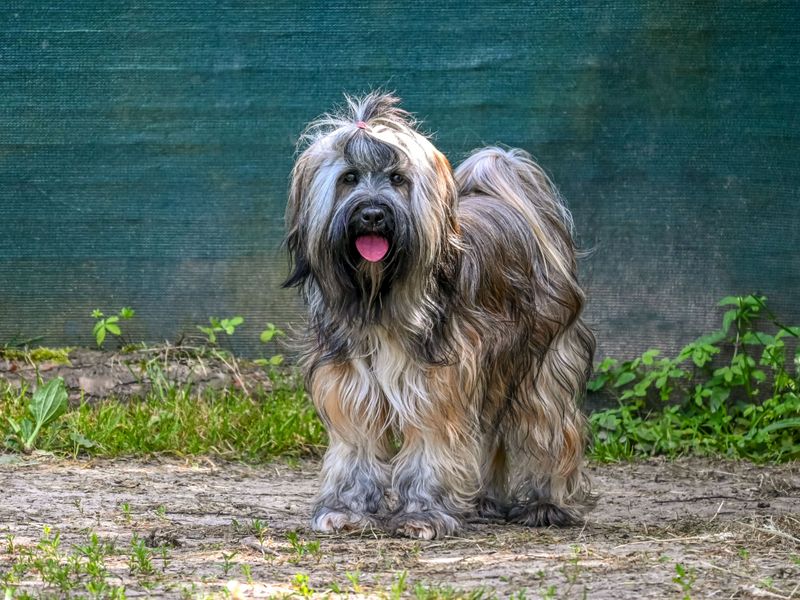
A Briard wears a tousled waterfall, slightly wavy and abundant, with that unmistakable beard and eyebrows. The coat is coarse on top with a fine undercoat, built to shed rain and shrug off weather.
It is romantic and rugged, but requires structure to avoid felting.
Brush two or three times weekly, working line by line to the skin, and finish with a comb. Bathe as needed, then blow dry to keep waves flowing, not clumping.
If you want pastoral elegance with real world grit, commit to routine checks where friction builds and to steady, mindful grooming. Trim feet for traction, clear vision by neatening bangs, and check ears to ensure healthy airflow beneath all that drama.
During muddy shoulder seasons.
Bearded Collie
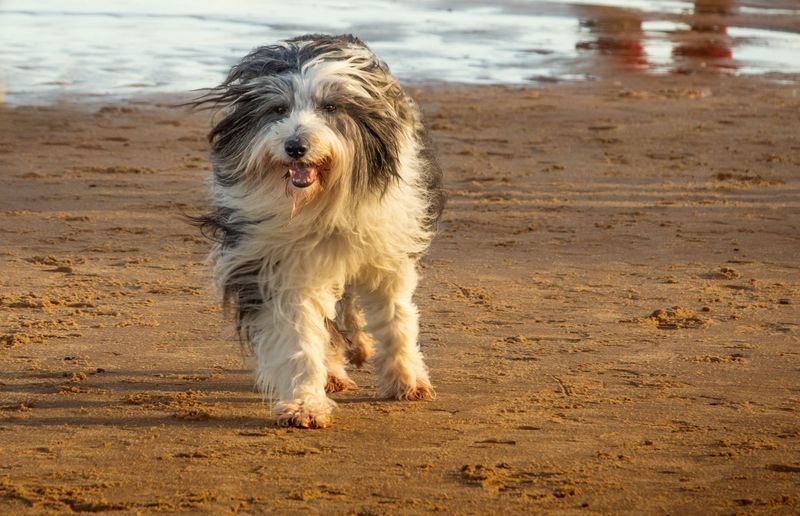
The Bearded Collie floats through wind with hair that seems to have its own choreography. A harsh outer coat guards a soft undercoat, giving that signature shaggy outline without matting if maintained.
Dirt drops out when dry, but moisture and friction can create sneaky tangles.
Line brush a few times weekly and comb thoroughly after hikes or beach trips. Bathing restores movement, and a force dryer helps the coat lay correctly.
If you want a joyful dust mop with big personality, budget time, keep tools handy, and make grooming a calm ritual you enjoy. Focus on areas under the collar, behind ears, and the armpits, where mats hide first and tighten quickly.
Regular checks prevent painful surprises later.
Tibetan Terrier
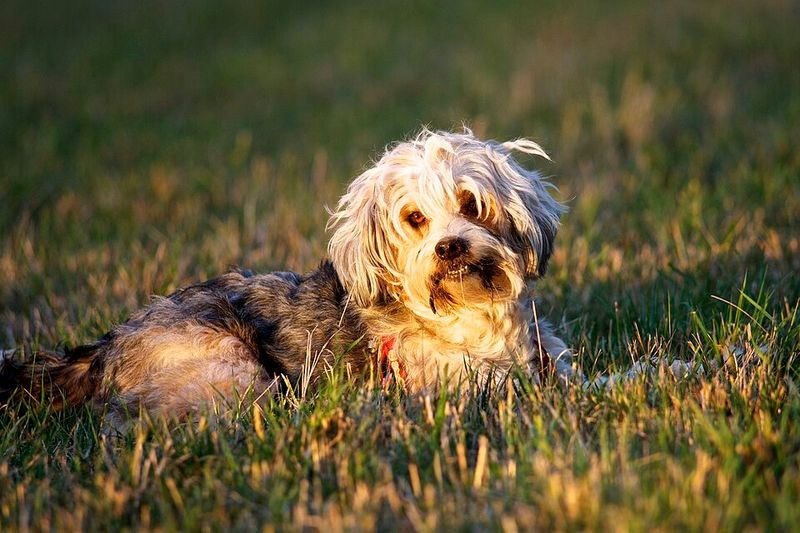
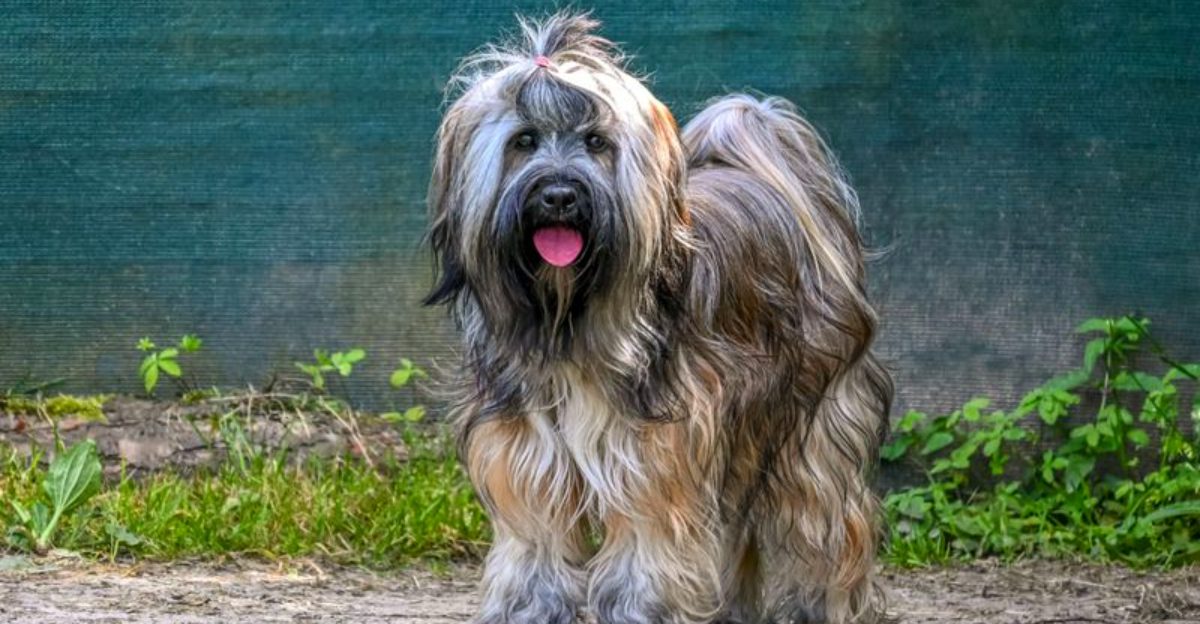
Despite the name, the Tibetan Terrier is not a terrier at all, but a mountain companion with a lavish coat. The hair is long, fine yet profuse, often parting naturally down the back.
It moves like silk in the breeze, and dust brushes off when dry.
Brush several times weekly in layers, using a pin brush and comb to reach the skin gently. Baths help the flow, but complete drying prevents crimps and mats.
If you want a soulful, agile friend with runway hair, expect steady upkeep that feels meditative once you build simple, reliable habits. Trim feet for grip, tidy mustaches, and check behind ears after hikes, especially in burr prone seasons around fields.
Your vacuum will thank you.