
Calm does not mean effortless, and quiet does not mean low maintenance. If you are eyeing a gentle breed because life feels busy, there are a few truths you should know before bringing one home.
These dogs carry quiet confidence, not an off switch, and they still need training, enrichment, and boundaries. Let’s explore twelve breeds people call calm, and what that really means for your lifestyle.
Greyhound
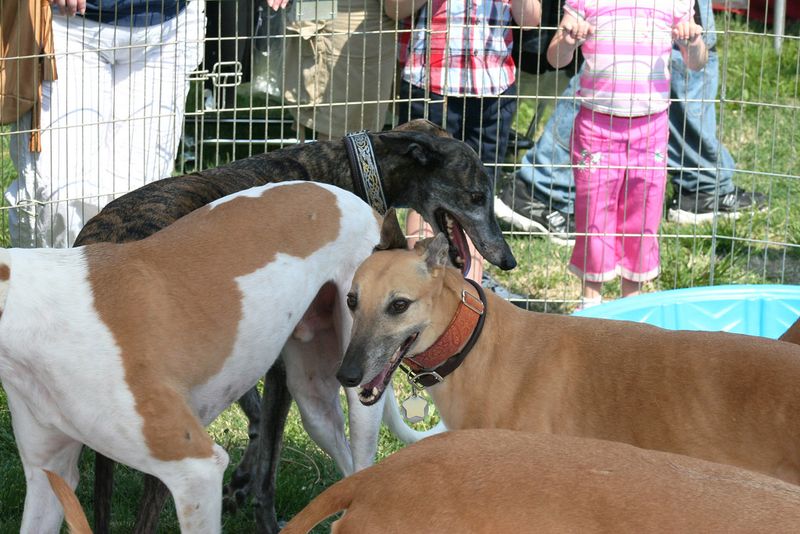
People see a Greyhound and assume couch potato with no strings attached. Truth is, that calm aura comes after a good sprint and thoughtful mental exercise.
You will get a quiet companion, but only if you honor their deep need to run safely and rest deeply.
Expect short bursts of speed, soft blankets, and a surprisingly sensitive personality. They thrive with routine, kindness, and warm layers in cold weather.
If you can give fair exercise, a well fitted harness, and patient training, the payoff is a sweet shadow beside you.
Adopted racers often need decompression and gentle introductions to stairs, mirrors, or small pets. Give space, reward curiosity, and watch confidence bloom.
Calm follows care, not wishful thinking.
Whippet
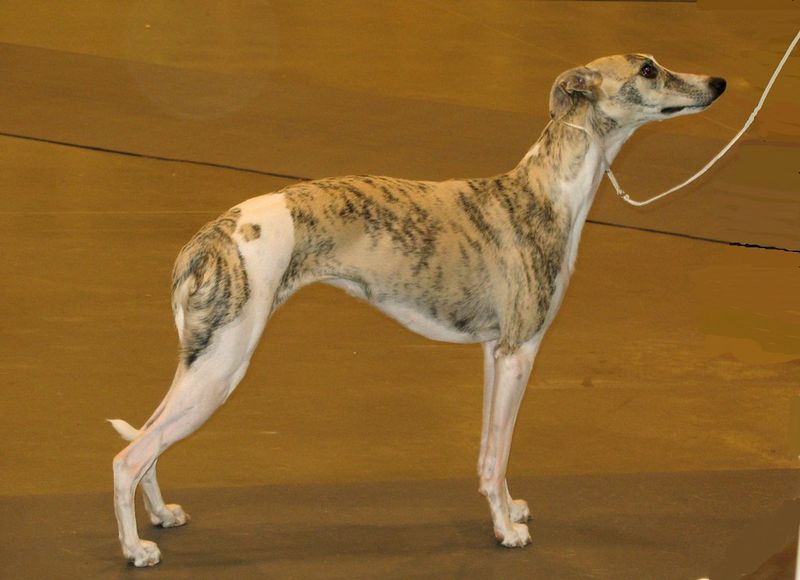
Whippets whisper calm but never promise zero effort. They are sensitive athletes who love sprint sessions, then tuck into blankets like pros.
You will appreciate their quiet presence once their physical and sniffy needs are met.
Daily zoomies in a secure area prevent restlessness later. Indoors, they move gently, enjoy sunbeams, and respond best to soft voices.
Harsh corrections erode trust; positive training builds reliability and polite manners around guests.
They feel the cold and appreciate fitted coats. Leash skills matter because small critters can trigger chase.
Offer puzzle feeders, flirt pole play, and recovery cuddles, and you get a peaceful partner that reads your mood and settles beautifully.
Great Dane
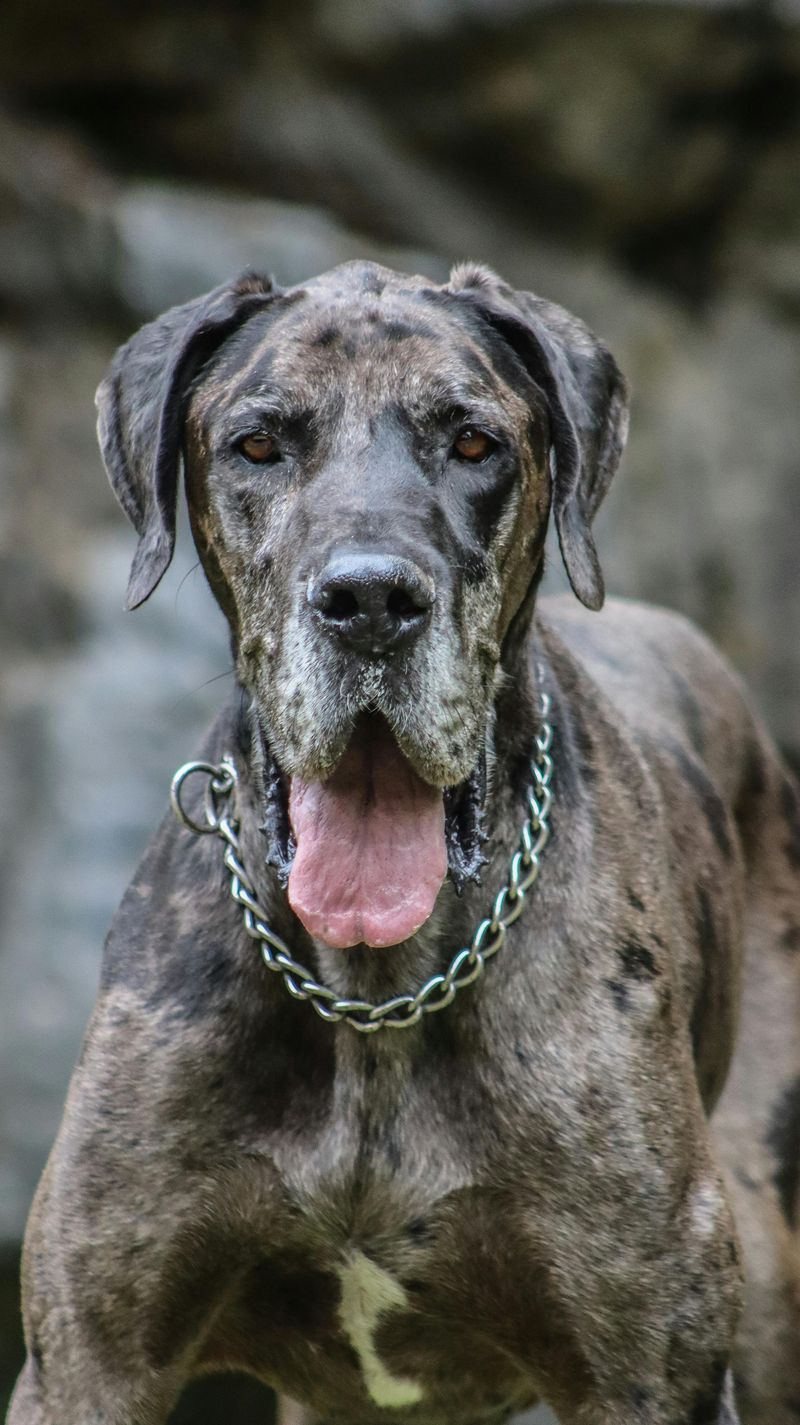
Great Danes look like lounge experts, but size brings real responsibility. Calm manners require early training and thoughtful socialization so a happy lean does not topple furniture.
You will need space, sturdy gear, and consistent boundaries to keep life smooth.
Short walks, joint friendly surfaces, and smart nutrition protect growing bodies. Mental enrichment matters, because boredom in a giant becomes clumsy mischief.
Gentle handling builds trust, and cooperative care makes vet visits safer for everyone.
They crave closeness and can be sensitive to stress. Plan for drool, couch negotiations, and a bed the size of a small island.
Meet their emotional needs and you will discover a regal, steady friend who settles with quiet dignity.
Newfoundland
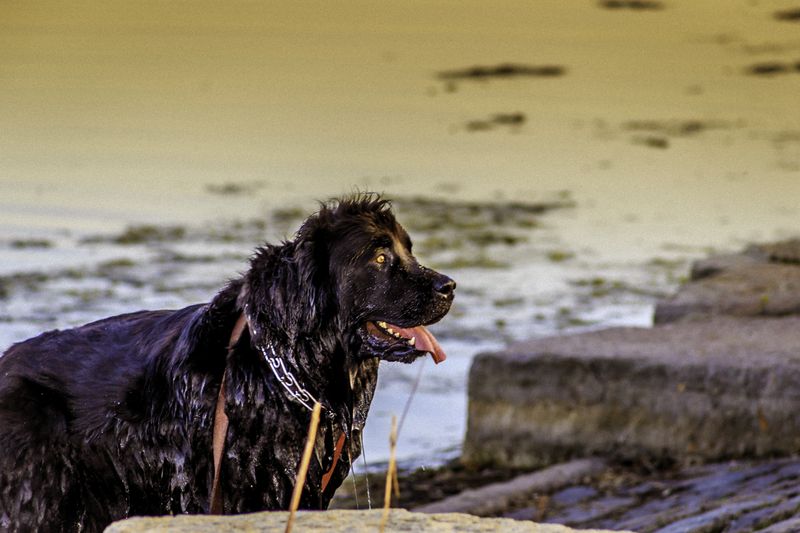
Newfoundlands radiate calm, but they are not maintenance light. That serene nature sits on top of heavy coats, serious grooming, and strength that needs respectful training.
You will love their soft eyes and big hearts if you keep routines consistent and boundaries kind.
Water rescue roots mean many love swimming, which doubles as exercise and enrichment. Indoors, they lumber like gentle clouds, but drool and shedding are a daily reality.
Early socialization prevents shyness and reinforces polite greetings.
Joint care, weight management, and cooperative grooming are musts. Teach settle cues, leverage food puzzles, and schedule cooling rest in warm weather.
Meet their needs and they return the favor with devoted companionship that feels like a steady anchor in busy life.
Basset Hound
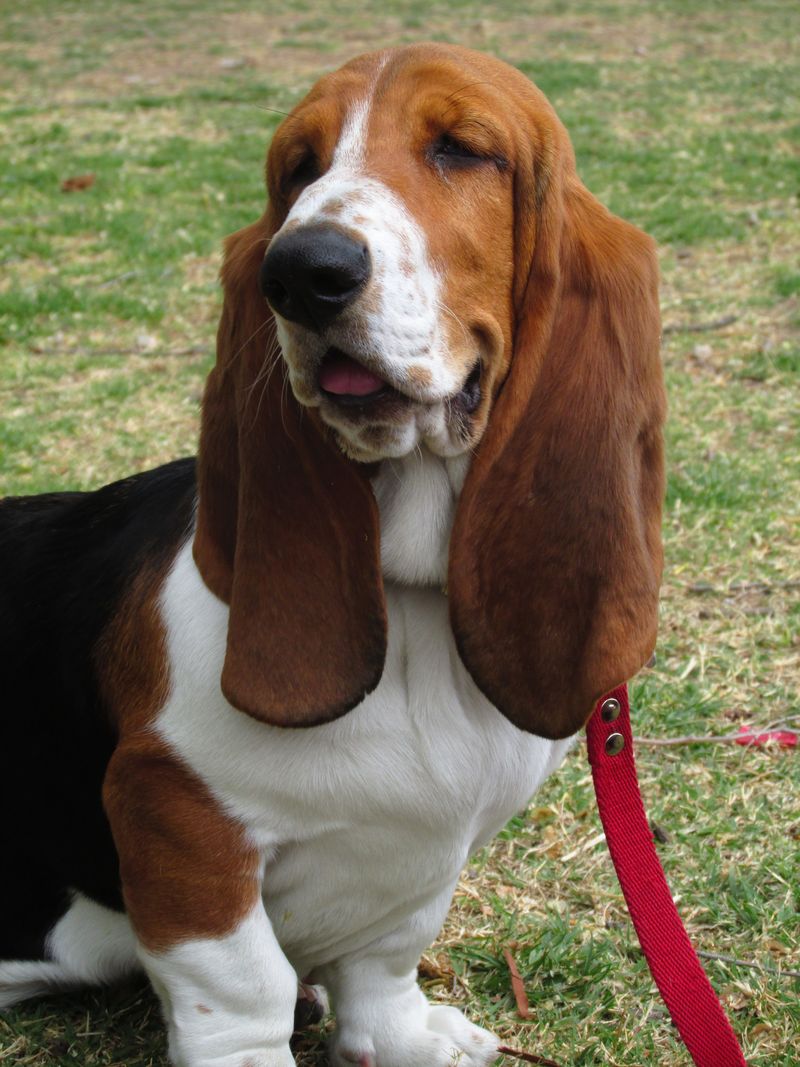
Bassets look unhurried, but that nose runs the show. Calm at home happens after sniffy walks where their tracking instincts get respected.
You will need patience for stubborn moments and humor for drool strings and ear care.
They are low to the ground, not low energy. Enrichment means scent games, long meanders, and gentle conditioning to protect joints.
Positive reinforcement keeps training fun and avoids shutdowns from nagging.
Grooming is simple, yet ears demand regular cleaning. Expect serenades if boredom hits, so plan activities that involve their superpower nose.
When needs are met, they melt into rugs with peaceful satisfaction and gift you a steady companion with detective level curiosity.
Clumber Spaniel
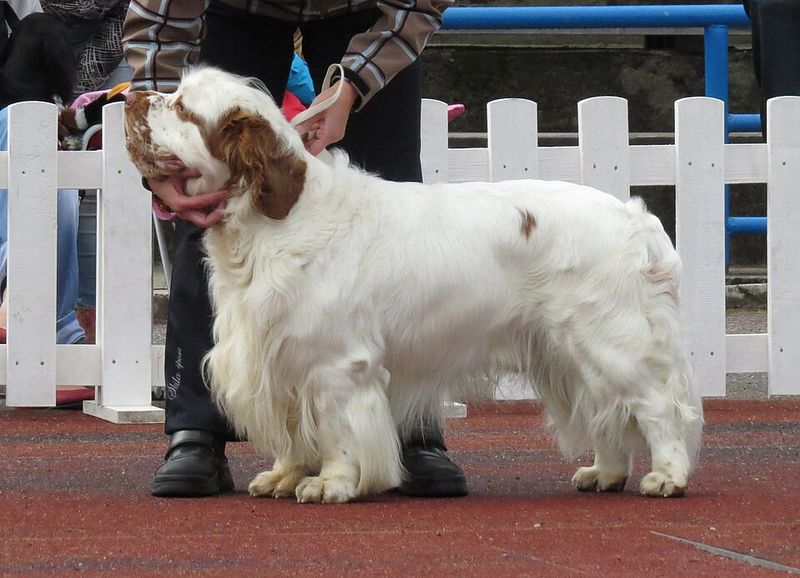
Clumber Spaniels bring a mellow vibe wrapped in feathers and freckles. Under the calm sits a determined hunter who loves nose work and purposeful walks.
You will need consistent training and structured downtime to keep that balanced, content mood.
They are sturdy, thoughtful, and happiest when included in daily life. Manage weight carefully to protect joints, and groom to prevent mats.
Soft guidance beats pressure, because they think things through at their pace.
Enrichment can be hide and seek treats, field style retrieves, and slow sniff trails. Keep sessions short and upbeat.
Meet their mental needs and you get a gentle housemate who naps like a pro and greets guests with quiet confidence.
Tibetan Spaniel
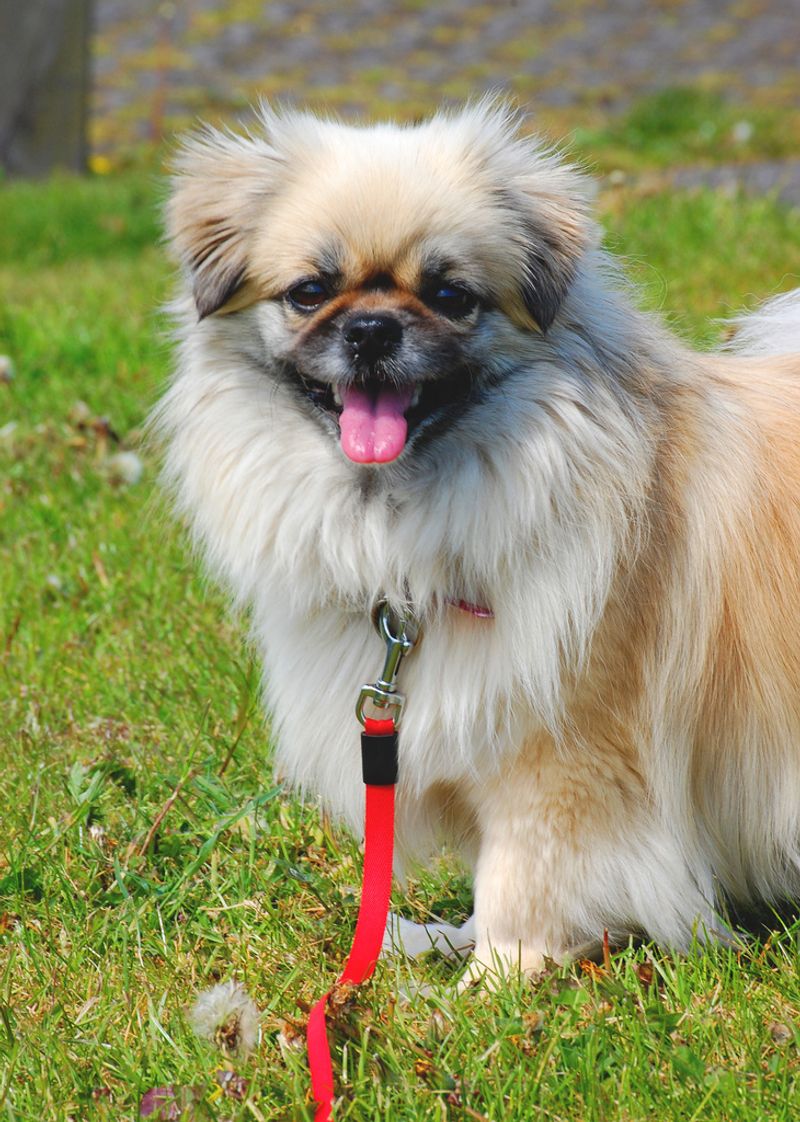
Tibetan Spaniels feel catlike, surveying the room from a favorite perch. Calm arrives when their curiosity and watchdog instincts get structured outlets.
You will want gentle training, window time, and puzzle games to keep their minds happy.
They bond deeply and may guard viewpoints, so reward quiet observation instead of barking. Short walks and indoor play typically suit them, with extra socialization to build confidence.
Coat care is moderate, with regular brushing to manage shedding.
They thrive on partnership, not pressure. Teach settle on a mat, rotate toys, and invite calm guests for positive experiences.
Support their independence and you will enjoy a soft, thoughtful companion that rests near you without demanding the spotlight.
Japanese Chin
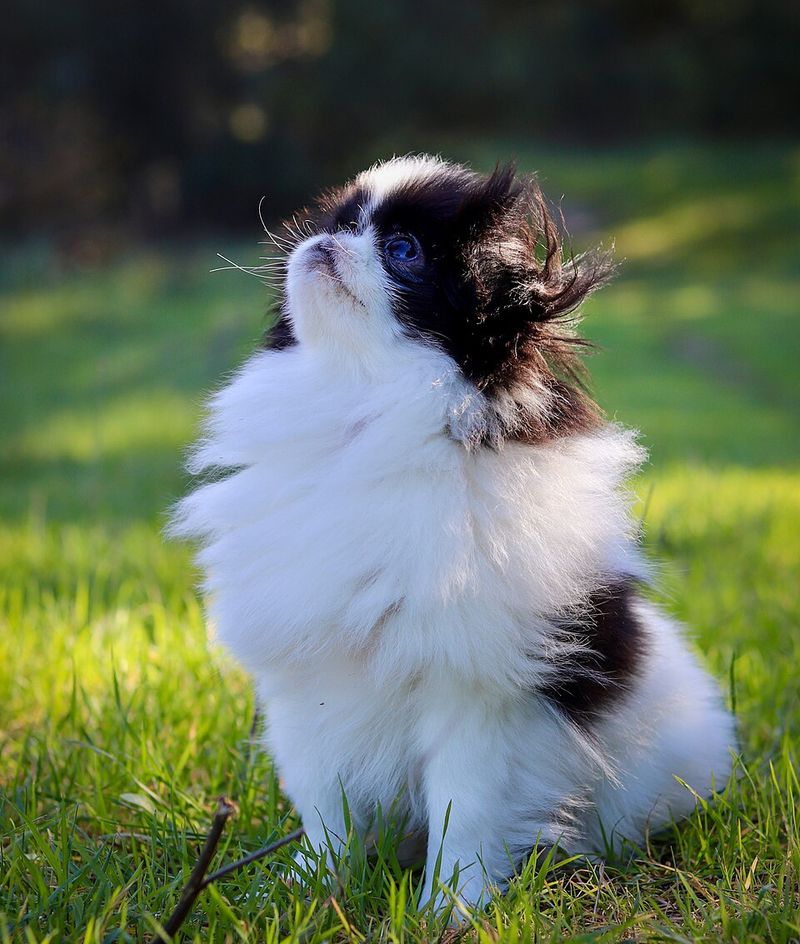
Japanese Chins float through rooms with delicate grace. They appear serene, yet they are observant comedians who appreciate routine and gentle handling.
You will see their calm sparkle when overstimulation is limited and quiet cuddle time is honored.
Socialize thoughtfully so novelty feels safe, not overwhelming. Short play bursts, trick training, and soft grooming sessions build trust.
Their coat requires regular brushing but not elaborate trims.
Because they are small, people forget boundaries. Protect them from rough play, loud chaos, and being overcarried.
Create predictable rest zones and celebrate polite curiosity. Do that, and you will have a peaceful lap companion who also surprises you with charming, feather light zooms.
Shikoku
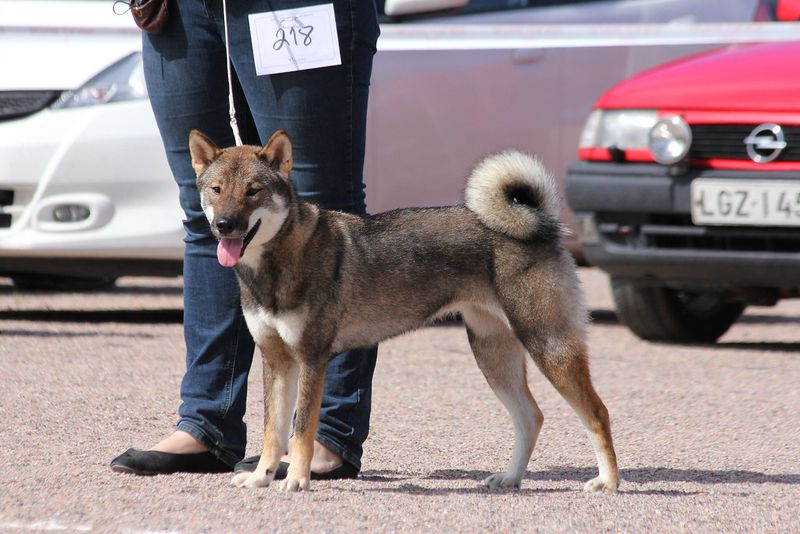
The Shikoku projects quiet intensity rather than easygoing softness. Calm comes from consistent structure, outdoor adventures, and respectful training.
You will need to invest in socialization and impulse control so their hunting instincts channel productively.
They are athletic, thoughtful, and loyal with a reserved streak. Off leash reliability takes serious work, so plan long lines and fenced spaces.
Mental challenges like scent trails and problem solving toys prevent restlessness.
Grooming is straightforward, with seasonal shedding that benefits from regular brushing. Teach decompression after hikes, and reinforce calm at doorways and windows.
Support their independence while staying fair and clear, and you will discover a steady companion who relaxes near the pack after needs are met.
Kai Ken
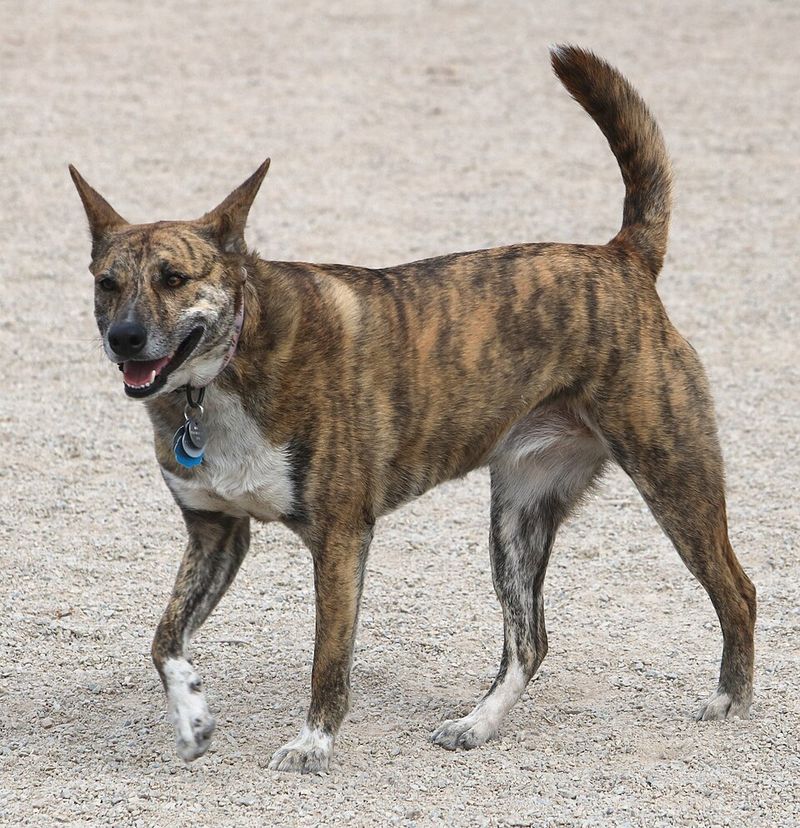
Kai Ken carry a quiet, thoughtful energy. They bond strongly but keep dignity, observing before committing.
You will see true calm when you offer daily exploration, patient training, and space to think.
They are agile hunters at heart, so secure areas and solid recall practice matter. Engage the nose with tracking games and vary routes to satisfy curiosity.
Positive reinforcement builds trust without crushing independence.
Coat care is easy, with seasonal blowouts that benefit from brushing. Teach settle after adventure time and reinforce polite greetings.
Given structure, enrichment, and kindness, a Kai Ken rests contentedly at your feet, radiating confidence that comes from being understood rather than micromanaged.
Norwegian Elkhound
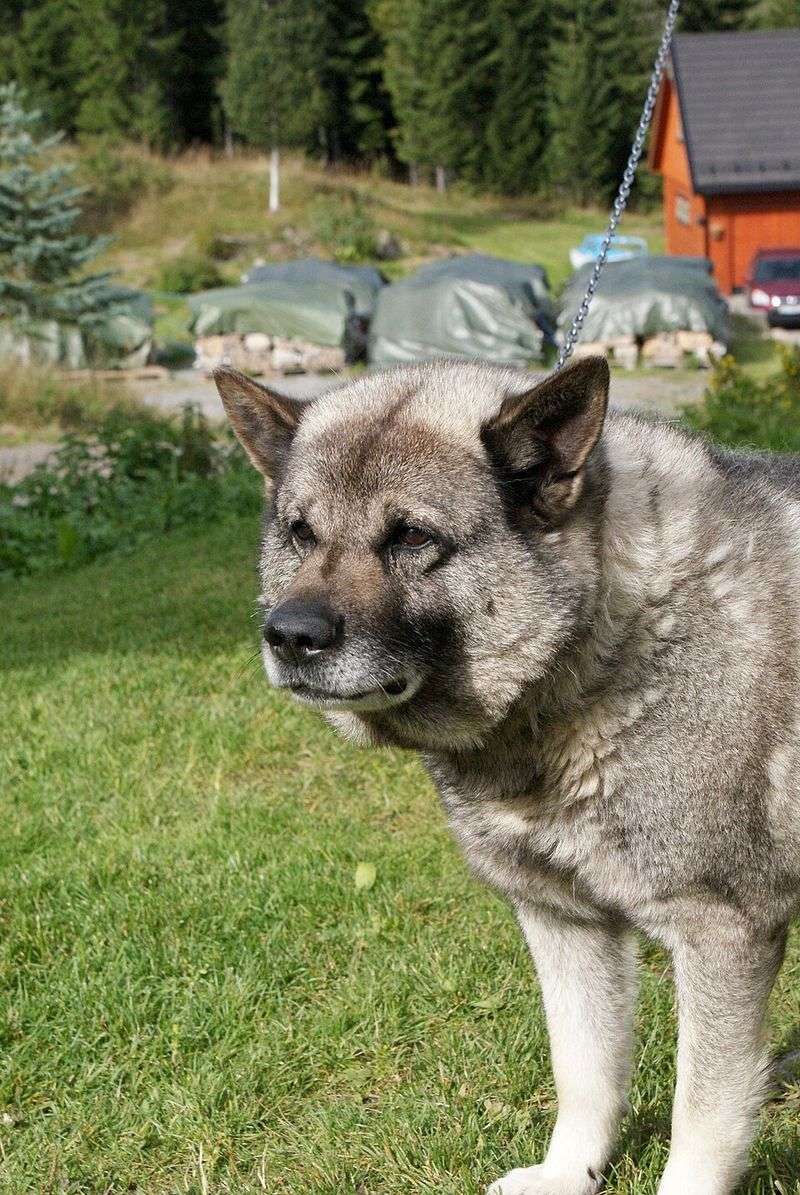
Norwegian Elkhounds look stoic, but they are sturdy athletes with strong voices. Calm indoors blossoms after meaningful outdoor time and purposeful jobs.
You will want leash skills, recall games, and sniff heavy hikes to meet their needs.
They were bred for endurance in harsh terrain, so mental challenges and weather appropriate activity suit them. Expect shedding, regular brushing, and a confident demeanor that benefits from early manners training.
Positive, consistent boundaries prevent pushy behavior.
Give them chances to problem solve and you will see that dignified stillness later. Rotate chews, practice place training, and teach quiet on cue.
Balance freedom with structure, and the brave mountain dog becomes a composed housemate.
Keeshond
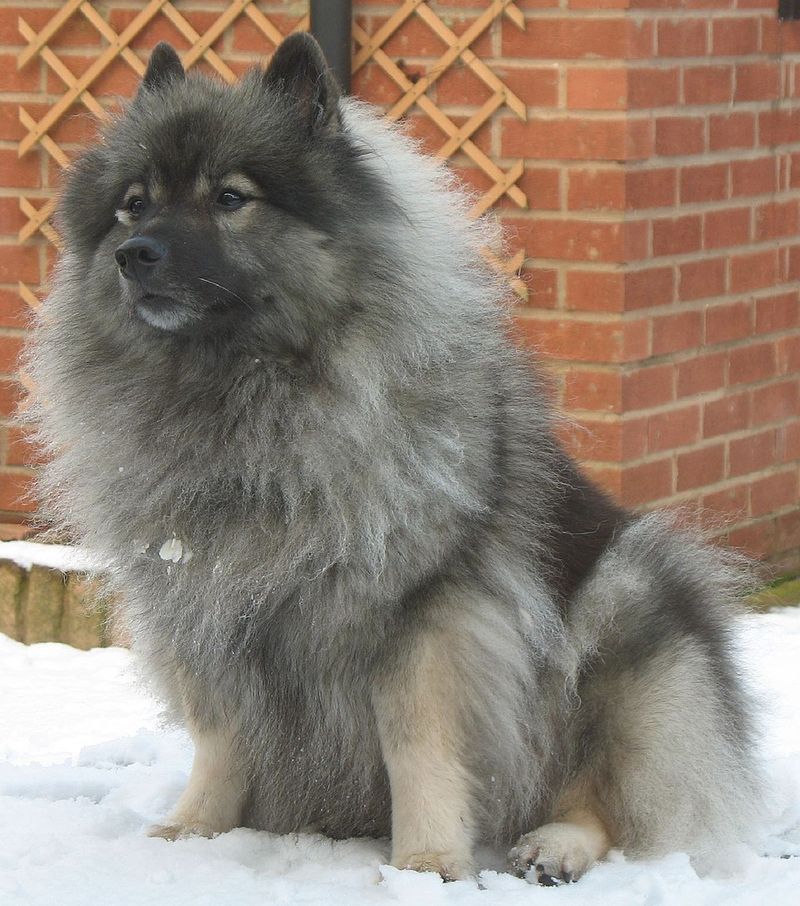
Keeshonden radiate friendliness with a teddy bear look. Calm requires exercise, brain games, and thoughtful social time, or the voice turns chatty.
You will benefit from teaching quiet early and rewarding settled behavior generously.
They are people oriented, thriving when included in routines and adventures. Coat care is real, but regular brushing and a good blower keep fluff manageable.
Positive training suits their eagerness and prevents anxious habits.
Plan for enrichment like trick ladders, sniff walks, and food puzzles. Offer a comfy place near you and practice impulse control around doors and guests.
Meet their social and mental needs and you will enjoy a cheerful companion who relaxes confidently beside the family action.