
You have probably met a dog and made a snap judgment that turned out totally wrong. Breed stereotypes spread fast, and they stick even faster, leaving amazing companions overlooked or misunderstood.
Let’s bust the big myths, highlight what these dogs actually need, and help you spot the difference between rumor and reality. By the end, you will feel more confident judging the dog in front of you, not the label.
American Pit Bull Terrier

People often assume Pit Bulls are naturally aggressive, but most are affectionate, goofy companions shaped by training and environment. You see the blocky head and strong build and think tough, yet these dogs are incredible snugglers that crave structure and praise.
They thrive when you set clear rules, offer enrichment, and keep socialization consistent from puppyhood.
Expect energy and brainpower, not a guard robot. Provide daily exercise, puzzle toys, and positive reinforcement, and you will get a polite dog who adores people.
The real risk is boredom and neglect, which can turn any breed mischievous. Advocate for fair leash manners, proper introductions, and reputable rescue or breeders.
You will be surprised how quickly neighbors rethink everything.
Staffordshire Bull Terrier
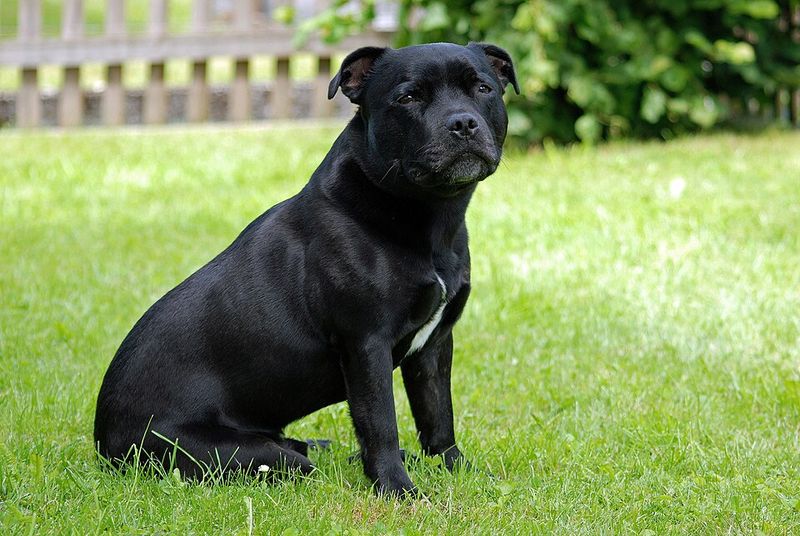
Staffies are nicknamed nanny dogs for a reason, yet people still assume they are volatile. What you usually get is a people-centric clown who wants to crawl into your lap and lick your ears.
Yes, they are muscular, but most of that strength powers fetch, zoomies, and couch cuddles. With early socialization, they navigate busy sidewalks and noisy kids beautifully.
Give yours clear boundaries and short, fun training sessions that make good choices obvious. Daily walks, flirt pole play, and food puzzles keep minds and bodies satisfied.
Supervise dog-to-dog intros and you will avoid most drama. If you meet one on the street, ask to say hello and watch the wiggle.
The smile sells the truth every time.
Rottweiler

Rottweilers get labeled as brutes, but the best word is thoughtful. They are loyal, observant, and happiest when they have a job you clearly define.
Without direction, they can make their own choices, which is where trouble starts. Start young with calm exposure to visitors, delivery trucks, and city noises.
Teach polite greetings and build impulse control through simple routines.
Expect a velcro companion who watches you closely and tries to help. Use fair rules, reward training, and regular exercise to channel that working brain.
Tug, tracking games, and structured play satisfy their instincts. Protect their joints while they grow, and keep training short and upbeat.
You will earn a steady partner who reads your moods like a book.
Doberman Pinscher
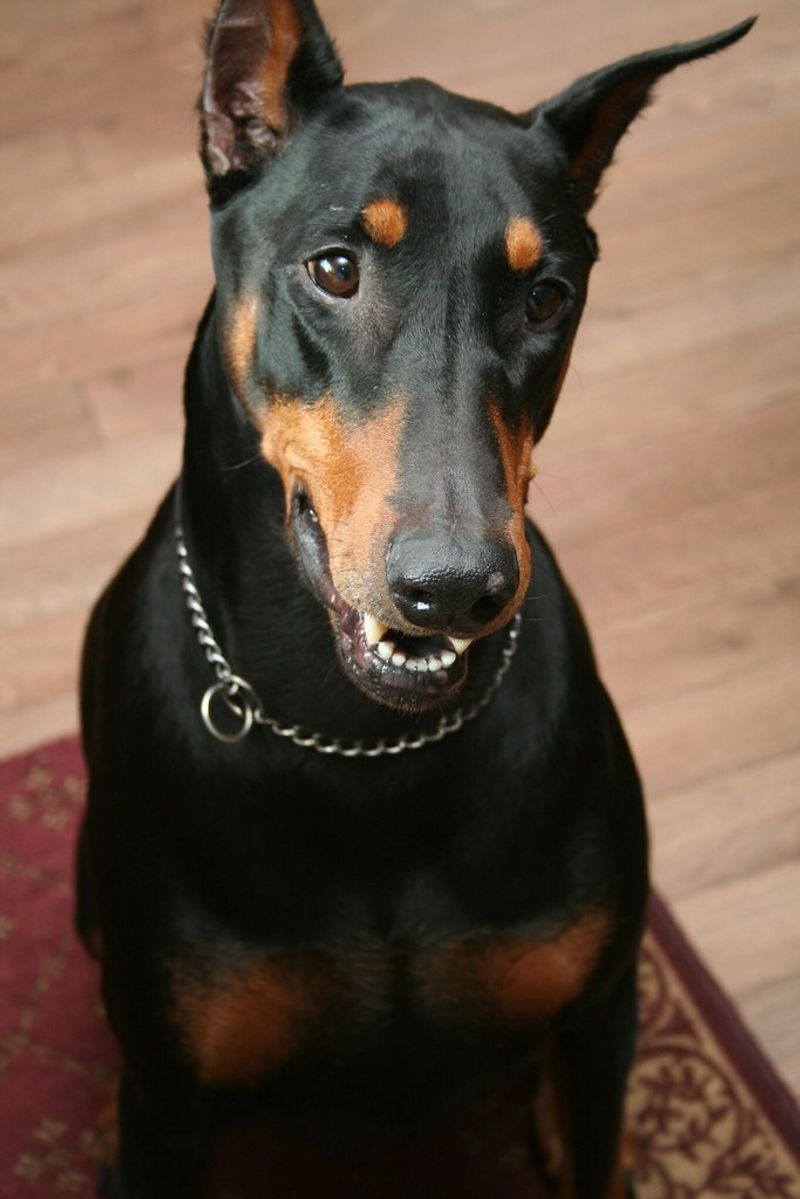
Dobermans look intense, so people expect menace. What you often meet is sensitivity and astonishing handler focus.
They bond closely and can feel your stress like static. That is why clear communication and predictable routines matter so much.
If you teach them what to do, they relax and shine. Leave them to guess, and nerves fill the gaps.
Provide brisk walks, cardio bursts, and short obedience sessions that end on a win. Trick training and scent games keep their minds happily busy.
Supervise greetings to avoid crowd overwhelm, and reward calm choices generously. The goal is confident, neutral behavior, not rigid suppression.
Show the world a Doberman practicing a quiet down-stay at a cafe, and myths melt fast.
German Shepherd
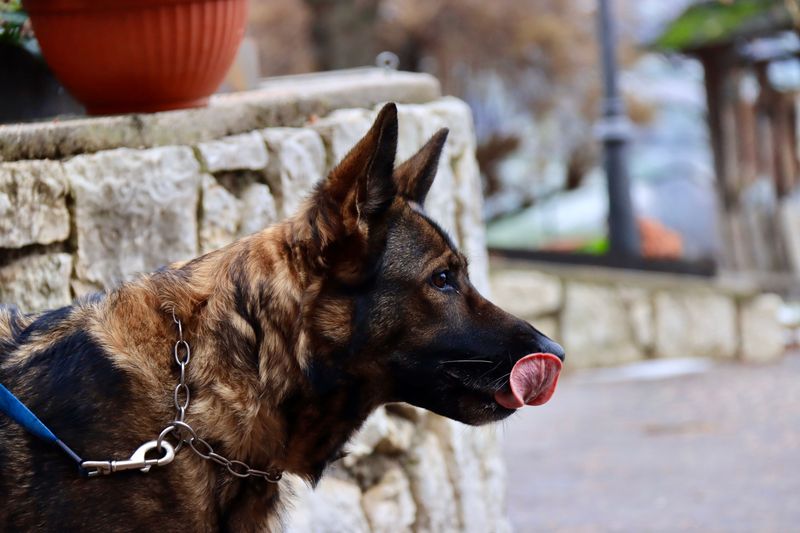
German Shepherds are seen as automatic police dogs, but many are gentle family companions with big feelings. They are brilliant problem solvers who need mental work as much as mileage.
Without outlets, they may herd kids, guard doorways, or invent jobs that annoy you. Build clear routines and teach default relaxation so home life stays peaceful.
Focus on early socialization, body handling, and neutral exposure to strangers. Rotate puzzle feeders, tracking games, and obedience drills to tire the mind.
Prioritize hip and elbow health with smart exercise while growing. Reward the behaviors you want, like settling on a mat when guests arrive.
When you meet a well-bred, well-trained Shepherd, the myth of relentless intensity disappears instantly.
Cane Corso
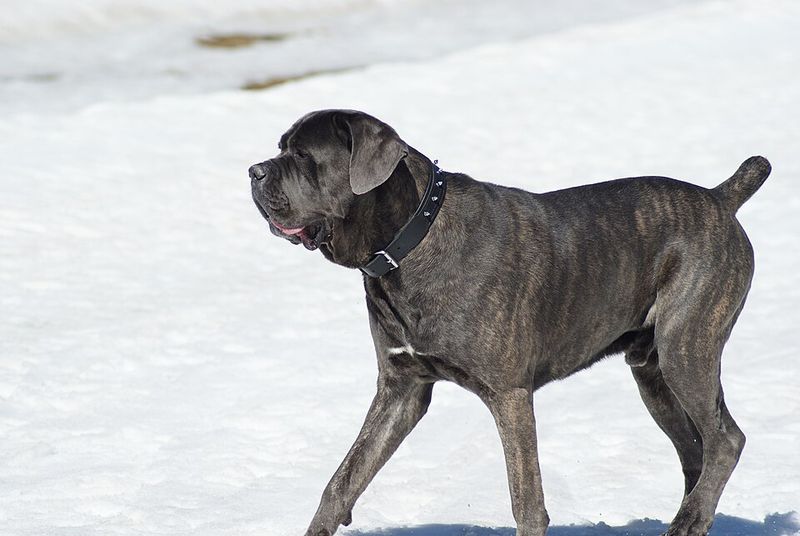
The Corso’s massive head invites guard-dog assumptions, yet the magic is confident neutrality. They want a steady leader who sets rules and keeps socialization consistent.
If you allow pushy greetings or chaos, they may step in. Teach them that you handle the doorbell, deliveries, and guests.
Keep training short, fair, and calm so they remain thoughtful instead of reactive.
Daily exercise should be purposeful walks, place training, and controlled play. Limit high-impact leaps while joints mature.
Use food rewards, yes, but lean on structure and clarity. They excel with clear jobs like holding a down-stay while you cook.
When you meet a Corso who quietly watches and then naps, you realize power can be peaceful.
Greyhound
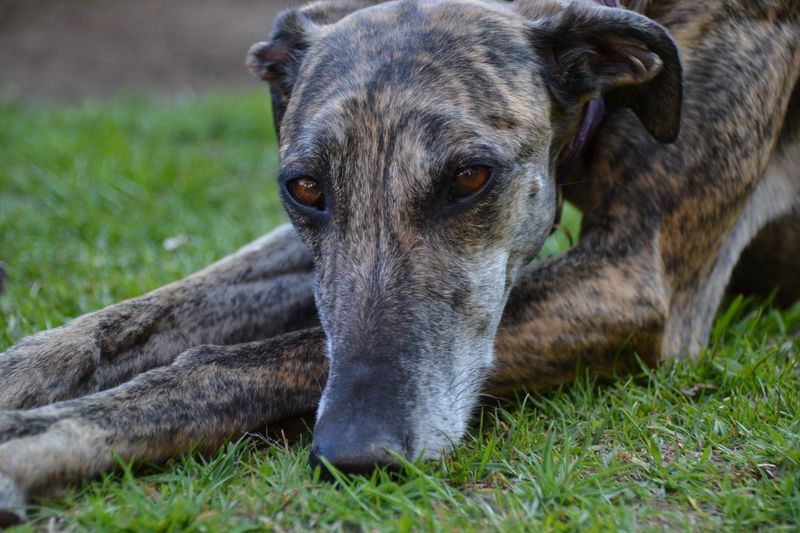
People think Greyhounds are nonstop rockets, yet most are professional nappers. Sprinting is their thing, not marathons.
A few zooms in the yard and a soft bed can make the whole day. They are sensitive souls who appreciate quiet introductions, gentle handling, and cozy spaces.
Many retired racers transition beautifully when given patience and predictable routines.
Use snug sweaters in cold weather and teach stairs slowly if needed. Keep them leashed outside secure areas because chase instincts are real.
Food puzzles and sniffy walks satisfy their brains without overdoing it. If you want a calm housemate who turns into a brief burst of lightning, this is your dog.
Your couch might become their favorite track.
Chihuahua
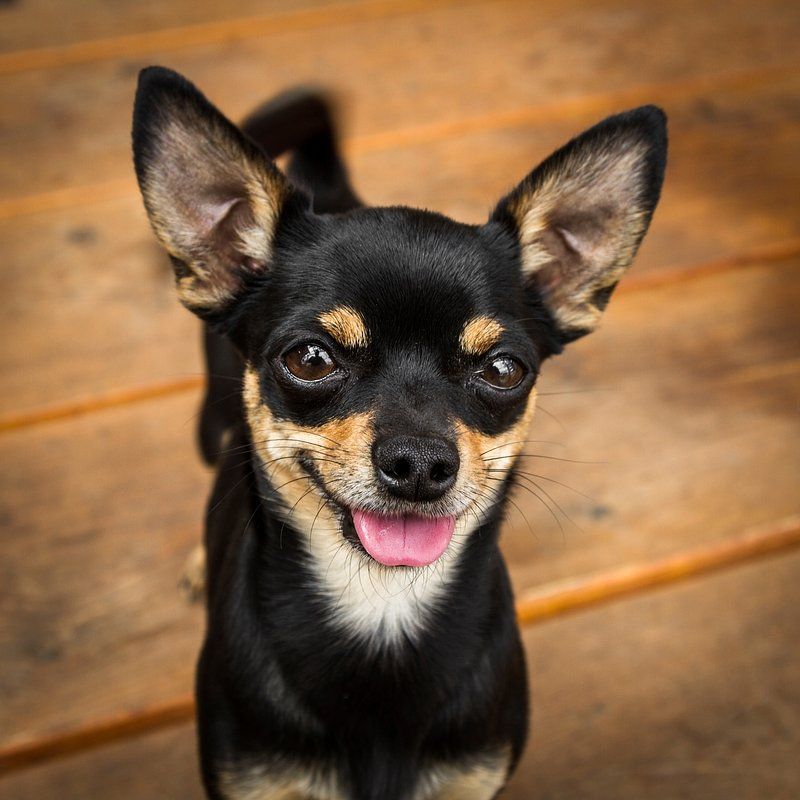
Chihuahuas get dismissed as yappy accessories, but they are real dogs with real needs. When treated like fragile toys, they learn to shout to feel safe.
Respect their space, train polite behaviors, and socialize thoughtfully. You will uncover courage inside that tiny frame.
They bond fiercely and love learning when you keep sessions short and upbeat.
Use harnesses to protect delicate necks and keep interactions with bigger dogs structured. Warmth matters for these little buddies, so sweaters and cozy beds are not silly.
Mental games, target training, and scentwork adapt perfectly to small spaces. If you reward calm greetings and confident exploration, the attitude transforms.
Small does not mean simple, and definitely not disposable.
Chow Chow
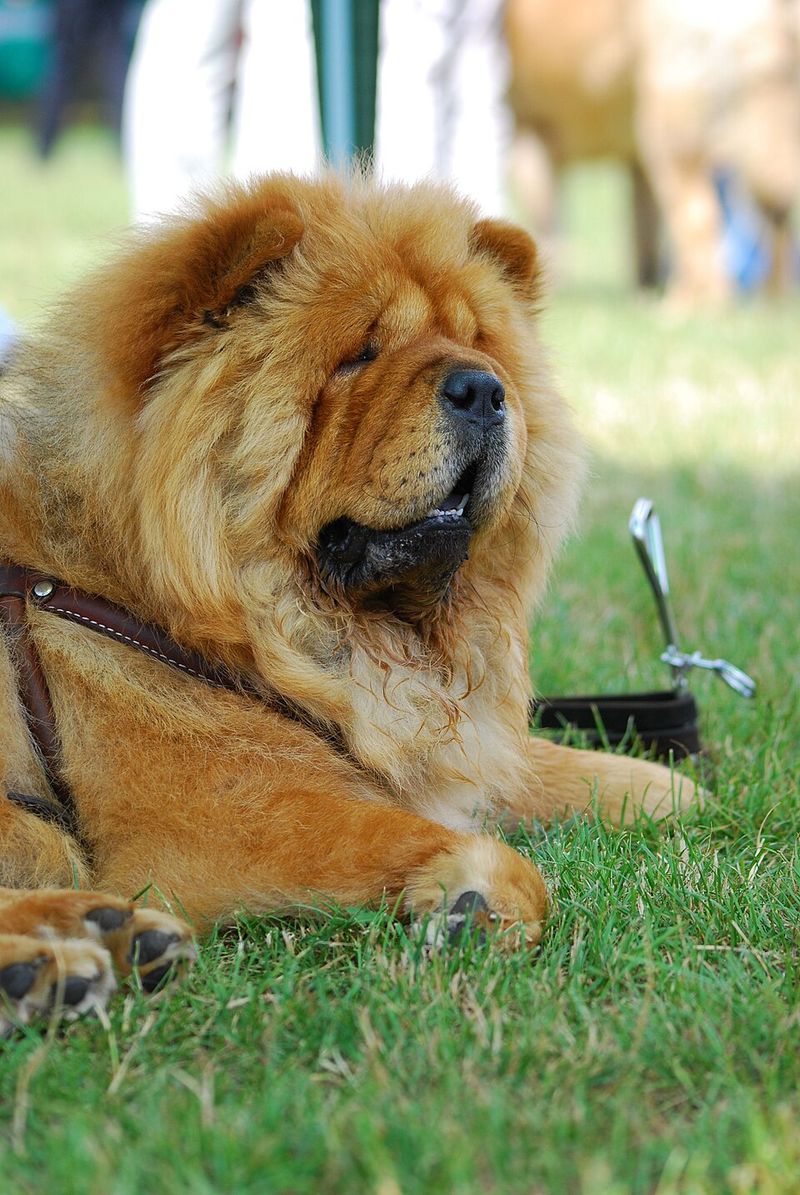
Chows are labeled unfriendly, but think cat-like rather than rude. They value choice, space, and predictable handling.
Forced hugs or chaotic introductions backfire. Teach consent cues, slow greetings, and grooming routines early so trust stays intact.
With fair leadership and routine, a Chow can be affectionate and loyal on their own terms.
Focus on cooperative care like chin rests for brushing and nail trims. Keep training sessions calm, reward based, and free of shouting.
Socialization should emphasize neutrality in public places instead of constant petting by strangers. Give them cooling mats and regular coat care to prevent discomfort.
Respect that quiet dignity, and you will discover a steady companion who chooses connection deliberately.
Akita
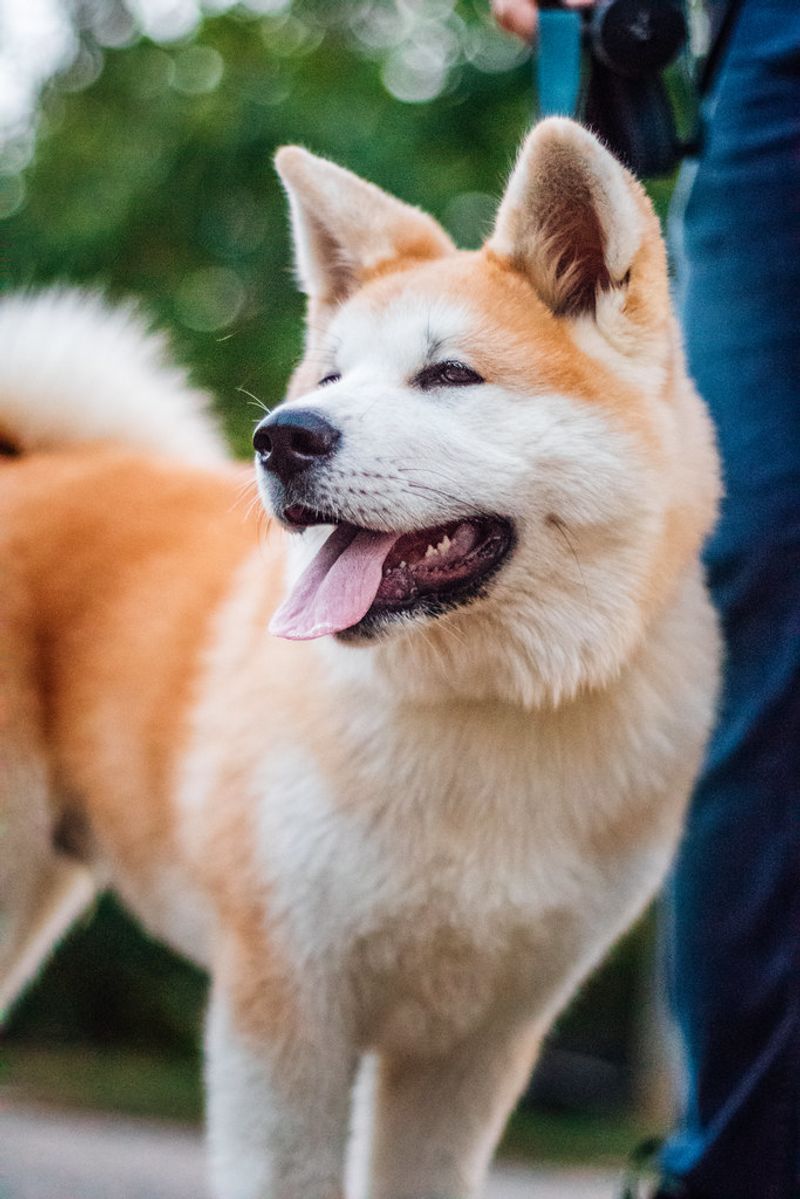
Akitas are often framed as domineering, but the truth is thoughtful independence. They watch, decide, and value clear expectations.
If you waffle, they will, too. Build trust with consistent rules, food rewards, and respectful boundaries.
Early socialization is vital, especially for handling and vet care. Practice neutrality around other dogs and supervise greetings carefully.
Daily mental work matters as much as exercise. Work on place training, nose games, and short obedience drills that prevent boredom.
Keep coats healthy with regular brushing and seasonal de-shedding support. When an Akita understands the household job description, calm confidence replaces pushiness.
You end up with a guardian of routine who cherishes family and ignores nonsense.
Bull Terrier
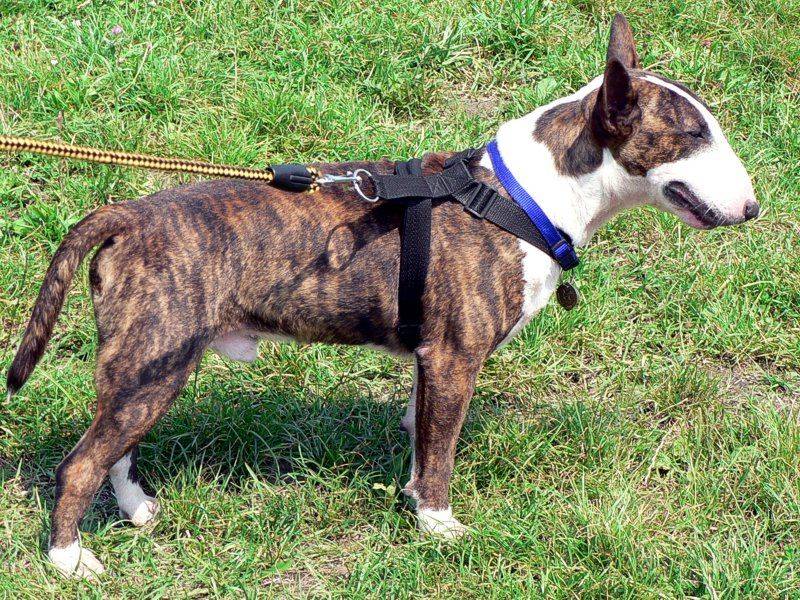
The cartoonish head shape makes people forget Bull Terriers are serious athletes with clown energy. They can be mouthy, curious, and hilariously persistent, which is charming when directed and rough when ignored.
Teach impulse control and swap rough play for tug games with clear start and stop rules. Rotate activities so curiosity works for you, not the pantry.
Short, high-value training keeps engagement strong. Use flirt poles, fetch, and trick training to channel power and brains.
A tired Bull Terrier becomes a first-rate snuggler with a comedic streak. Supervise dog interactions, and teach polite greetings to avoid bowling strangers.
When that big smile parks beside you on the couch, you will wonder why anyone misjudged them.
Dalmatian
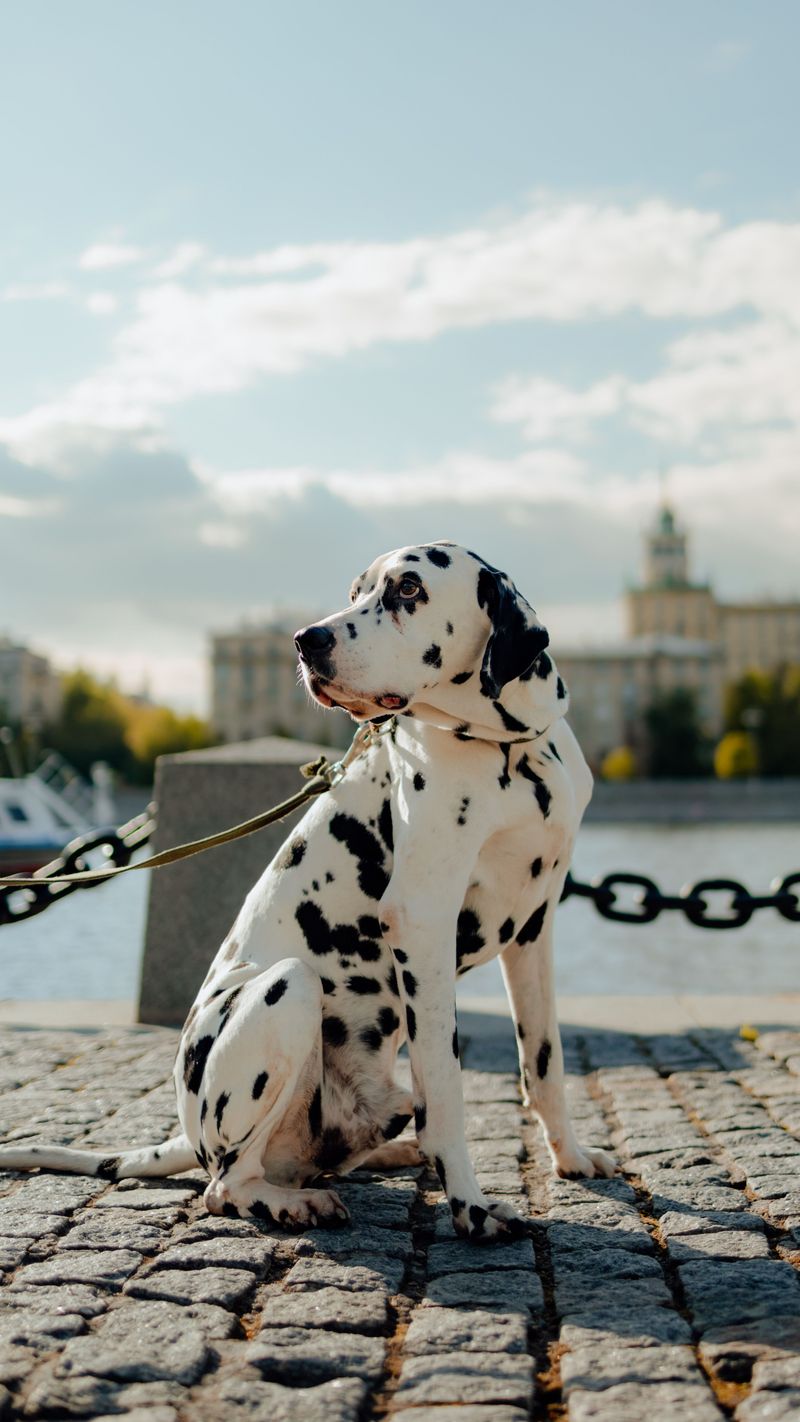
Dalmatians get tagged as hyper handfuls, but most need structure, not nonstop chaos. Historically carriage dogs, they are built for steady movement and manners.
Daily exercise plus brain work equals harmony. Teach loose-leash walking, scent games, and calm settling.
Some can be sensitive to certain foods or have hearing considerations, so proactive vet care and responsible breeding matter.
Use positive reinforcement and be consistent with house rules. Rotate chew items and puzzle feeders to avoid boredom.
A predictable schedule reduces frantic behavior that people mistake for wildness. When you fulfill both body and mind, spots settle beautifully on the rug.
The flashy coat draws attention, but it is the polite, thoughtful behavior that changes minds.
Siberian Husky
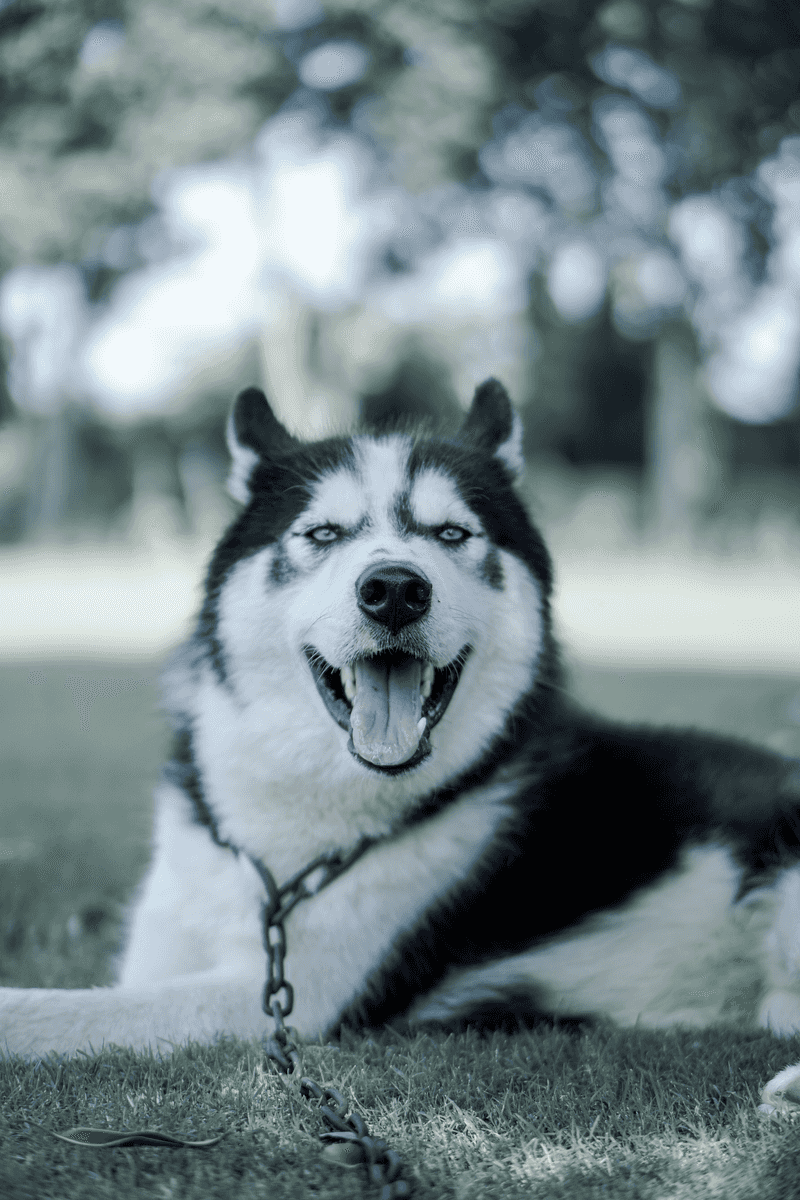
Huskies are not plotting jailbreak artists, but they are expert opportunists. If a gate is open, they take the tour.
Provide secure fencing, leashed outings, and plenty of outlets for that sled-dog engine. Expect chatter, not guarding, and embrace their social butterfly tendencies with managed dog play and neighborhood walks.
Cardio matters, yet mental work often gets ignored. Teach recall games on long lines, practice impulse control, and add nosework to tap their curiosity.
Keep grooming tools handy for seasonal blowing coat. With clear boundaries and fun jobs, your Husky becomes a teammate, not a trickster.
When people see calm loose-leash walking and relaxed rest at home, the escape-artist myth fades.
Great Dane
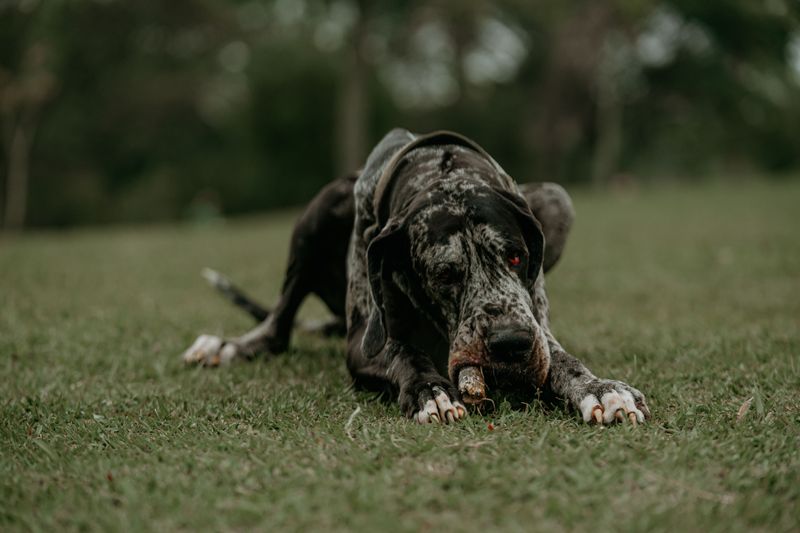
Great Danes get called lazy, but they are strategic energy managers. Rapid growth and huge frames make long, pounding workouts a bad idea while young.
What you want is balanced exercise, joint-safe play, and confidence building. They enjoy walks, training games, and then glorious naps sprawled like living rugs.
Calm is not laziness. It is comfort in a well-structured routine.
Teach manners early because adult size amplifies small habits. Mat training, polite greetings, and loose-leash skills protect everyone.
Provide supportive beds and slow, thoughtful socialization. When needs are met, you will see gentle curiosity and brief playful bursts.
The couch time is earned recovery, not disinterest, and it keeps joints and spirits happy for years.
Boxer
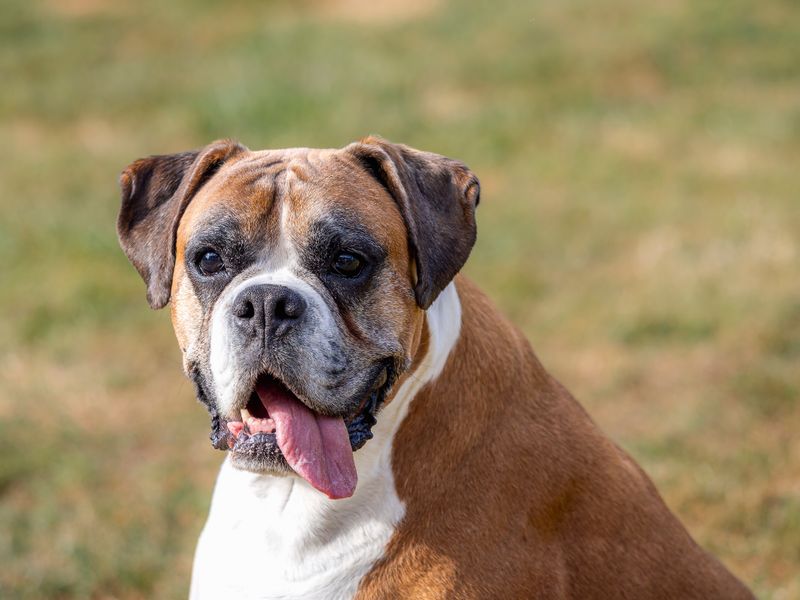
Boxers are labeled too hyper for families, yet what they really need is direction and outlets. They are bouncy comedians with hearts of gold and excellent trainability.
If you teach impulse control and provide regular exercise, that fizz becomes focused fun. Short sprints, tug, and obedience games turn chaos into teamwork.
Inside, they love snuggling like oversized lap dogs.
Implement door routines, settle mats, and reward calm around kids. Rotate enrichment so brains stay as busy as legs.
Many thrive with dog sports like rally or agility because they adore working with you. When visitors see a Boxer sit to greet and relax on cue, the myth collapses.
Energy plus guidance equals an amazing family companion.
Newfoundland
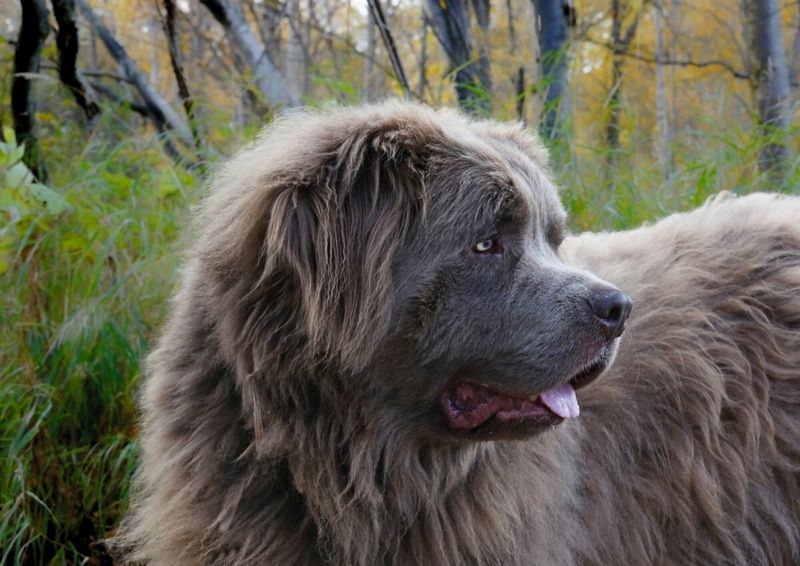
People say Newfies are too big to be gentle, but mass and kindness coexist beautifully. These dogs were bred to work with humans in harsh conditions, and their patience shows.
Early training and careful handling create polite giants who navigate small spaces thoughtfully. Teach slow, steady movement and reward careful choices, especially around children and elders.
Support joints with non-slip rugs, quality beds, and moderate exercise. Keep grooming regular to prevent matting and discomfort.
They adore water, so supervised swims can be magic. When a Newfoundland chooses to lie down instead of crowding, you witness intentional softness.
Size can be respectful when you teach the skills and provide comfort. The myth dissolves into a gentle sigh.