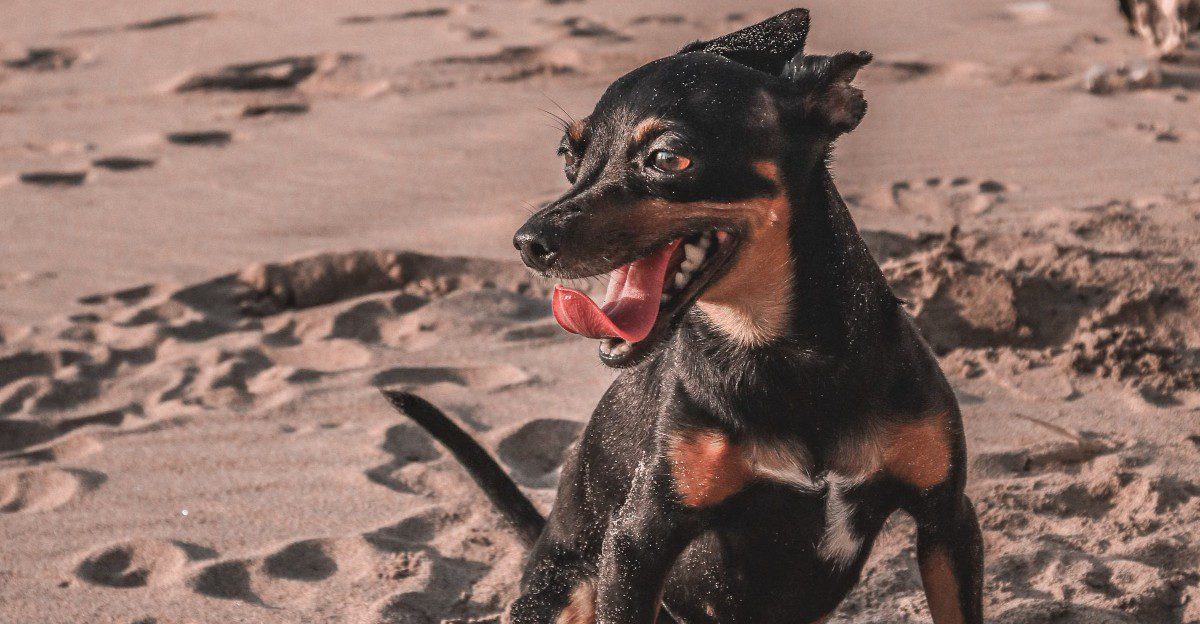
Some dogs hate missing out. If you pet another pup, certain breeds will scoot in, nudge your hand, or stare with huge eyes.
Knowing which dogs do this and why can help you guide their feelings in a kind way. With the right tricks, everyone gets a fair turn and happier moments together.
Chihuahua
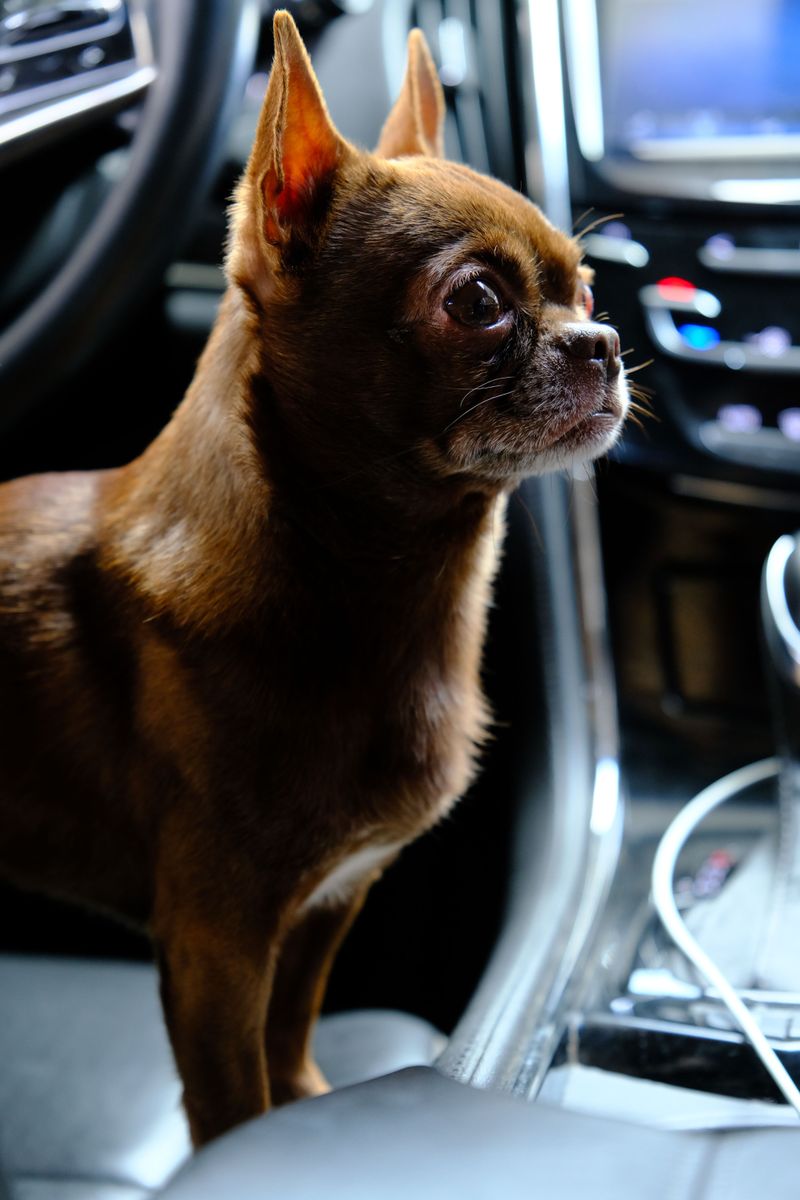
Small body, giant opinions. A Chihuahua often watches your hands like a referee, ready to call foul if pets land on someone else.
Many bond to one person and guard that attention fiercely, so quick reassurance makes a difference.
Offer a calm cue, then invite them to sit for a short treat-and-touch routine. Short, frequent check-ins reduce pushy behavior.
A snuggly carrier or lap blanket can also signal when their turn is coming.
Dachshund
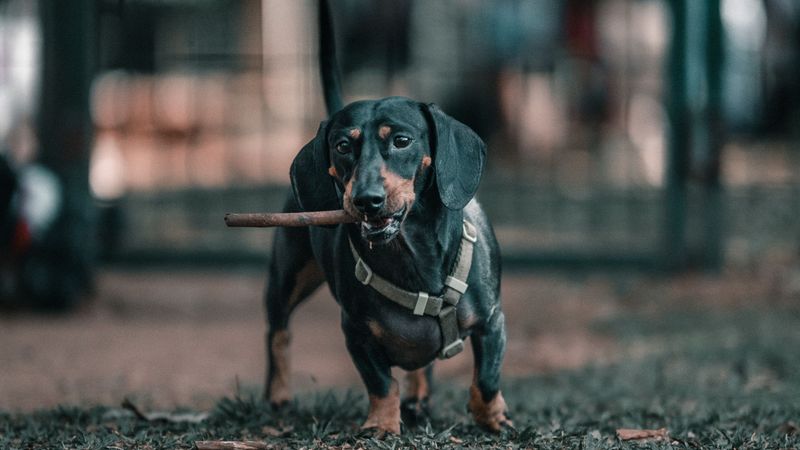
Old hunting instincts meet comic timing. A Dachshund might wedge between you and the other dog, as if tunneling for your attention.
That bold move comes from confidence and curiosity, not meanness, though it can look dramatic.
Redirect with a nose-work game on a mat. Scatter a few treats, then pet the other dog while the Doxie searches.
Afterward, call them over for their own praise. Clear routines lower jealousy and boost patience.
Pomeranian
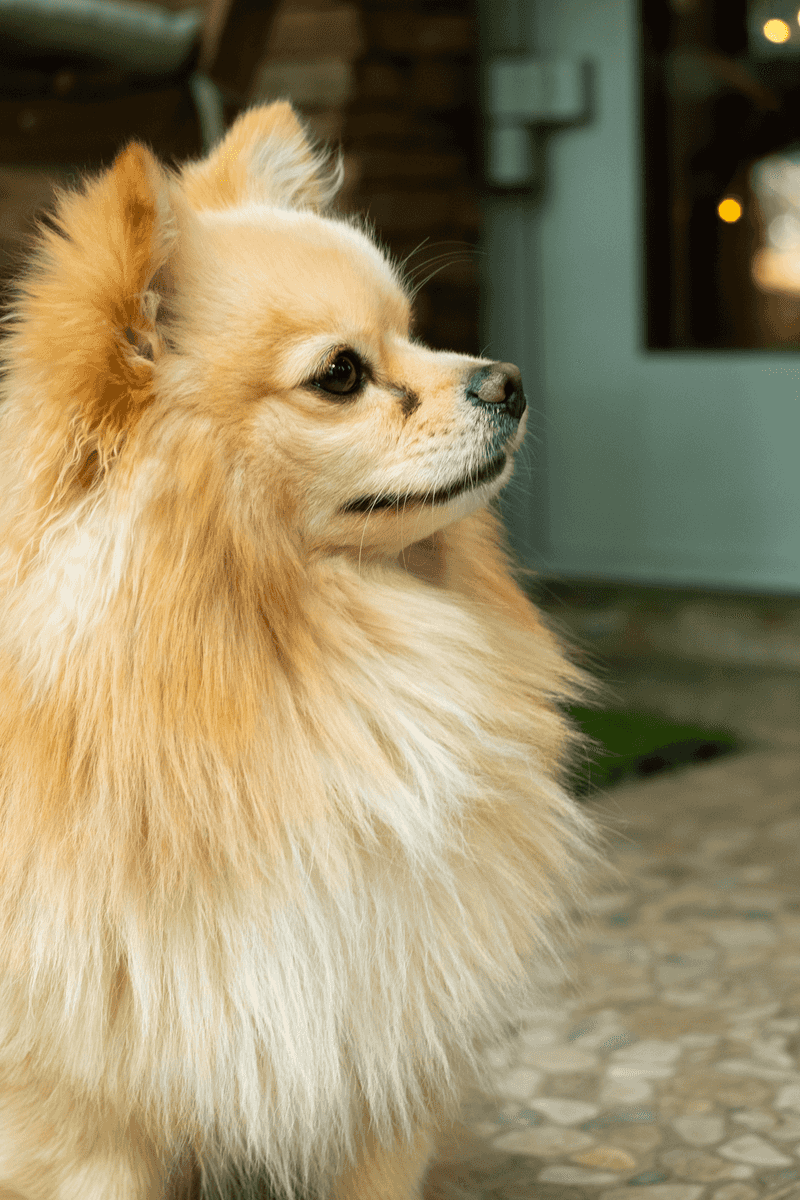
Like a tiny cloud with opinions, the Pomeranian loves being the center of sparkle. Seeing you pet another dog might trigger a dramatic spin or chirpy barks.
That flair is part of their lively charm.
Channel the energy into tricks. Ask for a sit pretty or a twirl, then reward with brief strokes and a soft voice.
Rotate attention in short bursts so excitement stays fun, not frantic. A quick grooming brush session can soothe.
Yorkshire Terrier
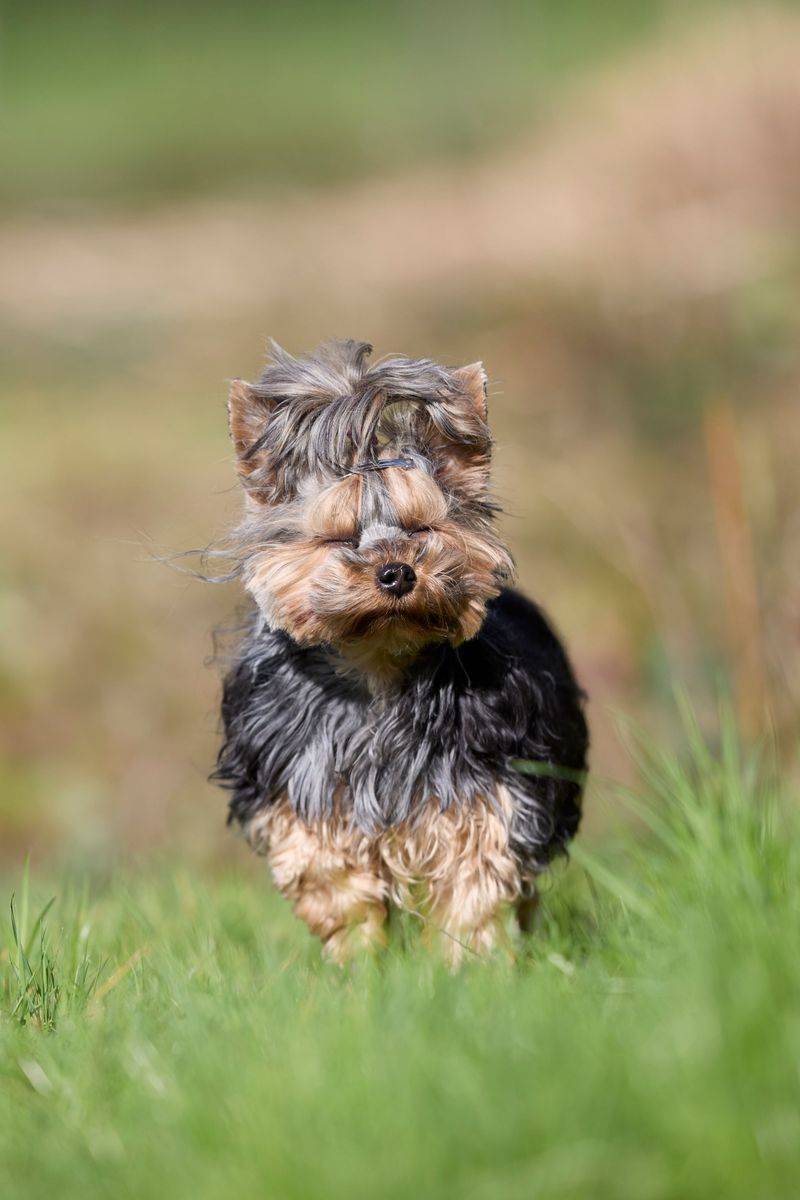
Pint-sized, big-city attitude. Yorkies often patrol laps like security guards, and they notice every pet you give elsewhere.
That sharp awareness comes from their terrier roots and fearless spirit.
Work with it kindly. Give a simple place command to a cozy mat, reward calm, then release for one-on-one scratches.
Switching between mat time and cuddle time teaches self-control. Add a cheerful phrase that signals turns, which helps sensitive dogs predict what happens next.
Doberman Pinscher
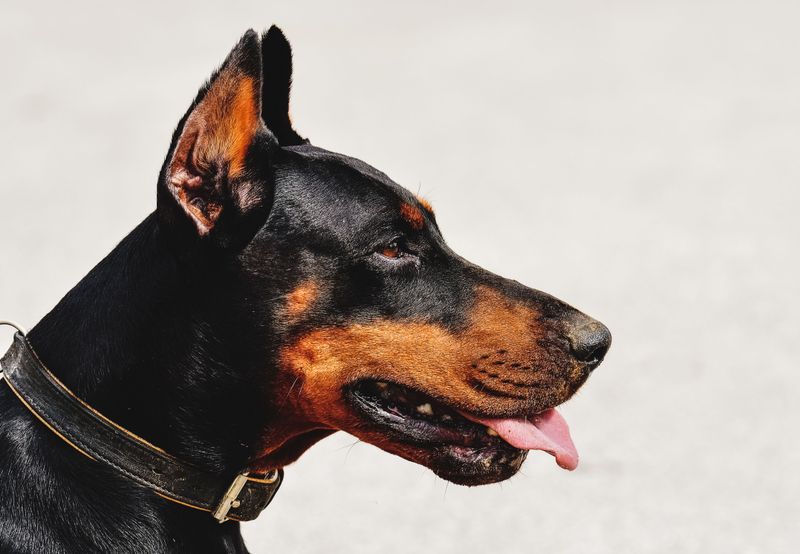
Heart on guard duty, the Doberman reads your body language like a pro. When affection shifts, they may lean in or nudge, ensuring the bond stays strong.
Loyalty runs deep with this athlete.
Shape manners through structure. Ask for a heel or down-stay while you briefly greet the other dog.
Return promptly with praise, then release to a toy tug or chest rub. Clear cues, steady timing, and exercise keep attention-seeking polite and confident.
German Shepherd
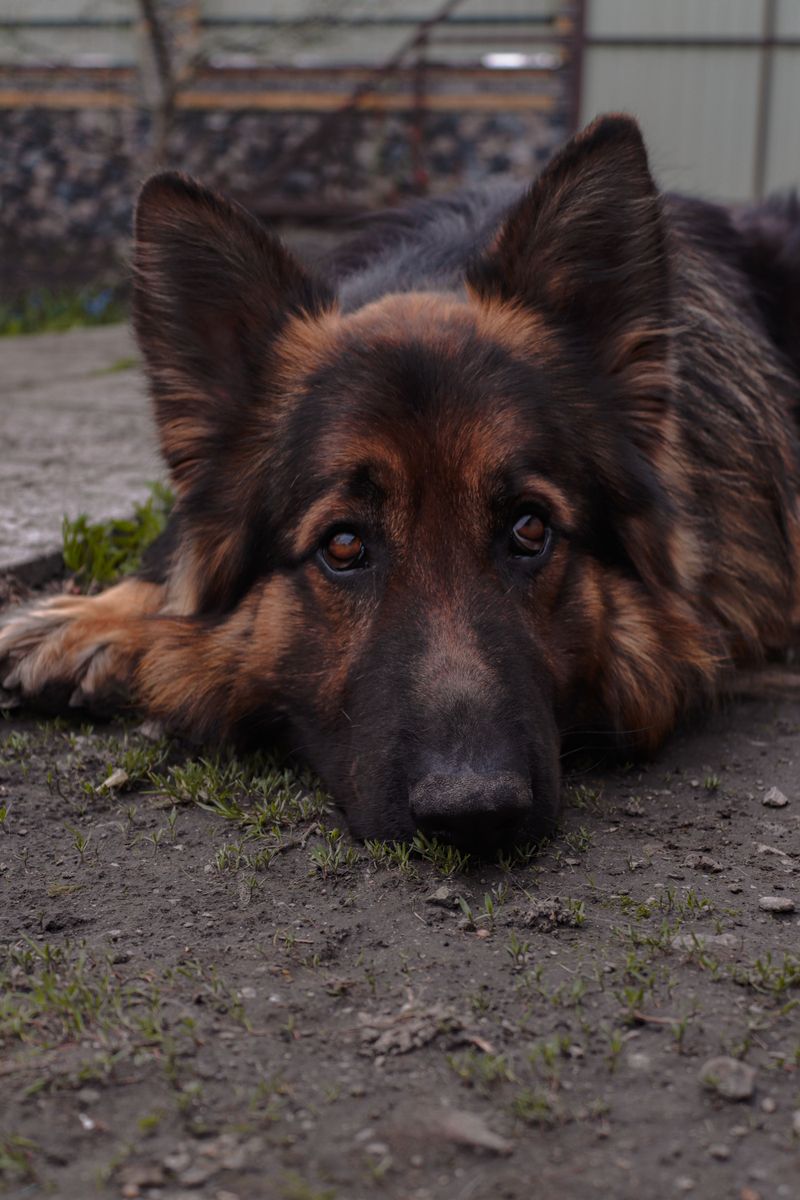
Brains and vigilance combine in the German Shepherd. If you pet another dog, they may step closer to monitor the scene and keep you in their circle.
That caretaking vibe is part of their heritage.
Give a job. Cue a watch me, a sit, or a settle beside you, then reward calm with scratches under the collar.
Rotate working cues with relaxation so responsibility does not become stress. Consistent training builds easy confidence.
Boxer
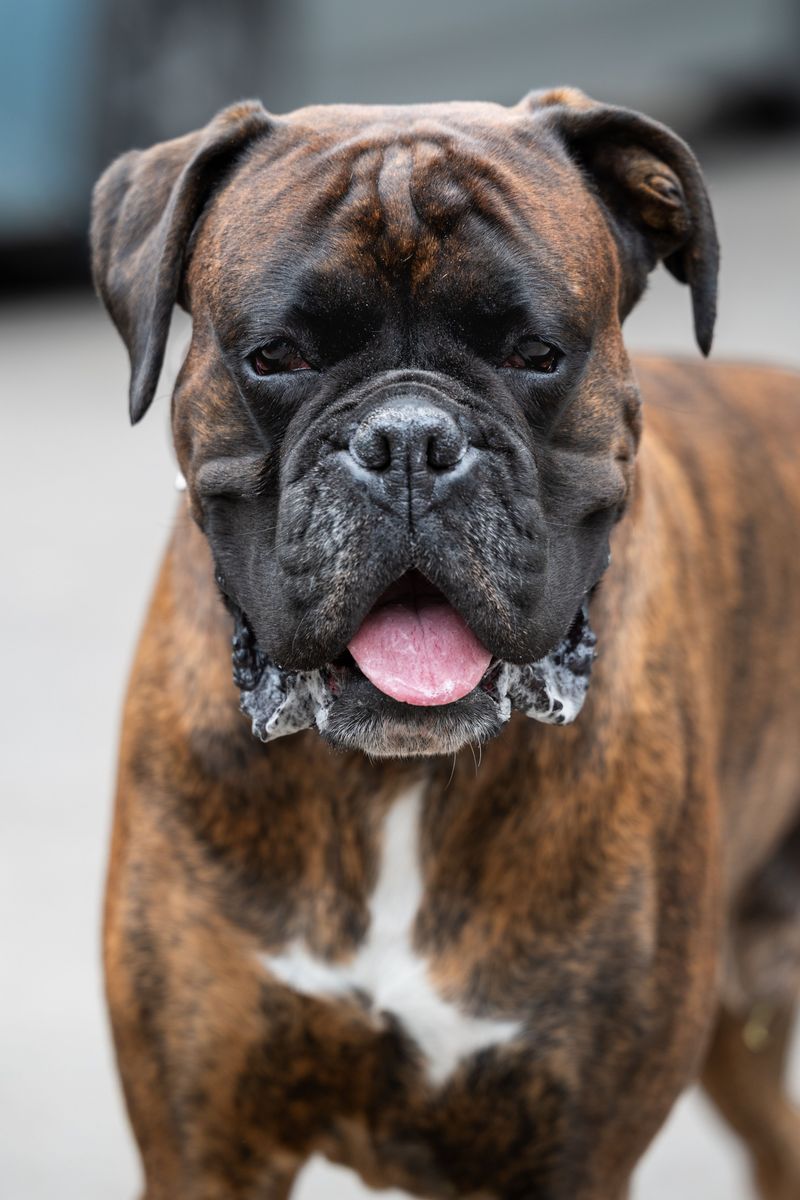
Goofy grins and pogo hops tell the story. A Boxer may bounce between you and your other furry friend, asking to join the party.
They thrive on play and close contact.
Lean into games that teach patience. Try a sit for greeting, then release to a quick game of fetch or a friendly shoulder rub.
Keep sessions brisk to match their energy. Daily exercise, puzzle toys, and clear rules help prevent pushy attention grabs.
Miniature Pinscher
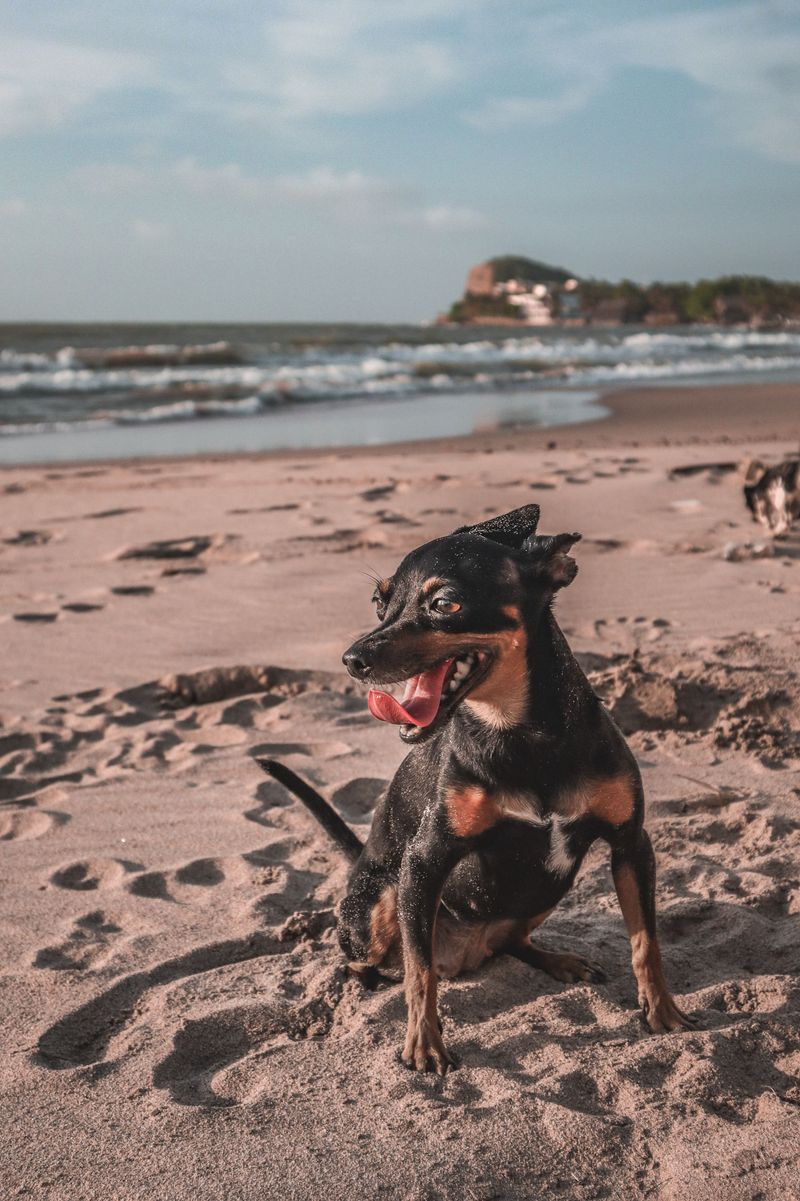
Bold as a superhero cape, the Miniature Pinscher struts with confidence. Watching you pet another dog can spark lively commentary and tap-dancing paws.
That spark comes from endless curiosity and self-assurance.
Make a plan before greetings. Ask for a stand or sit, feed a tiny treat, then touch the other dog briefly.
Switch back with eye contact and gentle rubs. Short training bursts, plus a flirt pole for exercise, take the edge off attention battles.
Australian Shepherd
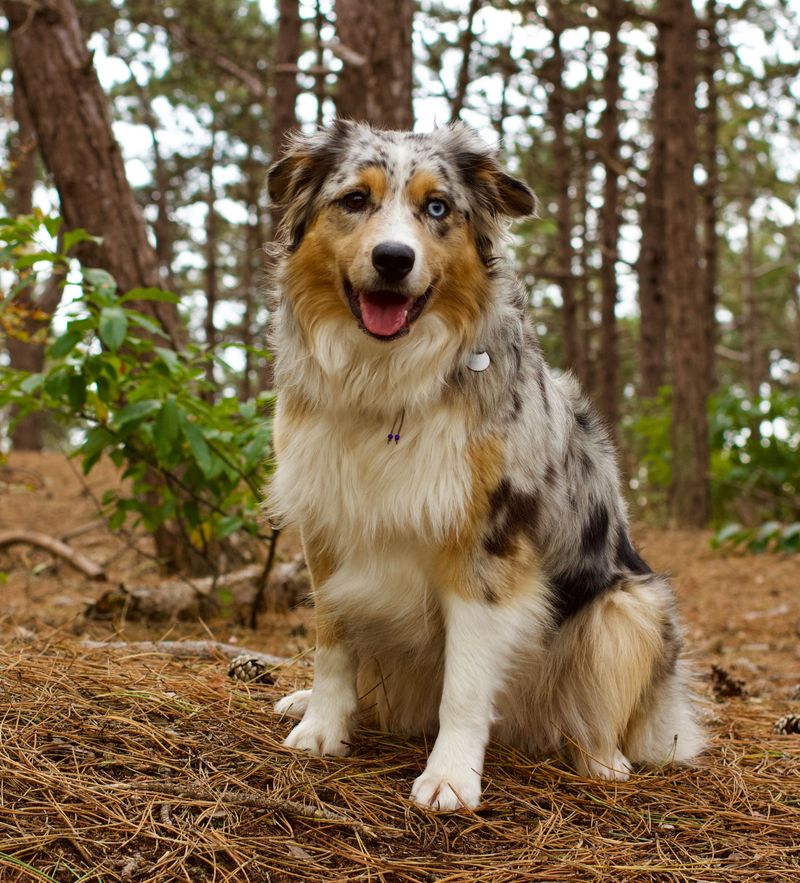
Work ethic meets heart, and the Australian Shepherd notices everything you do. When another dog gets pet, they may herd your knees toward center stage.
That intensity is natural for a herding star.
Provide structure and outlets. Cue a down on a mat, reward slow breaths, then release to a frisbee or scent game.
Alternate calm work with athletic play to balance the mind. Trick training like paw target or spin channels focus constructively.
French Bulldog
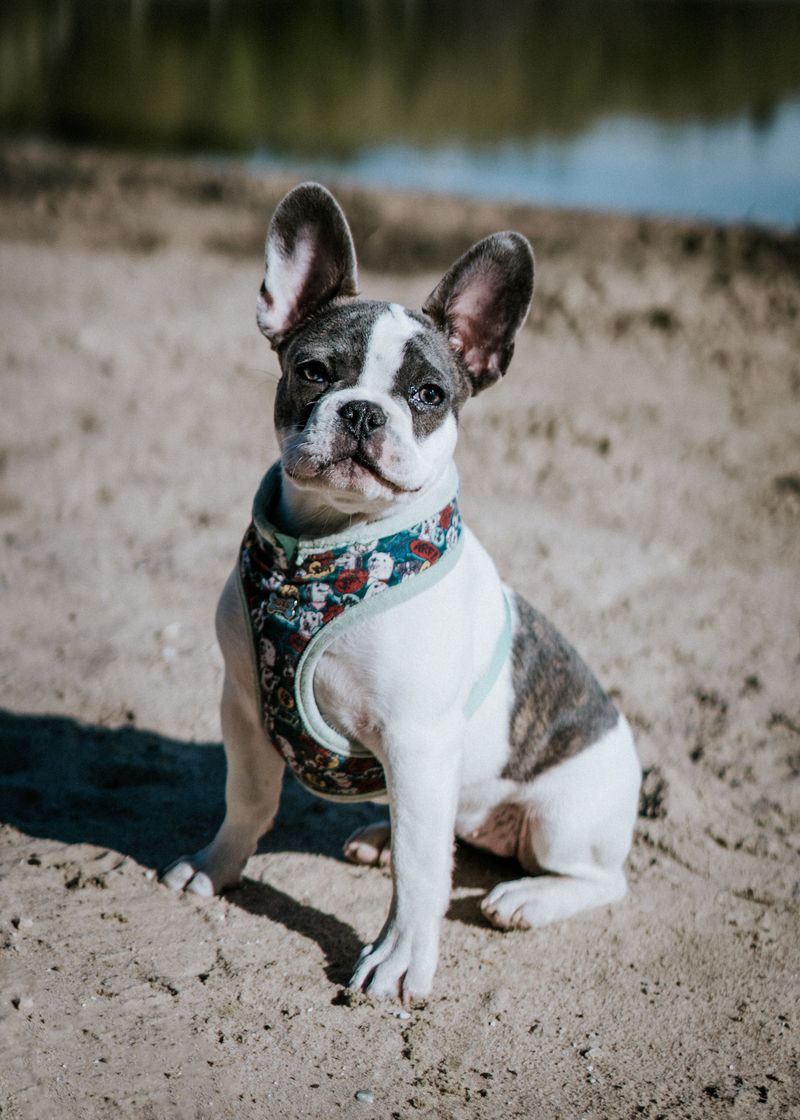
Comedic timing comes built in. A French Bulldog might wiggle into the middle and flash a priceless look when another pup gets pats.
They adore contact and cozy moments.
Use humor and structure together. Teach a brief wait cue, then hand out turns with short neck rubs.
Follow with a toy toss or a silly shuffle to keep spirits bright. Gentle exercise and cool rest spots help manage excitement, especially in warm weather.
Pug
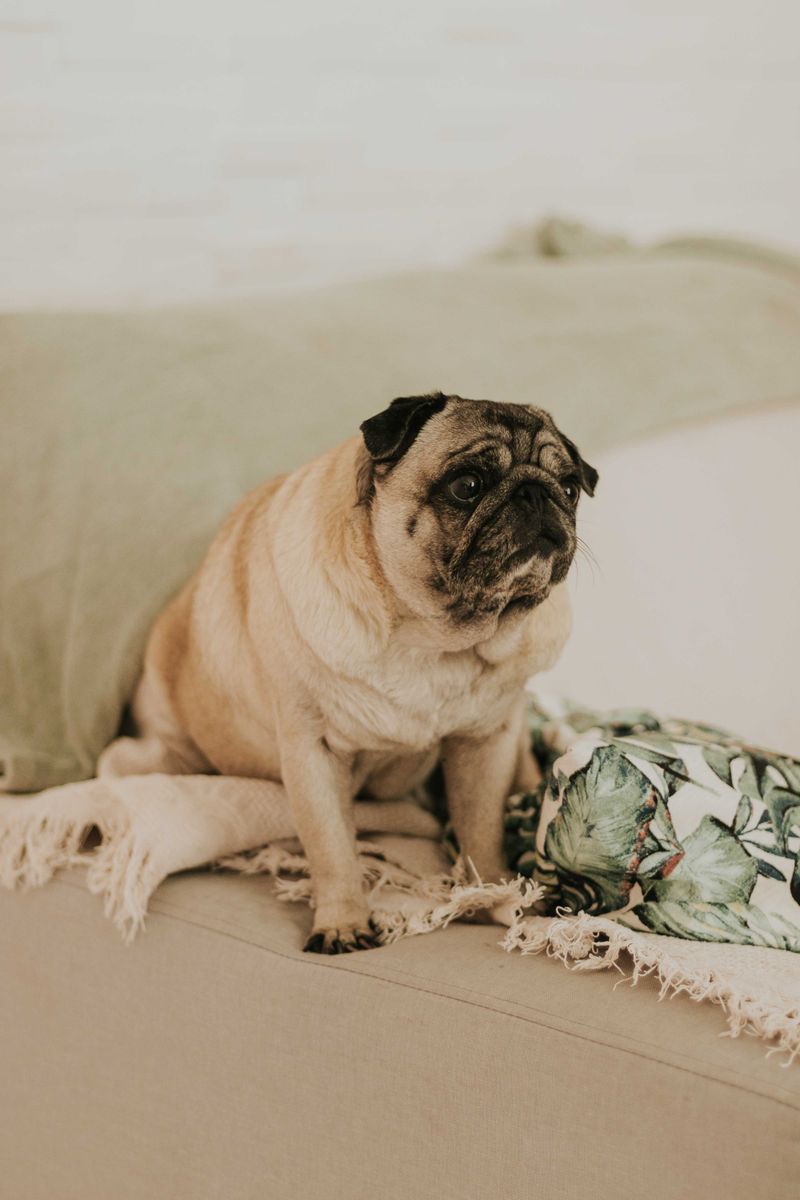
Big eyes, bigger feelings. A Pug often reads your face like a storybook and may shuffle closer when another dog gets the spotlight.
They crave closeness and comfy routines.
Keep things light and predictable. Offer a short sit for a forehead rub, then reward with a calm cuddle.
Use cheerful turn-taking words and soft touches. Watch breathing and heat, giving shady breaks.
Puzzle feeders and gentle walks keep mood balanced while sharing attention fairly.