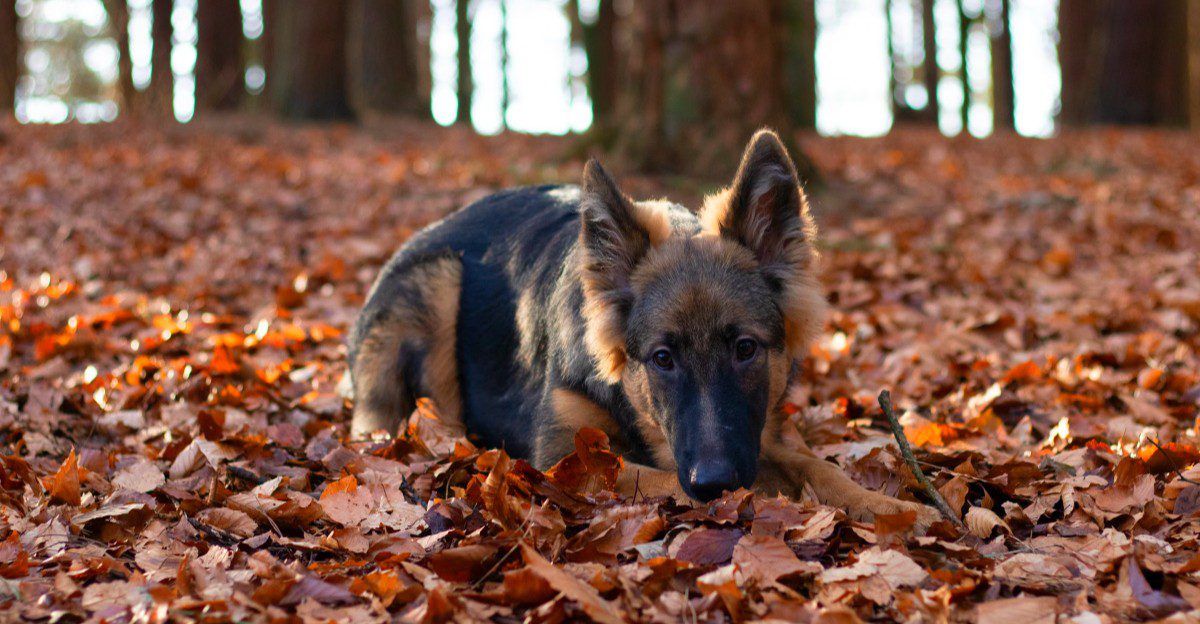
Fame can be a funny thing. Some dogs get all the attention, while others wait quietly in the corner.
That does not mean they are less loving or less trainable. Knowing how popularity works can help more families meet the right dog and give a great home.
American Staffordshire Terrier
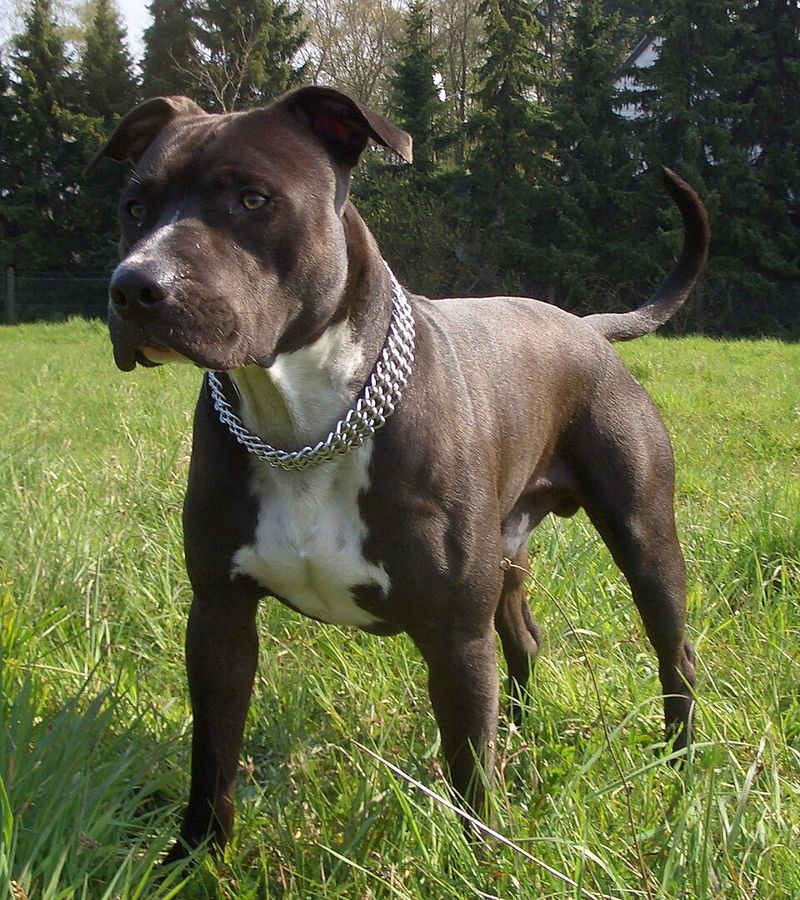
With a grin that could light up a room, the AmStaff is often judged before saying hello. Many people only see headlines and skip the chance to meet a real sweetheart.
In shelters, they wait, even when well mannered and eager to learn.
Give clear rules, daily walks, and puzzle toys. Social classes help them shine in public.
Meet one calmly, bring treats, and watch how quickly that careful look turns into a happy tail.
German Shepherd
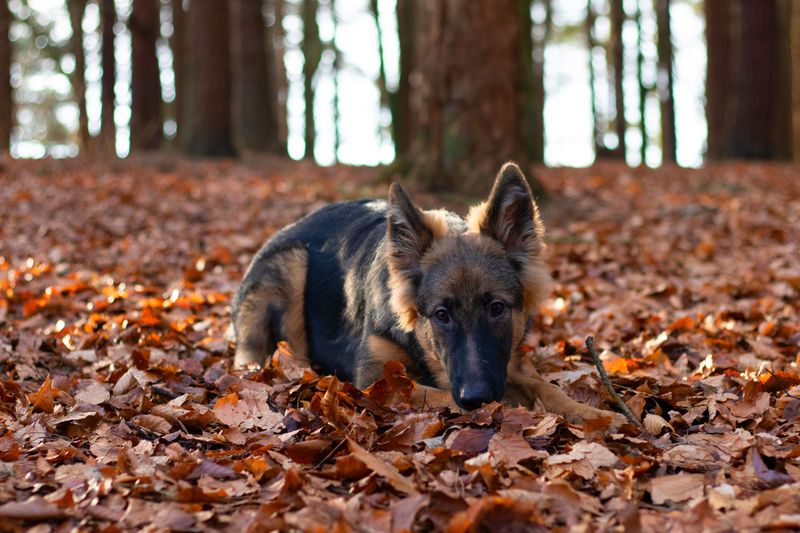
Known for police work and movies, the German Shepherd sometimes scares off adopters who worry about intensity. Yet behind those smart eyes is a loyal partner ready to learn.
High energy and sharp thinking just need structure.
Plan brain games, like scent boxes and simple tracking. Short, focused training sessions prevent boredom.
Regular grooming and hip-friendly exercise keep them comfortable. Meet one calmly, ask about temperament tests, and you might discover a steady family teammate.
Siberian Husky
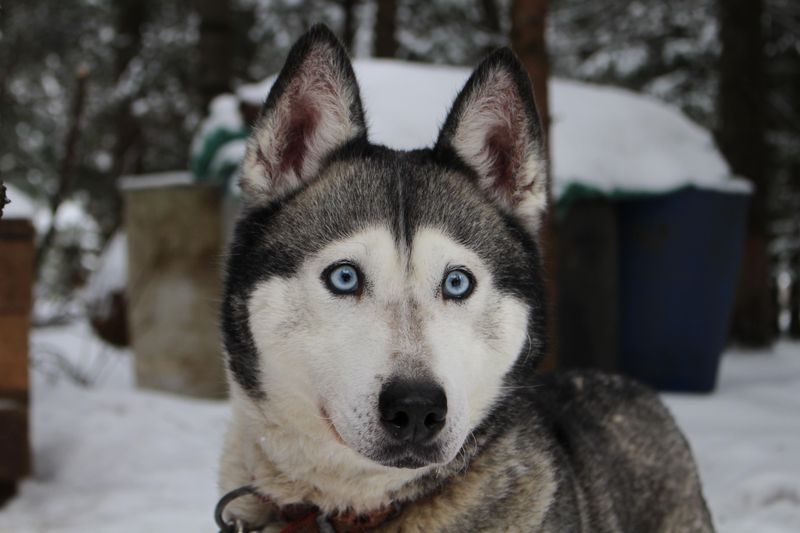
Bright eyes and a fox-like smile draw crowds, yet many people overlook the work behind that beauty. Huskies love to run, think independently, and test gates.
That mix leads to returns when the lifestyle does not match.
Secure fencing, long-line hikes, and canicross can satisfy their need to move. Rotate chew toys and practice recall with high-value treats.
If you enjoy adventure, a Husky can be a joyful training partner year-round.
Chihuahua
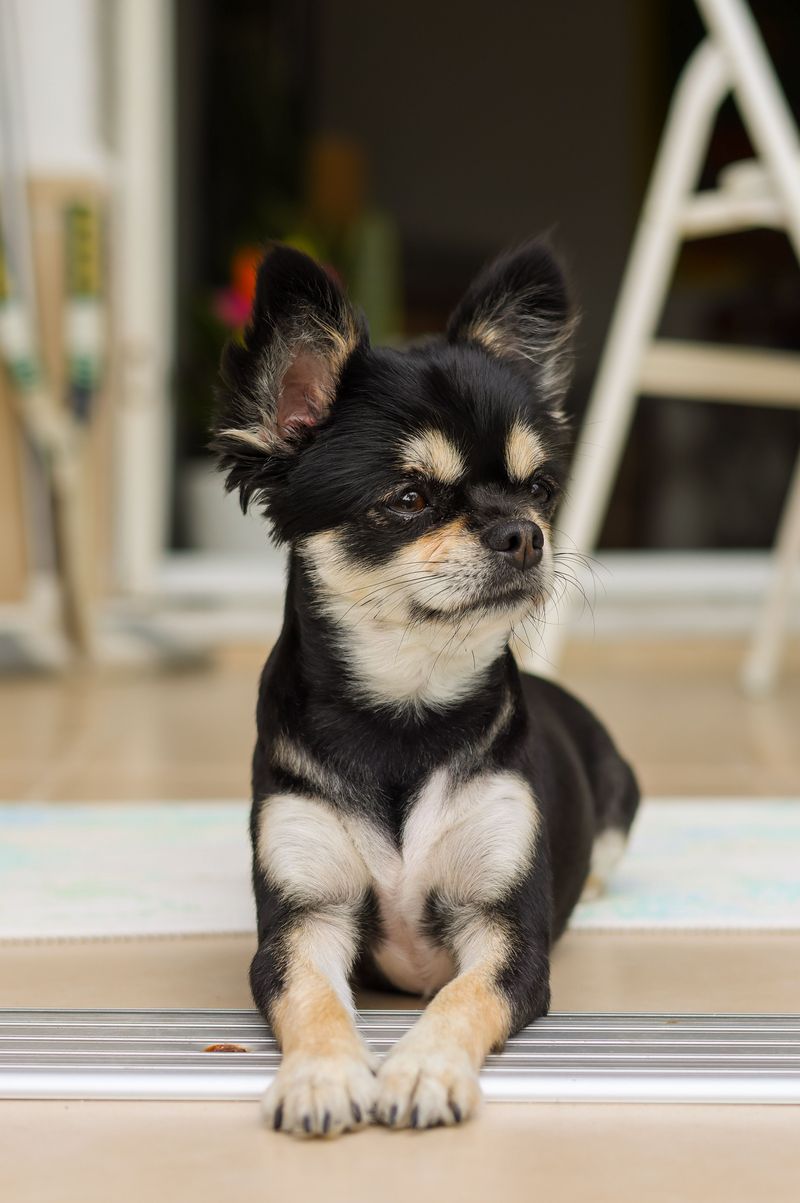
Small size, huge spirit. Chihuahuas often get labeled as yappy lap dogs, so many people pass by their kennels.
Nervous shelter behavior can hide a snuggly, loyal friend who just needs patience.
Use slow introductions and tasty rewards to build trust. Keep training short and positive, and watch confidence grow.
Warm beds, soft carriers, and quiet routines help sensitive pups settle. For apartment living or calm households, a Chihuahua can be a perfect fit.
American Bulldog
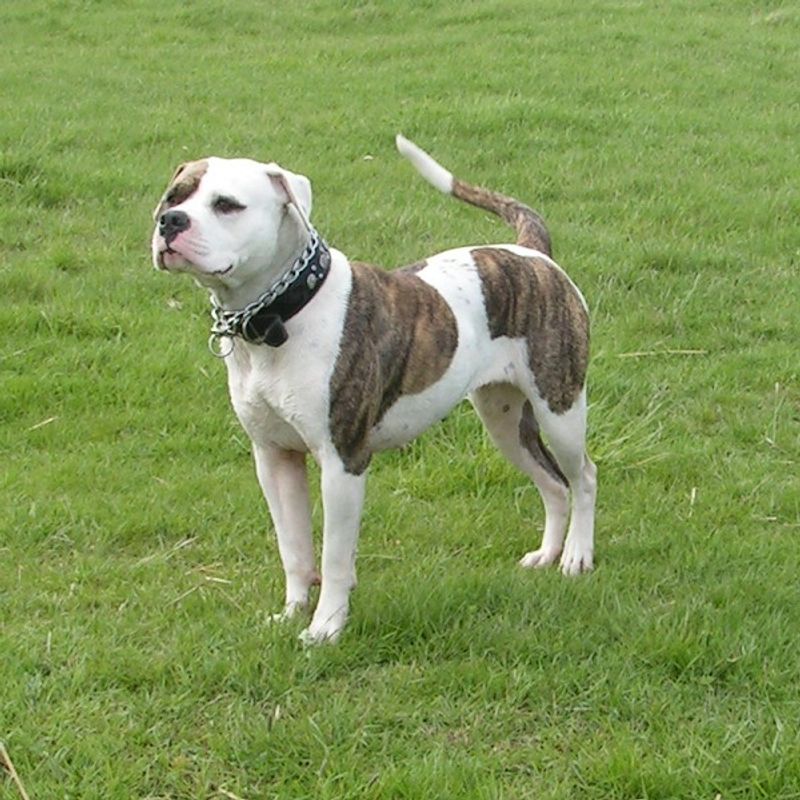
Farm-strong and goofy at heart, the American Bulldog can be misread as tough only. That first impression makes some folks hurry past.
Under that solid frame is a clown who loves games and clear boundaries.
Daily fetch, tug with rules, and basic obedience build focus. Provide sturdy chew toys and teach polite greetings to manage excitement.
Meet a few individuals, not just the stereotype. Many turn out to be affectionate sidekicks who try their best.
Boxer
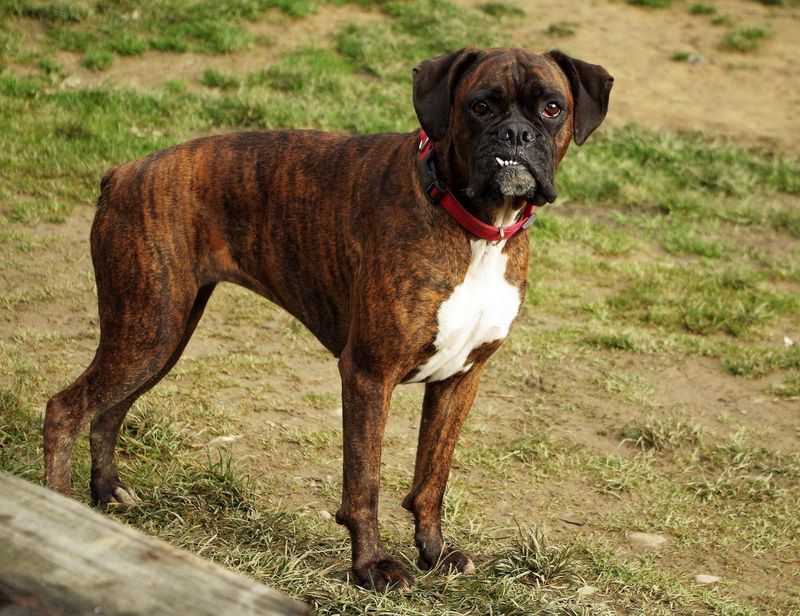
Comedy on four legs, the Boxer is a natural entertainer. Yet their bouncy style can be too much for some visitors.
High energy in a kennel reads as hyper, not fun, so they get skipped.
Channel the wiggles with structured fetch, short runs, and impulse-control games. Practice sit-to-greet and reward calm.
A stable routine, plus puzzle feeders, keeps minds busy. Once settled, Boxers often become cheerful buddies who stick close.
Beagle
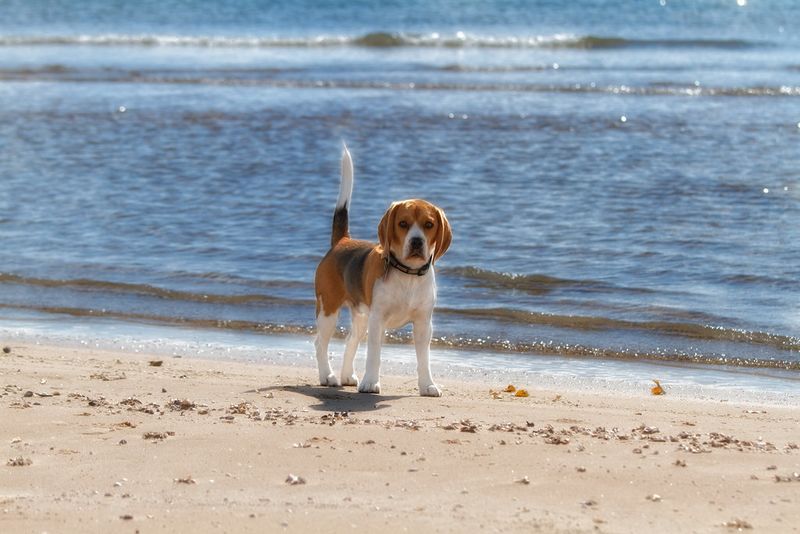
Noses first, everything else second. Beagles get passed over because people fear the bay or the stubborn streak.
In reality, they are curious detectives who love teamwork and snacks.
Use scent games, like hidden treats under cups, to make training feel like hunting. Long-line walks keep them safe while their nose explores.
Crate naps and steady mealtimes reduce barking. For families who enjoy outdoor rambles, a Beagle brings joyful enthusiasm.
Australian Cattle Dog
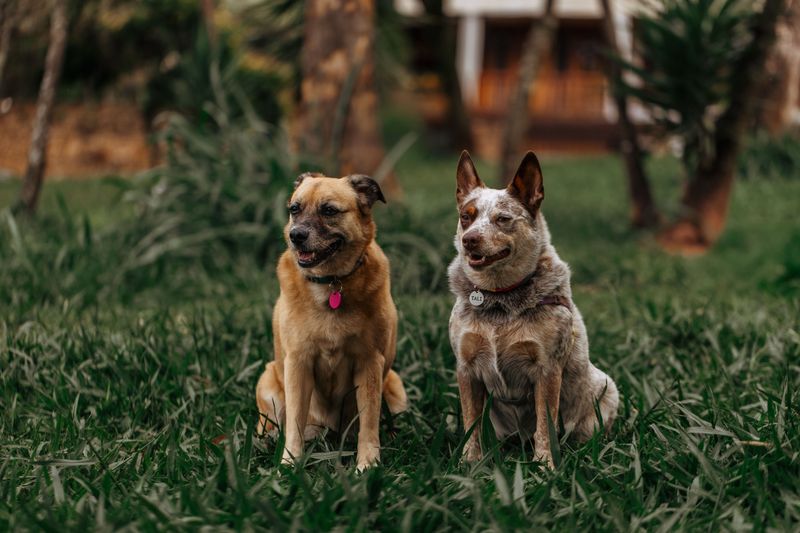
All grit, all brains. The Australian Cattle Dog can outthink an unprepared owner, which scares off casual adopters.
Without a job, they may herd ankles and invent mischief.
Set up real work: agility, frisbee, or farm chores. Teach advanced cues and rotate tasks to satisfy that busy mind.
Two quality workouts a day beat one long slog. Pair with calm downtime to prevent overdrive.
In the right home, they absolutely glow.
Rottweiler
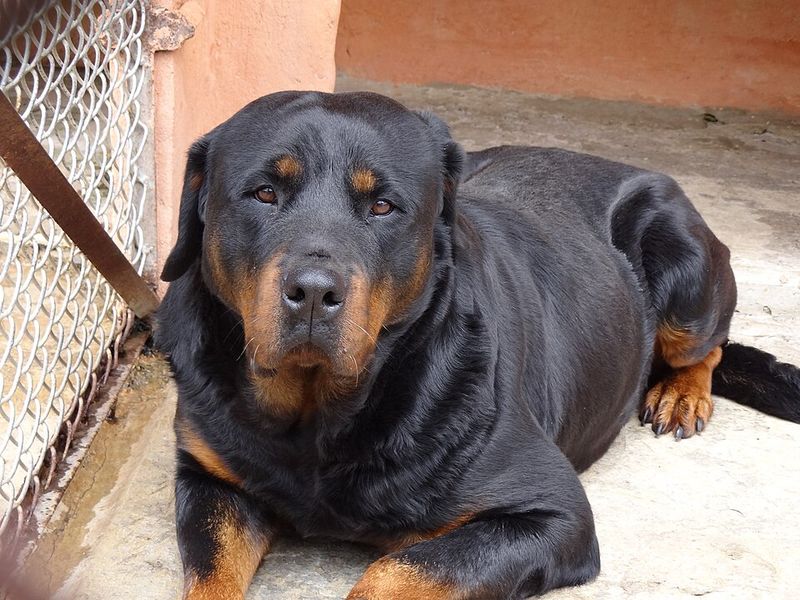
Broad chest, bigger heart. Rottweilers often get judged by size and rumors.
Many people miss their steady, people-focused nature because they look serious in a kennel run.
Commit to clear training, early social time, and controlled greetings. Teach place, wait, and leave it to show their manners.
Regular vet checks support joint health. Meet experienced fosters to learn about temperament.
Given thoughtful leadership, a Rottie can be a calm, protective family anchor.
Treeing Walker Coonhound
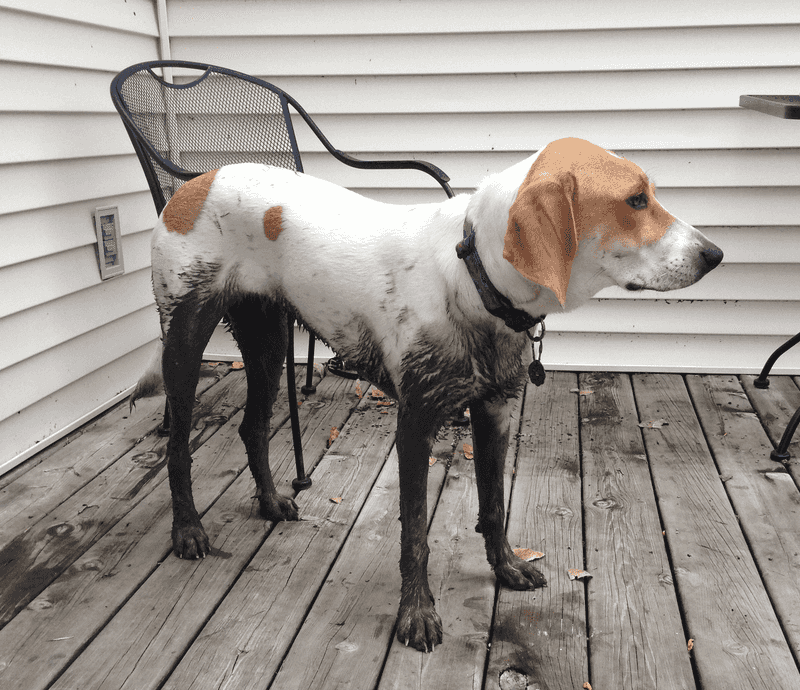
Built for night songs and forest trails, this hound shines at scent work. In shelters, their musical voice and slim frame confuse visitors who expect a quiet couch pup.
Popularity goes elsewhere, and they wait.
Offer long sniff walks, recall practice in safe fields, and cozy beds after exercise. Food puzzles and hide-and-seek reward their instincts.
With patience, you get a warm companion who greets you like you hung the moon.
Bluetick Coonhound
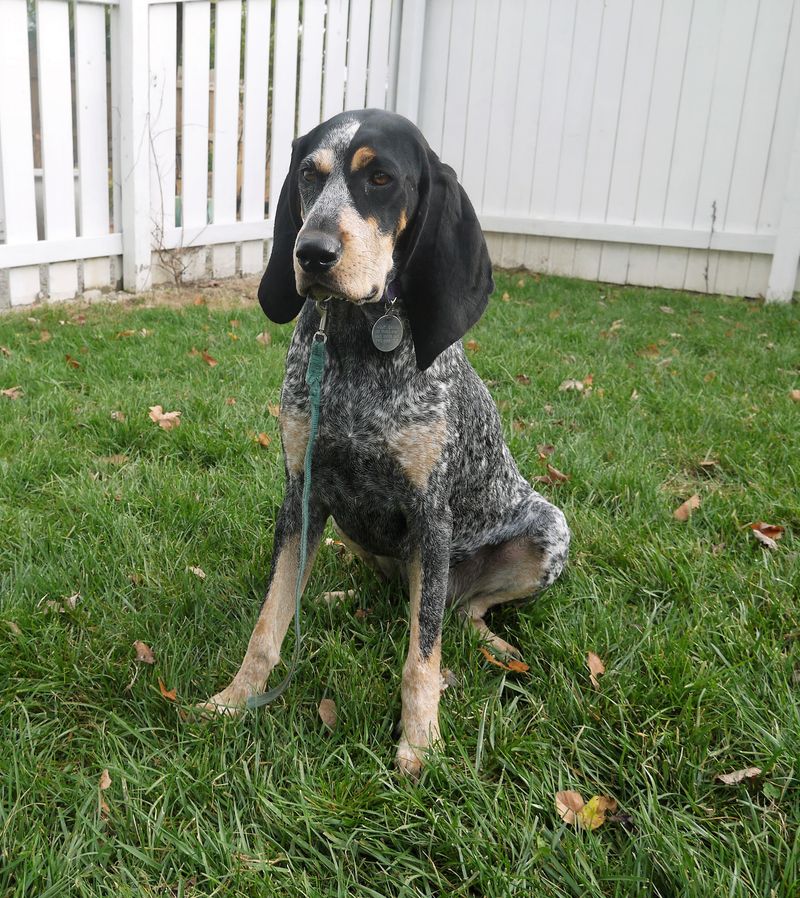
Speckles like starlight and ears that frame a kind face. Blueticks get ignored because people expect a nonstop howler.
Truth is, with exercise and guidance, they settle into a friendly rhythm.
Plan daily sniff hikes, then follow with quiet chew time. Teach a solid come-when-called using high-value rewards.
A comfy crate provides a safe den. If you love nature and gentle company, a Bluetick can trail beside you happily for years.
Plott Hound
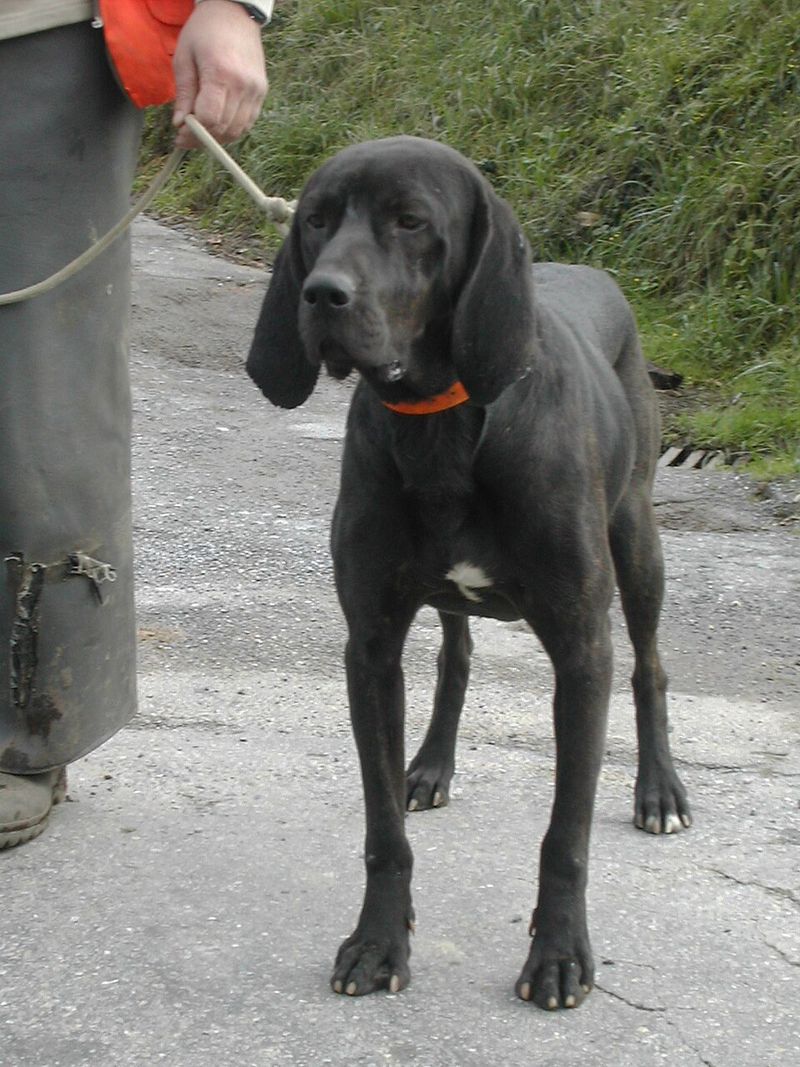
State dog of North Carolina, the Plott Hound rarely gets the spotlight. People walk past, unsure what to expect from a bear-hunting lineage.
What many miss is a brave, steady worker who bonds closely.
Give structured hikes, tracking games, and calm handling. Use scent-based rewards and teach loose-leash skills early.
Provide a warm bed and routine to balance drive. With the right mix of exercise and kindness, a Plott becomes a loyal trail friend.