
Across parks, training clubs, and city council meetings, prong collars are igniting arguments that feel personal. You hear stories of control, safety, and misunderstood tools on one side, and ethics, risk, and better options on the other.
The tension spikes when certain powerful breeds enter the conversation, because real life handling concerns meet evolving laws. If you want clarity, start by looking at the breeds people cite when the room gets loud.
Mastiff
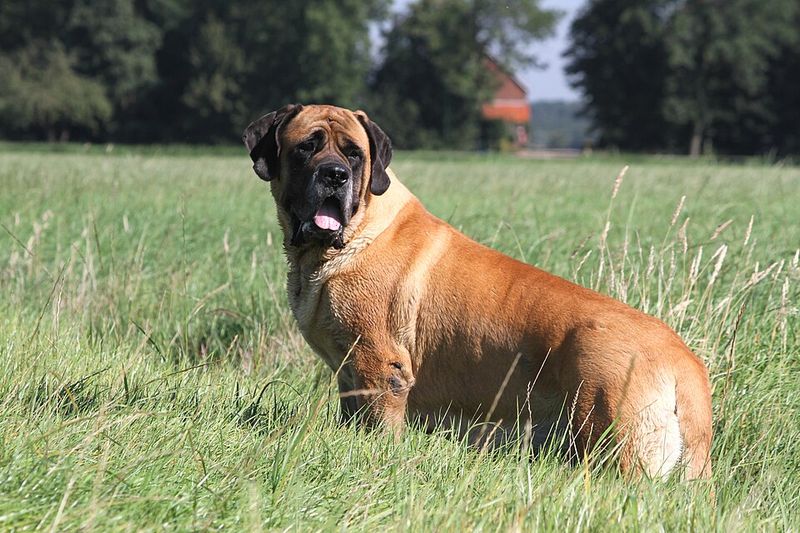
Mastiffs draw attention in prong collar debates because they are massive, strong, and surprisingly sensitive. You hear owners argue that their size demands serious equipment, especially in busy neighborhoods or crowded vet lobbies.
Others push for head halters, harnesses, and better timing, warning that harsh pressure can backfire with a soft hearted giant.
What really matters is training clarity and safety. Mastiffs respond to calm routines, predictable patterns, and short sessions that build impulse control.
You can layer in management like two leashes, body harnesses, and distraction proofing.
When policy makers discuss bans, Mastiff families worry about losing tools during emergencies. Balanced approaches, instructor oversight, and humane benchmarks can guide fair rules.
Everyone wants calm walks and reliable recalls.
Bullmastiff
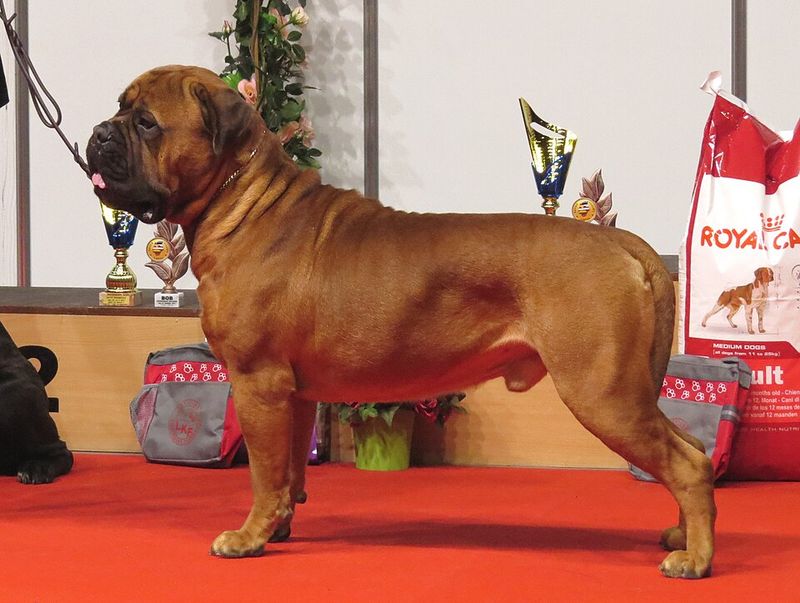
Bullmastiffs are compact powerhouses, often mentioned when control becomes the top priority. Some handlers claim a prong offers precise feedback for short, controlled outings.
Critics counter that drive management, reinforcement timing, and pattern games create smoother outcomes without risk.
These dogs thrive on clarity and quiet leadership. You can practice stationing on mats, strategic decompression, and reinforcing neutral behavior around strangers.
A front clip harness, double ended leash, and practiced U turns can transform tense sidewalks.
Policy discussions raise fairness questions. Should a tool be banned if misuse causes harm, even when proper use can help?
For Bullmastiffs, instructor screening, fit checks, and written training plans may balance public safety with owner needs.
Dogue de Bordeaux
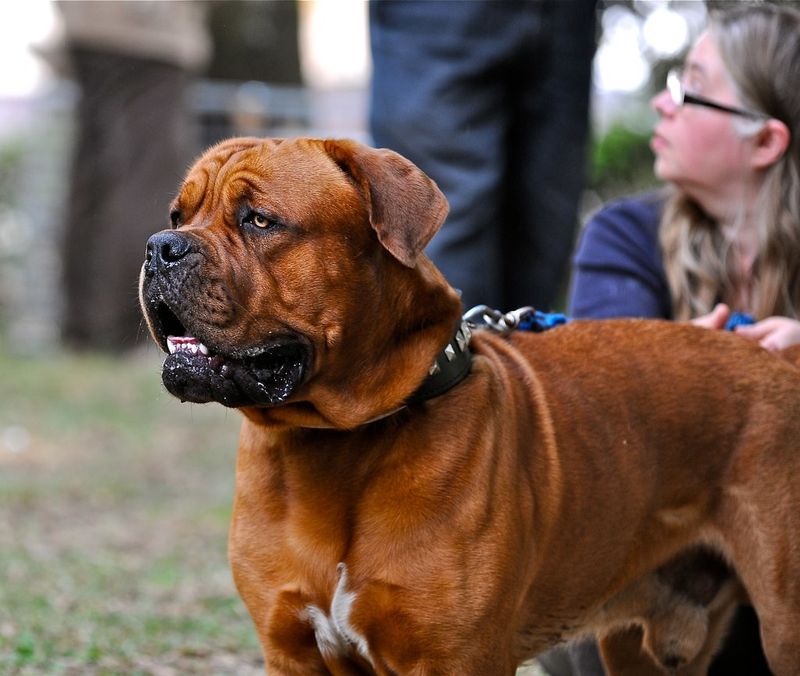
Dogue de Bordeaux owners often navigate strength, drool, and deep affection wrapped in one giant package. In heated debates, you hear worries about sudden lunges or stubborn plantings.
Some argue a prong prevents dangerous pulling, while others highlight desensitization, fit tested halters, and reinforcement for slack leashes.
These dogs appreciate short, frequent sessions with clear criteria and generous breaks. Focus games, figure eight heeling, and reward placement near the knee can help.
Teach calm greetings, default sit, and a reliable “let’s go.”
Lawmakers weighing bans need data and nuance. Require professional guidance, proof of fit, and training logs rather than blanket rules.
For this breed, consistency, kindness, and structure often reduce the need for any aversive tool.
Newfoundland
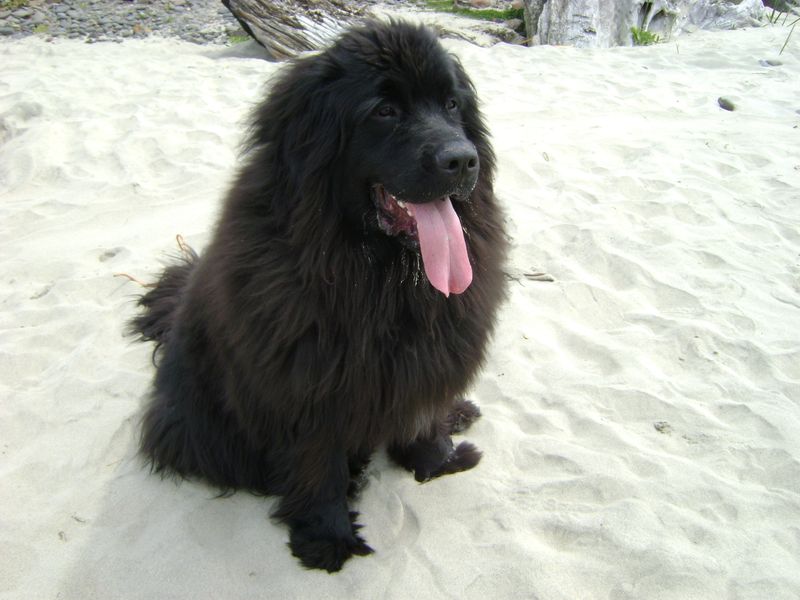
Newfoundlands are sweet natured giants, yet their size makes any pulling feel seismic. In arguments about prong collars, safety around slippery docks or icy sidewalks becomes the centerpiece.
Some handlers claim a prong offers emergency control, while behaviorists suggest strengthening reinforcement histories and environmental management.
Training these dogs benefits from water breaks, low arousal routines, and cooperative care. You can teach stand still, collar grabs, and calm leash cues.
A well fitted Y front harness distributes force more kindly and aids steering.
Policy makers should consider special accommodations for working water rescue dogs. Requiring trainer oversight, fit certifications, and alternatives tried first could satisfy both sides.
For Newfies, patience and conditioning usually outperform quick mechanical solutions.
Saint Bernard
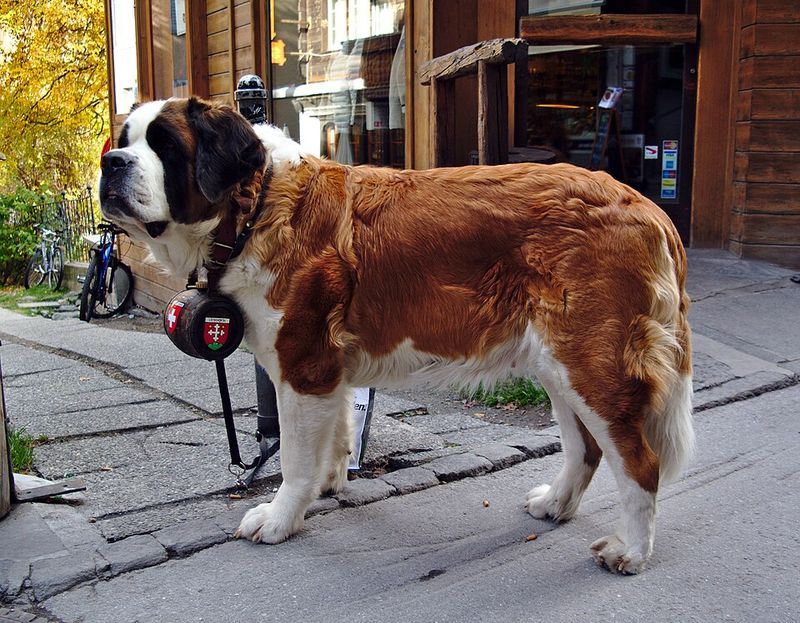
Saint Bernards show up in debates because of their mass and friendly, determined personalities. When they choose a direction, you feel the momentum.
Pro prong voices say precision helps, while others caution about pressure sensitivity and potential fallout.
Training plans that use pattern games, target sticks, and high value reinforcers often build better habits. Teach settle on a mat, step back recalls, and polite passing drills in narrow spaces.
A double leash system with a front clip harness adds safety.
Policy discussions should weigh public space access and handler capability. Requiring basic skills tests, continuing education, and humane hierarchy documentation could reduce conflict.
With Saint Bernards, thoughtful practice and routine usually keep the peace without sharp corrections.
Great Pyrenees
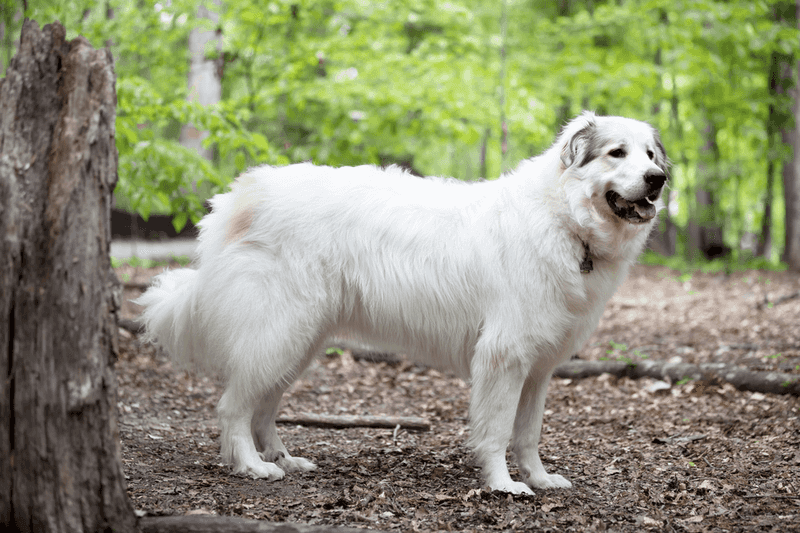
Great Pyrenees provoke spirited conversation because they are guardians with independent minds. Livestock instincts make city sidewalks tricky.
Some propose prong collars for control, while others prefer long lines, boundary training, and decompression walks away from triggers.
Success hinges on management and realistic expectations. Reinforce check ins, train relaxed stationing near gates, and use calm voice cues.
A sturdy harness, secure fencing, and predictable routines reduce conflict.
Policy makers should respect working roles in rural contexts. Bans without exemptions risk punishing responsible handlers protecting stock.
Requirements for trainer consultation, risk assessments, and humane alternatives tried first may offer a balanced path for this thoughtful, vigilant breed.
Leonberger
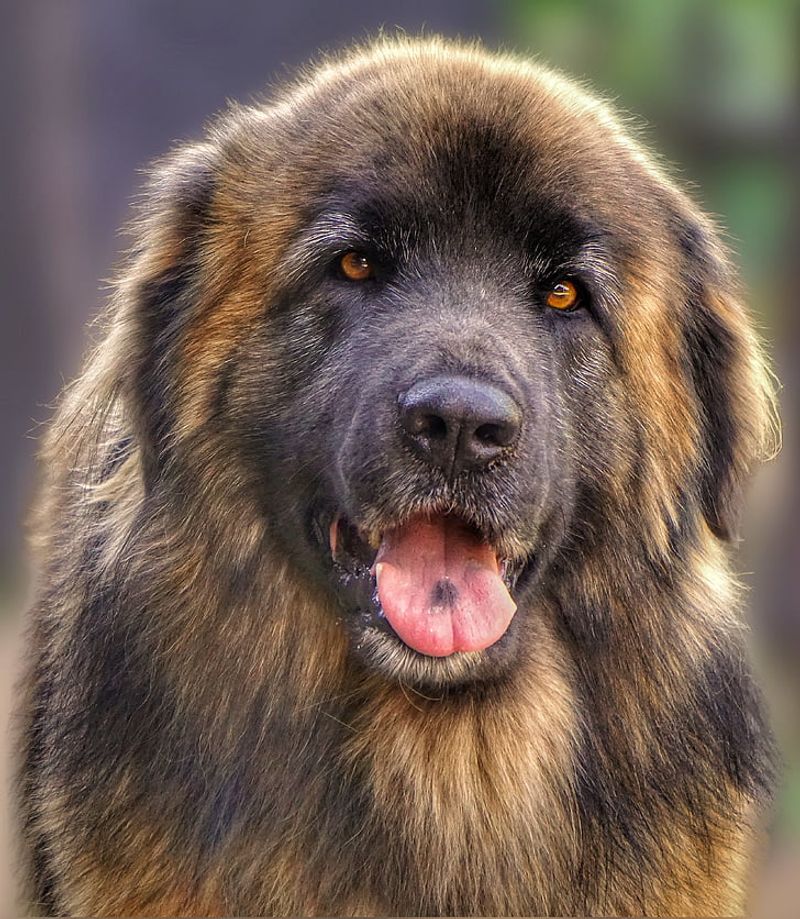
Leonbergers bring grace and heft, so handlers worry about sudden excitement around kids and strollers. Pro prong arguments cite precision during adolescent phases.
Opponents focus on cooperative care, reinforcement strategies, and building frustration tolerance.
These dogs respond to gentle structure, clear markers, and strategic reinforcement. Teach side switching, step behind turns, and stop with softness.
Condition handling gear early, including muzzles for vet visits, to reduce stress.
Policy debates benefit from middle ground. Mandate instruction on fit, limit force, and require demonstrable progress metrics when any aversive is used.
Most Leonbergers learn beautifully with rewards, environmental setup, and consistent expectations, making heavy handed tools less necessary for everyday life.
Anatolian Shepherd Dog
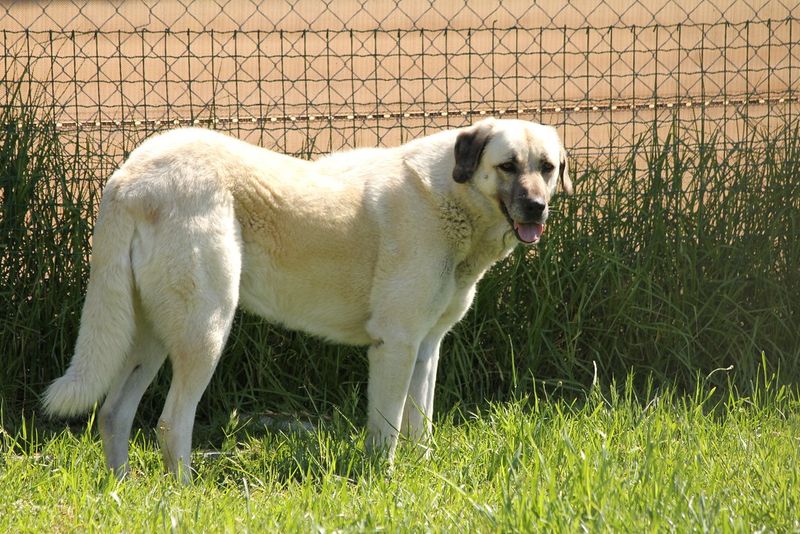
Anatolian Shepherd Dogs are serious guardians, and that intensity fuels policy arguments. Some owners want prongs for quick control during livestock encounters or stray dog run ins.
Others insist on conditioned recalls, long lines, and rock solid boundary training.
These dogs need mental work that respects their independence. Reinforce check ins at distance, practice relaxed body handling, and proof calm stands at gates.
Use secure fencing, double gates, and predictable exercise windows.
Policymakers should consider working exemptions with strict accountability. Require documented training plans, periodic assessments, and humane hierarchy steps before aversives.
When done well, management plus reward based training handles real world challenges while honoring the breed’s purpose and public safety needs.
Tibetan Mastiff
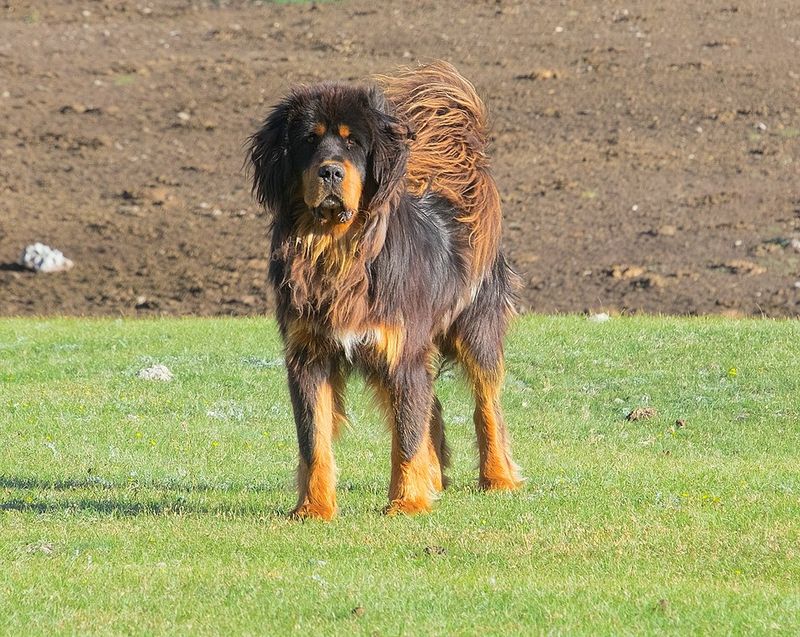
Tibetan Mastiffs are independent thinkers with watchful instincts, often cited when debates turn fiery. Some handlers argue prongs deliver clarity during surprise encounters.
Others warn that pressure can spike reactivity and urge careful social exposure, distance strategies, and strong conditioning.
For progress, prioritize calm routines and structured decompression. Reinforce voluntary attention, teach stand and wait at thresholds, and reward loose leash choices.
Consider martingales, long lines, and secure harnesses for redundancy.
Policy conversations should aim for precision, not blanket rules. Require trainer oversight, written progress logs, and tool fit checks.
With sensible management and patient reinforcement, many Tibetan Mastiffs become steady companions without heavy reliance on aversive gear.
Neapolitan Mastiff
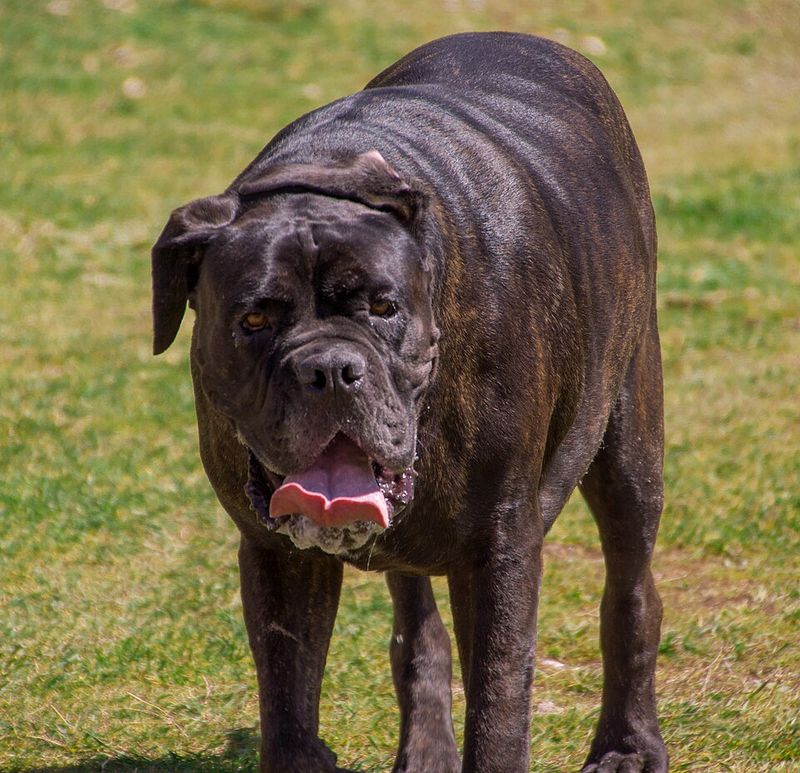
Neapolitan Mastiffs are imposing but soulful, and that contrast drives passionate arguments. Some owners feel safer with prongs in tight urban corridors.
Critics urge careful socialization, reinforcement based heel work, and body awareness games to protect delicate joints.
Because they are heavy, tool choice impacts comfort. Use padded harnesses, short sessions, and slow turns to reduce torque.
Reinforce calm stops, gentle sits, and cooperative care for vet handling.
Policy frameworks can prioritize welfare without shaming owners. Require fit verification, maximum pressure guidelines, and progress checkpoints if aversives appear.
For many “Neos,” consistent routines, environmental setup, and generous reinforcement win the day, building reliable behavior that makes restrictive tools unnecessary.
Caucasian Shepherd Dog
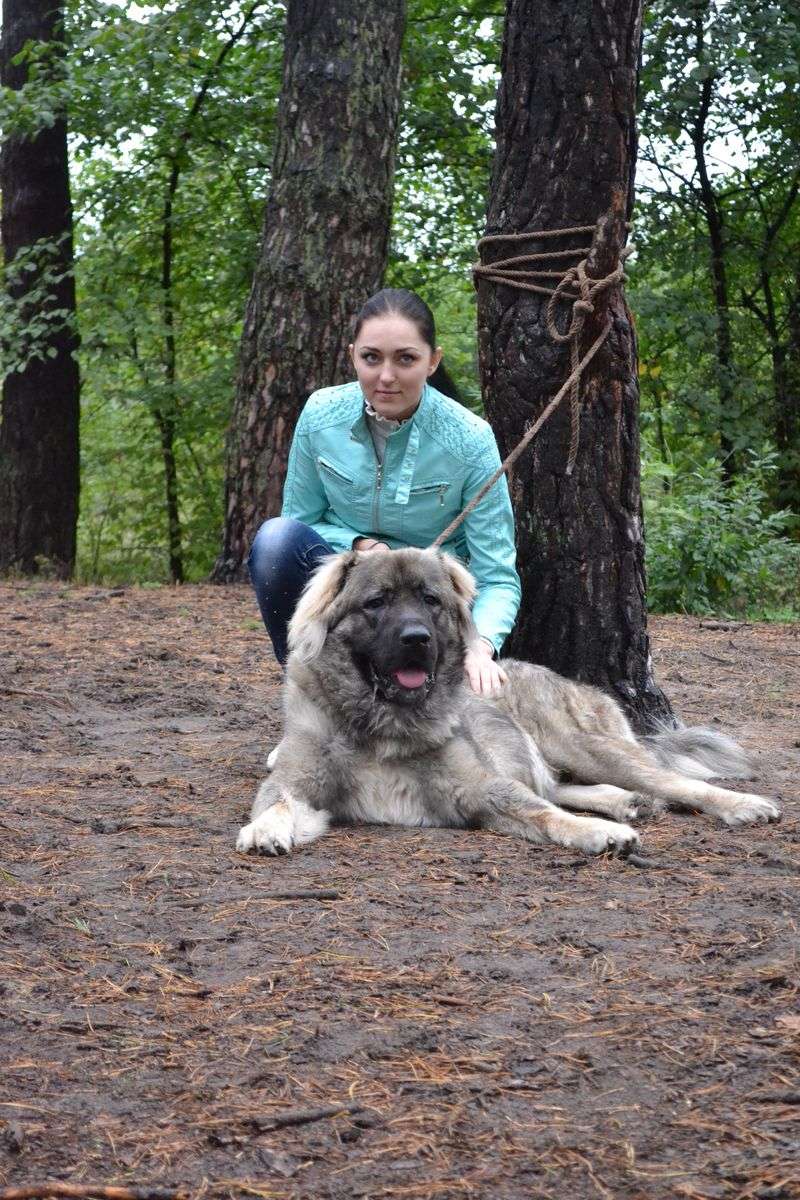
Caucasian Shepherd Dogs bring intense guardian instincts that challenge city life. In heated debates, advocates say prongs are about preventing disaster.
Opponents emphasize distance, predictable routines, and gradual exposure with long lines and barriers.
Training succeeds when safety and respect drive choices. Reinforce quiet scanning, teach emergency U turns, and practice stationing behind legs.
A double leash setup to a sturdy harness adds redundancy.
Policy makers could pair exemptions with strict accountability. That means instructor sign off, documented milestones, and humane hierarchy adherence.
With careful management and patient reinforcement, many guardians stay composed in public, reducing reliance on aversive tools while addressing legitimate handling concerns.
Central Asian Shepherd Dog
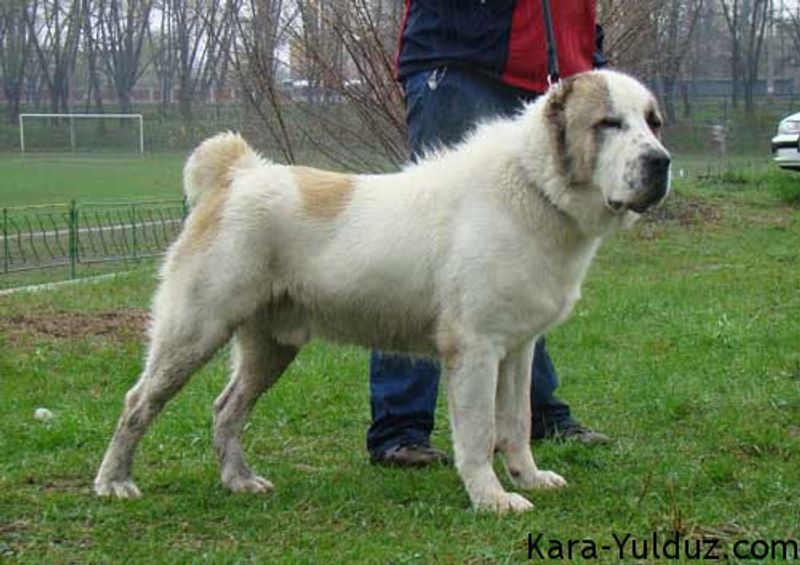
Central Asian Shepherd Dogs are formidable protectors, so control debates often spotlight them. Some handlers trust prongs for split second leverage.
Others argue for long term solutions like boundary proofing, reinforcement based recalls, and controlled introductions.
These dogs benefit from calm handlers and clear jobs. Reinforce stationing near gates, teach relaxed heel with frequent breaks, and build mat work around livestock areas.
Use head halters carefully with conditioning to avoid resistance.
Policy compromises might require education, fit checks, and data tracking. If aversives are used, demand written plans and sunset reviews.
With thoughtful management and strong reinforcement histories, many Central Asians navigate public spaces safely without heavy reliance on high pressure tools.