
Protective does not have to mean high strung or overbearing. Some breeds watch their world with quiet confidence, stepping in only when the moment truly calls for it.
If you want a guardian that reads the room and acts with steadiness, these dogs deliver. Explore how thoughtful instincts, not bluster, create real peace of mind.
Greyhound
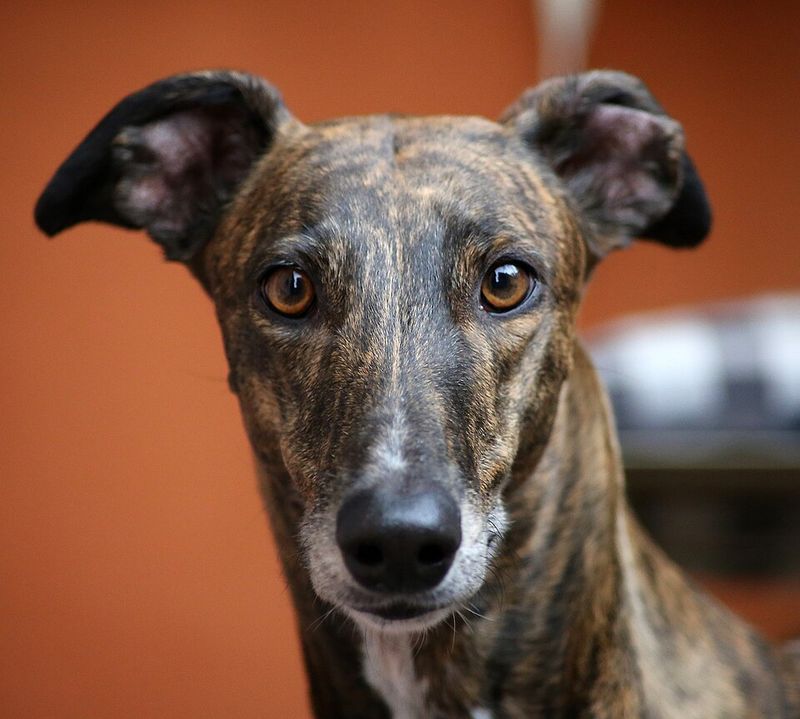
Greyhounds are famously fast, yet their everyday vibe is surprisingly calm. Around the home, their protective nature shows up as watchful presence rather than constant patrolling.
They observe quietly, then decide if action is necessary, which helps maintain a peaceful environment.
Because they are sensitive and perceptive, Greyhounds read human energy well. You will notice them tune in to tone, pace, and intention, picking up on subtle changes before anyone else.
When something feels off, they are more likely to stand close, give a soft alert, and monitor the situation.
Proper socialization and clear routines bring out their steady side. They prefer fairness over force, and gentle guidance over harsh corrections.
With consistent training, their decisions stay balanced and thoughtful.
Whippet
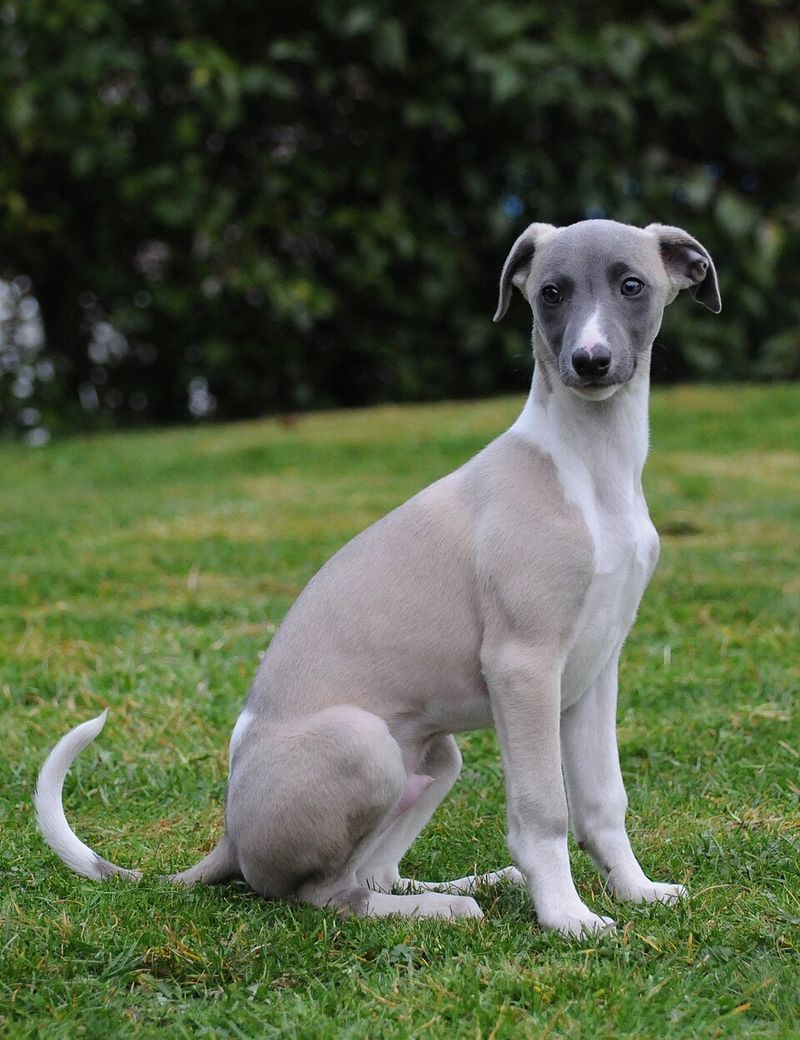
Whippets share the Greyhound’s composure but in a smaller package. Their protective sense is subtle: they notice new sounds, assess them, and often settle once they confirm everything is fine.
This thoughtful pause reduces false alarms and keeps tension low.
Expect a quiet companion that values routine and gentle handling. You will find Whippets gravitate toward familiar people and places, using closeness as reassurance rather than dramatic displays.
If genuinely concerned, they will position themselves between you and the source, ready but not frantic.
Reliable impulse control comes from short, positive training sessions. Enrichment, soft bedding, and predictable walks keep their minds centered.
With patience, their responses become measured, resulting in a nurturing guardian presence.
Great Dane
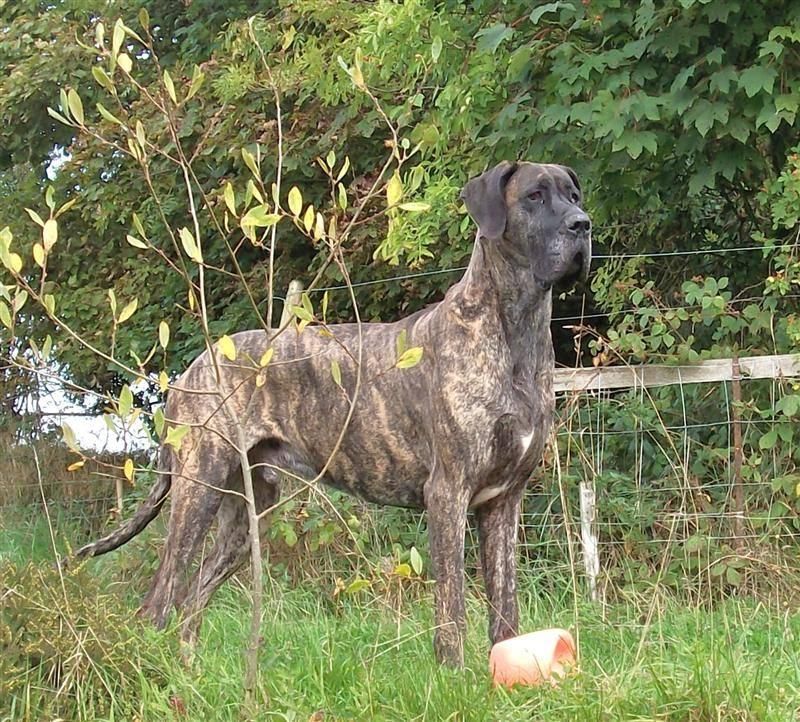
Great Danes project calm authority without bluster. Their size alone discourages trouble, but their brains seal the deal.
Rather than barking endlessly, they evaluate first, then decide how to respond, which is ideal for homes wanting a steady guardian.
Danes bond deeply and track household rhythms closely. You will see them position themselves near entryways or children, acting like soft sentinels.
If concern rises, they give a low, decisive warning before escalating, demonstrating thoughtful restraint.
Structured socialization builds their confidence in varied settings. Positive reinforcement prevents overreaction and supports levelheaded choices.
Keep exercise moderate and training consistent, and your Great Dane will blend gentle companionship with reliable protection.
Newfoundland
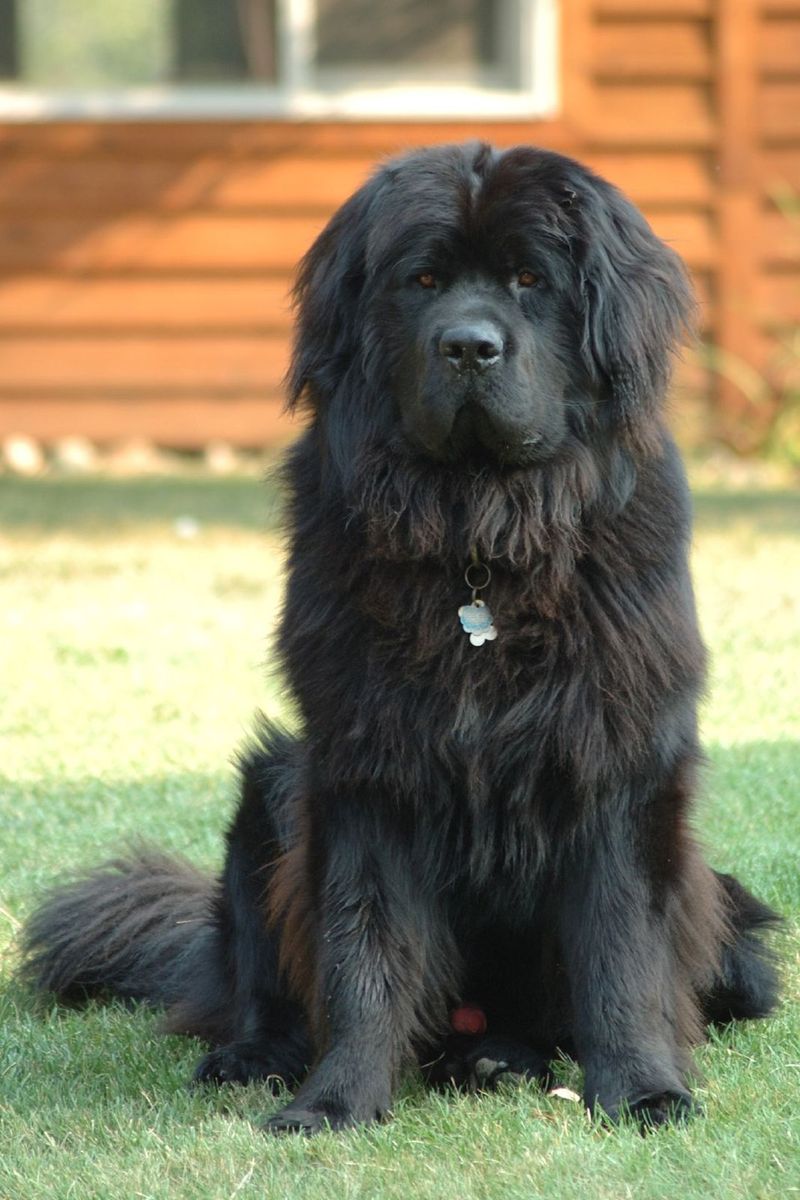
Newfoundlands are renowned for rescue instincts and even tempers. Their protective style focuses on prevention and support rather than confrontation.
They assess risk calmly, often placing themselves between family and potential danger with quiet confidence.
These dogs are tuned to human emotion, which helps them make measured choices. You will notice gentle nudges, body blocks, and watchful eyes instead of dramatic reactions.
They excel in homes that value patience, empathy, and predictable routines.
Early water exposure, polite greetings, and loose leash skills nurture balanced behavior. Reward clear check ins and de escalate tense moments with calm guidance.
With consistent expectations, a Newfoundland becomes a soothing presence and a steadfast guardian.
Basset Hound
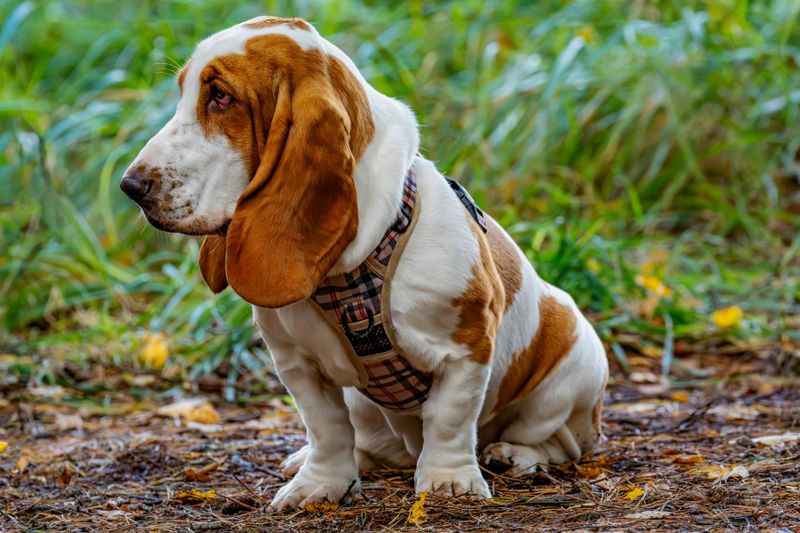
Basset Hounds are more measured than many expect. Their tracking heritage makes them observant, but their demeanor stays unhurried.
When something changes, they pause, sniff it out, and choose a response that fits the situation.
You will appreciate their stable presence in busy households. They use voice sparingly and prefer proximity for reassurance.
If a knock or unfamiliar sound occurs, they alert, then settle once you confirm all is well.
Encourage steady decision making with scent games and calm leash work. Positive reinforcement builds reliability without crushing independence.
With fair rules and a relaxed routine, a Basset becomes a grounded guardian that prioritizes clarity over chaos.
Clumber Spaniel

Clumber Spaniels are gentle powerhouses known for deliberate movement and level minds. Their protective nature shows in quiet watchfulness, not overt bravado.
They tend to analyze before acting, which suits homes seeking low drama stability.
These dogs love predictable routines and kind leadership. You will find them shadowing you through the house, content yet ready to step forward if needed.
When genuinely concerned, they use posture and presence rather than noisy escalation.
Focus on slow, clear training sessions to reinforce choice making. Nose work, retrieve games, and cooperative care build confidence.
With patience and praise, a Clumber’s decisions skew thoughtful, creating reliable guardianship wrapped in mellow charm.
Tibetan Spaniel
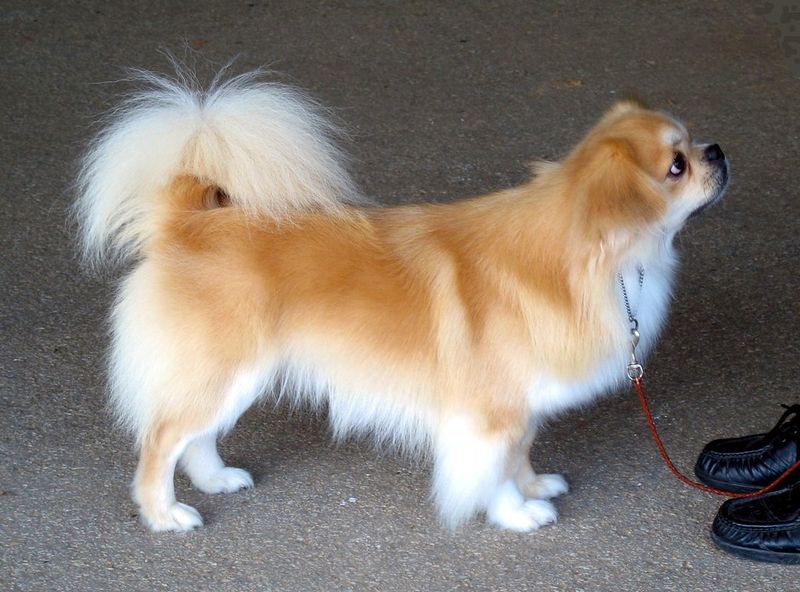
Tibetan Spaniels were bred to watch from monastery walls, and that heritage still shines. They are perceptive, tuned to sound and movement, yet they seldom overreact.
Instead, they evaluate and offer concise alerts.
You will notice them choosing strategic viewpoints around the home. They prefer partnership over pressure, checking in with you when something feels uncertain.
If concern escalates, they stand tall, signal clearly, then reassess once the environment settles.
Socialization with calm, confident exposures keeps reactivity low. Reward thoughtful pauses, and teach a reliable quiet cue.
With consistent, kind guidance, Tibetan Spaniels deliver measured protection paired with affectionate companionship.
Japanese Chin
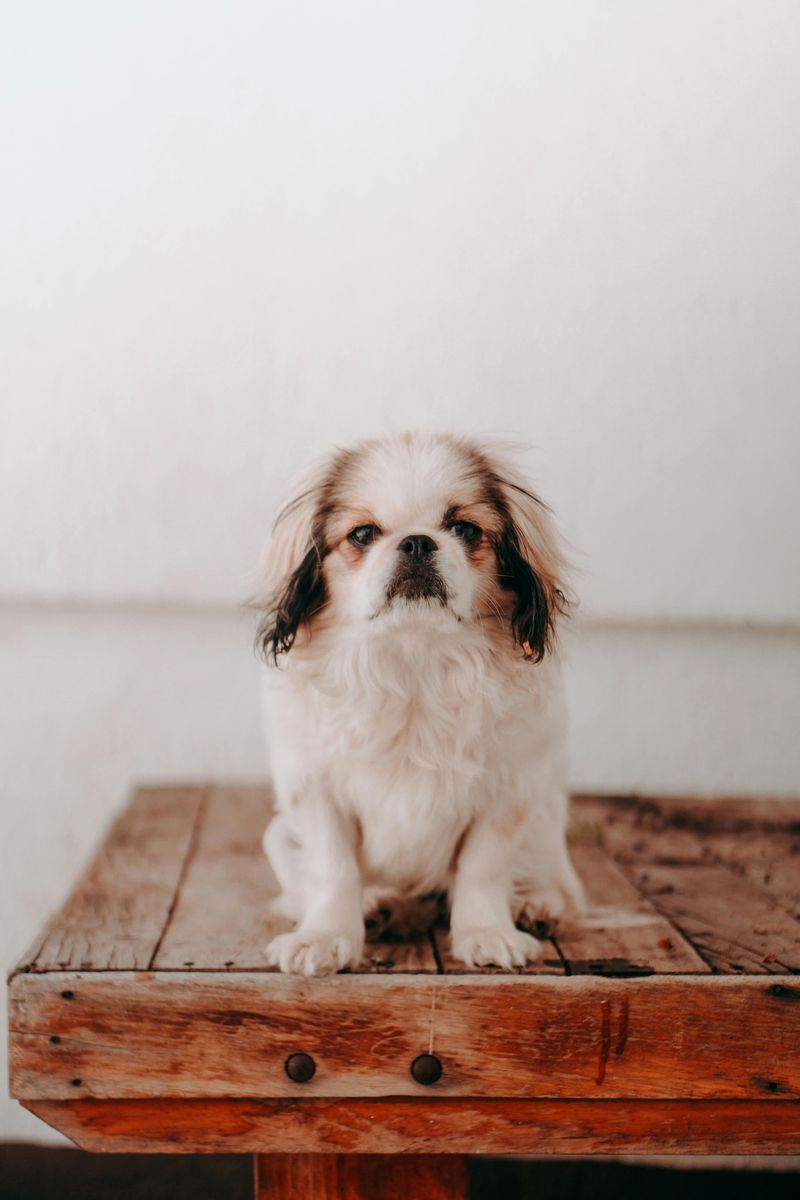
Japanese Chin combine sensitivity with poise. Their protective style is social and intuitive, using eye contact and body language to check in rather than alarm.
They notice disruptions quickly and choose quiet alerts before deciding to escalate.
Expect a companion that values subtle communication. You will see head tilts, gentle paws, and proximity when reassurance is needed.
They prefer respectful handling and thrive when the home energy stays balanced.
Teach a go to mat cue and reward calm observation. Short, positive sessions build confidence without overwhelming them.
With thoughtful routines, a Japanese Chin becomes a graceful guardian that prioritizes steady, relationship driven choices.
Shikoku
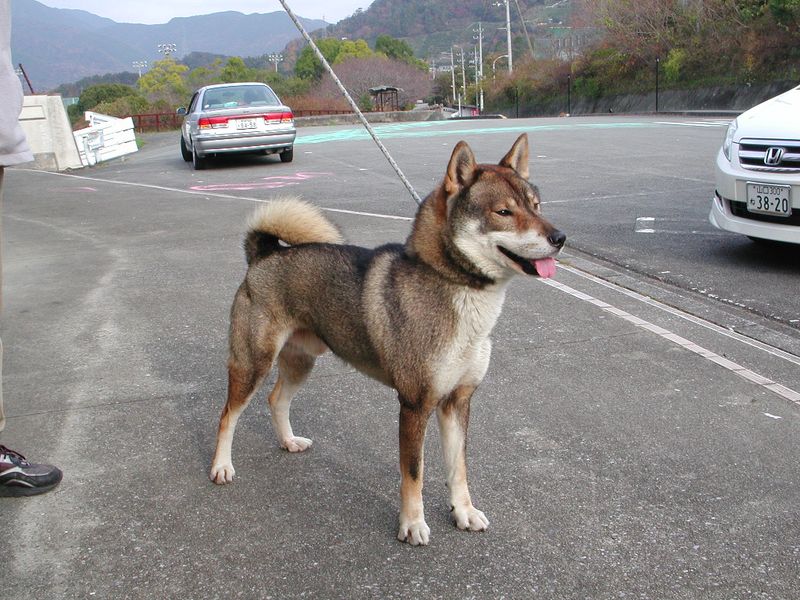
Shikoku dogs are keen observers with a balanced working mindset. Their protective instincts are steady, rooted in confidence rather than intensity.
They assess from a grounded stance and act with purpose when needed.
You will find them devoted yet independent, preferring clear boundaries and meaningful tasks. They read terrain and people well, often choosing a calm watch over noisy alerts.
If pressure rises, they respond cleanly, then settle quickly.
Consistent training, enrichment, and respectful handling keep decisions measured. Practice structured hikes, recall games, and check ins.
With thoughtful leadership, a Shikoku offers composed protection and enduring loyalty.
Kai Ken
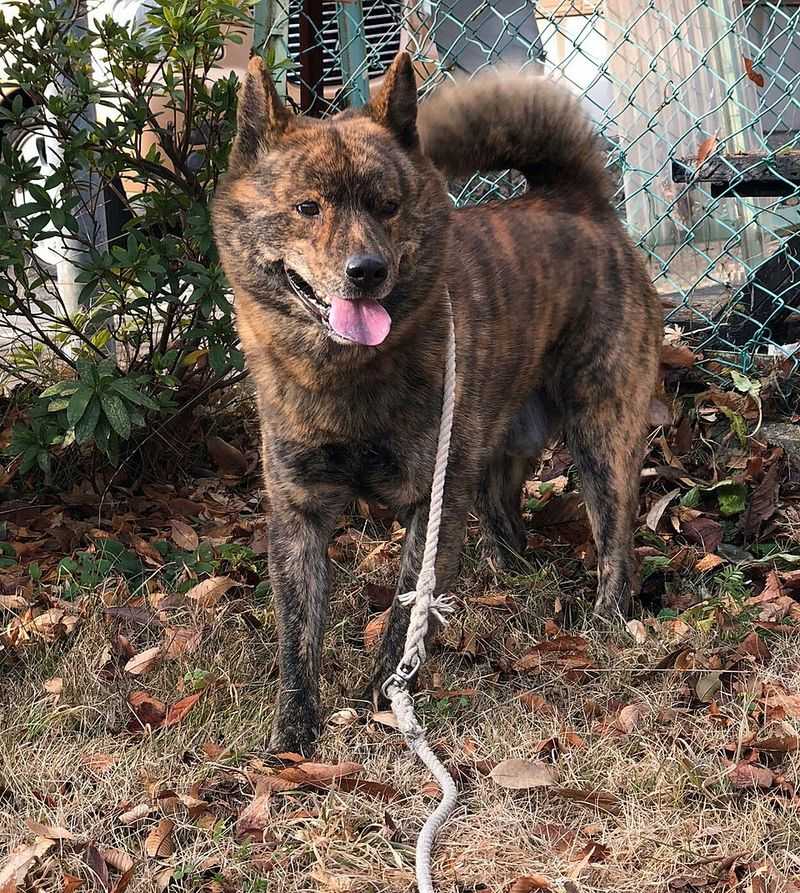
Kai Ken bring quiet courage and discernment to guardianship. Their natural caution is not fear, but thoughtful observation.
They prefer to confirm, commit, and then conserve energy once the moment passes.
At home, you will notice methodical patrols and relaxed downtime. They value trust and clarity, responding best to patient, consistent training.
When concern arises, they position strategically and hold steady rather than rushing in blindly.
Channel their instincts with tracking games and controlled introductions. Reward soft alerts and clean disengagements.
With supportive structure, a Kai Ken remains a composed, capable protector with a calm center.
Norwegian Elkhound

Norwegian Elkhounds balance endurance with thoughtful judgment. Historically hunting partners, they learned to stay composed under pressure.
That same steadiness translates to home life, where they assess, signal, and stand their ground without undue drama.
You will see confident posture and responsive focus. They like structure and clear communication, which reduces pushiness and sharpens decision making.
When truly needed, they are decisive, then return to calm quickly.
Engage their minds with scent work and directional cues. Consistent recall, boundary games, and polite greetings go a long way.
With fair leadership, an Elkhound provides reliable protection wrapped in spirited, even tempered companionship.
Keeshond
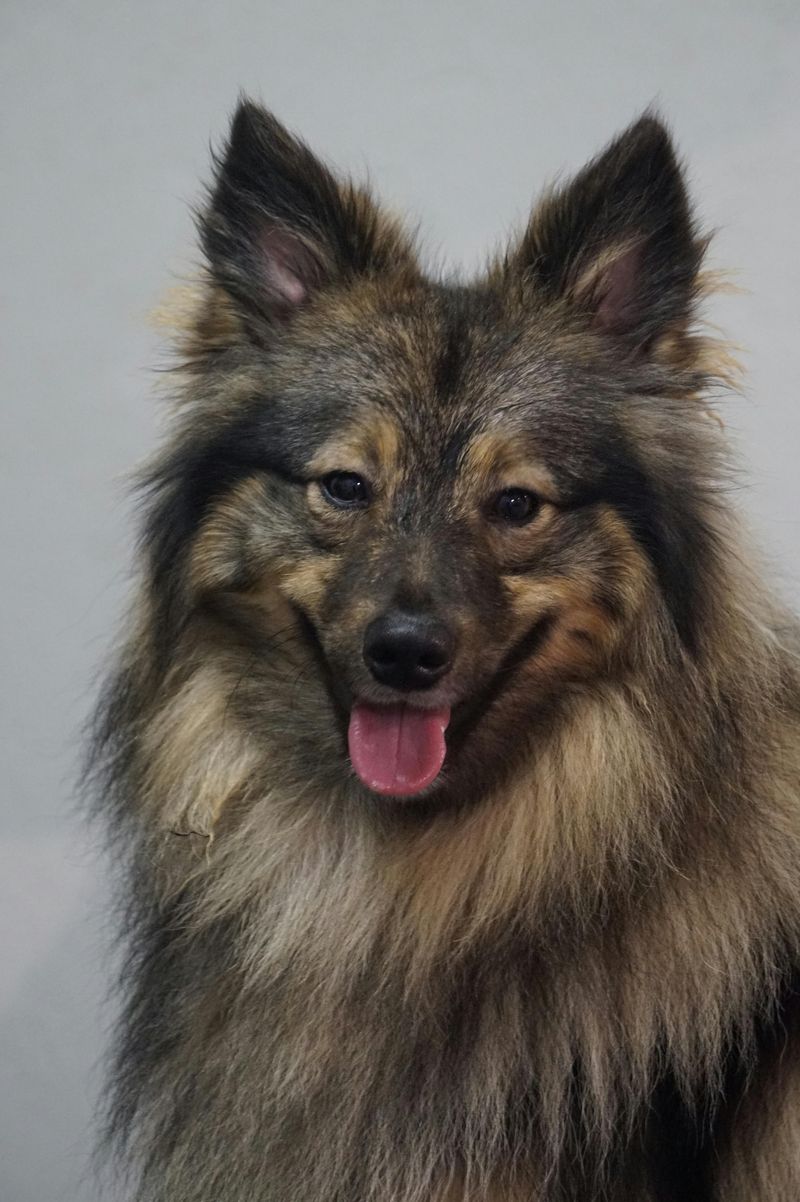
Keeshonden are famously people oriented, which fuels mindful watchfulness. They enjoy alerting, but when trained thoughtfully, they shift to selective, purposeful signals.
This helps the household stay calm while still feeling well protected.
You will appreciate their eagerness to collaborate. They check in often, seeking guidance before turning up the volume.
With practice, they learn to observe quietly, then act only when you cue or the situation clearly warrants it.
Teach a speak and quiet pair, reinforce place training, and reward recovery to neutrality. Daily enrichment and social outings build resilient confidence.
The result is a cheerful, steady guardian that chooses clarity over noise.