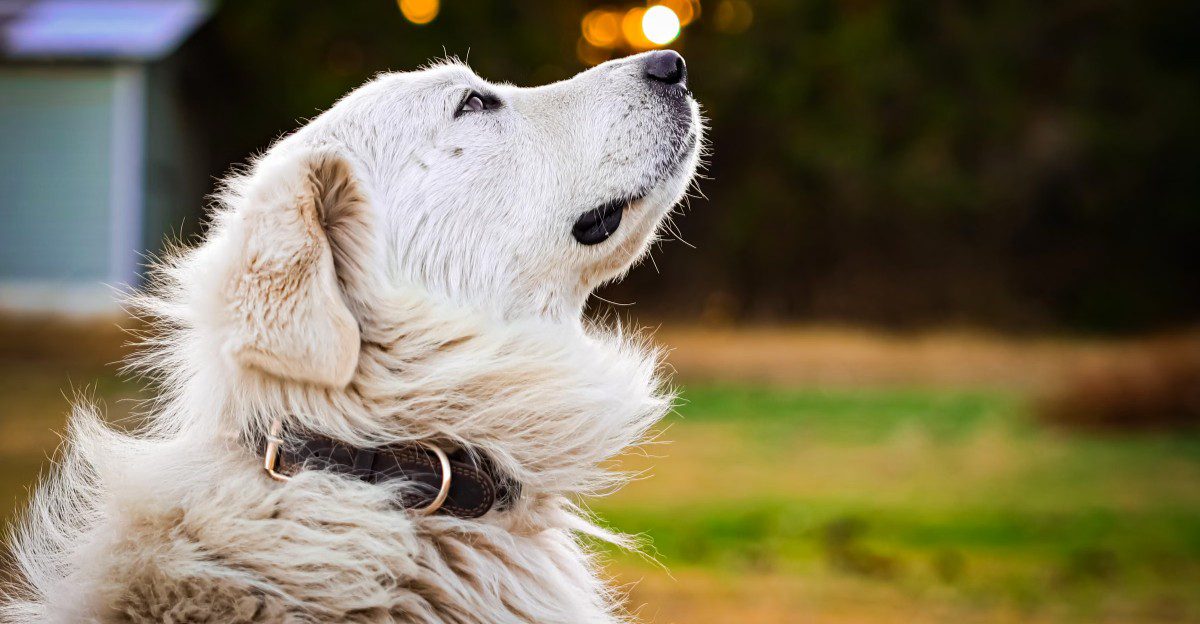
Puppies can be wild and silly, but some arrive with a calm, thinking side that surprises people. These breeds notice little things, read the room, and learn patterns fast.
Understanding that quiet focus helps you train better, reduce mistakes, and keep your dog happy. Meet ten breeds that often bring thoughtful habits along with their zoomies.
Rottweiler – the steady watcher
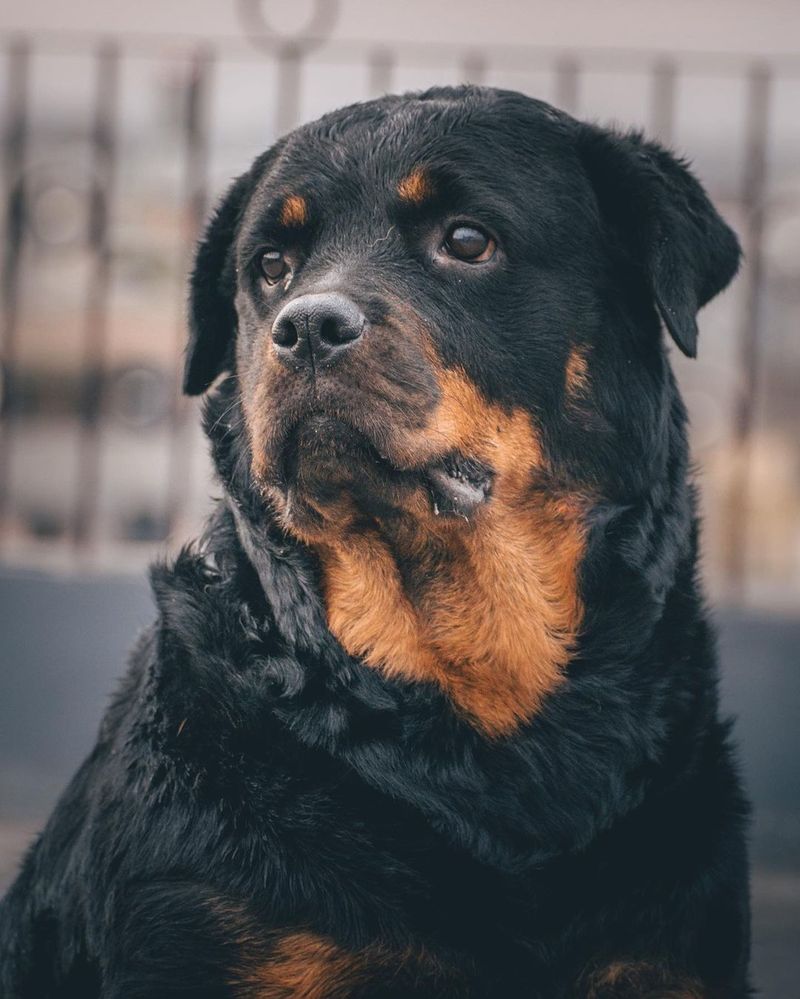
With a look that says, I am paying attention, many Rottweiler pups study their people before jumping in. They track routines, then act with purpose.
That steady gaze is not stubbornness. It is decision time.
Give simple jobs like carrying a soft toy or waiting at doors. Quiet praise works better than loud cheerleading.
Short training bursts, then calm rest, keep their minds sharp and attitudes sunny. History bonus: they once guarded carts and markets.
Akita – the dignified thinker
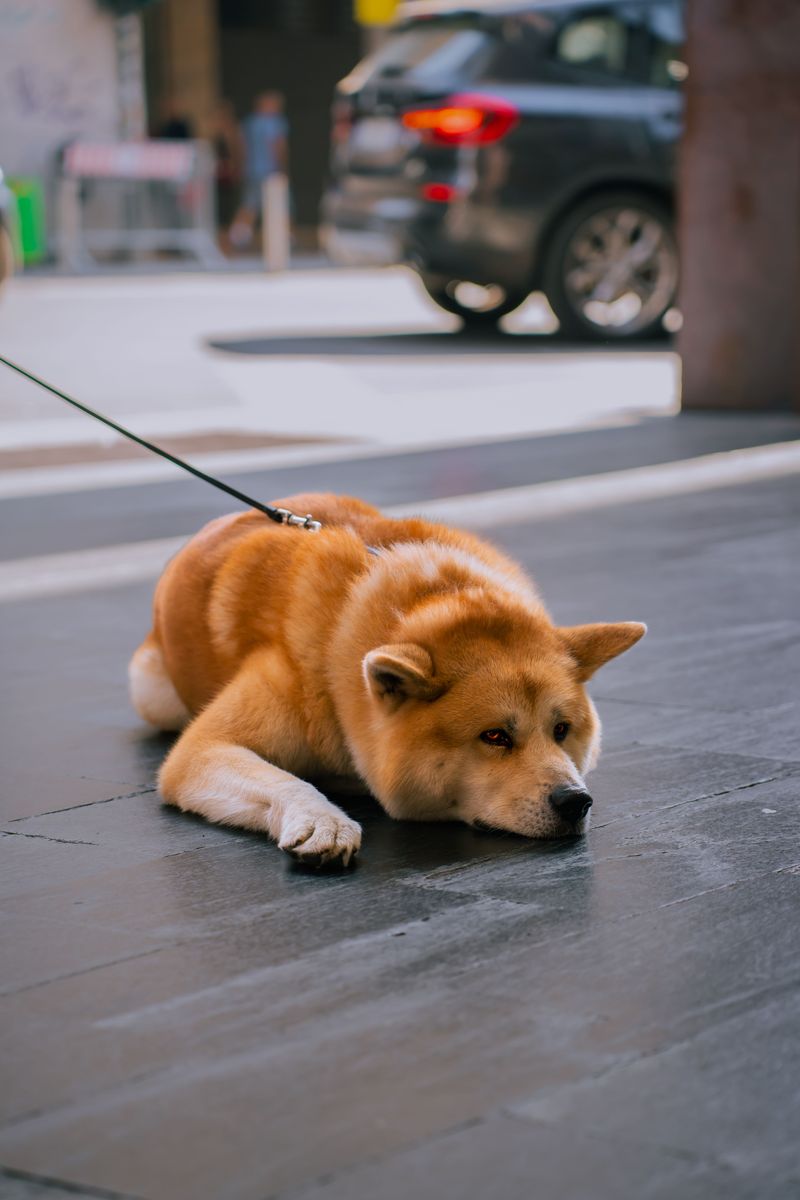
First impressions hint at pride, but look closer and you will see careful choices. Akita puppies often pause, observe, and then engage on their terms.
That patience can feel mysterious, yet it is simply thoughtful.
Use calm, consistent rules and low-drama feedback. Teach respectful greetings and clear boundaries early.
Puzzle toys that reward careful paw work are a hit. A fun fact: Akitas were trusted companions of samurai households, which explains their composed style.
German Shepherd – the eager problem solver
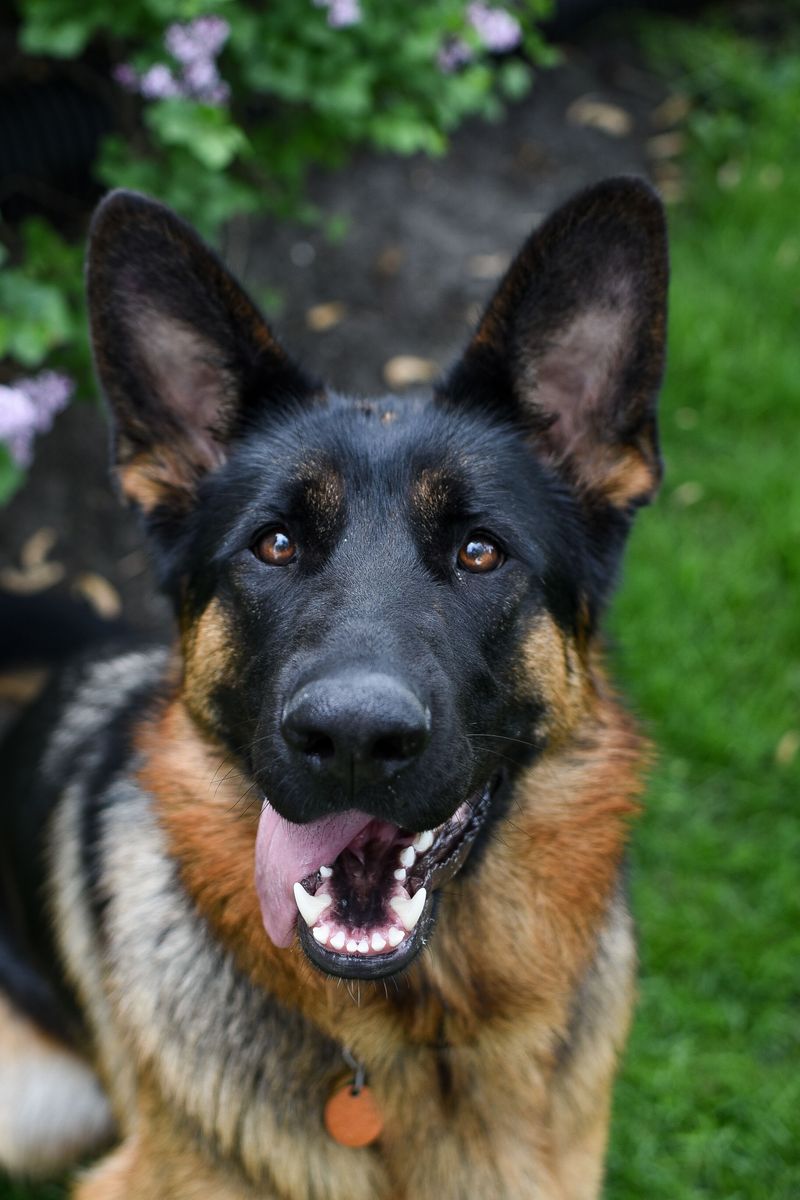
Curiosity fuels everything for many German Shepherd pups. They love figuring out where, how, and why.
That drive can look intense, but it is fantastic for learning real-life skills quickly.
Channel the energy into tracking games, simple agility, and steady obedience. Keep cues clear and rewards timely.
Rotate tasks so the mind stays fresh and confident. Historical tidbit: they were built for herding and service work, which explains their focus on timing, patterns, and responsibility.
Great Dane – the gentle ponderer
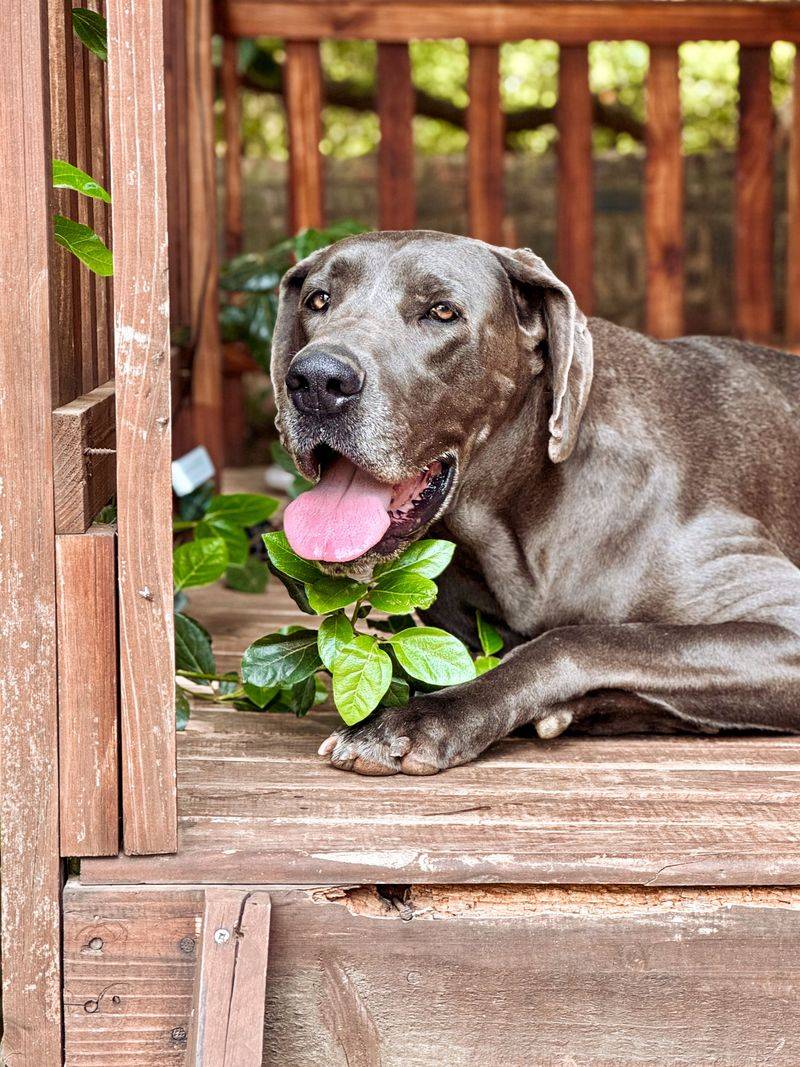
Big paws, bigger heart, and a surprisingly careful mind. Many Great Dane pups study faces before choosing what to do next.
They often prefer slow hellos and clear guidance.
Train with quiet confidence, steady routines, and soft landings on slippery floors. Keep lessons short so joints and attention stay happy.
Teach polite leash skills early to match their future size. Trivia: called the Apollo of dogs, they blend statuesque looks with thoughtful patience in busy homes.
Rhodesian Ridgeback – the cool strategist
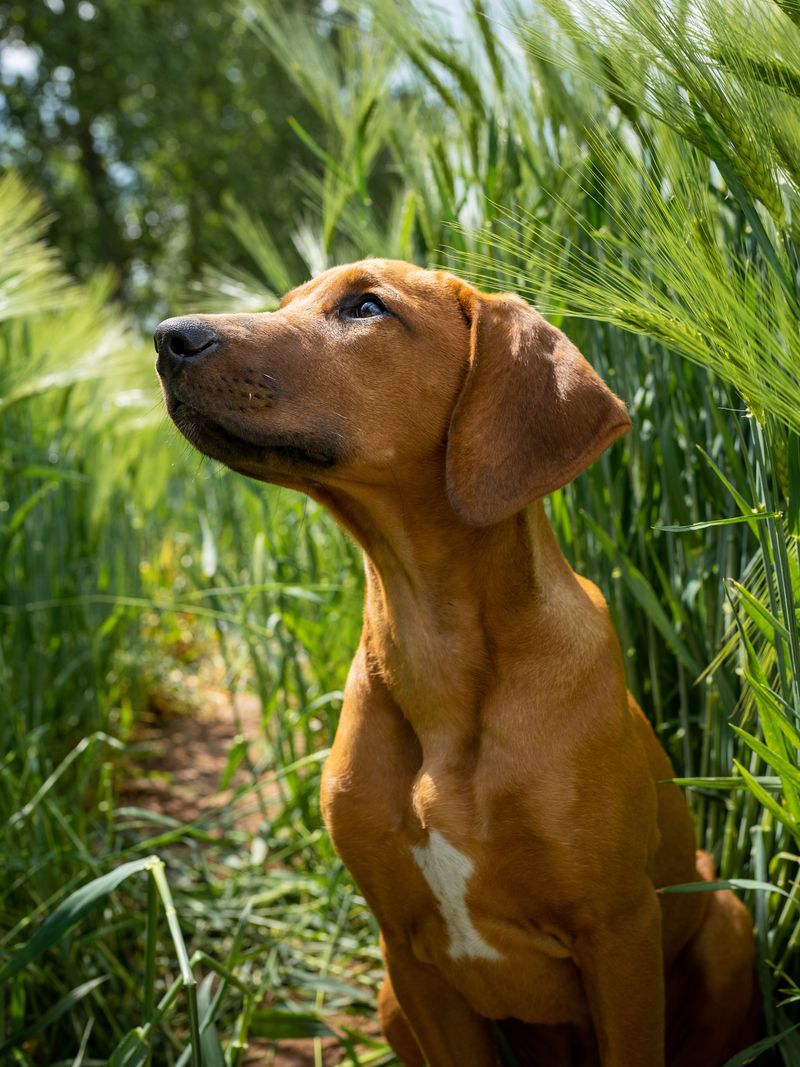
Not every smart pup shows off. Many Ridgeback youngsters think first, then move.
You might see a quiet scan of the path, followed by a confident choice. That is strategy at work.
Use scent games, recall drills, and calm exposure to wildlife sounds. Reward check-ins with you.
Keep training fair and interesting, not repetitive. Origin note: bred in southern Africa to track and hold game, they value judgment and teamwork, even at a young age.
Standard Schnauzer – the witty organizer
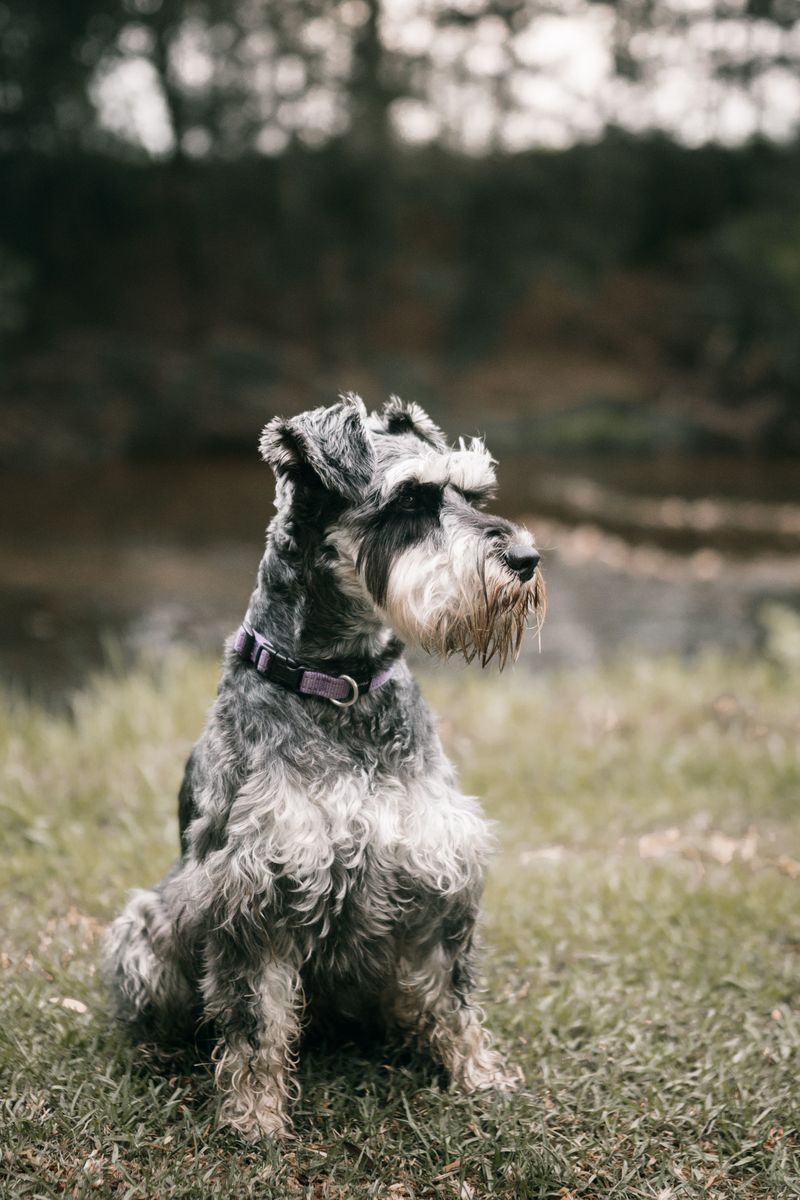
Eyebrows that ask questions and a brain that loves order make this youngster memorable. Standard Schnauzer pups often gather toys into neat piles, then wait for what comes next.
Offer brain games, nose work, and tidy-up cues like put it in the basket. Keep sessions lively and end while interest is high.
Balanced exercise plus chores prevents boredom mischief. History peek: farm roots gave them many jobs, so organizing and alert thinking came naturally.
Bullmastiff – the calm guardian-in-training
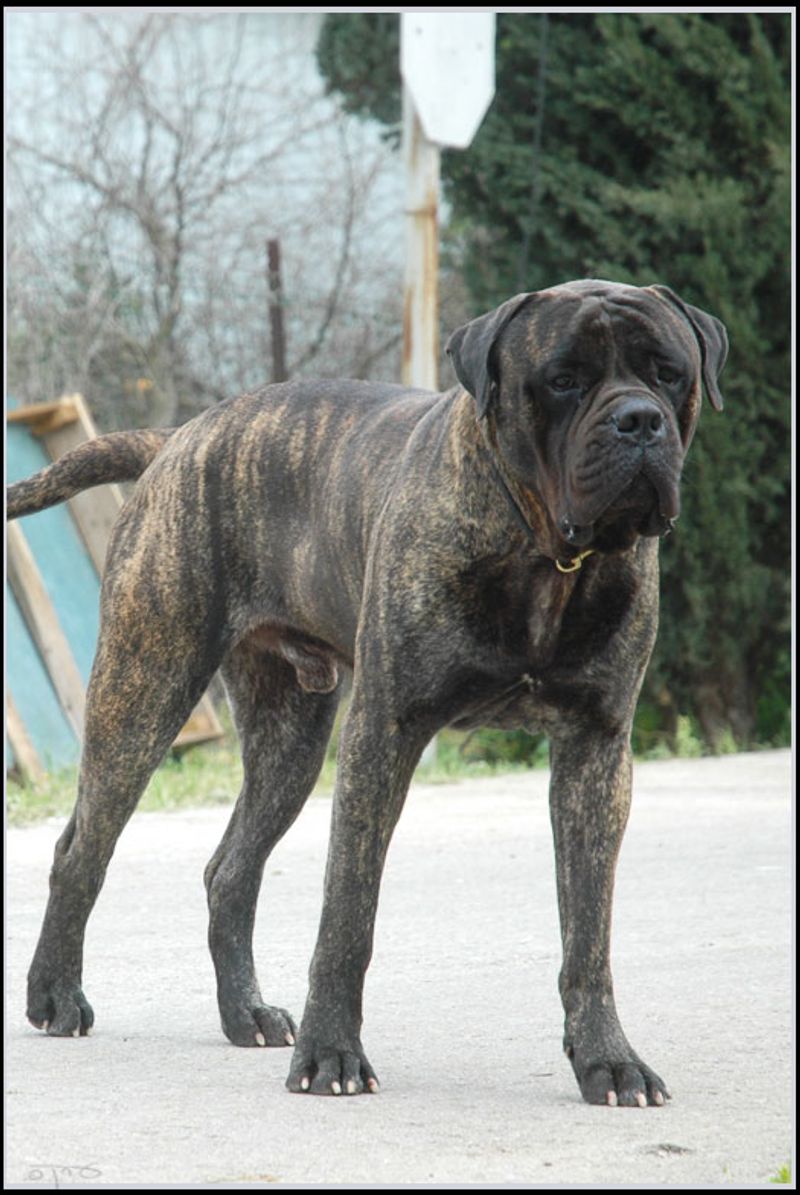
Big and careful, many Bullmastiff pups prefer to watch before acting. They understand stillness can be powerful.
That calm presence helps them learn house rules quickly.
Practice relaxed leash walks and steady sits at thresholds. Reward peaceful choices, like choosing a mat during chores.
Short, positive lessons protect growing joints and growing confidence. Fun fact: once partnered with gamekeepers to deter poachers, their thoughtful pause-and-evaluate habit still shows up in puppyhood.
Rough Collie – the tuned-in communicator
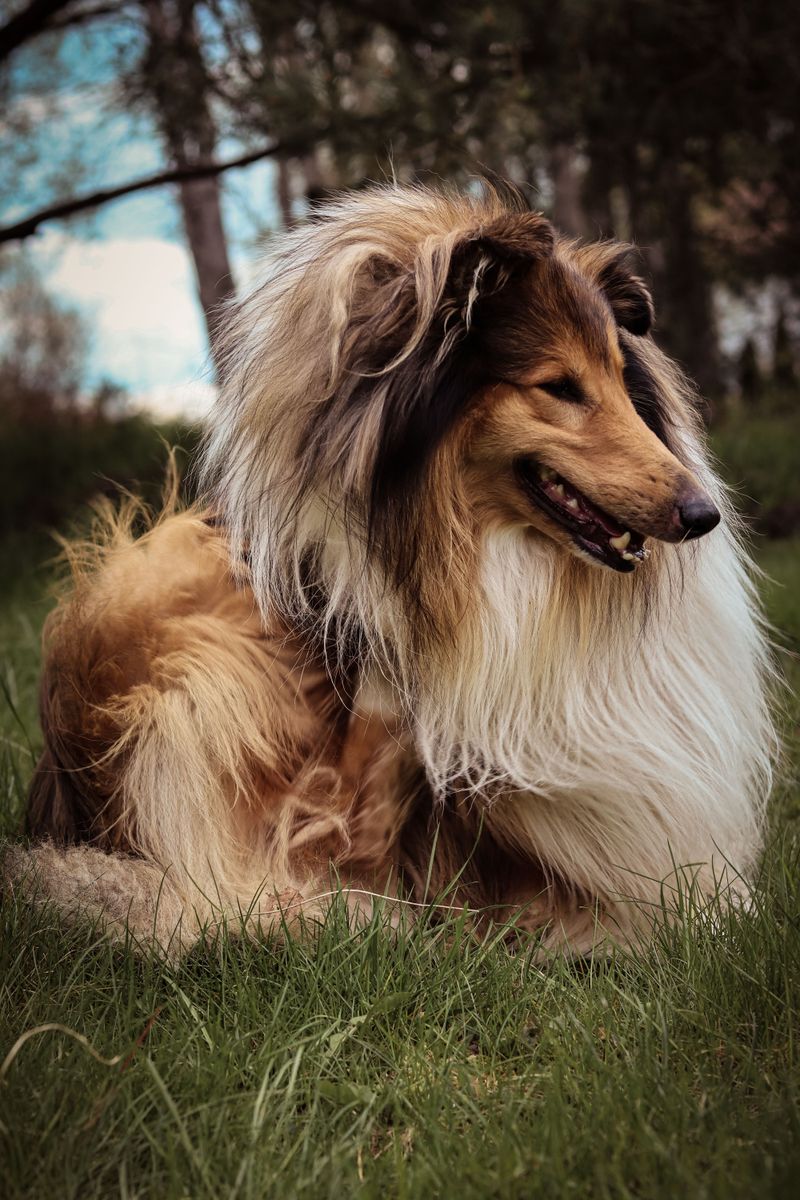
One look at that bright face and you can almost hear the conversation starting. Rough Collie pups seem to read voices and moods with ease.
Their listening skills can be remarkable.
Teach cue words for daily routines, like settle, water, and outside. Use gentle markers and happy praise.
Herding games that reward eye contact work wonders. Story bit: made famous by Lassie, their talent for social signals helps them support families in practical, thoughtful ways.
Doberman Pinscher – the focused partner
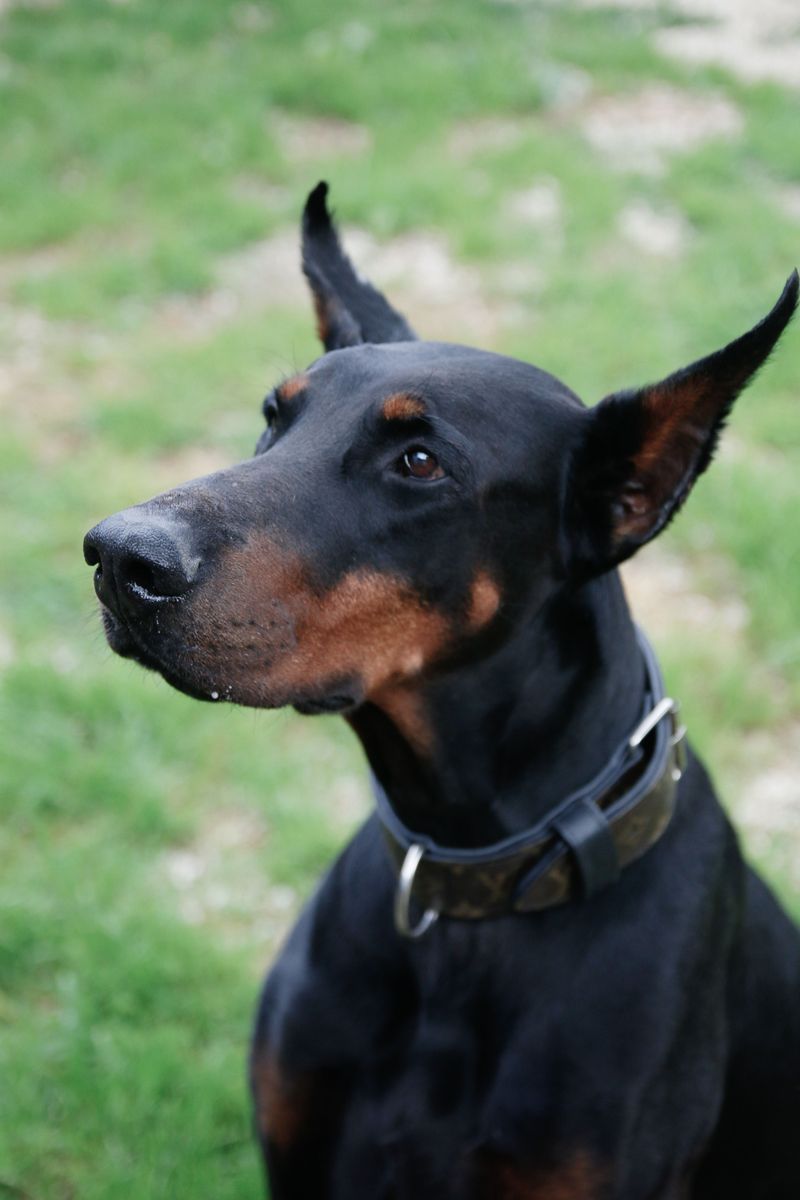
Laser focus shows up early for many Doberman pups. They notice the small stuff, like your hand angle or pace change.
That attention makes them quick studies with fair guidance.
Practice short heelwork, hand-targets, and impulse control games. Keep corrections minimal and clarity high.
Rotate jobs to build confidence without stress. Historical note: developed as a personal protector, the breed values partnership, which can feel like thoughtful teamwork even during puppy months.
Great Pyrenees – the quiet night thinker
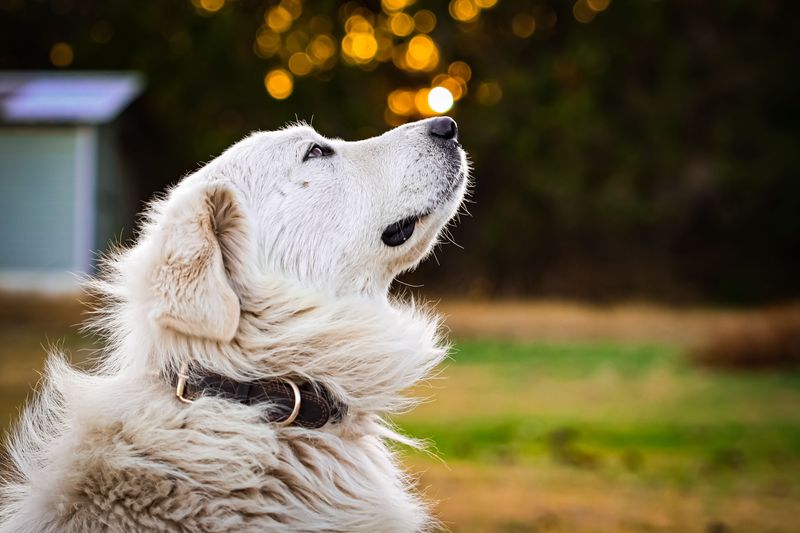
Even young Pyrenees seem to run nightly audits of their world. You might catch a pup calmly surveying a yard before settling down.
It is a soft kind of vigilance.
Support independent thinking with clear boundaries and low-key praise. Teach a strong recall and a cozy place command.
Gentle brushing sessions double as bonding time. Origin fact: bred to guard flocks in the mountains, their thoughtful night shift spirit often shows up right away.