
Red eyes in dogs are easy to brush off as allergies, but certain breeds get irritated fast and need extra attention. If you have a squish-faced cutie or a pup with heavy wrinkles, those watery, red rims might be warning signs you should not ignore.
Knowing which breeds are sensitive helps you spot problems early and act before discomfort turns into damage. Let’s walk through the most at-risk pups so you can protect those precious eyes with confidence.
Shar Pei
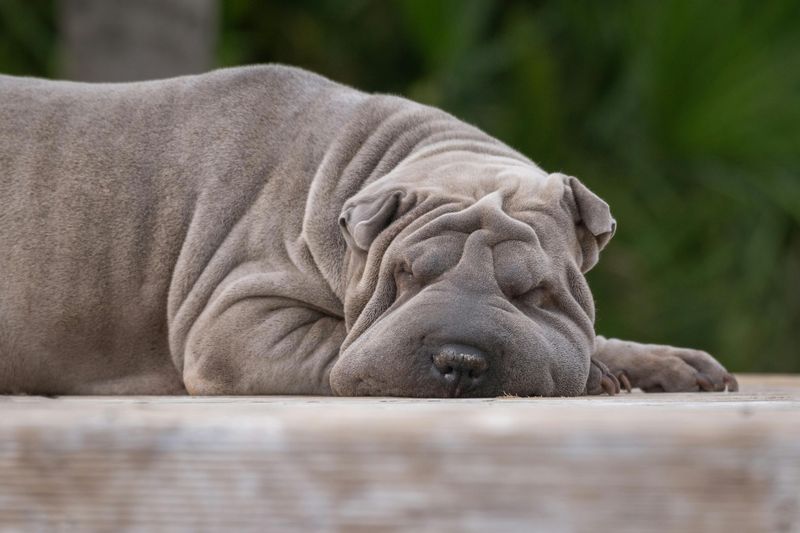
Those iconic wrinkles are adorable, but they can trap moisture, dust, and bacteria that inflame the eyes. Many Shar Pei dogs also have entropion, where the eyelids roll inward and lashes rub the cornea.
You may notice squinting, pawing, or extra tearing after play or walks.
Daily wipe-downs of skin folds help, and your vet can advise if lubricating drops or corrective surgery are needed. Keep walks on calm, low-pollen days and rinse gently after dusty outings.
If redness lingers beyond a day, do not wait.
Quick checks for discharge, cloudiness, or sensitivity to light can save vision. Use a cone if rubbing becomes obsessive.
Your Shar Pei will thank you with clearer, more comfortable eyes.
Chow Chow
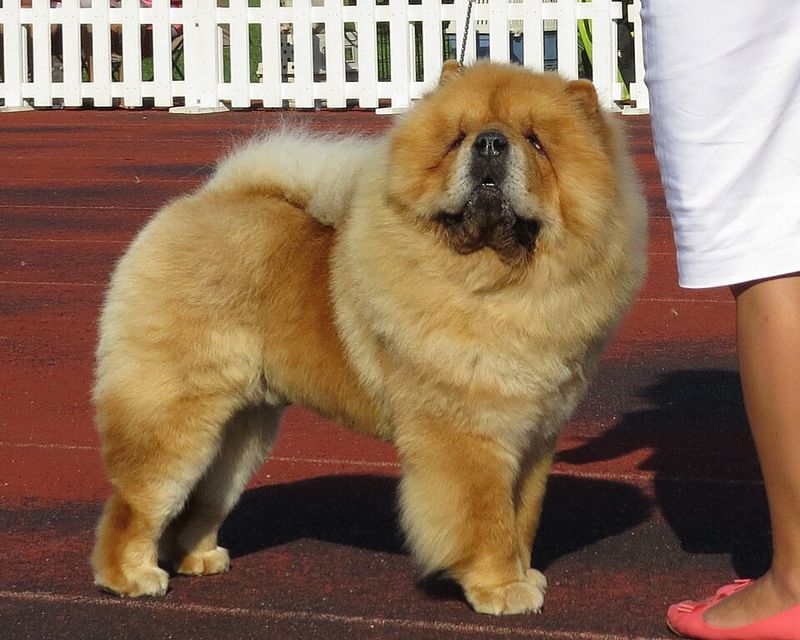
Chow Chows have deep-set eyes and heavy fur that can hold allergens close to the surface. Their eyelids are prone to inward rolling or laxity, which irritates the cornea and causes redness.
You might spot squinting on windy days or after romps in dry grass.
Keep the eye area trimmed by a groomer and wipe gently with saline after outdoor time. A vet exam can rule out entropion and recommend lubricants or surgery if needed.
Avoid harsh sprays or perfumes near the face.
Teach a calm sit for quick eye checks and reward cooperation. If discharge turns thick or yellow, schedule a visit.
Early care means fewer flare-ups and a more comfortable, majestic companion.
Pug
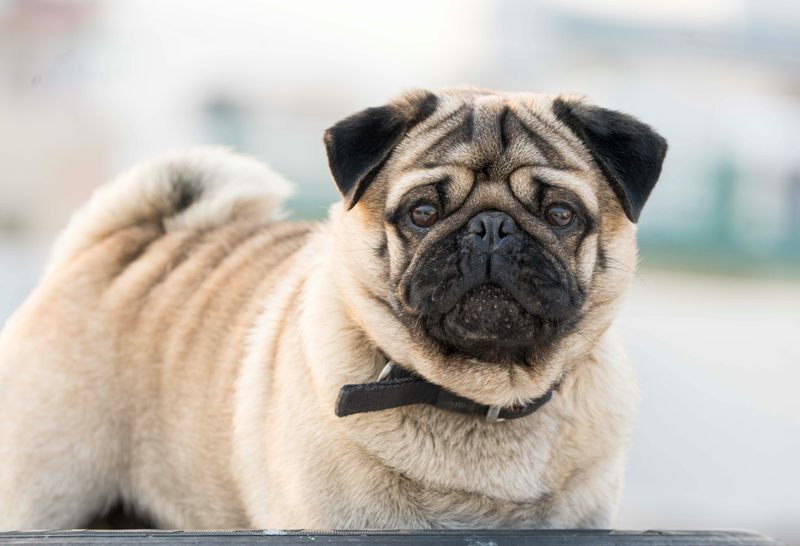
Pugs have large, exposed eyes that dry out quickly and pick up dust. Their short muzzle can also affect tear film quality, leading to irritation and redness.
You might notice frequent blinking, pawing, or sudden sensitivity to light after walks.
Use a vet-recommended lubricant, and keep nails trimmed to prevent accidental scratches. Harnesses are better than collars to reduce pressure around the face.
Wipe gently after outdoor time and avoid rough play near tall grasses.
If a pug’s eye looks cloudy or bulging, treat it as urgent. Corneal ulcers can escalate fast in this breed.
Routine checkups, humidifiers, and careful supervision keep those big, soulful eyes safe and shiny.
French Bulldog
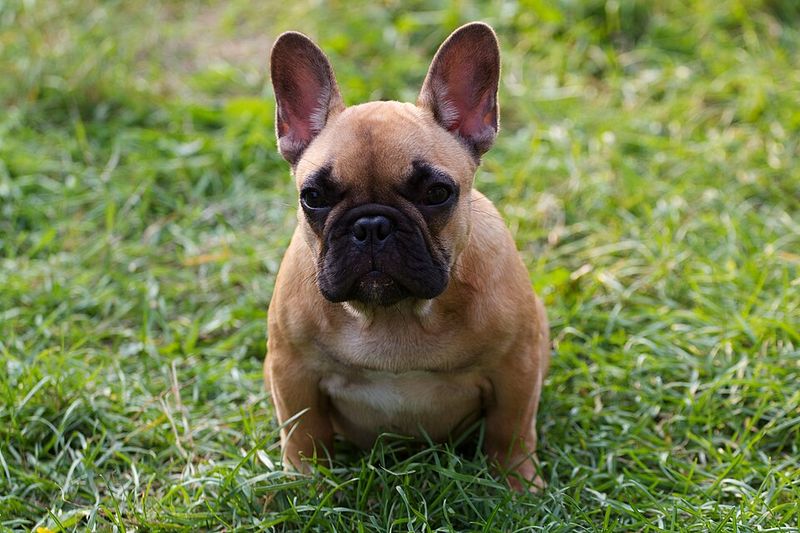
French Bulldogs are charming but sensitive, with shallow eye sockets and short muzzles that disrupt tear distribution. Redness can flare after dusty walks, grooming sprays, or even dry indoor air.
Watch for squinting, pawing, or tear staining along the cheeks.
Switch to a harness, use fragrance-free products, and run a humidifier during heating seasons. Daily wipes and prescribed lubricants help prevent friction.
Schedule eye checks to catch ulcers or eyelid issues early.
If you spot sudden cloudiness, blinking, or a visible scratch, see your vet promptly. Limit high-wind outings and protect eyes during car rides with windows cracked only slightly.
Small adjustments add up to big comfort for your Frenchie’s sensitive eyes.
English Bulldog
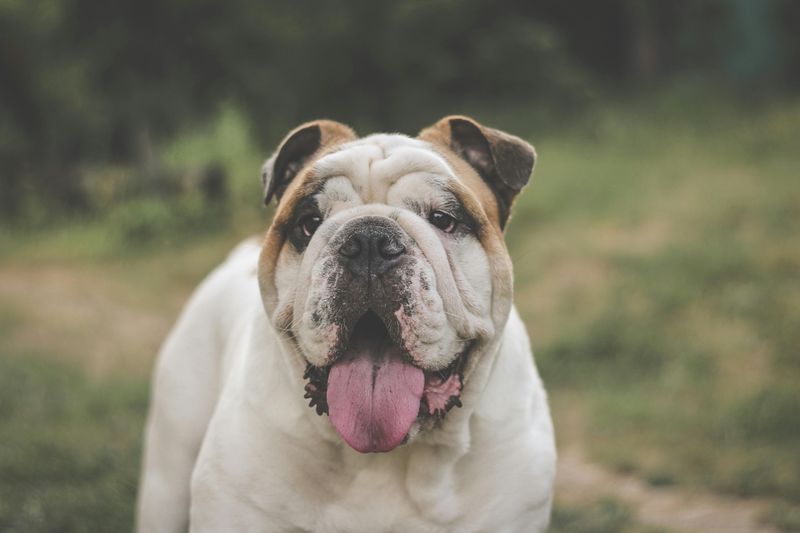
English Bulldogs carry heavy facial folds that trap moisture and debris, irritating the eyes. Cherry eye, dry eye, and entropion are more common in this breed, creating persistent redness.
You may see thick discharge or pawing after naps when folds press on the lids.
Clean folds daily, keep them dry, and ask your vet about stain-safe lubricants. Surgery may be recommended for gland prolapse or inward-rolling lids.
Avoid smoke, scented candles, and dusty bedding near their sleeping area.
Watch for color changes in discharge or sudden squinting. Quick action prevents corneal scratches from becoming ulcers.
With routine upkeep and smart environmental tweaks, your Bulldog can enjoy comfortable, clear-eyed days without constant irritation.
Boston Terrier
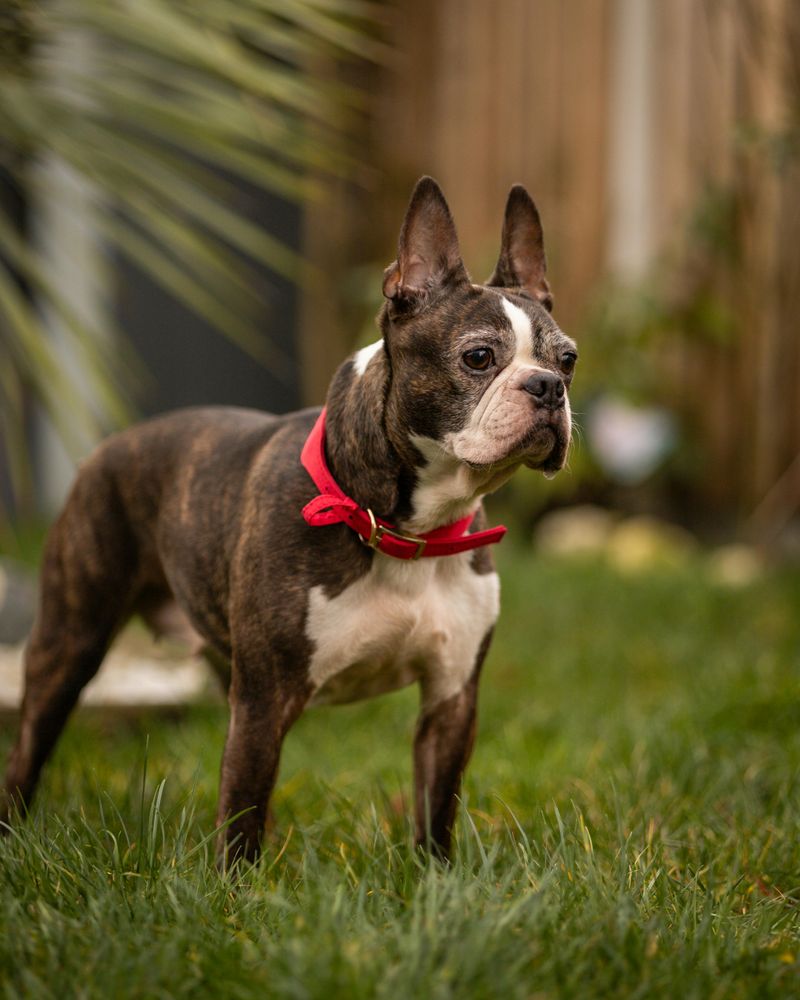
Boston Terriers have prominent eyes that are easily irritated by wind, dust, and dry indoor air. Redness may follow zoomies in the yard or car rides with open windows.
Tear staining and frequent blinking are early clues.
Keep rides with windows only slightly cracked and consider a humidifier. Use lubricating drops approved by your vet, and trim nearby fur.
Build a quick daily eye check into your routine to spot issues before they escalate.
If you see cloudiness, bluish haze, or persistent squinting, seek veterinary care immediately. Corneal ulcers can develop quickly in this breed.
Gentle habits and consistent care keep your Boston’s lively gaze comfortable and bright.
Shih Tzu
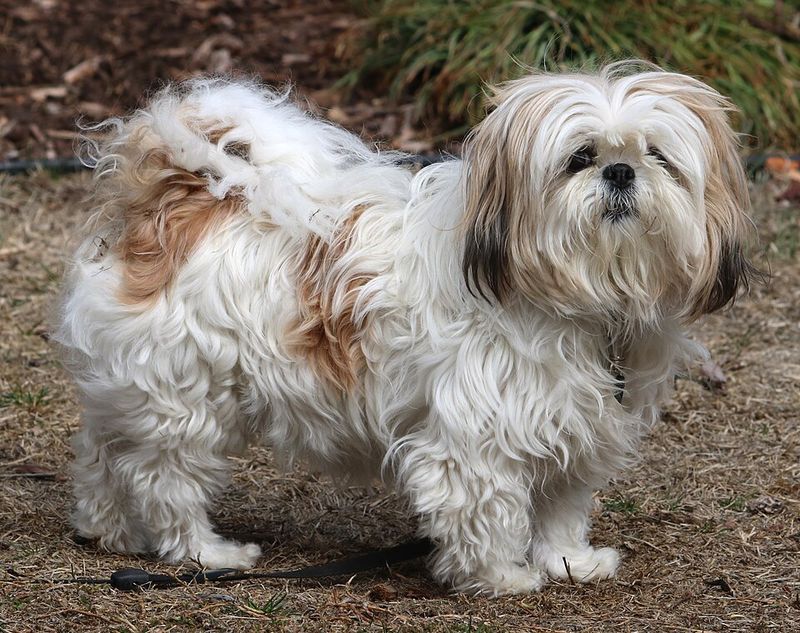
Shih Tzus often grow long facial hair that can wick moisture into the eyes and cause irritation. Their shallow eye sockets and short muzzles increase exposure to dust and dryness.
You may notice redness, staining, or blinking after walks.
Regular grooming to keep hair out of the eyes is essential. Use tear-safe wipes and vet-approved lubricants to protect the cornea.
Avoid aerosol sprays, and rinse gently if pollen counts are high.
Teach your Shih Tzu to relax during quick eye checks by rewarding calm behavior. If discharge becomes thick or colored, call your vet.
A tidy face, moist air, and steady routines keep those expressive eyes bright and comfortable.
Lhasa Apso
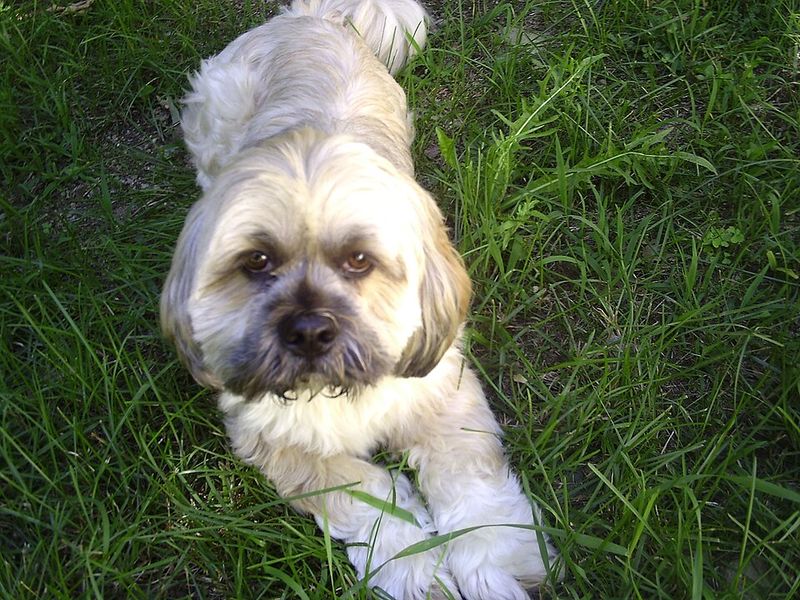
Lhasa Apsos share similar eye challenges with other long-coated breeds. Hair can poke the cornea and carry allergens, leading to redness and discharge.
You might see squinting on windy days or when indoor air gets very dry.
Keep bangs neatly trimmed and use a saline wipe after outdoor play. A humidifier and vet-recommended lubricants help maintain a healthy tear film.
Schedule routine eye checks, especially if you notice rubbing or face-scratching.
If redness persists beyond a day or two, do not wait for it to fade. Earlier treatment prevents scratches from becoming ulcers.
With consistent grooming and gentle care habits, your Lhasa’s eyes stay comfy and beautifully clear.
Pekingese
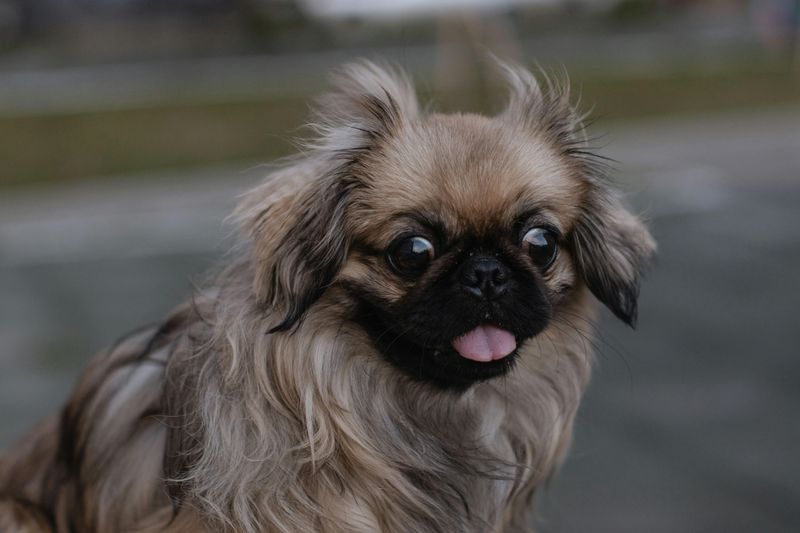
Pekingese dogs have very prominent eyes, which makes them vulnerable to dryness, dust, and accidental scratches. Redness can pop up after even mild play or windy walks.
Look for squinting, tearing, or blinking that lasts longer than a few hours.
Keep hair neatly parted and avoid rough games near shrubs or tall grass. Use protective lubricants and schedule regular vet checks to monitor corneal health.
A soft cone can stop rubbing during flare-ups.
If the eye looks suddenly cloudy, treat it urgently. Corneal injuries progress fast in this breed.
Thoughtful grooming, calm environments, and quick responses help your Pekingese keep that regal, sparkling gaze without discomfort.
Cocker Spaniel
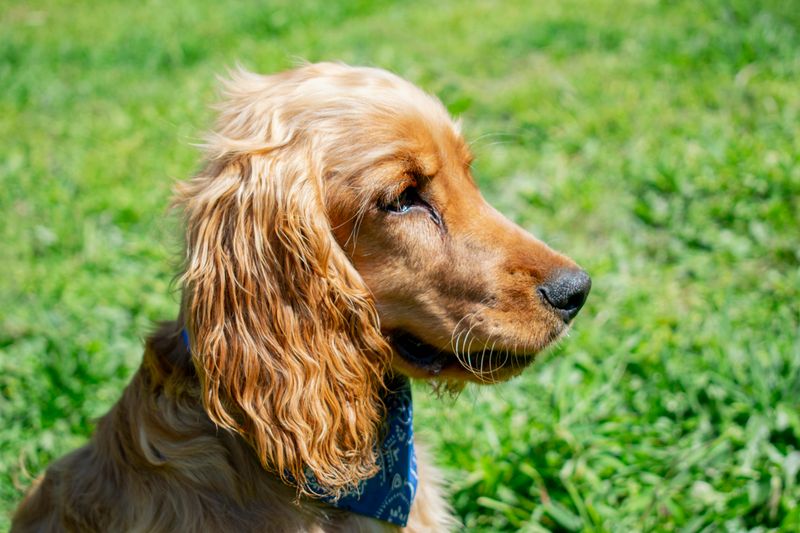
Cocker Spaniels are prone to eye inflammation and dry eye, which can leave the surface irritated and red. Their feathered fur sometimes brushes the eyes and carries pollen or dust.
You might notice rubbing after hikes or yard play.
Keep facial hair tidy and use vet-prescribed artificial tears when needed. Rinse gently after high-pollen days and avoid scented cleaners near bedding.
Annual eye exams help catch chronic conditions like keratoconjunctivitis sicca.
If discharge thickens or eyelids look swollen, contact your vet promptly. Timely treatment prevents corneal damage and keeps vision sharp.
With steady grooming and smart lifestyle tweaks, your Cocker can enjoy clear, comfortable eyes all year.
Basset Hound
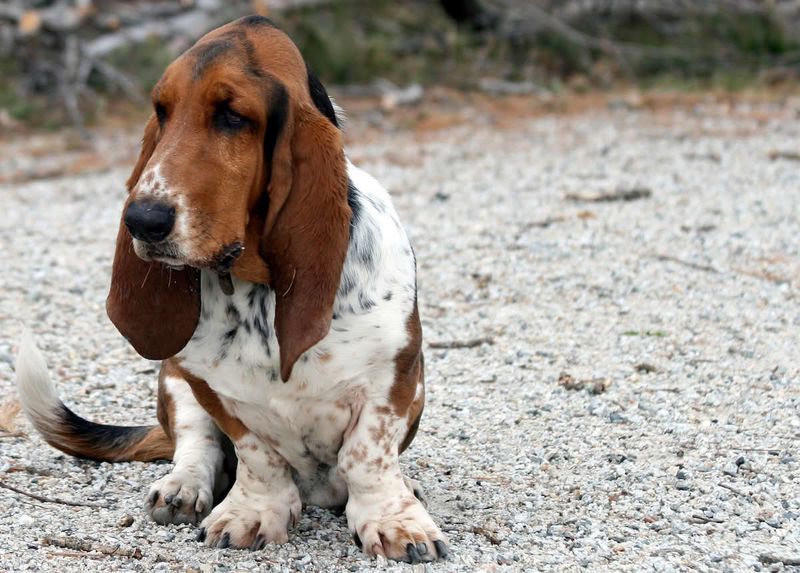
Basset Hounds have droopy eyelids that can expose the eye surface and collect irritants. This laxity leads to dryness, redness, and frequent tearing.
You might see stringy discharge or rubbing after naps when lids sag more.
Regular cleaning around the lids prevents buildup, and lubricating drops help protect the cornea. Keep sleeping areas clean and dust free.
Ask your vet about eyelid-support options or surgery if irritation is constant.
Monitor for changes in discharge color or sudden squinting, which could signal infection. Short, calm walks on low-pollen days reduce flare-ups.
With consistent maintenance, your mellow Basset can keep those soulful eyes healthy and comfortable.
Bloodhound
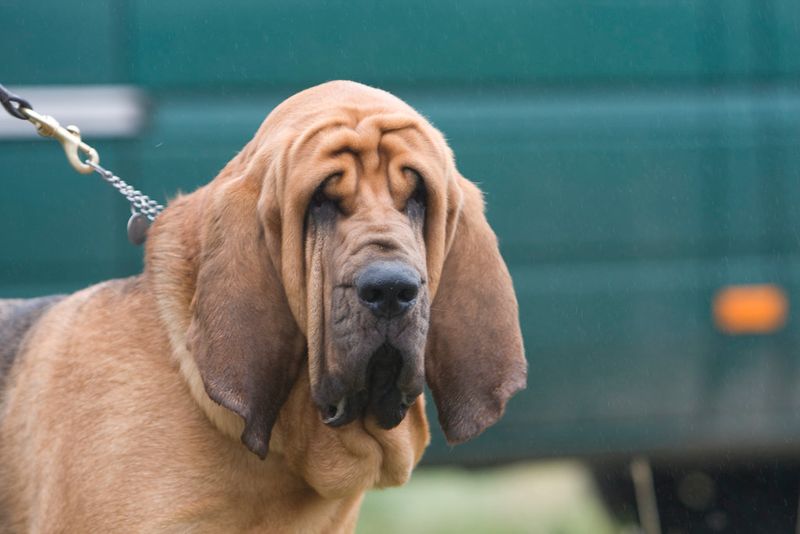
Bloodhounds’ heavy skin and droopy lids leave the eye surface more exposed to wind and debris. Redness and watery discharge are common, especially after scent-tracking adventures.
Watch for squinting or rubbing once the excitement settles.
Clean around the eyes after outings and use lubricants recommended by your vet. Consider shorter sessions on dusty days, and keep bedding fresh.
If irritation persists, ask about eyelid corrections or supportive treatments.
Thick or colored discharge warrants a prompt exam to rule out infection or ulcers. Early attention keeps small irritations from becoming big problems.
With routine care and mindful adventures, your Bloodhound’s legendary nose can work without sacrificing eye comfort.