
Creating a safe and calm environment for your dog can significantly reduce their fear and anxiety. Here are nine everyday changes you can implement to help your furry friend feel more secure and at ease at home.
Creating Predictable Daily Routines
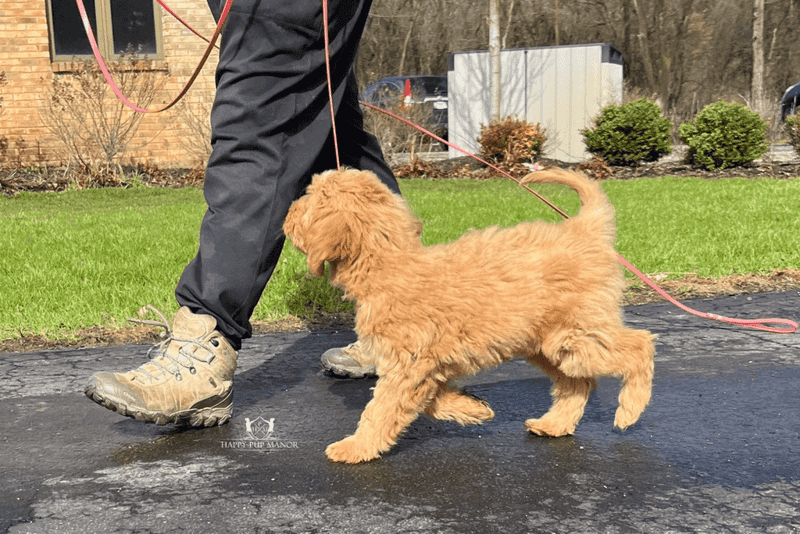
Imagine starting each day without knowing what will happen next. For dogs, daily unpredictability can trigger anxiety. By establishing a predictable routine, you provide structure and reliability. Feed them at the same time every day.
Walks and playtime should also follow a consistent schedule. This rhythm helps your dog anticipate what’s next, reducing stress. Predictability equals comfort for dogs.
A simple routine can make a world of difference. Dogs thrive when they know what to expect. It’s a gift of consistency and love.
Lowering Sudden Noise and Visual Triggers

Is your home filled with unexpected sounds and sights? Sudden noises can startle any dog. By minimizing these triggers, you create a haven of calm.
Consider using curtains or blinds to soften outside commotions. Soundproofing may also help. Lowering the volume of your TV or music can be beneficial.
Providing a quiet space during thunderstorms or fireworks is essential. Small changes like these can turn chaos into comfort, transforming your dog’s environment into a peaceful retreat.
Giving the Dog a Consistent Safe Space
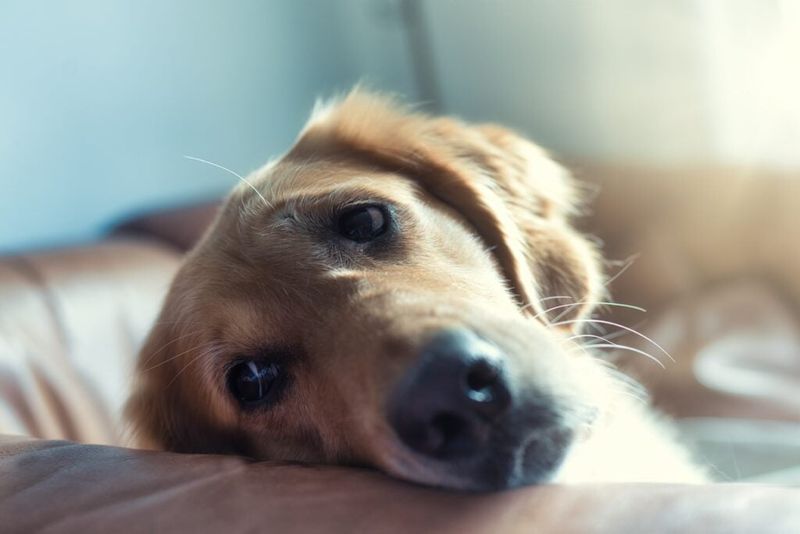
Every dog deserves a sanctuary. A safe space is crucial for a dog’s well-being. It’s their go-to spot when feeling overwhelmed.
Choose a quiet area in your home, furnish it with a comfy bed and favorite toys. This space should always be accessible.
Consistency is key. This area becomes their refuge, a place where they feel protected and secure. It’s their escape from stress, filled with familiarity and comfort.
Adjusting Human Body Language and Tone
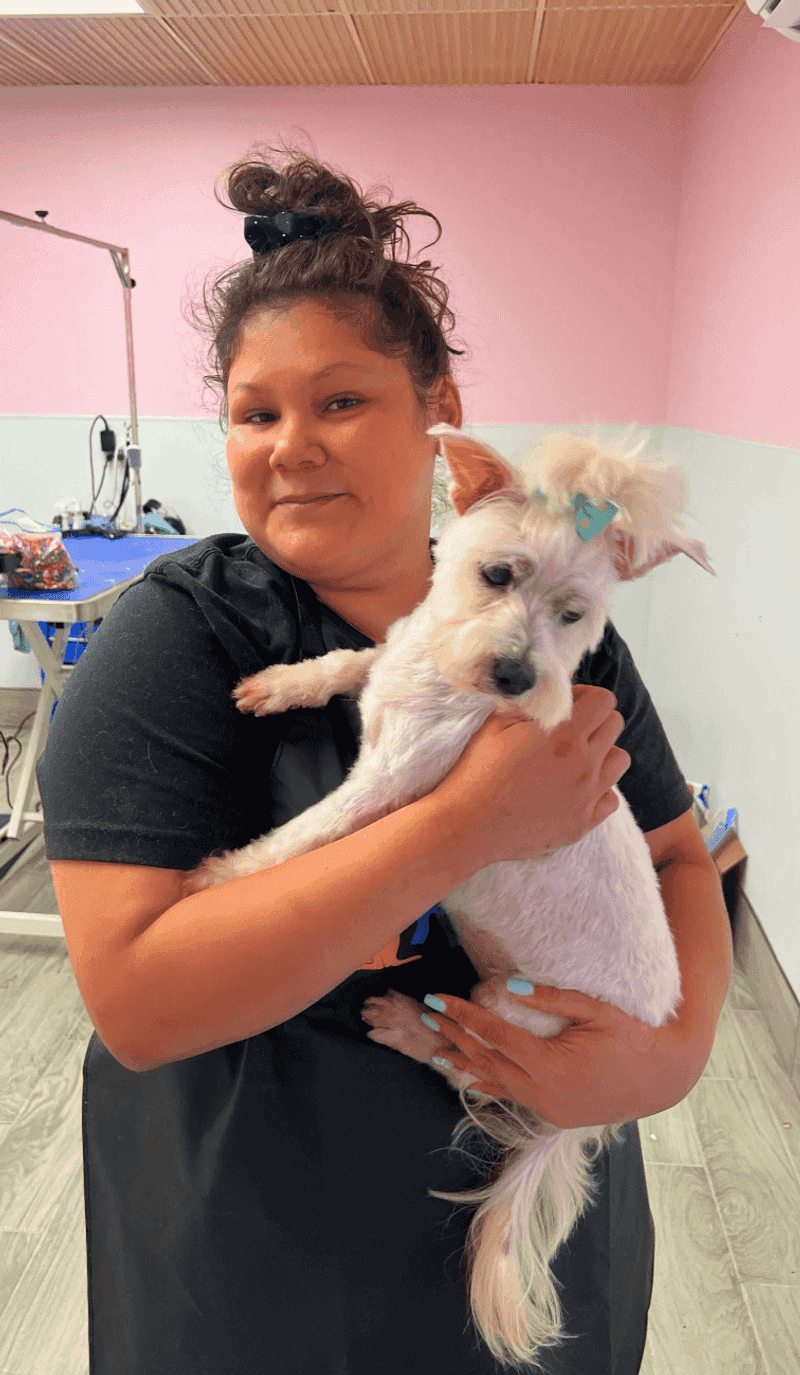
Subtle cues can speak volumes. Dogs are perceptive to human body language and tone. Sudden movements or loud voices can be alarming.
Approach your dog calmly and speak in soothing tones. Crouch to their level instead of looming over them. Small gestures can foster trust.
By being mindful of your presence, you communicate safety and affection. It’s a silent language that reassures your dog, promoting peace and bonding.
Limiting Overhandling During Stressful Moments
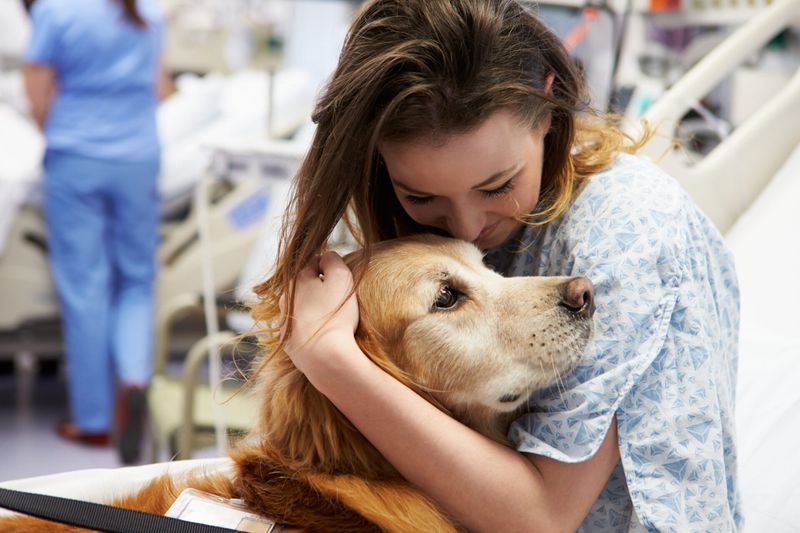
Too much attention can sometimes overwhelm. During stressful events, like storms, less is more. Overhandling can heighten a dog’s anxiety.
Instead of constant petting, offer gentle reassurance. Sit nearby and speak softly, letting them approach at their own pace.
Respect their need for space. Your presence is enough to provide comfort without overindulgence. It’s a delicate balance of love and respect for their needs.
Using Calm Entry and Exit Rituals
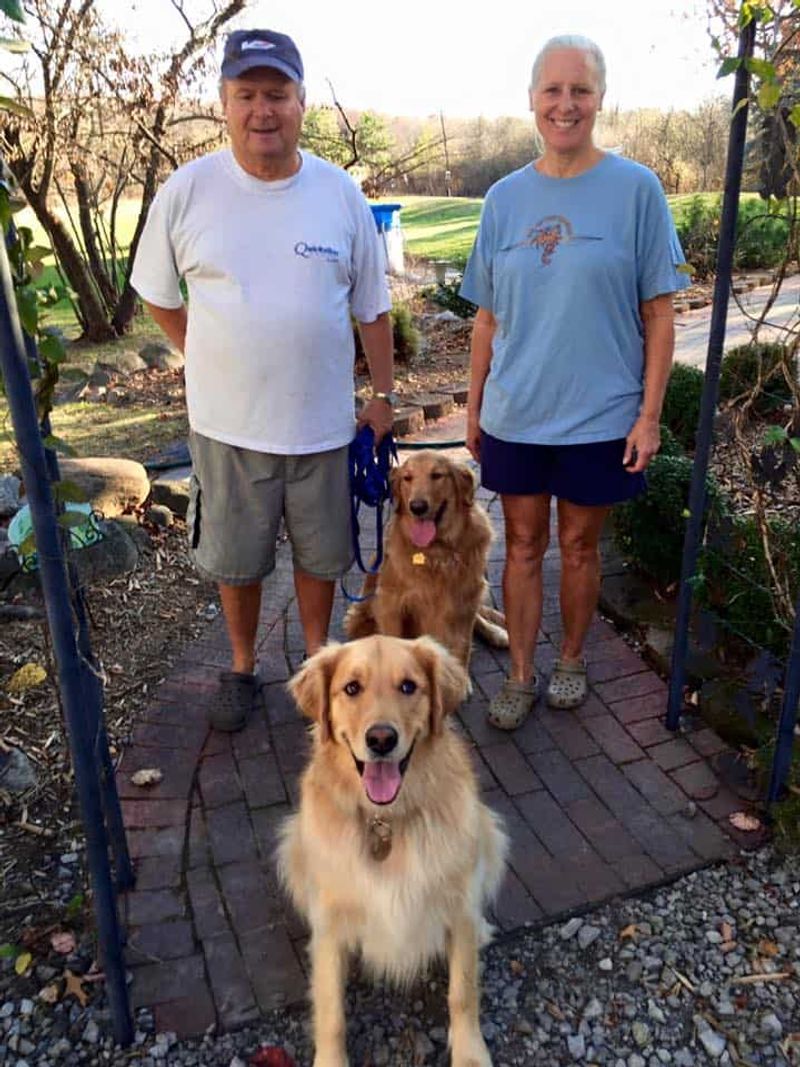
Leaving and returning home shouldn’t be a dramatic event. Dogs can become anxious with abrupt departures and arrivals. Calm rituals smooth transitions.
When leaving, maintain a quiet routine. Avoid making a fuss. Upon return, greet your dog calmly, allowing excitement to settle.
These rituals teach your dog that your comings and goings are no cause for alarm. It’s a subtle way to convey stability and security.
Reducing Environmental Clutter and Traffic Paths
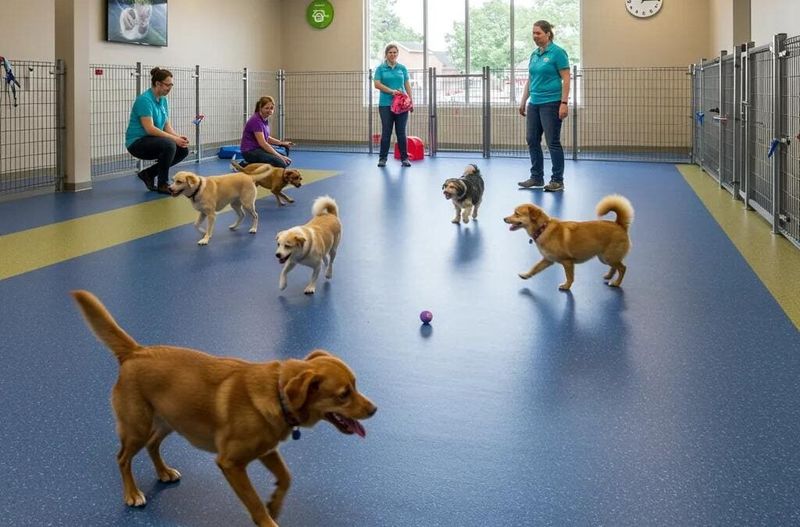
Clutter can confuse and stress dogs. A tidy environment offers clarity. Clear pathways encourage exploration without fear.
Remove unnecessary obstacles from common areas. Organize toys to prevent chaos and ensure safety.
A decluttered space promotes calm. It’s an open invitation for your dog to confidently navigate their world, fostering independence and ease.
Allowing Choice Instead of Forced Interaction
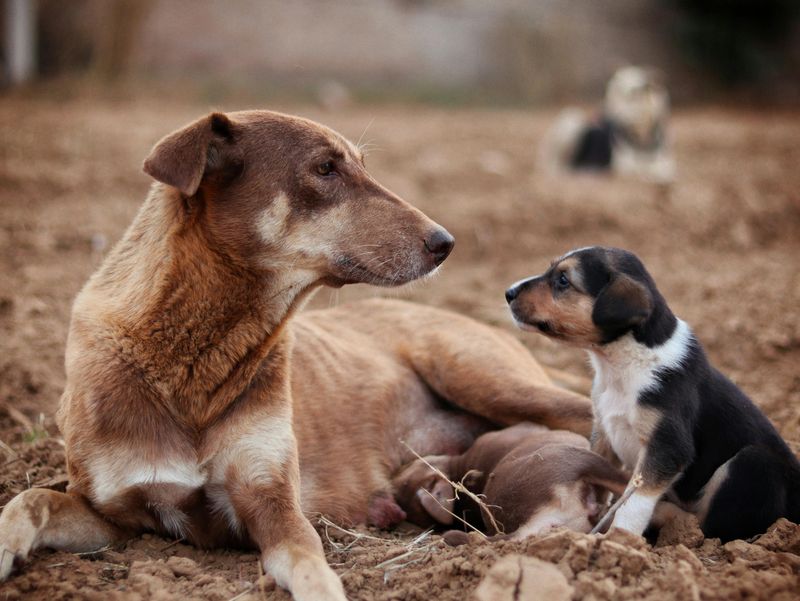
Freedom to choose can empower. Forcing a nervous dog into interactions can backfire, increasing anxiety.
Allow your dog to initiate contact. Provide opportunities for interaction without pressure. This approach builds confidence.
Choice is a powerful tool in reducing fear. It respects your dog’s autonomy, fostering trust and mutual respect.
Reinforcing Calm Behavior at the Right Moment
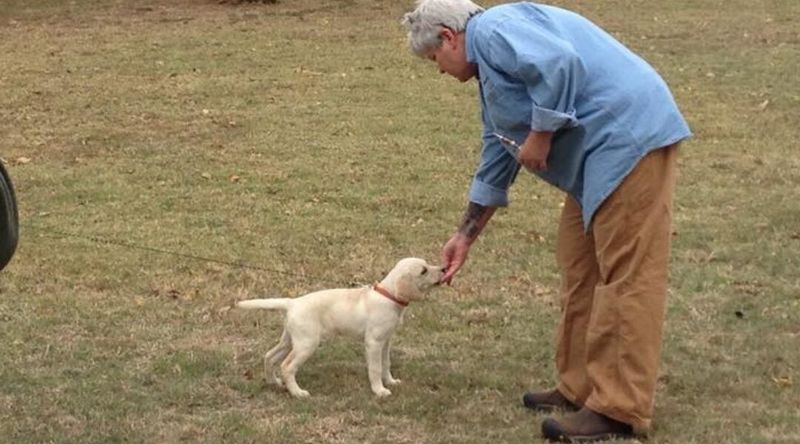
Recognition at the right time is key. Reinforcing calm behavior encourages more of it. Catch your dog when they’re relaxed and reward them.
Use treats or praise to highlight tranquility. This positive reinforcement associates calmness with positivity.
Effective timing is crucial. It’s a dance of acknowledgment and encouragement, teaching your dog that serenity brings rewards.