
Some dogs like to think for themselves. You can shout a command, but the volume does not earn respect with certain breeds.
Patience, smart training, and the right rewards work far better than noise. If you understand how independence shows up in different dogs, your bond grows stronger and training feels more like teamwork.
Basenji
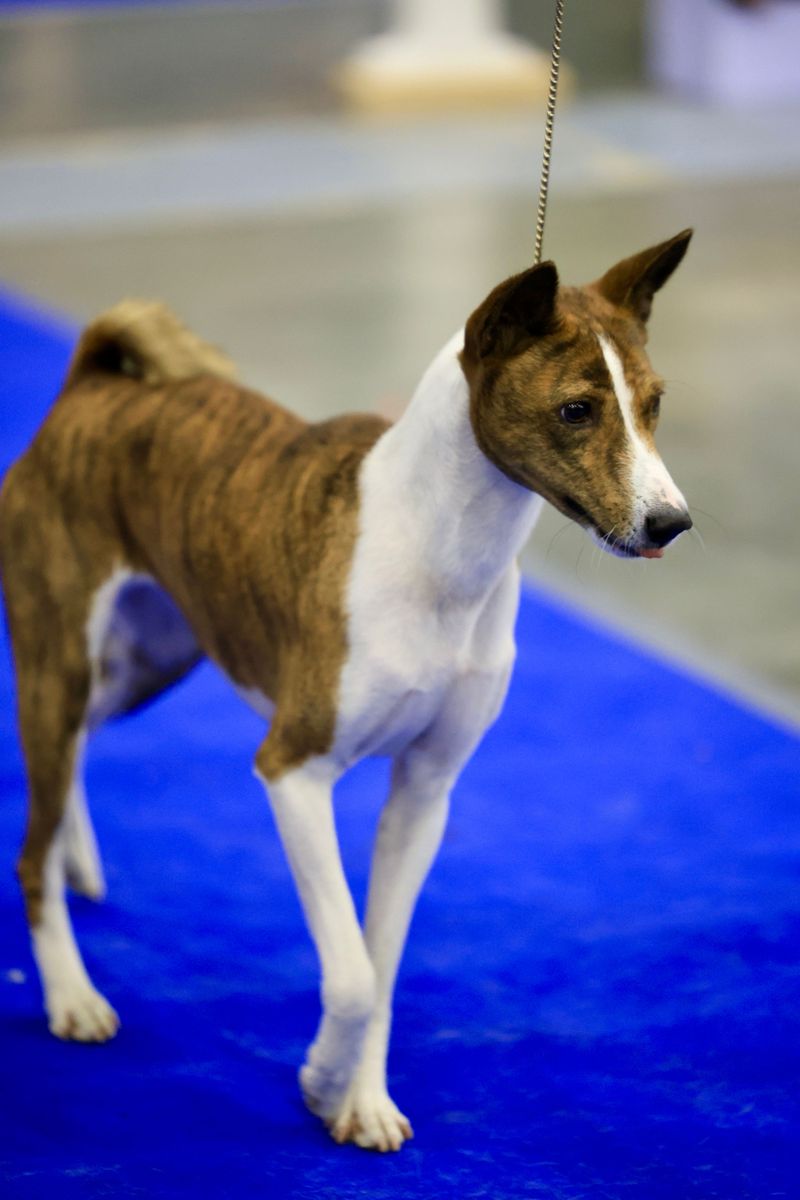
Known for being cat-like, the Basenji pauses to weigh the deal you are offering. Loud words only make the moment longer.
A clear hand signal plus a high-value treat usually flips the switch.
Try short sessions, upbeat praise, and a chase-style game as a reward. Variety keeps the Basenji interested.
Fun fact: called the barkless dog, it still yodels. Build routine, but keep the challenge fresh to unlock amazing focus.
Shiba Inu
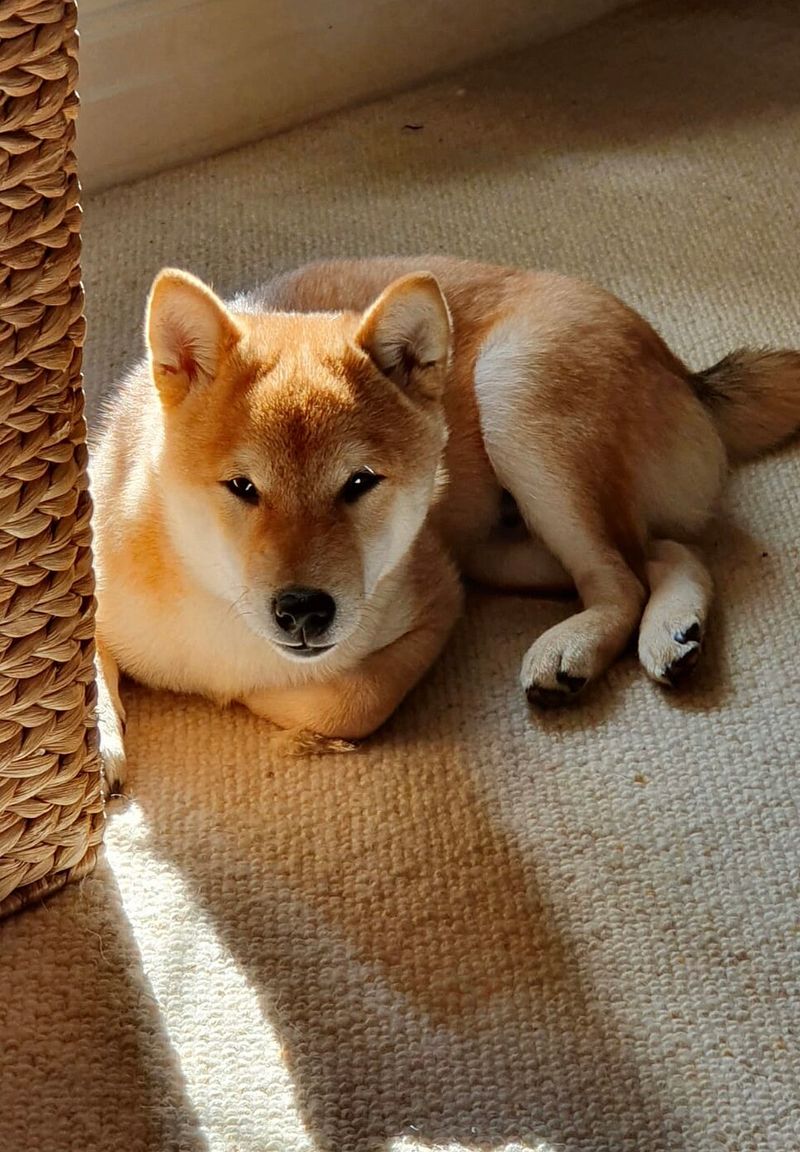
A Shiba often asks, what is in it for me. Raising your voice sounds like background noise.
Instead, pair a clicker with tiny, tasty rewards and use brief, upbeat drills.
Teach one behavior at a time, then mix easy wins with new skills. Give choices, like sit or touch, so the dog can succeed.
Keep confidence high, pressure low. With clever games, the Shiba shows sharp problem-solving and surprising loyalty.
Afghan Hound
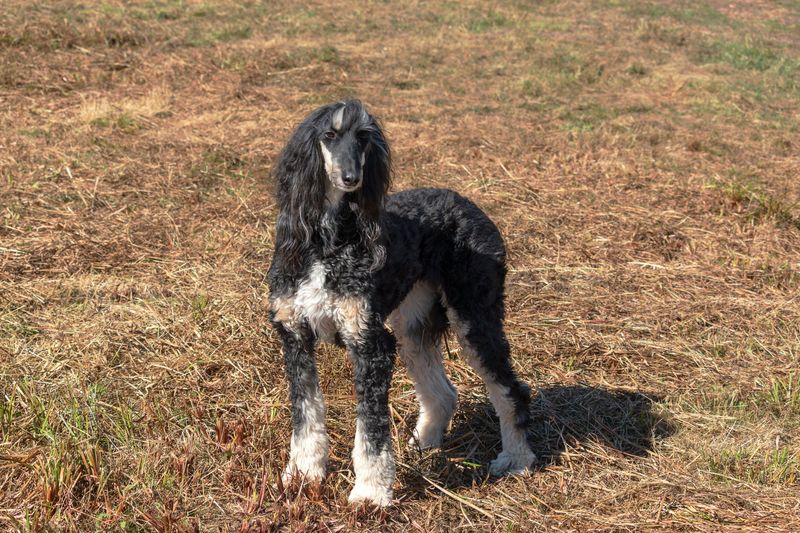
Grace on legs, the Afghan Hound values space and dignity. Yelling breaks trust.
Use calm body language, a long line for safety, and rewards that match the moment, like a quick sprint or soft praise.
Keep lessons quiet and brief. Teach recall with gentle encouragement and jackpot treats when the dog returns.
History note: bred for hunting over vast terrain. Respect that heritage and you will earn thoughtful cooperation.
Siberian Husky
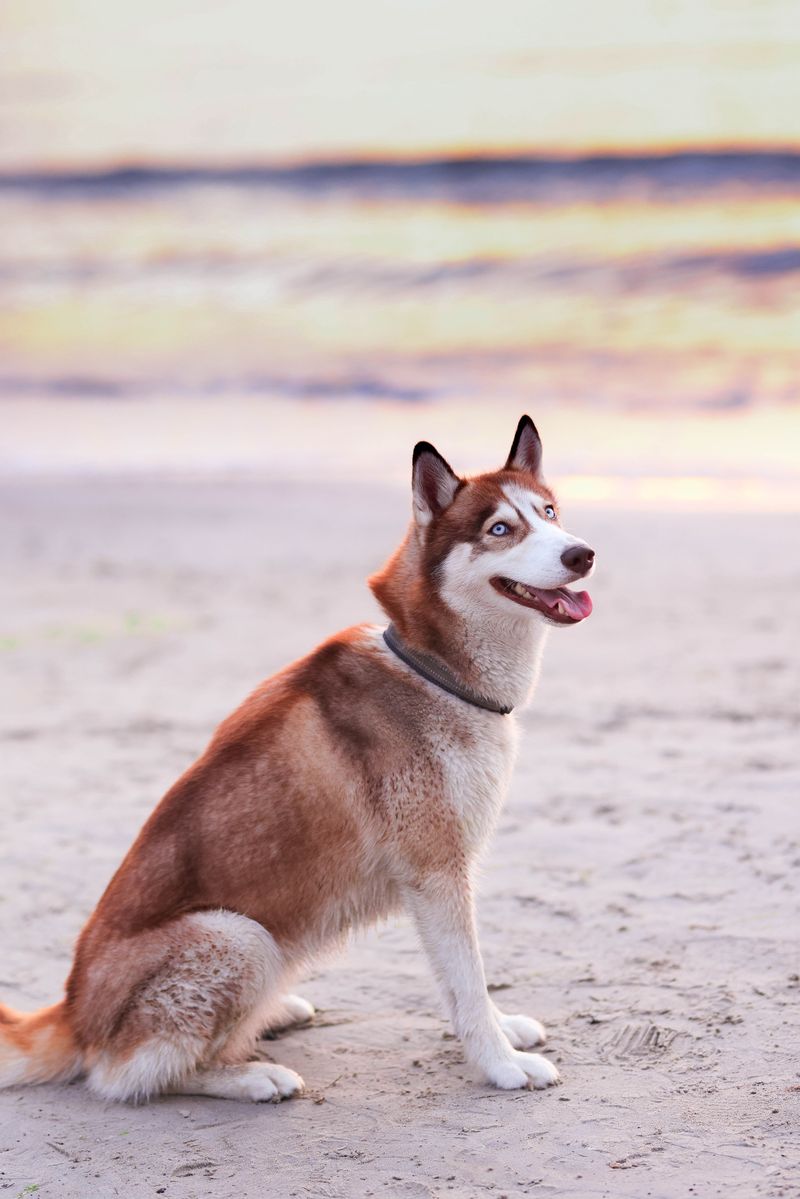
Energy first, obedience second. A Husky hears your shout, but the wind might be more interesting.
Channel that drive into pulling sports, nose games, or fast fetch before training.
After a workout, practice cues with high-value snacks and short bursts of focus. Secure fences and long lines are your friends.
Give the Husky a job to do, and suddenly following directions becomes part of a bigger adventure.
Akita
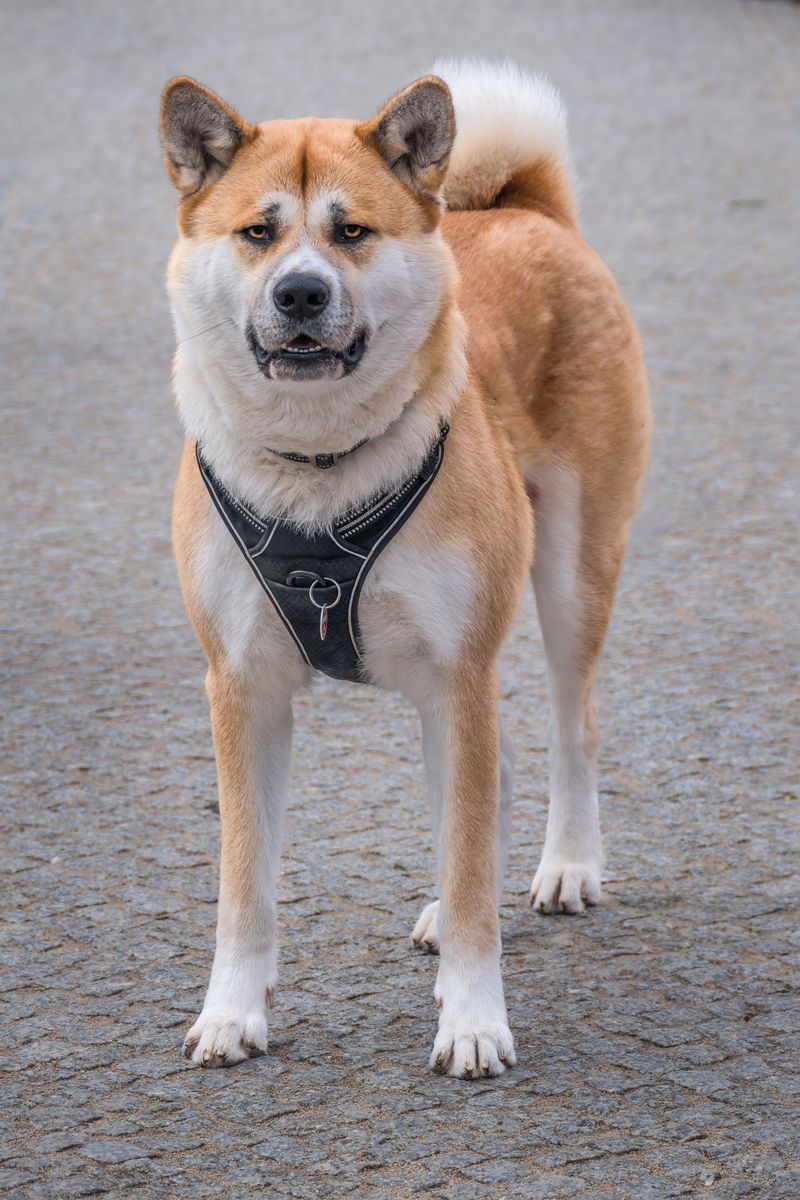
Pride runs deep in the Akita. Shouts feel rude, not helpful.
Earn respect with firm routines, clear signals, and generous calm praise. Keep sessions structured and predictable.
Socialization matters, as does impulse control around doors and guests. Use place training, slow feeding puzzles, and confident leadership.
The Akita appreciates fairness and consistency. When trust grows, you will see a steady partner who responds because the relationship is solid, not because you were louder.
Beagle
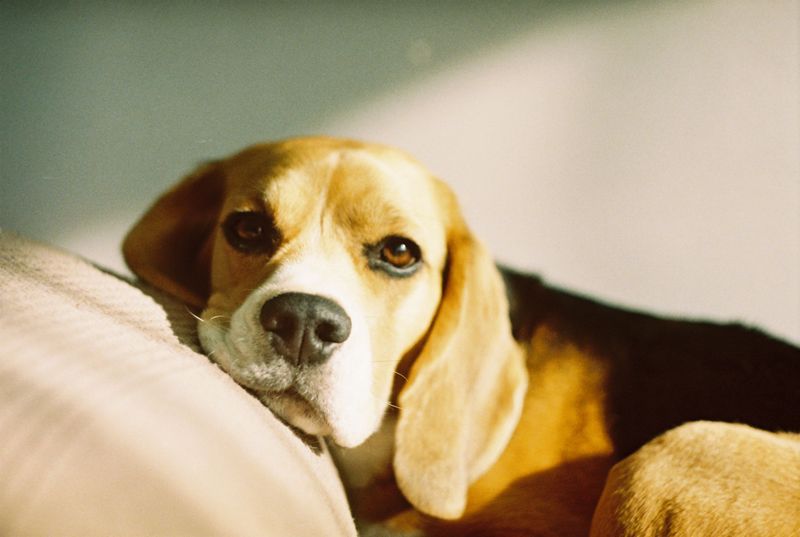
Once the scent switches on, ears switch off. Shouting at a Beagle rarely beats a good smell.
Bring the nose into training. Lure with a treat under the nose, then mark and reward.
Scatter feeding and short tracking games build focus. Rotate rewards so sniffing becomes part of the lesson.
Use a cheerful tone and plenty of breaks. With the right scent-based approach, cooperation feels natural.
Dachshund
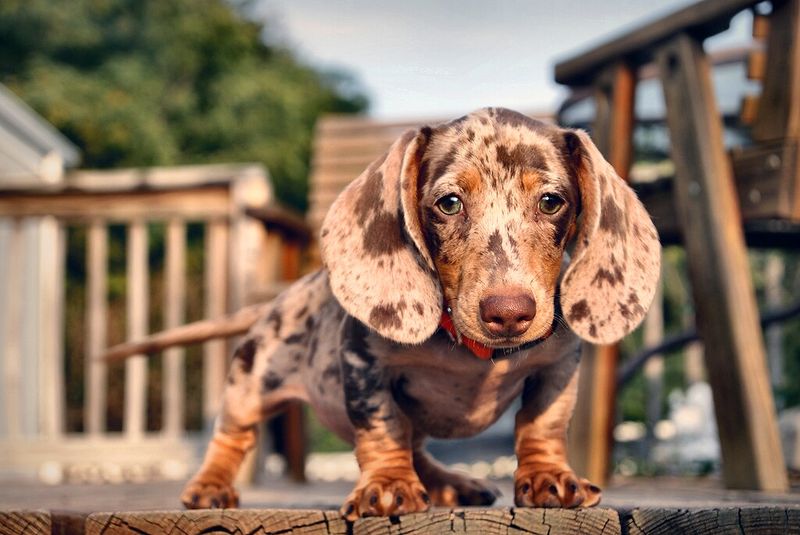
Short legs, giant opinions. A Dachshund may pretend not to hear you if the plan seems boring.
Turn cues into games. Use tiny jackpots and quick agility obstacles to spark enthusiasm.
Keep sessions brief and end on a win. Reinforce calm before door opens or leash goes on.
Toss a treat ahead to guide movement instead of arguing. Confidence blossoms when the work feels like a fun mission underground.
Scottish Terrier
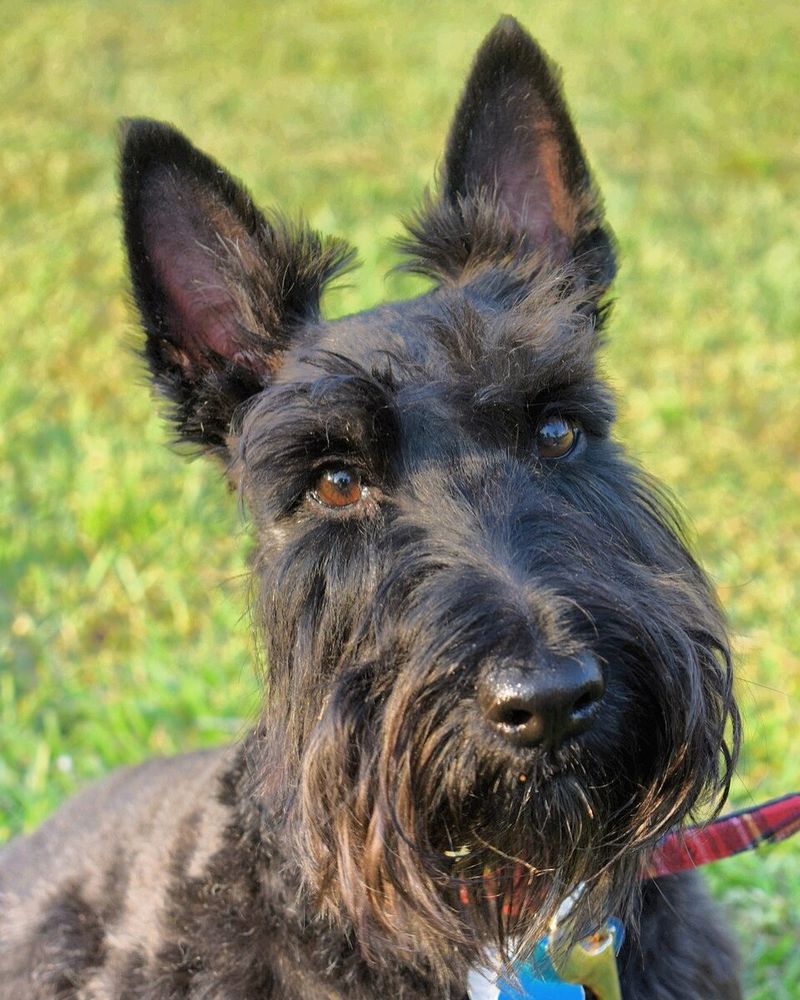
Small body, sturdy will. A Scottie respects clarity, not noise.
Use crisp cues, reward fast, and let the dog think. Place a mat, teach stay with calm pauses, and pay generously for patience.
Mix in tug or a short chase to refresh focus. Historical note: bred to work independently.
Honor that independence by offering problems to solve, not orders to bark. Cooperation arrives when the Scottie feels like a capable teammate.
Chow Chow
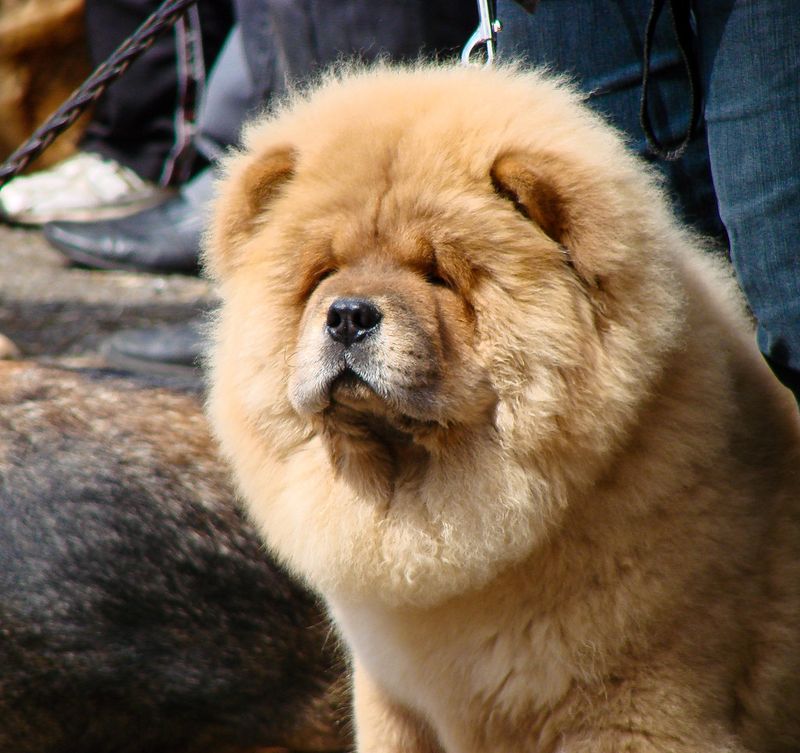
Quiet, thoughtful, and sometimes aloof, the Chow Chow does not rush to please. Louder words can chill the mood.
Build trust through gentle handling, steady routines, and high-value rewards for calm responses.
Practice short, predictable sessions. Respect personal space and avoid nagging.
Use simple markers like yes or a click, then reward promptly. Over time, your Chow Chow will respond with measured cooperation, guided by trust instead of volume.
Alaskan Malamute
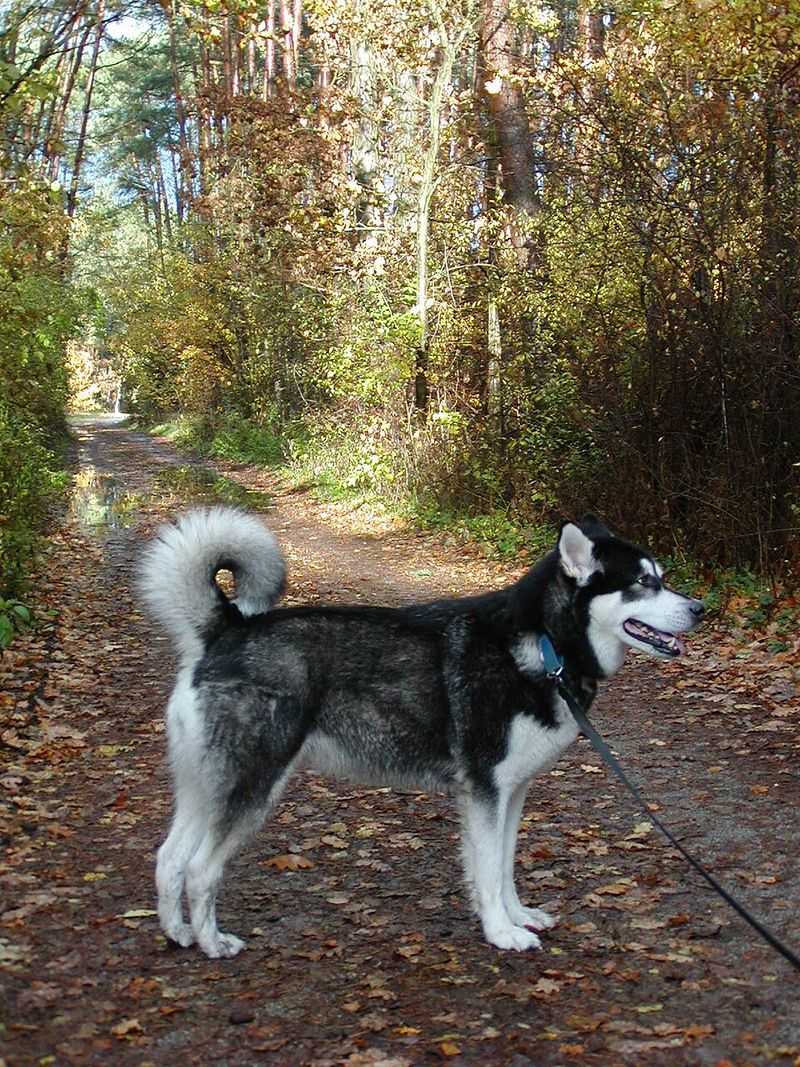
Strength and stamina define the Malamute. Commands sound meaningless without a job.
Give purposeful work like canicross, carting, or weight pull, then weave obedience between reps.
Use food at first, then shift to work-as-reward. Keep sessions upbeat and avoid drilling.
Clear, consistent cues and solid boundaries help prevent testing. When the Malamute feels like a partner on a mission, attention snaps into place faster than any shouted order.
Basset Hound
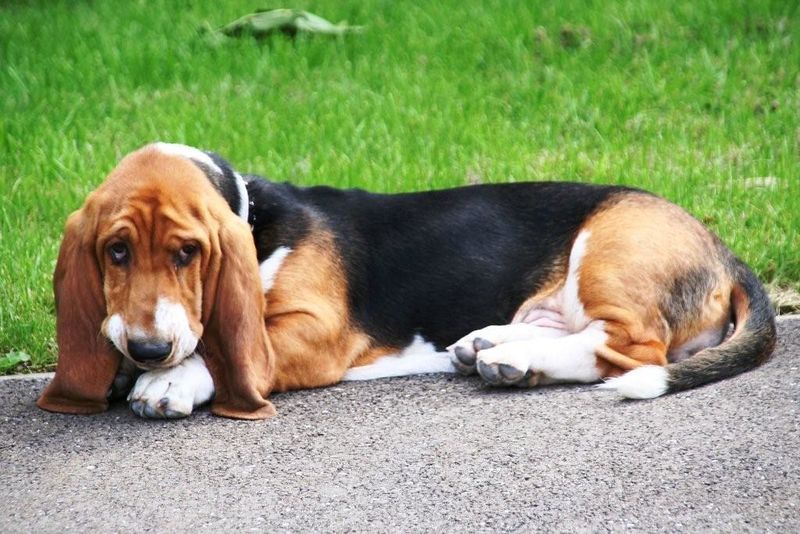
Slow to move, quick to question, the Basset needs reasons. Volume is not one.
Try tasty snacks, gentle leash guidance, and clear timing. Lure into position, then praise with warmth.
Keep exercises short, followed by a calm sniff break. Comfort matters, so soft bedding and easy stairs help.
When training feels friendly and fair, the Basset offers steady, if unhurried, cooperation that will make you smile.
Great Pyrenees
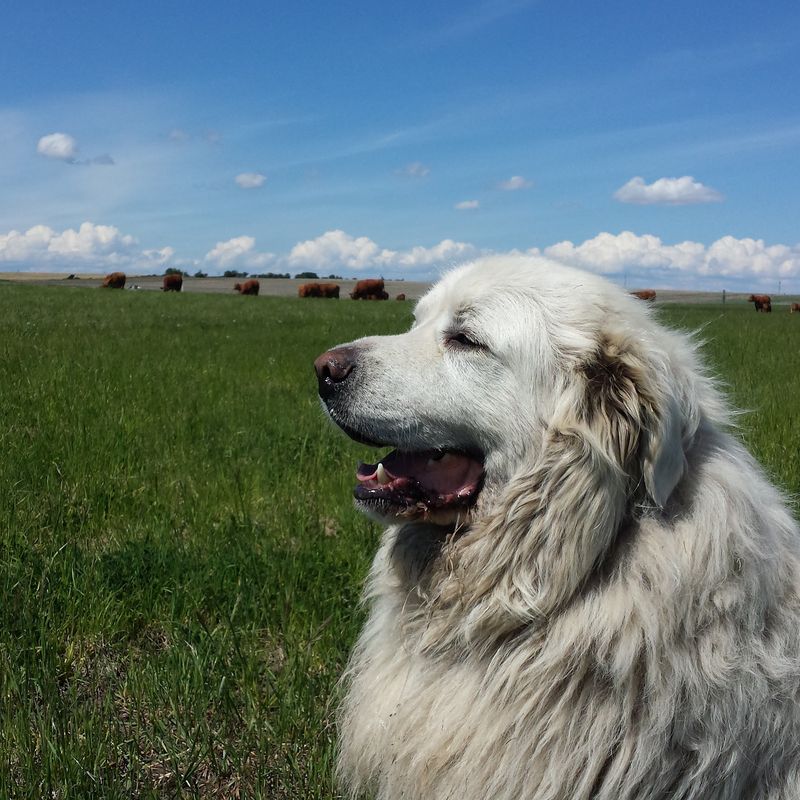
Bred to guard without constant human direction, the Great Pyrenees trusts its own judgment. Shouting clashes with that calm authority.
Use quiet cues, generous reinforcement for check-ins, and strong boundary games.
Teach a reliable come-when-called with long lines and high-value rewards. Reinforce calm alerts, then cue a release.
With steady leadership and respect for independence, you will see composed responsiveness where noise once failed.