
Everywhere you look, pet groups are buzzing about coughs and sniffles that are not fading like a routine cold. When symptoms drag on or look a little off, waiting it out can let minor issues snowball into serious respiratory trouble.
You deserve clear, simple cues to spot what needs a prompt vet visit. Let’s break down the easy to miss signs so you can act confidently and keep your buddy breathing easy.
Dry hacking cough

A dry hacking cough sounds sharp and unproductive, like your dog is trying to clear dust. It often comes in bursts after excitement or leash pulls, and it may briefly settle with rest.
If the cough lingers beyond a few days or triggers gagging, consider it more than a cold.
Listen for that hollow goose honk tone and watch for chest tensing with each hack. Offer calm, humid air and avoid tight collars, but do not delay calling your vet if coughing increases.
Persistent dry hacks can signal kennel cough, tracheal irritation, or something deeper that needs timely care.
Cough that worsens at night
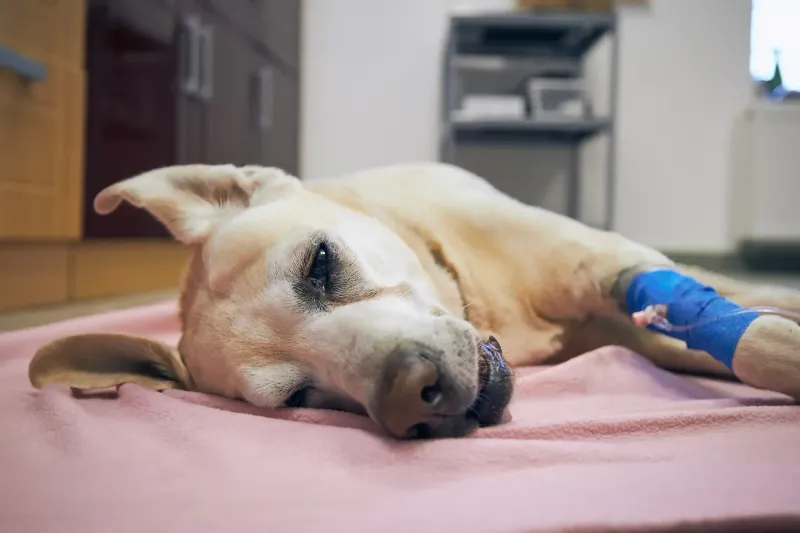
When coughing ramps up after sunset, pay attention. Lying down can shift fluids or pressure in the airways, making irritation and post nasal drip more obvious.
You might notice restlessness, pacing, or that the cough interrupts sleep in cycles.
Elevate the head slightly and try a humidifier while you call your vet for guidance. Night heavy coughing can hint at lower airway disease, early pneumonia, or even heart related issues that masquerade as a cold.
Track timing, frequency, and any blue tinted gums or panting, which are urgent signs. Your notes help the vet target testing quickly.
Gagging like something is stuck

That dramatic hack gag combo can look like a stuck chip, but often it is airway irritation or mucus. Dogs may extend their necks, swallow hard, or spit up froth after a coughing spell.
If you see repeated gagging without improvement, treat it as a respiratory red flag.
Rule out choking if breathing seems blocked or the tongue turns pale. Otherwise, avoid throat poking and schedule a prompt exam.
Kennel cough, collapsing trachea, or laryngeal irritation can all cause this gag reflex. Short, calm walks and a harness instead of a collar can reduce strain while you wait for care.
Thick nasal discharge
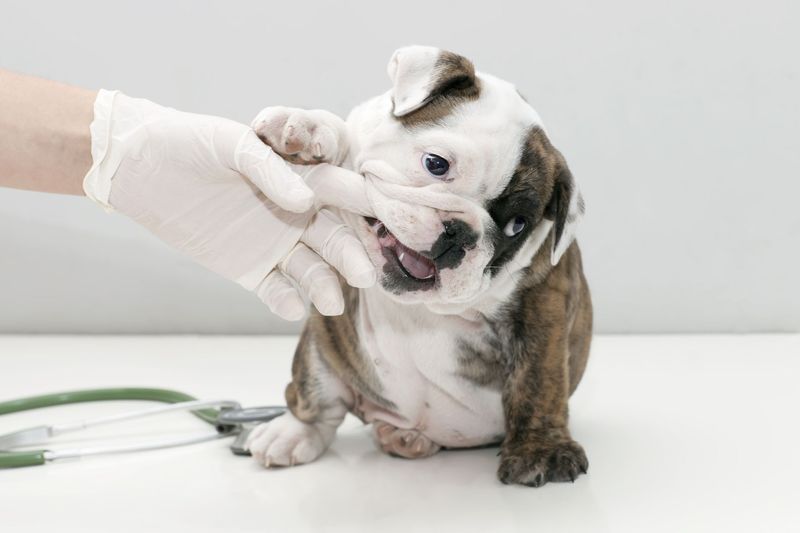
Thick snot is not just messy, it signals inflammation or infection brewing beyond a simple sniffle. Yellow or green discharge suggests cells fighting bacteria, while bloody streaks can mean irritation or dryness.
Wipe gently and check if the nose looks crusted, painful, or blocked.
Offer steam from a bathroom shower and keep hydration up, but do not self start leftover antibiotics. A vet can swab, culture, and guide treatment if bacterial or fungal causes are involved.
Watch for loss of smell, face rubbing, or noisy breathing, which raise concern. Thick discharge that lasts more than a day or two deserves a call.
Sneezing fits plus lethargy
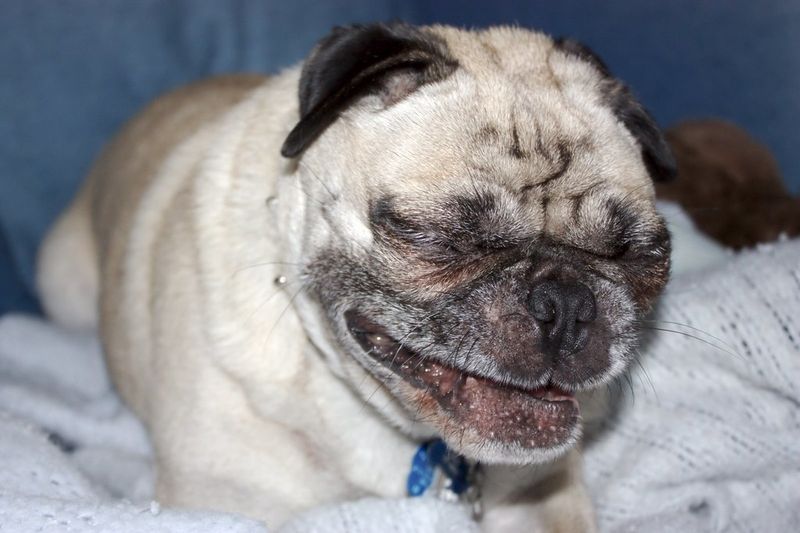
Random sneezes happen, but clusters of sneezes paired with low energy suggest illness over irritation. Dogs that nap harder, skip play, and sneeze repeatedly may have viral infection or sinus involvement.
Note appetite, hydration, and whether the eyes look red or goopy.
Limit exposure to other dogs and sanitize bowls and bedding while you call your clinic. A quick exam can rule out foxtails, dental root issues, or deeper infection.
Rest, fluids, and targeted meds can shorten recovery time. If you notice labored breathing or fever with these sneezes, move the visit up to the same day.
Fast shallow breathing
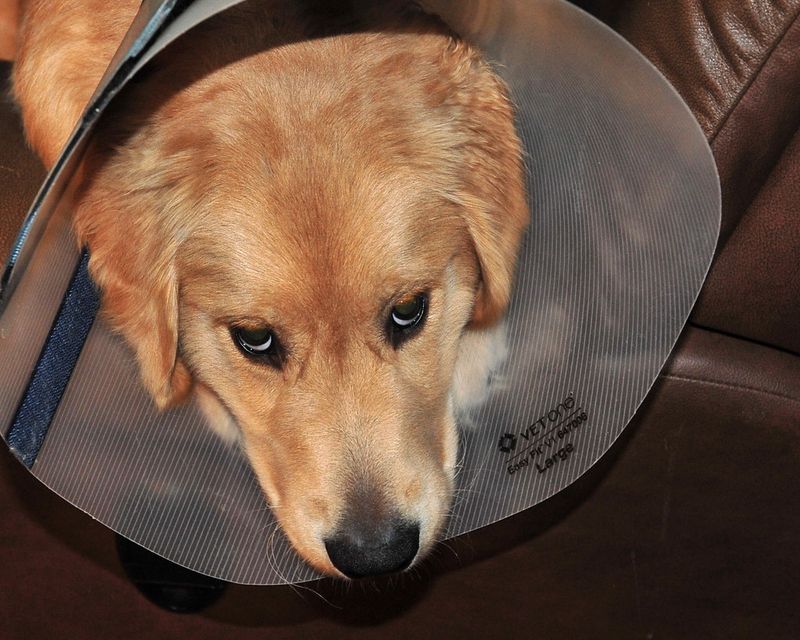
Quick, short breaths at rest usually mean the body is working too hard to move air. Count breaths per minute while your dog is sleeping, aiming for under thirty.
If you get consistently higher numbers or see belly and chest heaving, do not wait it out.
Open windows, keep things calm, and avoid heat or exercise until evaluated. Fast shallow breathing can signal pain, fever, lower airway disease, or fluid where it should not be.
Blue tinted gums or collapse are immediate emergencies. Document a short video for your vet, which can be incredibly helpful.
Wheezing
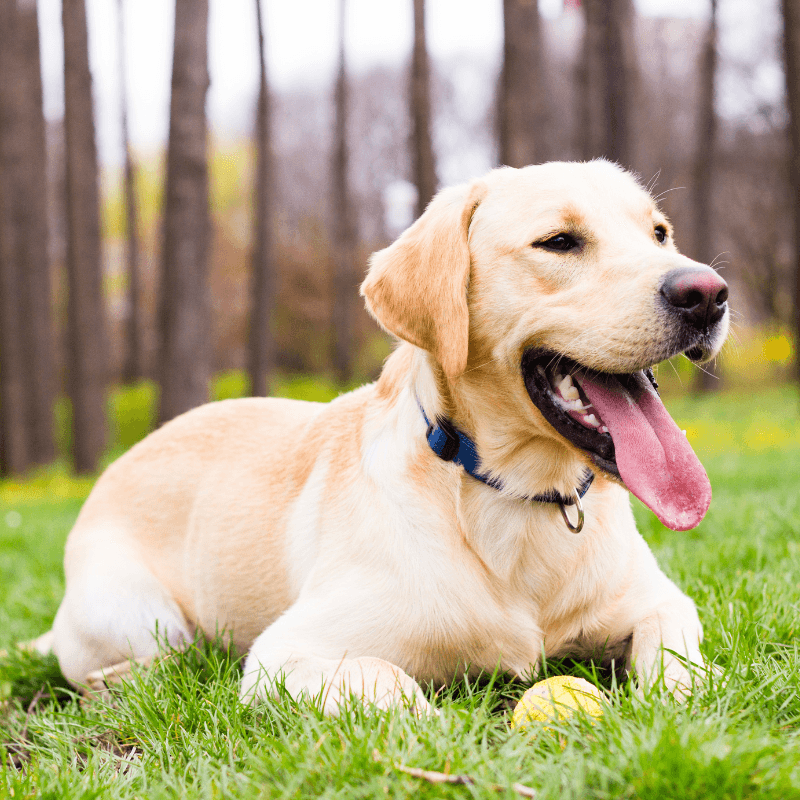
Wheezing is a musical whistle on the inhale, exhale, or both, hinting at narrowed airways. You might hear it more after play or in dusty rooms.
Unlike a harmless snore, wheezing often comes with effort, neck stretching, or flared nostrils.
Reduce triggers like smoke, sprays, and heavy scents, then call your vet for assessment. Asthma like inflammation, bronchitis, or allergic swelling can all be at play.
Early treatment helps prevent airway remodeling and tougher flares later. If wheeze pairs with open mouth breathing or tongue discoloration, seek urgent care.
Loss of appetite
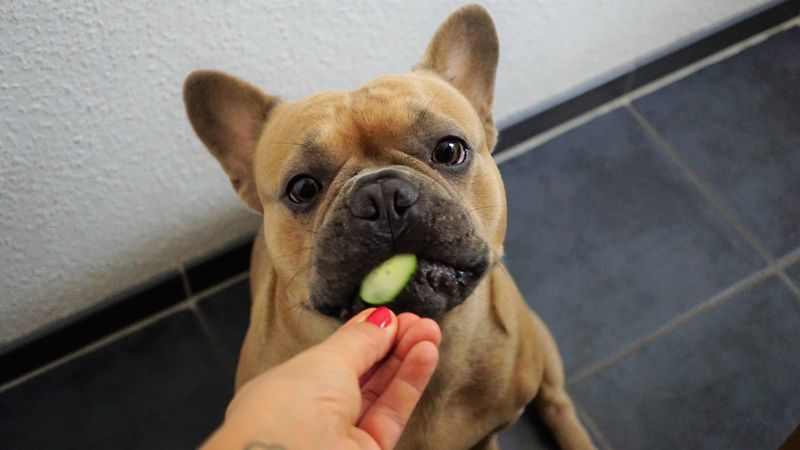
Skipping one meal can be normal, but repeated refusals often track with respiratory illness. Smell drives appetite, and a stuffy nose dulls interest in food.
Offer warmed, aromatic meals and fresh water while you monitor energy and breathing.
If food aversion lasts beyond twenty four hours or pairs with vomiting, coughing, or fever, call your vet. Weight dips fast in smaller dogs and seniors, so do not wait.
Your clinic may recommend anti nausea meds, appetite support, or fluids. Note any coughing after eating, which can hint at throat irritation or aspiration risk.
Feverish warmth
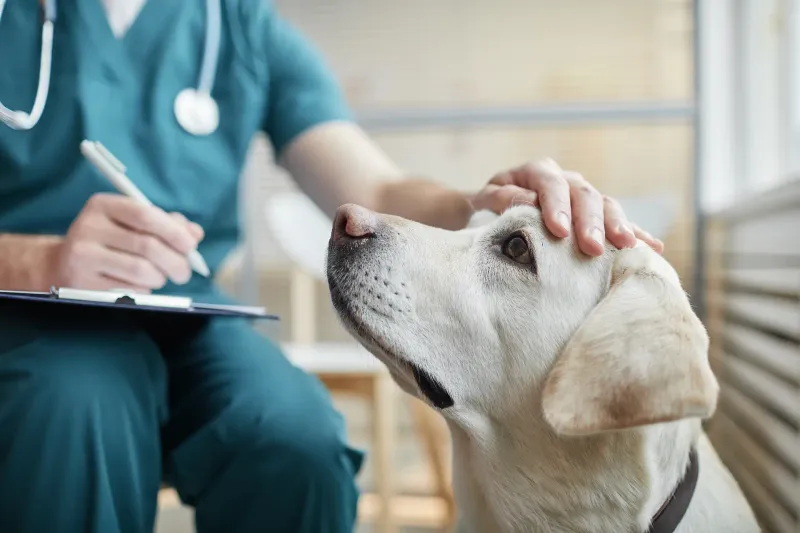
Feeling unusually hot ears or belly can signal fever, but hands are not thermometers. A digital rectal reading is most accurate for dogs, with normal around one hundred to one hundred two point five Fahrenheit.
Pair warmth with behavior changes like panting at rest, shivering, or glazed eyes.
Skip human fever reducers and focus on cool, comfortable rest until your vet advises next steps. Fever can accompany viral or bacterial respiratory infections and may shift quickly.
If breathing seems harder, hydration drops, or confusion appears, escalate urgently. Keep notes on temps and times to guide treatment.
Low energy after daycare/boarding
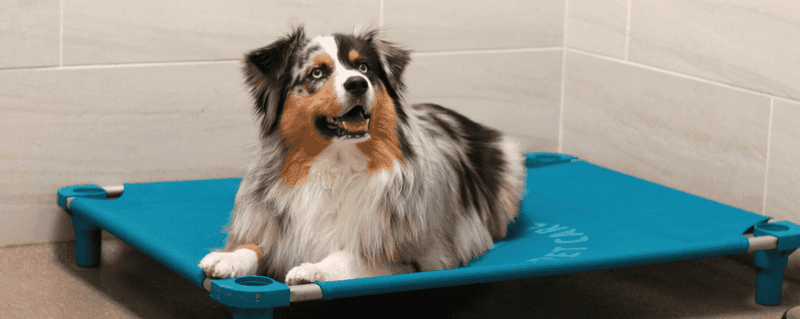
Post daycare tired is typical, but profound fatigue paired with cough, sneeze, or nasal goop points to exposure. Group settings raise the odds of contagious respiratory bugs.
You might notice extra naps, less play, or a dull coat within a few days of return.
Isolate gently from other pets, refresh water, and sanitize shared gear. Call your vet if symptoms appear or escalate, especially if your dog is young, senior, or has chronic issues.
Early testing and care can shorten downtime and reduce spread. Let the facility know, too, so they can alert others and step up cleaning.