If you have ever fumbled with a retractable leash while your dog lunged, you know that heart stopping snap of panic. These gadgets promise freedom but often deliver rope burns, broken fingers, and chaotic chases.
The latest wave of horror stories is calling out specific breeds that turn small mistakes into big injuries. Before your next walk, see why these powerful, athletic dogs are topping the caution lists and how a fixed length leash might save the day.
Bouvier des Flandres
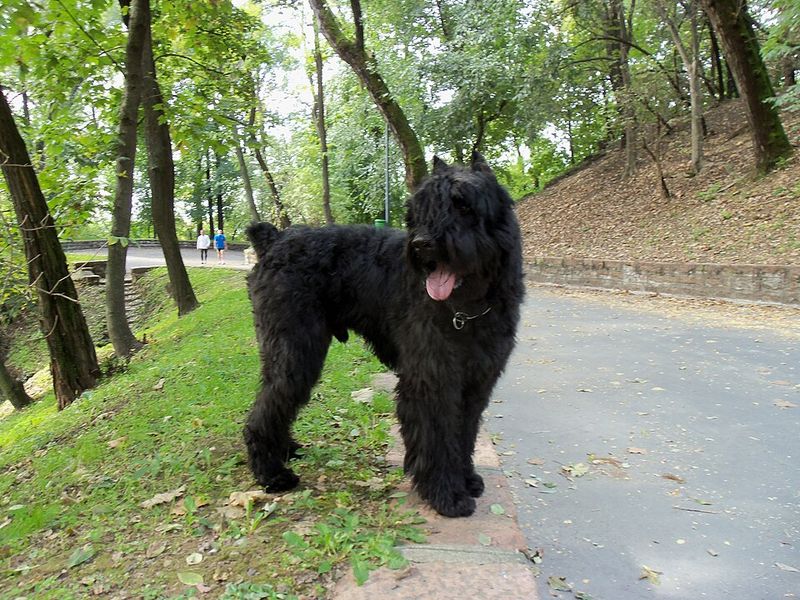
The Bouvier des Flandres is a tractor in dog form, and a retractable leash is a thin fishing line against that torque. When this herding guardian spots movement, it can pivot and surge, yanking you off balance.
That split second whiplash is how wrists tweak, shoulders strain, and fingers get rope burned.
You need leverage, not length. A sturdy front clip harness and a 6 foot fixed leash keep the center of gravity near your hips.
With predictable tension, you can practice stops, resets, and calm turns without the yo yo effect.
Retractables reward rushing with more line, which Bouviers learn fast. Keep sessions short, reward check ins, and manage distance.
Power deserves predictable boundaries.
Cane Corso
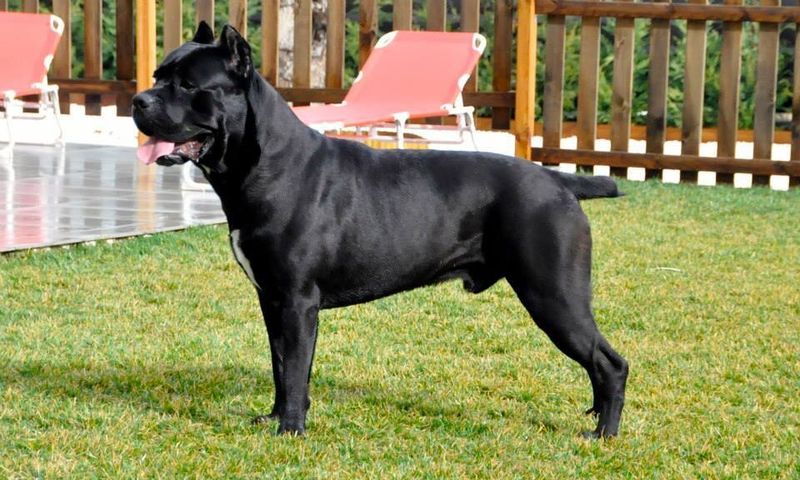
A Cane Corso does not politely negotiate physics. One squirrel dash on a retractable can spool out twenty feet, then snap back with a jolt that shreds skin or topples a grown adult.
That sudden slack to tension punishes joints and encourages the dog to surf the line.
Fixed length gear changes the rules. A broad leather leash and front clip harness create steady guidance, letting you preempt the surge.
You can rehearse heel, stop, and look cues without roulette length.
Guardianship instincts mean big reactions to surprises. Manage sightlines, give wider arcs around triggers, and reward neutrality.
The Corso is brilliant and biddable, but it thrives when the leash is a seatbelt, not a bungee.
Rhodesian Ridgeback
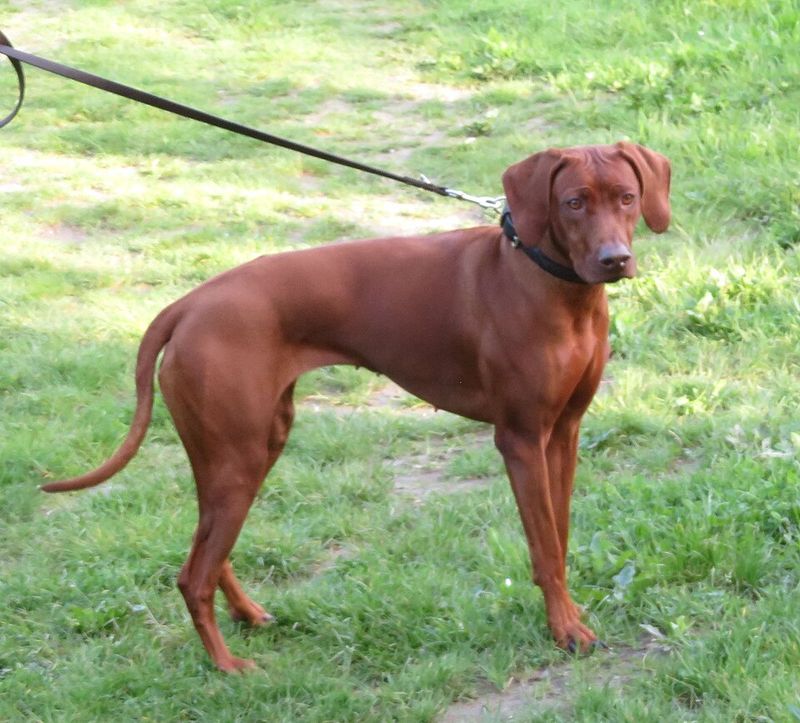
Ridgebacks are sprinters with opinions. Give them fifteen feet of retractable runway and you might trigger a chase reflex you cannot reel in.
The thin cord burns palms, tangles ankles, and slices when a dog whips past a jogger or stroller.
With a fixed leash, you can practice tempo changes and reward deceleration. Keep the line short through turns, lengthen on open stretches, and use a front clip to rotate the chest.
That structure teaches impulse control without whiplash.
Because prey drive lights up fast, scan ahead for birds, scooters, and bouncing balls. Create space early and mark calm eye contact.
You will keep the Ridgeback’s engine engaged while keeping your bones intact.
Doberman Pinscher
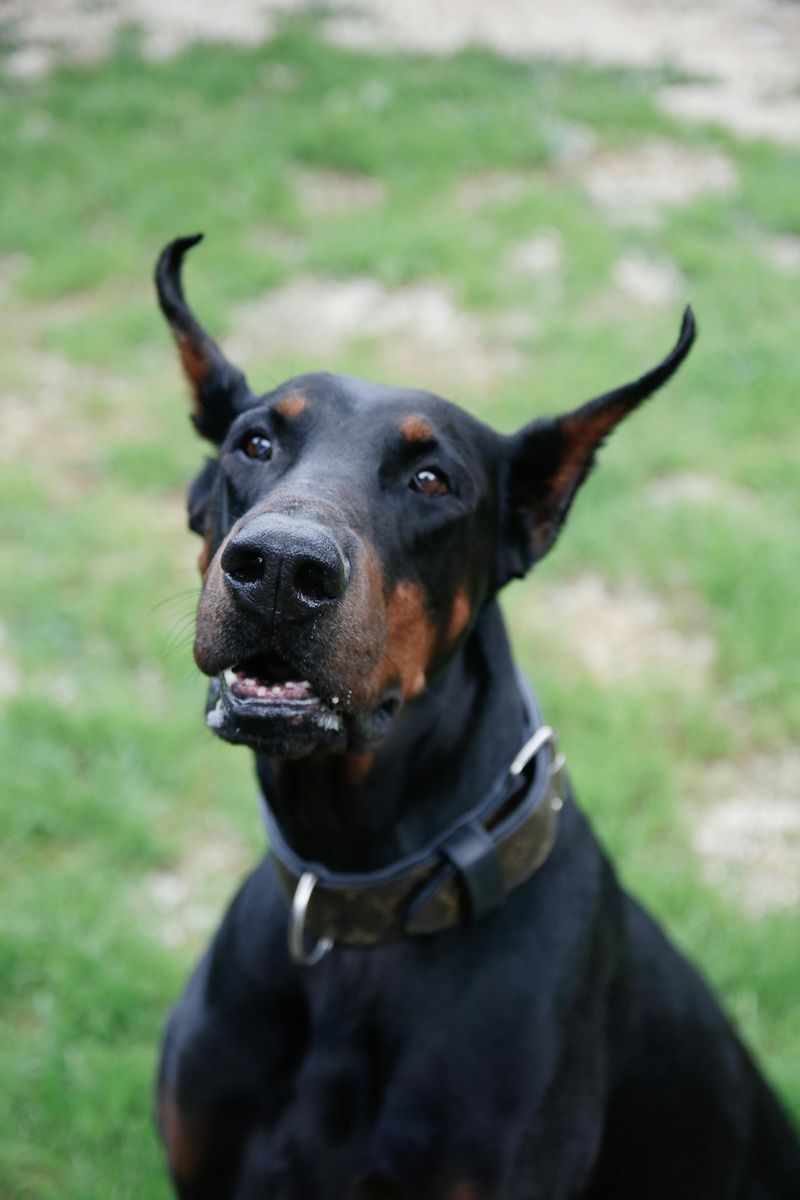
Dobermans pivot like athletes. On a retractable, that means instant acceleration with a razor thin line connecting you to a hundred sudden pounds.
When the head swivels at a skateboard, your fingers, elbows, and shoulder take the hit.
Switching to a fixed leash makes pressure predictable and cues clearer. Heel becomes a conversation, not a tug of war.
Pair it with pattern games, like figure eights and stop sit release, to channel energy and reward stillness.
These dogs read body language. Keep your posture tall, breathe, and guide turns before the tension climbs.
You will prevent slingshot moments, protect nearby pedestrians, and give your Doberman the calm structure it secretly craves.
Giant Schnauzer
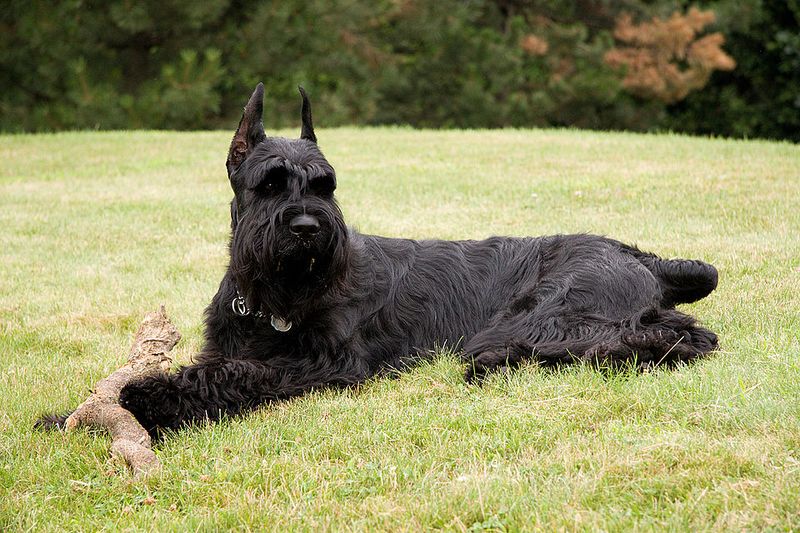
Giant Schnauzers are working dogs built for push and pull. A retractable turns crowded sidewalks into a hazard zone, letting the dog zigzag and clothesline strangers.
The handle can slip, then rattle and chase the dog, creating a runaway panic loop.
A fixed length leash plus a Y front harness centers power and stops the ski tow effect. Practice one step attention games at crosswalks and reward calm pacing.
Predictable limits beat unpredictable freedom in tight spaces.
Beard and brows catch wind and excitement, so plan decompression sniff breaks off traffic paths. Rotate routes, keep sessions short, and end on success.
Safety is not sternness; it is clear, repeatable rules for a powerful comedian.
Rottweiler
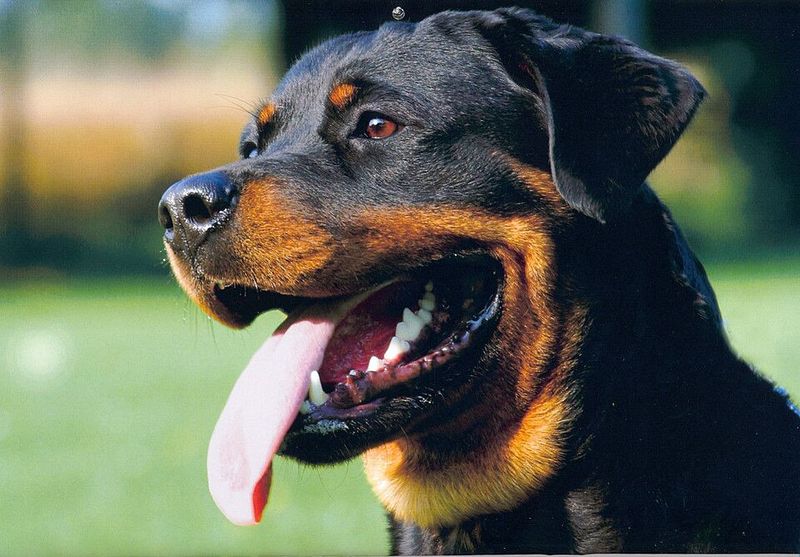
Rottweilers are steady until the switch flips. A sudden cat dart can send a retractable zinging, then locking, then snapping tension into your shoulder.
Falls, rope burns, and tangled legs are common outcomes in those chaotic seconds.
Choose a simple leather leash that you can grip and a harness that steers from the chest. Work on halt and go drills, rewarding loose leash positions before distractions appear.
Distance is your friend, and so is clarity.
Because a Rottie’s confidence can bulldoze space, advocate early with calm arcs around crowds. You will look composed, your dog will learn boundaries, and no one will be yo yoed into the bushes by a plastic handle.
Weimaraner
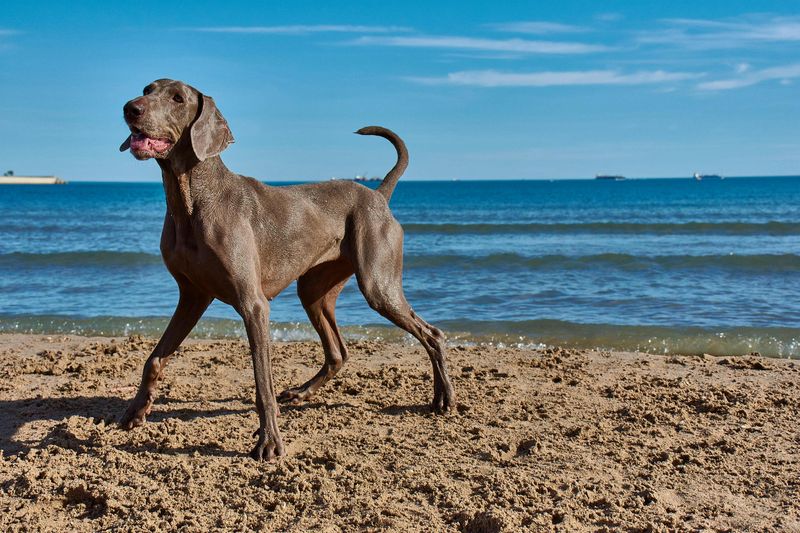
Weimaraners notice everything and complain at speed. On a retractable, that curiosity becomes ping pong, surging toward smells and sounds while you juggle a plastic brick.
The thin cord can whip ankles or slice fingers as you try to reel in excitement.
A fixed leash lets you set a rhythm. Practice sniff breaks on cue, then step off with purpose and reward a soft J in the line.
Front clip rotation helps redirect without wrestling, and biothane cleans up after muddy adventures.
Scan for birds, joggers, and cyclists, and feed calm glances. Structure actually frees your Weim to explore safely.
Keep the length consistent and the expectations boring, because boring is bliss for your joints.
Vizsla
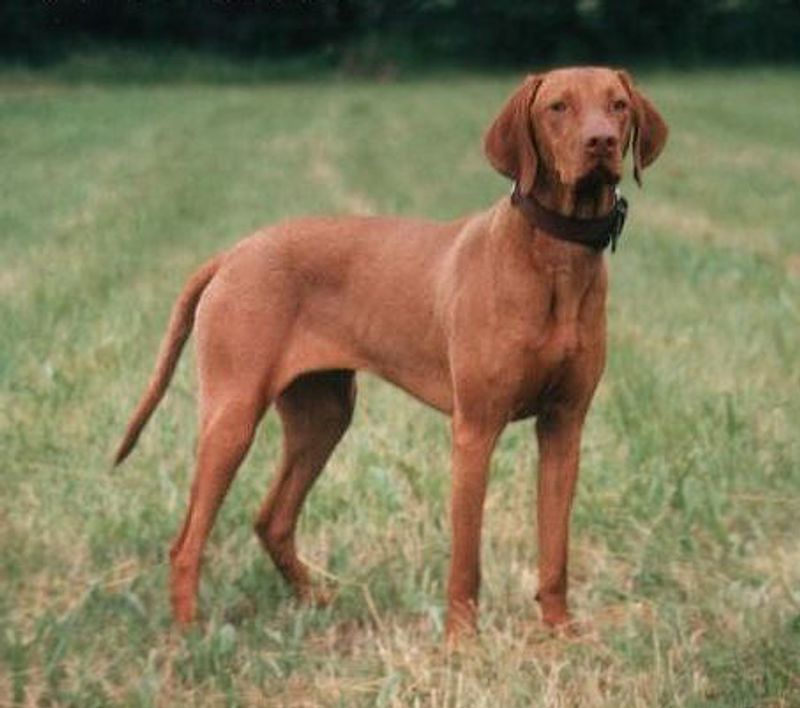
Vizslas are social rockets. A retractable adds speed to enthusiasm, slingshotting them toward people or dogs long before you can intervene.
That is how fingers get caught in the spool and knees twist on surprise lunges.
With a fixed leash, you can script greetings and breakaways. Reward a check in, then release to sniff, then return for a treat and heel.
The predictability turns impulse into a game you control.
Because these pups bond hard, practice calm departures from exciting scenes. Step back, breathe, feed neutrality, and walk on.
You will keep the engine purring without turning every outing into a bungee stunt show.
German Shorthaired Pointer
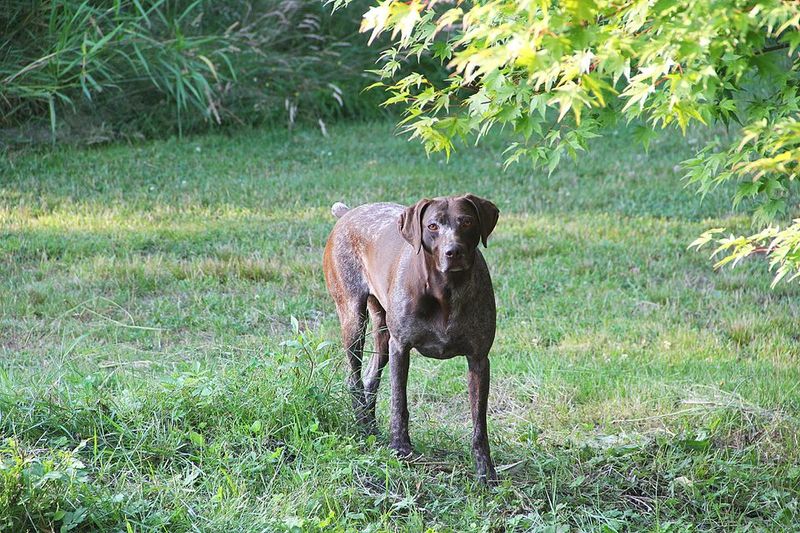
GSPs are search engines with legs. Give them retractable slack and they will quarter the field, hit the end of the line, and catapult your balance.
The recoil can carve grooves in skin or send you face first into grass.
Swap to a fixed leash and structure the hunt. Cue a sniff zone, then cue back to heel, paying for eye contact and soft leash.
Front clip guidance turns wide arcs into cooperative curves.
Set expectations before birds or bunnies show. Work distance, reward stillness, and let curiosity earn controlled freedom.
Your shoulders will thank you, and your pointer will still get to do the nose work it craves.
Dalmatian
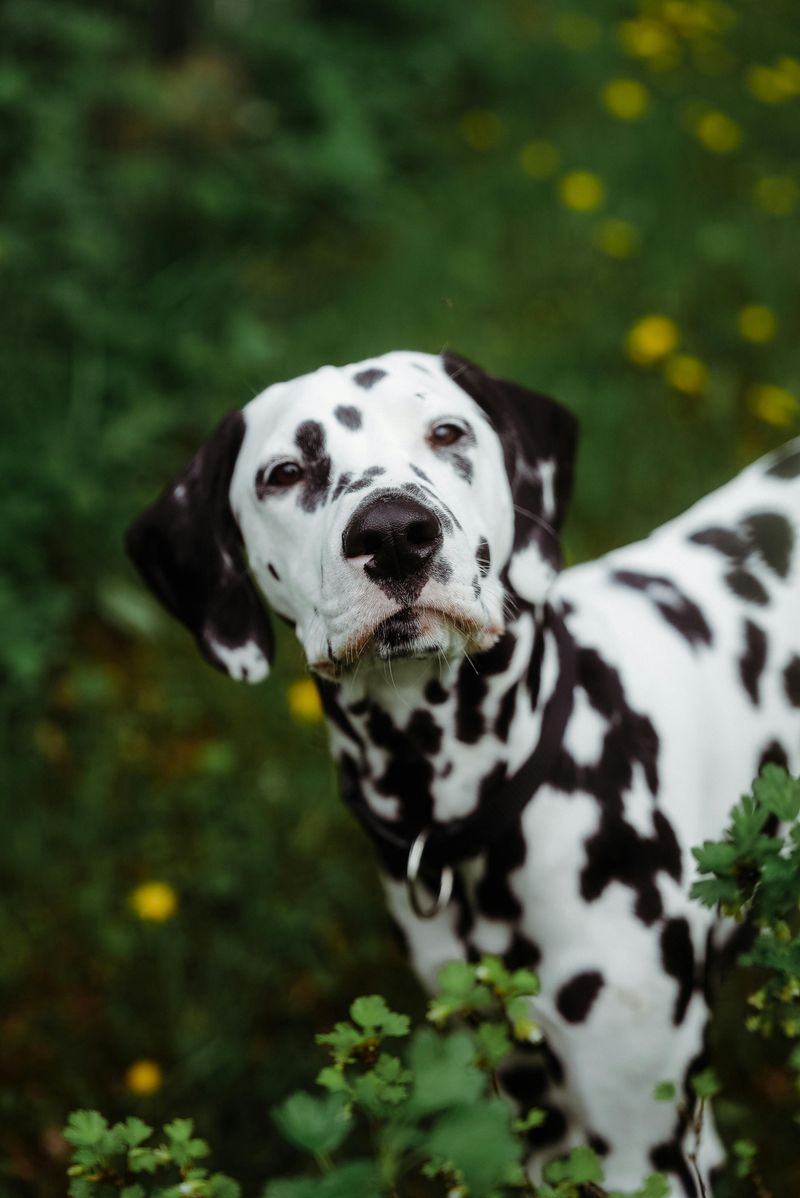
Dalmatians are motion sensitive and playful, which makes retractables risky among wheels and crowds. Extra line becomes a tripwire across bike lanes, and sudden locks can topple kids or twist your wrist.
The handle drop clatter can also spook them into bolting.
Use a bright, fixed leash that is easy to see and grip. Practice loose leash patterns, rewarding shoulder alignment and calm glances at passing traffic.
A front clip helps you pivot gently without drama.
Teach a parked sit when scooters approach, then release after they pass. The predictability builds confidence and keeps the path clear.
Stylish spots deserve safe strolls, not circus stunts powered by plastic gears.
Siberian Husky
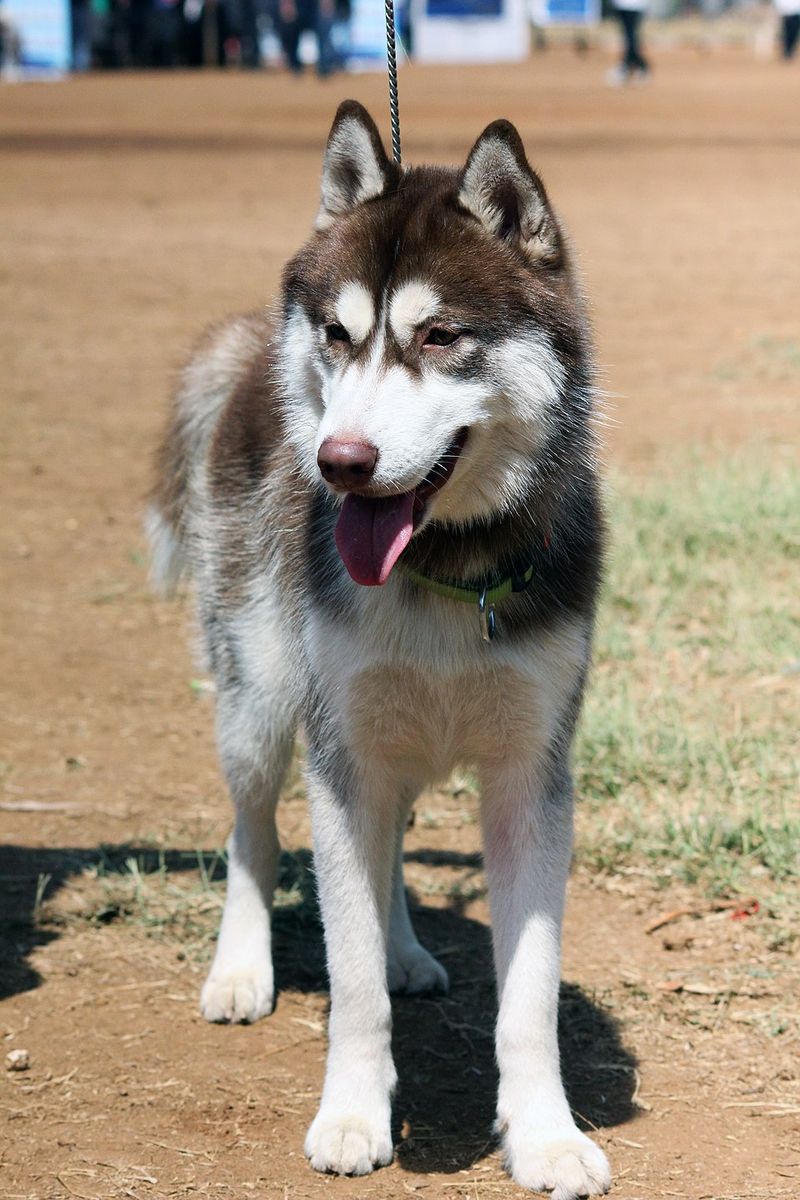
Huskies are built to pull. Give them twenty feet of retractable and you have hitched yourself to a sled with no brakes.
One lunge toward a squirrel and the line whirs, locks, and yanks you into ice or traffic.
A fixed rope leash with a strong harness channels power into manageable arcs. Practice directional cues like left, right, and easy while rewarding slack.
Short sessions beat marathon tug fests.
Because escape artistry is common, check hardware before every walk and avoid thin cords entirely. Keep exits calm, add decompression sniffing, and retire the retractable to the junk drawer.
Your shoulders and your Husky’s neck will both be safer.
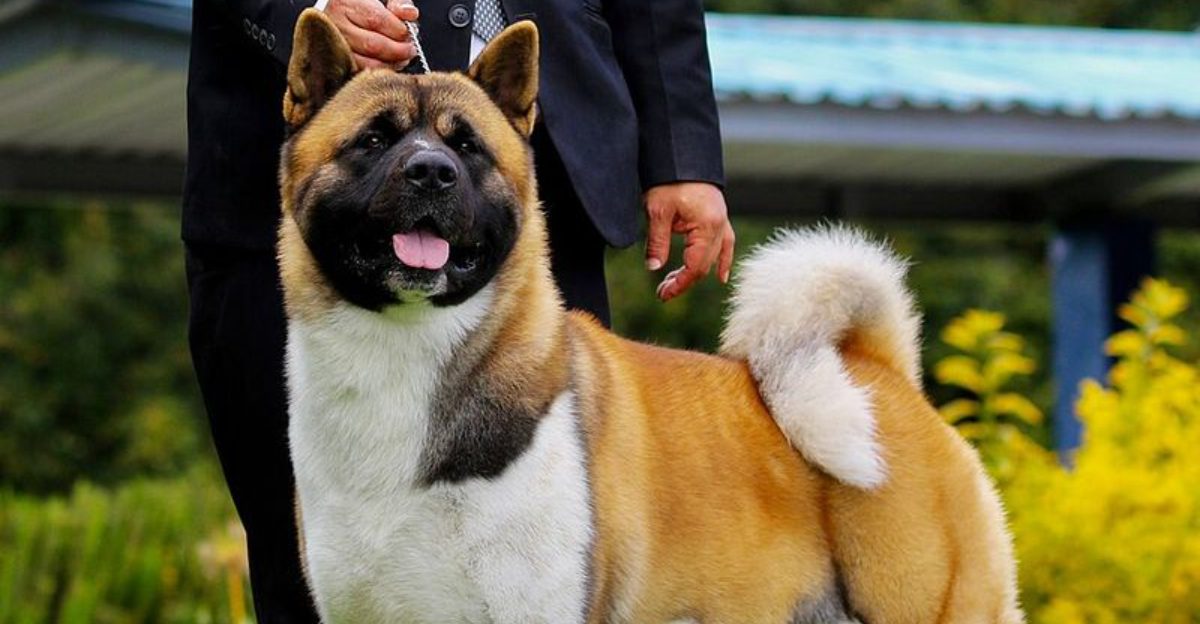
American Akita
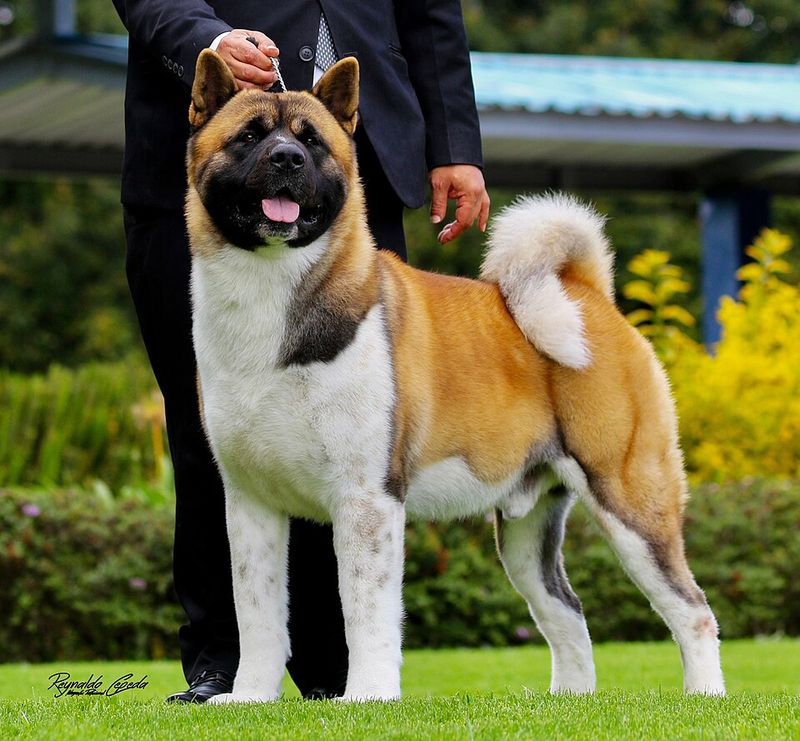
American Akitas are dignified and decisive. A retractable amplifies those decisions, giving momentum to hard stops and fast surges.
When tension slams, people fall, fingers burn, and bystanders get clotheslined before you can apologize.
Use a short, sturdy leash that communicates early and clearly. Reward slow starts and thoughtful pauses, and keep greetings structured or skipped.
Front clip gear lets you rotate rather than drag.
Manage space like a pro: cross streets preemptively, arc around doorways, and keep thresholds quiet. Predictability lowers arousal and boosts trust.
With consistent rules, your Akita becomes a calm shadow, not a runaway freight train powered by a plastic spool.
Belgian Malinois
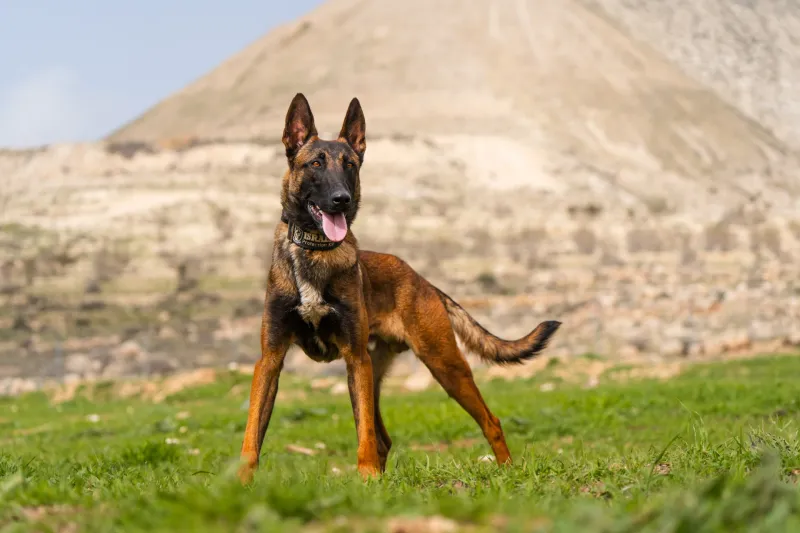
Malinois learn cause and effect in seconds. A retractable teaches that leaning forward makes the world come closer, which is the opposite of what you want.
Add lightning reactions to bikes or birds, and you have a recipe for rope burns and wrecked shoulders.
Fixed length gear creates clean feedback. Reinforce heel, middle position, and down while distractions pass.
Use food or toys strategically, and release to sniff as payment for composure.
Because arousal stacks quickly, keep sessions short and transitions clear. Approach triggers in arcs, then retreat before tension spikes.
Your Malinois will still feel challenged, but you will not be dangling from a buzzing plastic yo yo.