
Some dogs are ready to quit after one lap around the block, while others look at you like the run hasn’t even started. If you love to jog, picking a dog built for distance can turn every run into a team effort.
The breeds on this list were shaped by jobs that demanded hours of steady movement, from herding sheep to pulling sleds. Each one brings a different kind of stamina, and a few come with surprises worth knowing before you lace up together.
Vizsla
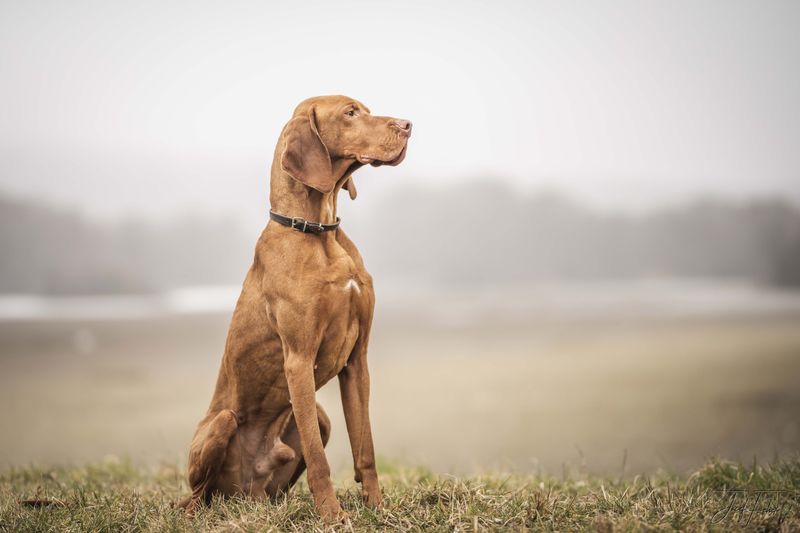
Hungarian hunters needed a dog that could cover open plains all day and still check back with the person on foot. That history shows up on a run, where a Vizsla often stays close, glancing up as if asking about the next turn.
The breed is commonly called a velcro dog for good reason. Many Vizslas prefer working right beside their person, which makes them easier to keep in step than more independent runners.
That closeness has a flip side. A Vizsla that gets plenty of miles but little time with its family may still seem restless, so the run works best as shared time rather than a quick energy dump.
Weimaraner
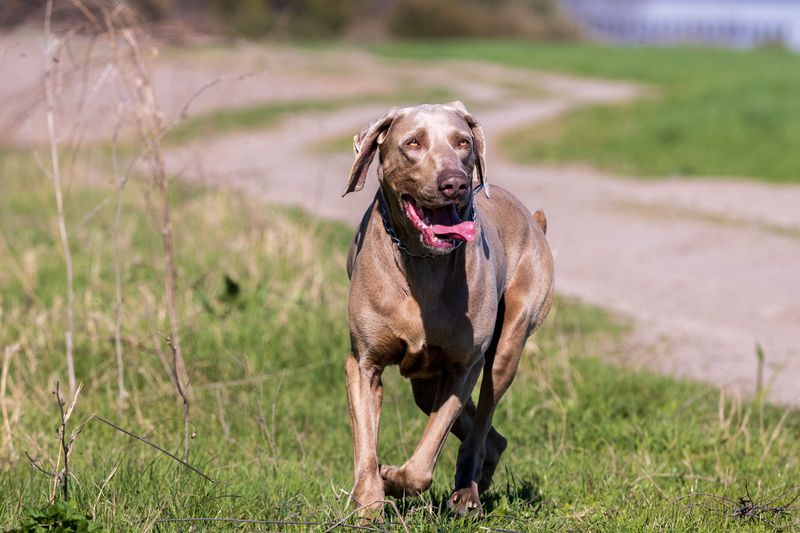
Silver coat, amber eyes, and an engine that rarely seems to idle. Weimaraners were developed in Germany to hunt large game, a job that called for both speed and serious endurance.
On the road, many can handle longer distances once fully grown and properly conditioned. The AKC notes the breed needs a good deal of daily exercise, and a bored Weimaraner may invent its own hobbies, like rearranging couch cushions.
Prey drive is worth planning around. A squirrel can suddenly matter more than your pace, so a secure harness and solid recall practice are smart before trail runs.
Siberian Husky
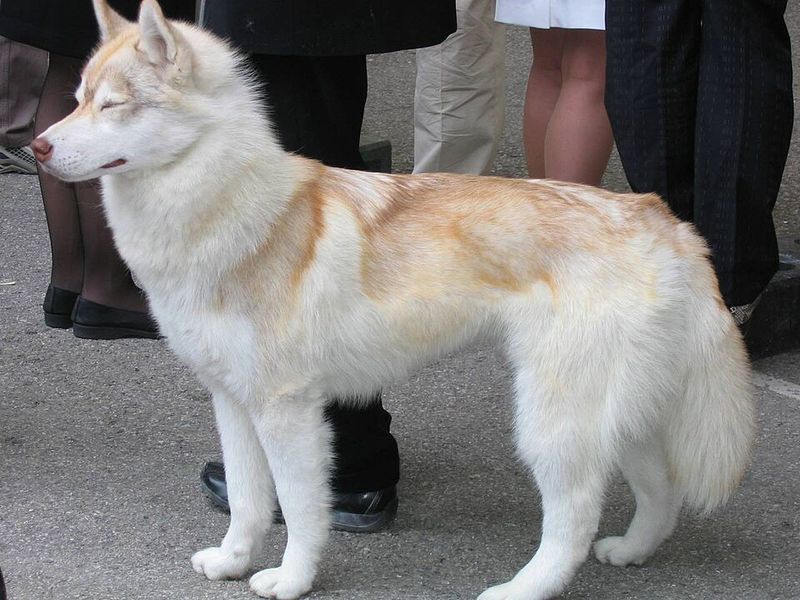
Sled dogs in Siberia were prized for hauling light loads across long distances without burning out. That means a Husky’s gift is not raw speed but an efficient, ground-covering trot it can hold for a very long time.
Cold weather is where the breed shines. Summer runs are another story, since that thick double coat can make heat tough, so early mornings or cool evenings are the safer choice.
Huskies also tend to have a mind of their own. Off-leash running is risky for many, because the urge to keep going can easily outweigh the urge to come back.
Australian Shepherd
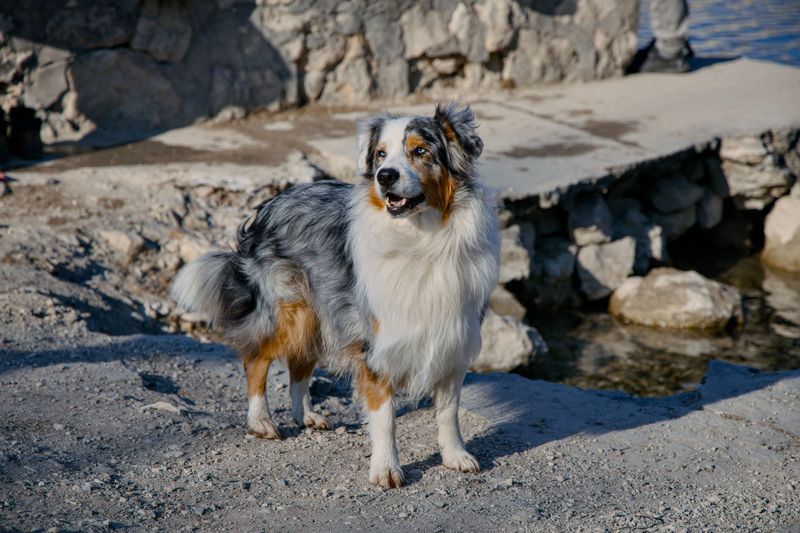
Ever seen a dog try to herd its own family during a walk? Australian Shepherds, despite the name, were refined on American ranches, where they moved livestock across rough ground for hours.
That working background gives them agility on hilly or uneven trails, not just flat pavement. Many enjoy routes that change direction, because variety keeps their busy brains engaged.
Running alone may not settle an Aussie completely. Pairing miles with a short training game or puzzle afterward often does more than an extra lap ever could.
Dalmatian
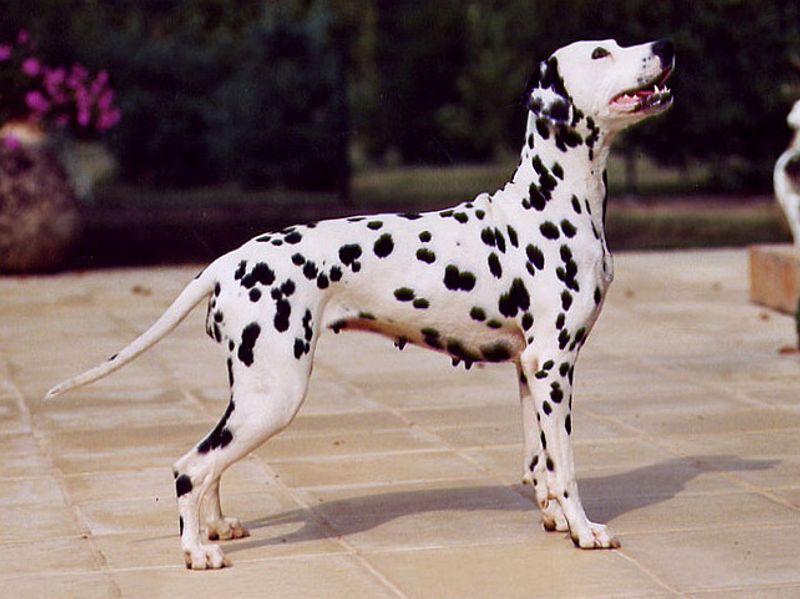
Long before fire trucks had engines, Dalmatians trotted alongside horse-drawn carriages, sometimes for many miles. Coach dogs needed to keep pace with horses and stay alert the whole way.
That job built a dog suited to steady road running. Plenty of Dalmatians settle into a rhythm beside a runner the way their ancestors did beside a carriage.
Owners should know the breed sheds more than its short coat suggests. Dalmatians can also be prone to urinary stones, so fresh water on and after runs matters, and a vet can advise on diet.
German Shorthaired Pointer
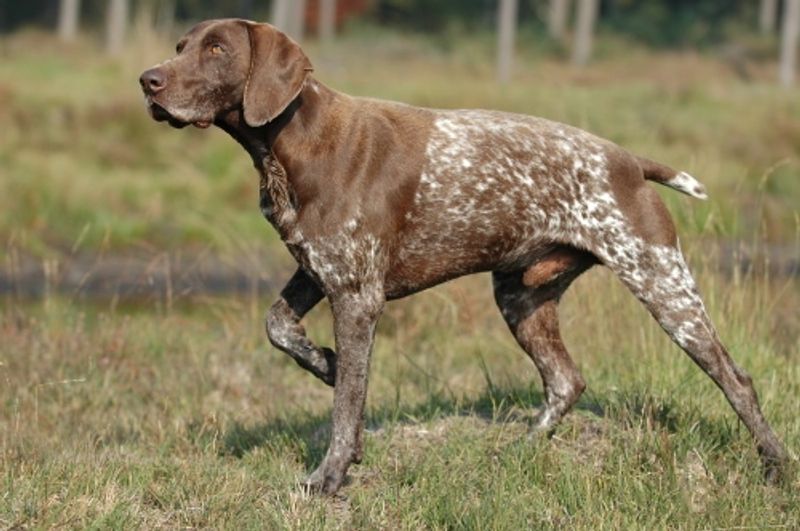
Versatility is the whole point of the German Shorthaired Pointer. It was bred to point, retrieve, and even swim, so it brings an all-terrain kind of stamina.
Runners who mix trails, grass, and the occasional lake stop may find this breed especially fun. Its short coat dries fast and needs little grooming after a muddy outing.
Young GSPs can be wildly enthusiastic. Building distance slowly helps protect growing joints, and most vets suggest waiting until a dog’s growth plates close before serious mileage.
Rhodesian Ridgeback
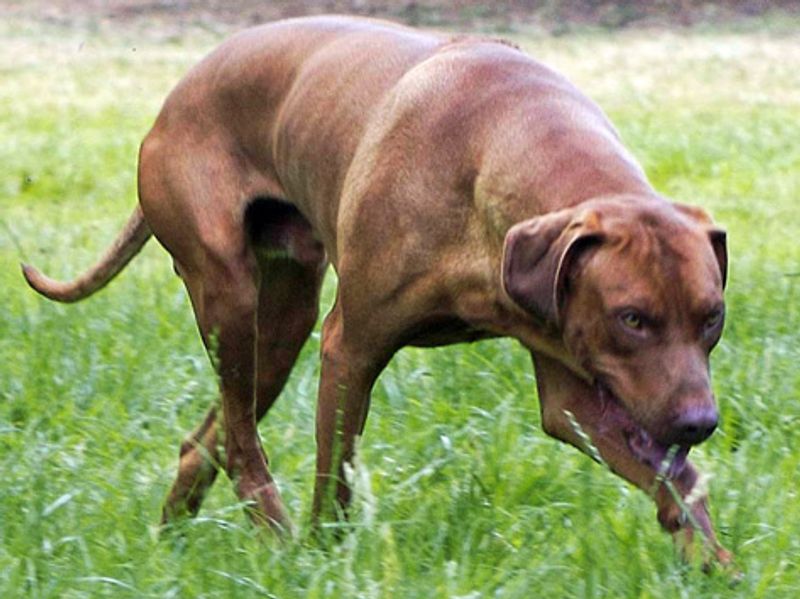
Here is a runner that handles warm weather better than many on this list. Rhodesian Ridgebacks were developed in southern Africa to track and hold lions at bay, covering long distances under a hot sun.
Their short coat and lean build make them a strong option for runners in warmer climates, though no dog should push through extreme heat.
Ridgebacks tend to be more independent and sometimes reserved with strangers. Patient, reward-based training usually works better than repetition, since many get bored quickly.
Belgian Malinois
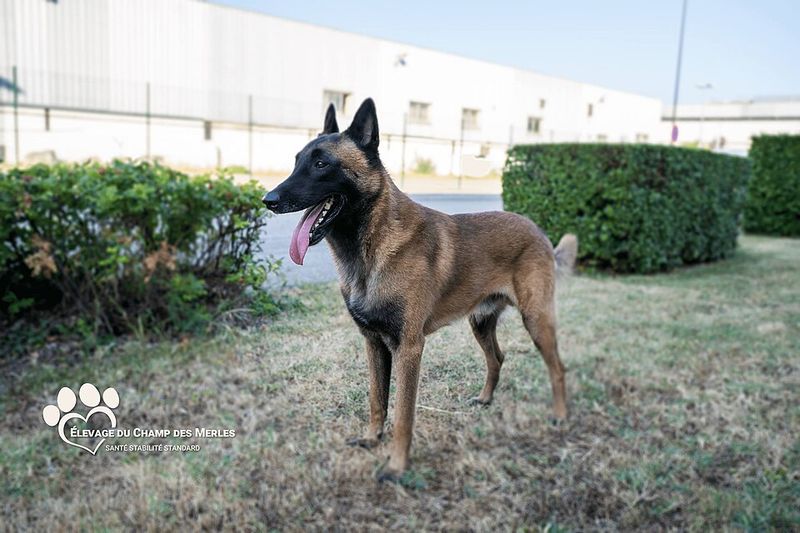
Police and military units around the world rely on the Belgian Malinois, and stamina is only part of the reason. The breed pairs physical drive with an intense desire to work.
For an experienced runner who also enjoys training, that can be a thrilling match. A Malinois may happily handle long runs, then still want a job afterward.
That intensity is exactly why this breed is not for everyone. Without daily mental work, many develop frustration behaviors, so think of running as one piece of a much bigger routine.
Brittany
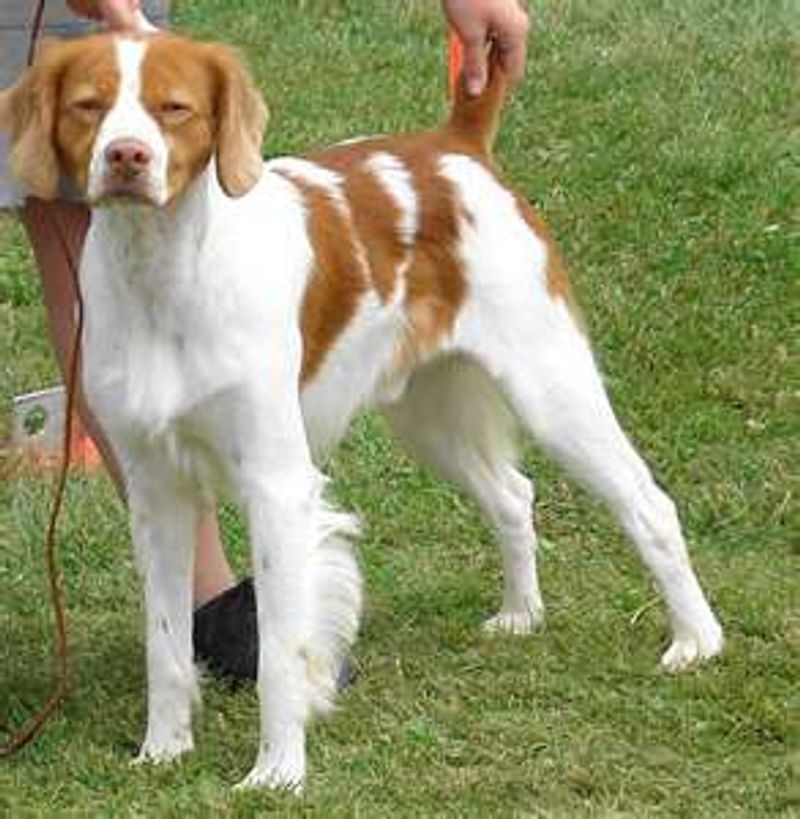
Small but tireless, the Brittany proves you don’t need a big dog for big miles. Usually around 30 to 40 pounds, this French bird dog was built to range across fields all day.
Its compact size makes it easier to manage in apartments or cars than larger sporting breeds. Many Brittanys have a cheerful, bouncy stride that stays steady over distance.
Soft feelings come with the package. Harsh corrections can shut a Brittany down, while praise and treats tend to keep it eager mile after mile.
Jack Russell Terrier
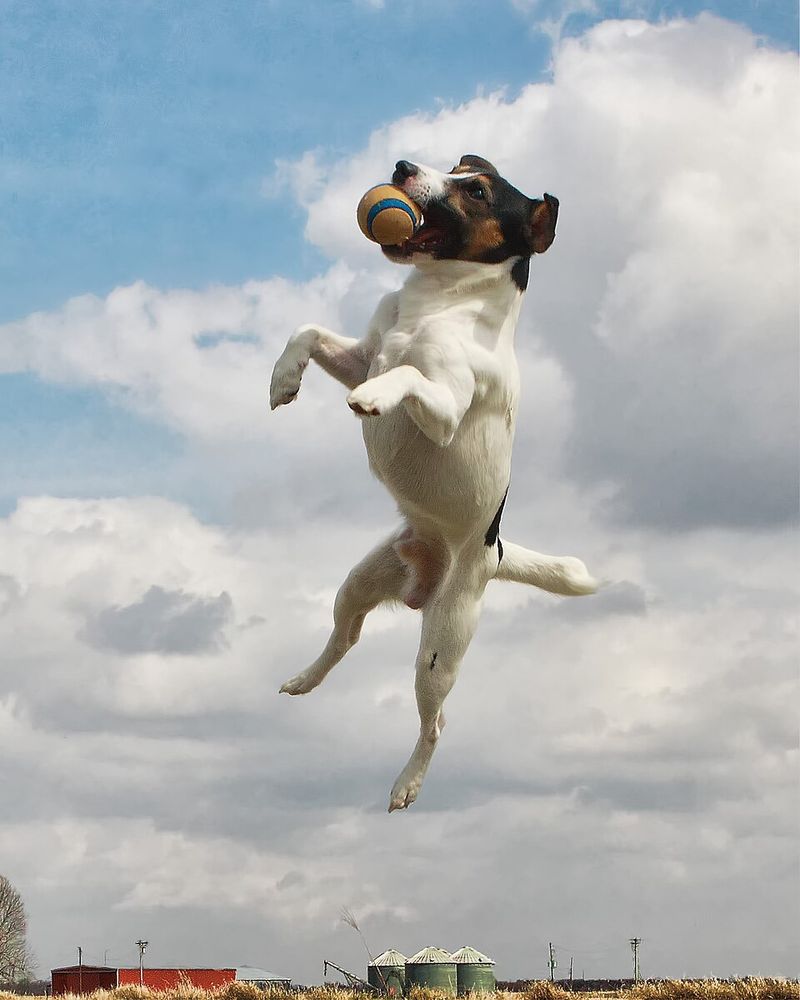
Short legs, surprising engine. Jack Russell Terriers were bred to keep up with fox hunts on horseback, then dig into dens, which takes far more endurance than their size suggests.
For moderate distances, many Jacks make spirited jogging partners. Their stride is short, so pace and distance should match the dog, not the runner’s marathon plan.
Expect personality on every run. A strong prey drive and bold attitude mean a leash is usually the wiser choice near squirrels and other dogs.
Whichever breed catches your eye, remember that stamina is built, not just inherited. Start slow, check with your vet, and let your dog help set the pace.