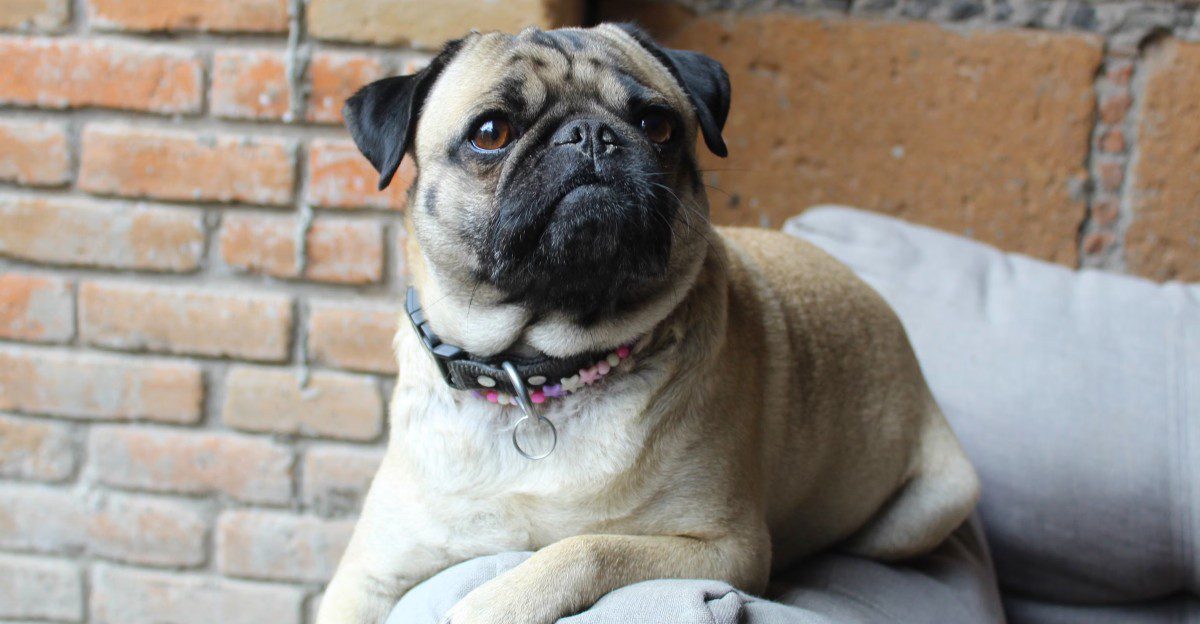
A big backyard looks great in dog adoption photos, but plenty of happy dogs never have one. What many breeds really want is a good walk, a sniff around the block, and some time with their people.
The trick is picking a dog whose energy fits your routine, because a bored dog in a small space can get creative in ways you will not love. These 10 breeds often do well with daily walks and a little indoor fun, and each one brings its own quirks worth knowing before you commit.
Greyhound
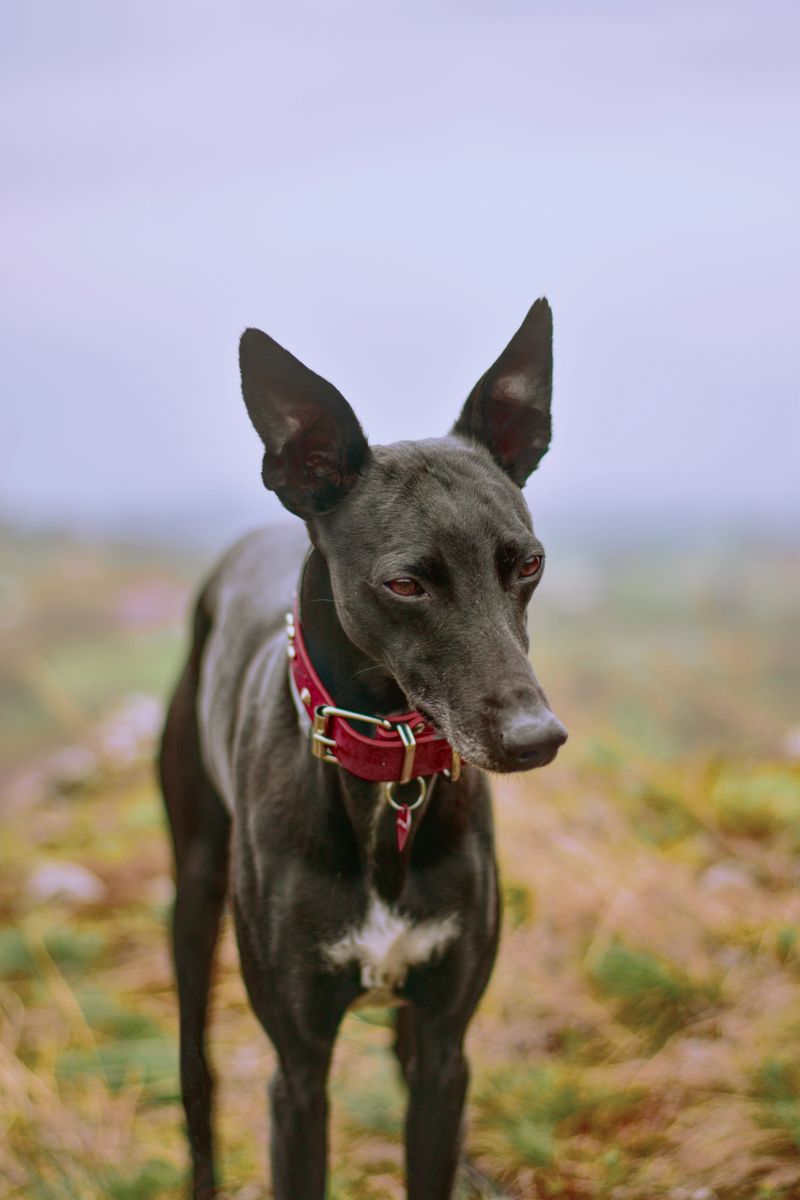
Here is a fact that surprises a lot of first-time owners: the fastest dog breed is often called a 45 mph couch potato. Greyhounds were bred for short bursts of speed, not hours of nonstop running.
Many retired racers settle into home life by napping for long stretches of the day. A couple of steady walks often covers their needs, though a safe fenced area for an occasional sprint is a nice bonus.
There is one catch. Greyhounds can have a strong chase instinct, so many owners keep them leashed outside, since small animals may trigger a dash that no recall can stop.
Cavalier King Charles Spaniel
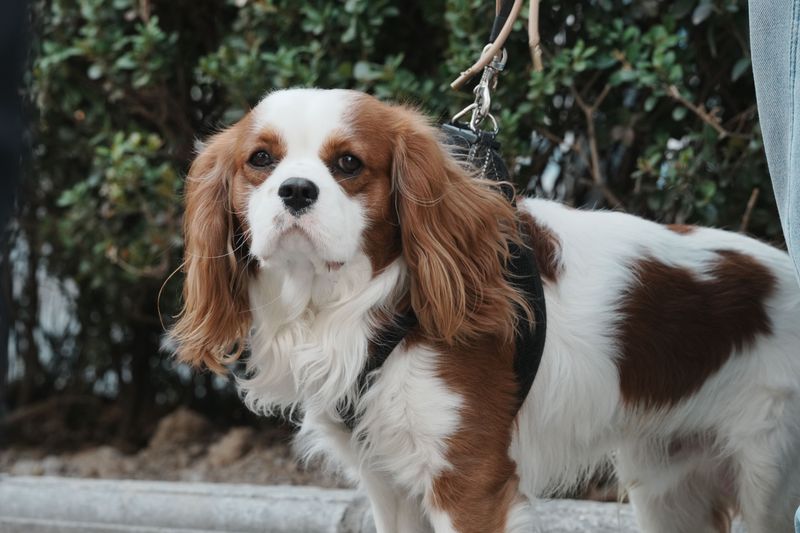
Picture a dog that wants to be wherever you are, whether that is the sofa or the sidewalk. Cavaliers were developed as companion dogs for British nobility, and that people-centered history still shows.
Their exercise needs are moderate. A couple of walks plus some indoor play often keeps them content, and they tend to adapt well to apartments and townhouses.
Because they often bond closely with their families, some Cavaliers may struggle with long hours alone. Breed clubs also recommend heart screening, so choosing a responsible breeder and keeping up with vet checks matters.
Basset Hound
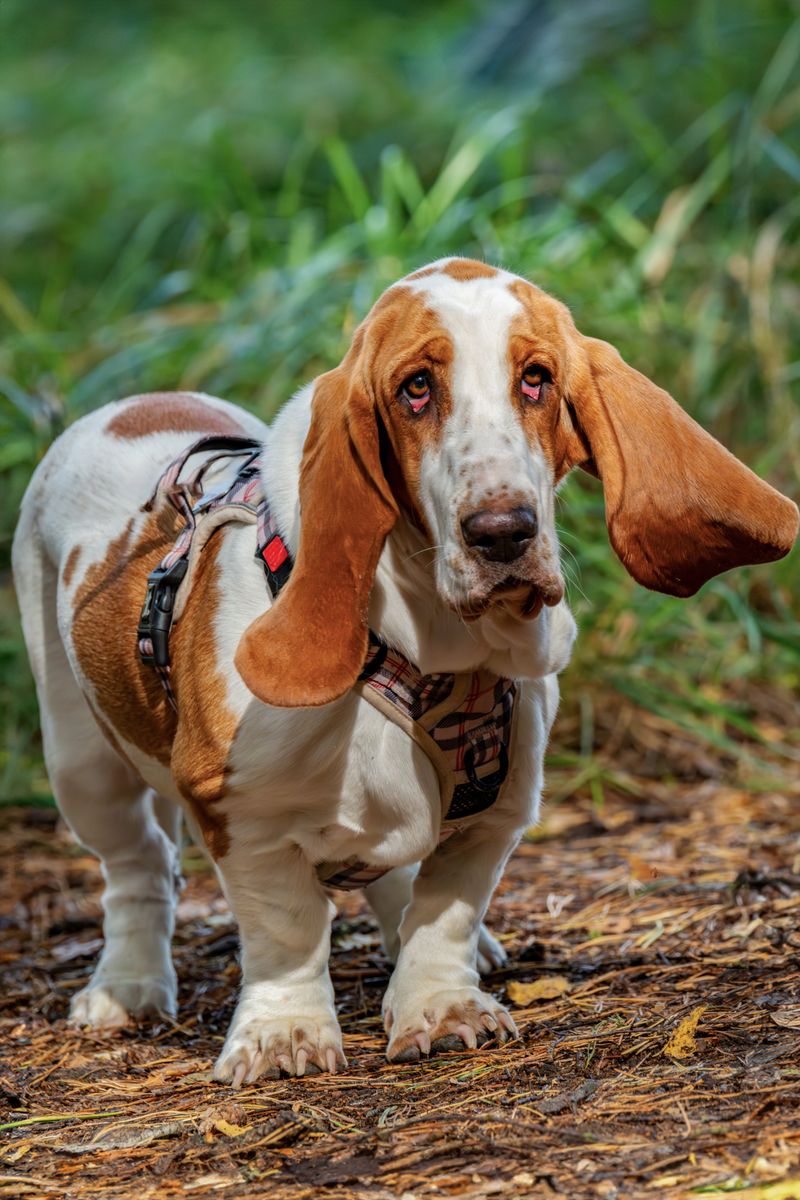
Walking a Basset Hound is less of a workout and more of a guided scent tour. With one of the keenest noses in dogdom, a Basset may stop every few feet to read the neighborhood news.
That slow, sniffy pace is actually the point. Mental work from scent can tire a dog out as much as running, so a relaxed daily stroll suits this breed well.
Owners should watch the waistline, since Bassets can gain weight easily, and extra pounds put strain on that long back. Expect some baying too, which neighbors in thin-walled buildings may notice.
Shih Tzu
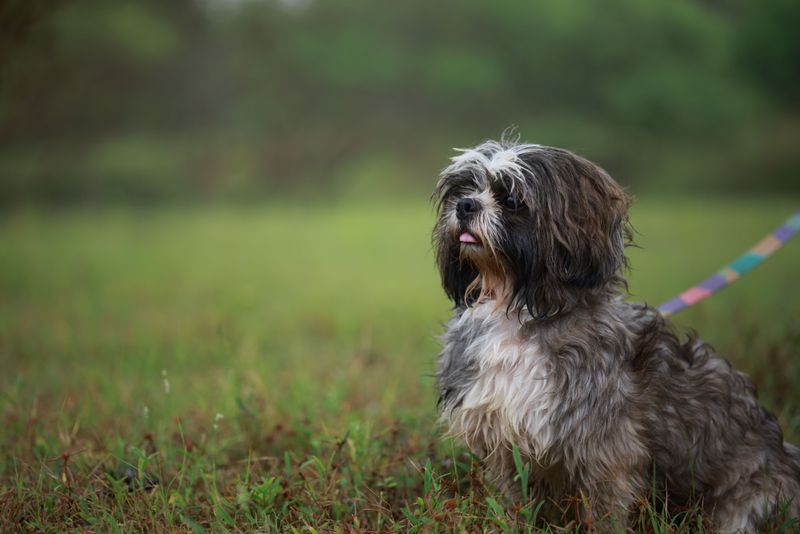
Bred to live inside Chinese palaces, the Shih Tzu has never needed acres of land. Its original job was simply being good company.
Short walks and a few play sessions often cover the exercise side. Many Shih Tzus are happy to trot around the block and then settle in for a nap.
The bigger time commitment is grooming. That long coat can mat quickly, so many owners choose a short puppy cut, and their flat faces mean hot-weather walks should stay short and cool.
Bichon Frise
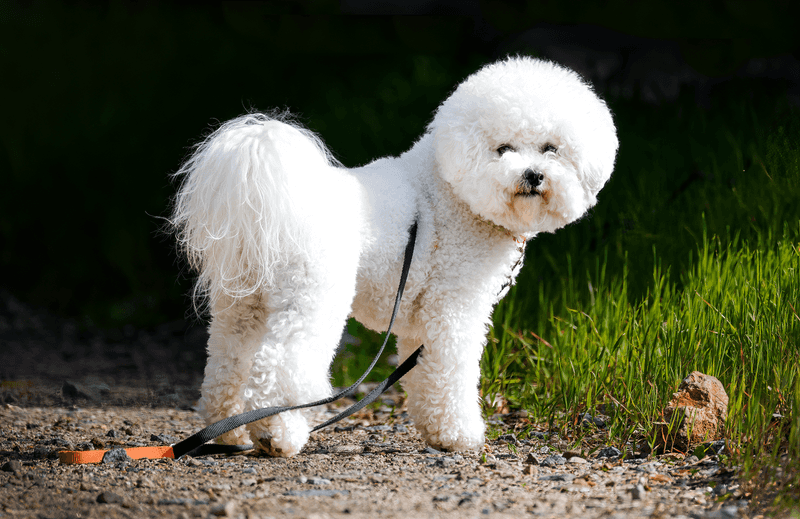
Bichons have a reputation for the zoomies, that sudden burst of happy laps around the living room. It can look like they need a huge yard, but those bursts tend to be short.
Daily walks and some indoor games usually keep this cheerful breed balanced. They often enjoy learning tricks, which is handy mental exercise in tight spaces.
Their curly coat sheds little but needs regular brushing and professional grooming. Some Bichons can also be slow to house-train, so patience and consistent routines help.
Boston Terrier
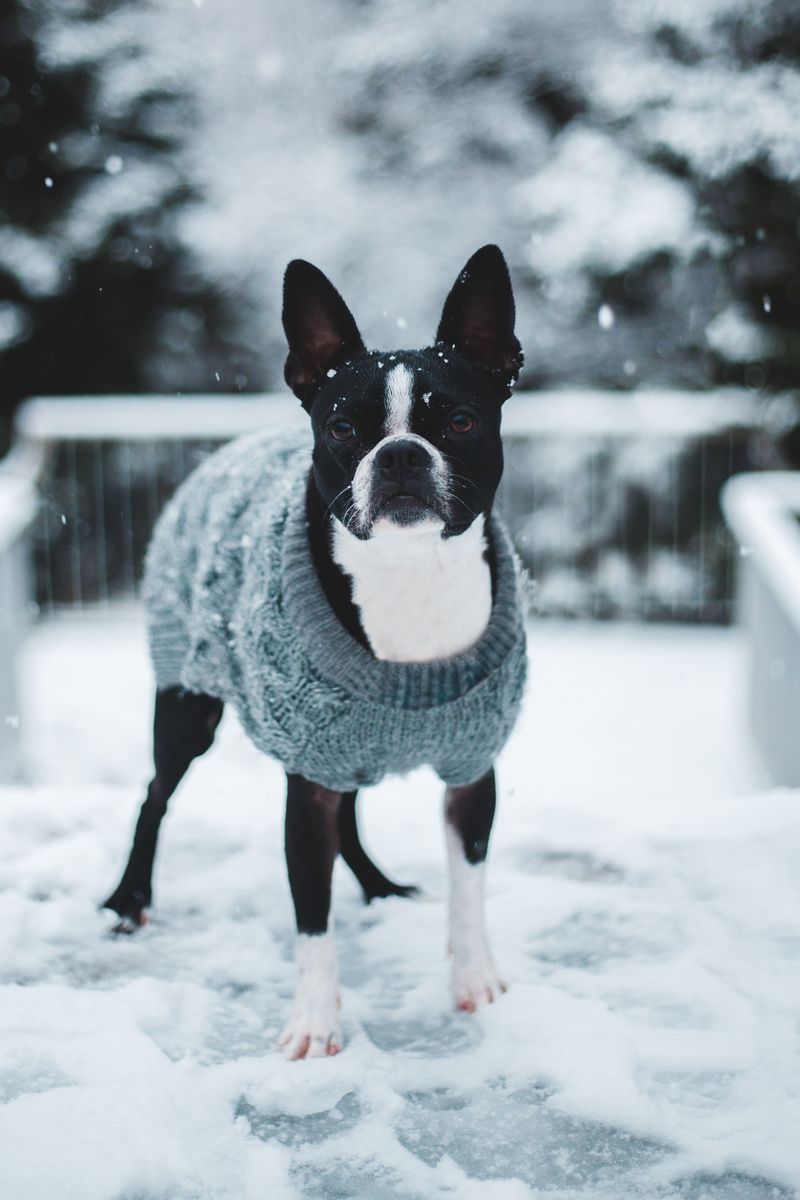
Nicknamed the American Gentleman for its tuxedo-style markings, the Boston Terrier has a city dog’s résumé. It was developed in Boston and has been a favorite of urban owners ever since.
Bostons tend to be lively but compact. A brisk walk and a game of fetch down the hallway often burn off their energy.
As a short-nosed breed, they can overheat, so cooler parts of the day are better for longer outings. A harness instead of a collar may also be gentler on their airways.
Pug
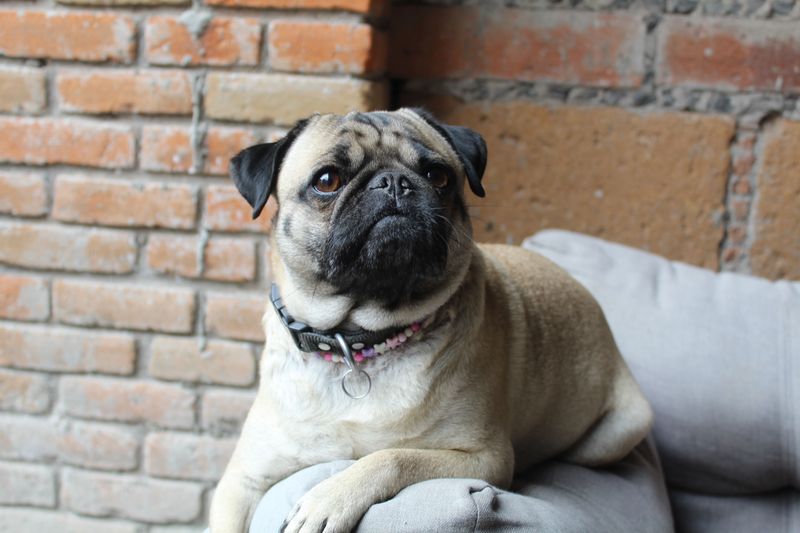
Pugs live by an unofficial motto in their breed standard: multum in parvo, meaning a lot of dog in a small space. That description fits small homes nicely.
Their exercise needs are modest. Two easy walks a day often keep a Pug fit and entertained, especially when paired with a puzzle feeder.
Keeping them lean is a real priority, because extra weight can make breathing harder for this flat-faced breed. Skip the midday summer walk and watch for heavy panting.
Havanese
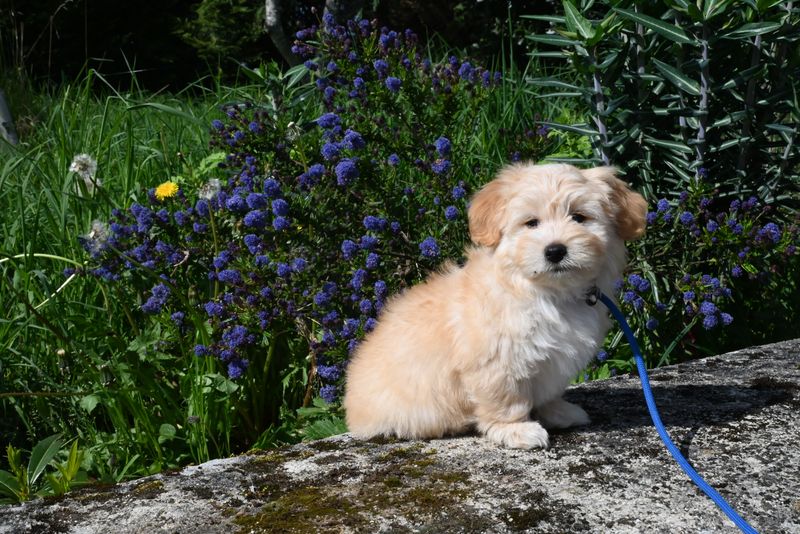
Cuba’s national dog has a habit that many owners describe as velcro behavior. Havanese often follow their people from room to room.
That close attachment matters more to them than space. A daily walk and some playtime typically satisfy their moderate energy, and many are friendly with neighbors and strangers.
On the flip side, they may become anxious if left alone too often. Gradual alone-time practice from puppyhood can make apartment life easier for everyone.
Chinese Crested
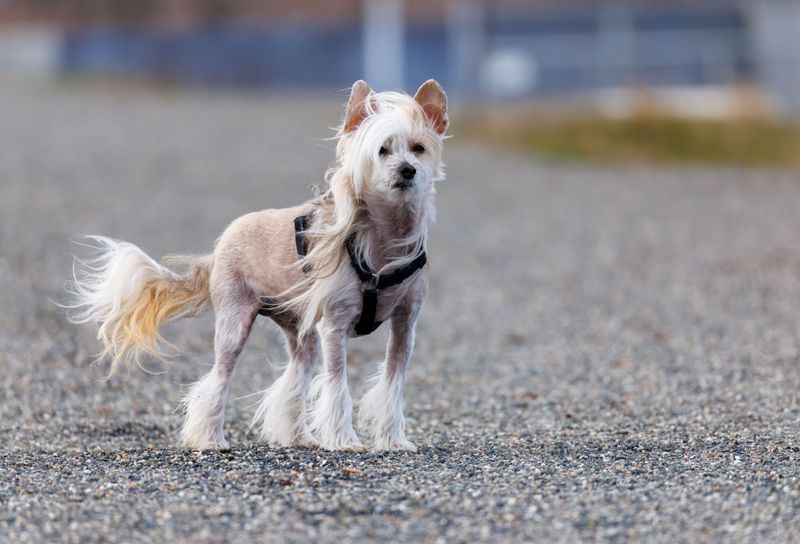
Bald body, fluffy head and feet, and a surprisingly cuddly attitude. The Chinese Crested is one of the more unusual-looking choices here, but it is a practical one for small homes.
This toy breed tends to need only light exercise, and short walks plus play are usually plenty. It also comes in a coated Powderpuff variety.
Hairless dogs need sun protection and a sweater in cold weather. Their skin care takes more thought than a yard ever would.
Bulldog
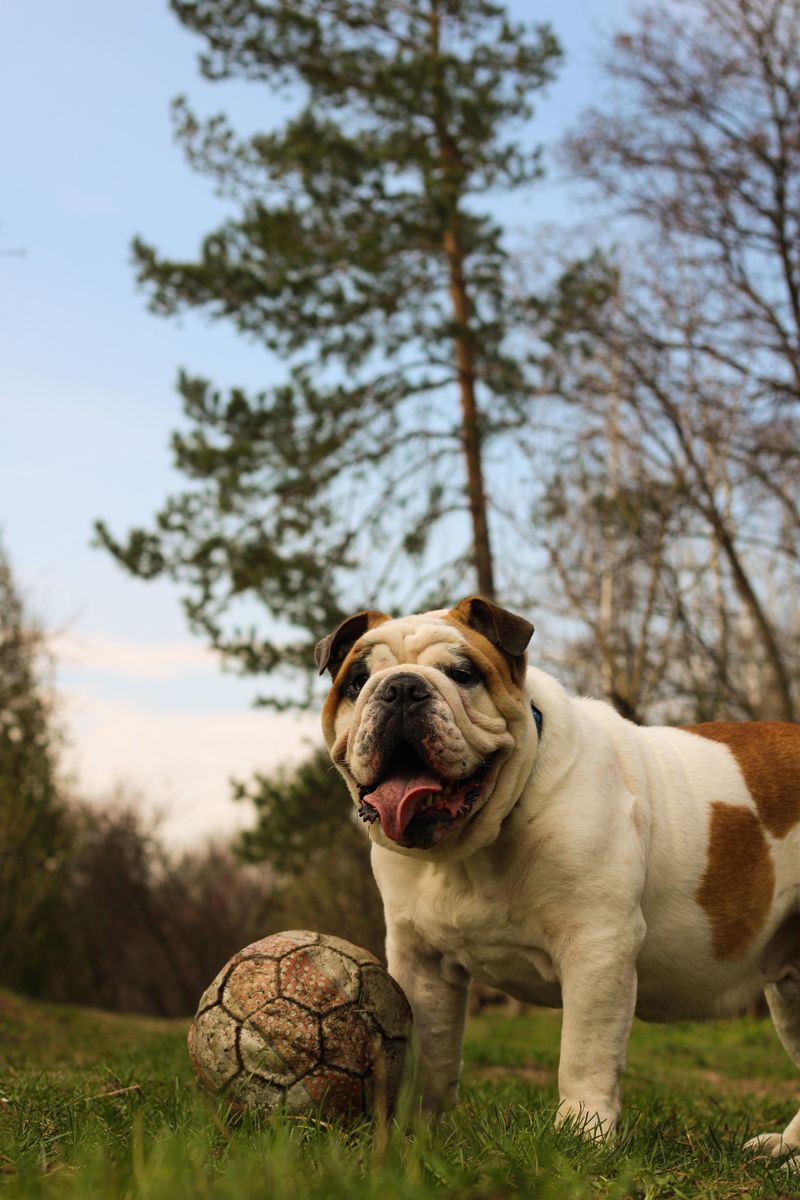
Bulldogs might be the most laid-back dogs on this list. Despite their tough look, many prefer a slow stroll to anything resembling a jog.
Short, regular walks help keep them in shape without overtaxing their bodies. Indoors, they are often content to lounge, which suits small spaces.
Heat is the main concern, since this breed can struggle to cool itself. Air conditioning, shaded walk routes, and regular vet checkups help this sturdy breed stay comfortable.
A small home and a steady routine can suit many dogs just fine. Match energy to your schedule, and the sidewalk becomes plenty of room.