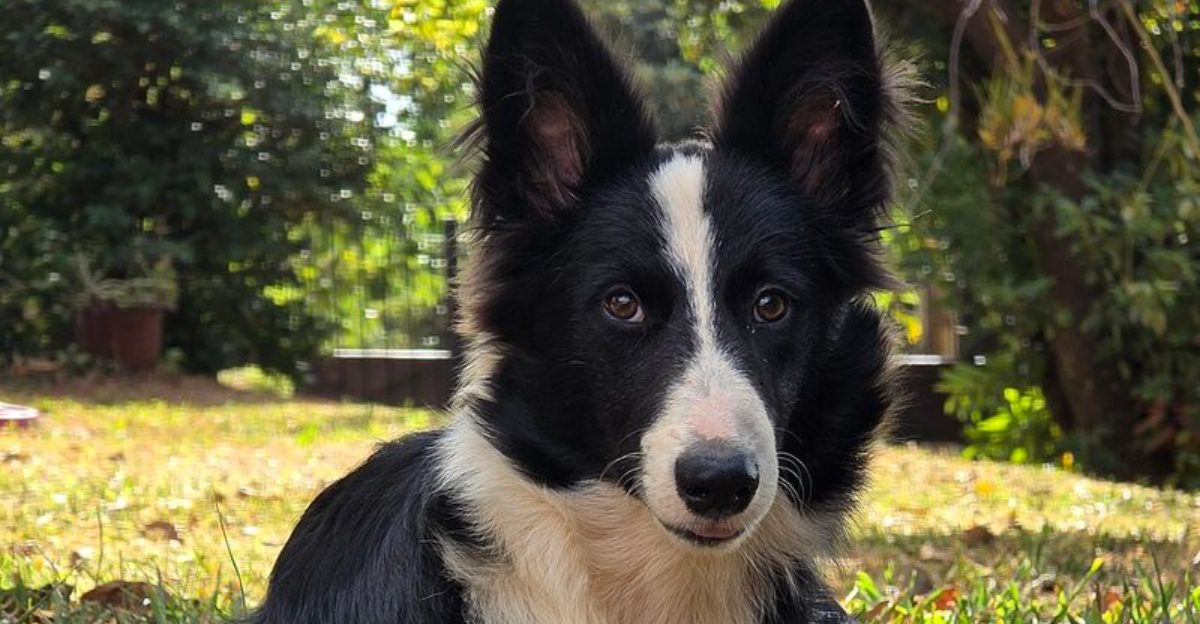
Some dogs seem to study a home like little detectives. Show them where things happen, repeat the same steps, and they may learn daily habits faster than you think.
Smart breeds still need patience, clear rules, and kind training. When their busy minds have a job, family life can feel smoother and more fun.
Papillon
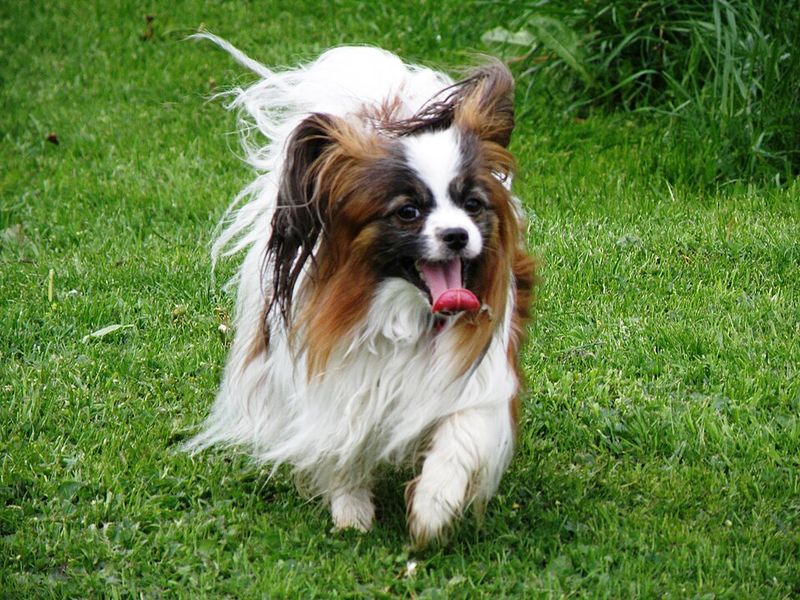
Tiny ears, huge brainpower. A Papillon may notice where you keep the leash before you finish your morning coffee.
Show the same path to the door, treat jar, and sleeping spot each day, then reward calm choices.
Because this breed is quick and lively, short lessons work best. Try two-minute practice rounds after meals.
Add puzzle toys when the house gets busy, so clever curiosity turns into good manners instead of barking at every sound.
Pembroke Welsh Corgi
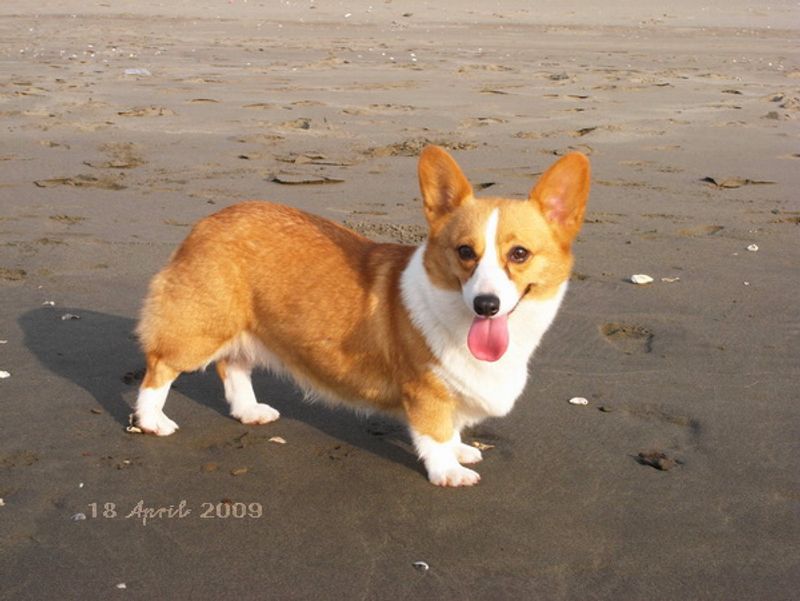
That fox-like face often hides a serious little planner. A Pembroke Welsh Corgi was bred to move cattle, so learning household traffic can feel natural.
Teach a wait spot near doors and food areas to prevent underfoot dashes.
Keep rules clear, since Corgis enjoy testing patterns. Use the same words for breakfast, walks, and crate time.
A cheerful reward helps them connect the routine, while daily exercise keeps bossy herding habits from taking over your hallway.
Standard Poodle
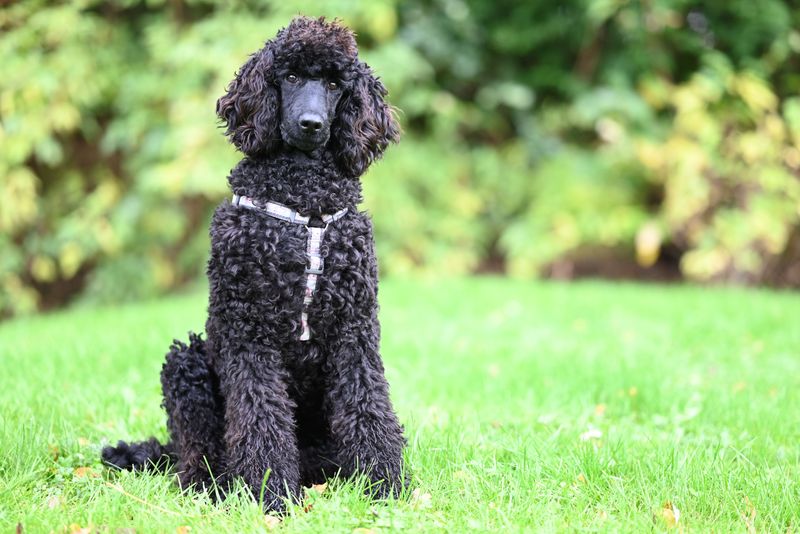
A Standard Poodle can make a home routine look like a school project it actually enjoys. Many learn words, hand signals, and room names with surprising speed.
Show one task at a time, such as settling on a mat during dinner.
Their curly coats are famous, but their minds need just as much care. Mix manners practice with scent games or toy cleanup.
When lessons feel like play, this graceful dog often remembers the steps and offers them proudly.
Shetland Sheepdog
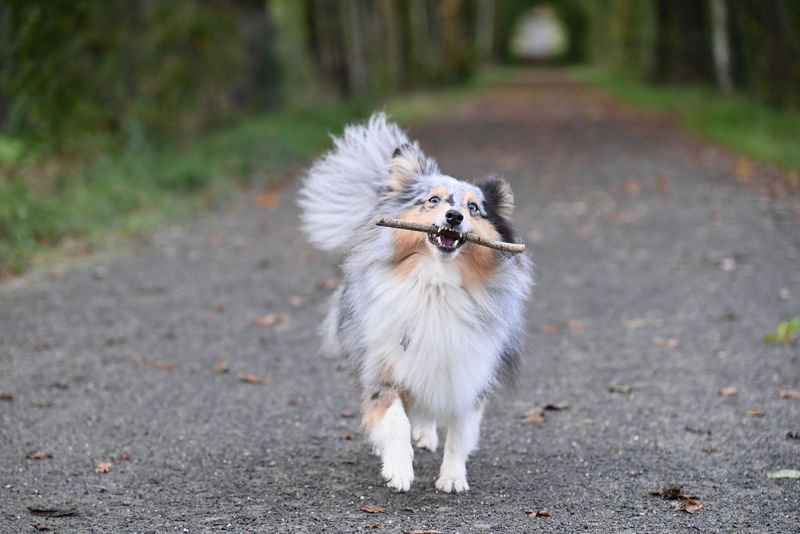
Soft eyes and quick feet make the Shetland Sheepdog a careful watcher. Shelties often track family habits, from school bags dropping to the sound of dinner plates.
Use that attention by pairing cues with daily events.
Since they can be sensitive, keep your voice light and steady. Practice quiet greetings, place training, and calm window watching.
A simple routine helps them feel safe, and praise builds trust faster than scolding ever could.
Miniature Schnauzer
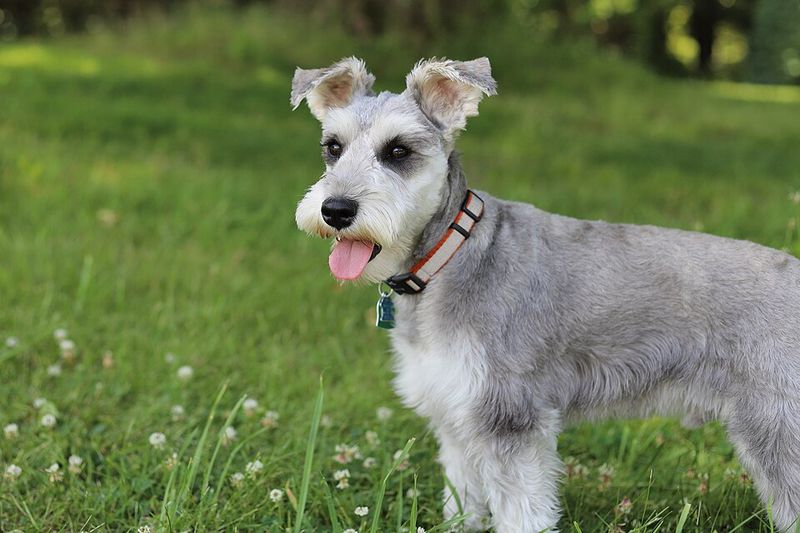
A Miniature Schnauzer may act like the neighborhood reporter, ready to announce every delivery. Teach the house rules early by showing what happens after the doorbell, where toys belong, and when quiet time starts.
That sharp little mind loves clear jobs. Ask for sit before meals, send to a bed when guests enter, and reward silence after one alert bark.
With enough walks and brain games, their bold spirit becomes helpful, funny, and much easier to guide.
Border Collie
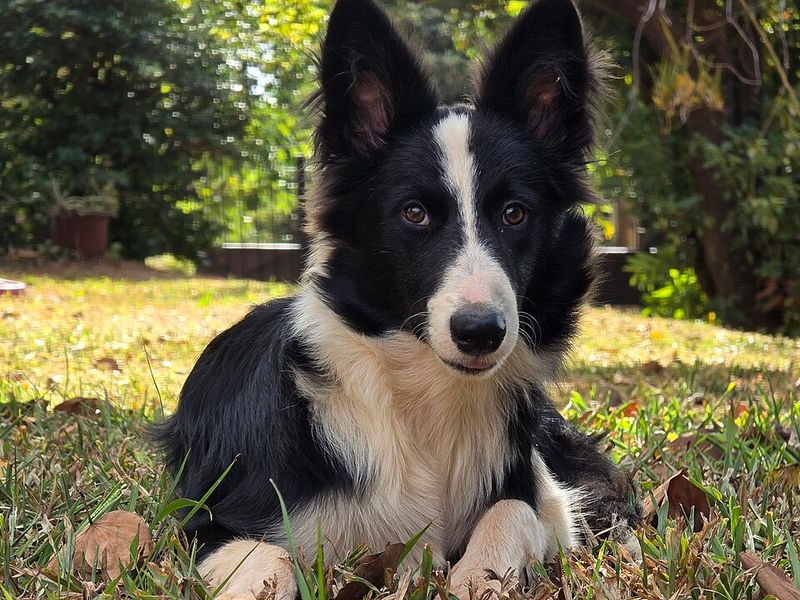
Few dogs read a room like a Border Collie. One glance at your shoes or jacket may tell them what comes next.
Give this powerful focus a safe target, such as going to a mat while you cook or fold laundry.
Boredom is the real troublemaker here. Rotate training games, teach names of toys, and practice calm breaks after active play.
A Border Collie that understands the household rhythm can become amazingly helpful, but downtime must be taught too.
Schipperke
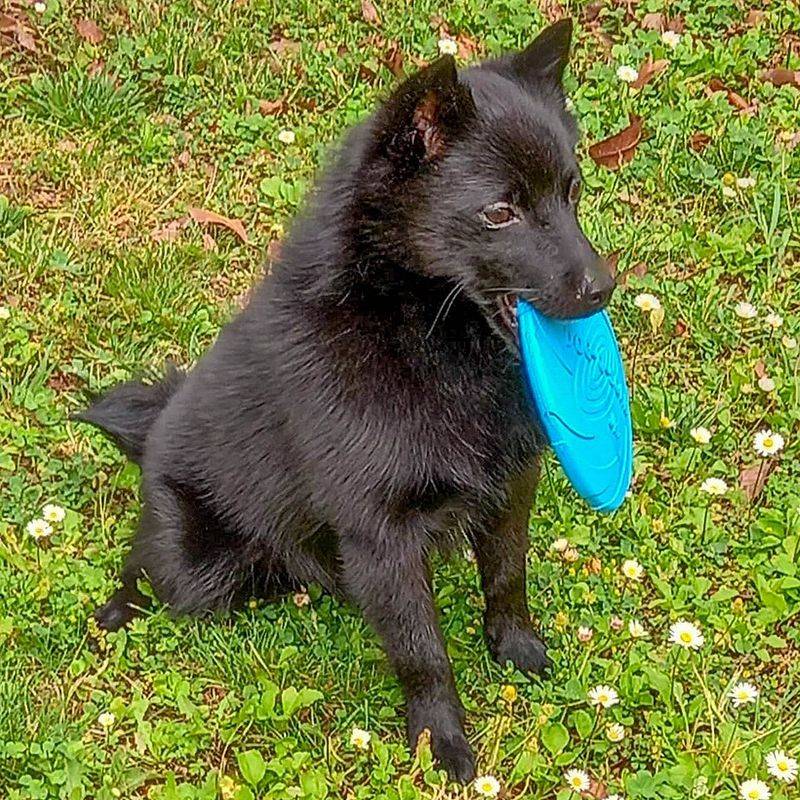
Small, black, and full of sparks, the Schipperke likes knowing every corner of the house. Nicknamed the little captain in Belgium, this breed often patrols with great confidence.
Set boundaries before that confidence becomes sneaky exploring.
Use gates, named areas, and reward-based recall indoors. Practice coming away from stairs, trash cans, and open doors.
Their curious style can be charming, especially when you give them puzzle feeders and safe chances to investigate what changed.
German Shepherd
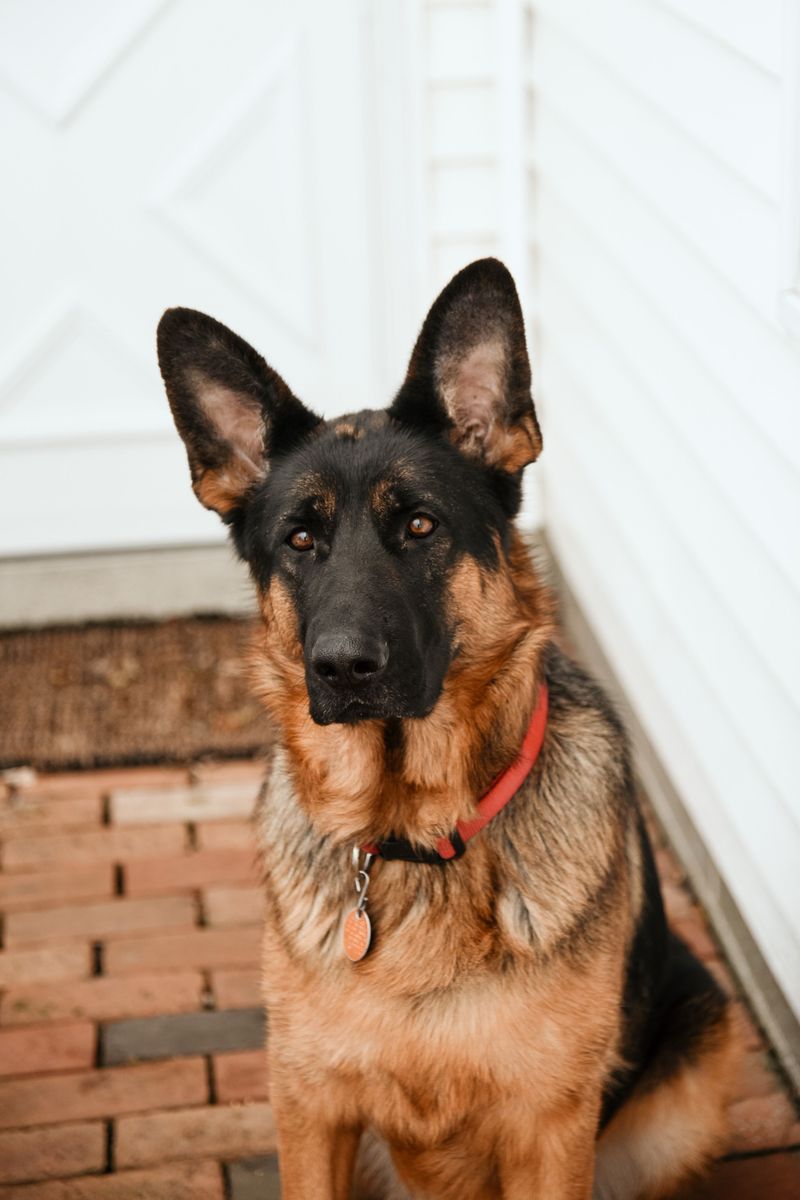
A German Shepherd often wants to know the family plan before anyone else does. With steady teaching, this loyal worker can learn door manners, bedtime signals, and safe visitor routines.
Start with simple, calm steps.
Strength and intelligence make consistency very important. Everyone in the home should use the same cues and rewards.
Give daily walks, obedience practice, and rest in a quiet place. Clear structure helps their protective nature stay balanced, thoughtful, and easier for guests to enjoy.
Australian Cattle Dog
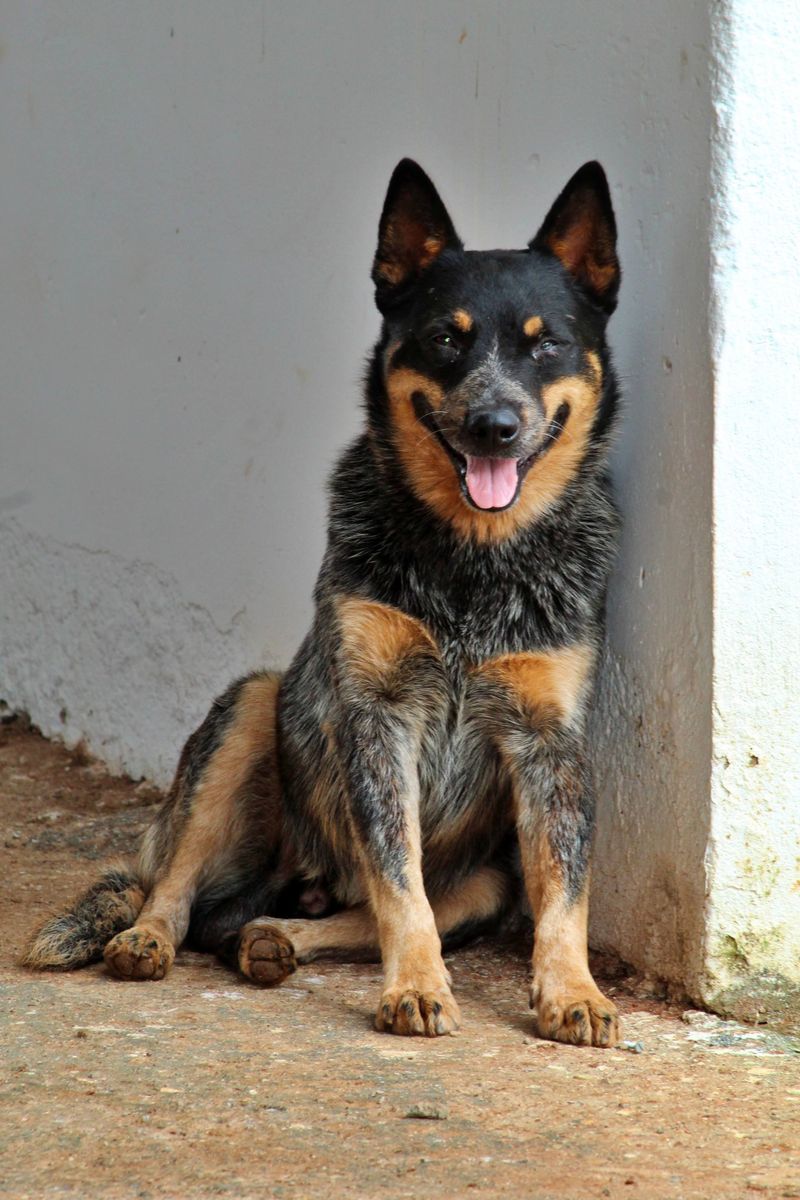
An Australian Cattle Dog may treat your home like a ranch with invisible fences. Bred to handle tough cattle, this dog likes order, movement, and a reason to listen.
Teach routes through the house so heel-nipping does not become a habit.
Give clear jobs, such as waiting while doors open or carrying a toy to the yard. Fast learners still need patience.
Mental games, fetch breaks, and predictable rest periods help their engine run smoothly without overwhelming the family.
English Springer Spaniel
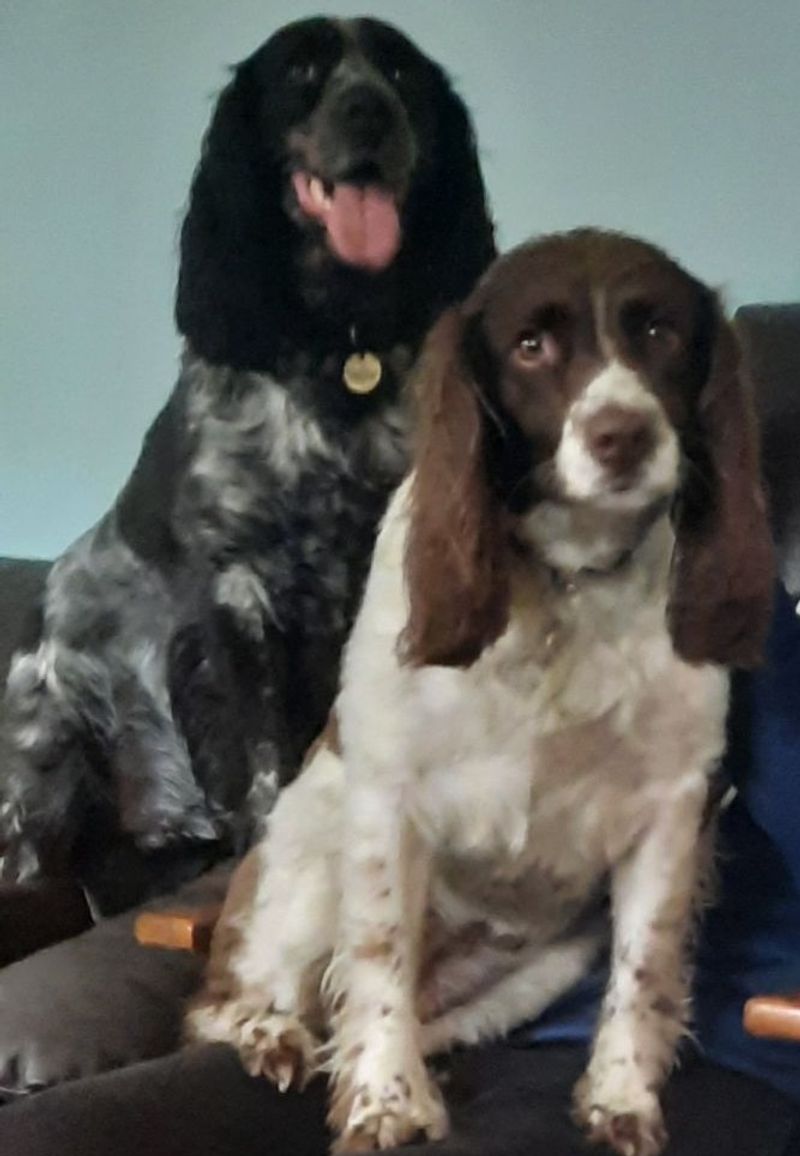
With wagging joy and busy noses, English Springer Spaniels learn many routines through movement and scent. Show them where towels, bowls, and outdoor exits are, then repeat the same order after walks or rainy play.
Their cheerful energy can turn messy if they invent their own games. Practice bringing a toy instead of jumping, waiting before meals, and settling after sniffing time.
Kind praise suits them well. A happy Springer often remembers routines when they feel included.
Doberman Pinscher
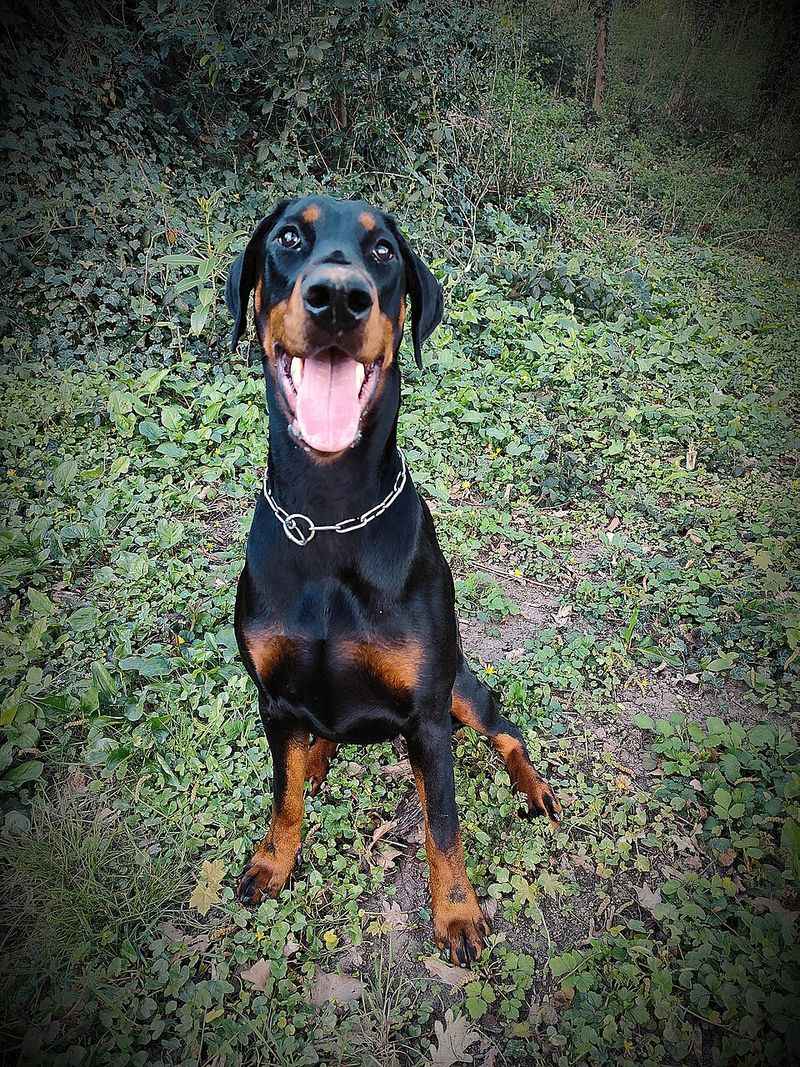
A Doberman Pinscher can look serious, yet many are deeply tuned in to their people. They often notice bedtime habits, car keys, and visitor patterns quickly.
Teach calm greetings and a reliable place cue from the start.
Because they are strong and sensitive, rough handling can backfire. Use confident, fair guidance with rewards for self-control.
Add daily exercise and short brain workouts. When a Doberman understands the home flow, its watchful nature becomes steady rather than pushy.