
If your dog keeps scratching, licking paws, or developing stubborn hot spots, you are not alone. Certain breeds are simply more prone to itchy, sensitive skin, and knowing which ones can help you plan smarter care.
From food triggers to seasonal pollen and household dust, understanding risk gives you a head start. Keep reading to learn which breeds need extra vigilance and how you can keep that coat comfortable and healthy.
West Highland White Terrier
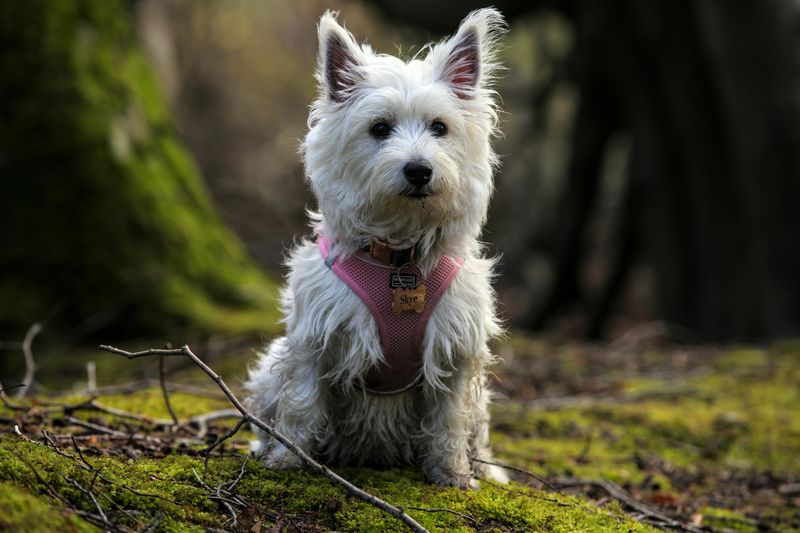
Westies often look like powdered sugar puffs, but beneath that snowy coat hides a skin that loves to overreact. You might notice paw licking, ear redness, or brown tear stains that hint at allergies.
Environmental triggers like dust mites and grasses are common, and food sensitivities to chicken or grains can appear.
Regular gentle baths with fragrance free shampoo help calm flare ups. Keep ears dry and clean, and talk with your vet about elimination diets or novel proteins.
Daily omega 3s and a humidifier can make a surprising difference.
Watch for seasonal patterns so you can prepare before symptoms spike. Prompt treatment stops scratching from spiraling into infections.
With consistent routines, Westies can stay comfy and bright.
Bulldog
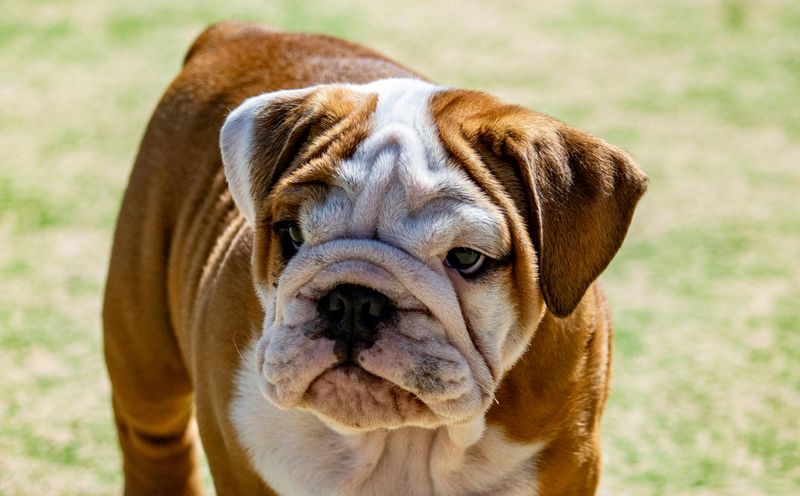
Bulldogs have charming wrinkles that trap moisture and bacteria, making them prime candidates for skin irritation. If you catch a faint odor or see redness in the folds, act quickly.
Gentle daily wipe downs and thorough drying after walks or naps can prevent yeast from taking hold.
Food trials often reveal sensitivities, so consider limited ingredient diets under veterinary guidance. Omega 3 supplements and probiotics can support the skin barrier.
A simple schedule works best: clean folds, check tail pocket, and monitor paws.
When flare ups happen, topical antimicrobials or medicated shampoos bring relief. Avoid heavy fragrances or harsh detergents in bedding.
With consistent upkeep and smart nutrition, Bulldogs can enjoy their naps without itch interruptions.
French Bulldog

Frenchies are lovable clowns, but their skin can be the serious part of the story. Allergies often show as ear infections, paw chewing, and red bellies after playtime.
Heat and humidity amplify problems, so keep living spaces cool and dry when possible.
Talk to your vet about cytology for yeast or bacteria, then build a simple care plan. Weekly antiseptic baths and daily paw rinses after walks help remove allergens.
If food is a factor, a trial with hydrolyzed or novel protein diets can clarify triggers.
Try cotton bedding and fragrance free detergents. Keep nails short to prevent self injuries during itchy spells.
With structure and quick treatment, French Bulldogs can feel great and stay playful.
Boxer

Boxers bring energy and enthusiasm, yet sensitive skin can slow them down. You might notice hives after romps through tall grass or rashes on the belly where fur is thin.
Short coats offer little barrier, so environmental allergens hit fast.
Regular bathing with gentle, oatmeal based shampoos can soothe flare ups. Consider a rinsing routine after park days to wash off pollen.
Your veterinarian might recommend antihistamines or a desensitization plan if seasonal patterns persist.
Nutrition matters too, especially omega 3s to support the skin barrier. Keep stress low and enrichment high because scratching often worsens with anxiety.
With proactive care and quick responses, Boxers can keep leaping without the itch.
Shar Pei
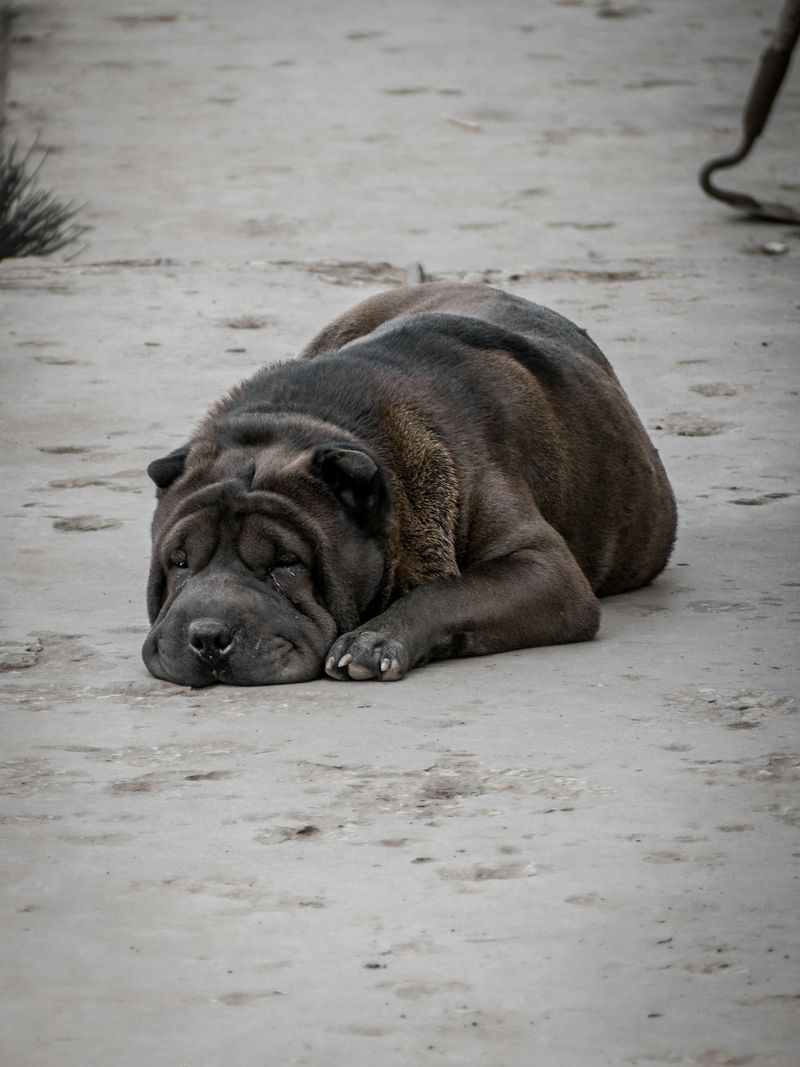
Shar Pei skin is unique, and those adorable folds demand daily attention. Moisture collects in creases, creating a perfect environment for yeast, bacteria, and itch.
If you spot redness, odor, or head shaking, schedule a check to rule out ear involvement.
Use gentle antiseptic wipes and thoroughly dry folds after cleaning. Weekly medicated baths can stabilize the skin microbiome.
Some Shar Pei benefit from allergy testing and targeted therapies that reduce inflammation without heavy steroids.
Diet trials with single proteins often help clarify food reactions. Monitor tight collars that rub and trap sweat.
With a calm routine and early intervention, your Shar Pei can keep those iconic wrinkles healthy and comfortable.
Labrador Retriever
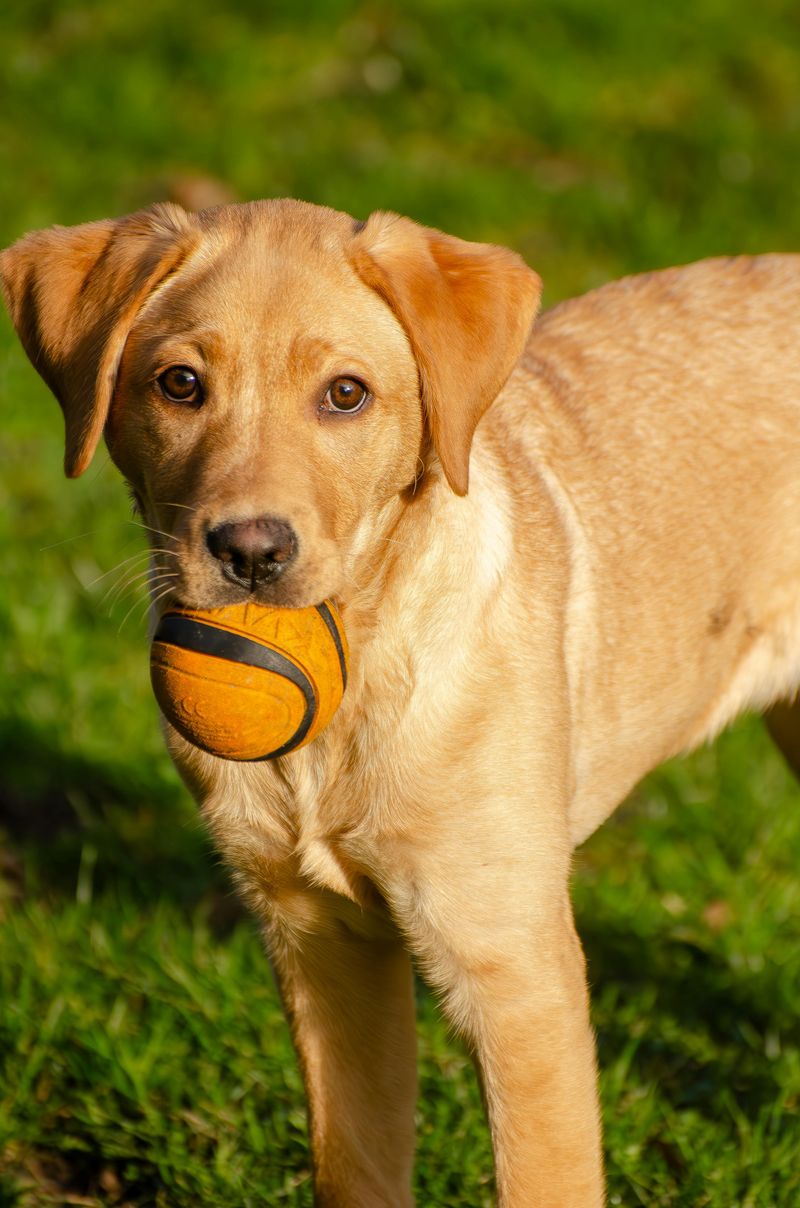
Labs love water and adventure, which sometimes means recurring hot spots and damp undercoats. If your dog swims, drying thoroughly is non negotiable to avoid bacterial flare ups.
Watch for licking around hips, tail base, or neck after active days.
Balanced diets rich in omega 3s support the skin barrier, while regular grooming removes trapped allergens. If itching persists, ask your vet about cytopoint or other targeted therapies.
Consider a rinse after swims to remove lake residue.
Keep bedding clean and use fragrance free detergents. Maintain flea prevention because bites can trigger big reactions.
With smart routines and quick responses, Labs can romp, splash, and still keep their skin calm.
Golden Retriever
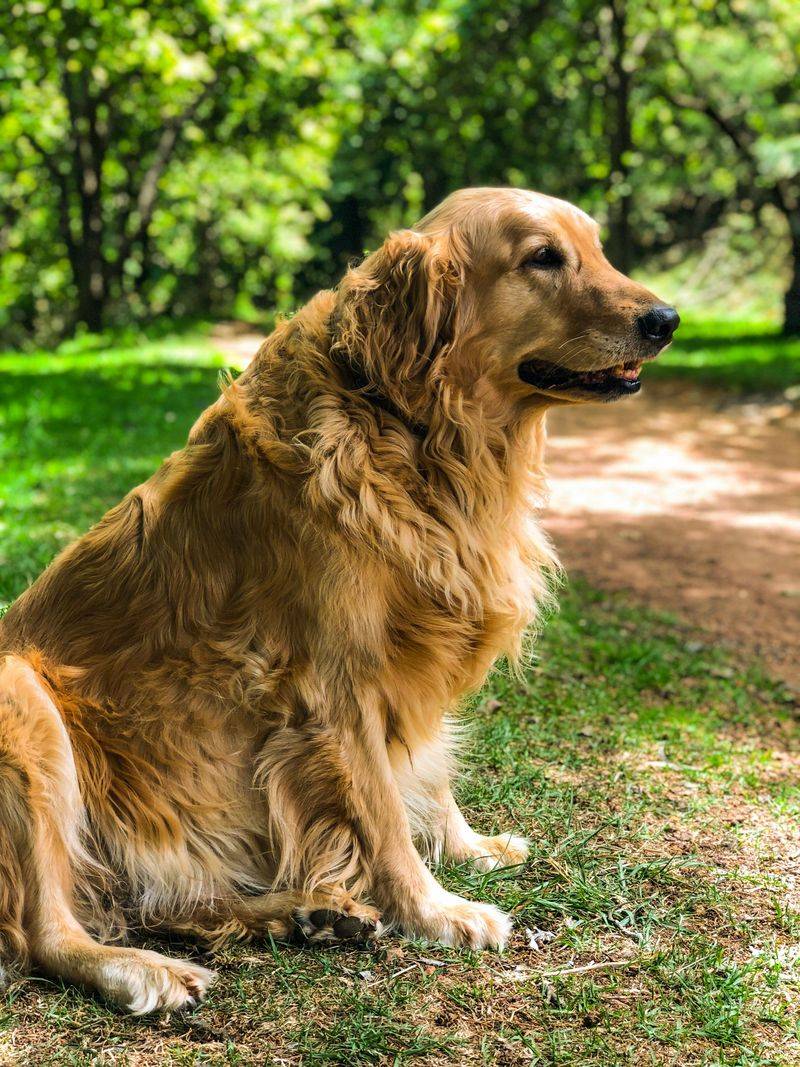
Goldens often glow with that iconic coat, but itchy skin can dull the shine fast. Common clues include ear infections, paw licking, and flaky patches along the back.
Seasonal allergens and food sensitivities both play roles, so tracking patterns helps.
Try weekly bathing with gentle shampoo and follow with a vet approved conditioner. Add omega 3s and consider probiotics to support the skin microbiome.
If symptoms spike despite care, discuss allergy testing or targeted medications with your vet.
Keep ears ventilated and dry after baths. Use cotton bedding and wash frequently in mild detergent.
With consistent grooming and nutrition, Golden Retrievers can stay radiant and comfortable through every season.
German Shepherd Dog
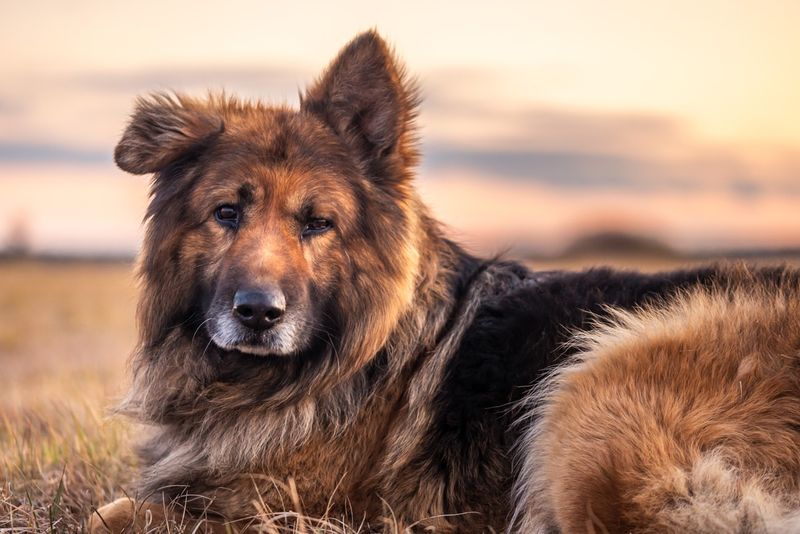
German Shepherd Dogs can develop sensitive skin and coat thinning, especially near the hindquarters. You might notice dandruff, itching, or hot spots after training sessions in tall grass.
Their dense double coat traps allergens and moisture if grooming lapses.
Regular brushing lifts debris and supports healthy skin oils. Bathe with mild, fragrance free formulas and dry thoroughly.
Your vet may recommend supplements, targeted therapies, or checking for underlying issues like parasites or thyroid disease.
Consistent flea protection is essential because bites can trigger big reactions. Track flare ups in a journal to spot seasonal or environmental patterns.
With structure and early action, GSDs can stay focused, athletic, and comfortable.
Dalmatian
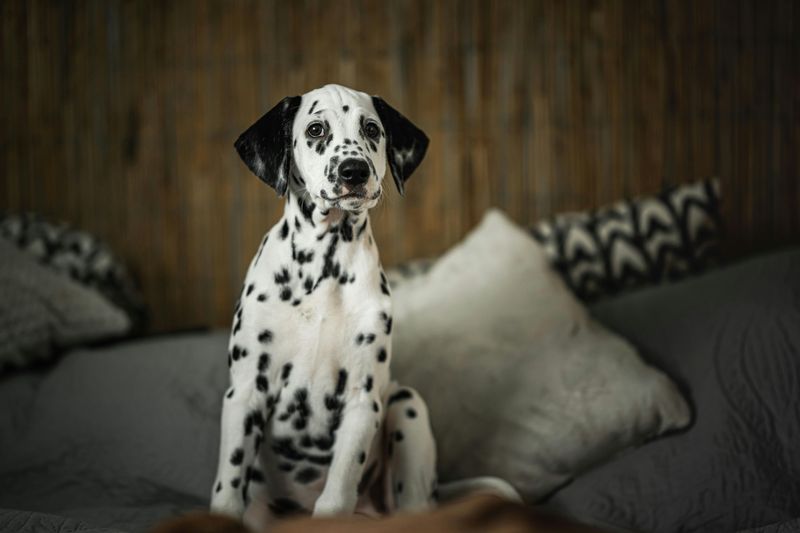
Dalmatians boast striking spots, yet their skin can be surprisingly reactive. Thin fur on the belly makes contact allergies more obvious after grass or park visits.
You may see redness, scratching, or nibbling at the legs and underside.
Rinsing after outdoor play can wash away pollen and irritants. Balanced diets with appropriate protein sources and omega 3s support resilience.
If flare ups persist, ask your vet about allergy testing and topical therapies that calm inflammation fast.
Hydration matters for overall health, especially on hot days. Keep bedding clean and rotate resting spots to reduce dust buildup.
With mindful routines, Dalmatians can enjoy active lives without constant itch distractions.
American Staffordshire Terrier
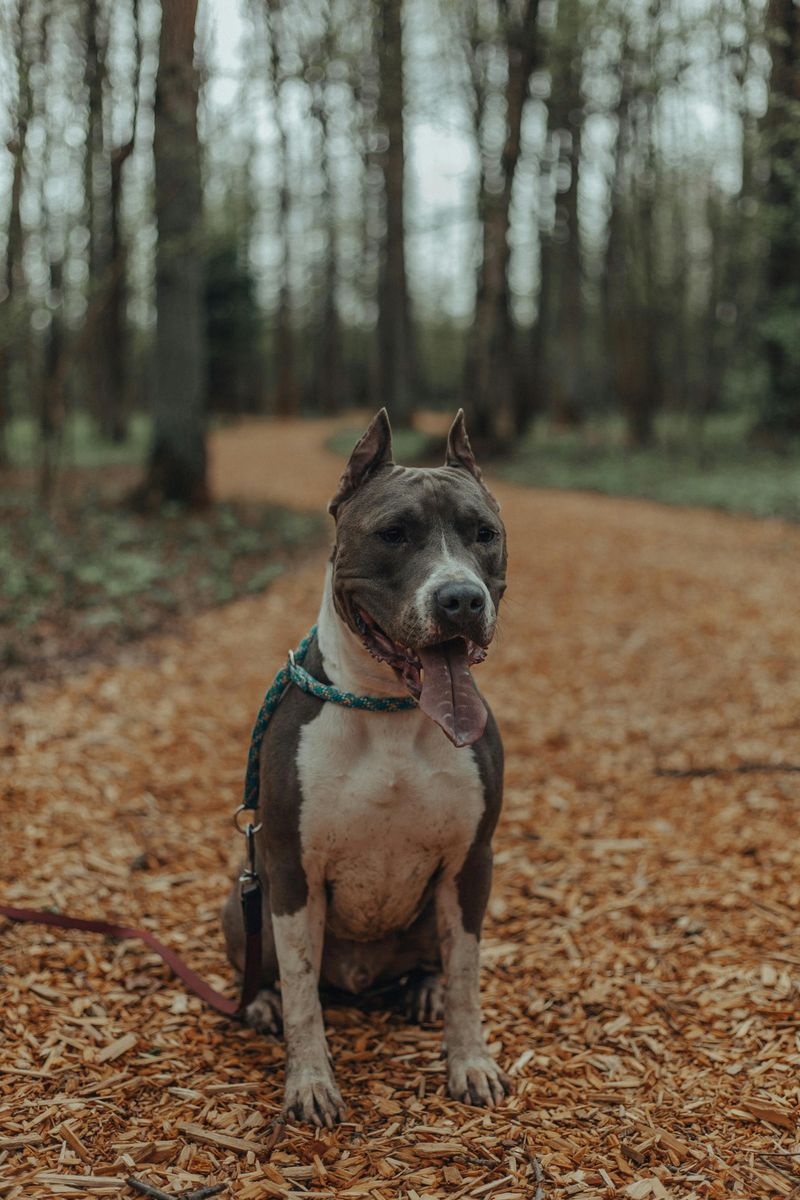
AmStaffs are sturdy and affectionate, but skin allergies can still sneak in. Look for paw redness, ear irritation, or facial itching after outdoor time.
Short coats offer little barrier, so allergens reach the skin quickly.
Build a simple routine: rinse paws after walks, use gentle shampoo weekly, and dry carefully. Consider limited ingredient diets or novel proteins if food triggers are suspected.
Your vet may suggest antihistamines, cytology, or targeted therapies to control flare ups.
Enrichment and exercise reduce stress, which can amplify scratching. Keep nails short and bedding clean to prevent secondary infections.
With consistency and early care, American Staffordshire Terriers can stay comfortable and confident.
Pug
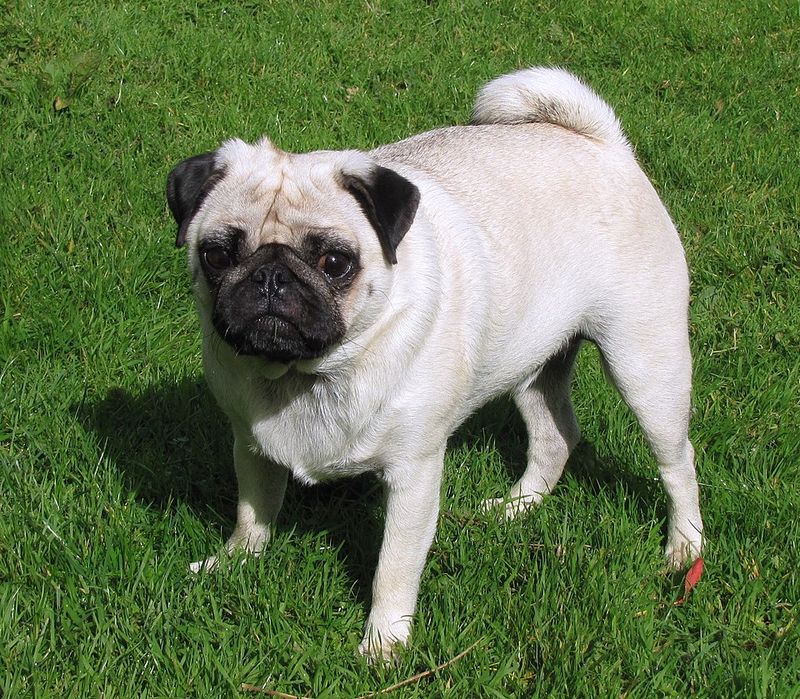
Pugs pack personality into a small frame and a lot of facial folds. Those folds can trap moisture, oils, and crumbs that lead to irritation.
If there is odor or redness, clean gently and dry thoroughly.
Watch for ear issues and paw licking that might signal broader allergies. Choose fragrance free shampoos and avoid heavy perfumes that can irritate.
A limited ingredient diet may help, especially if symptoms include digestive upsets.
Short, frequent grooming sessions keep maintenance easy. Keep the home cool and well ventilated to limit humidity.
With patient daily care, Pugs can keep their charm while sidestepping itchy setbacks.
Shih Tzu
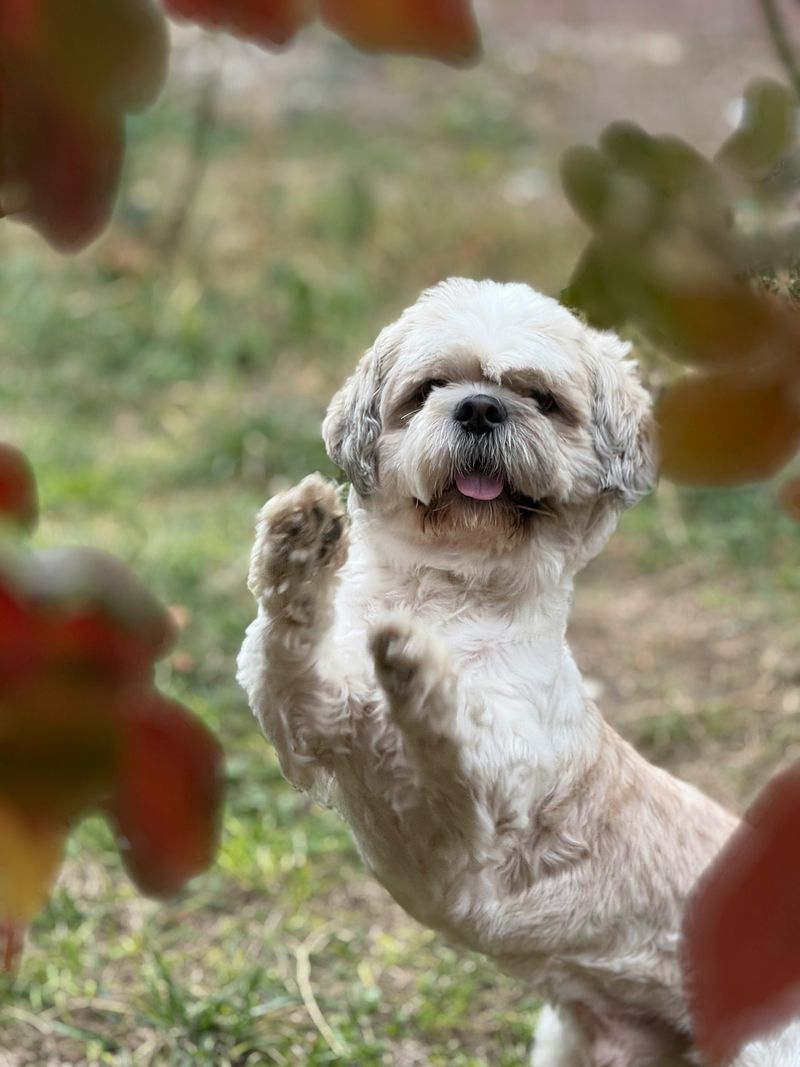
Shih Tzus wear luxurious coats that demand steady maintenance to prevent skin trouble. Mats trap moisture and invite irritation, especially around ears, armpits, and tail.
Regular brushing and professional grooming keep airflow to the skin.
Use gentle, tear free shampoos and condition to reduce friction. If itching persists, discuss food trials or targeted therapies with your vet.
Keep hair trimmed around eyes and paws where gunk and allergens collect.
Dry thoroughly after baths to prevent hotspots. Clean bedding often and choose breathable fabrics.
With a calm grooming routine and thoughtful diet, Shih Tzus can stay silky, happy, and itch free.
Boston Terrier
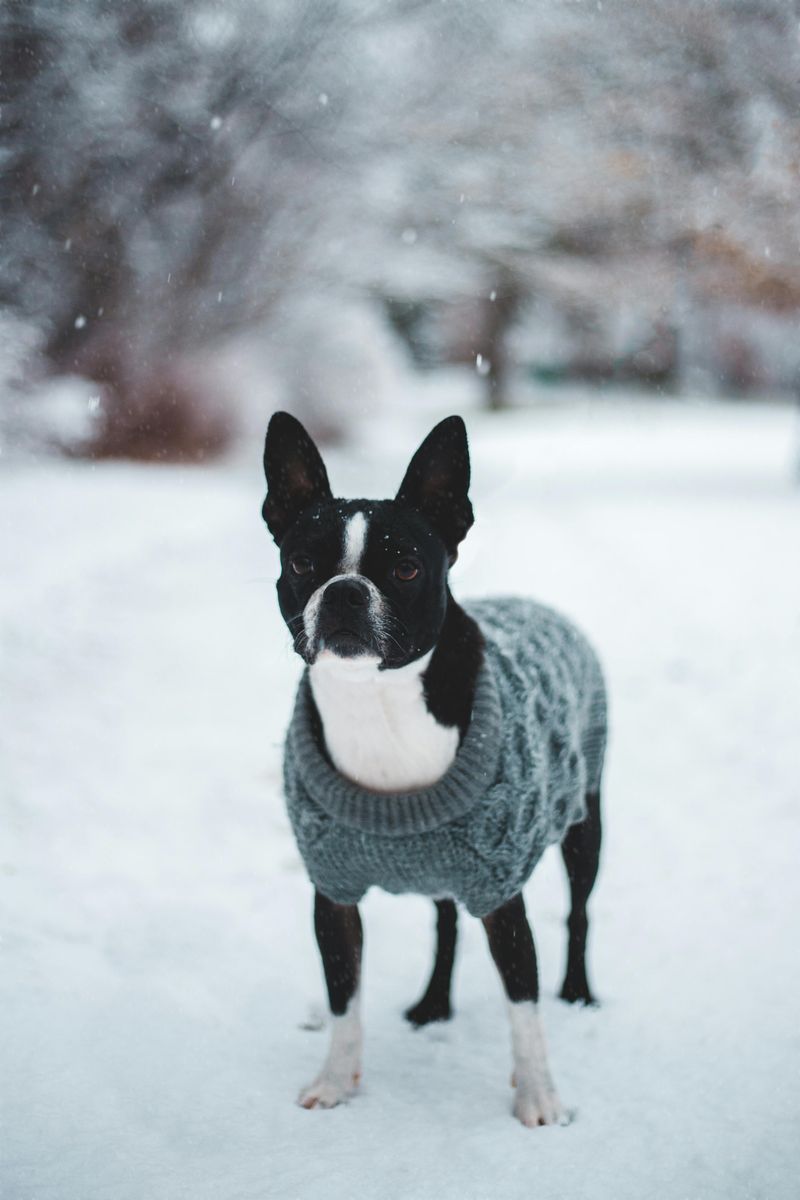
Boston Terriers have sleek coats that make redness easy to spot. You might see chest or belly irritation after lounging on rugs or playing on grass.
Keep an eye on ears and paws, as allergies often show there first.
Short, frequent baths with mild shampoo remove allergens before they linger. Rinse after walks on high pollen days and dry carefully.
If scratching persists, talk to your vet about diagnostics and tailored therapies.
Use gentle detergents for bedding and avoid strong room fragrances. Track flare ups in a simple journal to identify patterns.
With steady care and quick adjustments, Bostons can stay dapper and comfortable year round.