
When your dog sniffs the bowl and walks away, it is tempting to panic or shrug it off. The truth usually lives somewhere in between, and knowing the breed helps you read the signs.
Some pups are sensitive, stubborn, or simply stressed, and their appetite tells the story. Let’s break down which breeds most often skip meals and what you can do right now.
Basenji
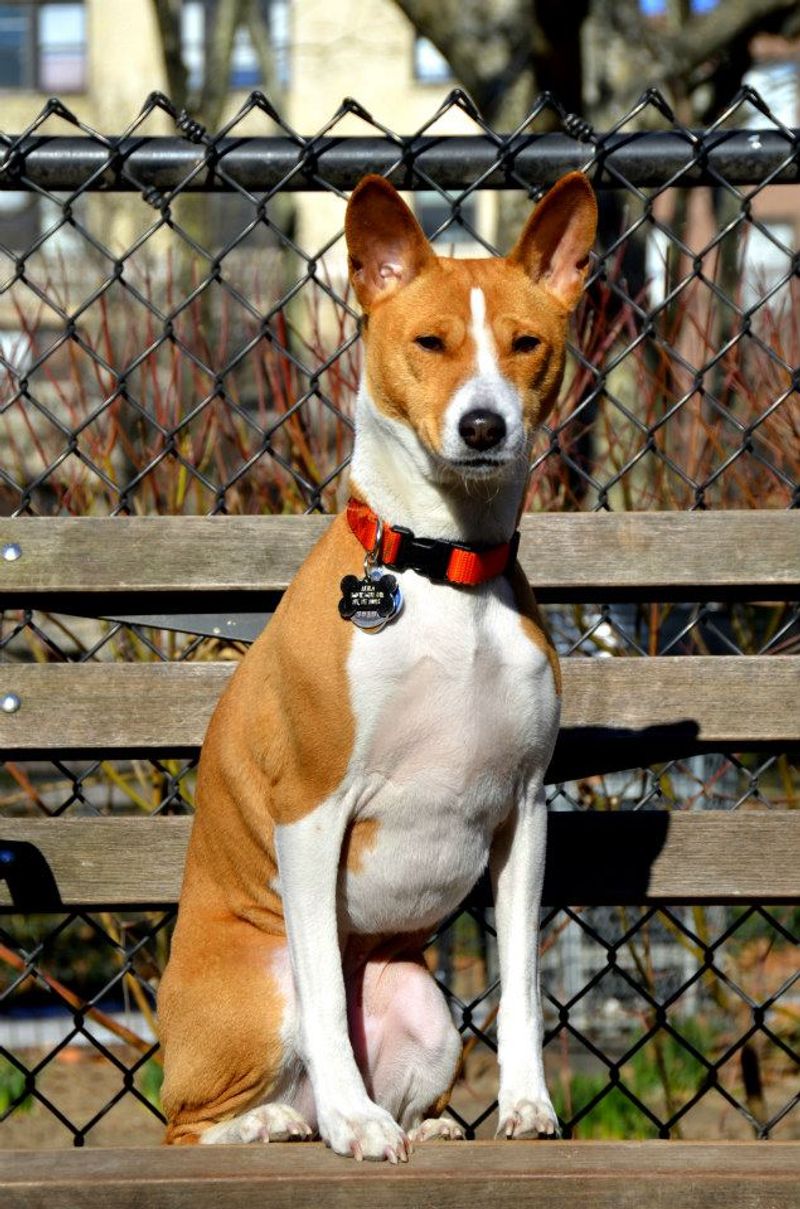
Basenjis are choosy by nature, and sudden food refusal often follows stress, routine changes, or boredom with flavors. You might see head turns, lip licking, and suspicious sniffing before a dramatic walkaway.
Sensitive tummies plus seasonal allergies can make rich kibbles or high fat treats feel risky.
First, rule out nausea or dental pain with a quick check, then offer gentle options like warmed wet food or a bland topper. Keep mealtimes calm, short, and consistent to reduce decision fatigue.
Rotate proteins, but do it slowly to prevent stomach backlash.
Snuffle mats and brief pre meal walks boost appetite by engaging instinct. Avoid free feeding because grazing backfires with this breed.
If appetite dips beyond 24 hours, call your vet.
Shiba Inu

Shiba Inus can boycott meals when stressed, suspicious of new textures or smells. They notice tiny changes, like a new scoop or bowl location, and decide no thanks.
Add in warm weather or less exercise, and appetite shrinks fast.
Start with a calm feeding ritual and remove the bowl after 15 minutes to set structure. Warm the food slightly to release aroma, and try a high value topper like bone broth with vet approval.
Keep training light and positive so pressure never associates with food.
Check for mouth discomfort, as tartar makes crunchy bites painful. Rotate proteins slowly to rebuild interest.
If a confident Shiba skips more than a day, or shows lethargy or vomiting, schedule a vet exam immediately.
Miniature Pinscher

Miniature Pinschers run hot on nerve and energy, so anxiety easily flips the food switch. Travel, loud noises, or rough play can dampen appetite.
Their fast metabolism means skipping meals may cause shakiness or vomiting bile.
Offer small frequent feedings to keep blood sugar steady, and stick to a predictable schedule. Warmed wet food or lightly hydrated kibble can feel gentler on sensitive stomachs.
Avoid rich table scraps that trigger refusal later.
Use short sniff walks before meals to lower arousal. If your Min Pin guards food, give a quiet space to eat without eyes on them.
Any ongoing refusal plus weight drop or diarrhea deserves a vet visit to rule out pancreatitis or dental issues.
Boston Terrier
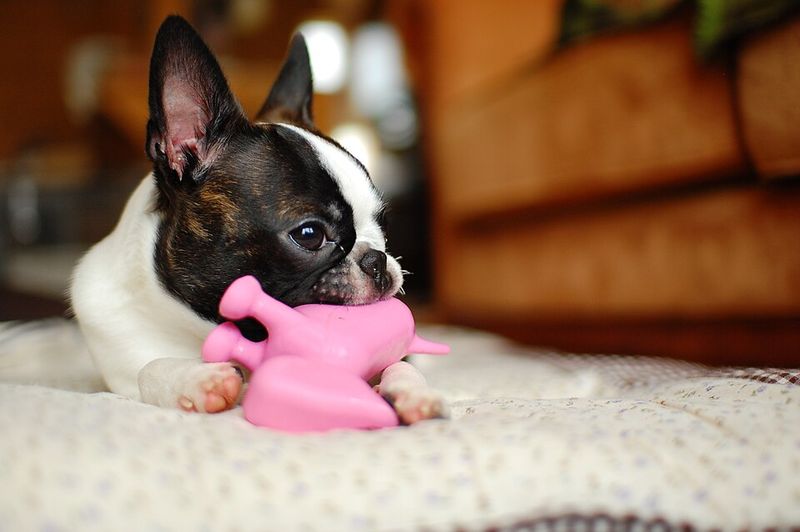
Boston Terriers often grapple with gassy tummies and food sensitivities, which can make skipping meals a self protection move. Air gulping during fast eating adds discomfort.
Warm weather and reduced activity also blunt appetite.
Try slow feeder bowls, pre soaked kibble, or a gentle novel protein recommended by your vet. Keep mealtimes low excitement to prevent frantic swallowing.
Short training sessions using part of the meal as rewards rebuild interest without overfeeding treats.
Watch for burps, farting, or lip smacking that hint at reflux. If your Boston suddenly refuses food and seems bloated or distressed, call the vet immediately.
Hydration, small portions, and routine are your most reliable tools for steady eating.
Pug

Pugs love food until breathing effort, heat, or nausea says otherwise. Overheating and brachycephalic airway issues can make eating feel hard.
Sometimes reflux or too many fatty treats create a cycle of discomfort and refusal.
Feed smaller, more frequent meals and slightly elevate the bowl to ease airflow. Keep rooms cool, and avoid heavy exercise just before food.
If weight is high, use your vet’s plan to reduce calories without triggering hunger tantrums.
Try warm water on kibble or a vet approved low fat topper to spark appetite. Sniffy enrichment helps calm anxious eaters.
Any refusal with cough, gagging, or blue tinged gums is urgent and needs veterinary attention right away.
French Bulldog
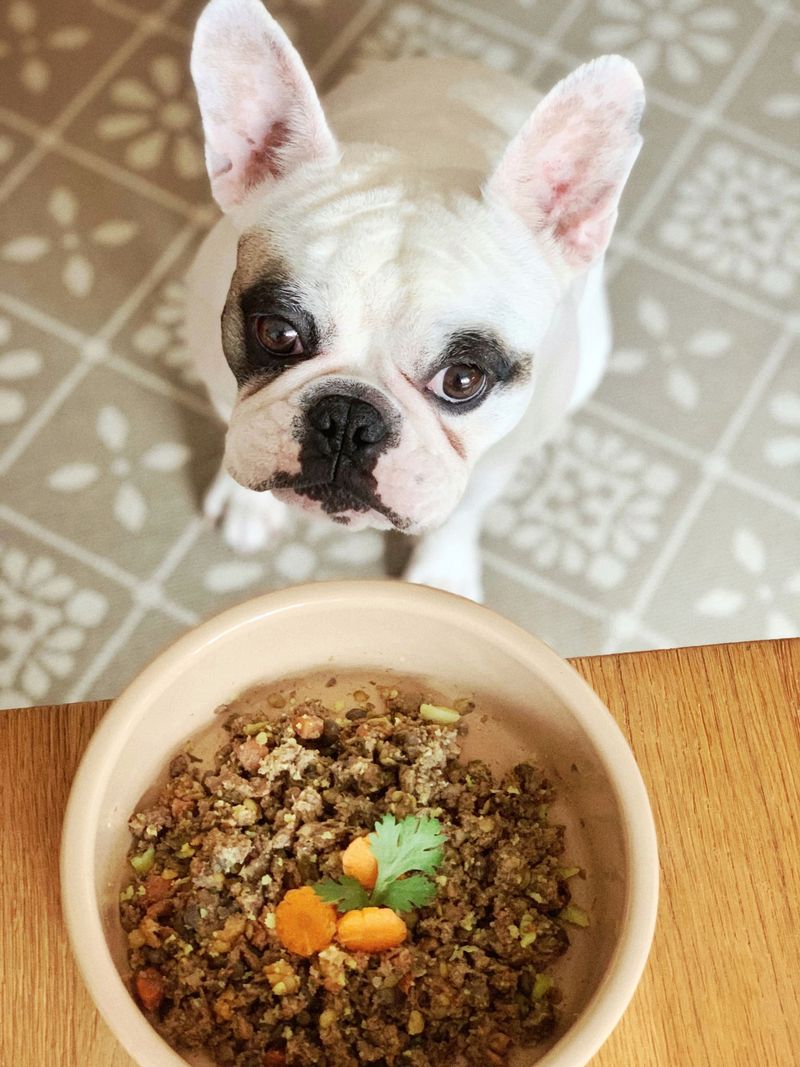
French Bulldogs are notorious for sensitive digestion and pickiness. Heat, stress, and mild nausea can turn off appetite quickly.
Food changes too fast often cause diarrhea, which makes them refuse meals to avoid discomfort.
Keep cool air, set quiet routines, and switch diets over 10 to 14 days. Consider a hypoallergenic formula if itch or ear gunk suggests sensitivities.
Use tiny amounts of warm broth to lift aroma and encourage first few bites.
Watch for snoring, gagging, or reverse sneezing while eating, which hints at airway issues. Elevating bowls slightly can help.
Call your vet if skipping lasts more than 24 hours or includes vomiting, as Frenchies can slide into dehydration quickly.
Dachshund

Dachshunds can refuse food when back discomfort or anxiety flares. Jumping on and off furniture stresses their spine and can dull appetite.
They also tend to manipulate routines, holding out for tastier options.
Use ramps, restrict high jumps, and ask your vet about pain signs if posture looks hunched. Keep meals consistent and remove leftovers after 15 minutes to reset expectations.
Hydrating kibble and adding a spoon of plain pumpkin may soothe mild tummy upset.
Short sniff walks before meals increase hunger and confidence. Avoid frequent menu changes that fuel pickiness.
If appetite suddenly crashes alongside yelps, trembling, or hind end weakness, seek urgent care to rule out serious intervertebral disc disease.
Beagle

Beagles are scent driven, so exciting smells outdoors can outcompete the bowl. Nausea from scavenged snacks or trash raids also tanks appetite.
Seasonal allergies and ear infections add discomfort that makes food less appealing.
Lean on structure: two set meals, bowl down then up, no grazing. Increase sniff walks but limit access to off limit areas.
Use high aroma toppers like warmed wet food or sardine water, in tiny amounts, to redirect focus.
Check ears regularly and treat infections early to avoid pain while chewing. Puzzle feeders satisfy their search instinct while delivering calories.
Any refusal with vomiting or diarrhea warrants a vet call, especially if your Beagle is usually a chowhound.
Brittany

Brittanys live to move, and boredom can mute appetite. Hard training days may also leave mild muscle soreness or heat stress that reduces interest in food.
Sensitive stomachs sometimes protest rich treats or quick diet shifts.
Offer meals after they cool down, not straight from the field. Use measured portions and add warm water for aroma and hydration.
Keep a steady protein base, rotating slowly to avoid upsets.
Mental work matters, so short nose games before dinner can flip their hunger switch. If your Brittany drops weight or seems listless, book a check for parasites or tick borne disease.
Consistent routines plus recovery time usually restore steady eating quickly.
English Setter
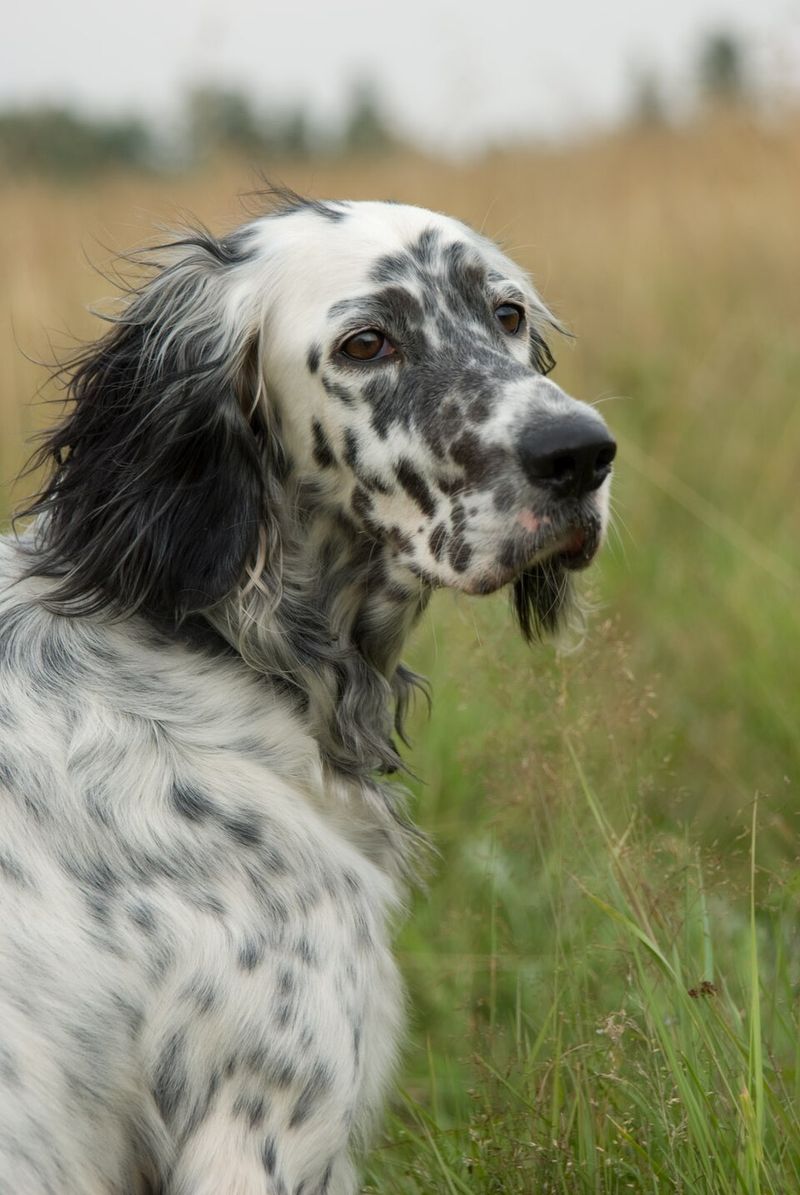
English Setters can be gentle eaters who skip meals when stressed or over stimulated. Long feathers near the mouth sometimes trap debris, making chewing unpleasant.
Intestinal upset from sudden diet changes can trigger brief boycotts.
Brush facial feathers and check teeth to remove discomfort. Feed in a quiet room away from household traffic.
Add warm water to soften kibble and coax appetite, and transition proteins over two weeks to protect the gut.
They do best on predictable routines with moderate exercise before meals. Watch for excessive drooling, which can mean nausea or dental pain.
If refusal pairs with lethargy or fever, see your vet to rule out infection or tick borne illness.
Gordon Setter

Gordon Setters are thoughtful eaters and may skip when stressed, overheated, or sore after heavy running. Large chests mean you should avoid intense exercise right before or after meals.
Sudden refusal can also reflect boredom with the same flavor.
Offer food in a quiet spot and keep a strict schedule. Rotate proteins very slowly, and add warm broth for aroma without piling on fat.
Split meals into two or three portions to reduce risk of bloat concerns.
Groom chest feathering to keep bowls clean and inviting. Monitor for limping or stiffness that reduces appetite.
If they skip more than a day or show abdominal pain or restlessness, contact your vet immediately.
Irish Setter
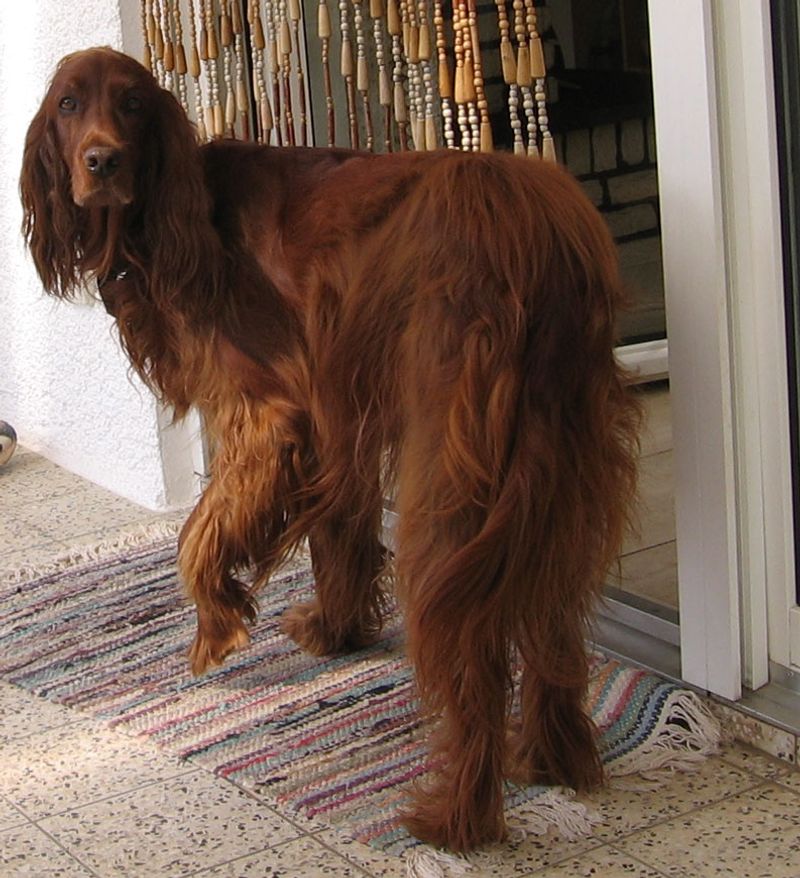
Irish Setters can be sensitive to excitement and environment changes, which dampen appetite quickly. Their deep chests increase concern around meal timing and exercise.
Rich foods or fatty table scraps sometimes spark tummy turmoil and a hard pass at dinner.
Feed smaller portions twice or three times daily, and schedule calm downtime around meals. Transition diets very gradually and use warm water to lift aroma.
Add gentle toppers like plain pumpkin or vet approved broth in small amounts.
Daily sniff walks and training games help settle the mind before eating. Watch for restlessness or drooling that could hint at bloat risk.
If refusal persists beyond 24 hours, or other symptoms appear, call your veterinarian promptly.