
If your dog vacuums dinner then redeposits it on the rug, welcome to the scarf and barf club. Slow feeders are turning mealtime into a quirky personality test, revealing who strategizes, who sulks, and who treats puzzles like a sport.
You will see which breeds are most often talked about for speed eating and how to match their style with the right bowl. Grab a towel, then a solution you will actually love using.
Labrador Retriever
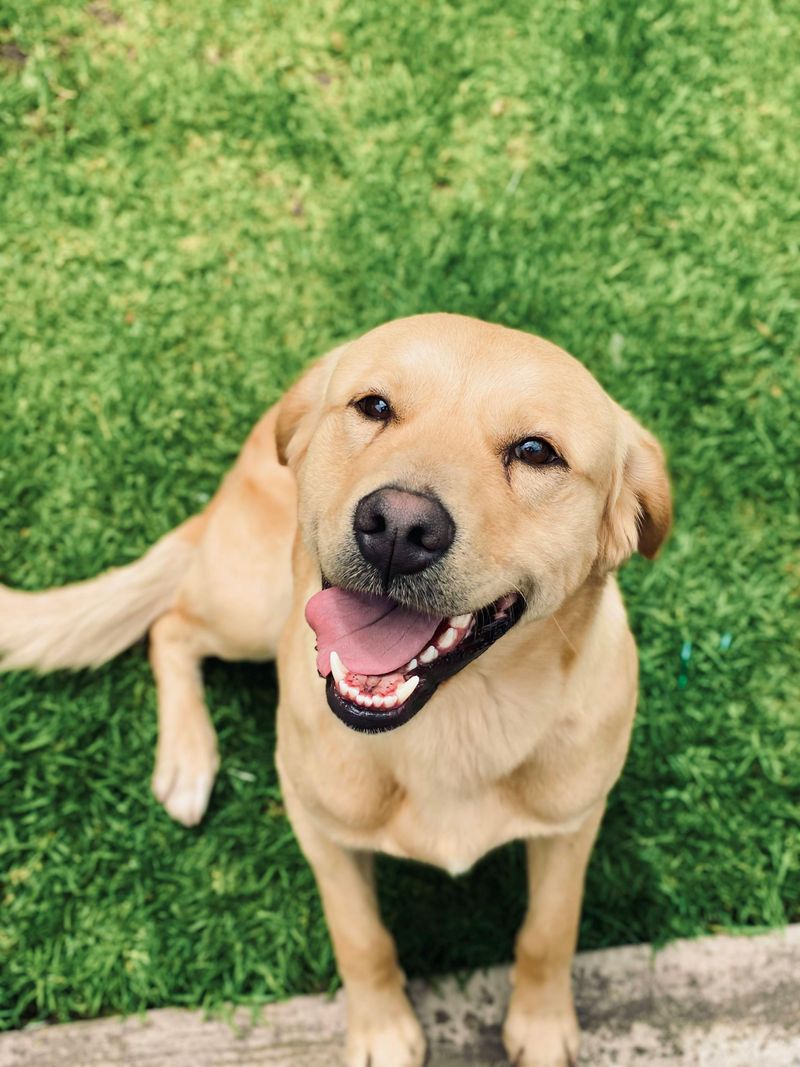
Labradors are famous for joyful enthusiasm and bottomless stomachs. If your Lab inhales food, a slow feeder can feel like you are adding brakes to a rocket.
Look for deep ridges and a heavy, non slip base to withstand paw scoops and nose shoves.
Many Labs treat dinner like a game, so rotate patterns to keep interest high. Wider bowls help those big heads navigate without frustration.
You will likely appreciate stainless or dishwasher safe designs, because slobber happens.
Expect a learning curve and some side eye during the first week. Praise successes, reduce portion size per scoop, and add a little water if kibble sticks.
With consistency, your Lab will burp less and settle faster after meals.
Golden Retriever
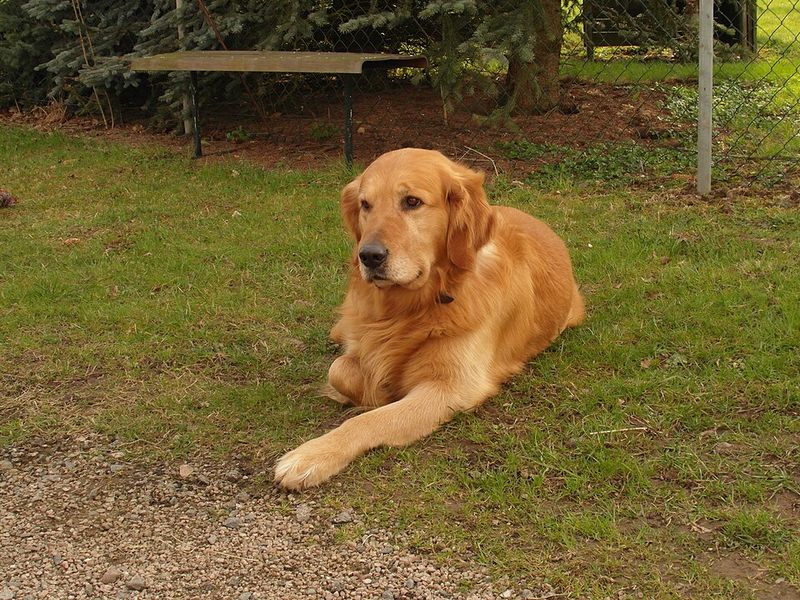
Goldens often eat with cheerful gusto, then bounce straight into zoomies. A slow feeder suits their sunny brains because it turns mealtime into a friendly puzzle.
Choose a medium depth maze that encourages licking and nosing without trapping those feathered whiskers.
Many Goldens benefit from slightly elevated stands for comfort. If yours is sensitive, try a softer silicone insert that flexes rather than clangs.
You will see calmer post meal behavior when the pace slows.
Mix in a bit of warm water to spread aroma and encourage licking. Rotate between swirl and flower patterns to keep novelty high.
With a little patience, your Golden will savor bites, wag between nibbles, and leave your floors much cleaner.
Beagle
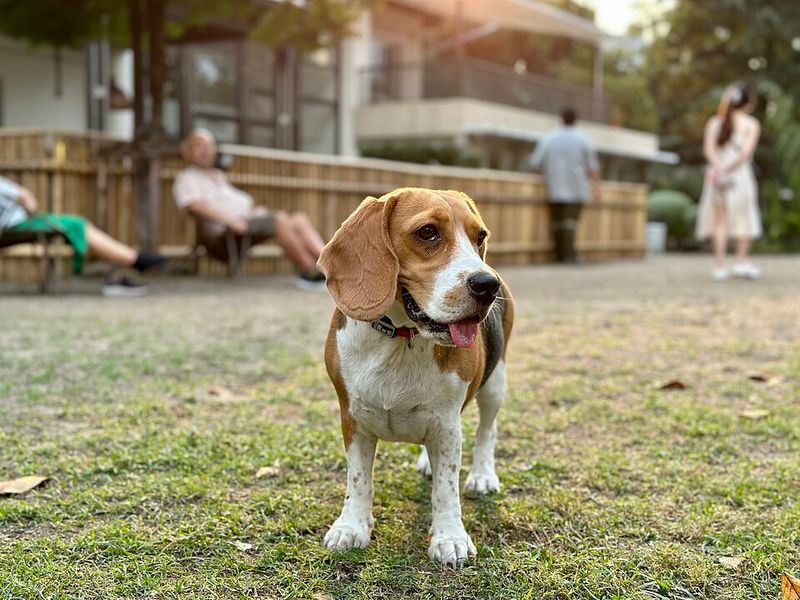
Beagles follow noses first and rules second. Slow feeders let them hunt legally at dinnertime.
Aim for maze patterns that reward sniffing paths rather than brute force, because Beagles will try prying pieces.
Choose sturdy plastic or stainless with skid resistance. Shallow channels keep those smaller muzzles moving while still slowing the gulp.
You can sprinkle a few pieces outside the bowl to start the search.
Scatter feeding on a lick mat plus a maze bowl is a big win. It stretches the meal and channels that scent drive into productive work.
Before long, your Beagle will eat thoughtfully, nap contentedly, and stop rehearsing a midnight barf chorus.
Basset Hound
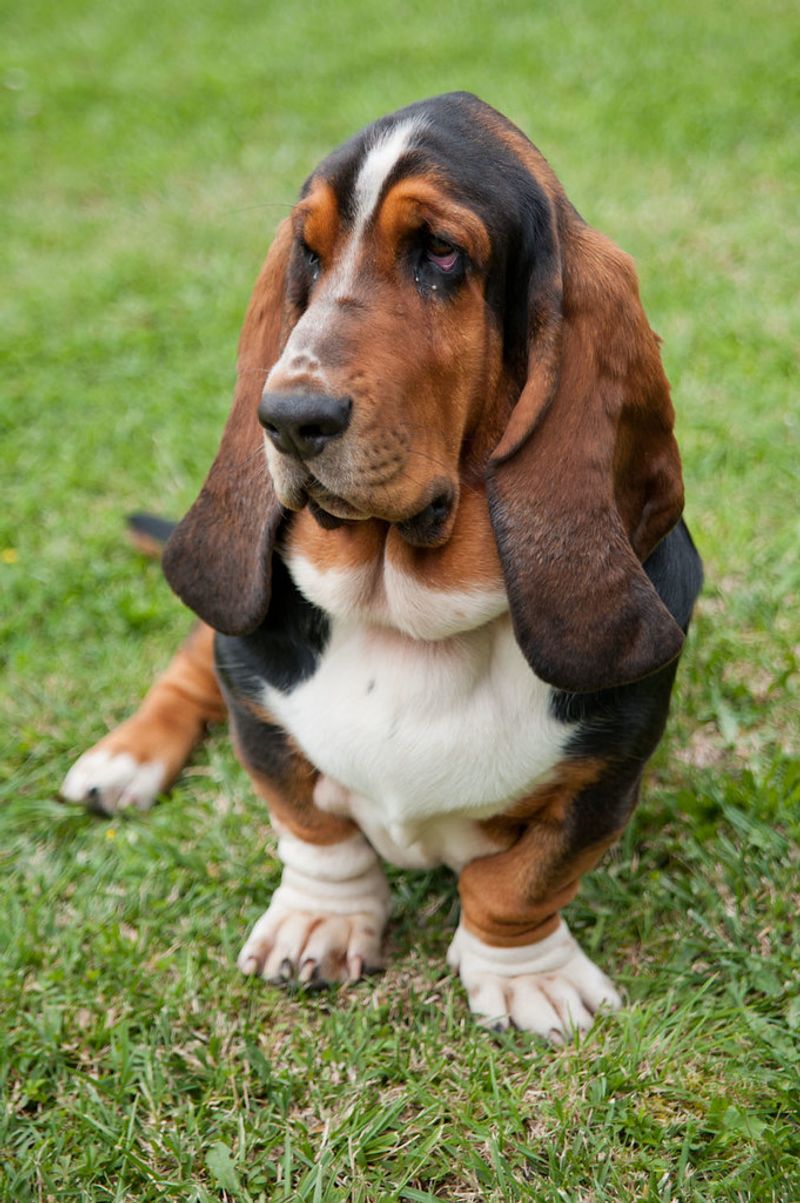
Bassets bring long ears and longer opinions to dinner. Choose a wide, shallow slow feeder that protects ears while still offering a gentle maze.
Elevated feeders are tricky for long backs, so keep it low and stable.
Because Bassets can be stubborn, make the first sessions easy with larger gaps. Add a bit of wet food to stick kibble without turning it into cement.
You will notice fewer air gulps and burps when the path meanders.
Non slip bases are essential, since they push with serious leverage. Expect some dramatic sighs followed by focused nibbling.
With patience, your Basset will move from scarf and barf to deliberate and satisfied, ears tidy and belly calm.
Dachshund
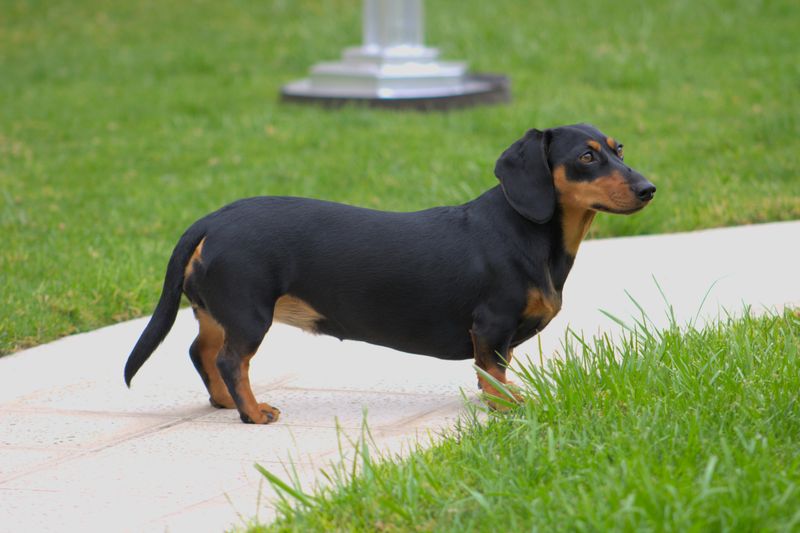
Dachshunds may be small, but their determination is mighty. A low profile slow feeder with narrow channels suits their snout and protects long backs from awkward angles.
Keep bowls on non slip mats to stop sliding sprints.
Start easy and gradually tighten the maze as confidence builds. If your Doxie gets frustrated, smear a thin line of wet food to guide snuffling.
You will likely see less hiccuping and more content lounging afterward.
Because many Dachshunds guard treasures, separate mealtimes from busy foot traffic. Short meals plus puzzle play burn mental energy without strain.
Soon your little hot dog will dine like a connoisseur, not a vacuum, and your carpets will thank you.
English Bulldog
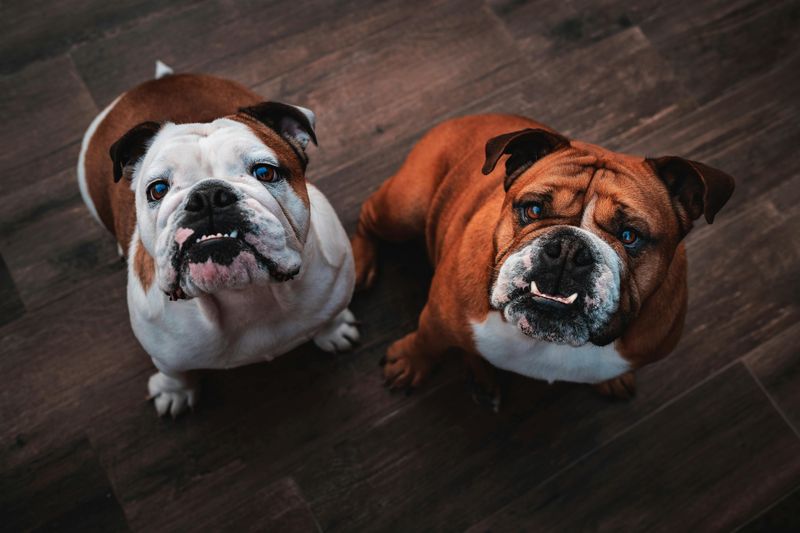
Bulldogs combine wide heads, short muzzles, and serious enthusiasm. Pick a heavy, non tip slow feeder with broad channels that accommodate a brachycephalic face.
Slight elevation can help alignment, but avoid straining the neck.
Because they tire easily, keep patterns accessible and prioritize airflow while eating. Add a splash of water to soften edges and reduce gulping.
You will likely hear fewer post meal grumbles when the pace slows.
Watch for frustration signs like paw batting and loud huffing. Celebrate small wins and keep cleanup simple with dishwasher safe materials.
With the right fit, your Bulldog will savor bites, drool responsibly, and skip the sad after dinner rug surprise.
French Bulldog
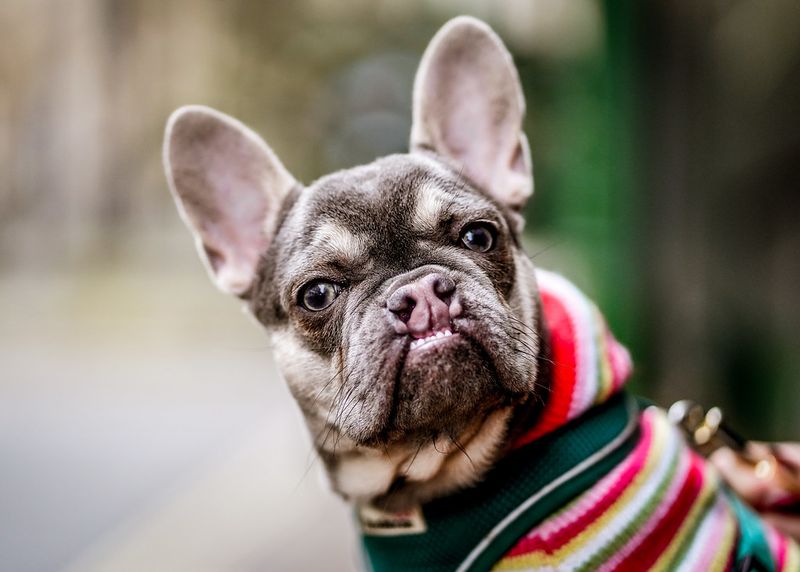
Frenchies are charming speed eaters with flat faces and big feelings. A tilted slow feeder with shallow grooves lets them breathe and nibble comfortably.
Choose grippy bases so little bulldozer legs cannot shove the bowl across the room.
Short sessions keep frustration low and interest high. Mix kibble with a spoonful of wet food to promote licking instead of gulping.
You will quickly notice calmer bellies and fewer post dinner snorts.
Monitor portion sizes, since Frenchies can pack pounds fast. Alternate maze bowls with lick mats to add variety without extra calories.
With patience and routine, your Frenchie will eat at a healthy pace and wag through the whole experience.
Pug
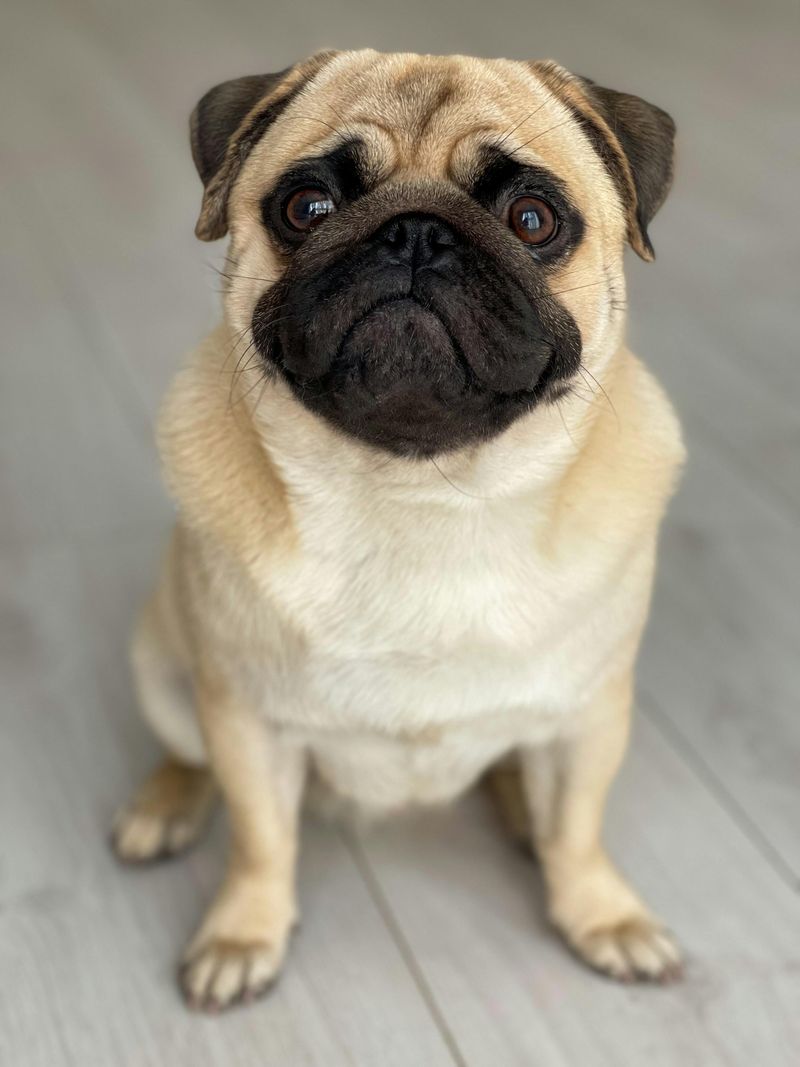
Pugs are lovable gobblers, and brachycephalic needs call for shallow patterns. A low, wide slow feeder with gentle ridges lets them reach food without face smashing.
Non slip rubber is non negotiable for those enthusiastic paws.
Start with easy layouts and celebrate each calm bite. If hiccups trigger barfs, add warm water to encourage licking and slower swallowing.
You will feel relief when meals no longer sound like a sprint.
Keep portions measured, since pugs are excellent persuaders. Rotate in a freezer safe lick mat for cooling, longer sessions on hot days.
Over time, your Pug will chew more, snort less, and you will retire the emergency paper towels.
Rottweiler
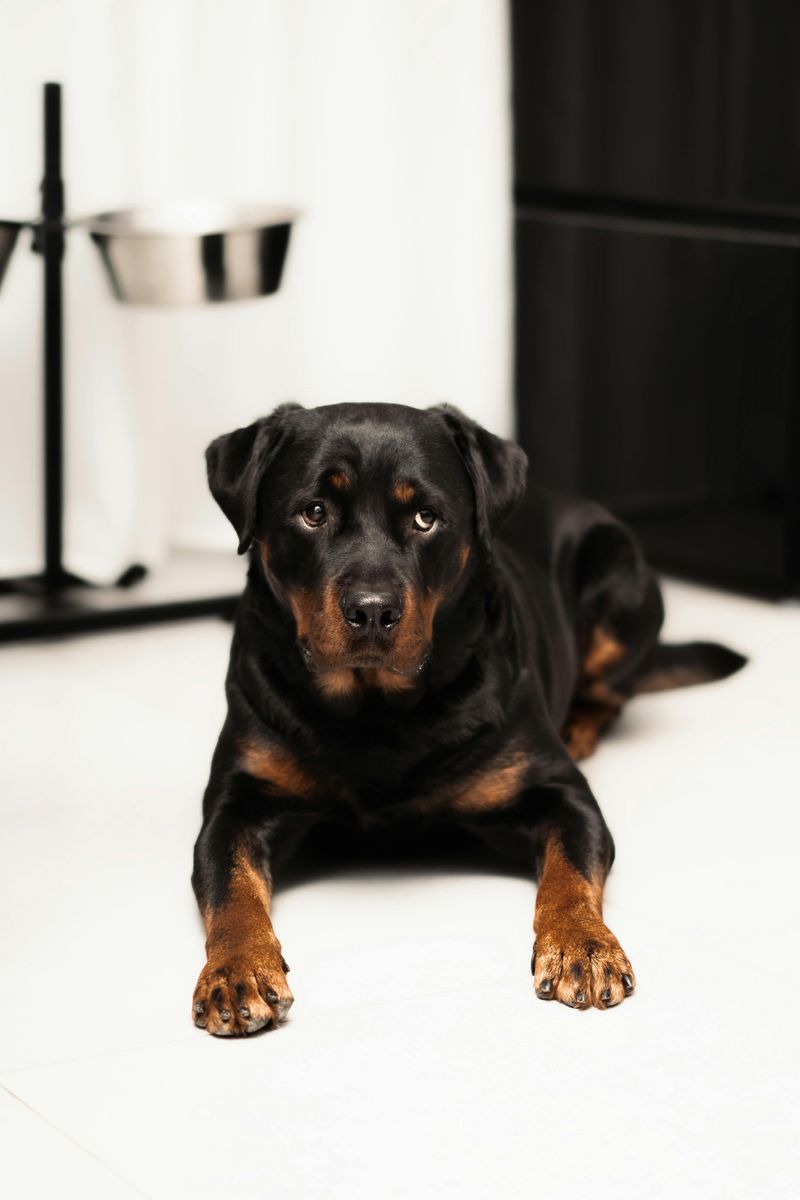
Rottweilers bring intensity to everything, including dinner. Use a robust, weighted slow feeder with deep channels that resist paw scoops.
Stainless steel or thick melamine stands up to strength and cleans quickly.
Because excitement can spike, practice calm sit waits before releasing to the bowl. Break meals into two feedings to reduce gulping.
You will notice steadier breathing and fewer burps when rhythm replaces rush.
Keep floors safe with a rubber mat, and consider a slightly elevated stand for comfort. Rotate patterns to challenge without causing frustration.
With structure and a serious bowl, your Rottie will shift from shove and swallow to measured bites and relaxed post meal cuddles.
Boxer
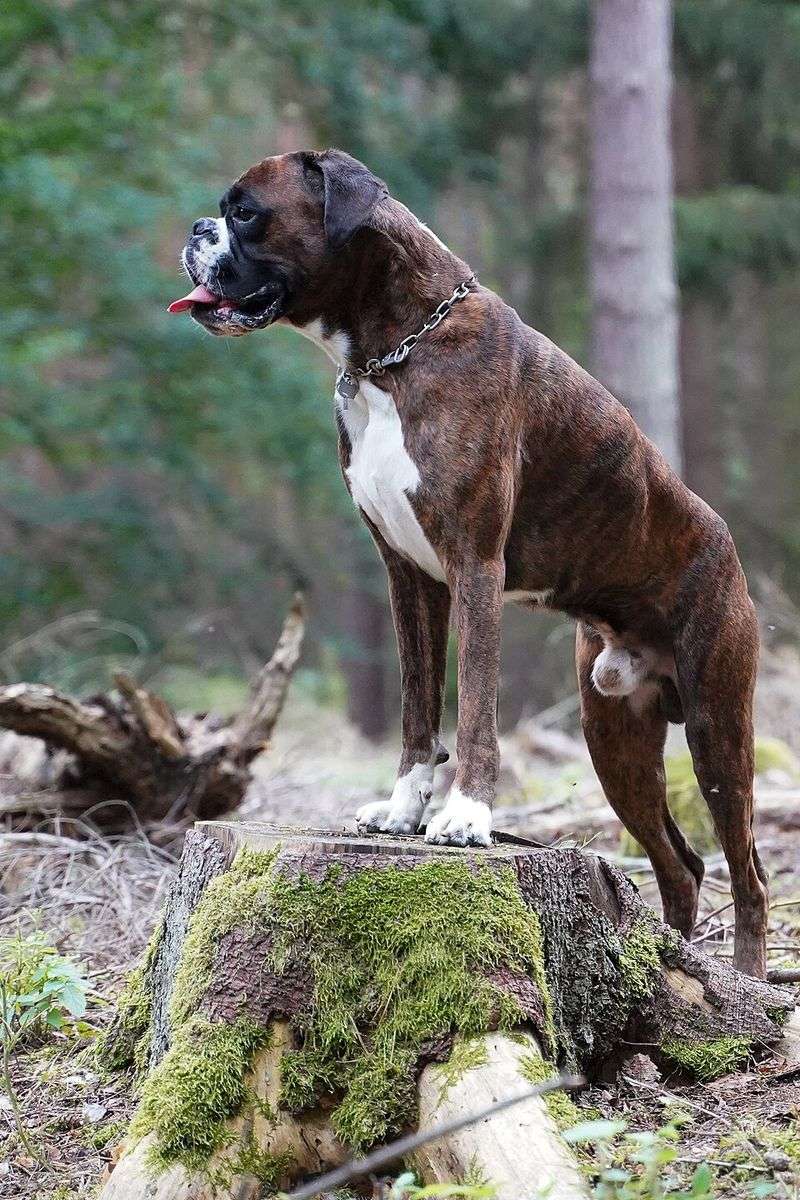
Boxers are joyful clowns who eat like they play, at full throttle. A maze style slow feeder with medium depth grooves reins in the chaos without dampening fun.
Look for curved paths that encourage licking, not head butting.
Boxers may box their bowls, so go heavy with non slip bases. Add a touch of wet food to anchor kibble and smooth the pace.
You will hear fewer post meal gurgles when the inhale turns into nibble time.
Two smaller meals pair well with their energy. Rotate bowls to keep novelty, and end with a calm settle cue.
Soon, your Boxer will dine with style and keep the barf jokes in the group chat, not on your floor.
Cocker Spaniel
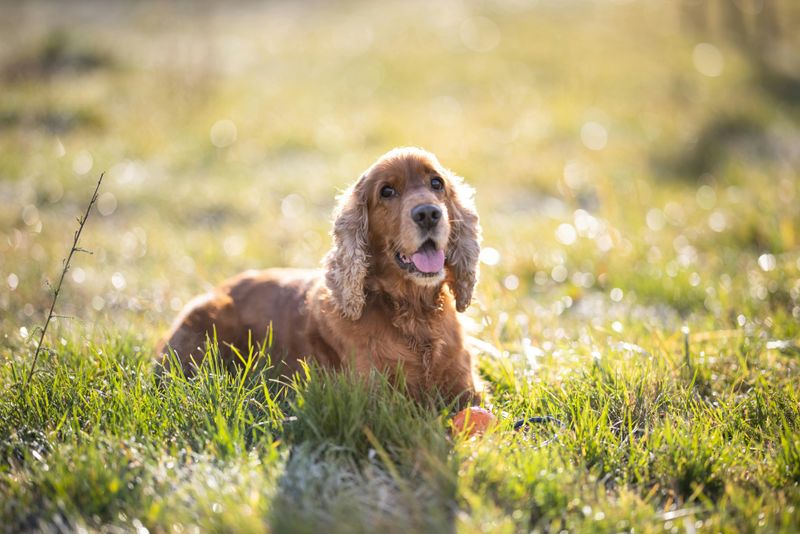
Cockers bring soft ears and soft eyes to dinner, plus surprising speed. Choose a slow feeder with narrow channels and a slightly raised center to keep ears out.
Consider a snood for extra ear protection during messy meals.
Because they can be sensitive, start with easy patterns and lots of praise. Mix in a little broth to spread flavor and encourage licking.
You will see fewer post meal coughs and calmer tummies.
Stable bases prevent skids on slick floors. Keep portions consistent and add a brief sniffy walk after eating to aid digestion.
With the right setup, your Cocker will enjoy a graceful, slower meal and leave ears and carpets delightfully clean.
Staffordshire Bull Terrier
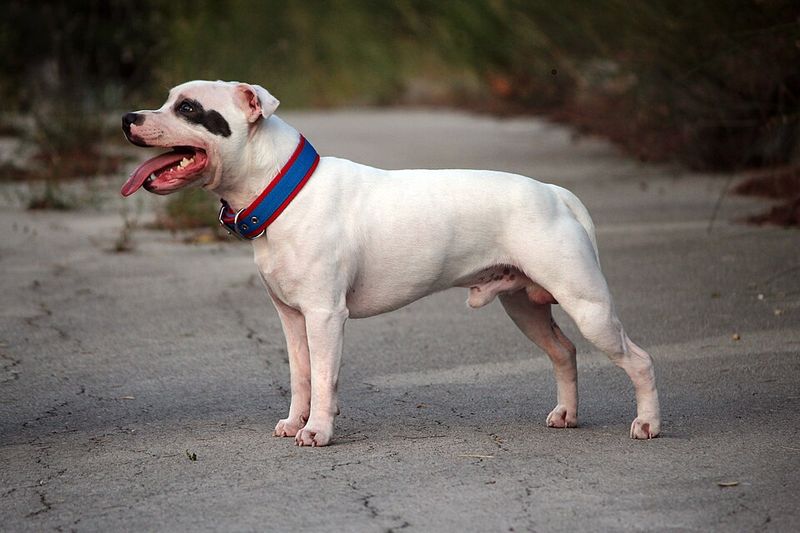
Staffies love food with their whole hearts and sometimes zero patience. Pick a rugged, non tip slow feeder with a spiral that encourages licking.
Heavy bowls and mats matter because enthusiasm plus power equals sliding chaos.
Teach a brief settle before release to the bowl. Add moisture to reduce gulping and make kibble cling to the maze.
You will quickly notice fewer burps and less post meal pacing.
Rotate puzzle difficulty to keep that keen brain satisfied. Keep portions measured because Staffies are sneaky about calories.
With routine and the right gear, your Staffy will shift from scarf and barf to savor and smile, and your floors will finally catch a break.