
A ten-pound dog barking at a delivery truck is not confused about its size. Many small breeds were built for jobs that demanded nerve, like chasing rats, flushing badgers, or sounding alarms in busy homes.
That history still shows up in how these dogs carry themselves today, and it explains a lot about the little dog on your couch who acts like the boss of the block. Here are 11 small breeds known for bold attitudes, plus what that confidence means for the people who live with them.
Jack Russell Terrier
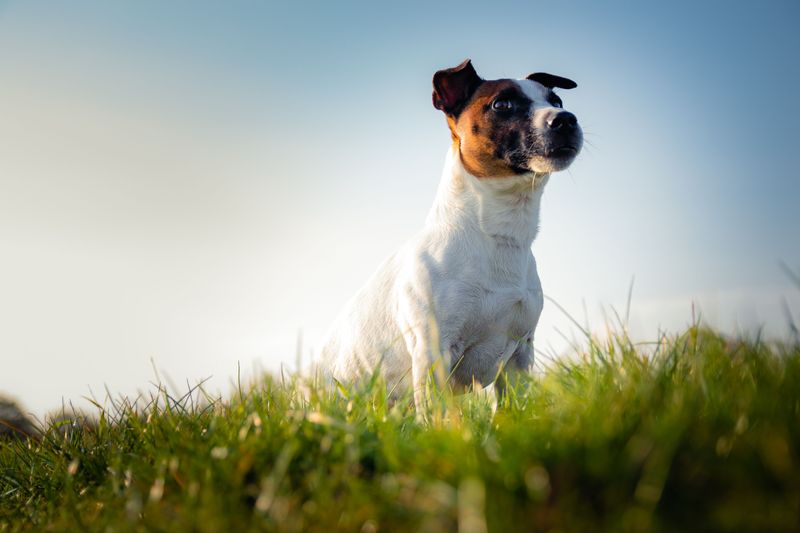
Picture a dog bred to follow foxes underground and then hold its ground in a dark tunnel. That job, developed in 19th-century England by the Reverend John Russell, rewarded dogs with serious grit and stamina.
Today, that drive often shows up as a dog that chases squirrels with total commitment and may challenge bigger dogs at the park. Jack Russells tend to make quick decisions on their own, which can look like stubbornness during training.
Owners usually do best with secure fencing, short and lively training sessions, and daily outlets like digging boxes or flirt-pole games. A bored Jack Russell may invent its own projects, and your garden might be one of them.
Chihuahua
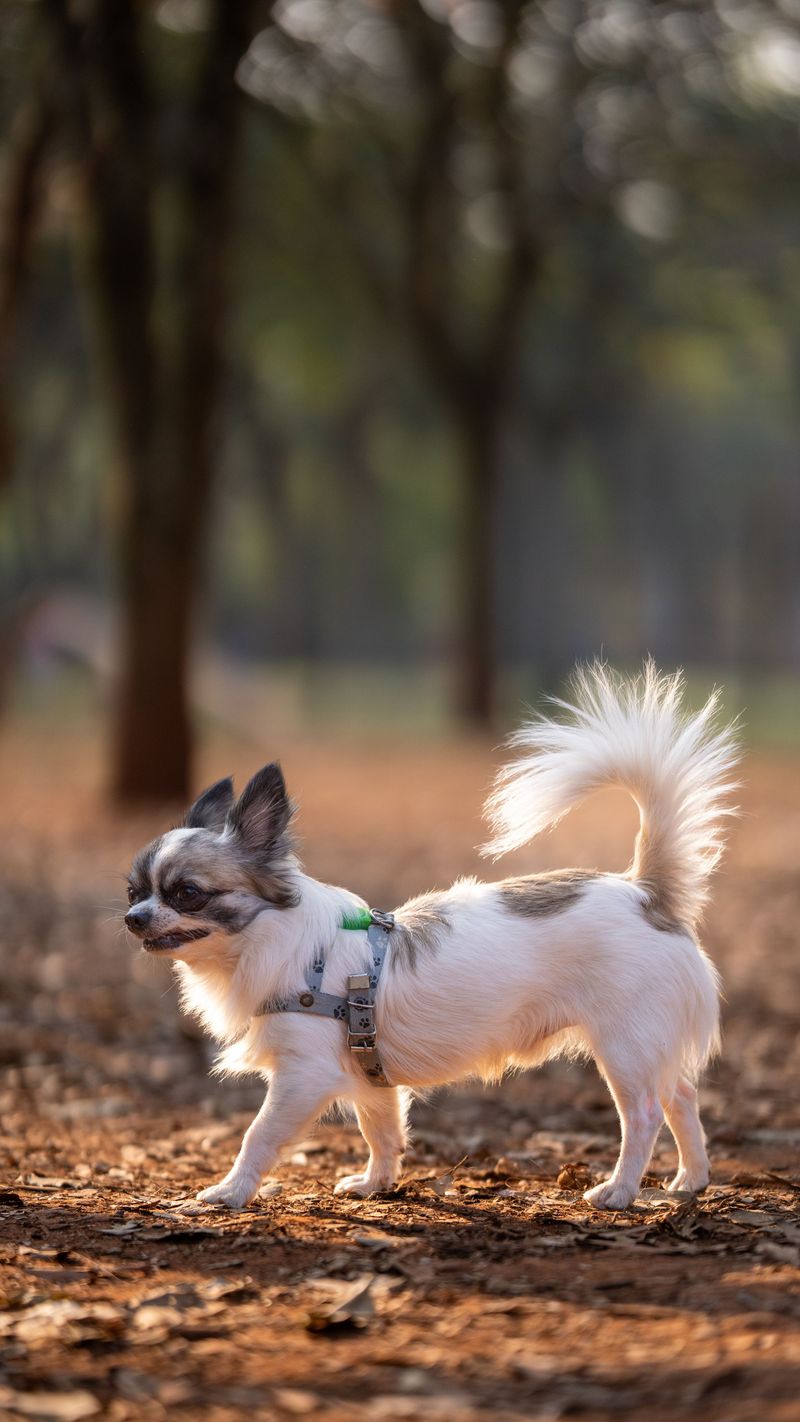
Few dogs get underestimated as often as the smallest recognized breed in the AKC lineup. Chihuahuas typically weigh six pounds or less, yet many act as though they have a full-sized guard dog’s responsibilities.
Much of that boldness is tied to strong attachment to one or two people. A Chihuahua may stand between its owner and a visitor, barking with real conviction, even though it could fit in a handbag.
Gentle, early socialization with calm strangers and other pets can help that confidence stay friendly rather than defensive. It also helps to avoid carrying the dog everywhere, since letting it meet the world on its own four feet often builds steadier nerves.
Yorkshire Terrier
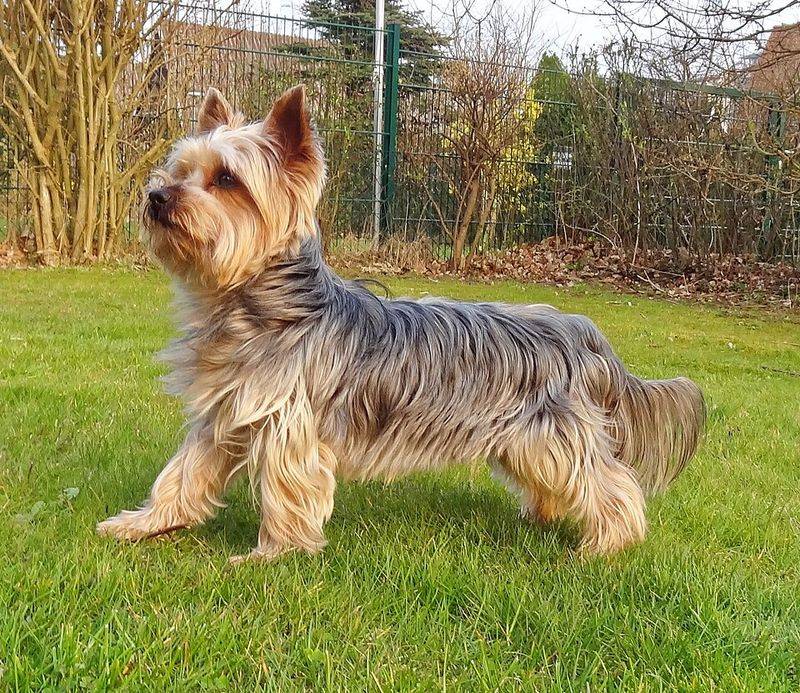
Silky hair and hair bows can hide a working-class past. Yorkshire Terriers were developed in northern England, partly to catch rats in textile mills and mines.
That ratting background is why many Yorkies still react quickly to sudden noises and small moving things. They often bark to announce visitors and may confront dogs several times their size without hesitation.
Owners sometimes treat Yorkies as purely decorative, but these dogs usually enjoy puzzle toys, scent games, and real training. Giving that terrier brain a job tends to reduce nuisance barking more than any amount of pampering.
Dachshund
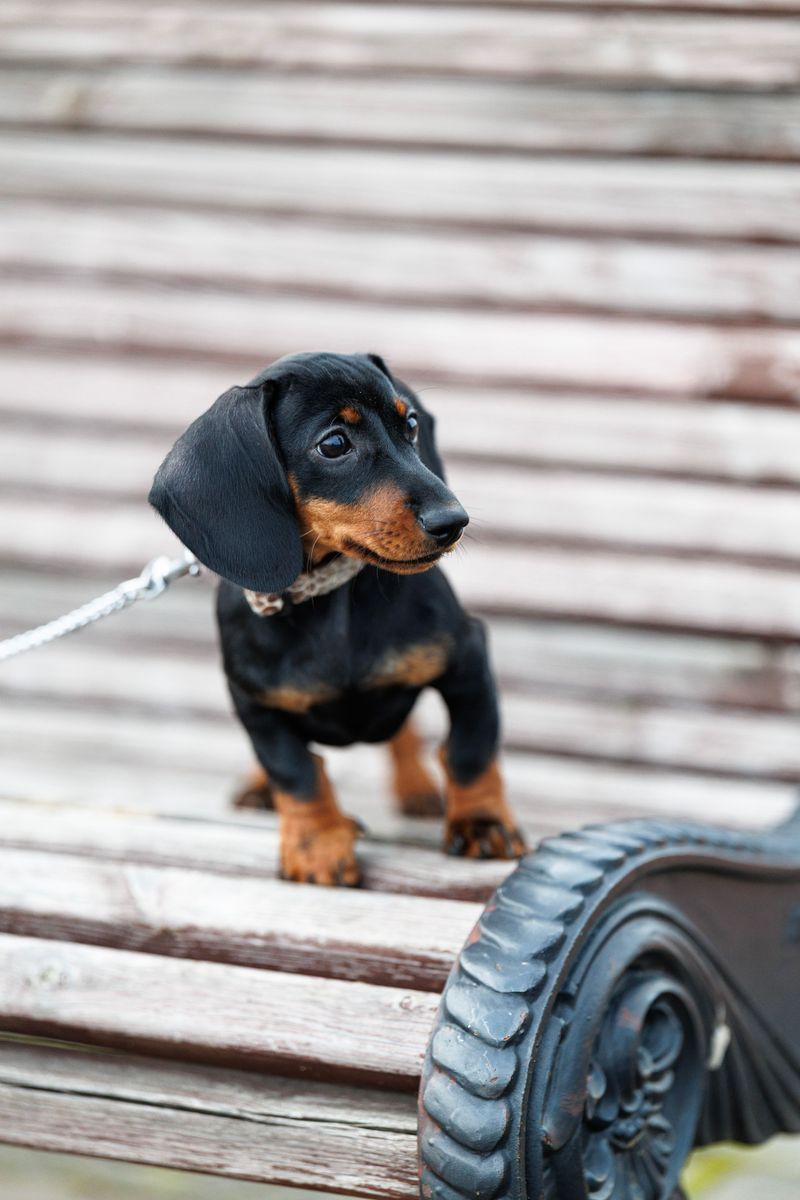
The name translates from German as badger dog, and that tells you plenty. Dachshunds were bred to dig into burrows and face badgers, an animal known for fighting back hard.
So it is not surprising that many Dachshunds have a deep, surprisingly loud bark and a stubborn streak. They were expected to work out problems underground without a handler giving directions.
That independence can make recall a challenge, especially when a good scent appears. Their long backs also deserve attention, so owners are often advised to limit jumping off furniture and keep their dogs at a healthy weight.
Ask your vet about back care if your Doxie seems stiff or reluctant to move.
Miniature Pinscher
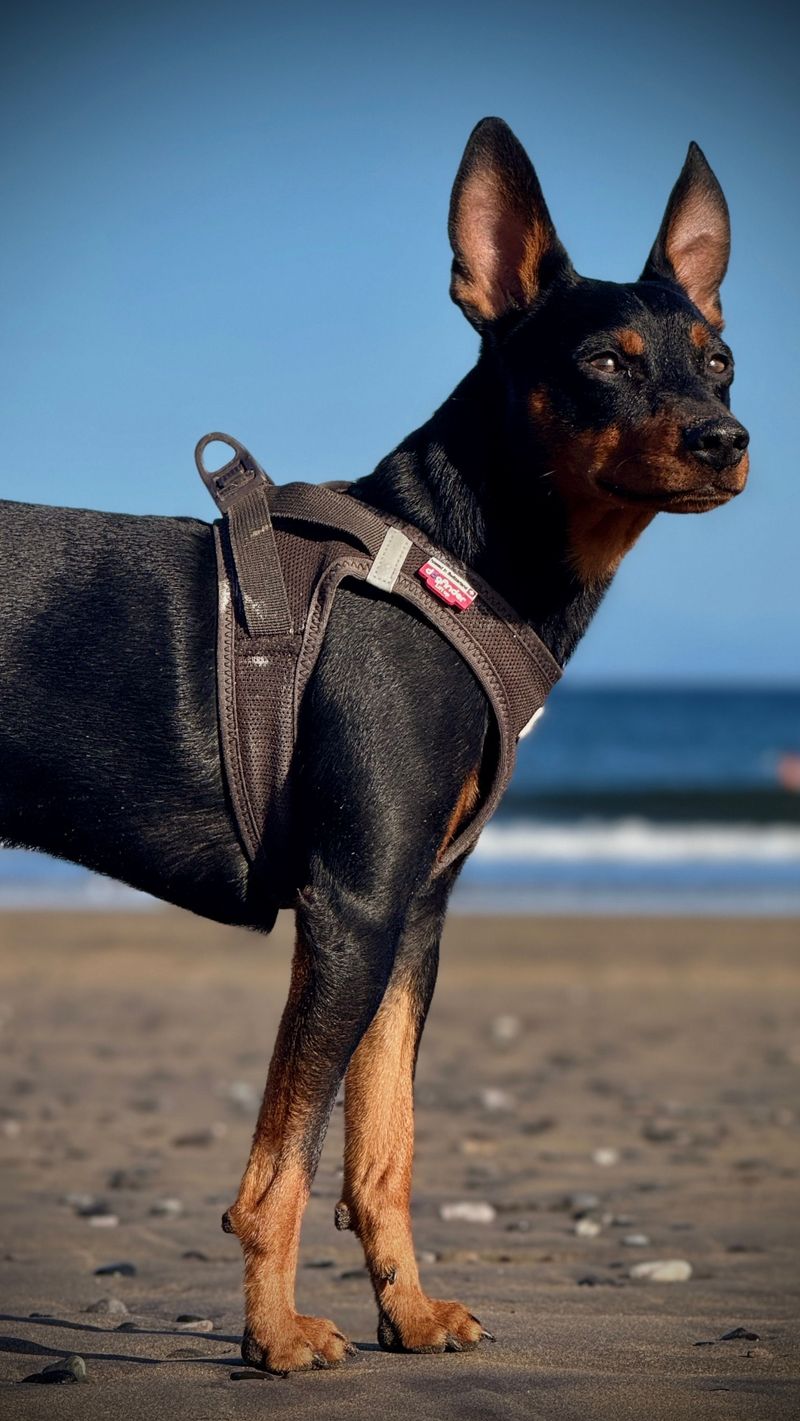
Many people assume the Min Pin is a shrunken Doberman. It is actually an older German breed, and the resemblance is mostly a coincidence of looks.
Nicknamed the King of Toys, the Miniature Pinscher often moves with a high-stepping, almost prancing gait. Historically it worked as a barnyard ratter, and that alert, busy temperament remains common.
Min Pins are known escape artists who may slip through gaps in fences or dart out an open door. They also tend to be fearless around larger dogs, so supervised play is wise.
Plenty of exercise and clear routines help channel all that confidence somewhere useful.
Cairn Terrier
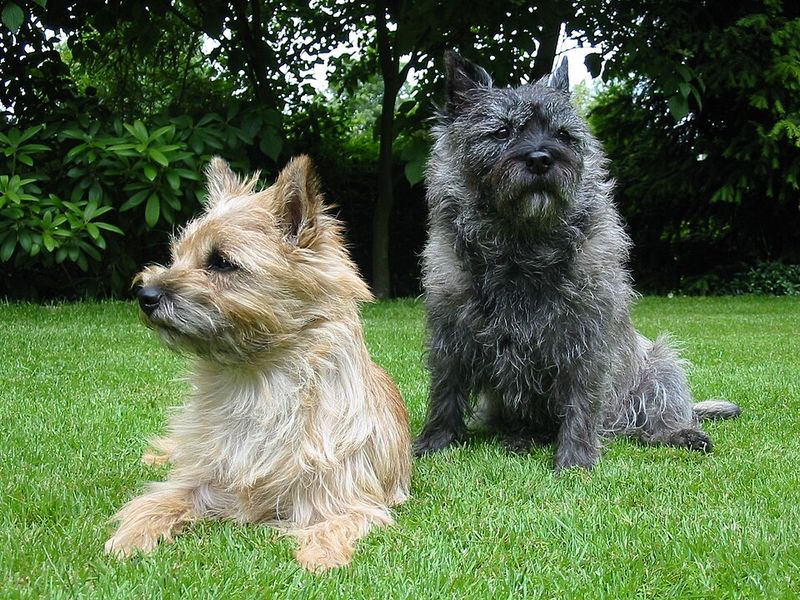
Toto from The Wizard of Oz was played by a Cairn Terrier, and the casting made sense. This breed has a scrappy, game attitude that reads well even on camera.
Cairns come from the Scottish Highlands, where they hunted small animals hiding in stone piles called cairns. Digging and investigating holes are still favorite pastimes for many of them.
Unlike some more intense terriers, Cairns are often cheerful and curious rather than combative. Still, they may chase cats or small pets, and their weatherproof coat needs regular brushing and occasional hand-stripping to stay in good shape.
Pomeranian
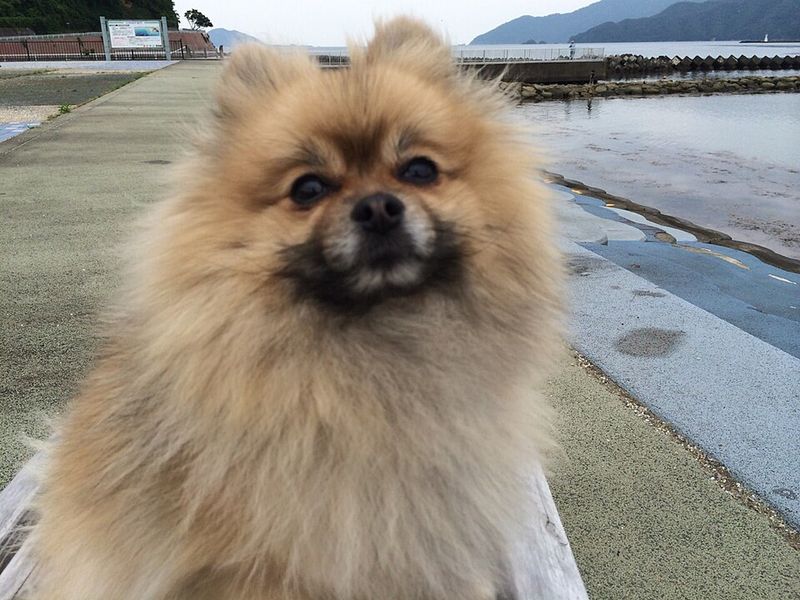
Under all that fluff sits the heart of a sled-dog family. Pomeranians descend from larger Spitz-type dogs and were bred down in size, with Queen Victoria helping make the small version fashionable.
Many Poms keep the watchful, vocal nature of their bigger ancestors. They often take window duty seriously and may bark at anything that moves outside.
Teaching a quiet cue with rewards can make life easier for neighbors. Owners should also watch Poms around big dogs, since their confidence tends to outrun their sturdiness.
West Highland White Terrier
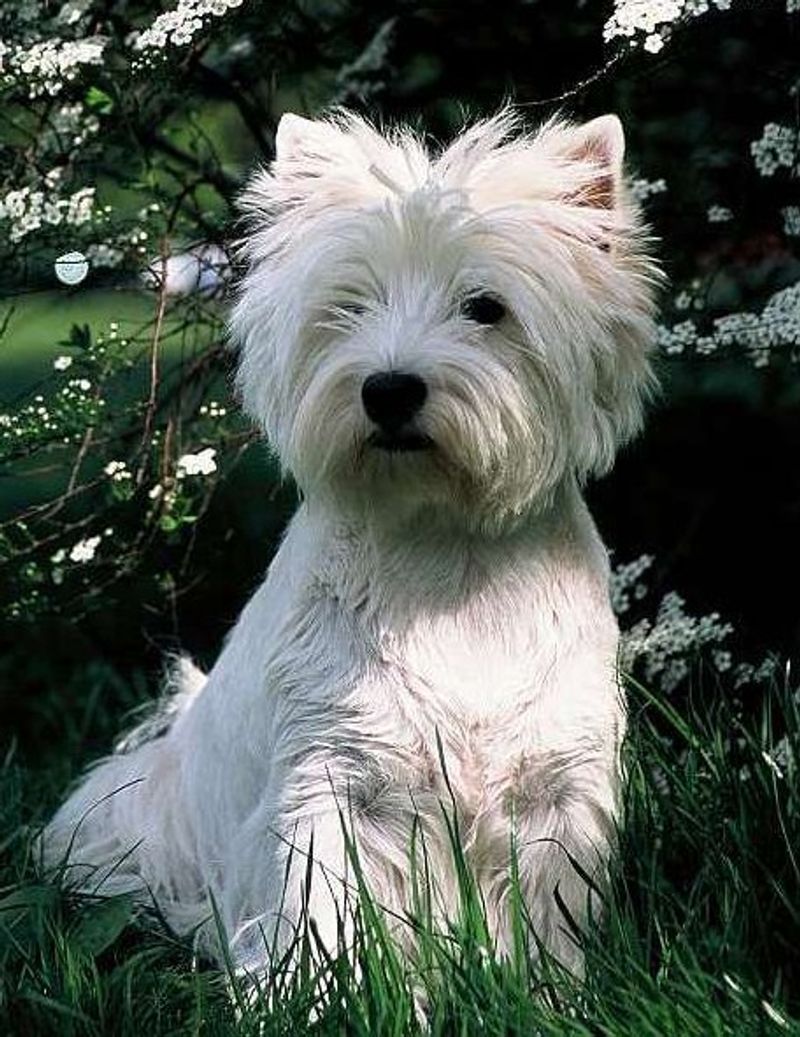
Bright white coats were reportedly favored in Westies so hunters would not mistake them for prey in the field. Whatever the exact origin story, the breed was developed in Scotland to pursue foxes and vermin.
Westies often carry themselves with a self-assured, sometimes bossy air. They may announce opinions loudly and hold firm when they want something, whether that is a toy or the best spot on the bed.
Many enjoy company and attention but do not always accept being handled roughly. Teaching children calm, respectful handling helps everyone get along.
Their prey drive also means a leash is usually safer than trusting recall near wildlife.
Schipperke
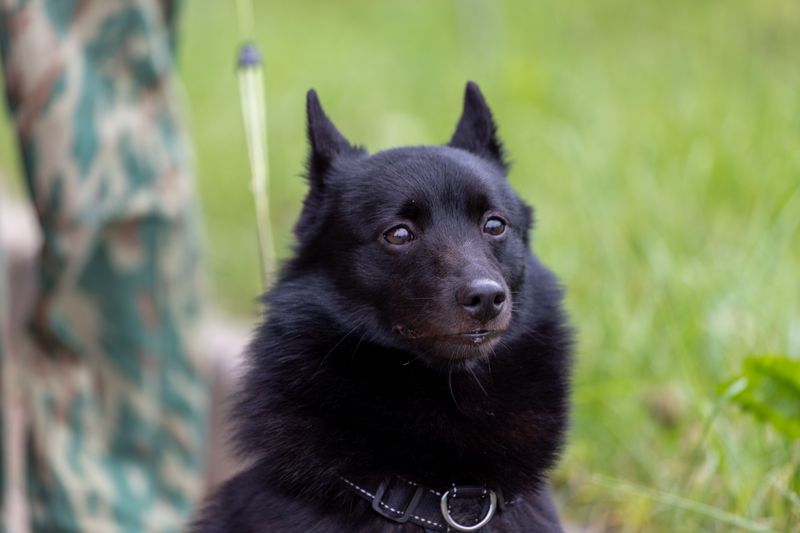
Ever heard of a little black barge dog? Schipperkes worked on canal boats in Belgium, guarding cargo and keeping rats in check.
That double role of watchdog and vermin hunter shaped a curious, alert, and sometimes suspicious temperament. Schipperkes often notice everything and may be reserved with strangers until they decide otherwise.
They are agile and quick, so secure yards matter. Because they are less common than many toy breeds, some owners are surprised by how much mental activity they need.
Trick training and scent work can be excellent fits.
Border Terrier
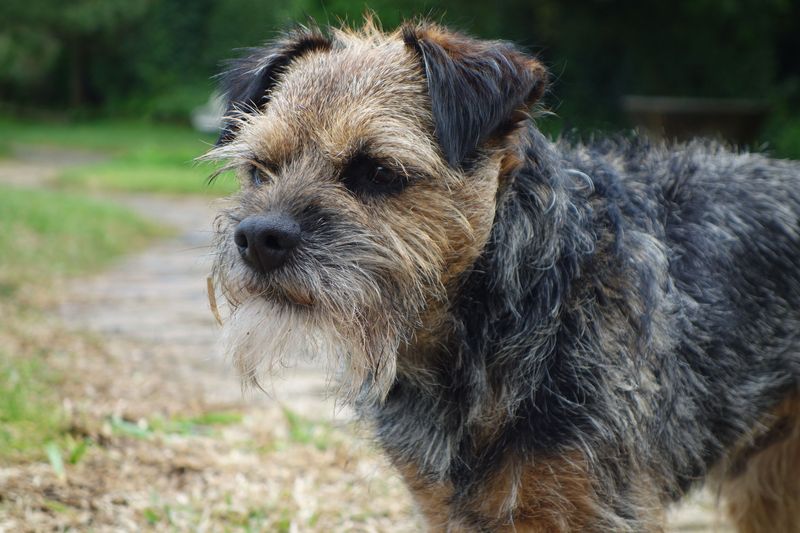
Here is a terrier that tends to show confidence without a lot of fuss. Border Terriers were bred along the England and Scotland border to run with horses and then bolt foxes from cover.
They needed stamina, toughness, and the ability to work alongside foxhounds, so many are friendlier with other dogs than some terrier cousins. Their courage often looks calm and determined rather than noisy.
Prey drive is still real, though. Small pets like hamsters or rabbits may trigger interest, and recall can fade when a scent catches their nose.
Long-line training in safe spaces can help build reliability.
Lhasa Apso
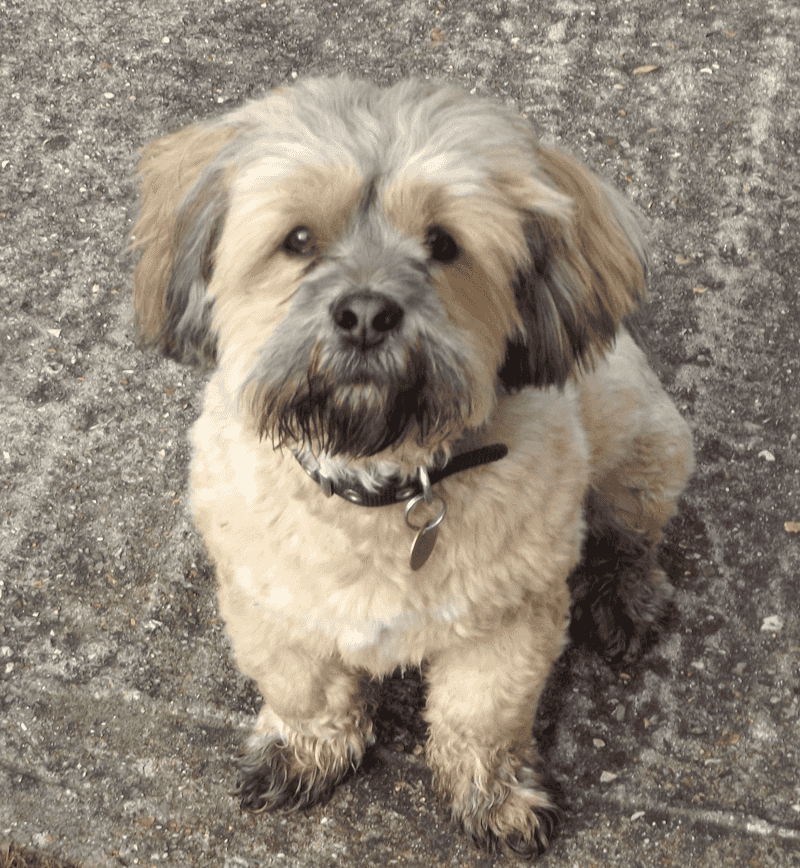
Monasteries in Tibet once relied on these small dogs as indoor sentinels. Larger mastiff-type dogs guarded outside, while Lhasa Apsos sounded the alarm within.
That job helps explain why many Lhasas are reserved with strangers and confident in their own judgment. They are not usually frantic, but they may refuse to warm up to a guest just because you asked.
Respecting their pace with new people often works better than pushing introductions. The long coat also needs significant grooming, so many owners choose a shorter trim for daily practicality.