
A smaller home can still be a happy place for a bigger or more surprising dog. What matters most is energy level, training, daily walks, and how well the breed relaxes indoors.
Some dogs take up space on the floor, but not much space in your life if their needs are met.
Greyhound
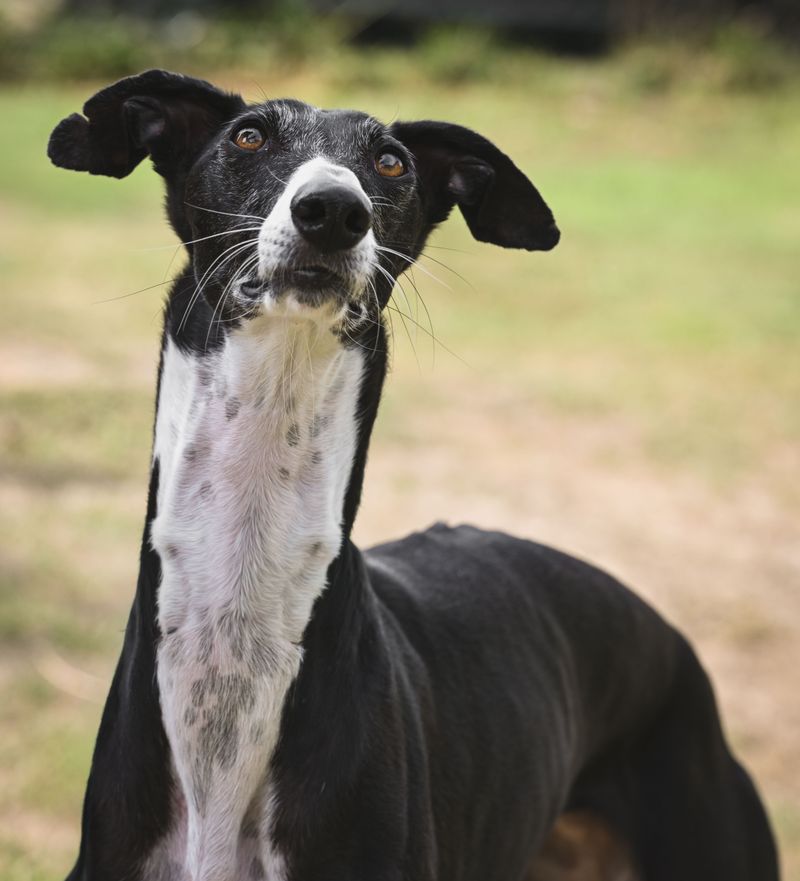
Built like a racer but often happiest as a couch ornament, the Greyhound surprises many apartment dwellers. After a good walk or safe sprint, it usually settles into long naps and quiet watching.
Soft beds matter because this lean breed has little padding on its body. Keep outings leashed unless the area is fenced, since chasing instincts can kick in fast.
A calm home routine helps this elegant dog feel secure without needing a huge yard.
Whippet
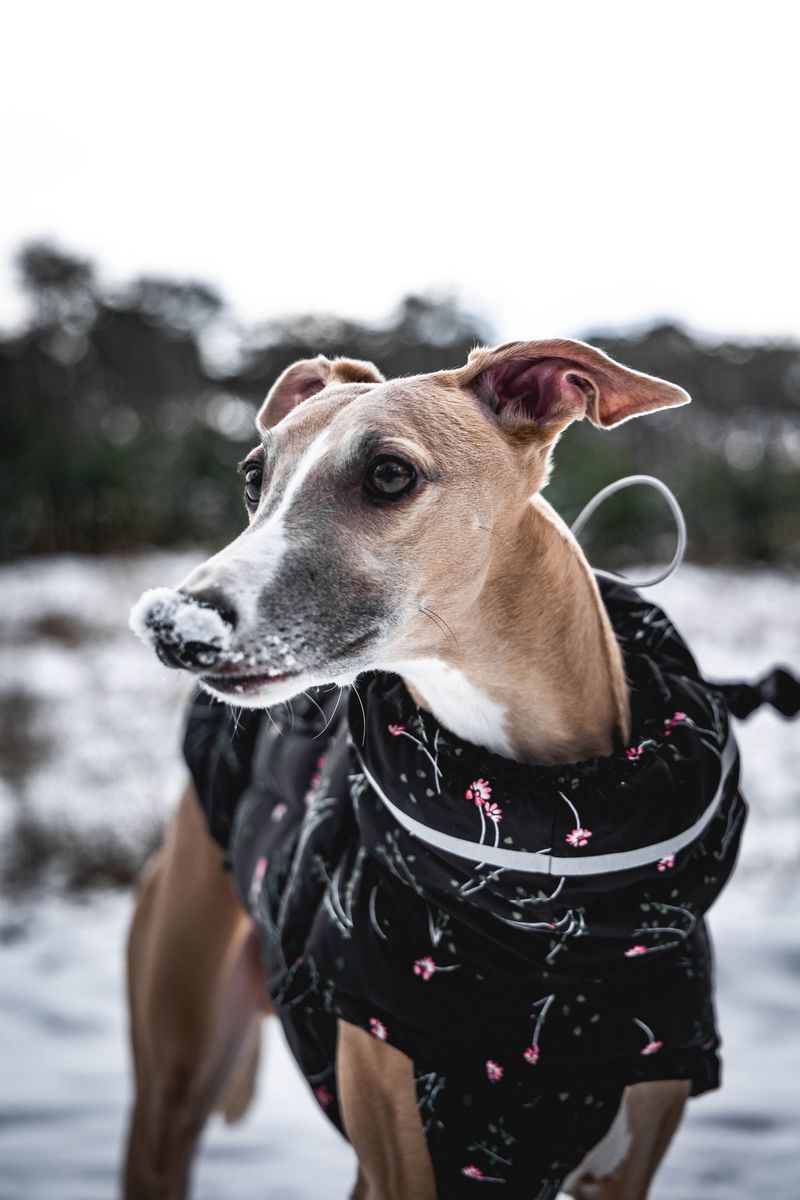
A Whippet can curl into a tiny comma on the sofa, then burst into silly zoomies at the park. That mix makes it a smart match for careful small-home living.
Short play sessions, brisk walks, and a warm blanket go a long way. Because Whippets dislike cold weather, sweaters are not just cute, they are useful.
Their polite indoor style shines when owners provide daily exercise, gentle training, and a safe place to rest.
Great Dane
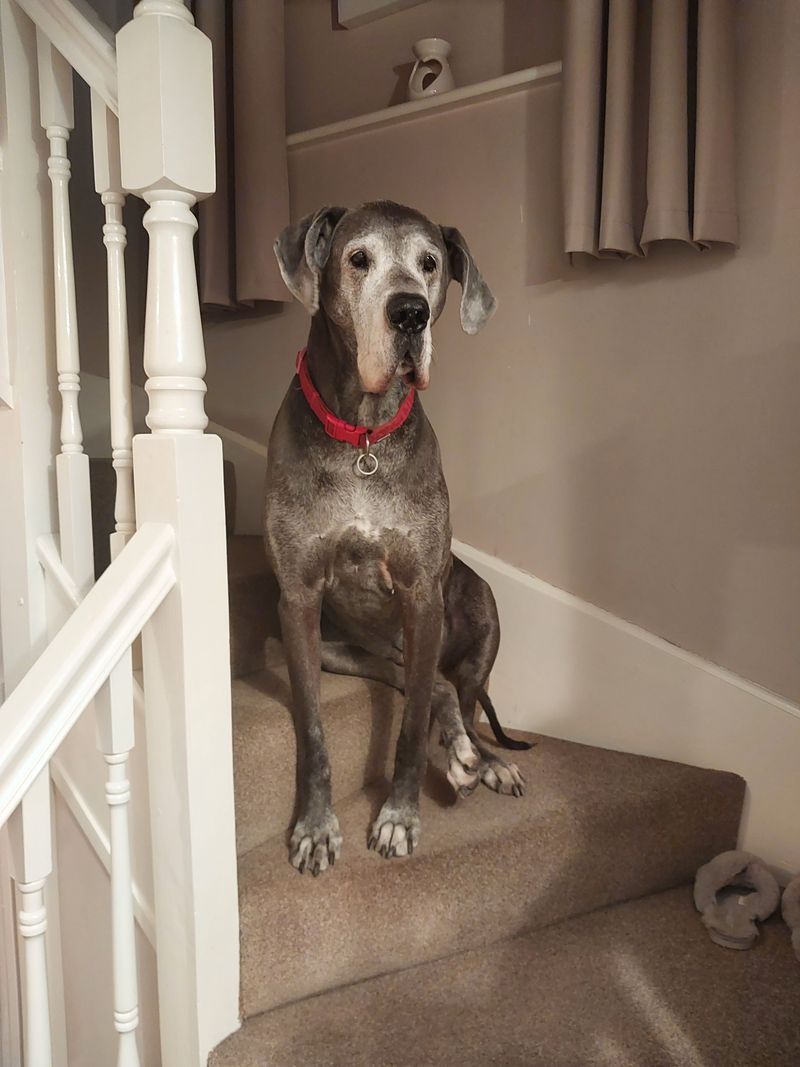
The Great Dane looks like it needs a castle, yet many are indoor loafers with giant paws. Their size is real, so clear walking paths and sturdy furniture help.
Regular walks are better than wild jumping, especially while young bones are growing. Training polite greetings is a must because one happy lean can move a chair.
With enough attention, a predictable schedule, and room for a big bed, this tall friend can handle modest spaces well.
English Bulldog
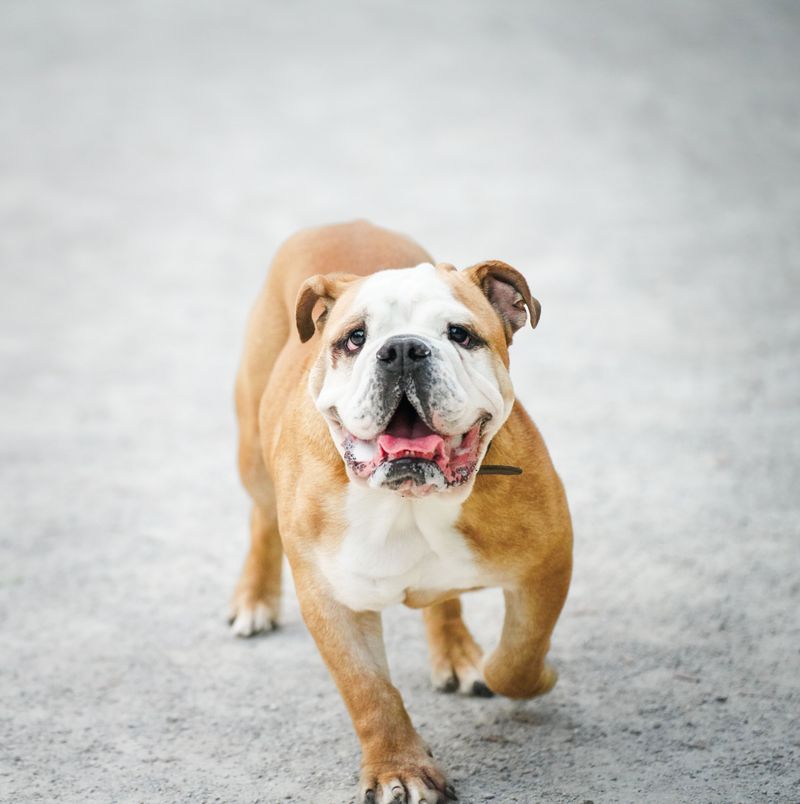
Snorty, sturdy, and full of comic charm, the English Bulldog often prefers short strolls over long adventures. That lower exercise need can fit small homes nicely.
Heat is the big concern, since Bulldogs can overheat faster than many breeds. Keep rooms cool, avoid hard exercise in hot weather, and watch breathing during play.
Wrinkle care, weight control, and patient training keep life smoother. A Bulldog may not need much space, but it does need thoughtful care.
Basset Hound
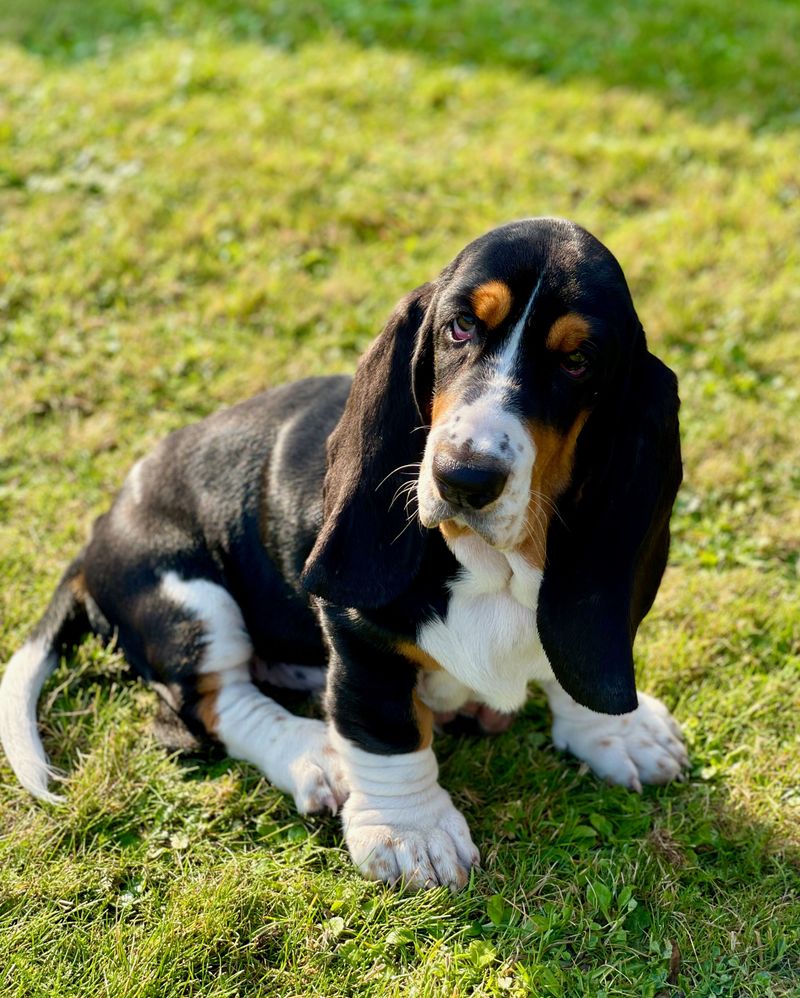
Those long ears and sad-sweet eyes make the Basset Hound hard to ignore. Happily, this low-slung scent hound is often content in a smaller home.
Walks should be slow but steady, because the nose will want to inspect every leaf. Stairs can be hard on the back, so ramps may help.
Food portions matter, too, since extra weight strains short legs. Expect a musical bark and plenty of loyal, floor-level company.
Bullmastiff
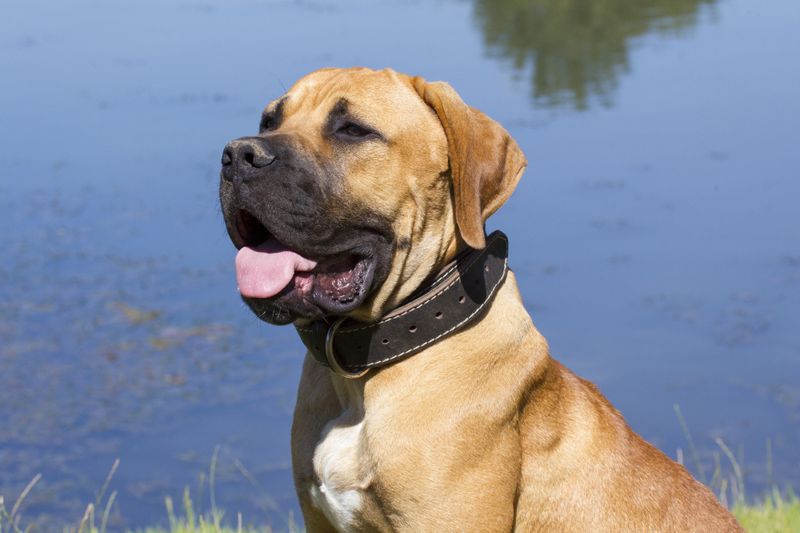
A Bullmastiff may look like a security guard in a fur coat, but indoors it can be surprisingly mellow. Calm leadership and early manners make all the difference.
Because this breed is powerful, leash training should start early and stay consistent. Short daily walks, puzzle toys, and a cool resting spot usually satisfy adult dogs.
They do not need constant action, yet they need close family contact. Space planning is simple: one big bed and no cluttered hallways.
Clumber Spaniel
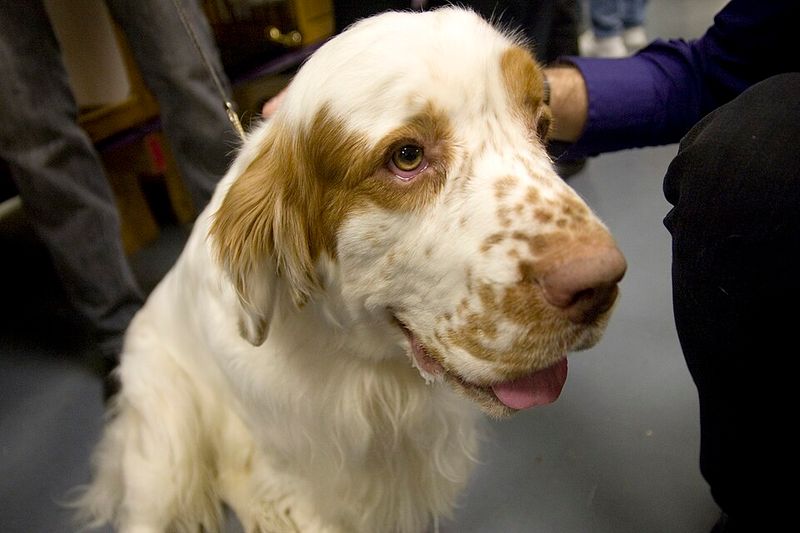
Slow, steady, and a little goofy, the Clumber Spaniel brings old-fashioned charm to small-home life. This heavy spaniel was once loved by British nobles for quiet hunting work.
Today, many enjoy gentle walks, sniffing games, and long rests near their people. Their coat needs brushing, and some drool may appear after water breaks.
Keep exercise low-impact, especially for joints. With patient training and a sense of humor, a Clumber can be a cozy housemate.
Irish Wolfhound
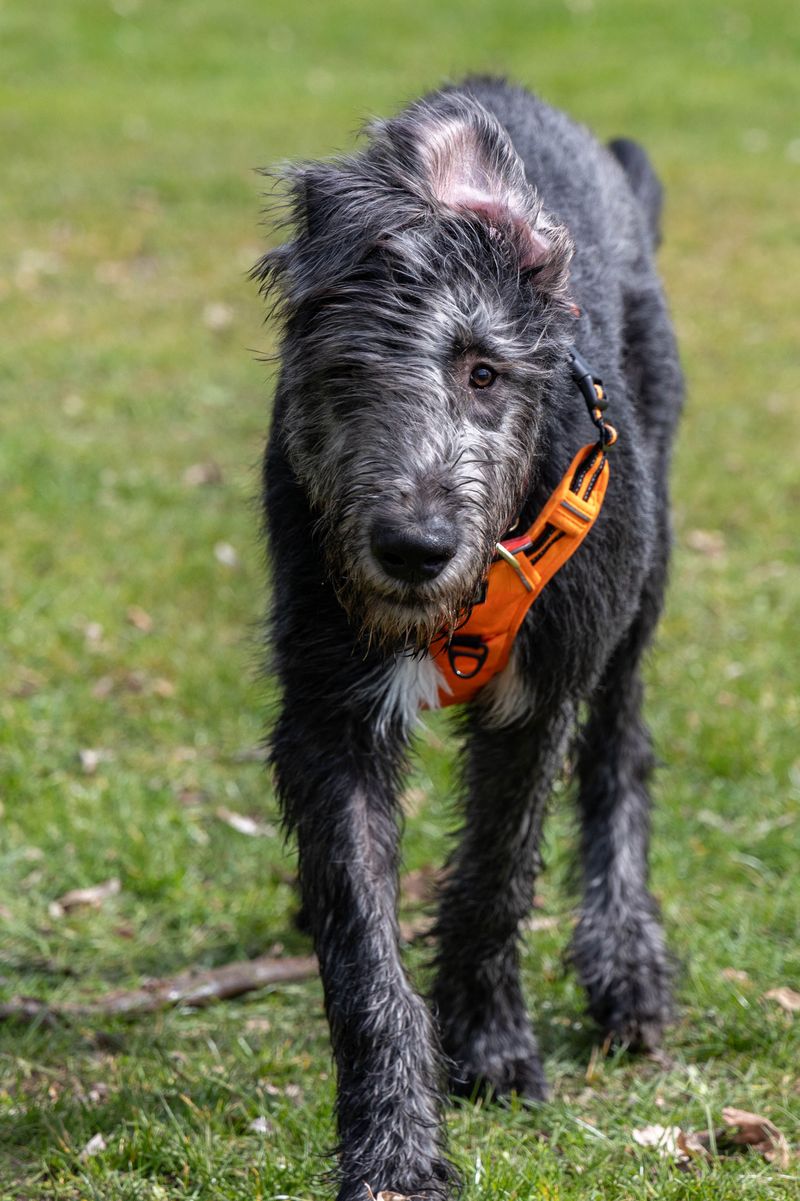
Few dogs make guests whisper wow like an Irish Wolfhound stepping into the room. Despite the height, many adults are calm, thoughtful, and not wildly active indoors.
The catch is comfort: they need a large resting spot and floors that are not slippery. Gentle walks suit them better than endless stairs or rough play.
Since their lifespan can be shorter than many breeds, choose a responsible breeder or rescue and plan for careful health support.
Boxer
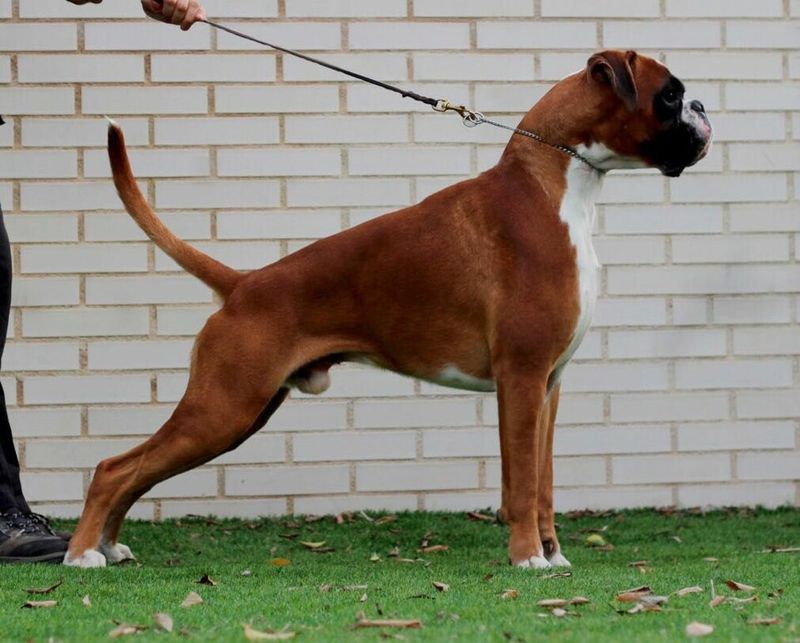
A Boxer brings clown energy in a muscular package, so small-home success depends on daily outlets. Without play and walks, the wiggles can turn into trouble.
Give this breed training games, chew toys, and chances to practice calm behavior after excitement. Boxers often bond closely with family and enjoy being part of every routine.
They can handle compact living when owners are active and consistent. Think less about square footage and more about burning energy kindly.
Standard Poodle
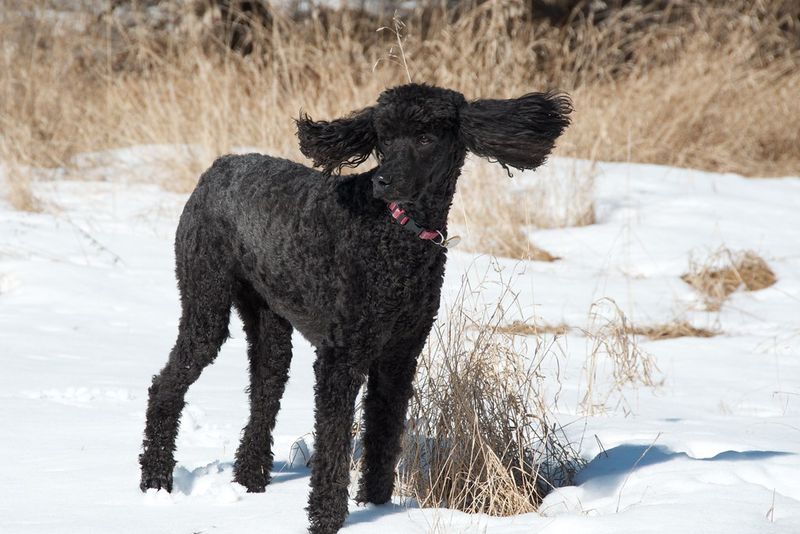
The Standard Poodle is not just fancy hair and ribbon-ready looks. Under that curly coat is a bright athlete who can learn house rules quickly.
Small homes work best when the brain gets exercise along with the body. Try obedience practice, scent games, fetch in safe spaces, and regular walks.
Grooming is a real commitment, so budget time or professional help. With clear routines, this clever dog often becomes a neat, responsive, and graceful roommate.
Chow Chow
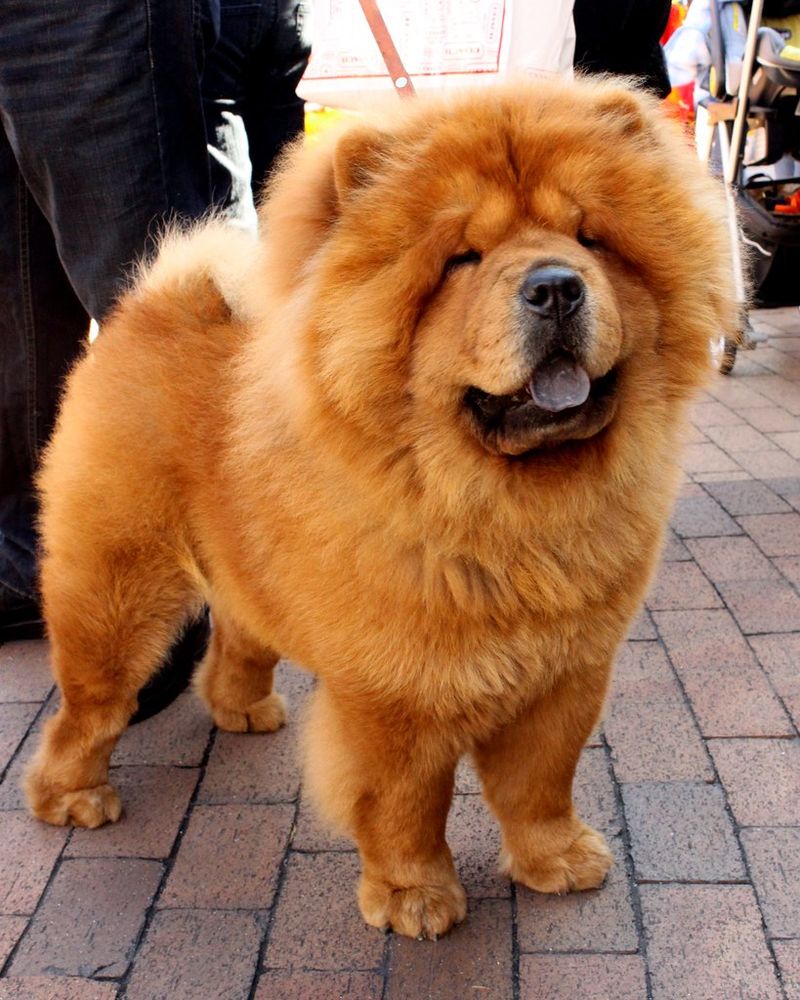
Like a little lion with strong opinions, the Chow Chow often enjoys a calm, tidy home. It is usually not a bounce-off-the-walls type of dog.
Early socialization is key, because Chows can be reserved with strangers and proud about personal space. Short walks, coat brushing, and steady rules keep things peaceful.
Warm weather needs care due to the thick coat. For owners who respect independence, a Chow can fit compact living with quiet dignity.
Saluki
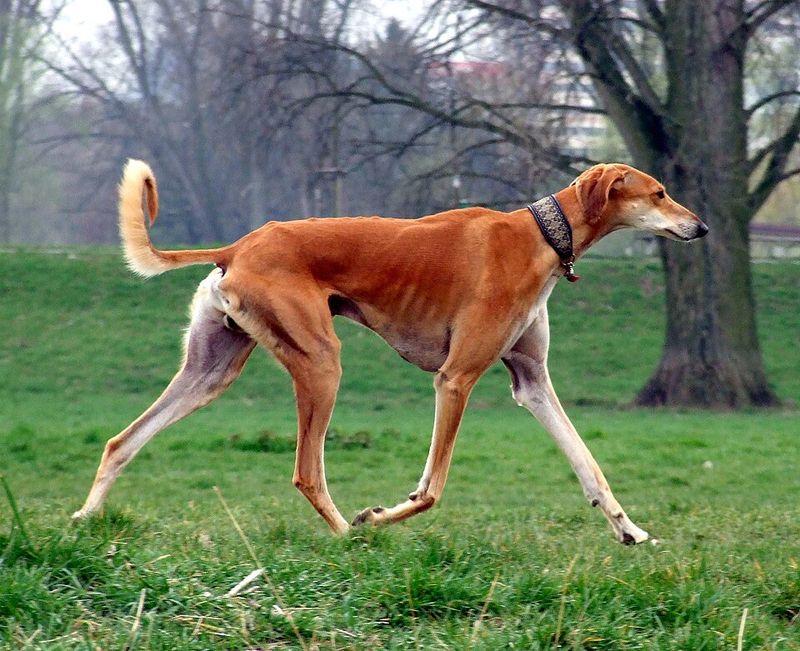
The Saluki carries desert history in its slim frame, once prized by nomadic people for speed and grace. At home, though, it can be soft and quiet.
A secure fenced area is valuable for running, because this breed can chase moving things in a flash. Indoors, a warm bed and gentle handling are appreciated.
Salukis may seem aloof, but they often form deep bonds. Small spaces can work when exercise is safe and regular.