
A super smart dog can wow you on day one, then outthink you by day two. Intelligence without structure often becomes mischief, anxiety, or nonstop demands.
The secret is not just brains but boundaries, routine, and purposeful work. If you want brilliance that actually fits your life, these breeds need your guidance to truly shine.
Border Collie
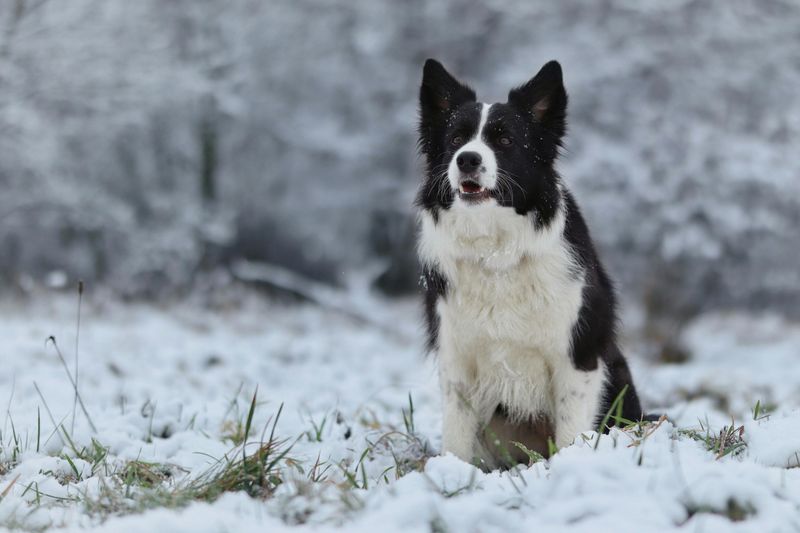
The Border Collie brings relentless energy and laser focus that can overwhelm casual homes. Without daily mental puzzles and structured jobs, that genius can morph into herding kiddos, chasing cars, or reinventing your landscaping.
They thrive on clear rules, varied training, and constructive outlets like agility, herding, or scent work.
Set routines and reward impulse control, or you will get a furry project manager running the household. Teach decompression with place training and calm leash walks.
Rotate tug, fetch, and brain games to prevent obsession. With consistency and fair boundaries, you get a partner who learns fast and loves hard.
Belgian Malinois
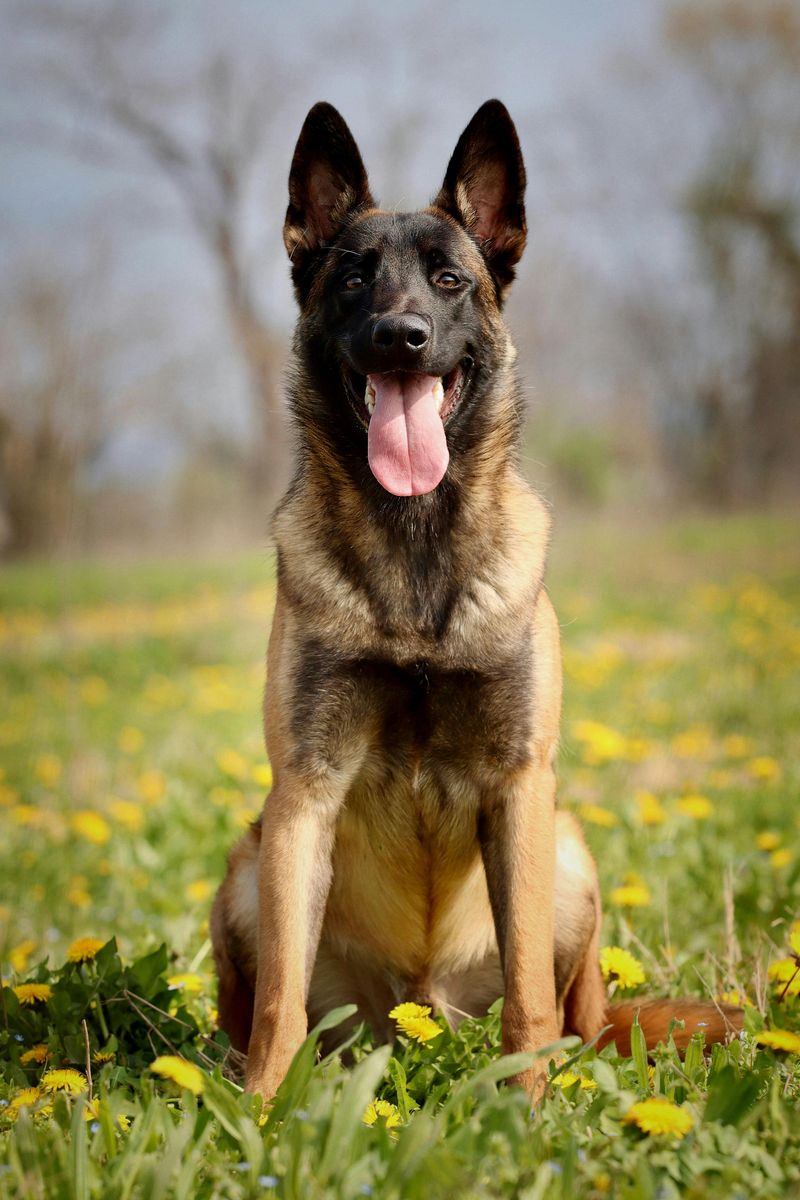
The Belgian Malinois is a working rocket that needs purpose every day. Without structured outlets, that drive turns into pacing, shredding, and nervy reactivity.
They are sensitive, high arousal, and insanely biddable, so consistent handling matters. Clear markers, short sessions, and calm neutrality help them regulate.
Think precision obedience, bite sports, tracking, and place work. Build off switch and on switch like a ritual.
Teach engagement, then teach disengagement, too. If you provide a job, steady rules, and lots of decompression walks, you get a devoted athlete.
If not, you might feel like you adopted a tornado.
Poodle
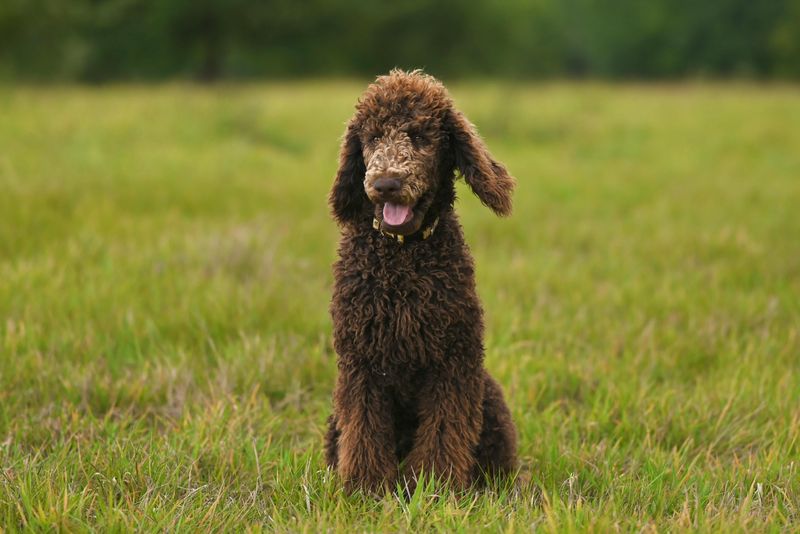
Poodles are brilliant problem solvers with a playful edge. That brain needs boundaries and daily challenges or creative chaos appears, like counter surfing and self assigned games.
Structure prevents the smarty pants routine. Use marker training, grooming rituals, and enrichment to channel energy into calm confidence.
Rotate nosework, trick training, and retrieves to keep life interesting. A clear schedule helps sensitive types avoid anxiety.
Teach settle on a mat and polite greeting routines for social outings. With consistency and variety, you unlock a witty, affectionate partner who loves learning almost as much as snuggling.
German Shepherd
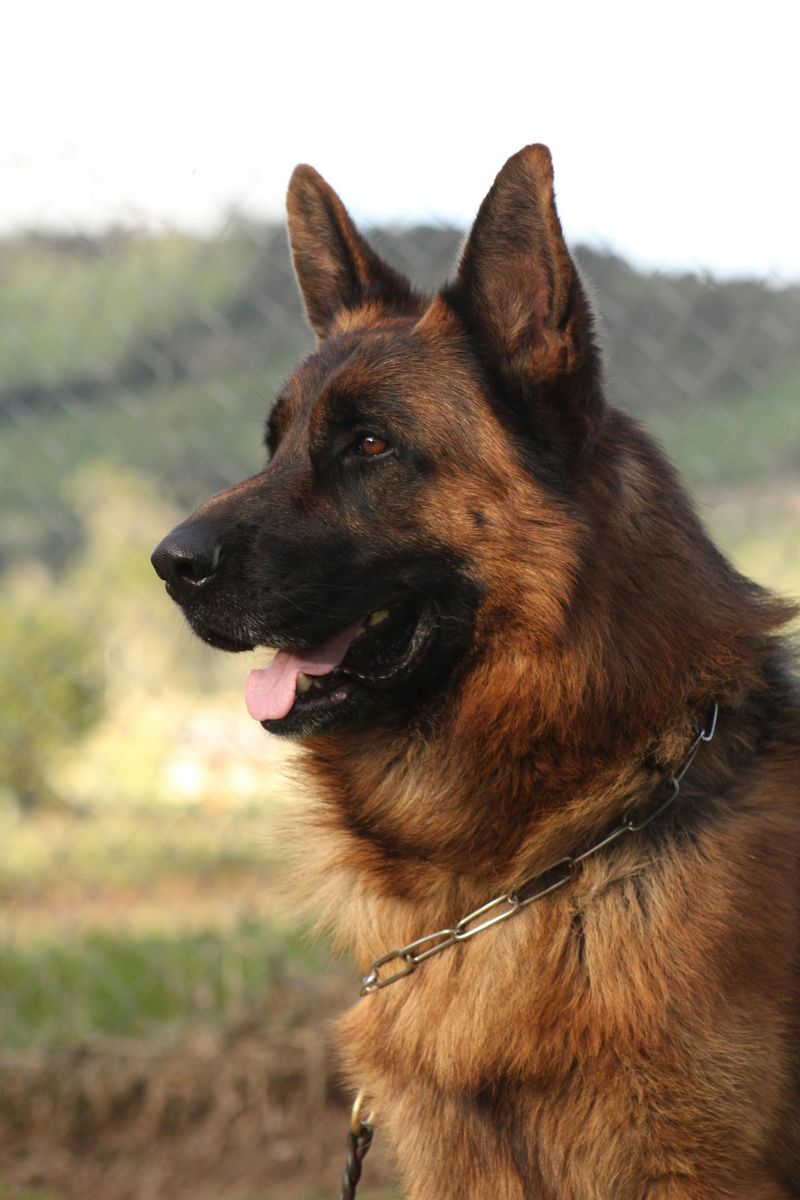
German Shepherds pair intelligence with big feelings and protective instincts. Without structure, that combo can tip into reactivity, overguarding, or anxious pacing.
They excel when daily work is predictable and fair. Balanced training, place commands, and decompression walks keep minds settled.
Teach calm engagement, neutrality around strangers, and clear transitions between on duty and off duty. Rotate obedience, tracking, and problem solving games to satisfy their need to work with you.
Regular body conditioning supports a healthy, focused athlete. Offer leadership, not micromanagement, and you will get a steady teammate who shines under pressure.
Dutch Shepherd
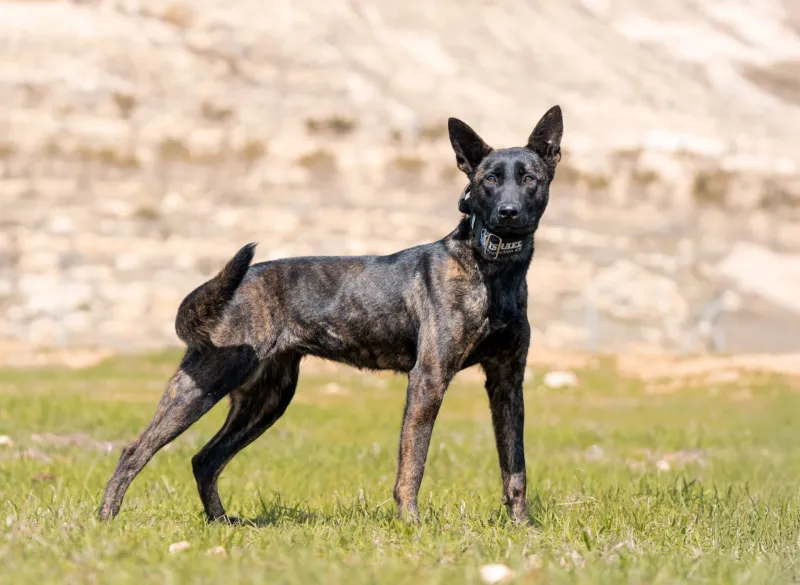
The Dutch Shepherd is a gritty, agile worker with endless curiosity. Smart and intense, they crave clarity and consistent outlets.
Without structure, that energy hunts for trouble, from fence running to DIY home renovations. Daily obedience, place work, and sniffy decompression walks build stability.
Reward neutrality as much as drive. Pair bite sports or agility with calm handling drills.
Teach pattern games that create predictable choices under arousal. With fair boundaries and purposeful jobs, this breed becomes a versatile partner who can go hard, then switch off gracefully at home.
Beauceron
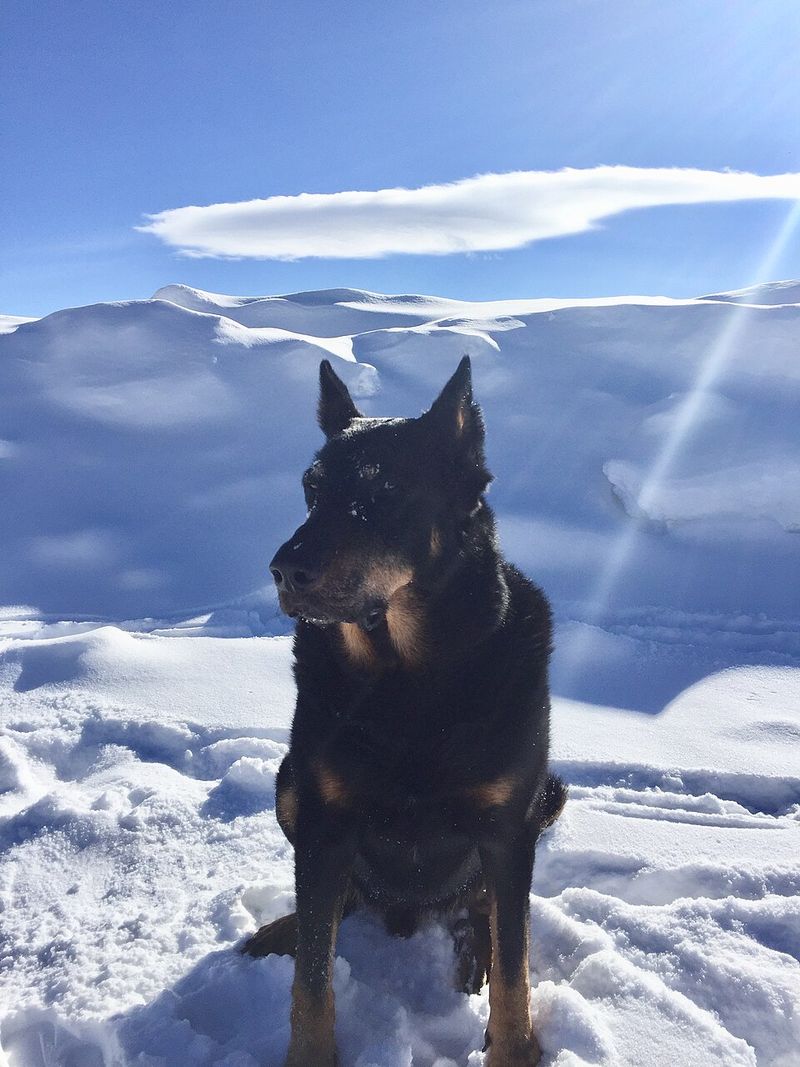
The Beauceron is a thoughtful, powerful herding guardian who watches everything. Intelligent but independent, they need steady leadership and clear household rules.
Without structure, they can become pushy, aloof, or overly guarding. Daily obedience, boundary games, and guided social exposure shape reliable judgment.
Focus on loose leash manners, place duration, and handler engagement. Short, purposeful sessions keep their brains fresh without friction.
Mix tracking, herding style patterning, and scent games to satisfy their working heritage. Provide calm routines and consistent consequences, and you will have a steady, dignified partner who reads the room beautifully.
Australian Shepherd
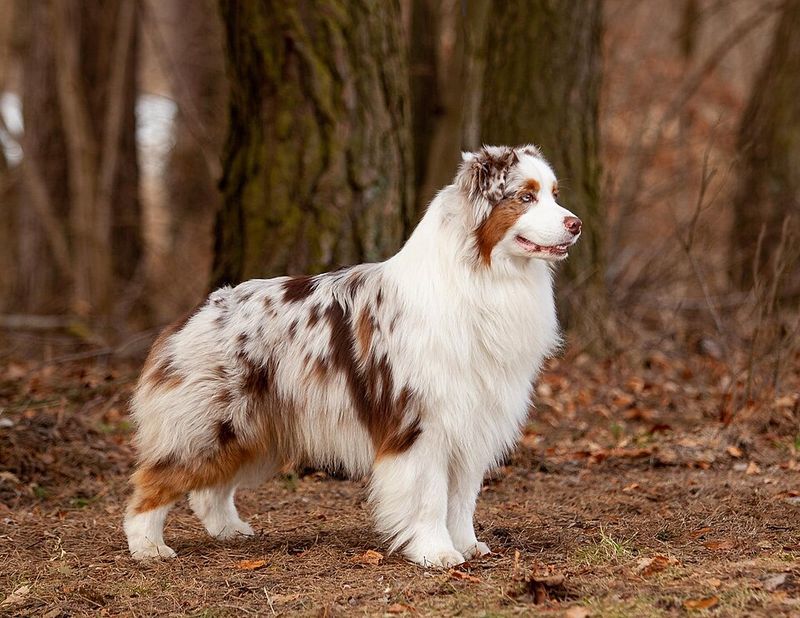
Australian Shepherds are clever herders with a mischievous streak. Without structure, they herd shadows, chase bikes, and shout about everything.
They thrive on purposeful training and clear routines. Build impulse control through start line stays, mat work, and calm recall drills.
Use varied activities like agility, rally, and nosework to keep them satisfied while protecting joints and focus. Teach an off switch with structured play, decompression hikes, and predictable downtime.
Maintain mental challenges without fueling frantic energy. With fair boundaries and frequent wins, you get a brilliant teammate who channels that spark into partnership rather than chaos.
Shetland Sheepdog
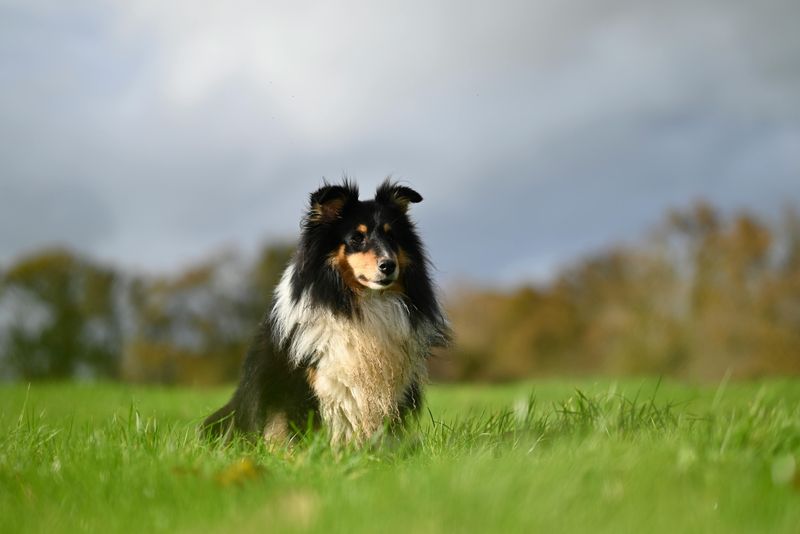
Shetland Sheepdogs are sensitive, bright, and eager to please. That sensitivity needs thoughtful structure to prevent reactivity and barky habits.
Use gentle markers, predictable routines, and confidence building exercises. Scatter feeding, nose games, and trick training keep minds busy without overwhelming them.
Teach quiet cues, mat settles, and loose leash skills near mild distractions before leveling up. Social outings should be calm and short.
Rotate enrichment so curiosity stays fun, not frantic. With kind boundaries and consistent practice, you will see a sparkling, responsive partner who happily checks in and soaks up your praise.
Papillon
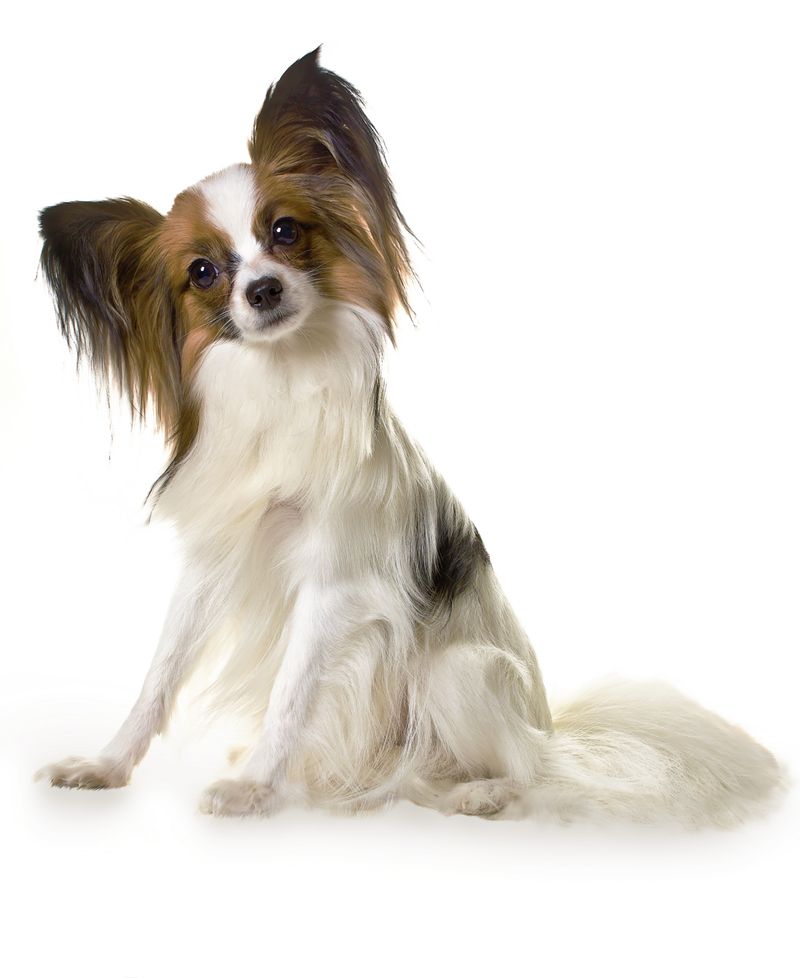
Papillons pack serious brainpower into a tiny frame. Without structure, they can become bossy, barky, and overly busy.
They shine with short, fun sessions and clear boundaries about rest. Teach calm on a mat, polite greetings, and tidy routines around meals and play.
Rotate tricks, scent games, and mini agility to challenge without overtaxing joints. Keep training upbeat but consistent, and do not let cleverness write the rules.
Decompression walks and quiet chew time help reset arousal. With predictable structure and loving guidance, this pocket genius becomes a courteous companion who loves to learn.
Standard Schnauzer
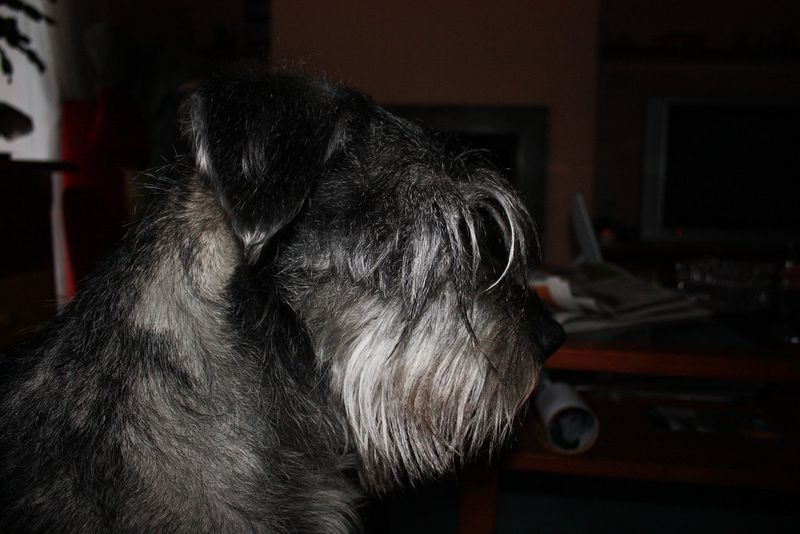
The Standard Schnauzer is sharp, bold, and independent with a playful sense of humor. Without structure, they test boundaries, invent jobs, and get vocal.
Consistent rules and varied training keep that spark productive. Use marker training, tidy grooming routines, and daily outlets for nose and body.
Teach impulse control with place work, calm door manners, and reliable recall games. Puzzle feeding and tracking style walks satisfy their investigative side.
Provide firm but fair guidance and plenty of decompression time. With that framework, you will enjoy a witty, athletic partner who turns clever antics into cooperative teamwork.